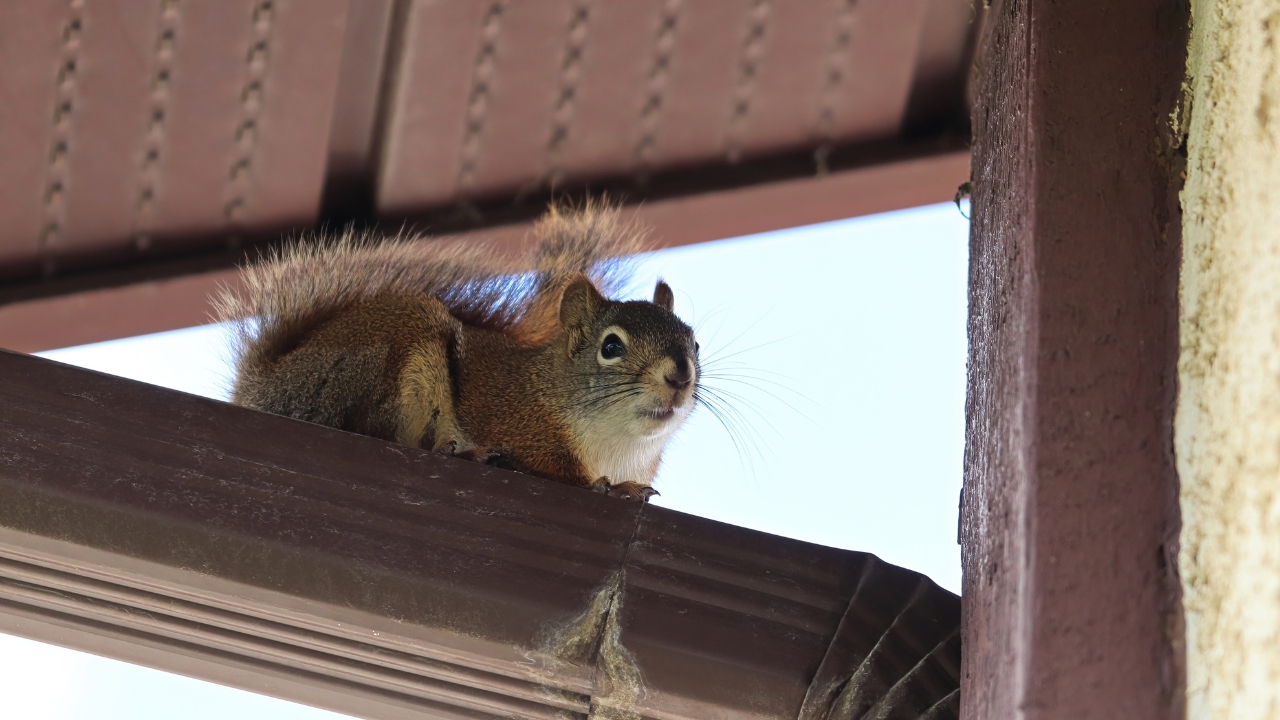
12 Things Squirrels Get Into That Homeowners Never Check
Photo credit: Amelia Martin/Shutterstock.com
Squirrels don’t need a big opening to move in. They just need one loose edge, one warm spot, or one food smell you forgot about. Most homeowners keep an eye on the obvious places, then get blindsided by the weird ones.
1. Loose Roof Vents And Ridge Caps
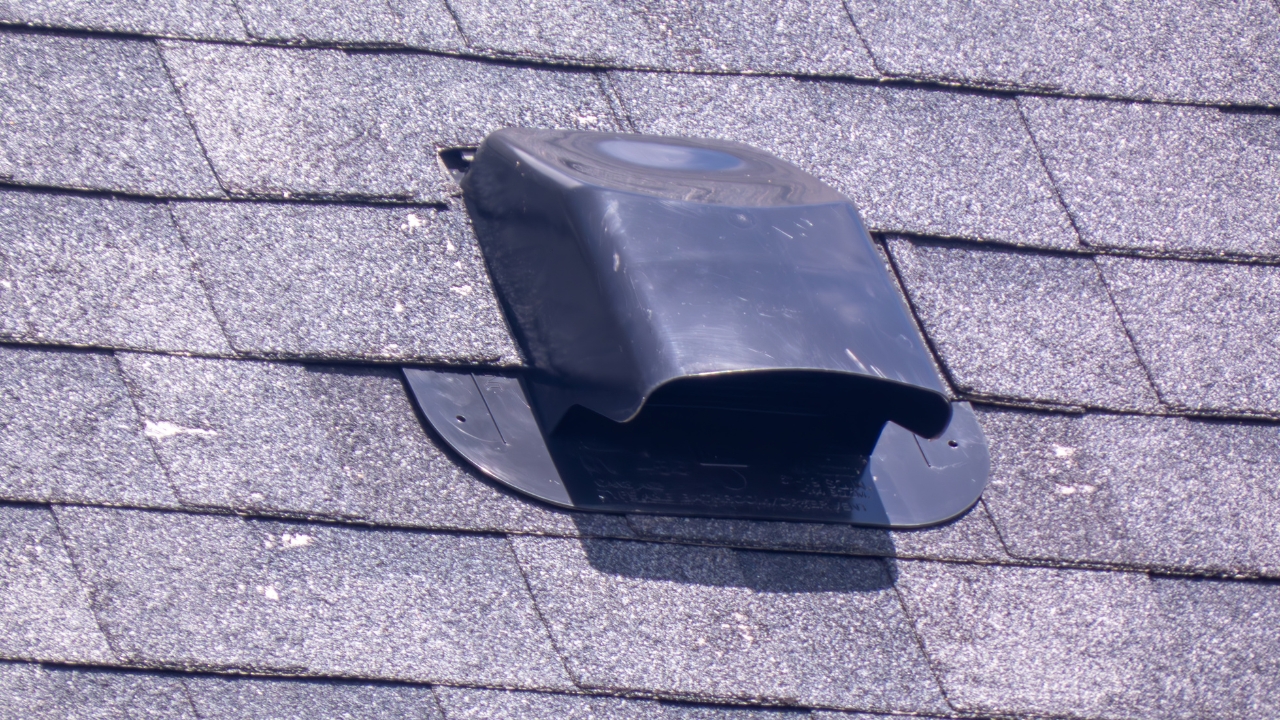
You look at shingles from the yard and call it good. Meanwhile, a squirrel is testing every plastic roof vent, ridge cap, and flashing edge like a crowbar with fur. Once they find a little give, they chew and pry until there’s a hole into the attic.
Check from a ladder at the eaves and with binoculars from the ground. Look for gnaw marks, lifted corners, and dark smudges around a vent hood. If anything’s loose, fix it fast, squirrels don’t wait for your weekend. Metal vent covers and proper flashing beat plastic in the long run, and this is one of those repairs that’s cheaper than an attic cleanup.
2. Dryer Vent Hoods And Lint Pipes
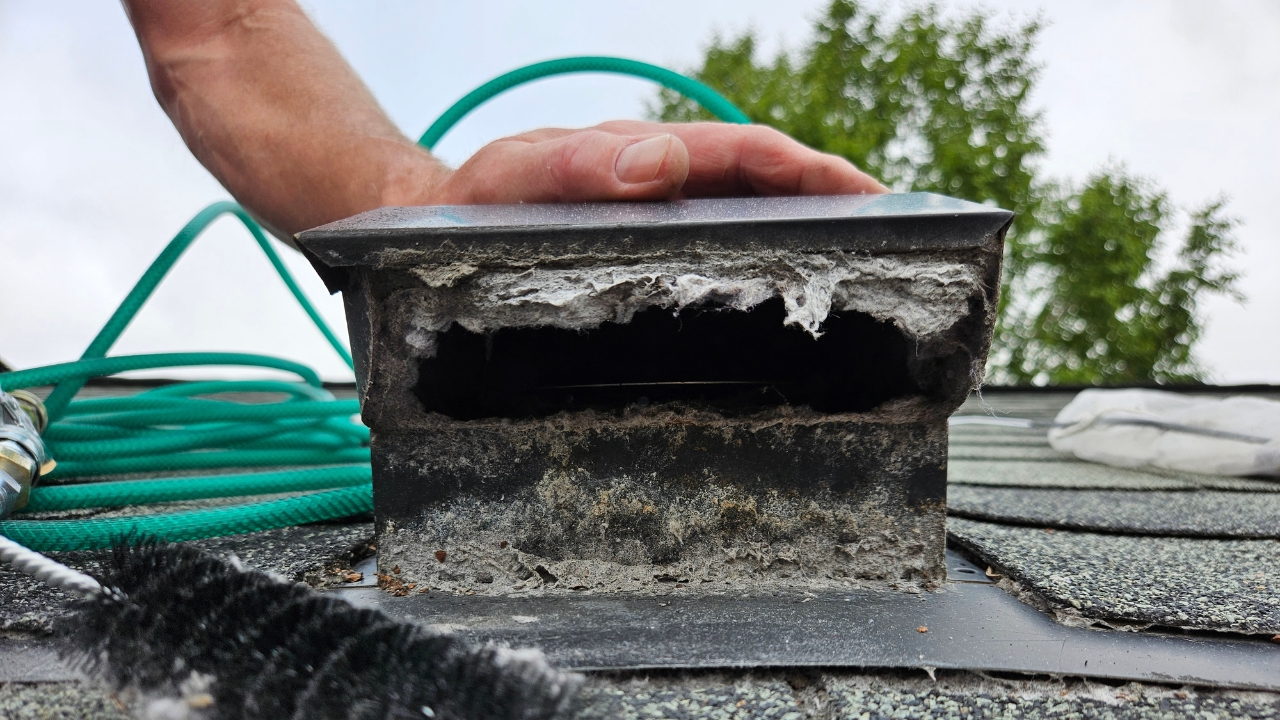
That flapper on the outside wall looks harmless, so it gets ignored for years. Then you hear thumping in the laundry room wall, or the dryer starts taking forever. Squirrels love the warm, sheltered duct run, and lint is basically nesting material delivered to their doorstep.
Swap broken hoods for a sturdy metal one and add a pest-rated cover that still allows airflow. Don’t install a fine screen that clogs with lint, that’s a fire risk and can cook your dryer. If the duct run is long or you’ve got flex duct crushed behind the machine, replace it with smooth metal pipe and a proper clamp setup. If you’re not comfortable pulling the dryer and working in tight spaces, hire it out.
3. Attic Insulation Around Recessed Lights
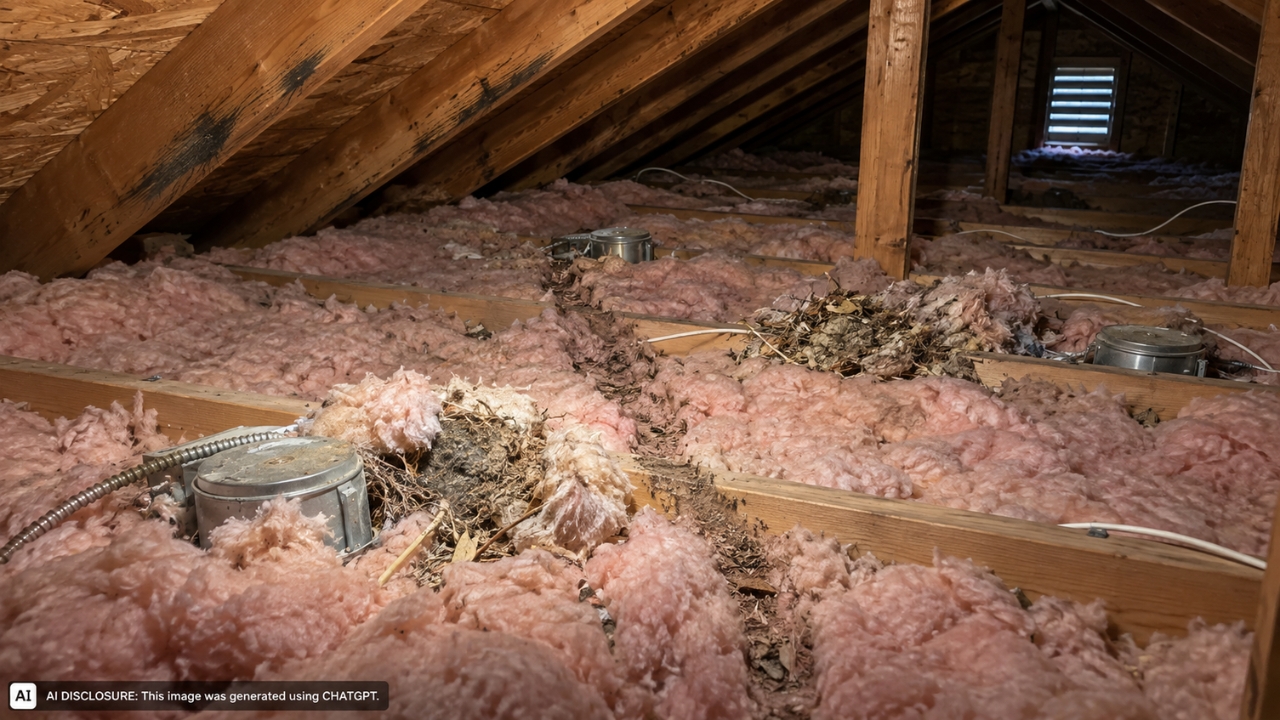
When squirrels get into an attic, they don’t just hang out near the entry hole. They run the same paths over and over, and those paths often cross light fixtures, bathroom fan housings, and wiring. Chewed insulation and disturbed covers can leave gaps where you lose heat all winter.
Pop your attic hatch on a cool day and look for tunnels, matted insulation, and little piles of shredded paper or fiberglass. Keep your headlamp on and watch for dark rub marks on rafters, that’s a squirrel highway. If you have older recessed lights that aren’t rated for insulation contact, don’t mess around. Call a licensed electrician to assess, and get the critter problem handled before you replace insulation.
4. Chimney Caps And Flue Openings

Some folks never look up at their chimney until smoke backs up or the fireplace smells like a barn. A missing cap or torn screen is a wide open door. Once inside, squirrels can drop down and get stuck, or build a nest that blocks airflow.
Use binoculars and check the cap and screen from the yard. If the cap is loose, corroded, or the mesh is torn, fix it before fall burning season. A proper chimney cap is not expensive compared to a chimney fire or a smoke-filled living room. If you need to get on the roof, choose a calm day, use a stable ladder, and if the pitch is steep, pay a chimney pro.
5. Deck Ledger Boards And Joist Cavities
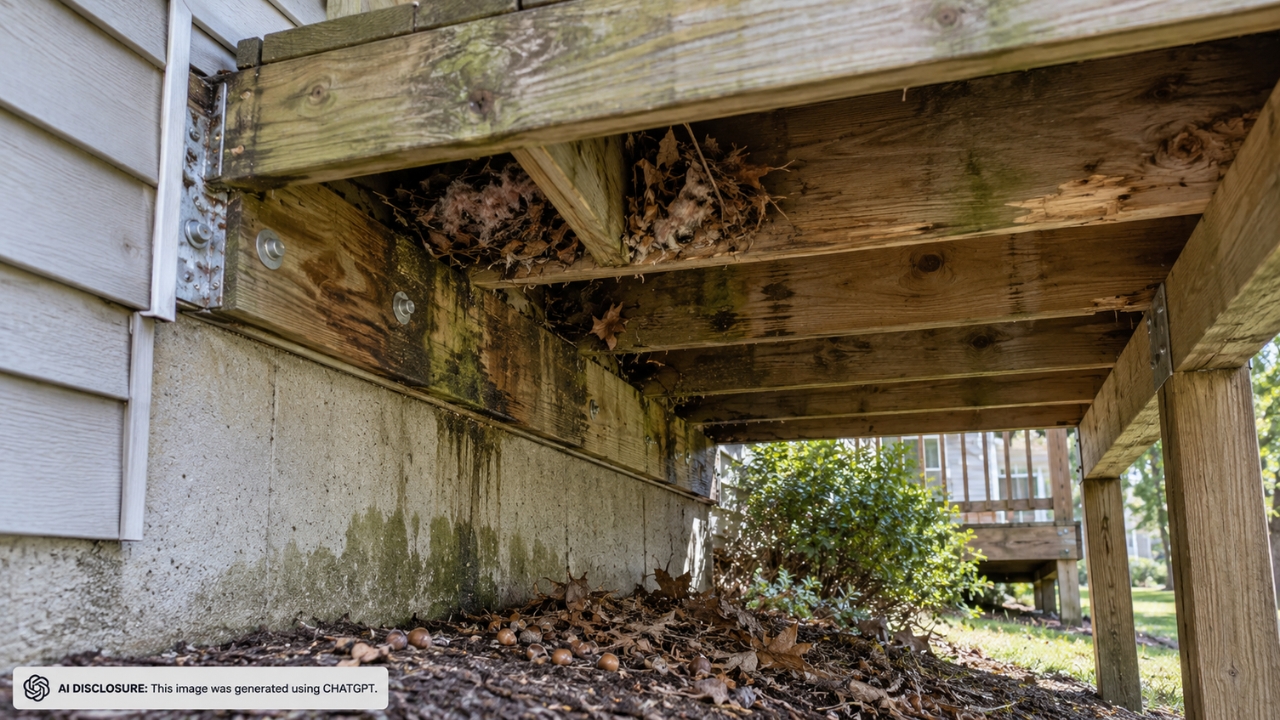
The space under a deck is a squirrel hotel, but the real trouble starts when they pack nests against the house. Leaves and insulation scraps hold moisture, and damp wood rots faster than you think. You might not notice until the deck feels spongy or the ledger starts pulling away.
Get on your knees and look where the deck meets the house. If you see nesting piles, acorn shells, or chew marks on rim joists, clean it out and close gaps with hardware cloth and wood or metal trim, not spray foam alone. If the ledger flashing is missing or sloppy, that’s a bigger fix and sometimes a permit issue. A deck that’s tied to the house wrong is a safety problem, and it’s worth having a contractor look at it.
6. Stored Birdseed And Chicken Feed Lids
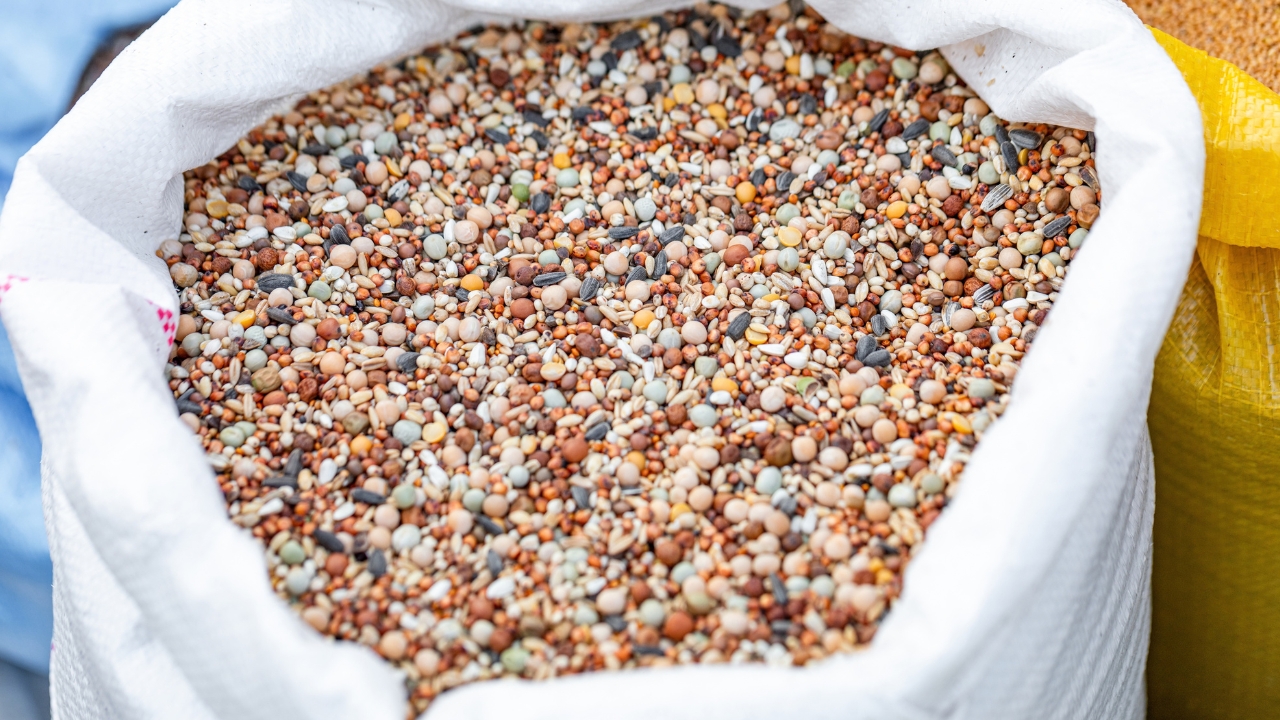
You buy a big bag to save money, then roll the top down and call it sealed. Squirrels smell it, chew the bag, and you end up with feed dust, droppings, and a steady parade of visitors. Once they learn the pantry location, they’ll keep checking it.
Move feed into a metal can with a tight-fitting lid, or a heavy plastic bin that’s truly thick, not the flimsy tote kind. Keep it off the floor on a pallet or shelf so you can spot spills and sweep fast. If you’re feeding birds, don’t store the extras in the garage right by the door, that scent trail matters more than people think.
7. Garden Bulb Beds In Fall
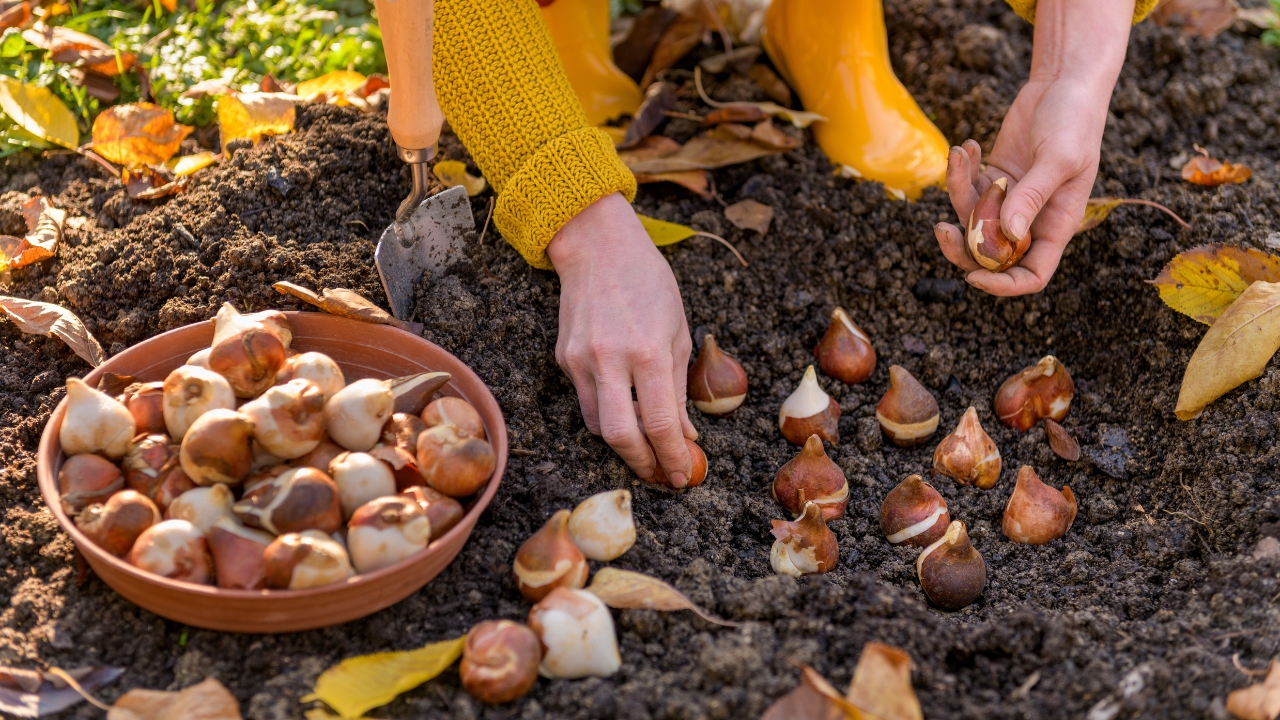
After you plant tulips and crocus, you go inside and forget about it. Squirrels don’t. Freshly worked soil is basically a sign that says, “Dig here.”
Lay down chicken wire or hardware cloth flat over the bed and pin it with landscape staples, then cover with mulch. They can’t dig through it, and the plants still grow up through the openings. Here’s the exception: if you’re planting daffodils, squirrels usually leave them alone because they don’t like the taste. You still might need protection in heavy-pressure yards, but it’s not always necessary.
8. Raised Beds And Drip Lines
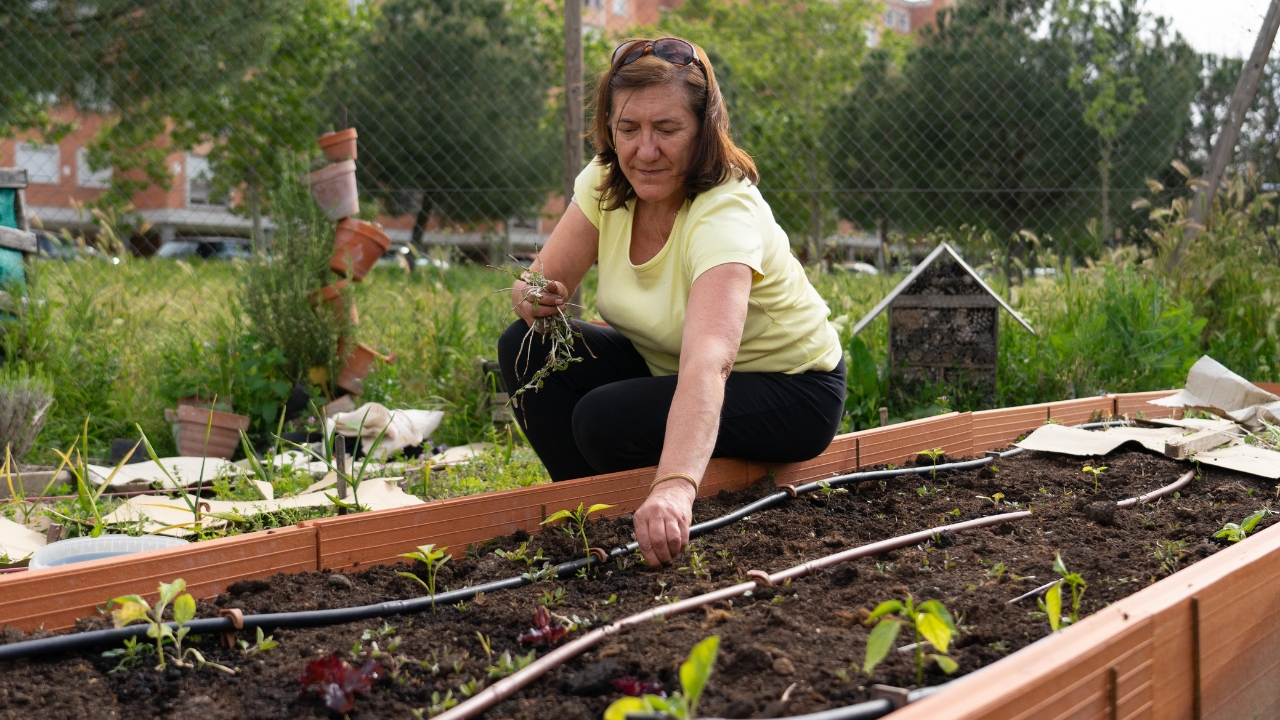
Raised beds look tidy, so you assume they’re safe. But squirrels treat them like a sandbox, especially if the soil stays soft from drip irrigation. They also chew thin drip tubing when they’re thirsty or when the line is in the way of digging.
If you find little cone-shaped holes and disturbed seedlings, cover the bed with a lightweight mesh or wire panel until plants get established. For drip, bury the line a couple inches or pin it down with staples so it doesn’t move. Chewed sections need real couplers, not tape, or you’ll be chasing leaks all season.
9. Outdoor Cushions And Patio Storage Boxes
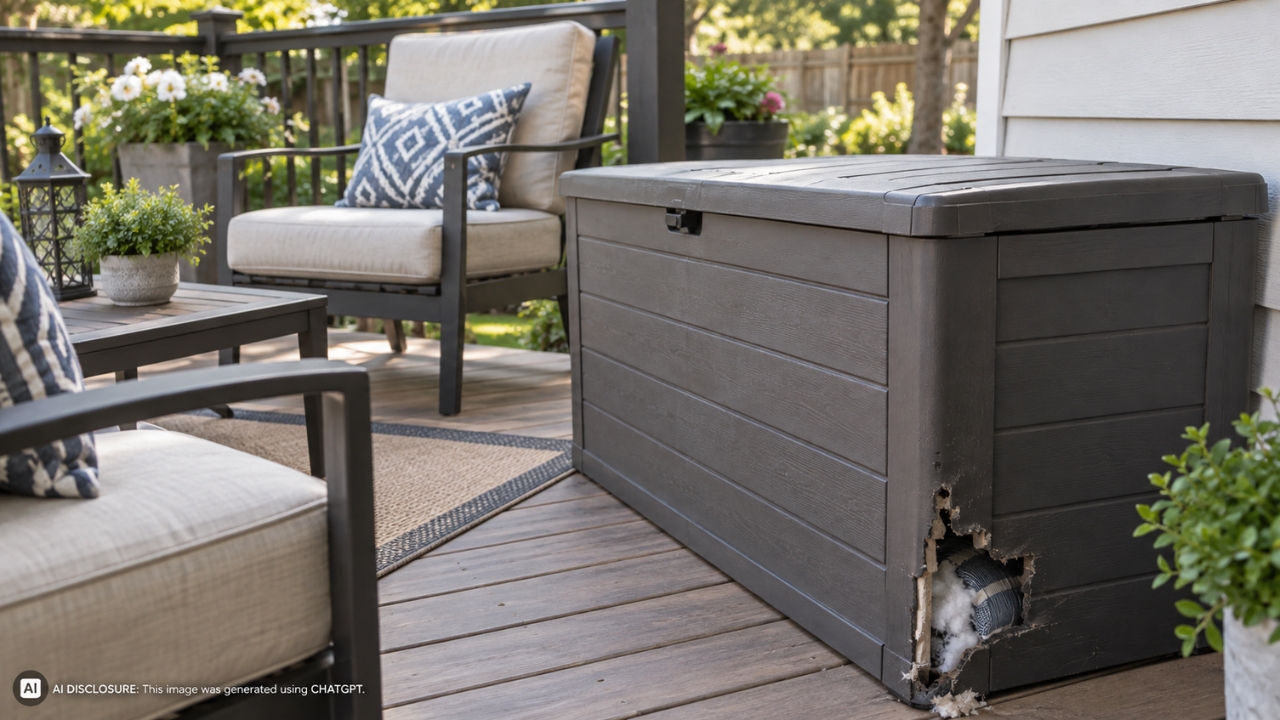
You put cushions in a deck box and think they’re protected. A squirrel can chew a corner, slip inside, and shred everything into nest fluff. It doesn’t take long, and it’s maddening because it feels so pointless.
Check the underside and back corners for gnawing and little strings of fabric pulled out. If your box is plastic, add metal corner guards or switch to a metal bin for the off-season. Keep the box clean of snack crumbs too, especially if you eat outside and toss napkins in there.
10. Car Hoods Parked Under Trees

Cold snaps are when this shows up. You go to start the car and it runs rough, a warning light pops on, or you smell something burning. Squirrels climb down from an overhanging branch, stash walnuts on the engine, and chew wiring or hood insulation for nesting.
Pop the hood now and then if you park under oaks, pines, or a feeder. Look for acorns, leaves packed into corners, and shredded foam. If you see chewed wires, don’t just wrap it and hope. Get a mechanic to inspect because modern wiring harness damage can get expensive fast and can create real safety issues.
11. Garbage Can Handles And Latches
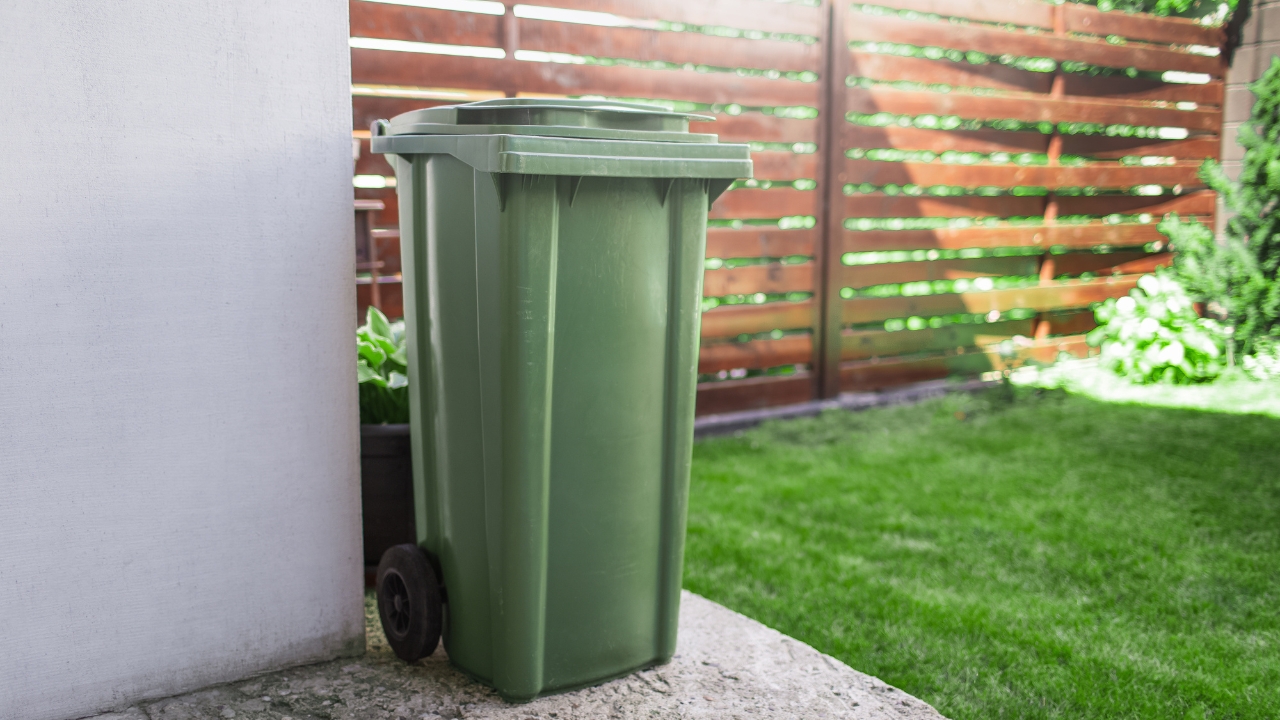
Squirrels don’t need to knock the whole can over. They work the lid edge, chew a handle, and suddenly the lid doesn’t seal. Then rain gets in, the smell gets out, and every critter on the block shows up.
Wash sticky cans, replace cracked lids, and use a simple bungee or locking strap if your local rules allow it. Don’t leave bagged trash sitting beside the can overnight, that’s just training them. If pickup is early, set it out in the morning.
12. Shed Corners And Foam Gaps
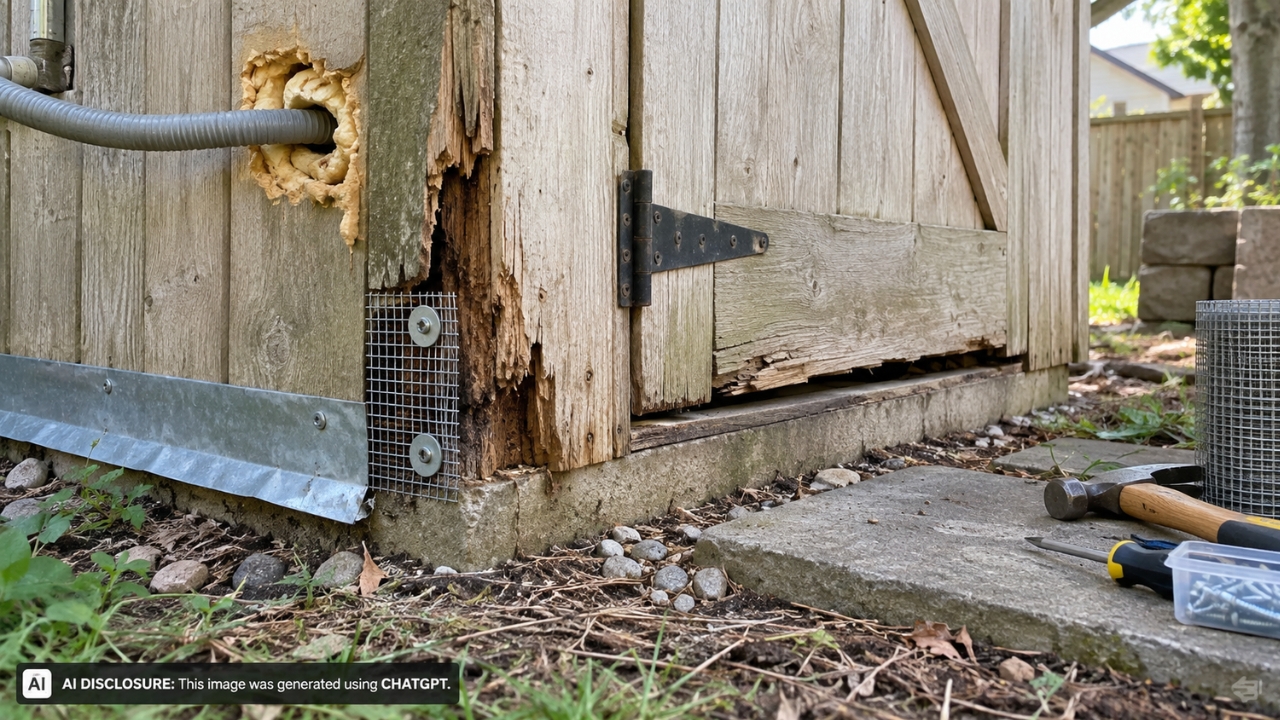
Most sheds are full of tiny openings, and you stop noticing them after the first year. A squirrel notices every warped door, soft corner, and gap around a conduit. Spray foam alone won’t hold, they chew right through it like it’s stale bread.
Walk the shed perimeter and probe corners with a screwdriver. If the wood is punky, replace it, then close openings with metal flashing or hardware cloth fastened with screws and washers. If you’re running power out there, keep all wiring in proper conduit and have a licensed electrician handle any new circuits, local codes apply even for a “just a shed” setup.
Once you block access and cut off the easy food, the noise usually stops within days. The hard part is staying ahead of the next weak spot, especially after storms and fall cleanup. Put a seasonal reminder on your calendar and treat it like checking smoke alarms, quick, boring, and it prevents a mess.
Like Fix It Homestead’s content? Be sure to follow us.