
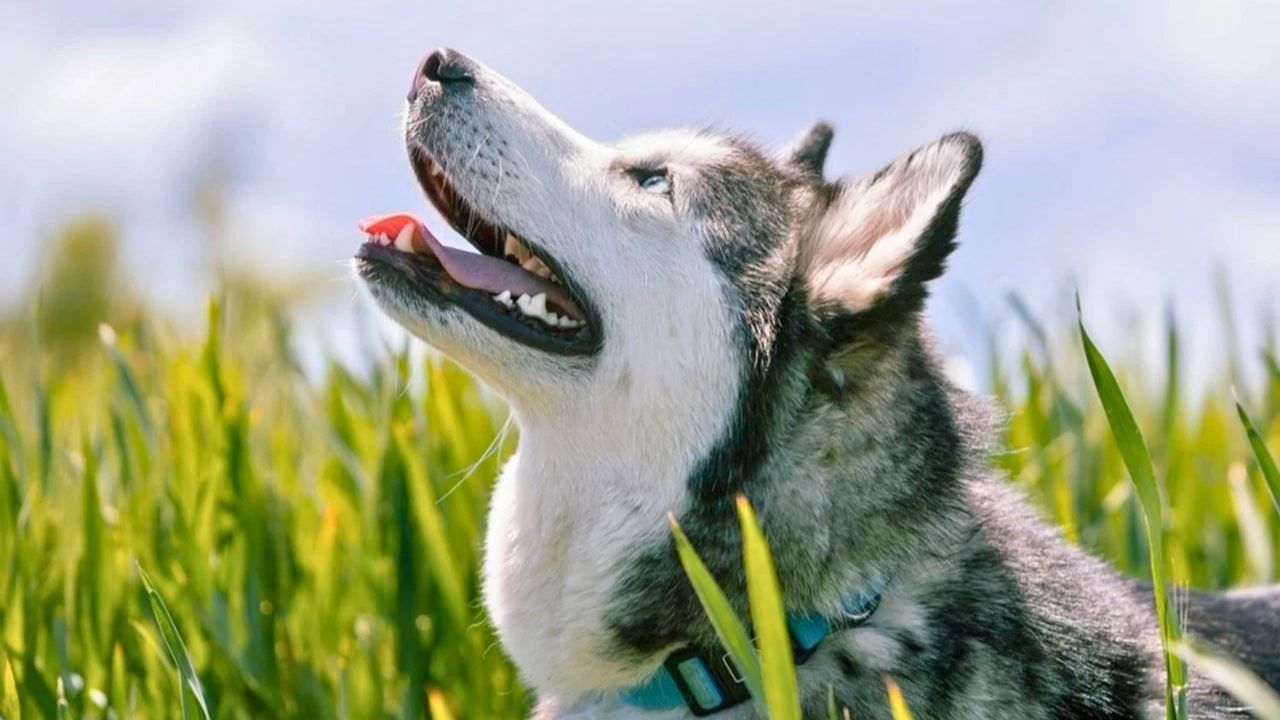
11 Dog Breeds That Were Built to Work Outdoors
Photo credit: Amittzi/Shutterstock.com
Some dogs look tough in the yard, then fall apart the first week you ask them to do real outdoor work. Mud, ice, heat, burrs, livestock, strangers at the gate, long walks to the back fence, it all adds up fast. If you want a dog that can pull its weight outside, start with a breed built for the job, then match it to your land and your schedule.
1. Border Collie For All-Day Stock Work
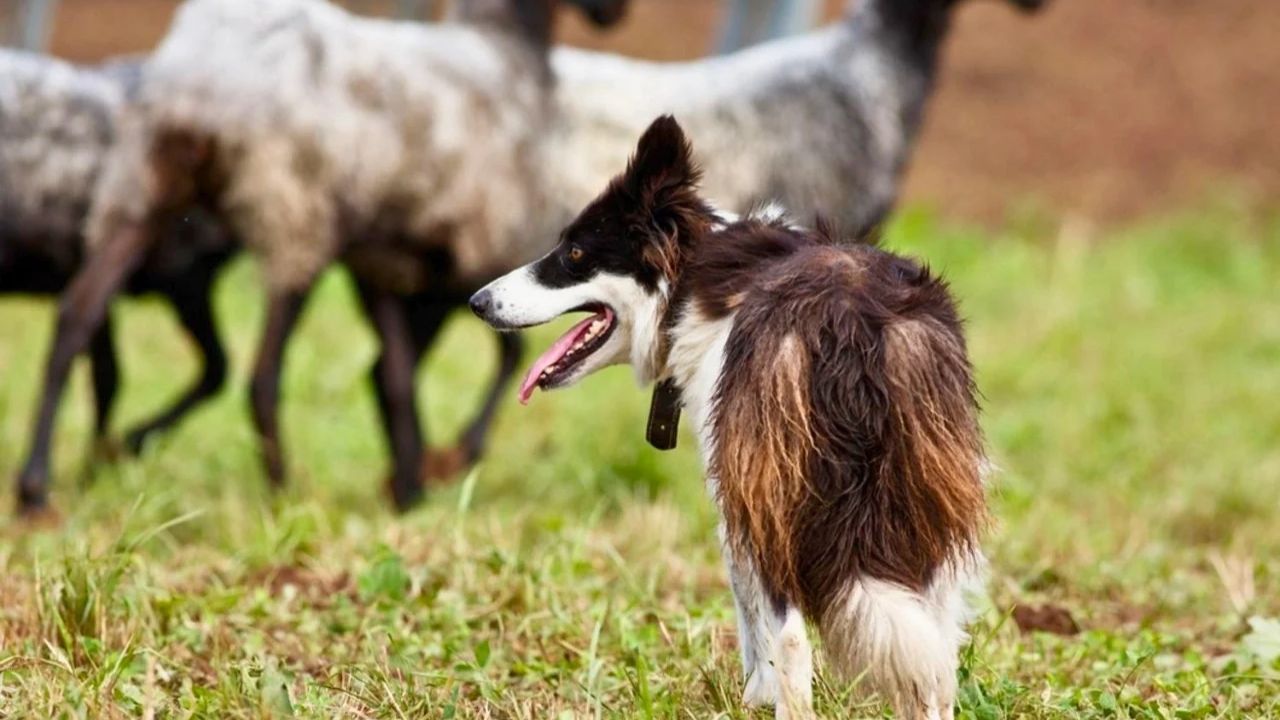
You can’t fake the kind of stamina and focus a Border Collie brings to chores. This is the dog that will circle sheep for hours, listen at distance, and still be ready to do it again tomorrow. On a homestead, that can mean moving poultry away from a garden bed, keeping goats off the road, or simply pushing cattle through a gate without turning it into a rodeo.
The “fix it” part is handling the brain, not the body. If you don’t give this breed real jobs, it’ll invent one, like herding kids, bicycles, or your mower. Plan daily work, teach clear commands, and use a long line until recall is bulletproof. A bored Border Collie turns into chewed boards and shredded hoses.
2. Australian Cattle Dog For Rough Terrain
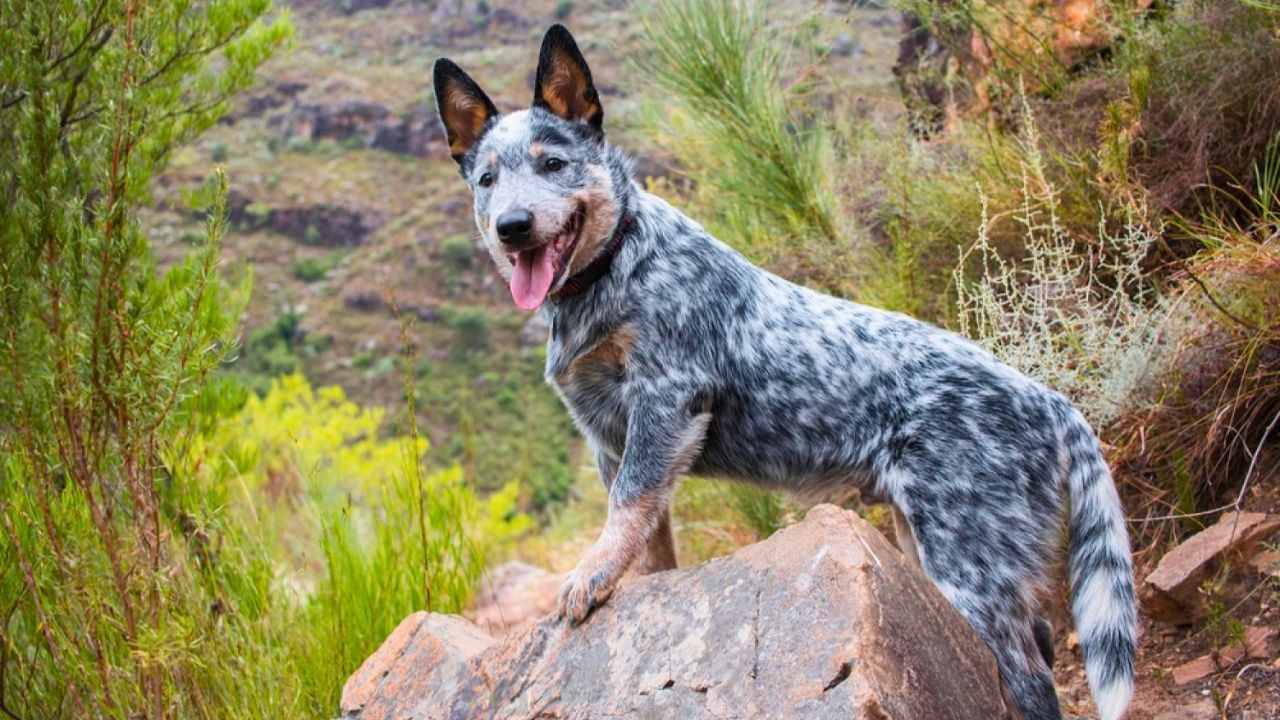
These dogs were made to take a hit and keep going, and they don’t mind bad footing. An Australian Cattle Dog can handle rocky lanes, brushy fence lines, and long days where you’re in and out of barns. They’re compact, tough, and quick enough to dodge hooves.
People mess up by letting them run the place. You need firm rules early, or they’ll guard tools, doorways, and feed buckets like they own them. Give them a job that has an off switch, like following you on chore rounds, then settling in a crate or on a mat. If you have regular visitors or delivery drivers, work on calm greetings from day one.
3. Great Pyrenees For Nighttime Predator Patrol
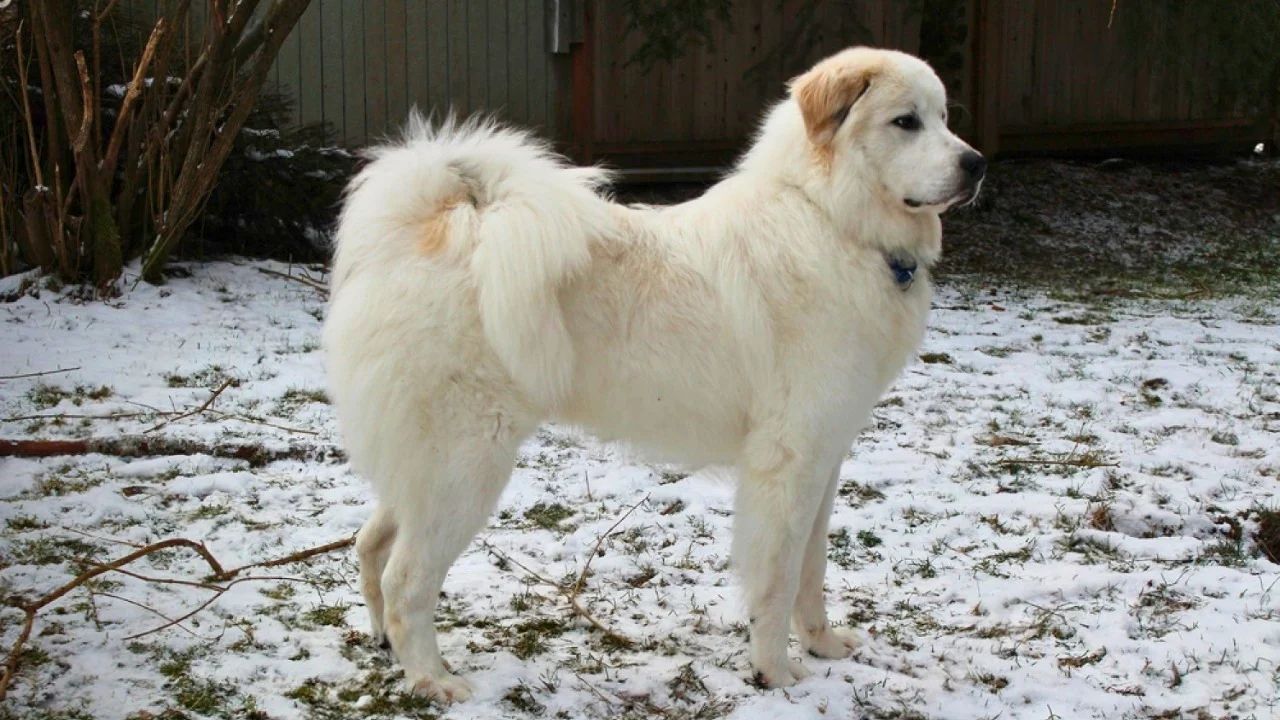
If your problem starts after dark, this breed makes a lot of sense. Great Pyrenees are livestock guardians, built to live outside with the flock and make predators think twice. They’re thick-coated, steady, and not interested in chasing a ball when there’s a suspicious sound near the chicken run.
The common advice is “keep them indoors and they’ll bond to you.” That’s not always the best plan on acreage. Many do best bonding to their animals, with a secure fence, shelter from wind, and regular handling so you can trim nails and check ears. The fix is fencing and routine, because a roaming guardian dog becomes a neighbor problem fast.
4. Anatolian Shepherd For Big Pastures
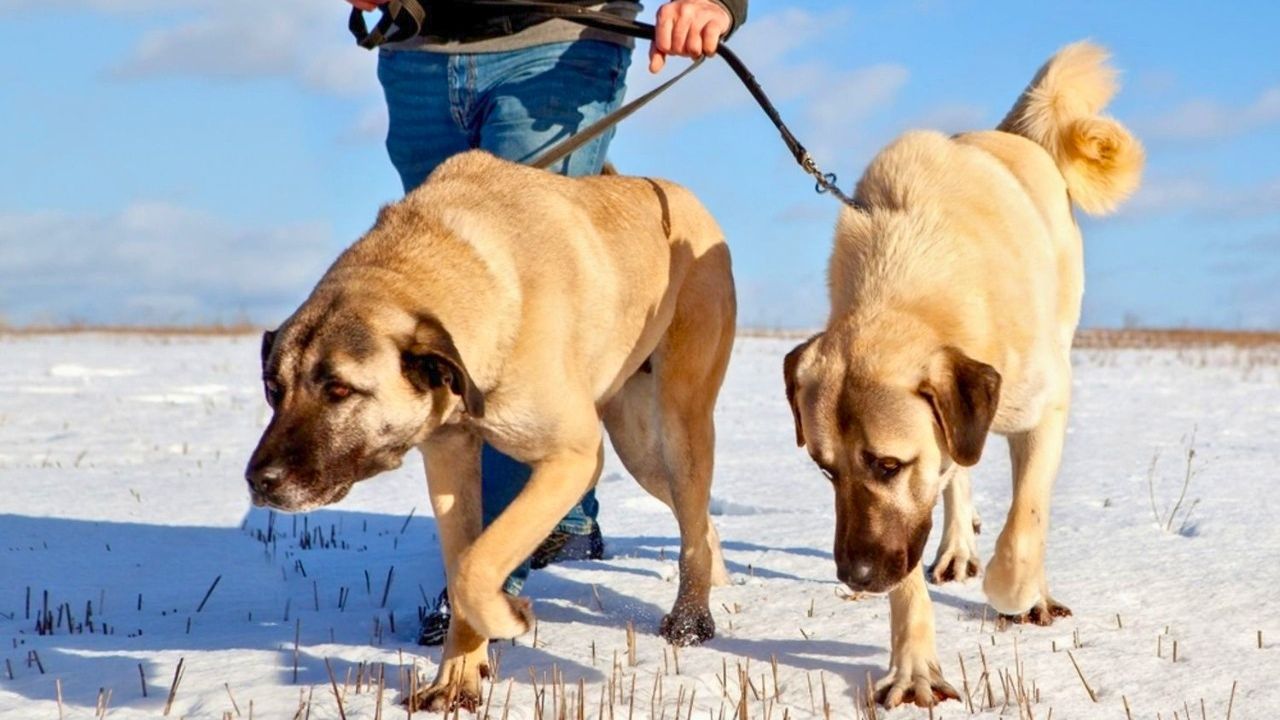
Some properties are just too open and too wild for a casual yard dog. Anatolian Shepherds are built for wide ground, long sight lines, and serious guard work. They tend to work more independently than some other guardians, which helps when you’re not standing in the field all day.
That independence cuts both ways. If your fencing is weak, they’ll patrol right through it, and they won’t apologize. Plan on strong perimeter fence, good gates, and no gaps under corners. If you rent or live in a tight neighborhood, pick a different breed, because “large guardian with a big voice” is hard to manage close to other people.
5. Bernese Mountain Dog For Pulling And Hauling
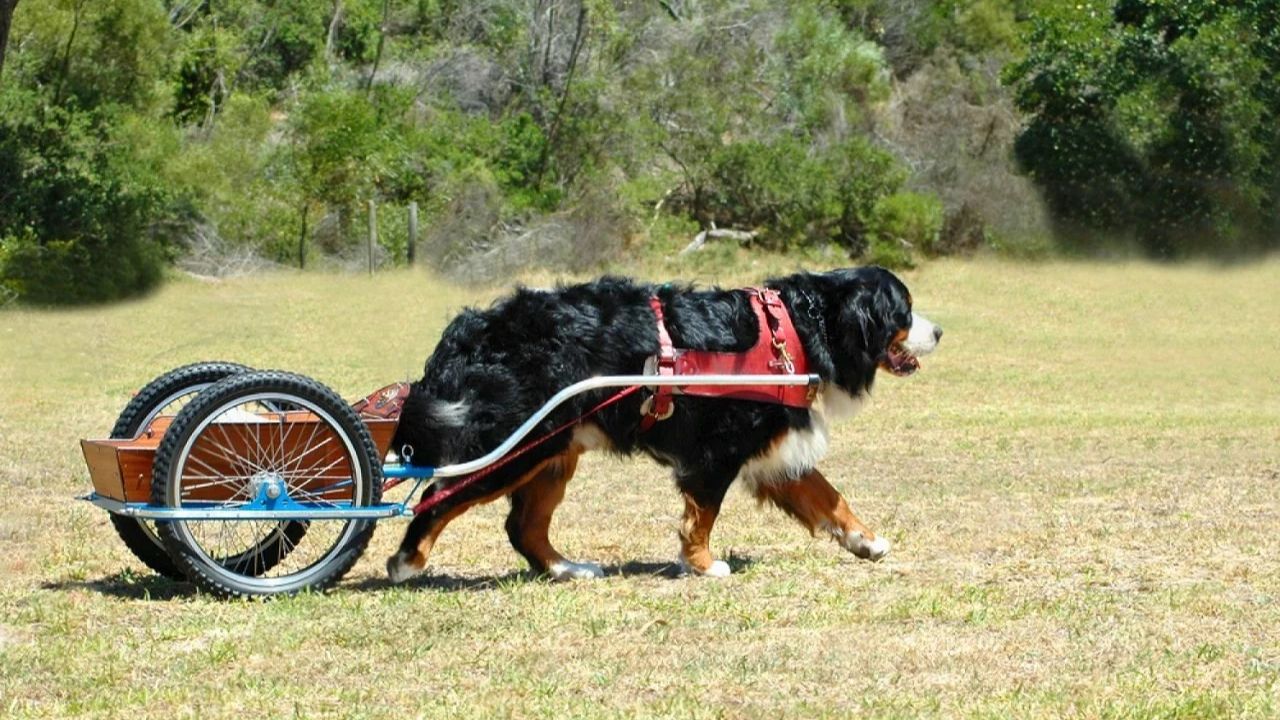
There’s a reason these dogs show up in old photos hitched to carts. Bernese Mountain Dogs were bred for draft work and farm life, and they’ve got the mass and temperament for steady pulling tasks. If you have a small place and like the idea of a dog that can haul a garden cart or help move light loads, this is one of the few breeds that fits that story.
Be realistic about weather and workload. They don’t love high heat, and they’re not a “run all day” herding type. Work them in the cool parts of the day, keep water handy, and keep the harness fitted right so you don’t rub shoulders raw. Pulling is also training, not just strapping on gear and hoping it goes well.
6. Siberian Husky For Cold-Weather Endurance
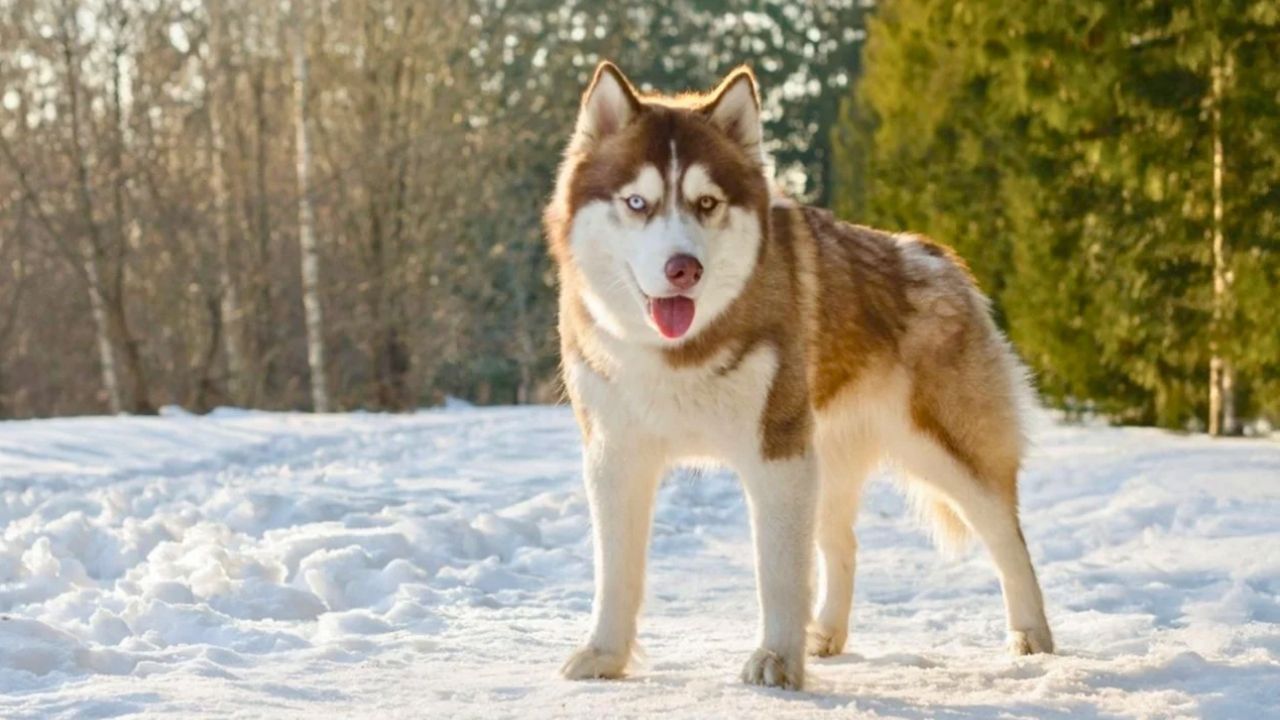
If winters are long where you live, Huskies don’t get tired of it the way many breeds do. They’re built for cold, built to move, and built to keep going when your boots are soaked and the wind hurts. For outdoor life in snow country, that’s a real advantage.
The downside is the escape habit. A bored Husky will climb, dig, and bolt the second a gate clicks. The “fix” is a tall fence, buried wire or a dig barrier in problem spots, and structured exercise that actually drains energy. If you want a dog that stays close off leash with minimal training, don’t pick this one.
7. Alaskan Malamute For Heavy Snow Chores
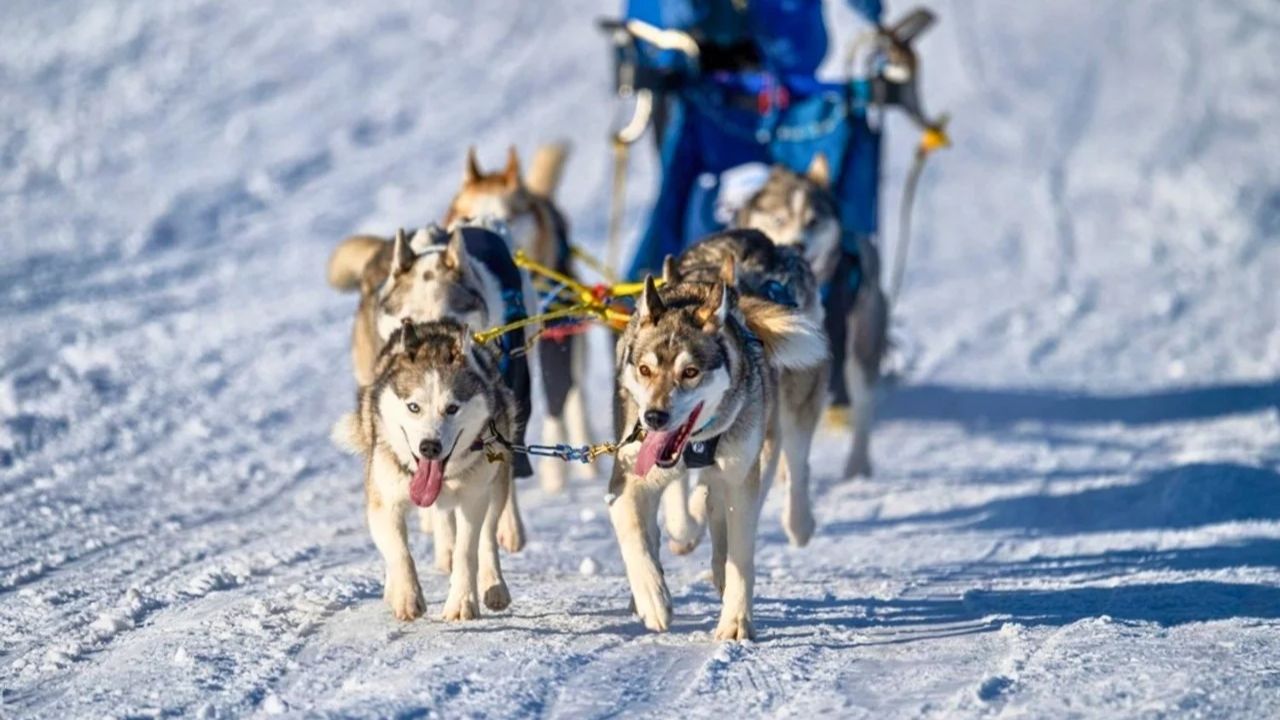
Malamutes are not just “big Huskies.” They’re heavier-boned, made to pull weight, and they do well in brutal cold. If you’re hauling firewood on a sled or moving supplies down a long driveway, this breed’s build matches the work.
They can be stubborn and they can be pushy with other dogs. Put time into leash manners and basic obedience before you try any pulling work, and don’t expect them to tolerate every strange dog at the feed store. In warm climates, they’re often miserable outside in summer, so shade and cool water aren’t optional.
8. German Shorthaired Pointer For Field Utility
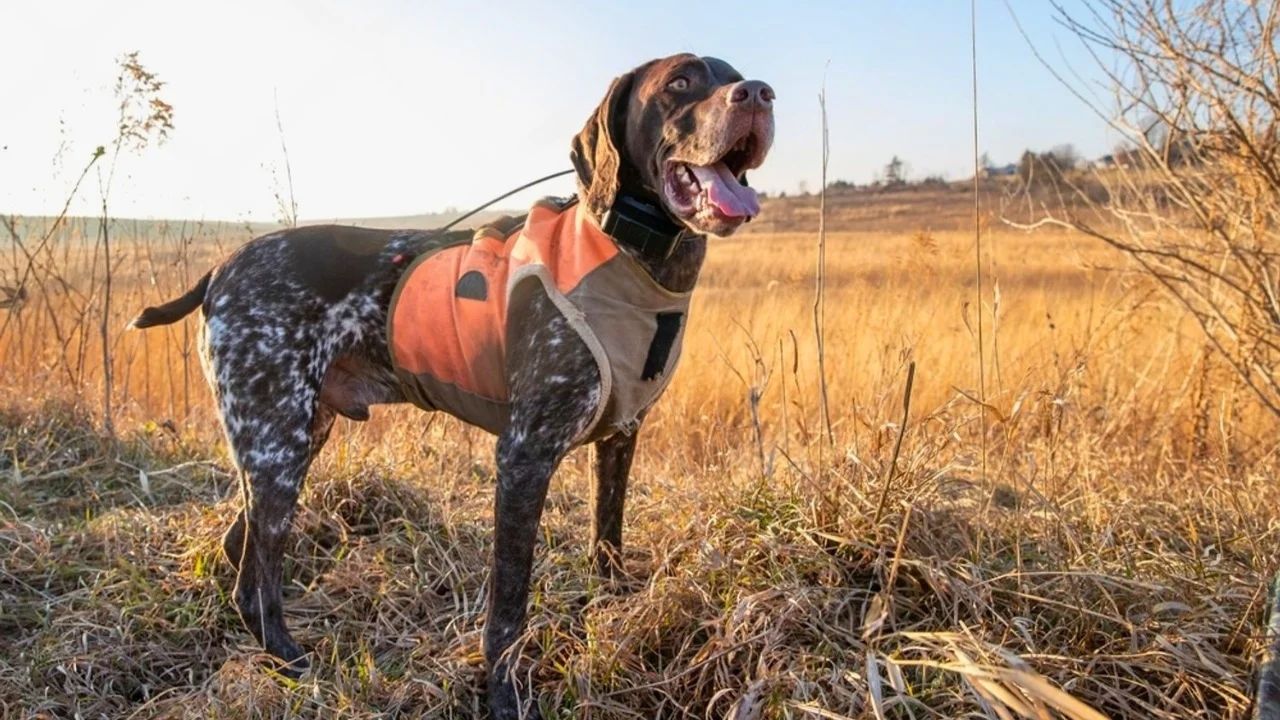
On a place with brush, mice, and a lot of ground to cover, a German Shorthaired Pointer is a handy outdoor partner. They’re athletic, nose-driven, and happy doing long loops while you work. They also dry fast after rain and don’t carry half the pasture home in their coat.
What trips people up is thinking a quick backyard toss counts as exercise. It doesn’t. You need real runs, structured training, and a plan for recall, because a dog with a strong nose will follow it into the next county. If you can’t commit to daily hard movement, this breed will turn your shop rags into confetti.
9. Standard Poodle For Wet Work Days
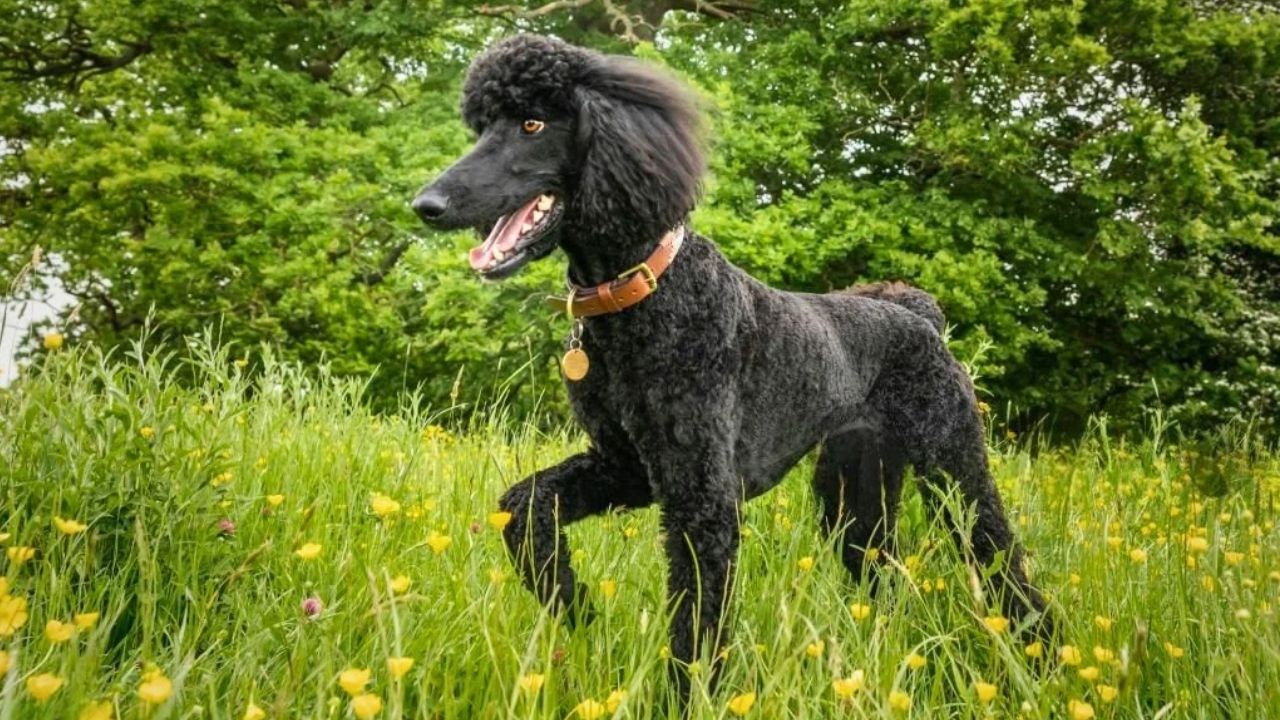
Most people don’t think “Poodle” and “outdoor labor” in the same sentence, but they should. Standard Poodles were developed as water retrievers, and they’re smart, athletic, and comfortable in wet, cold mess. They can handle long farm walks, learn chores fast, and they don’t carry that heavy wet-dog stink the same way some double coats do.
The catch is coat care. If you skip brushing, you’ll end up with tight mats that hold mud and burrs and make the dog miserable. You don’t need fancy cuts, but you do need a brush, a comb, and a schedule. If you keep the coat short and practical, this breed can be a legit outdoor worker.
10. Newfoundland For Water And Pulling
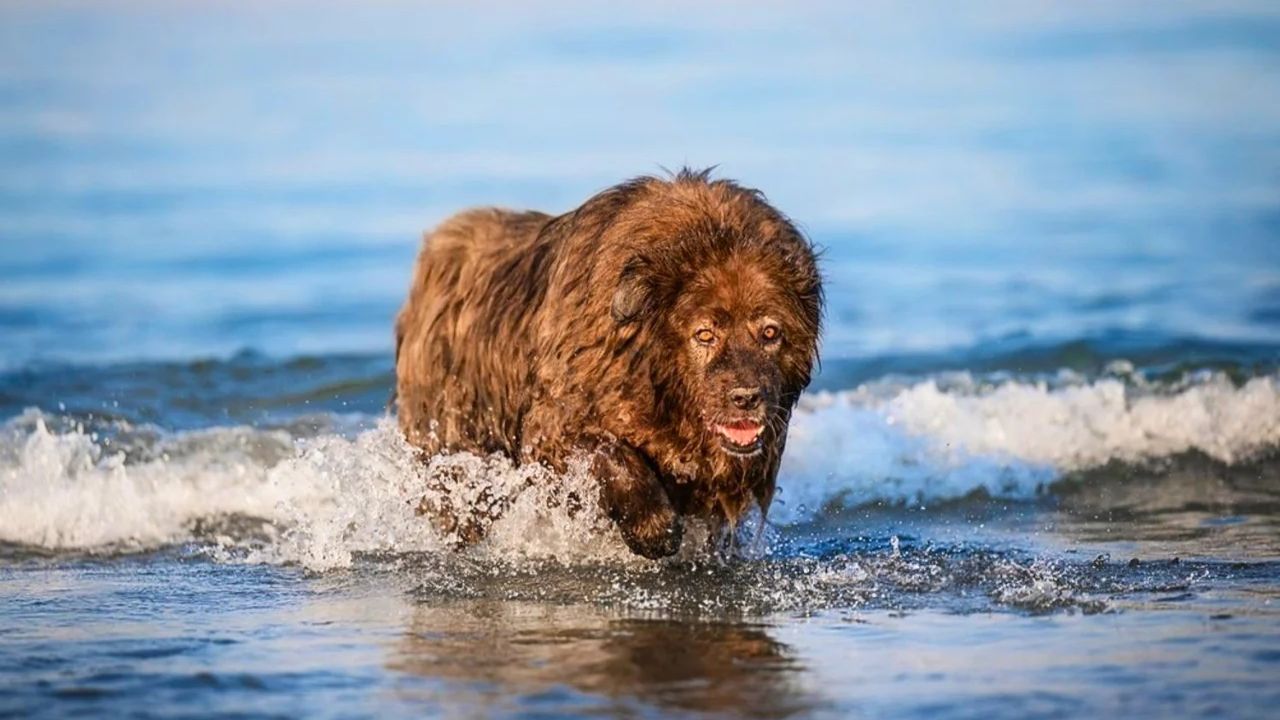
Need a dog that’s calm around water, strong enough to pull, and steady with kids and chaos? A Newfoundland is built for it. They’re famous for water ability and raw strength, and they tend to move with a slow confidence that fits a working property.
This is one of those breeds where the cheap option is sometimes fine: a basic, sturdy nylon leash and a plain flat collar often work better than complicated gear that rubs. What you can’t cheap out on is space, grooming, and heat management. They overheat easily, so summer work has to be early and shaded.
11. Doberman Pinscher For Perimeter Deterrence
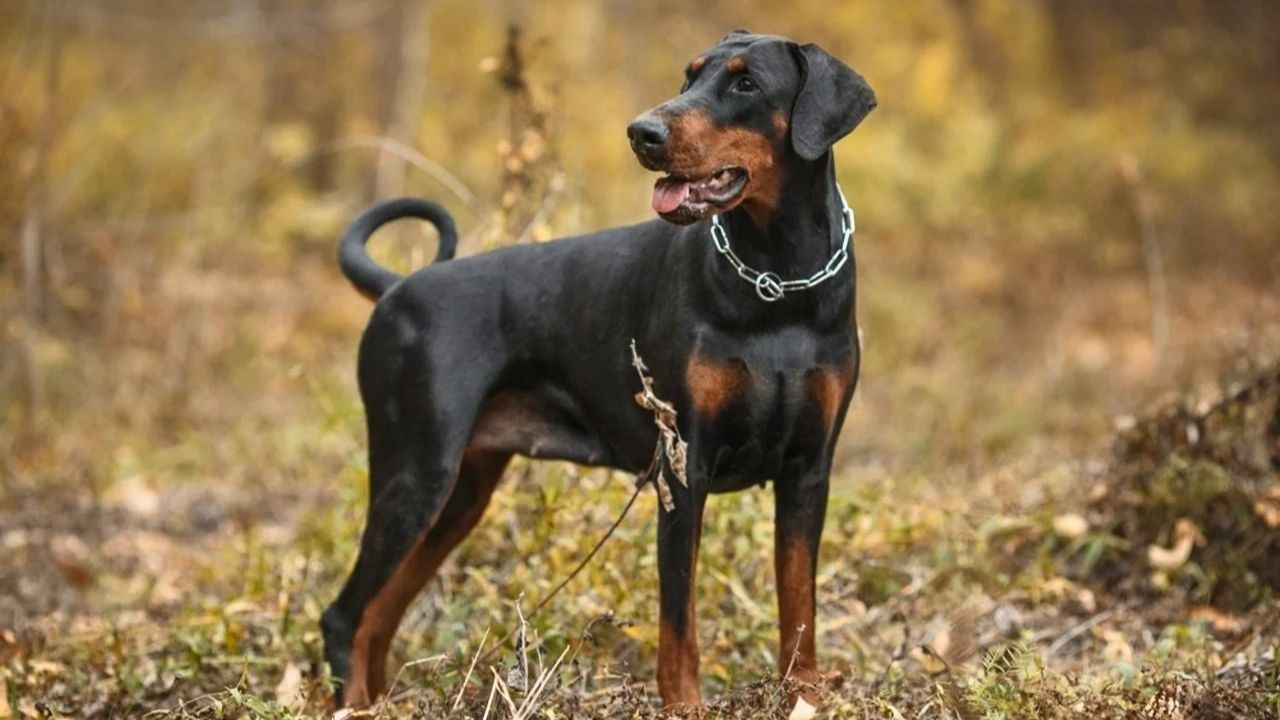
If you want a dog that takes property lines seriously and stays tuned in to you, Dobermans are built that way. They’re fast, alert, and naturally inclined to watch what’s coming up the drive. On a rural place where you get unexpected visitors, a dog like this can stop problems early just by being visible and confident.
They aren’t “leave outside all the time” dogs, especially in cold or wet weather. Short coat means they need shelter and often need to come inside when the weather turns. The fix is using them as a working companion on rounds, then bringing them in, instead of trying to turn them into a kennel ornament.
No breed fixes poor fencing, no training, or a yard full of hazards. Match the dog to your climate and your daily workload, then set up the basics: secure gates, shade, water, a dry place to sleep, and time for obedience. When the setup is right, a good outdoor dog doesn’t just live on your land, it helps you run it.
Like Fix It Homestead’s content? Be sure to follow us.


