12 Ways a Yard Tells Buyers the House Was Neglected
Photo credit: iampaese/Shutterstock.com
Buyers notice the yard first because it’s the easiest part of a property to judge from the curb. When the outside looks tired, people assume the inside has the same problems, even if you’ve done work indoors. Most of these fixes are more time than money, but they have to look deliberate, not “eventually.”
1. Overgrown Edges Along Walks And Beds
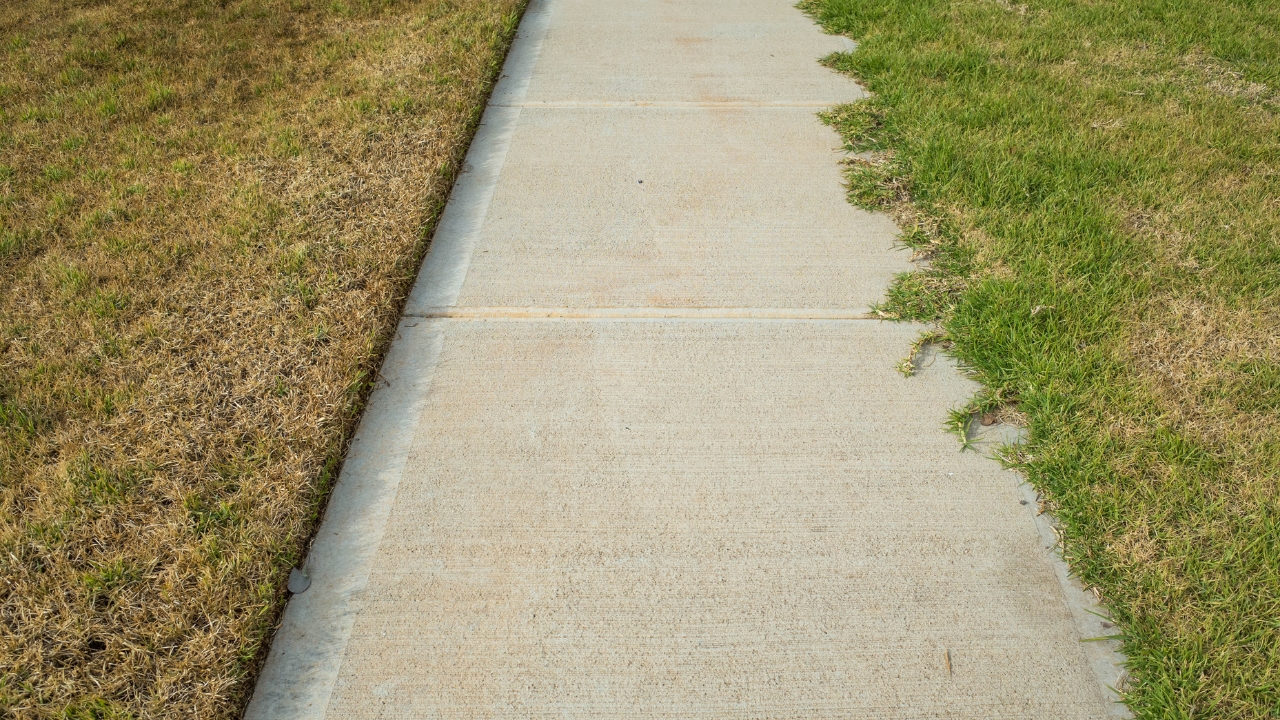
When grass creeps over the sidewalk and mulch bed borders disappear, the place looks like nobody’s been steering the ship. It reads as neglect because trimming edges is a small, regular job, and skipping it tells buyers you skip other small jobs too. The worst part is it makes a normal lawn look messy, even if it’s green and thick.
Run a string trimmer or an edger along hard lines every couple weeks during growing season. If you want it to look sharp fast, use a half-moon manual edger for a clean vertical cut, then blow the debris off the walk. Ten minutes on edges can do more for curb appeal than an hour of random mowing.
2. Dead Patches From Poor Mowing Habits
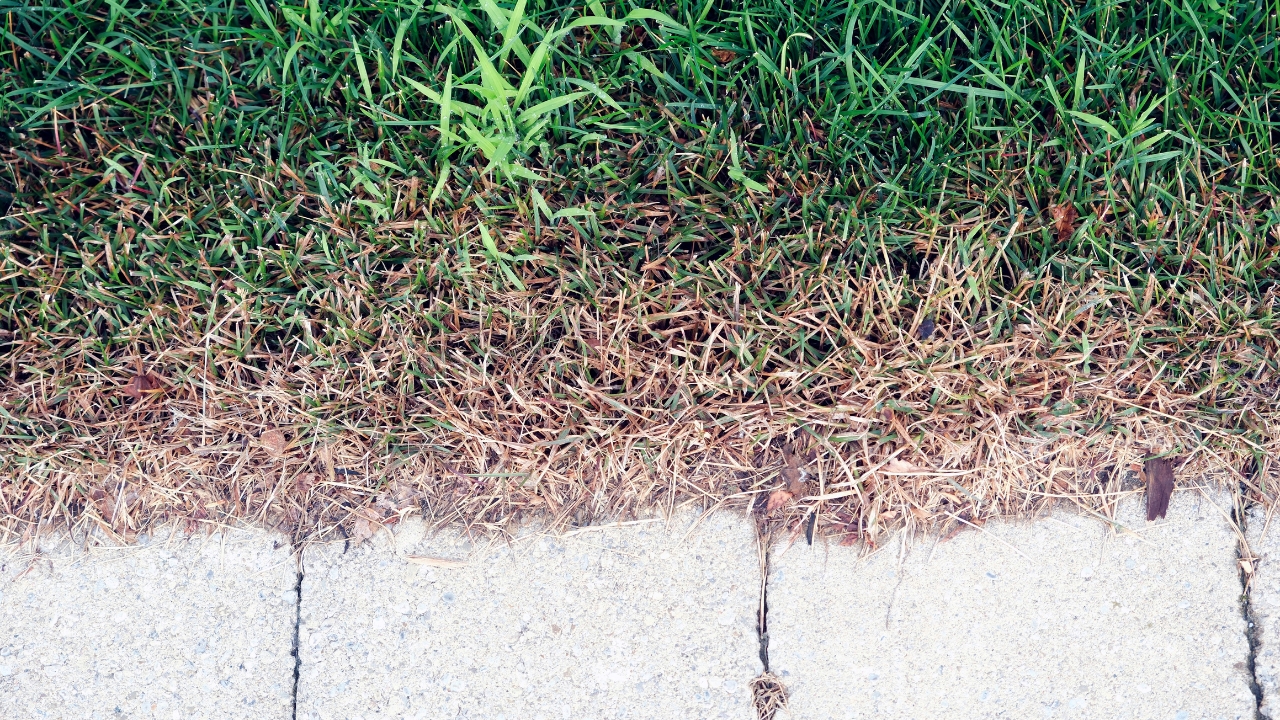
Scalped stripes, browned-out patches, and ruts from mowing wet ground look like you don’t know what you’re doing, or you don’t care. Cutting too short stresses grass, invites weeds, and makes bare dirt show up by late summer when buyers are driving around. The lawn also gets noisy underfoot, crunchy instead of springy.
Raise the mower deck and stop chasing a “golf course” look. Mow often enough that you’re only taking the top third, and avoid mowing right after heavy rain. If you already have bare spots, rake them, toss seed that matches your grass type, and keep it damp for a couple weeks.
3. Mulch Piled Against The Siding
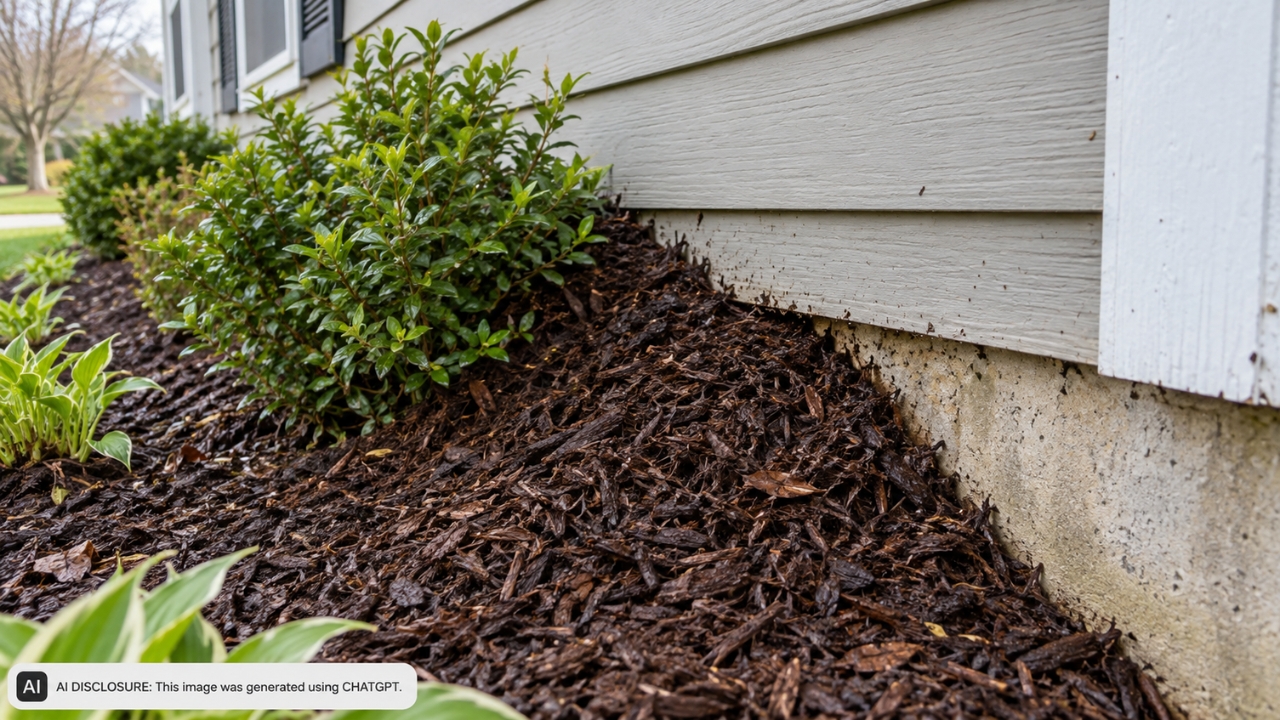
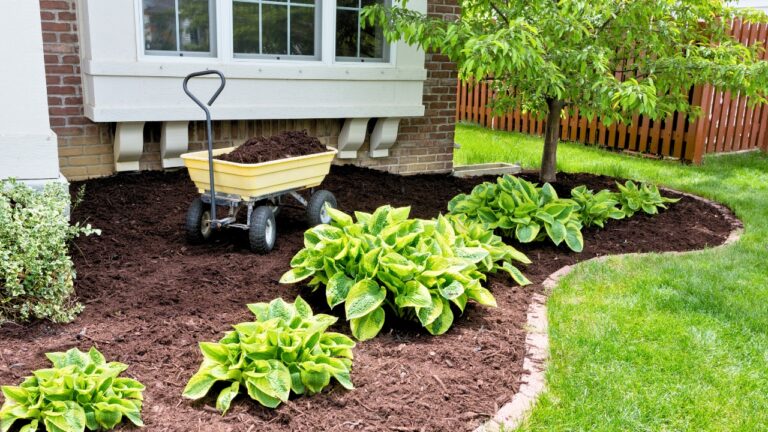
That volcano of mulch around the foundation looks tidy to some people, but buyers who’ve owned houses see rot and bugs. Mulch holding moisture against wood, trim, or even brick weep holes is a bad sign. It also hides the bottom edge of siding, which makes people wonder what’s being covered up.
Pull mulch back so there’s a visible gap under siding, and keep it a thin layer, not a mound. If you need height to cover roots or level a bed, add soil, then mulch lightly. Exception: around trees, a wide, flat ring of mulch is fine, just don’t pile it up the trunk.
4. Gutters Overflowing Onto The Yard

When gutters spill water in a rain, buyers hear “basement moisture” in their heads, even if your basement is bone dry. Splash marks on siding, eroded trenches under the drip line, and washed-out mulch all point to water going where it shouldn’t. A house that can’t handle roof runoff feels like a future bill.
Clean out leaves, then check pitch and downspout flow with a hose. Add downspout extensions to carry water away from the foundation, and reattach any loose sections so water stays in the channel. If the fascia is rotted or the gutter run is sagging, that’s a weekend for a capable DIYer, but it’s also a fair job to pay out if ladders aren’t your thing.
5. Soggy Spots And Standing Water
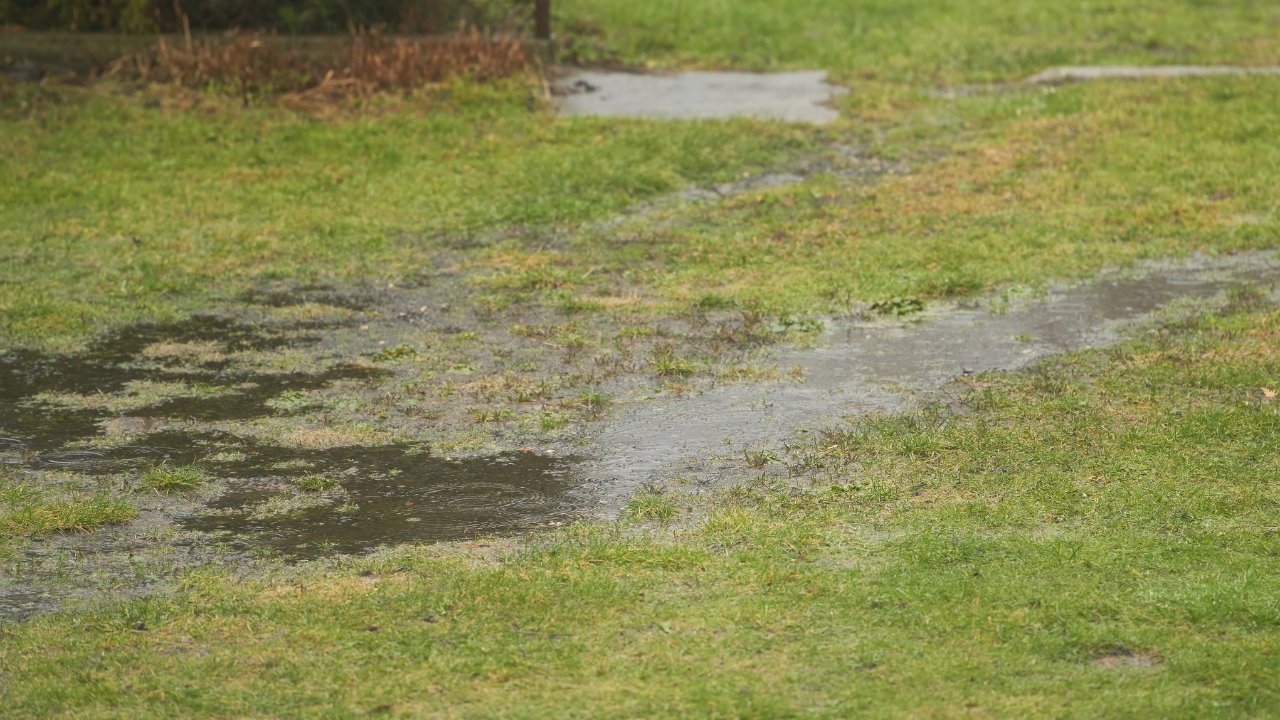
Puddles that hang around for days make people think of mosquitoes, septic trouble, or a yard that’s always a mess. Even one soggy corner can scare off buyers because drainage fixes sound expensive. In spring, it’s the spot that never dries and kills the grass first.
Start simple: clean out buried downspout outlets, add a surface swale, or regrade a small area so water moves away from the house. For anything involving deep trenches, a dry well, or a French drain, call before you dig so utilities get marked. If the wet area is tied to a neighbor’s runoff or a shared ditch, local rules and easements matter, so don’t guess.
6. Weeds Taking Over Cracks And Gravel

Weeds in driveway cracks and along fence lines are a fast “neglect” signal because they show you’re not keeping up with the easy stuff. They also make hard surfaces look broken and older than they are. Buyers don’t picture pulling weeds on day one, they picture bigger problems hiding behind them.
Pull what you can after a rain, then hit cracks with a stiff wire brush. For a longer-lasting fix, clean the crack out and fill it with the right product, like polymeric sand for pavers or crack filler for asphalt. Skip the torch routine if you’ve got dry leaves, wood mulch, or anything flammable nearby.
7. Flaking Paint On Fences And Trim
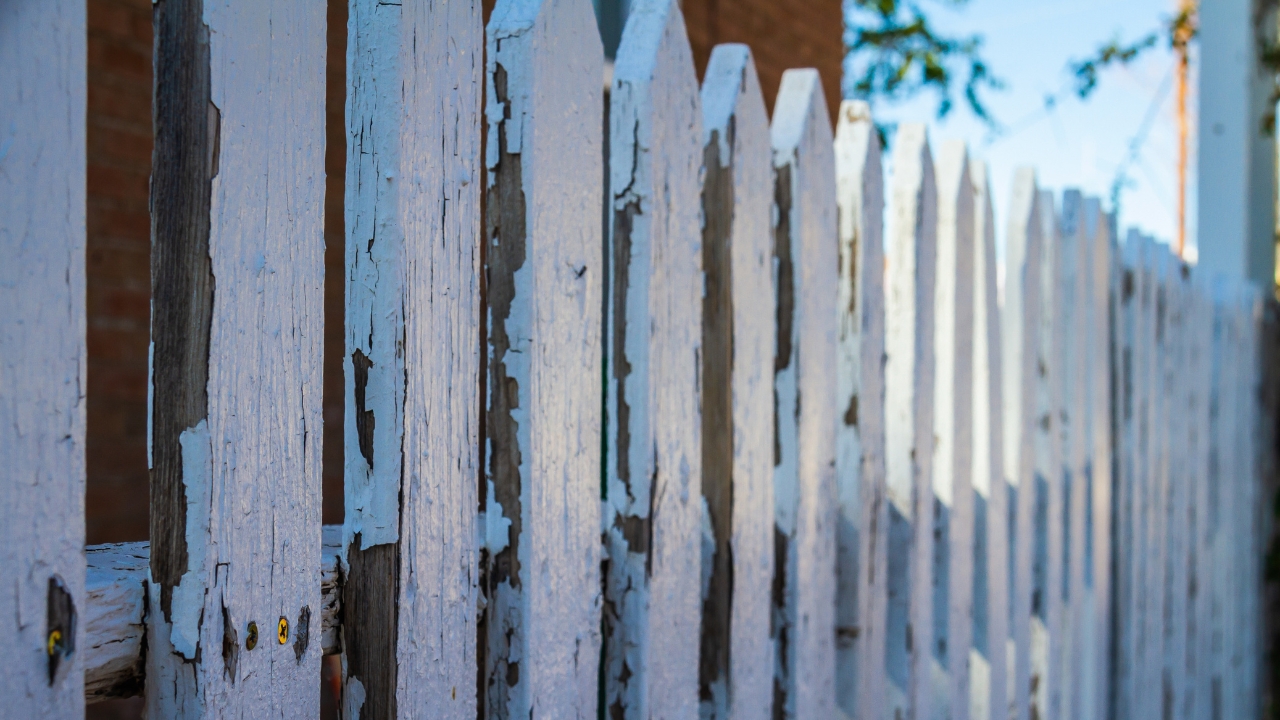
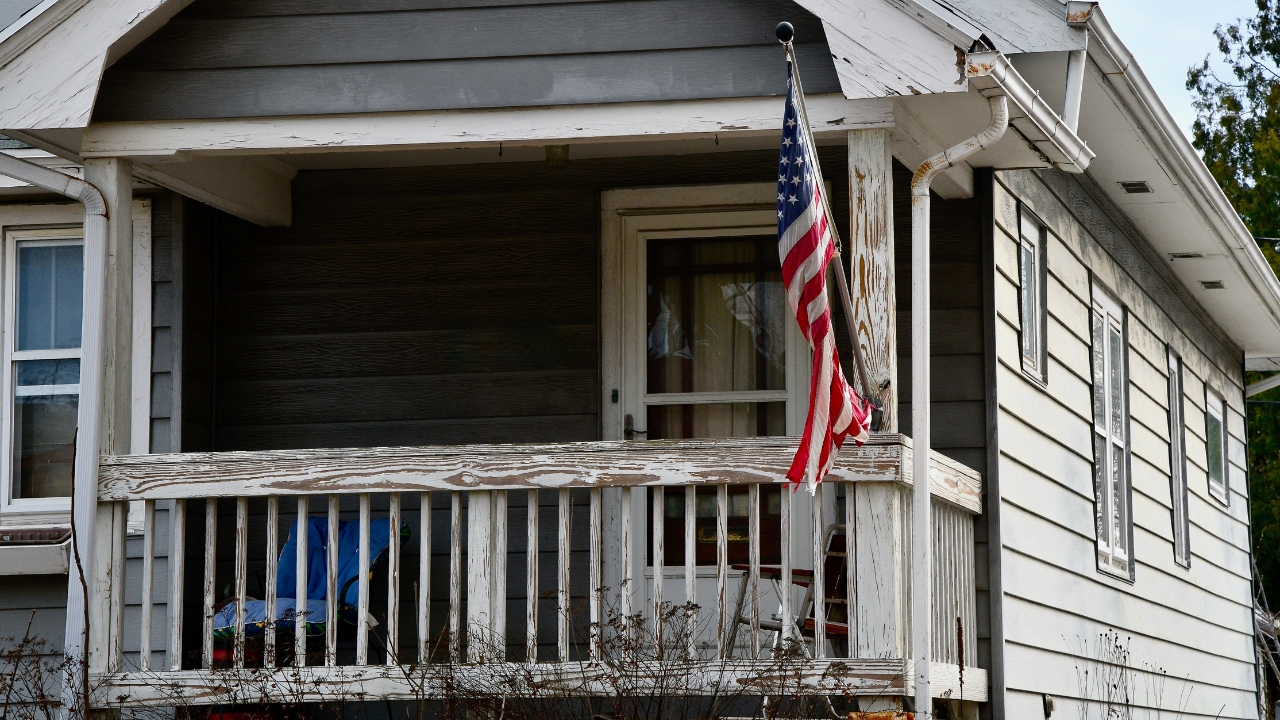
Peeling fence stain, chalky porch posts, and blistered window trim look like the sun and weather have been winning for years. Paint failure outside makes buyers wonder about moisture inside walls, even if it’s just age. It also photographs badly, and listing photos are where you lose people early.
Scrape loose paint, sand the edges, and spot-prime bare wood before you repaint. If the wood is soft, punky, or crumbly, you’re past cosmetics and into repair, and that’s when a pro carpenter can be worth it. Do the small sections you can reach safely, and leave second-story scraping to someone with the right ladders and staging.
8. Broken Gates And Sagging Latches
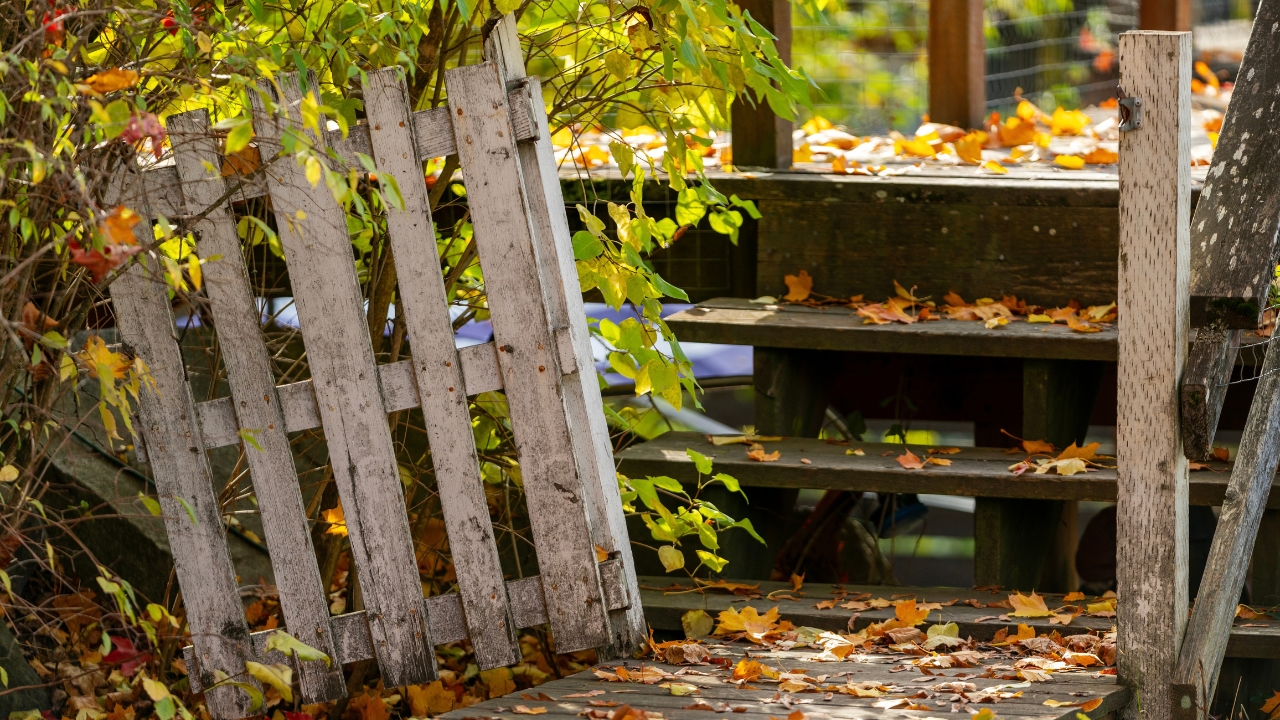
A gate that drags, won’t latch, or needs a shoulder shove feels like the whole property is out of square. Buyers notice because they touch it, and it’s an instant quality test. It also screams “I’ve been putting this off,” because most gate fixes take an hour and a drill.
Tighten hinges, replace stripped screws with longer exterior screws that bite solid wood, and add a diagonal anti-sag cable if the frame is racking. If the posts are rotten at the base, that’s the real problem, and you’ll need to reset or replace them. Concrete, post holes, and straight lines are worth doing carefully, not fast.
9. Random Junk Piles And Spare Materials
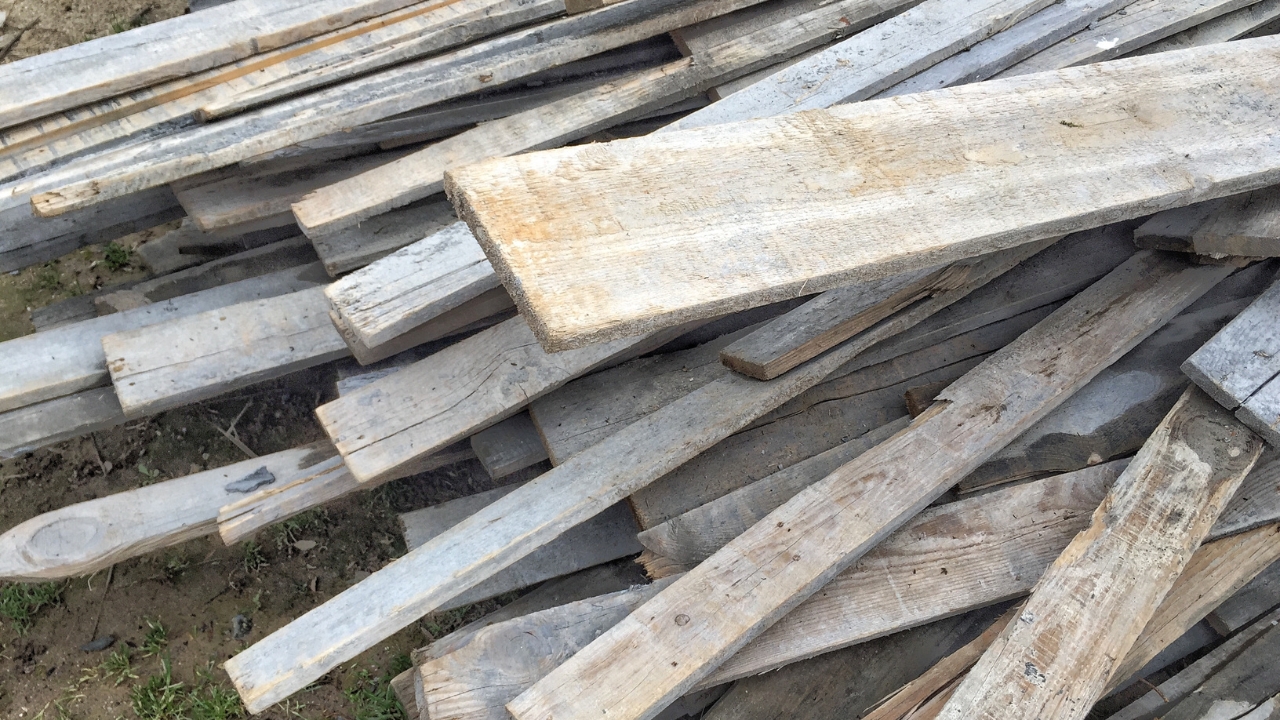
Old lumber stacks, half a roll of wire fencing, broken pots, and “I’ll use it someday” scraps make the yard feel smaller and the house feel unfinished. Buyers assume you’re hiding problems or that the place comes with cleanup work. Even neat piles read like you ran out of time.
Haul it off, donate what’s usable, and store the rest out of sight in a shed with a door that closes. If you truly need a woodpile, keep it stacked, off the ground, and away from the house so it looks intentional. A tarp flapping in the wind is not storage.
10. Overgrown Shrubs Covering Windows And Vents

Foundation shrubs swallowing window wells and dryer vents look cozy to the person living there, but buyers see blocked light and trapped moisture. Overgrowth also makes the house look smaller and darker, which hurts photos and walk-throughs. In winter, it’s where snow piles up and melts slowly against the wall.
Prune shrubs back so windows are clear and air can move around the house. Don’t “top” everything into green boxes, that just triggers ugly regrowth, thin and shape instead. If a plant is wrong for the spot and needs pruning three times a year, replacing it is cheaper than fighting it forever.
11. Patchy Outdoor Lighting And Exposed Cords
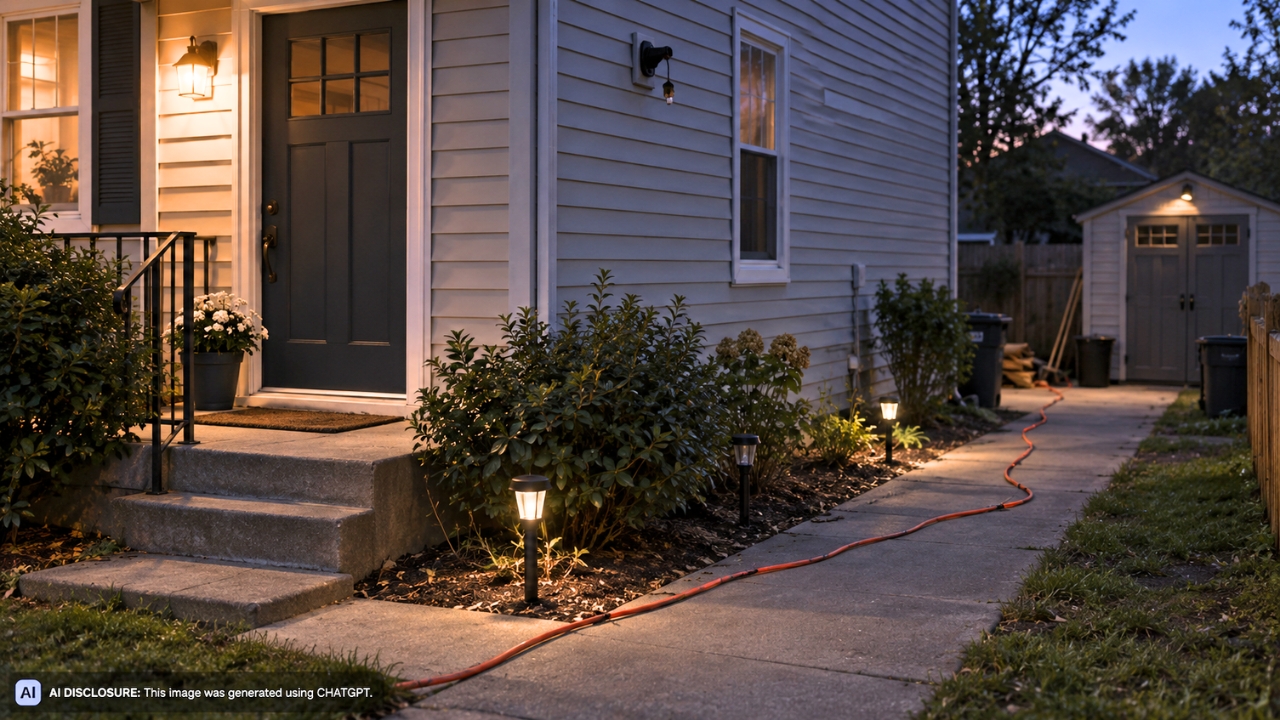
A dead porch light, a missing fixture, or an extension cord run to a shed makes the place feel unsafe at night. Buyers imagine tripping, or they assume the wiring is sketchy. Even in daylight, a dangling cord across a walkway looks sloppy.
Swap bulbs, clean fixtures, and replace broken lenses so the light actually spreads. For any new wiring, buried cable, or work in an electrical panel, hire a licensed electrician and pull permits where required. Solar path lights are fine as a cheap stopgap, just keep them aligned and working, not half-lit and crooked.
12. Not Maintaining The Mailbox And House Numbers
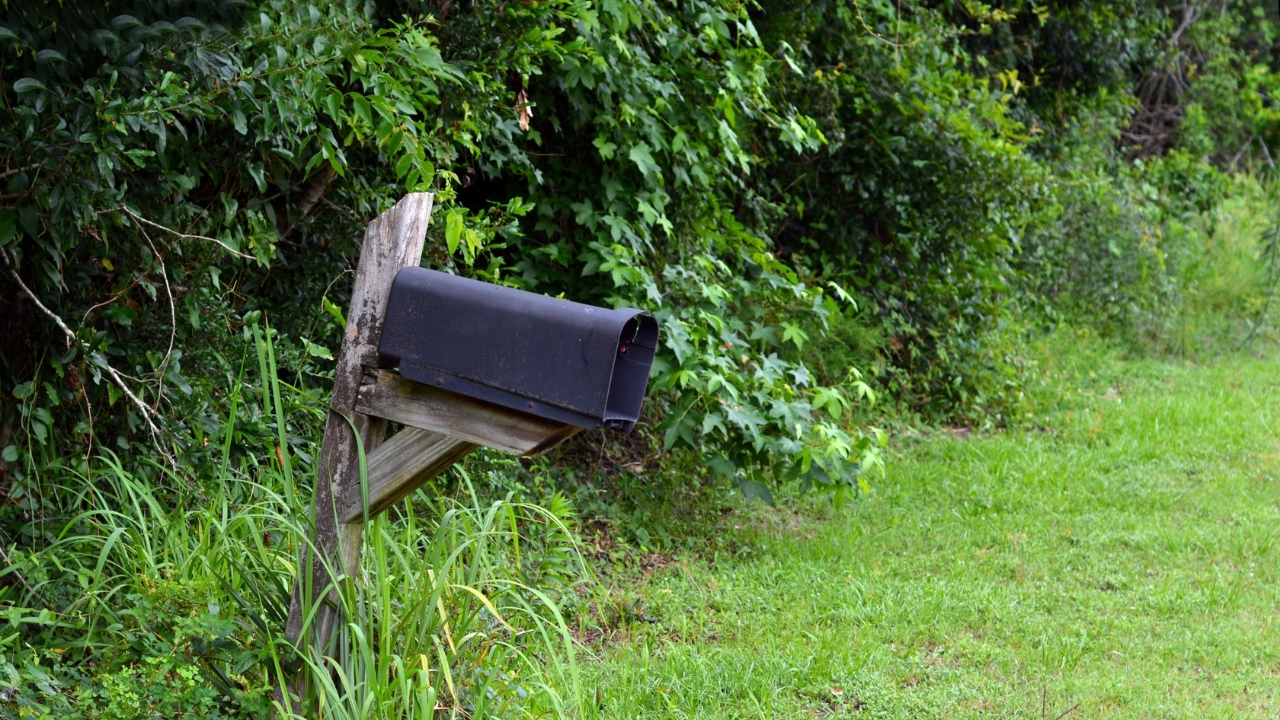
People judge details, and this is a detail everybody sees. A leaning mailbox, faded numbers, or numbers hidden behind vines make the property feel uncared for and hard to find. Delivery drivers and emergency responders care, and buyers think about that.
Re-set the post plumb, replace cracked numbers, and put them where they can be read from the street. If your area has HOA rules or county requirements for placement, follow them so you don’t create a new problem while trying to look tidy.
A yard doesn’t have to look fancy, it has to look managed. Pick the few fixes that are most visible from the street, then handle the ones that hint at water or wood damage. Once the outside stops raising questions, buyers can pay attention to the parts of the house you actually want them to notice.
Like Fix It Homestead’s content? Be sure to follow us.