10 Cat Breeds That Actually Earn Their Keep
Photo credit: Elisa Putti/Shutterstock.com
You can love cats and still want a working relationship. On a homestead or even a plain old house with a garage, feed costs add up and rodents don’t care how cute your pet is. Some breeds show up ready to patrol, hunt, and mind their own business, which is exactly what you want around feed bins, tack rooms, and sheds.
1. Maine Coon Barn And Basement Patrol
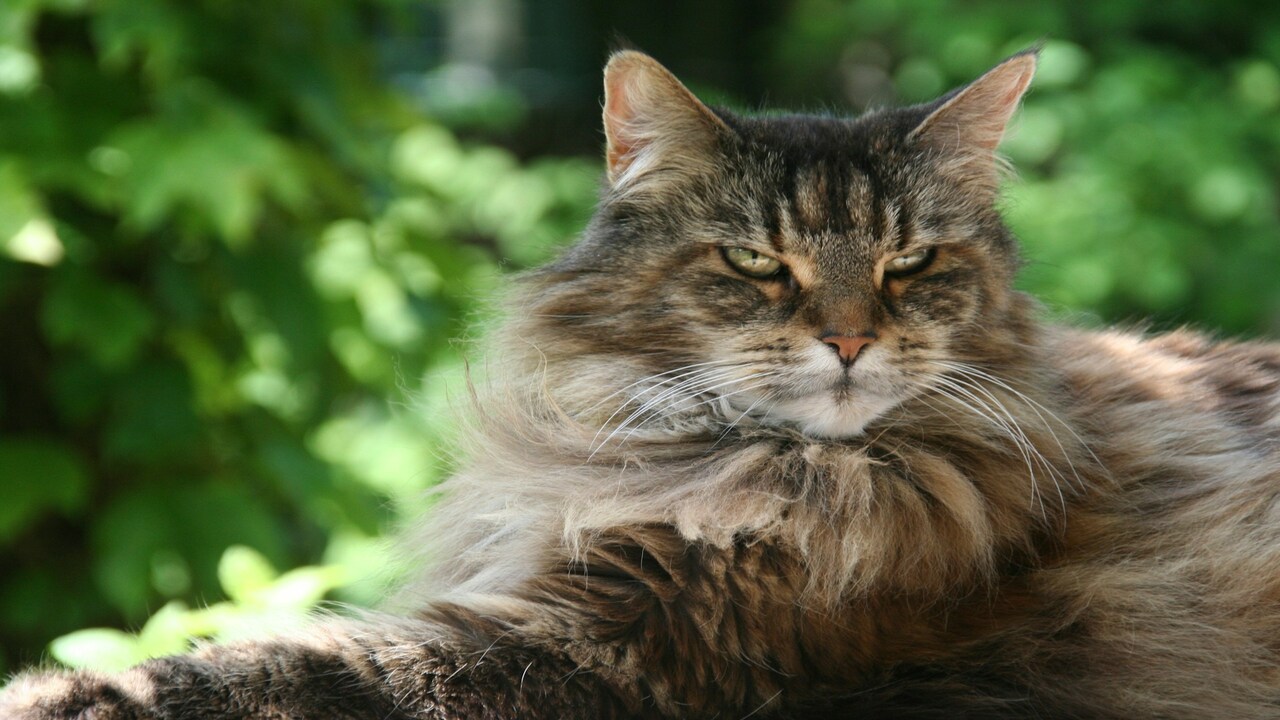
Big cat, big appetite, and a bigger presence in the mouse’s mind. Maine Coons tend to take territory seriously, and that usually includes the basement, the woodpile corner, and any room where pet food gets stored. They’re also sturdy enough to handle cooler outbuildings if they’ve got dry shelter and a way to get out of the wind.
Don’t turn it into a rough-and-tumble job, though. If your place uses snap traps or bait stations, keep them locked up and placed where a cat can’t reach. A Maine Coon will investigate everything, and the point is fewer pests, not an emergency vet run.
2. American Shorthair Low-Drama Mouser
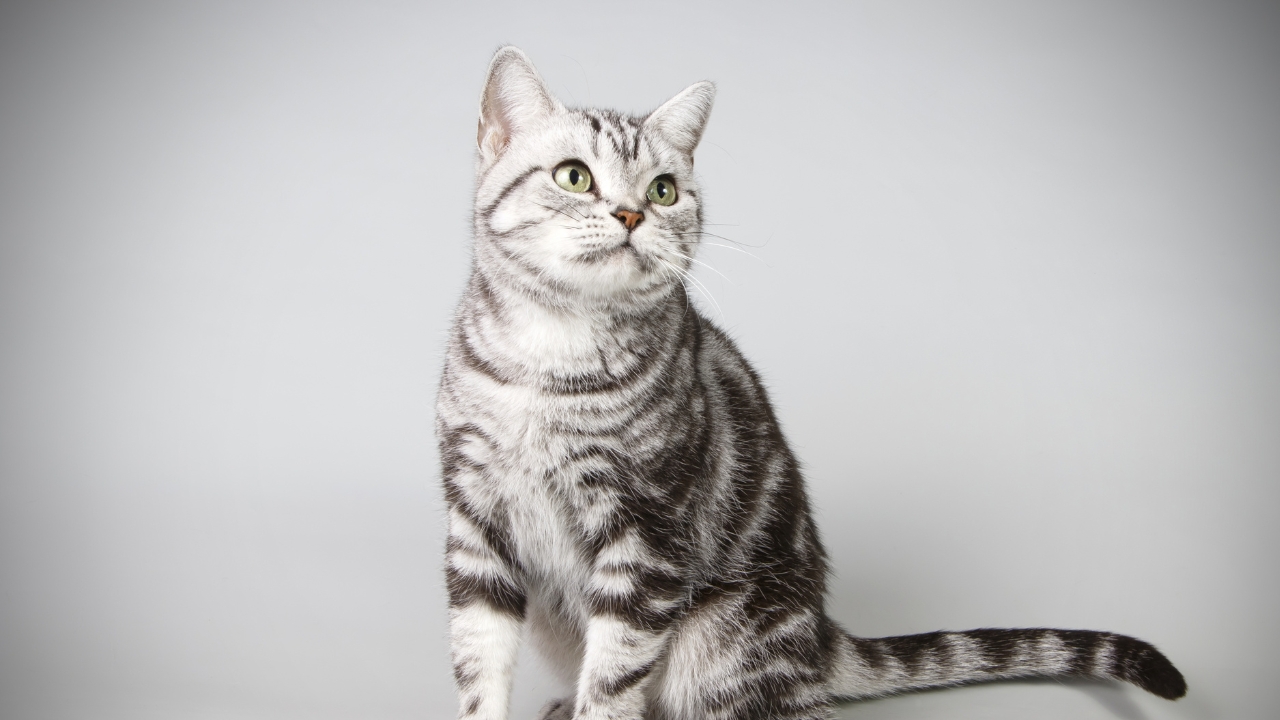
Some cats are pure chaos. American Shorthairs usually aren’t. They’re often the sort that will do a loop around the pantry, check the garage wall where you saw droppings last week, then go nap like they’ve clocked in and out.
This breed earns its keep because it fits into normal household maintenance. You can keep one indoors, still get good pest pressure, and not have a cat climbing curtains while you’re trying to fix a leaky trap under the sink.
3. Siamese Alarm System For Strange Noises
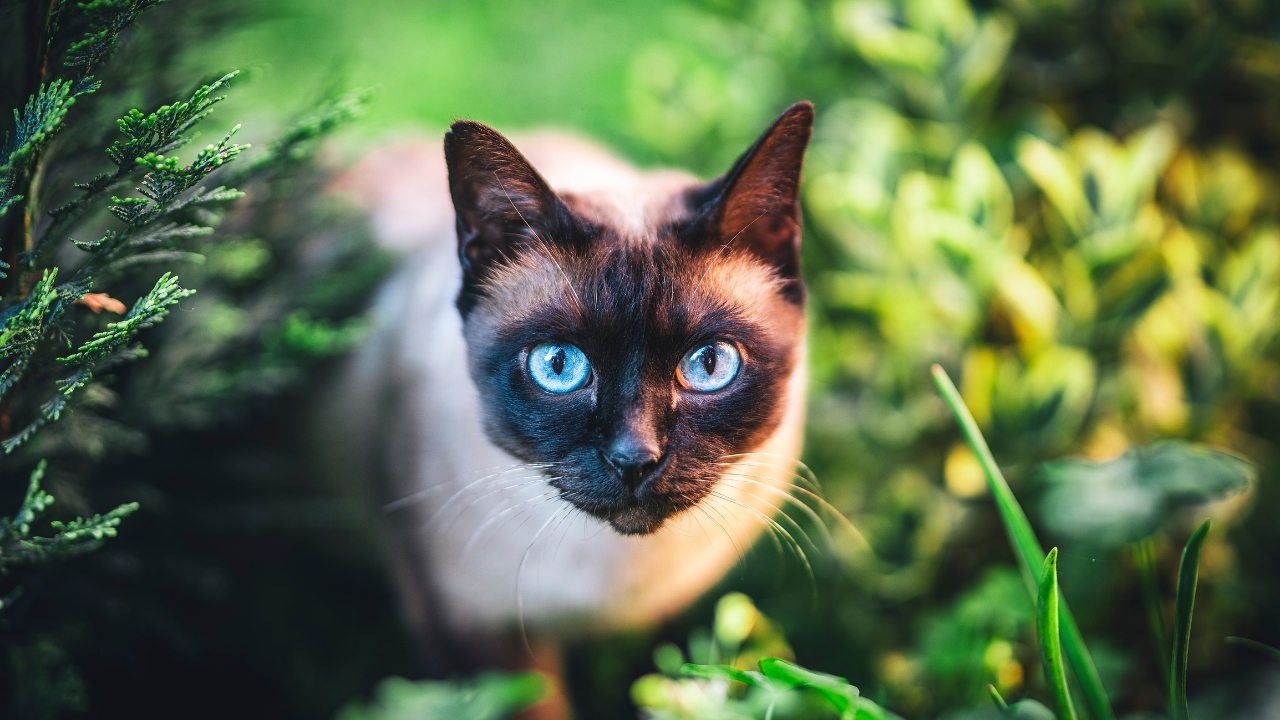
If you want a quiet cat, skip this one. Siamese cats tend to notice everything and comment on it, loudly. That turns into a real benefit when a shed door didn’t latch, a window screen got pushed out, or something is moving around in the crawlspace at 2 a.m.
They also bond hard and follow you through projects, which is helpful when you’re moving room to room sealing gaps with spray foam or steel wool. Just keep them out of the actual work zone. Wet mortar, expanding foam, and dangling cords are all cat magnets.
4. Turkish Angora High-Rodent Drive Indoors
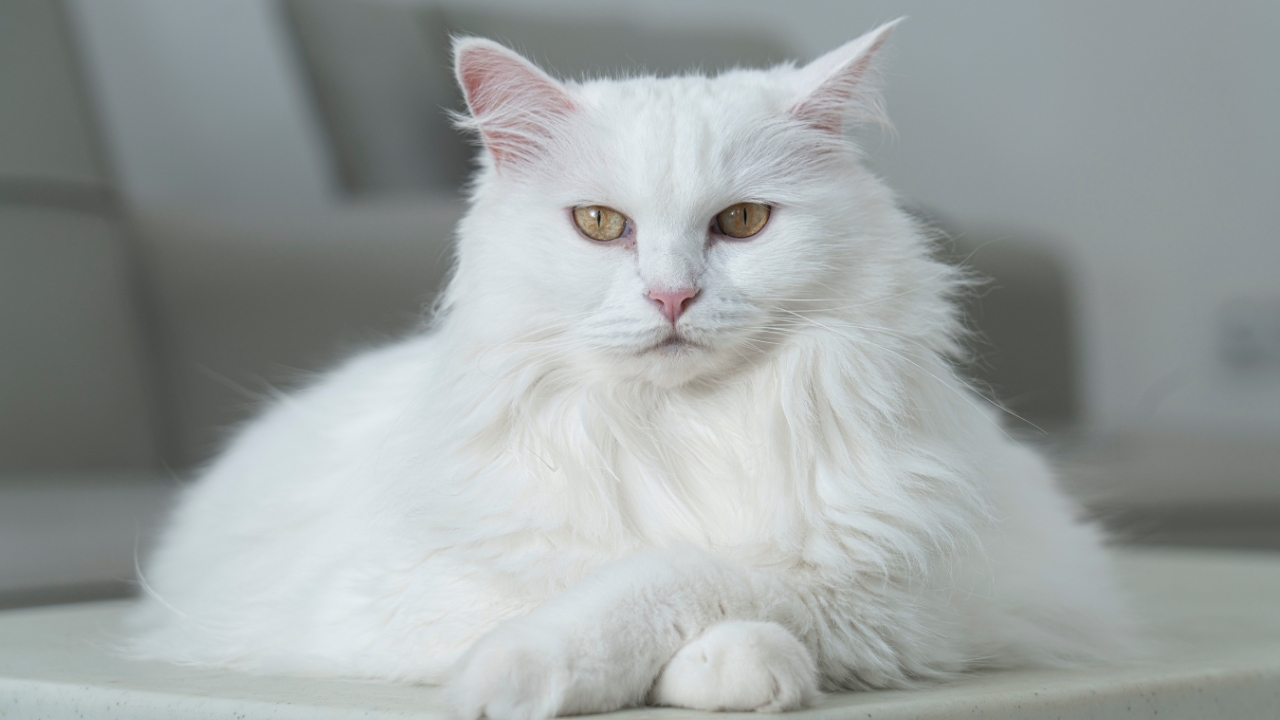
A lot of people assume the fluffy white cats are just decorative. Turkish Angoras often have a strong chase instinct, and they’re quick, even in tight spaces like a pantry corner or behind the freezer. If you’ve ever heard that papery scuff sound in the wall, you know why that matters.
Give them a job boundary. Store birdseed and livestock feed in lidded metal cans, not bags, because even a good hunter can’t keep up with an open buffet. The cat reduces the problem, your storage habits finish it.
5. Japanese Bobtail Busybody In The Outbuildings
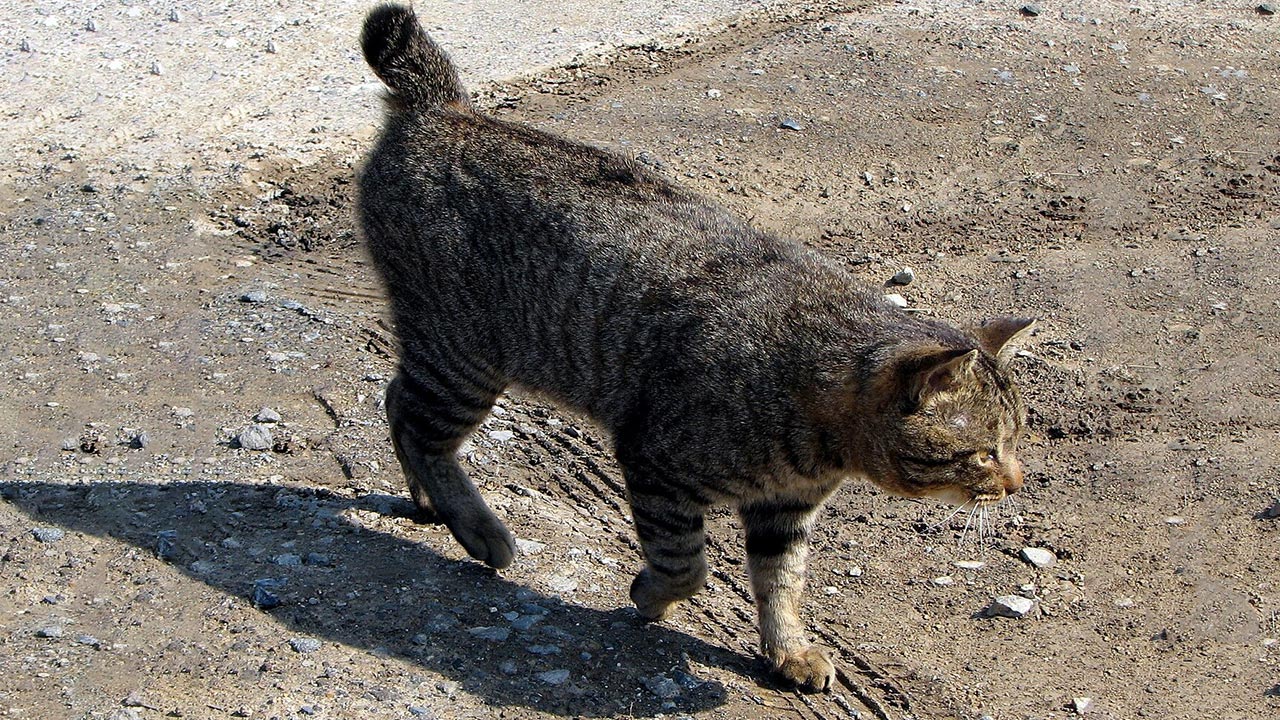
Japanese Bobtails tend to be active and bold, which plays well in a shop or barn where doors open and shut and people come and go. They’ll check new smells, patrol the edges, and stay interested after the “new cat excitement” wears off. That steady curiosity is what keeps rodents from getting comfortable.
If your outbuildings have loft hay or stacked lumber, do a quick safety pass. Cover open wells or pits, block off gaps where a cat could get stuck, and don’t leave antifreeze pans or open paint trays around. A working cat is still a cat.
6. Chartreux Quiet Night Watch Cat

Some places get rodent action after dark, especially near compost, chicken feed, or a warm engine bay. Chartreux cats are often calm and observant, the kind that will sit in a doorway and wait instead of sprinting around making a mess. That patience can pay off when pests run the same path night after night.
This is one of the few “quiet” breeds that can still be a serious hunter. If you’ve got a light sleeper in the house, that matters more than you’d think.
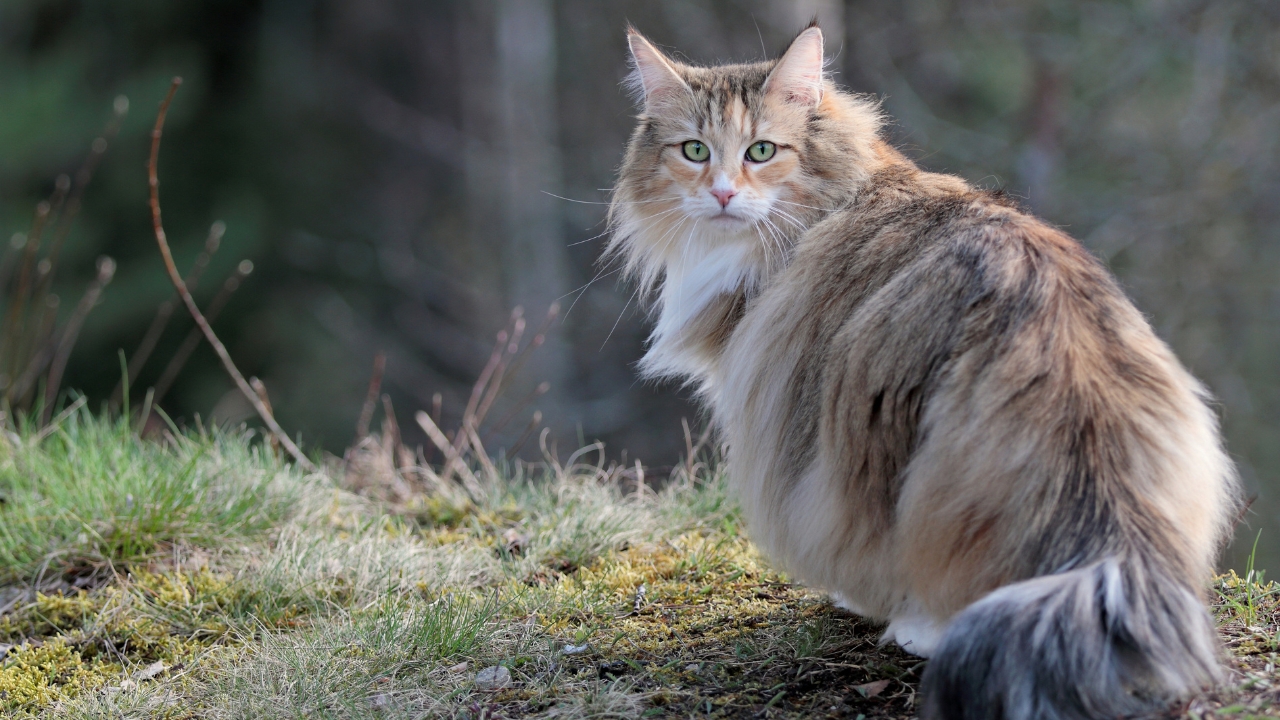
7. Norwegian Forest Cat Cold-Weather Yard Worker

When the first hard frost hits, mice and rats look for heat. A Norwegian Forest Cat is built for rough weather, with a coat that handles cold better than most breeds. They’re often confident outside without acting reckless, which is what you want around a wood shed and a frozen garden bed full of vole tunnels.
You still need a real plan for winter. Provide a dry, insulated shelter, unfrozen water, and a way to get out of the wind. If you can’t commit to that, keep the cat indoors and focus on sealing entry points and cleaning up feed spills.
8. Bombay Kitchen And Pantry Sentinel
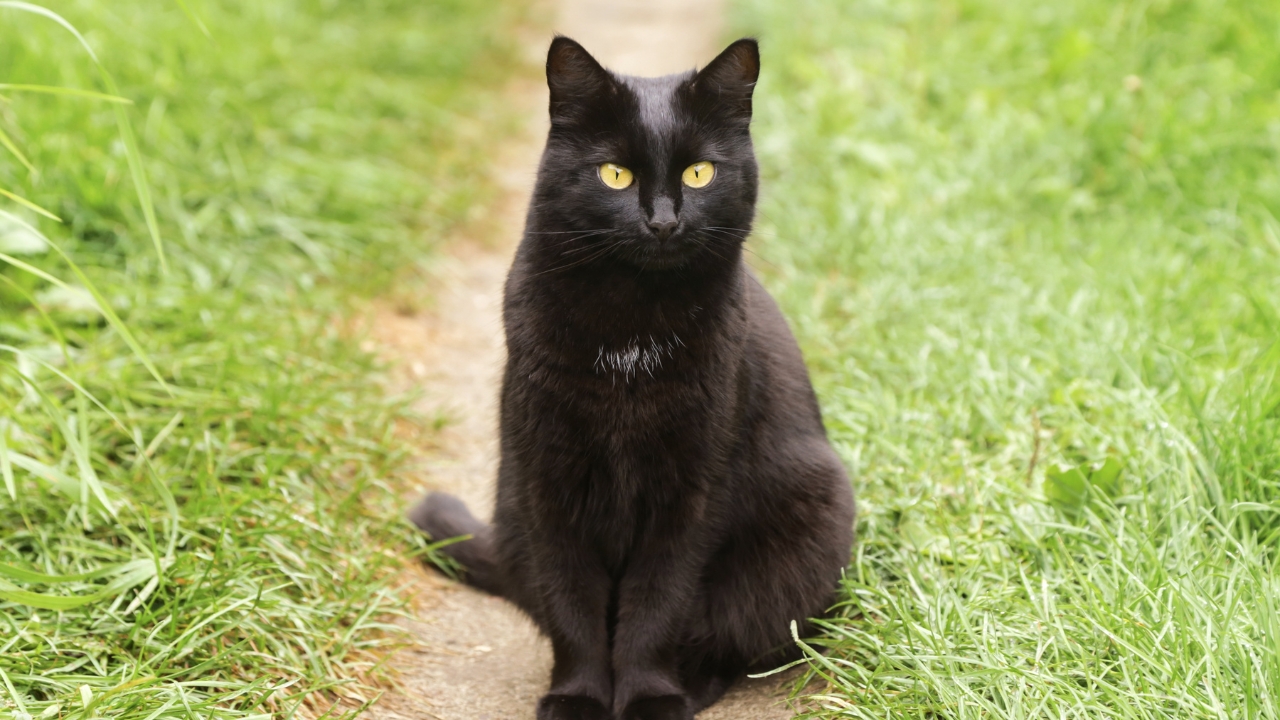
Roaches, pantry moths, and the odd mouse aren’t just a barn issue. Bombays tend to be clingy and people-focused, which sounds like the opposite of a working cat, but it puts them where the trouble starts. They’re already underfoot while you’re loading groceries, sweeping up dog kibble, or pulling the stove to clean behind it.
One honest exception: don’t rely on any cat for insect control if you’ve got a real infestation. If you’re seeing roaches in daylight or finding egg cases, call a pro and fix moisture and gaps. The cat can help with the occasional scout bug, not a full-blown problem.
9. Siberian Heavy Coat, Heavy Hunter
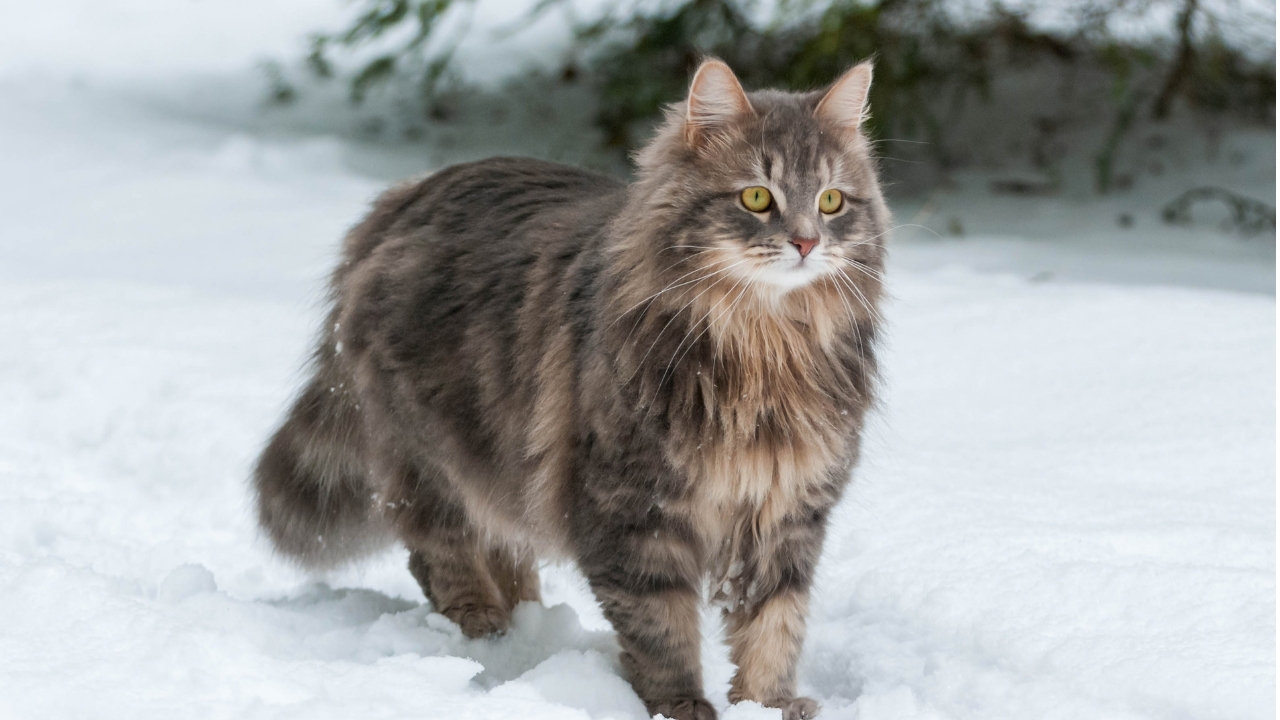
Siberians are another cold-tolerant breed that often keeps a strong prey drive. They’re athletic and can cover ground, which matters if your “yard” is more like an acre with a fence line, a compost pile, and a couple of sheds. They’ll also handle snow underfoot without acting miserable.
Keep the work ethical and practical. If you live where predators are common, or traffic cuts through your property, outdoor roaming is a bad trade. A catio, fenced run, or supervised time out can still let them hunt voles in the garden edge without disappearing for days.
10. Manx No-Nonsense Workshop Companion
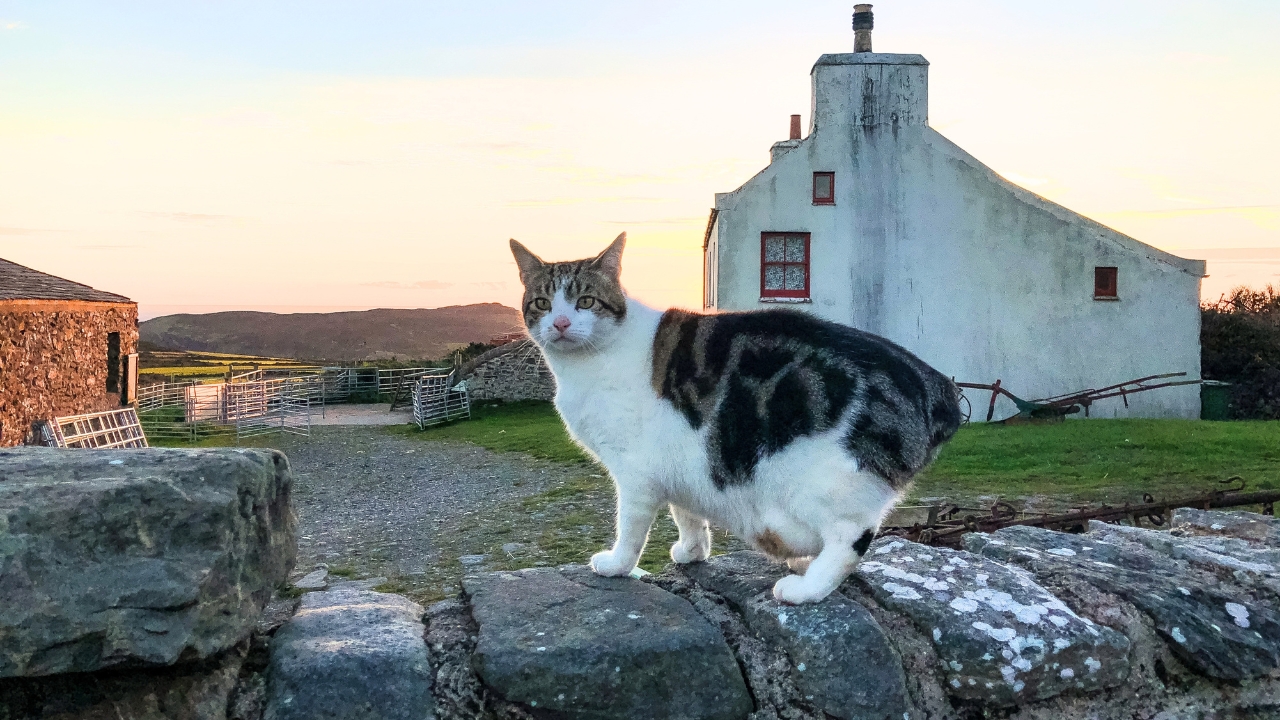
Manx cats, including the tailless ones, are often solid little workers that stick close to home base. In a workshop, that means they learn the routine and they learn the spots where mice like to run, behind the fridge in the break room, under the shelf with grass seed, along the back wall by the door sweep that doesn’t seal.
Do your part or the cat’s job gets harder. Install a real door sweep, patch holes with hardware cloth, and stop storing feed in cardboard. A working cat is backup, not an excuse to ignore basic building maintenance.
No cat breed replaces good storage, clean-up, and sealing gaps, but the right one makes those jobs pay off faster. Pick for your climate and your layout, then set the cat up with safe shelter, fixed feeding times, and a routine. The pests will notice.
Like Fix It Homestead’s content? Be sure to follow us.