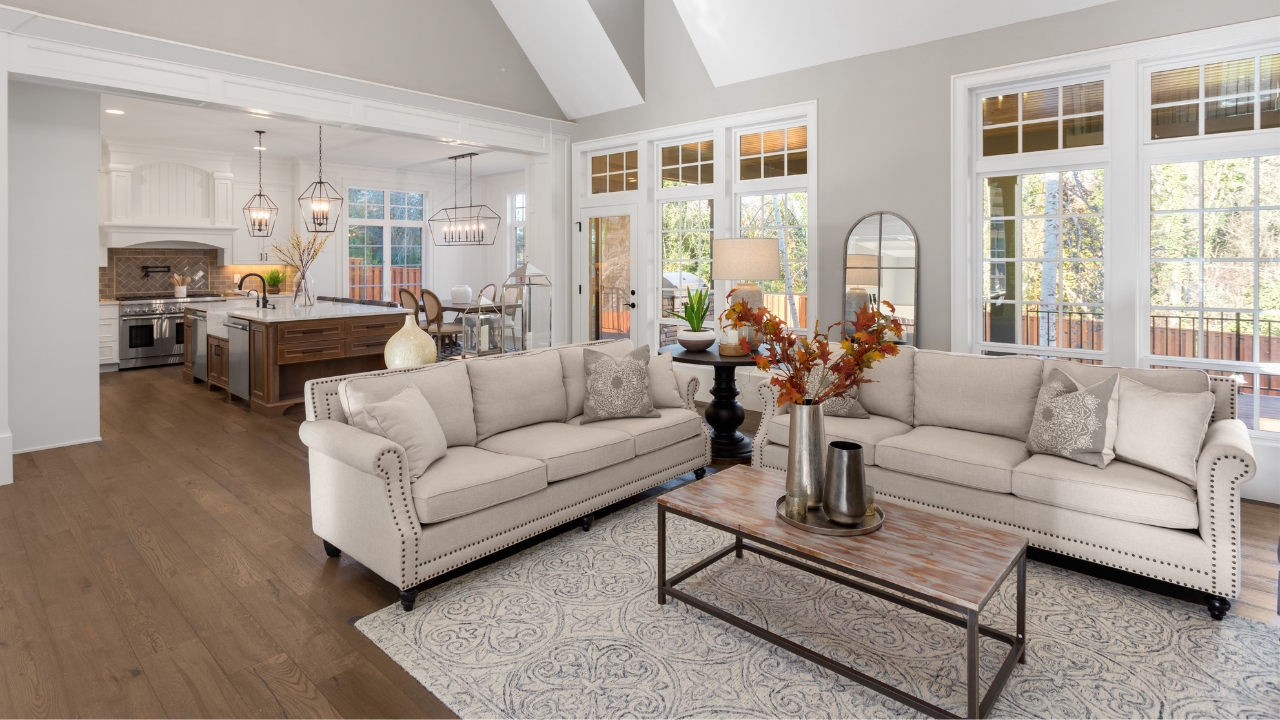
Minimalist Home Trends That Fall Apart the Second You Have Kids
Photo credit: BM_27/Shutterstock.com
Minimalist design looks great in magazines—clean lines, neutral tones, barely-there furniture—but real life with kids doesn’t always fit that mold. When you’re juggling toys, sippy cups, and a million outfit changes a day, that pristine aesthetic starts to feel less peaceful and more stressful.
Some trends sound good in theory but fall apart fast when toddlers are involved. If you’ve ever tried to keep a white couch clean or store your entire toy collection in one tiny basket, you already know the struggle.
All-White Everything

White walls, white sofas, white rugs—it might look fresh and airy, but it’s a magnet for fingerprints, snack spills, and mystery smudges. Unless you love scrubbing daily or replacing things constantly, it won’t hold up.
Even washable covers and wipeable paint have limits when kids are in the mix. Adding warmer tones or patterned fabrics makes life easier without giving up style. You can still keep it neutral—just not high-maintenance.
Low Furniture with Sharp Corners
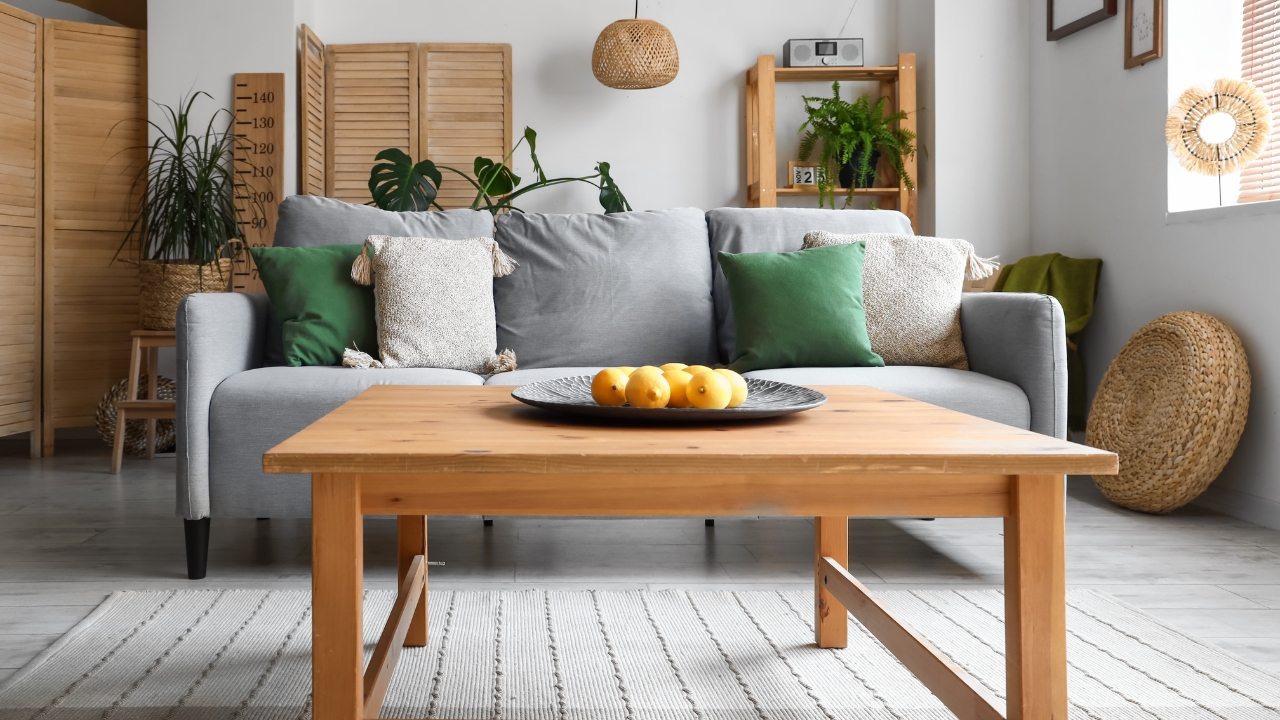
That modern, low-profile coffee table looks sleek, but it’s right at eye level for crawling babies and toddlers learning to walk. Sharp edges are a recipe for bumped heads and bruised knees.
It’s not that you can’t have modern furniture—you just need to think about function and safety. Rounded corners, soft edges, and kid-friendly materials go a long way in keeping everyone happy (and out of urgent care).
Open Shelving Everywhere
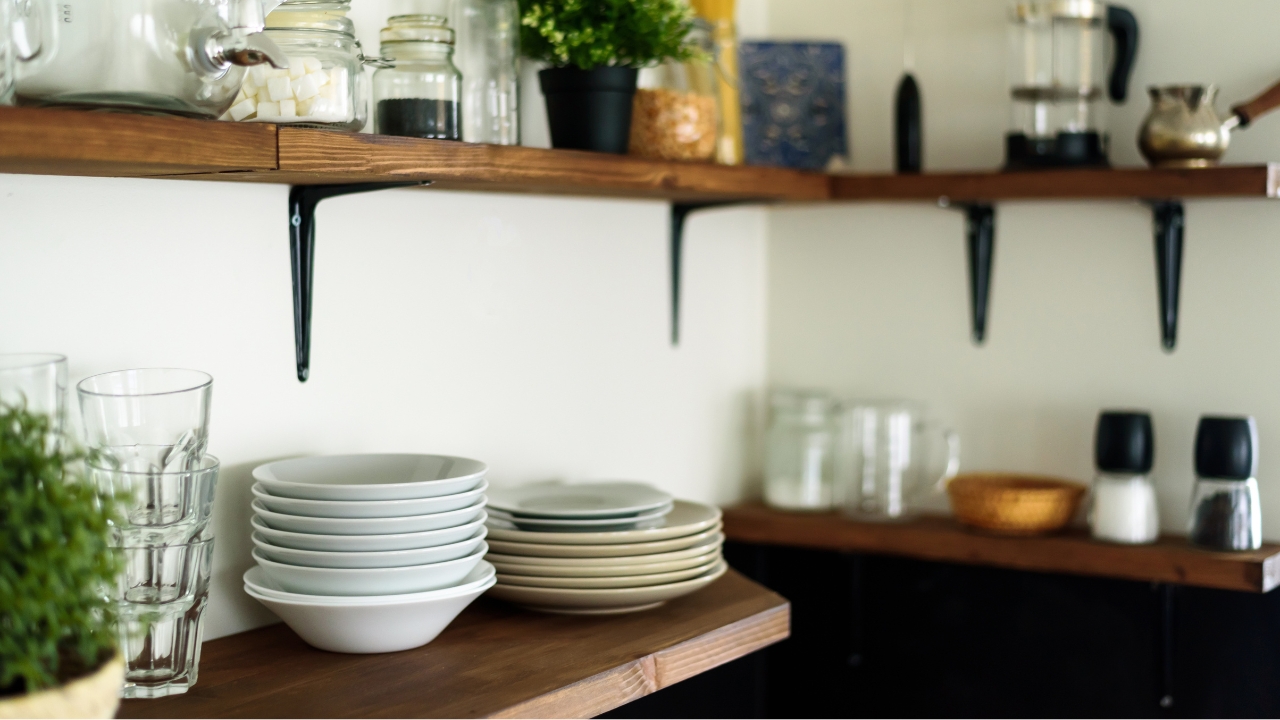
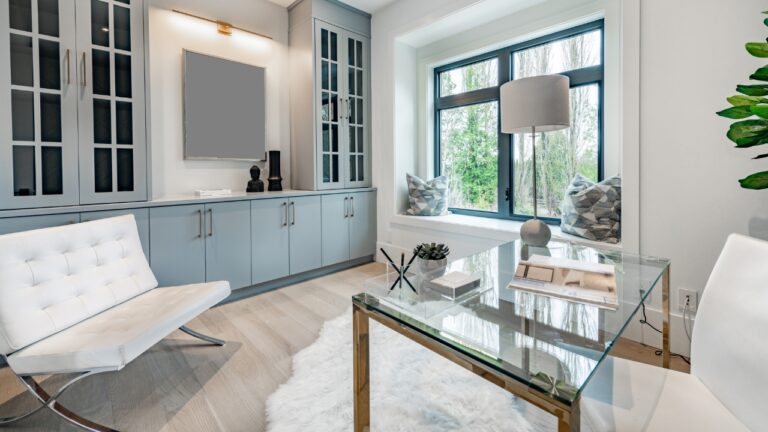
Open shelves can look minimal and curated—but with kids, they turn into a cluttered display fast. Toys, books, and random socks all find their way in, and keeping them styled is more work than it’s worth.
Closed storage is your best friend. Cabinets, baskets, and drawers help hide the mess without making you feel like you’re constantly cleaning or rearranging for appearances.
Minimal Seating Options
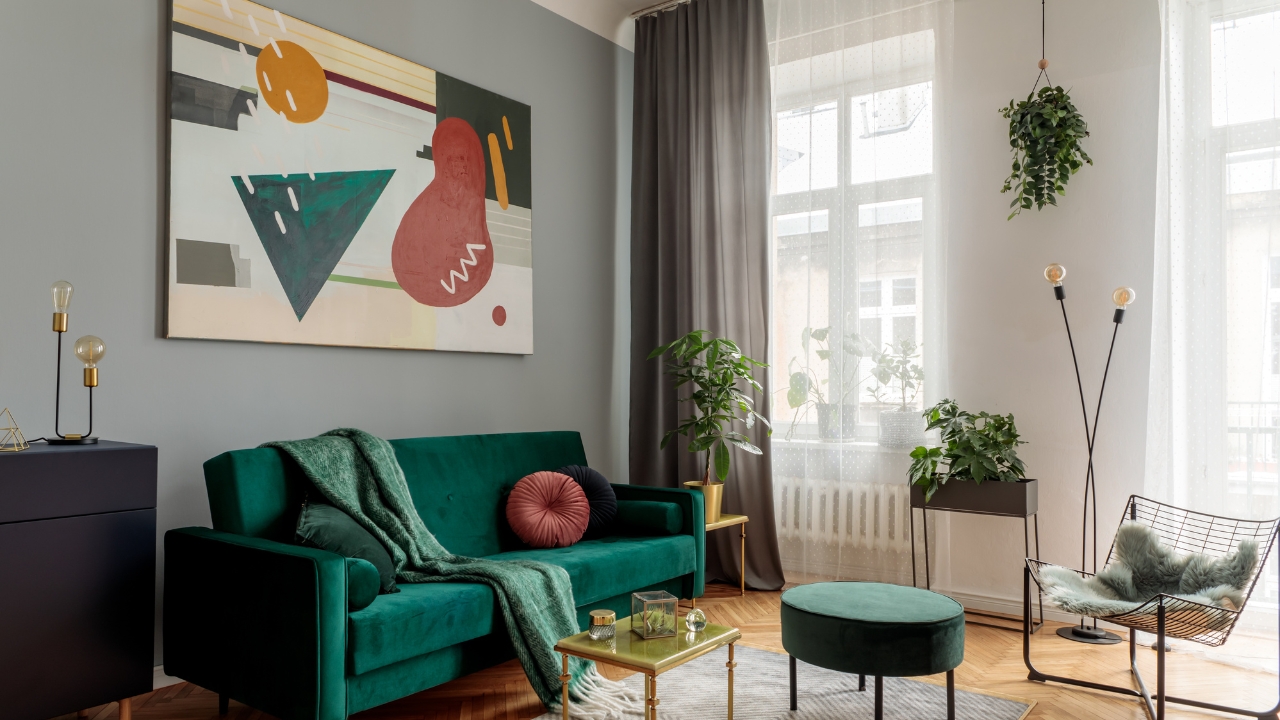
A single streamlined sofa might work for two adults, but throw in a few kids (and maybe a guest or two), and suddenly there’s nowhere to sit. Minimalist seating often lacks the flexibility families need.
Sectionals, extra chairs, or even poufs make it easier to accommodate real-life chaos—whether it’s movie night, a playdate, or everyone deciding to pile on the couch at once.
Bare Floors with No Rugs

Skipping rugs might seem like it keeps things easy and clean, but hard floors alone aren’t ideal when kids are crawling, playing, or crashing down with toys in hand. It’s loud, slippery, and uncomfortable.
You don’t need fancy rugs, but a washable, padded option gives you a soft place to play and helps absorb the sound of little feet running laps. It also defines spaces without adding clutter.
One Toy Basket for the Whole House
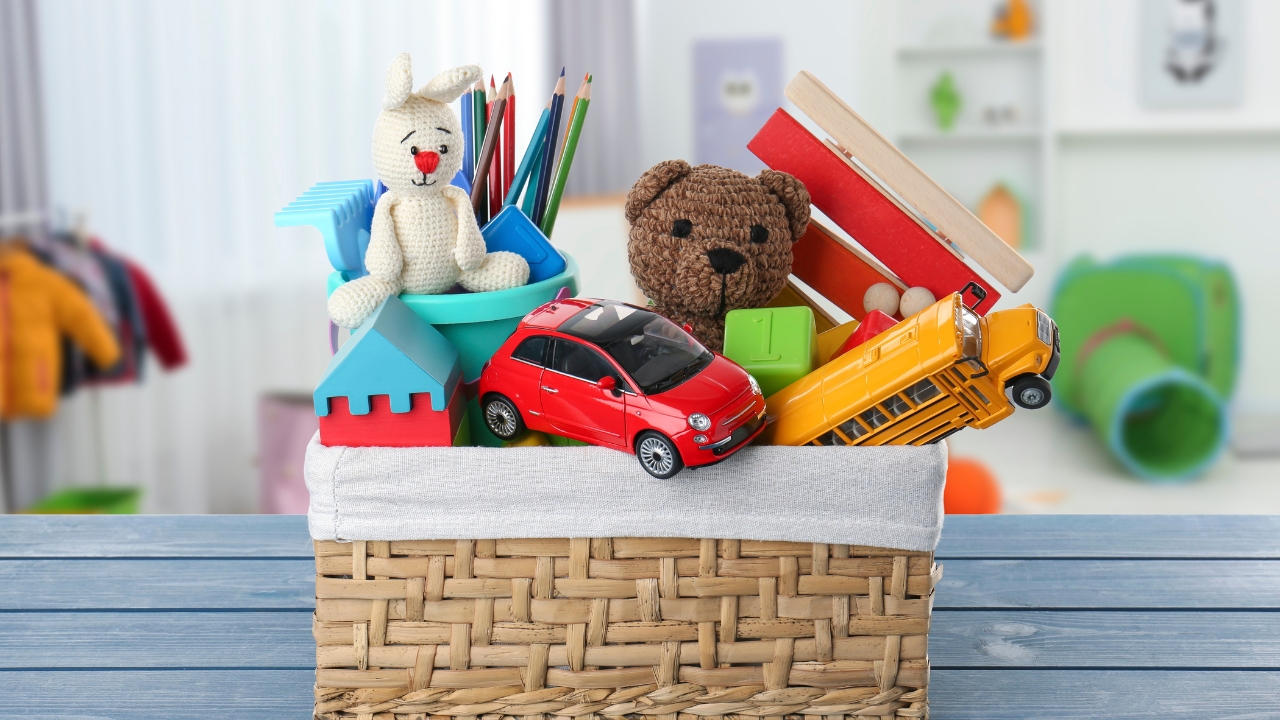
Minimalists love the “one basket” rule for toys, but most kids aren’t playing by that system. Trying to limit all their toys to one bin often leads to frustration—for both them and you.
It’s better to rotate toys or use closed bins by category. You can still keep the space looking clean without forcing everything into one catch-all that ends up overflowing anyway.
No Artwork or Personal Touches
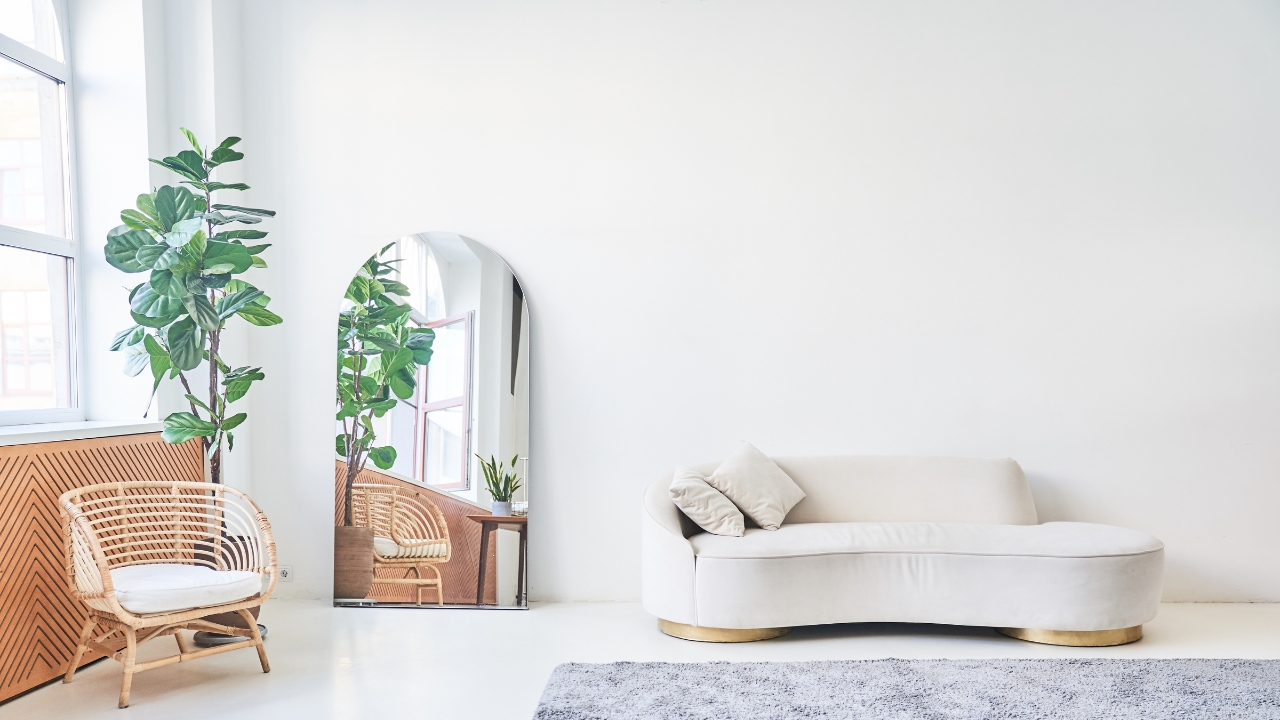
Blank walls might feel peaceful, but without family photos, kid art, or personal items, your house can start to feel more like a rental than a home. Kids love seeing their drawings, faces, and memories displayed.
You don’t have to cover every wall, but adding a few family-friendly touches makes the space feel more lived-in and grounded. Minimal doesn’t have to mean bare.
Neutral-Only Kid Gear
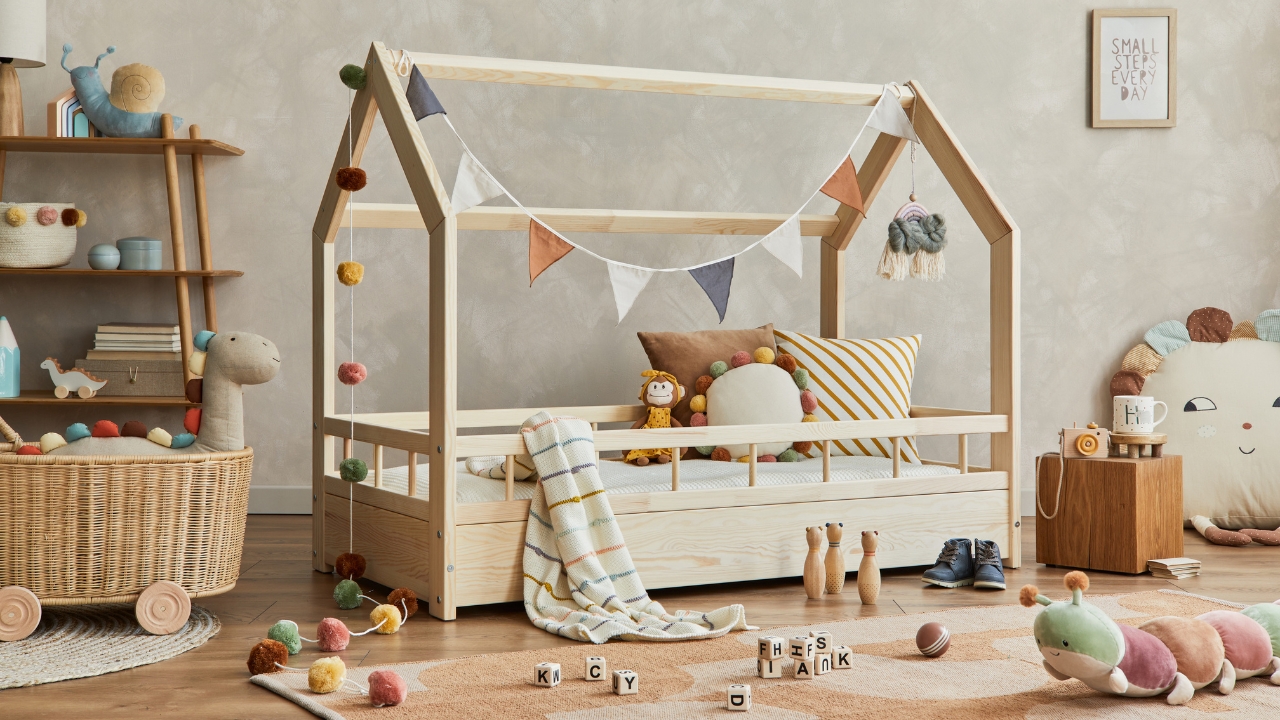
Matching all your baby gear to your beige color palette sounds cute—until you realize most kid stuff is made to be functional, not subtle. Trying to keep everything neutral can get expensive and limiting.
Let the high chair or play mat be bright if it works better. Your home doesn’t have to look like a catalog every day to feel calm. Function should always win over looks when it comes to kids.
Ultra-Tidy Entryways
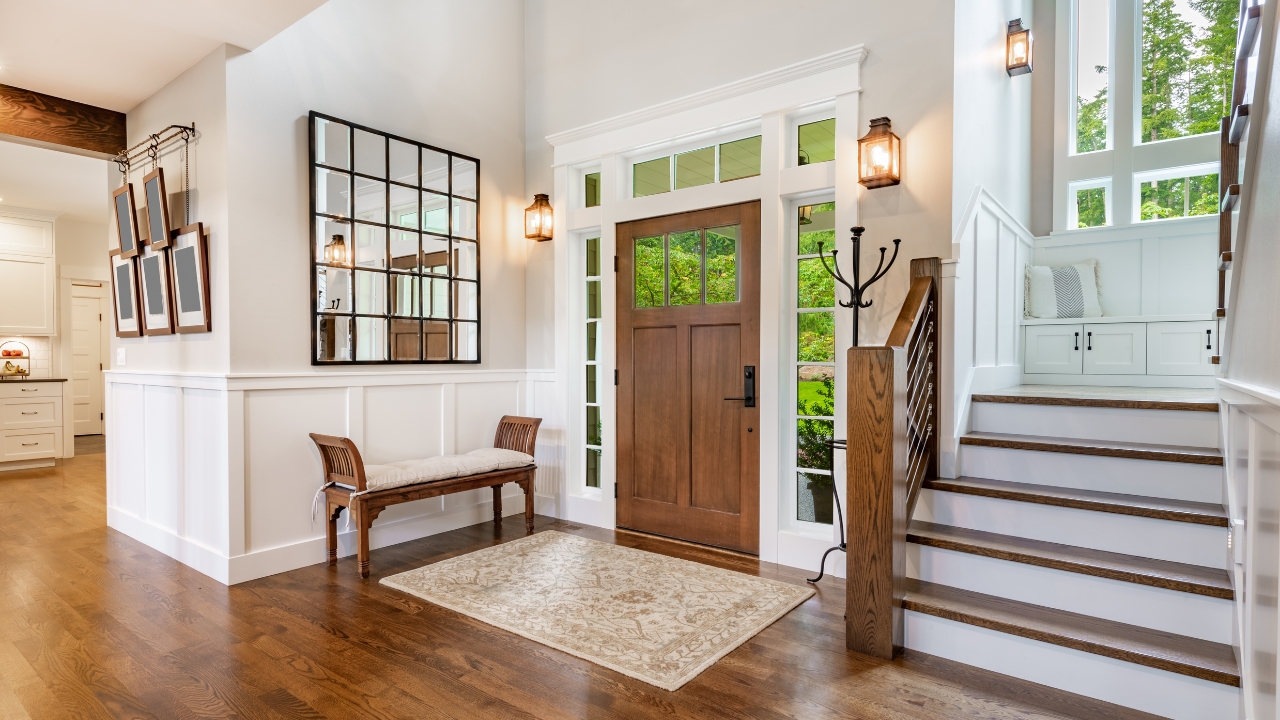
Minimalist entryways often rely on one hook, one bench, and zero visual clutter. But families need way more than that. Backpacks, jackets, lunchboxes, and muddy shoes don’t magically disappear.
Adding bins, hooks at kid height, and a bench with storage might not look perfectly minimal, but it actually works. If your system isn’t easy for your kids to use, it won’t stay tidy anyway.
Hiding All the Kid Stuff
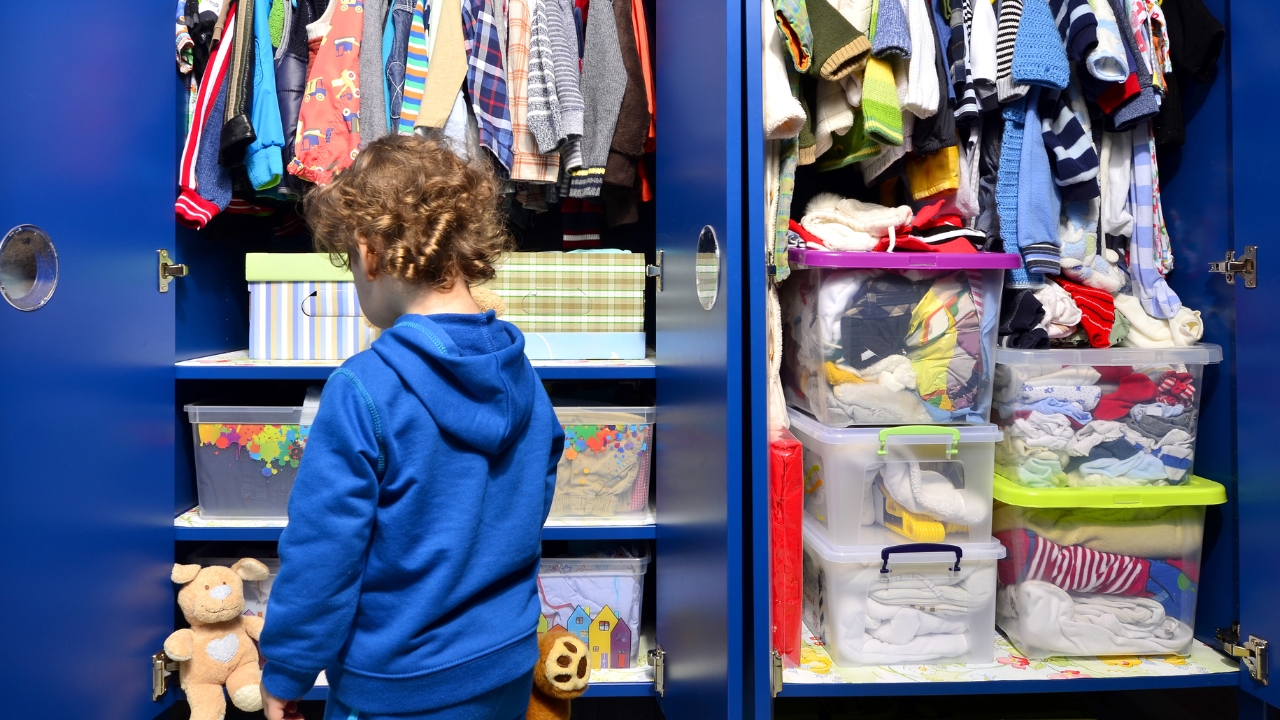
It’s tempting to tuck away every toy and baby item the second company comes over—but constantly shuffling kid gear in and out of closets can feel exhausting. Kids live here too, and it’s okay for your home to show that.
A balance between tidy and real is the goal. Pick a few spots to keep kid stuff accessible but contained—like a play corner or basket per room—so it blends into your day without taking over.
Like Fix It Homestead’s content? Be sure to follow us.