What to Do First When You Buy Raw Land (So You Don’t Waste Money)
Photo credit: FOTOGRIN/Shutterstock.com
Buying raw land is exciting—until you realize how fast the bills start stacking up if you don’t plan it right. A lot of folks dive in headfirst, thinking they’ll figure it out as they go. That’s a good way to blow a chunk of your budget on the wrong things. If you want to stretch your money and avoid doing things twice, here’s where you start.
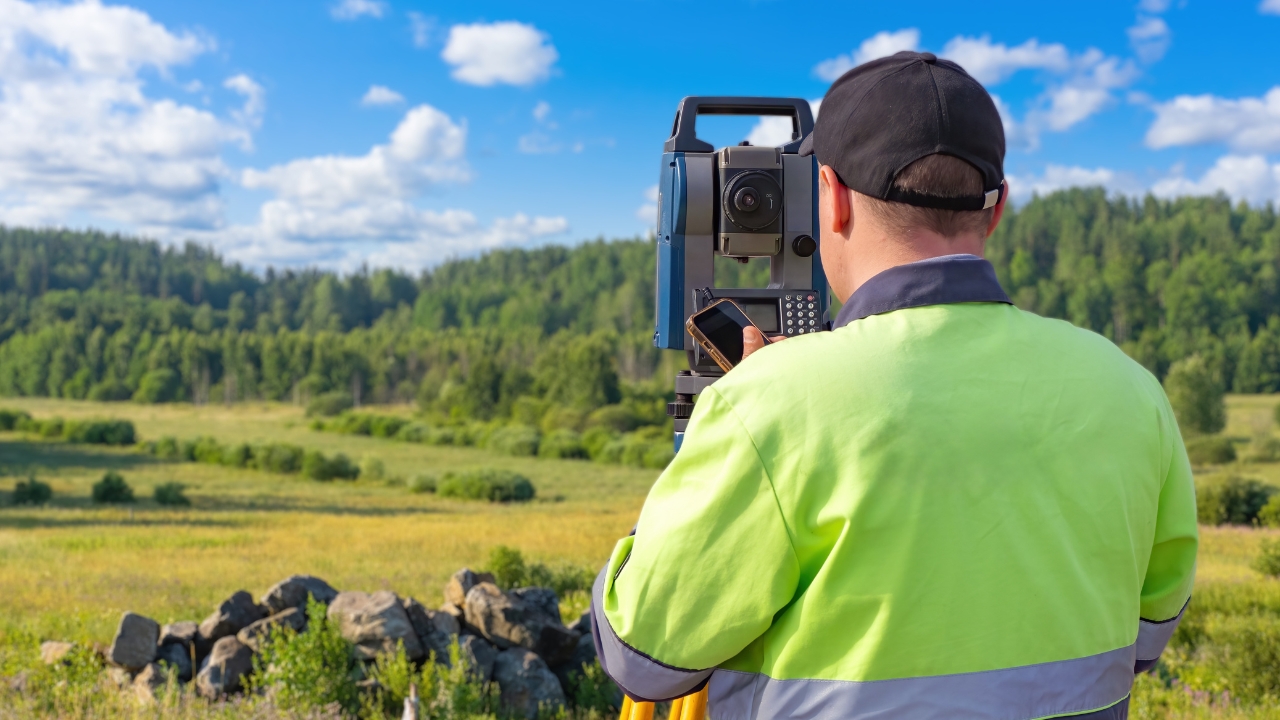
Get the Property Surveyed and Marked

Before you spend a dime on infrastructure, make sure you actually know what’s yours.
Boundaries get fuzzy fast when it’s raw land. A proper survey will help you place your fence, house, and driveway without stepping into legal issues or wasting materials.
Figure Out Water Access First
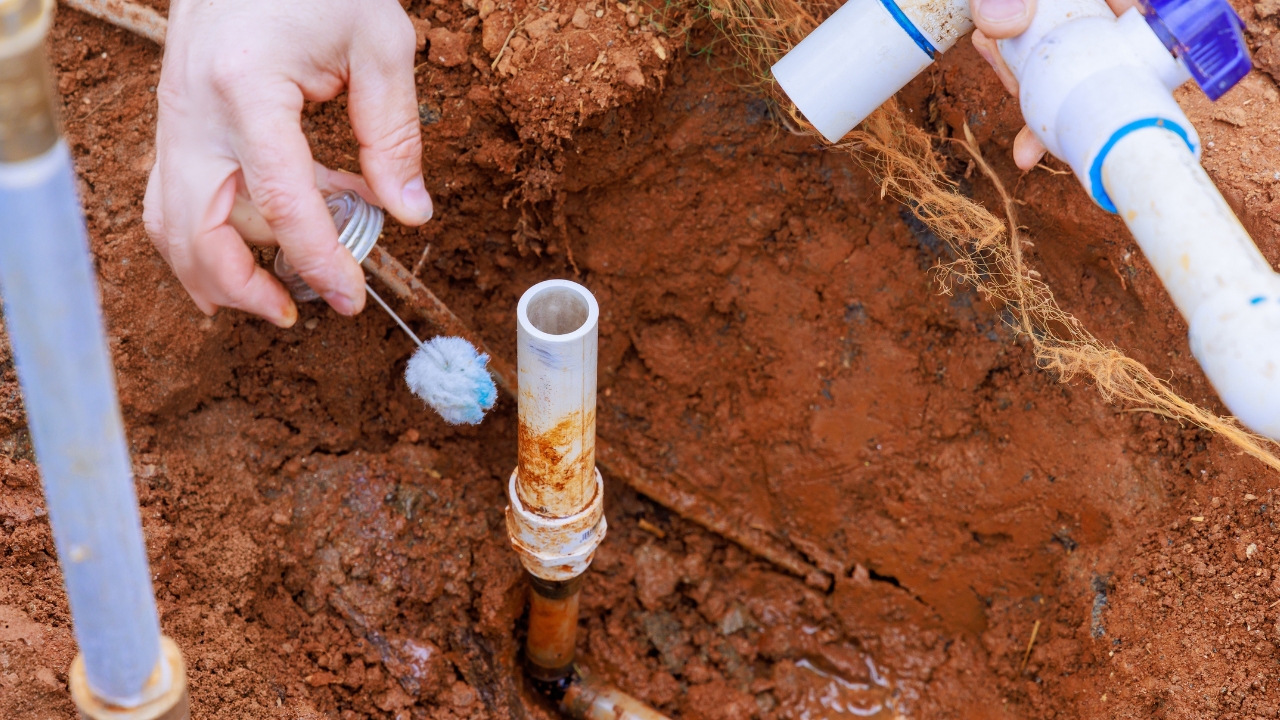
No water means no house, no animals, and no living there full-time.
Check with the local co-op or city to see if you can tie in, or start getting quotes for a well. Either way, know your options and costs early. It can eat a big chunk of your budget if you’re not ready.
Plan Where the Driveway’s Going

You can’t bring in materials, equipment, or a mobile home without a solid access point.
Map out your high ground and low spots to avoid washouts later. A bad driveway will cost you over and over again if you place it wrong.
Walk the Land After a Rain
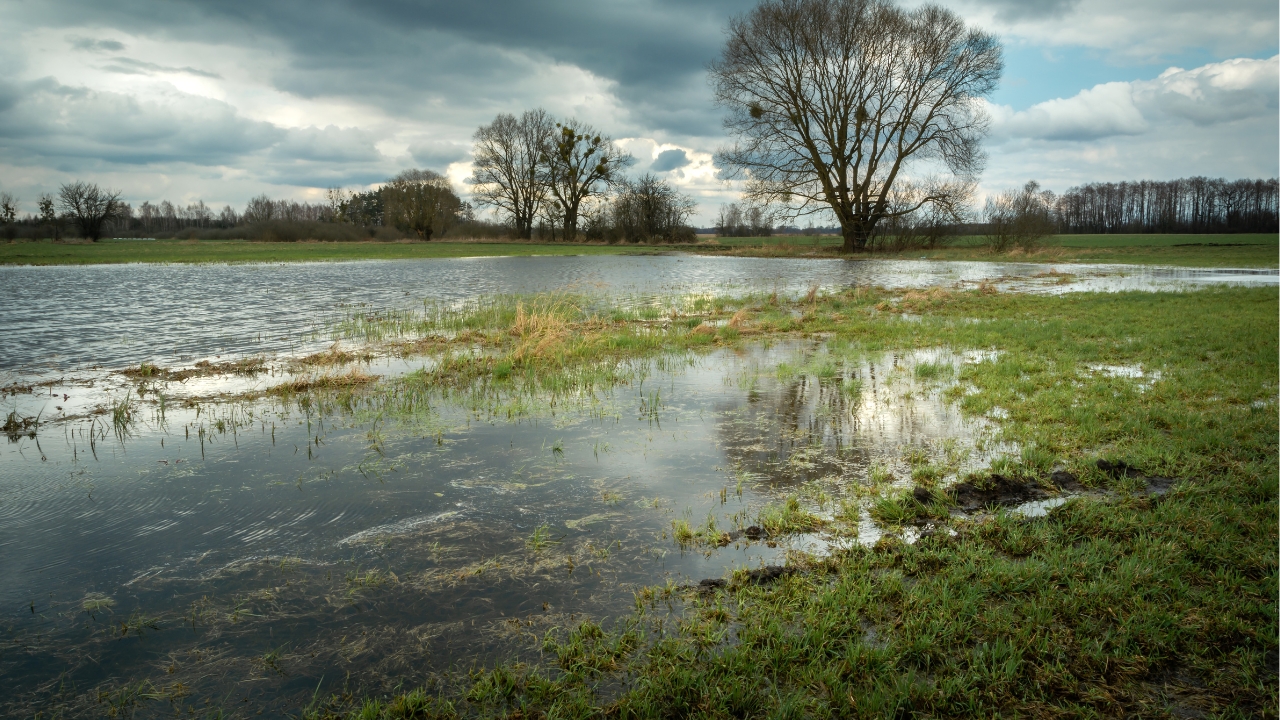
A sunny day can hide a lot of problems. After a rain, you’ll see where the water pools and how it drains.
That helps you figure out the best spot for your house, barn, and garden—so you don’t end up fighting mud, erosion, or flooding later.
Check for Easements or Restrictions
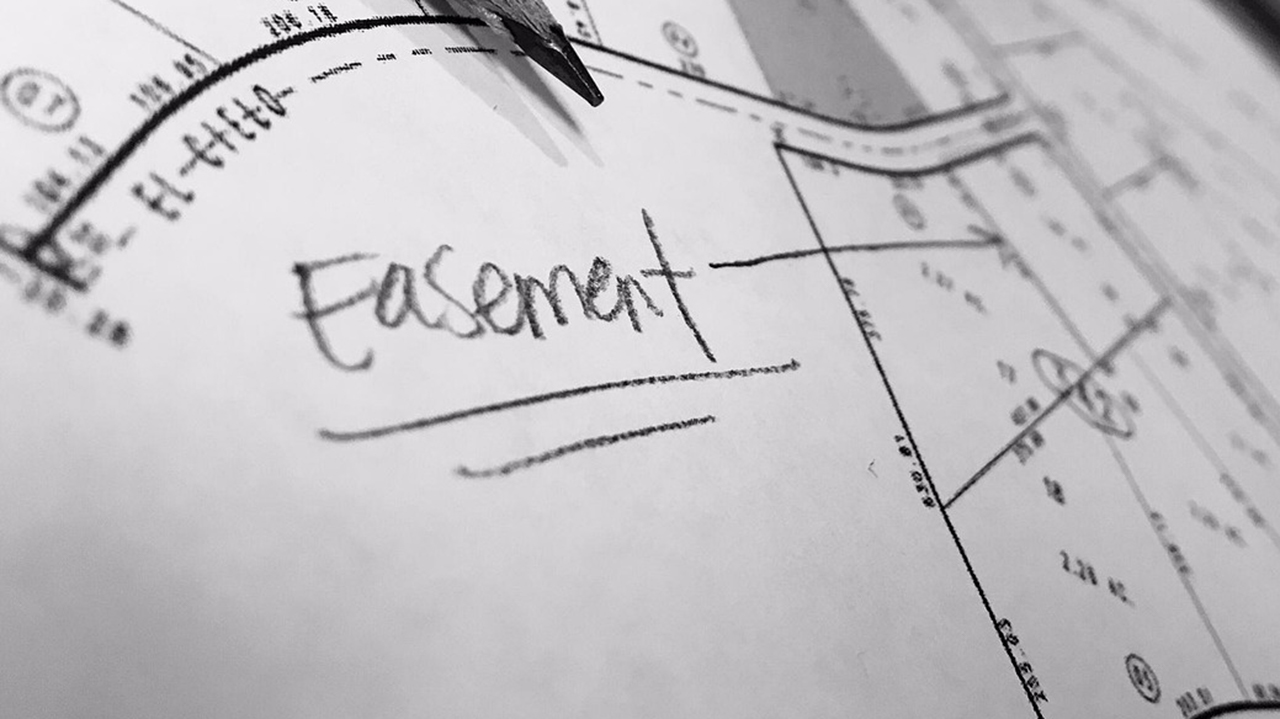
Just because you own it doesn’t mean you can do whatever you want with it.
Utility easements, septic setbacks, and zoning rules can limit where you build or what animals you can keep. Find out now—before you’re stuck redesigning everything.
*This article was developed with AI-powered tools and has been carefully reviewed by our editors.
Like Fix It Homestead’s content? Be sure to follow us.