10 “Natural” Pest Control Tricks That Don’t Actually Work
Photo credit: RVillalon/ Shutterstock.com
Natural pest control has its place, and there are definitely safe, effective methods out there. But not everything labeled “natural” actually does the job. Some of the most popular tricks online sound promising but fall flat in real life—or worse, they give pests more time to spread while you think you’ve got it handled.
If you’ve tried these and still have ants in the pantry or mosquitoes in the yard, you’re not imagining things. Here are the common natural remedies that don’t really work the way people claim.
Cucumber Peels for Roaches

There’s a long-standing myth that roaches hate cucumber peels and will avoid areas where they’re placed. Unfortunately, there’s no solid science behind it—and roaches aren’t that picky.
Instead of repelling them, you might end up attracting other pests or creating a moldy mess. If you’ve got a roach problem, the only thing that actually works is removing food sources and sealing entry points, not tossing salad scraps behind the stove.
Coffee Grounds as a Repellent
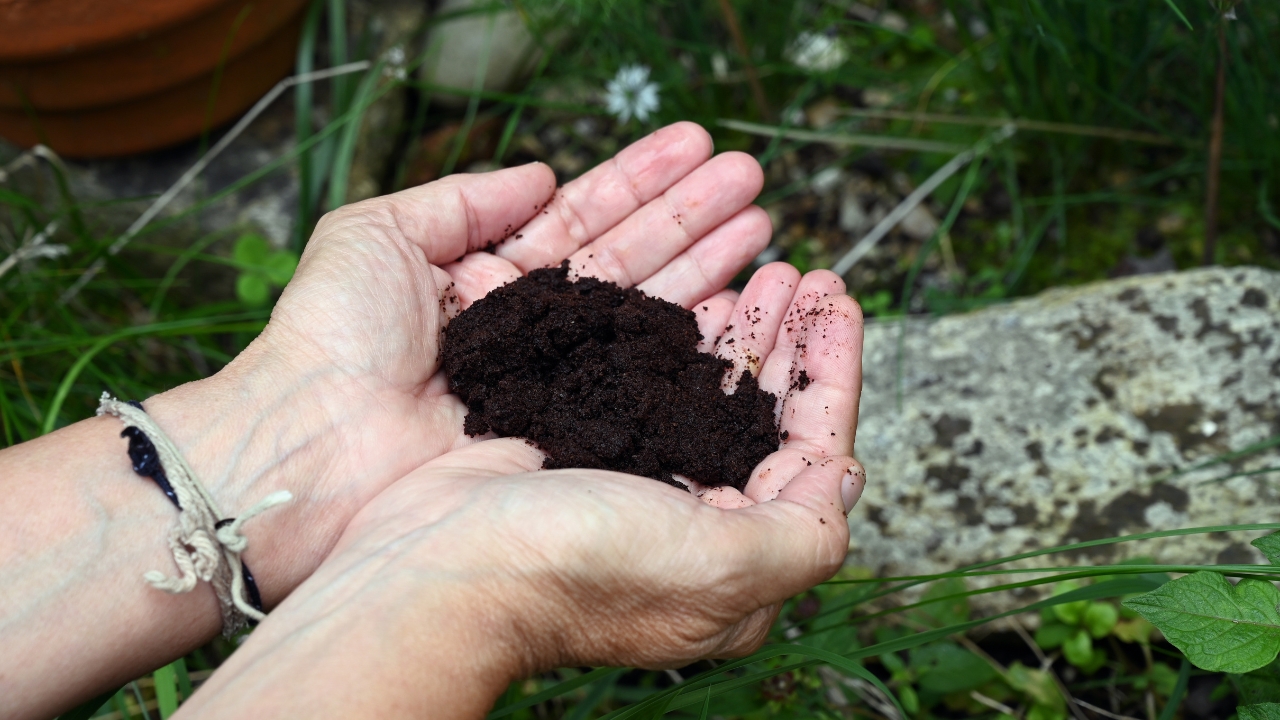
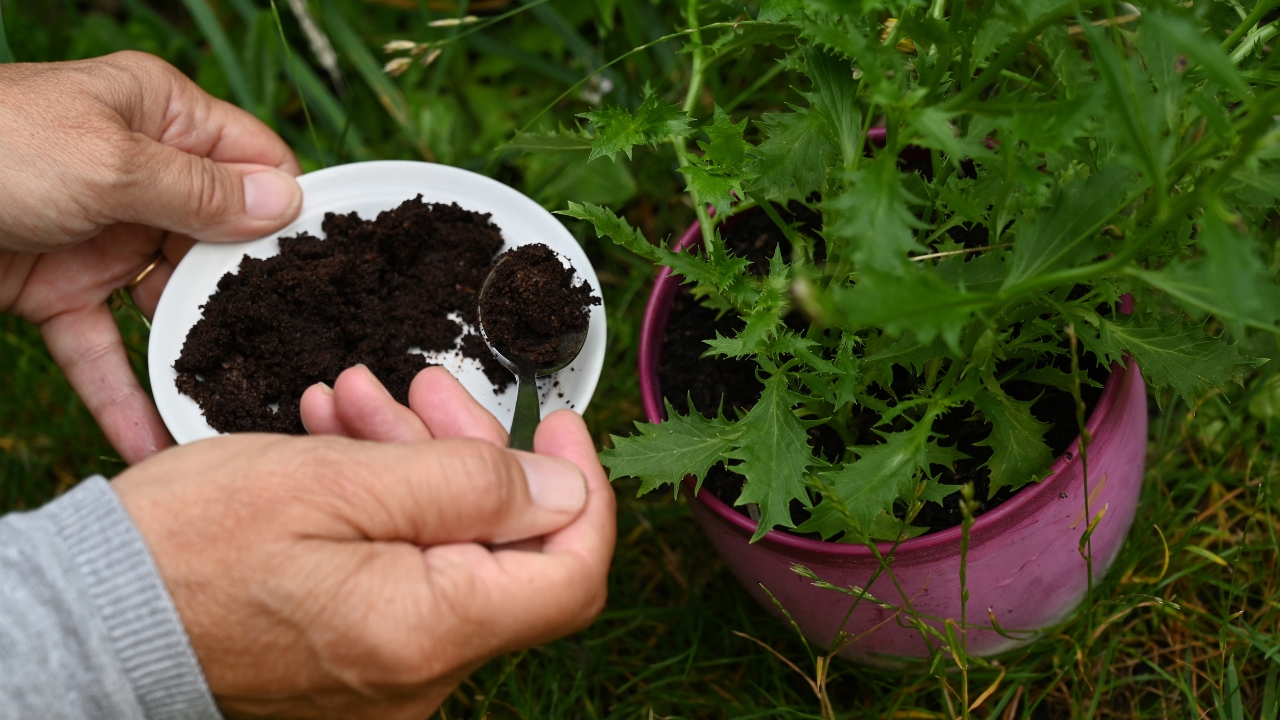
Spreading used coffee grounds around your garden is often suggested as a natural deterrent for ants, slugs, and cats. The reality? It rarely works, and the caffeine levels in spent grounds aren’t enough to do anything meaningful.
While it won’t harm your plants, it won’t stop pests either. You’re better off using physical barriers or proven repellents instead of relying on your morning brew leftovers.
Dryer Sheets for Mosquitoes
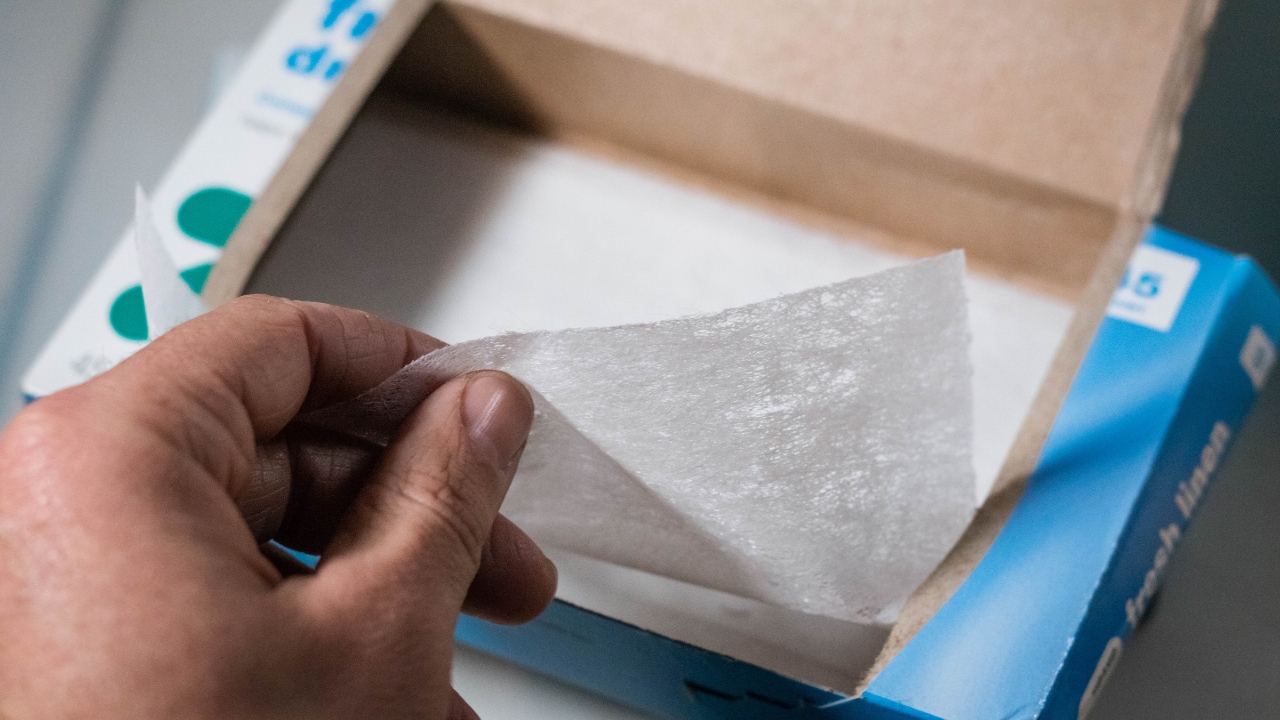
A lot of people swear that keeping a dryer sheet in your pocket will keep mosquitoes away. It might smell nice, but it’s not backed by any real research, and mosquitoes are still happy to bite right through it.
If you’re serious about avoiding bites, you need something with EPA-registered ingredients like DEET, picaridin, or oil of lemon eucalyptus. A dryer sheet might make your shirt smell like laundry, but it won’t protect your skin.
Citrus Peels to Keep Cats Out

Citrus oil and peels are said to repel cats from gardens and flower beds. While some cats do dislike citrus, most outdoor cats are stubborn and learn to ignore it—or dig around it.
Peels break down quickly and turn into food for bugs, not cat deterrents. If you’re trying to protect a garden, physical barriers like netting or motion-activated sprinklers are far more effective.
Essential Oil Sprays for Ants

Essential oils like peppermint or tea tree are often marketed as ant repellents, and while they might confuse a trail temporarily, they don’t solve the problem. Ants reroute quickly, and the oils wear off fast.
Unless you eliminate the nest and seal entry points, you’re just spraying expensive scent into the air. A little vinegar and soap can help disrupt a trail, but don’t expect it to wipe out an infestation.
Ultrasonic Pest Repellers
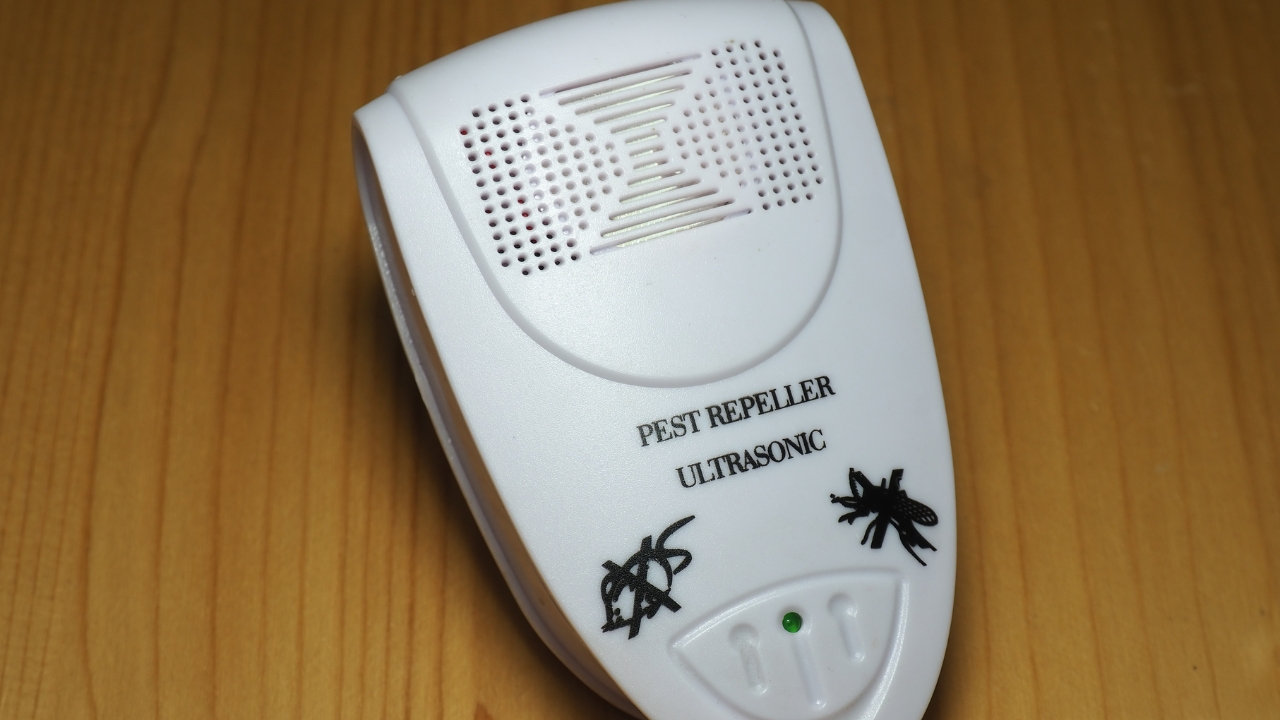
Those plug-in ultrasonic devices claim to drive pests away with high-frequency sounds humans can’t hear. But multiple studies and pest control pros agree—they don’t actually do much of anything.
If they worked as advertised, pest control companies wouldn’t exist. You might think they’re doing something while the problem gets worse in the background. Skip the gadgets and focus on sealing entry points and removing attractants.
Banana Peels for Aphids
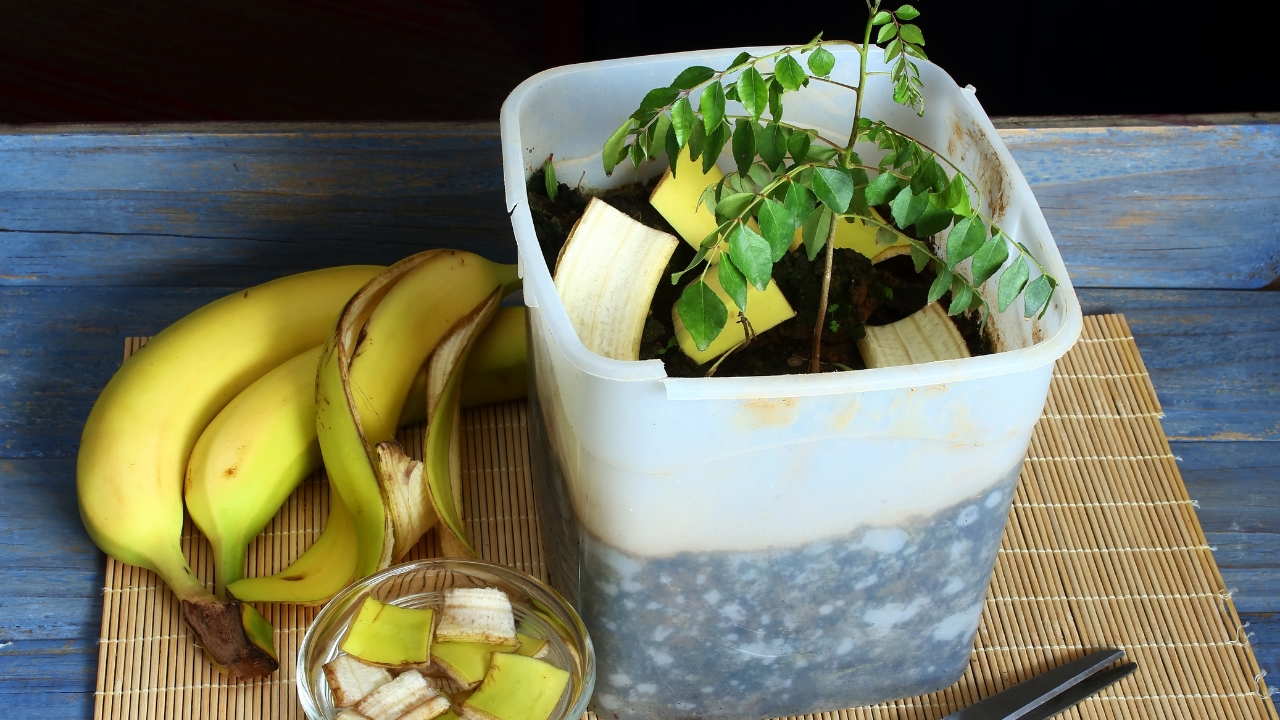
Some gardening blogs suggest burying banana peels near plants to deter aphids. Unfortunately, there’s no evidence that this works—and rotting fruit can actually attract more pests instead of keeping them away.
Aphids are better managed with beneficial insects like ladybugs or a blast of soapy water. Burying food in your flower beds usually creates more problems than it solves.
Vinegar for Mosquitoes

Vinegar has a million uses, but repelling mosquitoes isn’t one of them. Spraying vinegar around your yard or adding it to standing water doesn’t keep mosquitoes away, and it can irritate pets or damage plants.
If you want fewer mosquitoes, focus on removing water sources, using proper traps, or planting citronella and lemongrass. Vinegar might clean your counters, but it’s not a bug barrier.
Baking Soda for Bed Bugs

There’s a lot of DIY talk around baking soda killing bed bugs, but it’s completely unproven. Bed bugs don’t ingest it, and it doesn’t dehydrate them like some sources claim.
Dealing with bed bugs requires professional treatment, high heat, and targeted action. Spreading baking soda on your mattress might feel proactive, but it won’t stop the infestation.
Garlic Spray for Everything
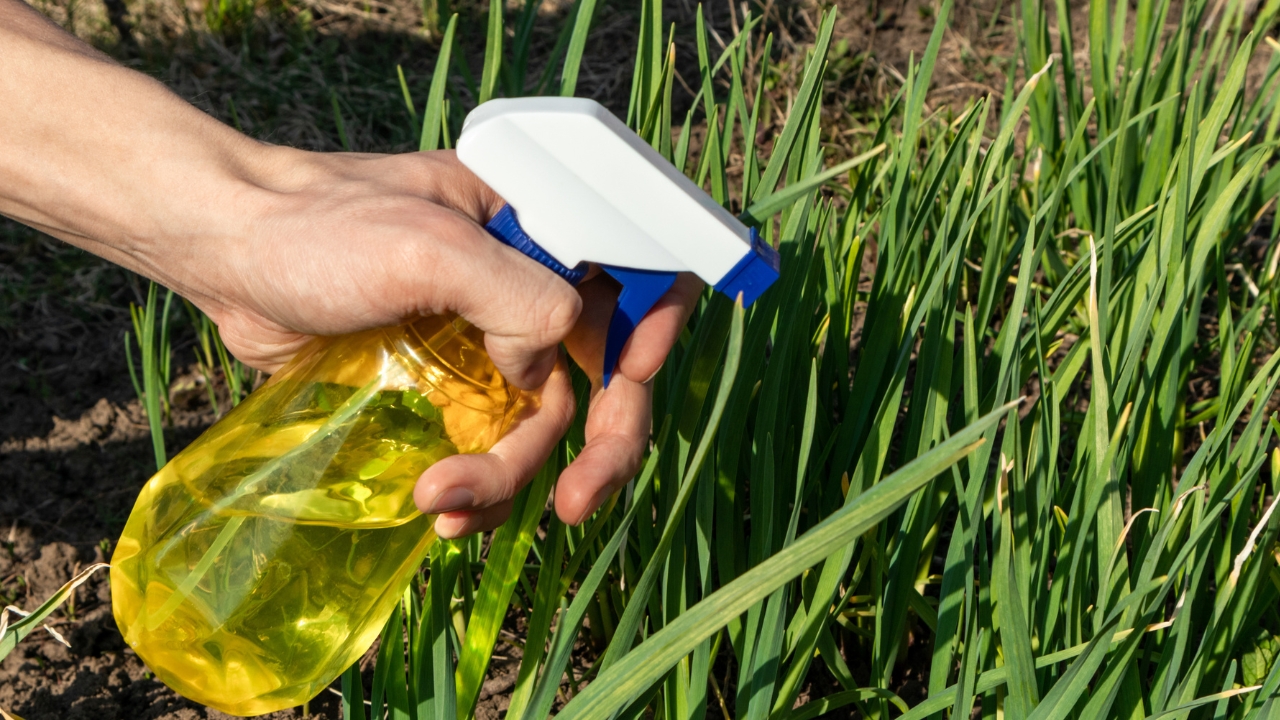
Garlic spray is a common suggestion for repelling all kinds of pests—from insects to rodents. While it might smell strong at first, the scent fades fast, and pests learn to ignore it.
Plus, spraying garlic all over your garden or patio doesn’t exactly make it more inviting for guests. Targeted traps, barriers, or proven repellents will always work better than hoping garlic can do it all.
Like Fix It Homestead’s content? Be sure to follow us.