10 Things You Should Never Throw on a Burn Pile
Photo credit: Jorens Seins/Shutterstock.com
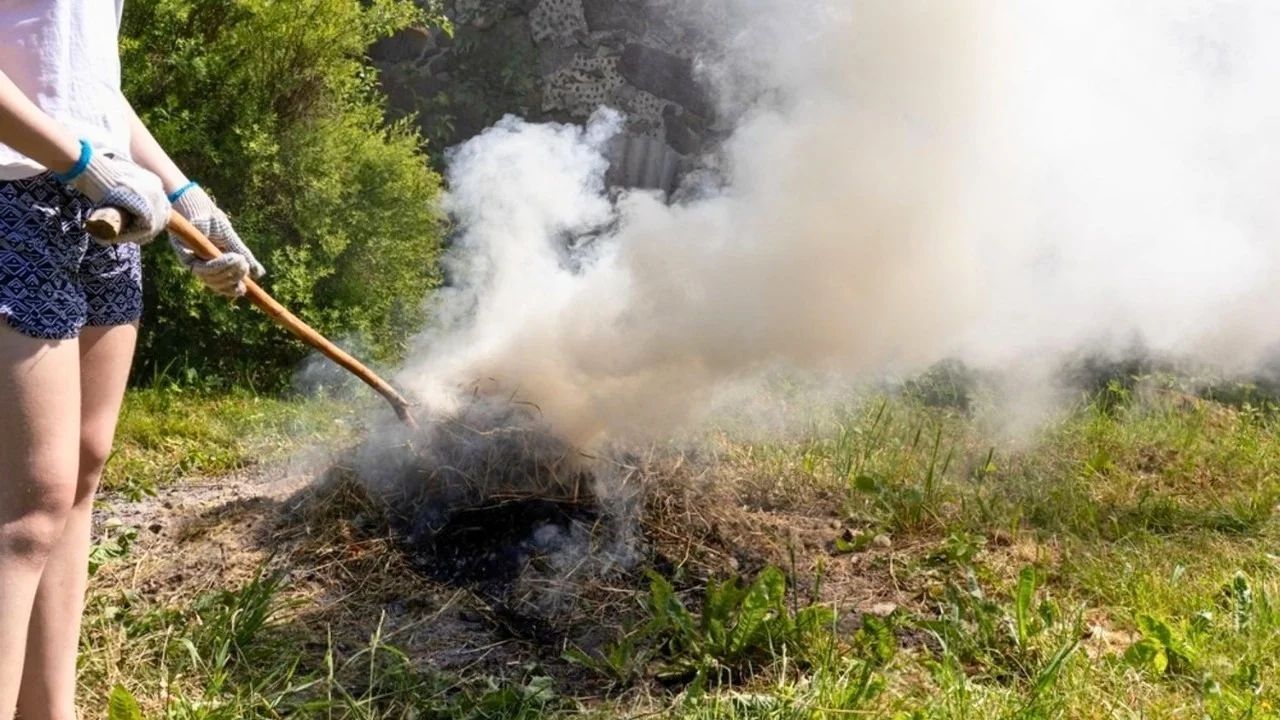
A burn pile feels like the easiest way to clean up a property. Toss it on, light it off, and the mess is gone. The problem is that some of the things people burn don’t really disappear, they just turn into fumes, sticky ash, or a problem you get to pay for later.
1. Tires And Rubber Belts
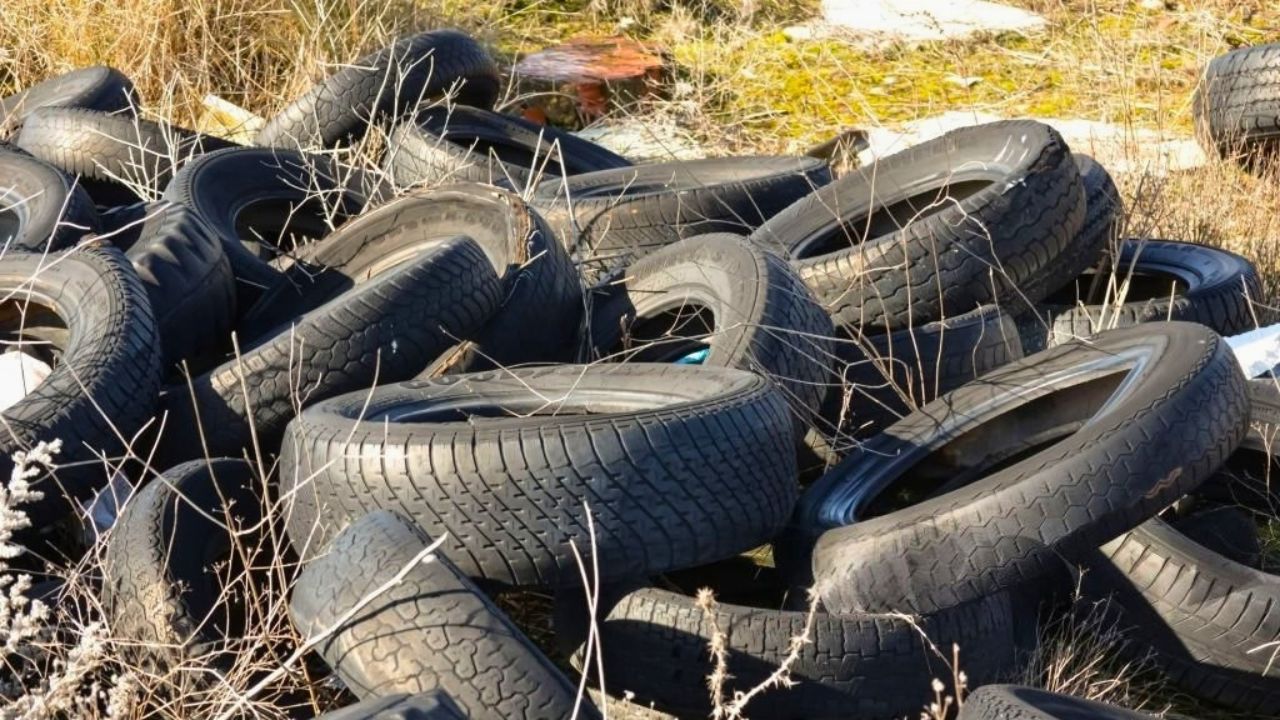
Rubber doesn’t burn like dry brush. It smolders, makes thick black smoke, and stinks up the whole area. If a tire catches and rolls, it can spread fire into grass fast, and the heat can get intense enough to damage nearby fencing or trees.
Haul tires to a proper tire recycler or transfer station. Many counties do tire collection days, and some shops will take old tires for a small fee. If you’ve got rubber conveyor belting, stall mat scraps, or old hoses, treat them the same way.
2. Pressure-Treated Lumber Scraps
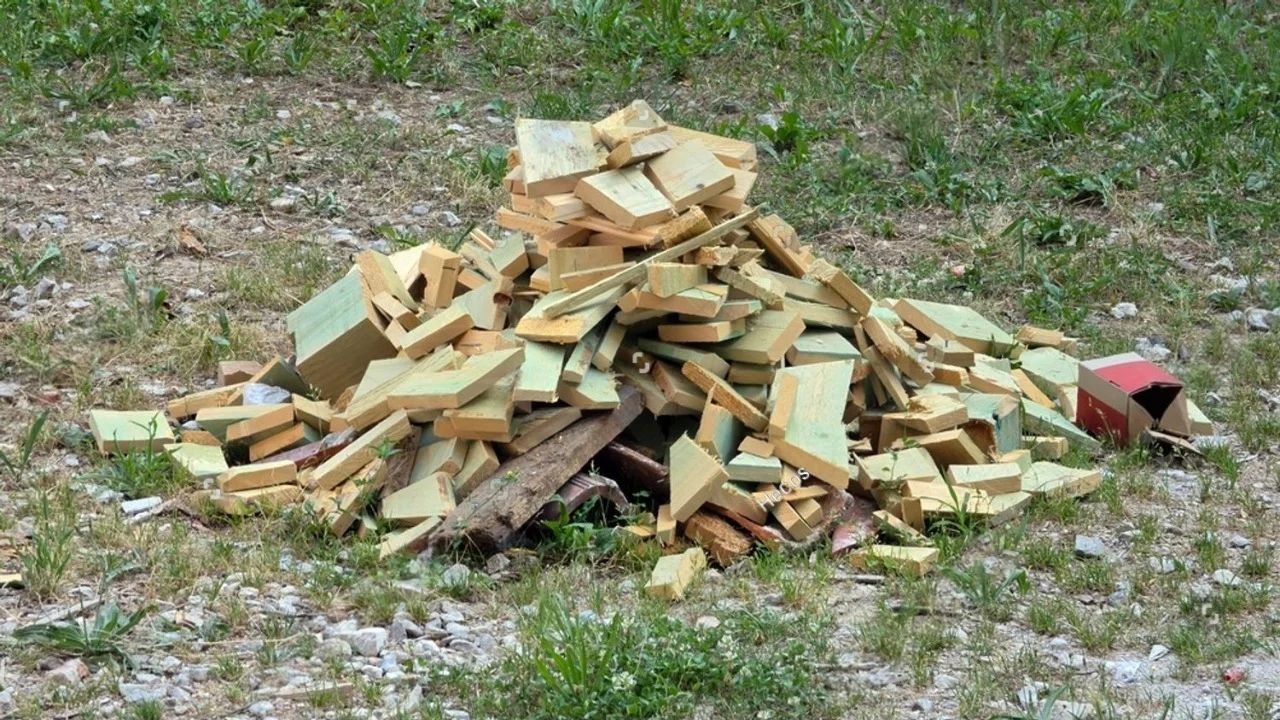
That greenish deck board offcut is not burn-pile fuel. Treated wood ash is not the same as plain wood ash, and you don’t want it drifting across the garden, landing on kids’ toys, or getting tracked into the house on boots.
Bag it and take it to the landfill or whatever disposal your county allows. If you’re tearing down a big project, call the transfer station first so you don’t show up with a trailer full and get turned away.
3. Painted Or Stained Boards And Trim
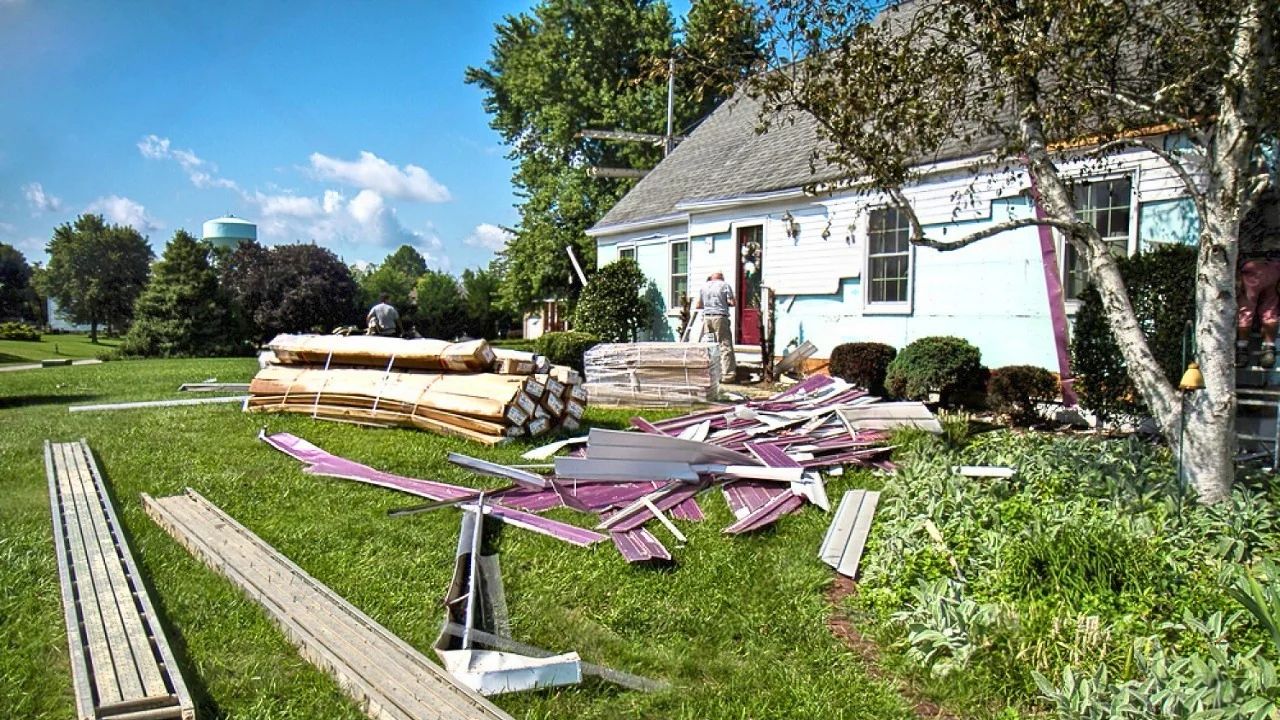
Old siding, window trim, and mystery plywood love to look like “just wood.” Then you light it and get a chemical smell that hangs low, plus ash you shouldn’t spread anywhere. The risk goes up with older paint, especially on pre-1978 houses, where you’re better off assuming you don’t want that dust in your lungs.
If the pile is mostly clean brush, keep it clean. Put demolition scraps in a separate bin and send them out with construction waste. A shop vac with a HEPA filter and a good dust mask are money well spent when you’re sorting and cutting old trim.
4. Plastic, Foam, And Vinyl Anything
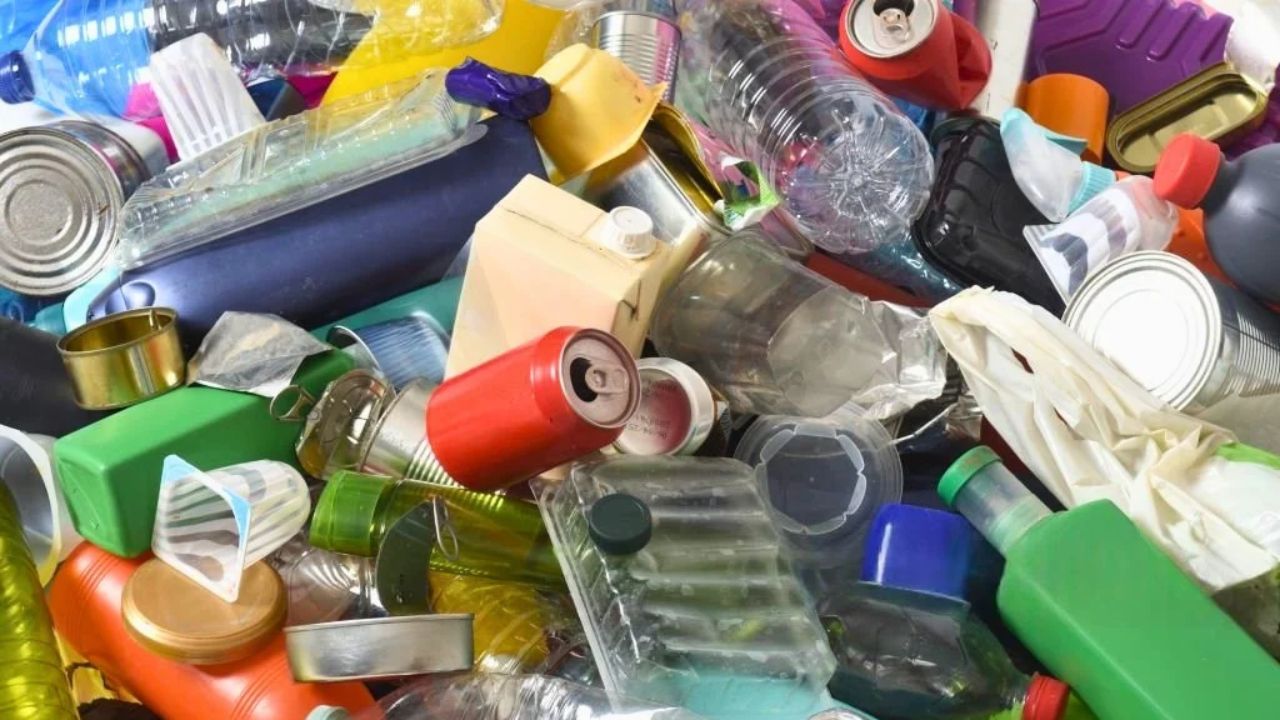
People toss in feed bags, tarps, foam packaging, broken patio chairs, and vinyl flooring because it’s “already trash.” What you get is melted blobs that glue themselves to rocks and soil, plus smoke that makes eyes burn and throats scratch.
Bag plastics and take them out with your normal trash or to a solid waste facility. If you’re clearing a barn or shed, keep a dedicated contractor bag just for plastics so they don’t end up in the brush by accident.
5. Old Gas, Oil, And Solvent Cans
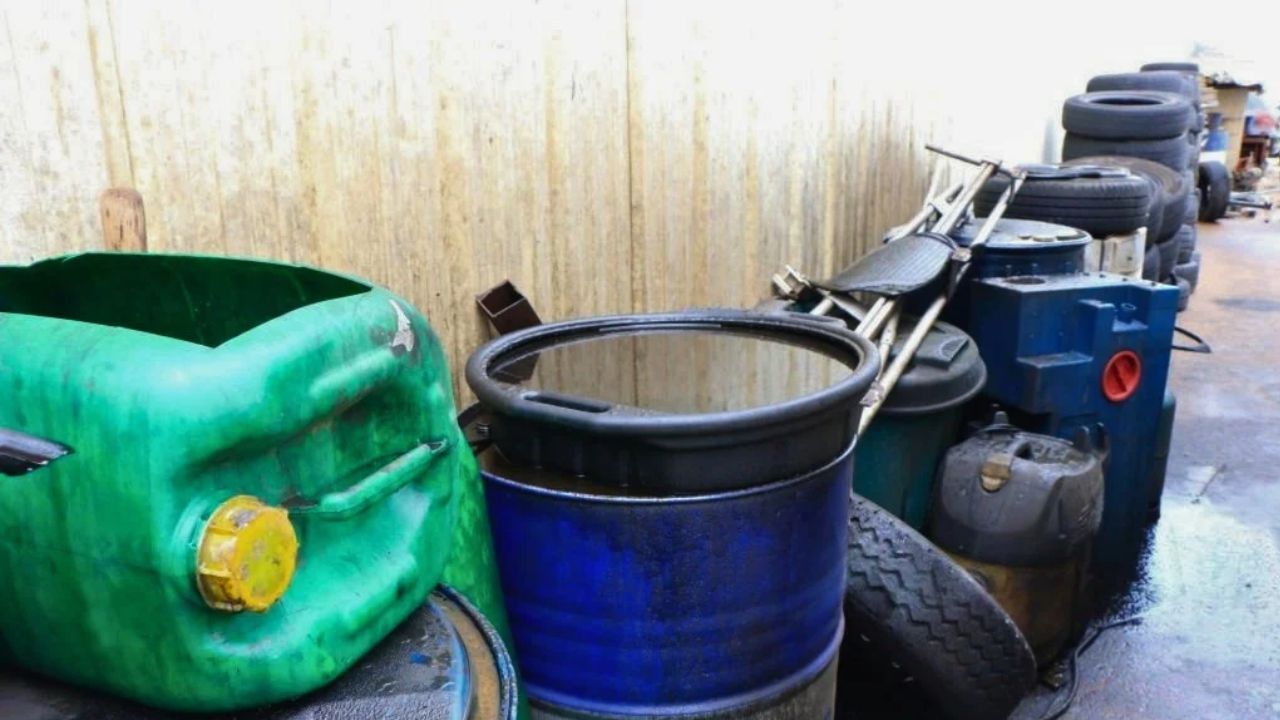
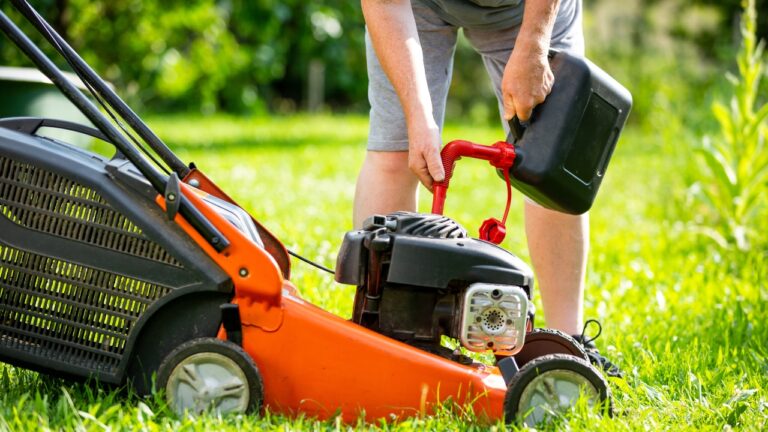
Pouring fuel on a pile is how people end up with a flash fire and missing eyebrows. Even “empty” cans can hold enough vapor to pop when they heat up, and oily rags can flare hard and fast.
Use a proper fire starter, or better yet, burn only when the pile is dry enough to catch without help. Take old gas, used oil, and solvents to a household hazardous waste drop-off. If you’ve got a lot of waste oil from equipment, this is a good time to ask an auto shop what they accept.
6. Aerosol Cans And Propane Cylinders
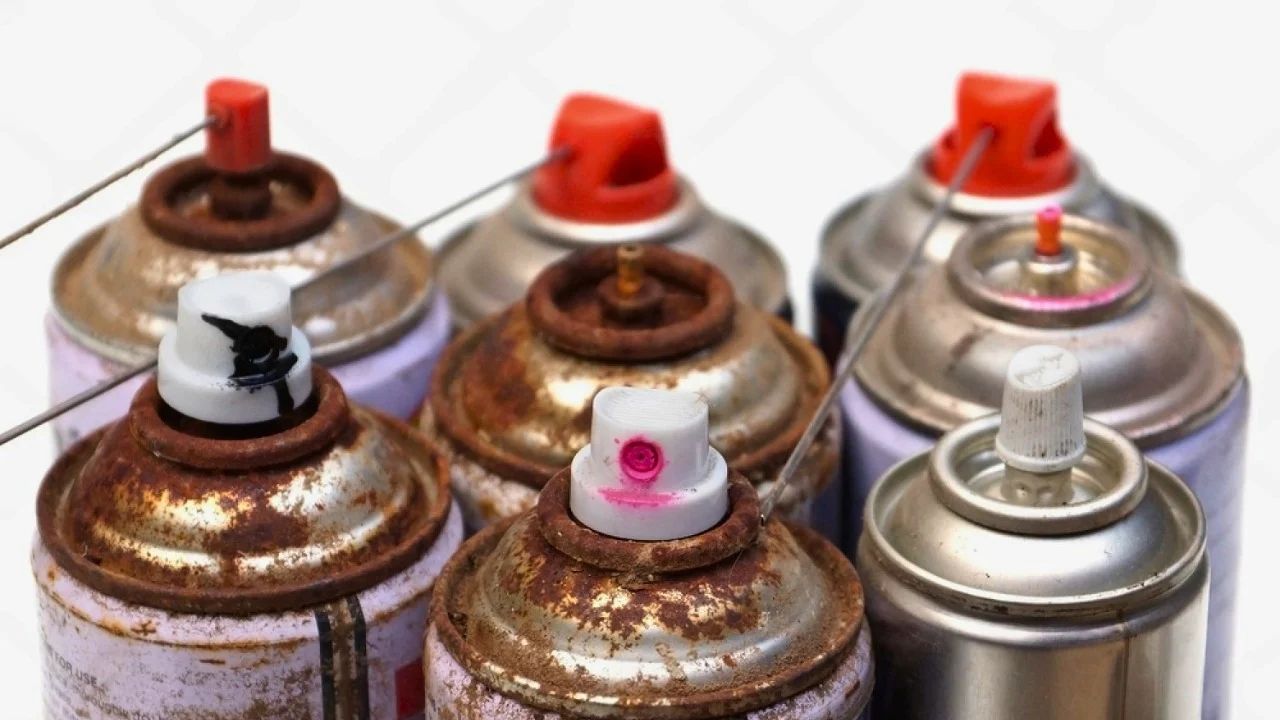
Spray paint, brake cleaner, wasp killer, and even cooking spray all turn into little pressure bombs in heat. The pop is loud, and it can throw metal farther than you think. Small propane bottles and damaged grill tanks are worse.
Keep a tub in the shop for empties and take them in for the right disposal. If you’re not sure if a cylinder is truly empty or safe to transport, don’t guess. Call your local waste station and ask what they want you to do.
7. Batteries And Electronics
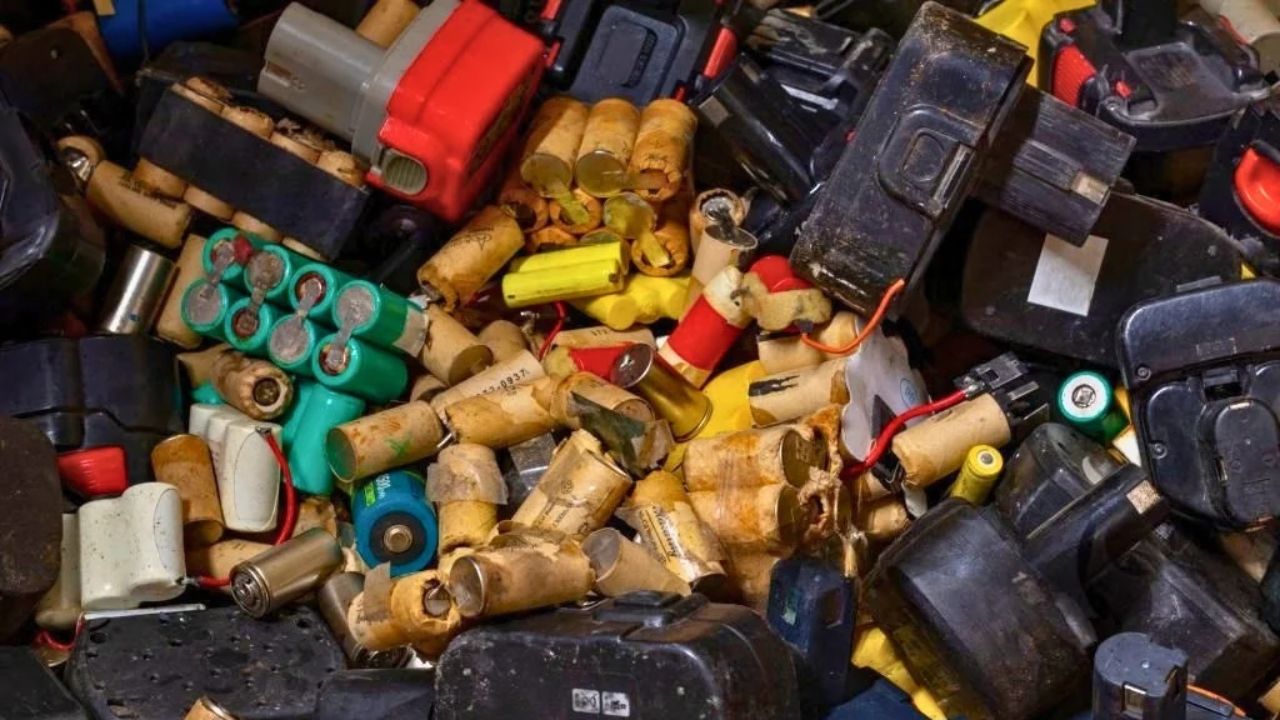
Old tool batteries, AA piles, phone chargers, and a dead weed trimmer are easy to “clean out” into the burn pile. Then you’ve got toxic smoke, and sometimes a nasty little flare-up when a battery case fails. The leftovers don’t burn down to harmless ash either, they turn into ugly chunks you don’t want in the soil.
Most big box stores and many county sites have battery and e-waste collection bins. Tape over battery terminals before you toss them in a bucket for drop-off, so they don’t short out on the ride.
8. Food Scraps And Dead Animals
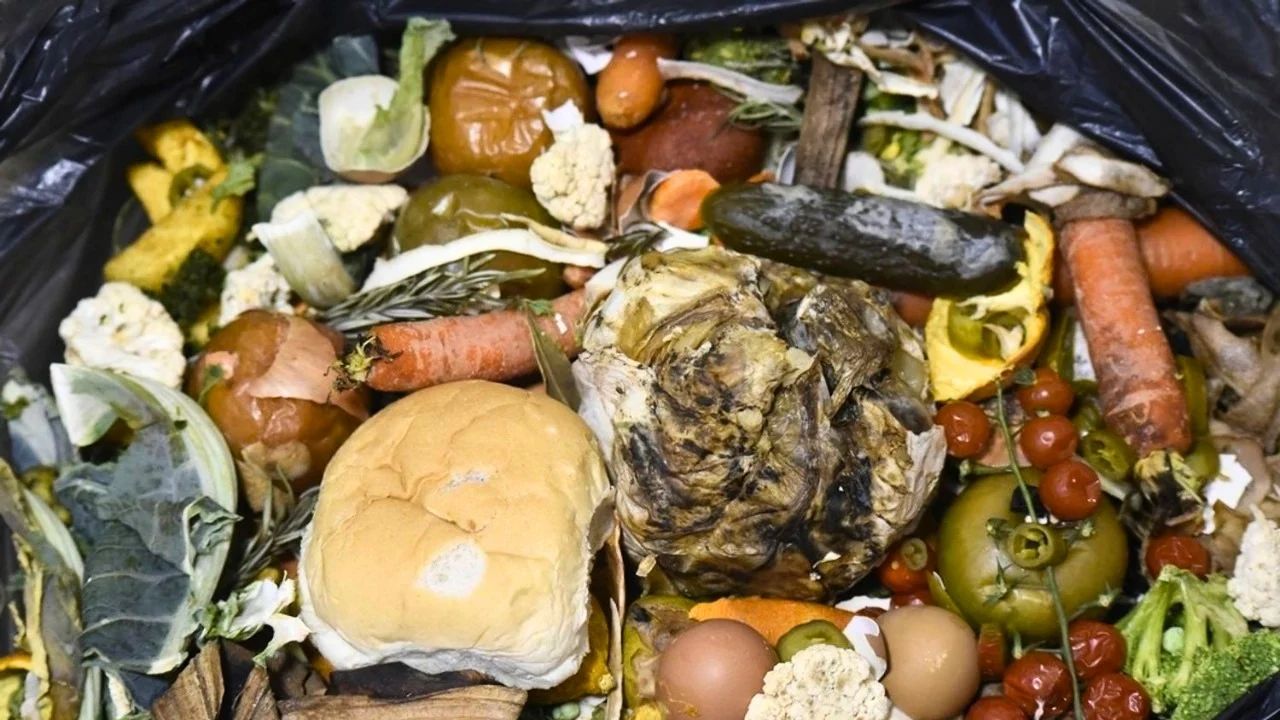
Burn piles aren’t garbage cans. Food waste draws dogs, raccoons, and rats, then you’re dealing with torn-up ash and a bigger mess than you started with. And if you burn a carcass, the smell is rough, and it can turn into a half-burned problem that nobody wants to be near.
Compost food scraps the right way, or bag them for trash pickup. For livestock or wildlife, check your county rules for burial depth, rendering, or approved disposal. If you’re in doubt, call a vet or animal control and ask what’s allowed where you live.
9. Wet Leaves And Fresh Green Brush
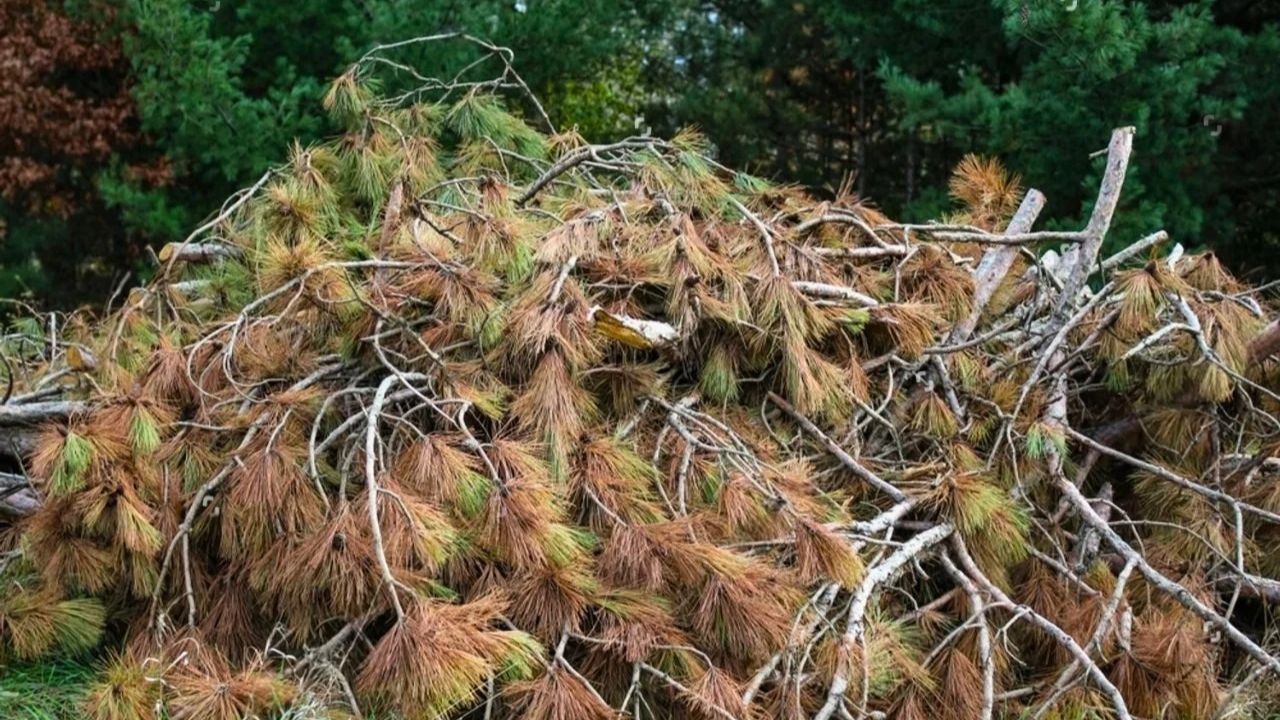
Got a pile of spring pruning or leaves raked after a rain? If you burn it right away, it sits there and smokes, sometimes all day. That smoke settles in low spots and drifts into neighbors’ open windows, and it can draw the wrong kind of attention if you’re in a burn-restricted area.
Let it dry, or chip it for mulch. There is an exception though. A small amount of green brush mixed into a hot, established pile can be fine if you’re managing smoke and following local rules. The key is “small,” and only after you already have a clean, hot base of dry fuel.
10. Good Hardwood Logs And Usable Lumber
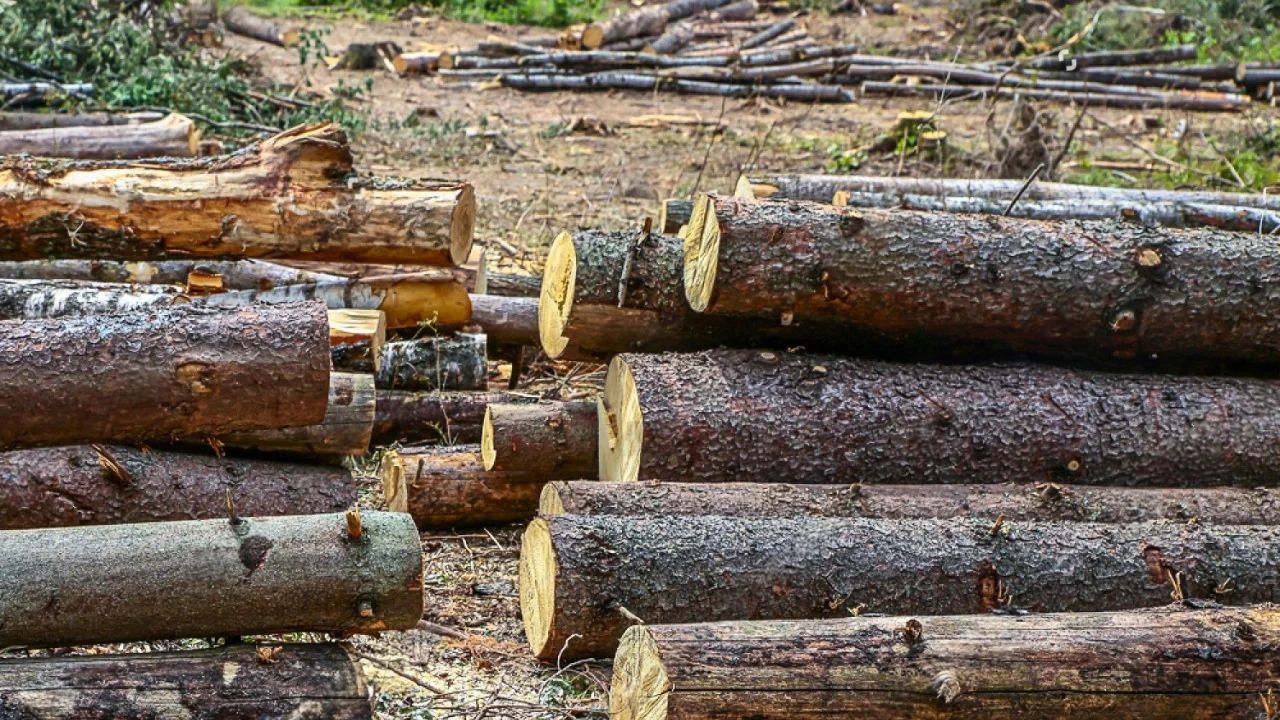
Throwing oak, maple, or long straight logs on a burn pile feels satisfying, until winter heating season shows up. Even if you don’t heat with wood, good firewood is trade material, and sawmill-length logs can be worth more than a match.
Set aside anything straight, solid, and long enough to stack. Cut it to stove length, split it, and get it off the ground on pallets so it seasons. If it’s clean dimensional lumber, save it for blocking, jigs, small repairs, or a future shed project.
A burn pile is best when it’s boring, dry brush, untreated wood, and nothing that melts, pops, or poisons the air. Sort once, burn once, and you’ll spend less time babysitting smoke and more time actually cleaning up the place.
Like Fix It Homestead’s content? Be sure to follow us.