What Actually Keeps Deer From Eating Your Shrubs
Photo credit: Eric Buermeyer/Shutterstock.com
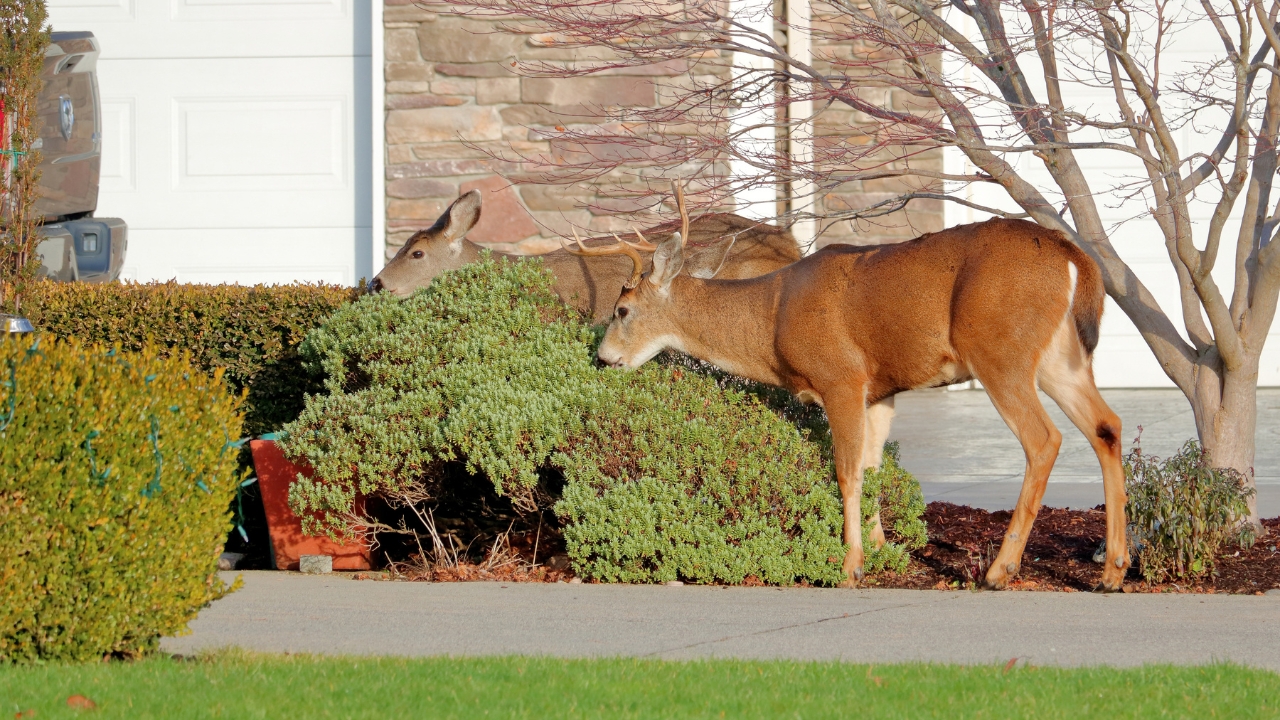
You plant shrubs for privacy, color, and to make the place feel settled. Then deer show up and treat your yard like a salad bar, usually right when new growth looks best. The fixes that work are the ones that change access, timing, and habit, not the ones that just smell loud for a day.
1. Real Fencing With Real Height
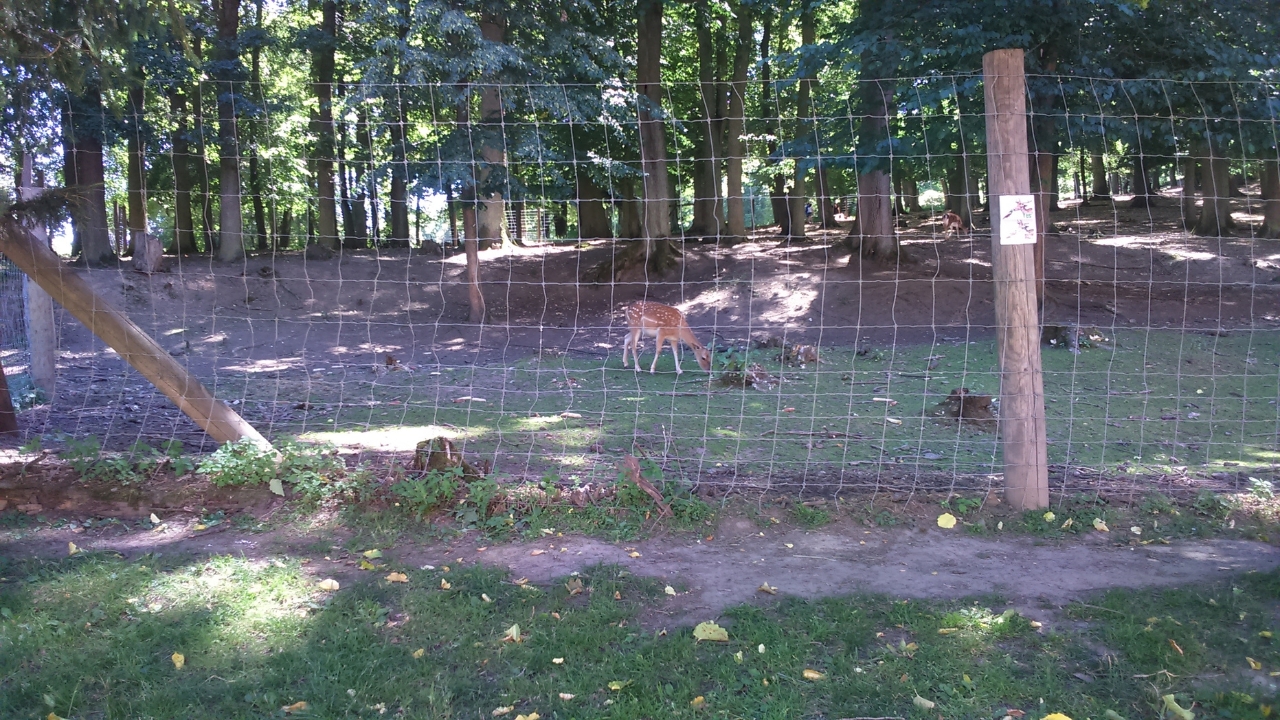
Most “deer problems” are really “no barrier” problems. A solid fence that’s actually tall enough beats every spray and gadget you can buy, because it removes the nightly reward. If deer can step over it or lean through it, they will.
For most yards, this means an 8-foot perimeter fence or a proven deer layout like a double fence with a gap. It costs more up front, but it’s the only option that keeps working during heavy browse seasons like late winter and early spring. If you’re setting posts, call 811 before you dig and follow local fence rules, especially near road frontage and corners.
2. Small Cages Around The Shrubs
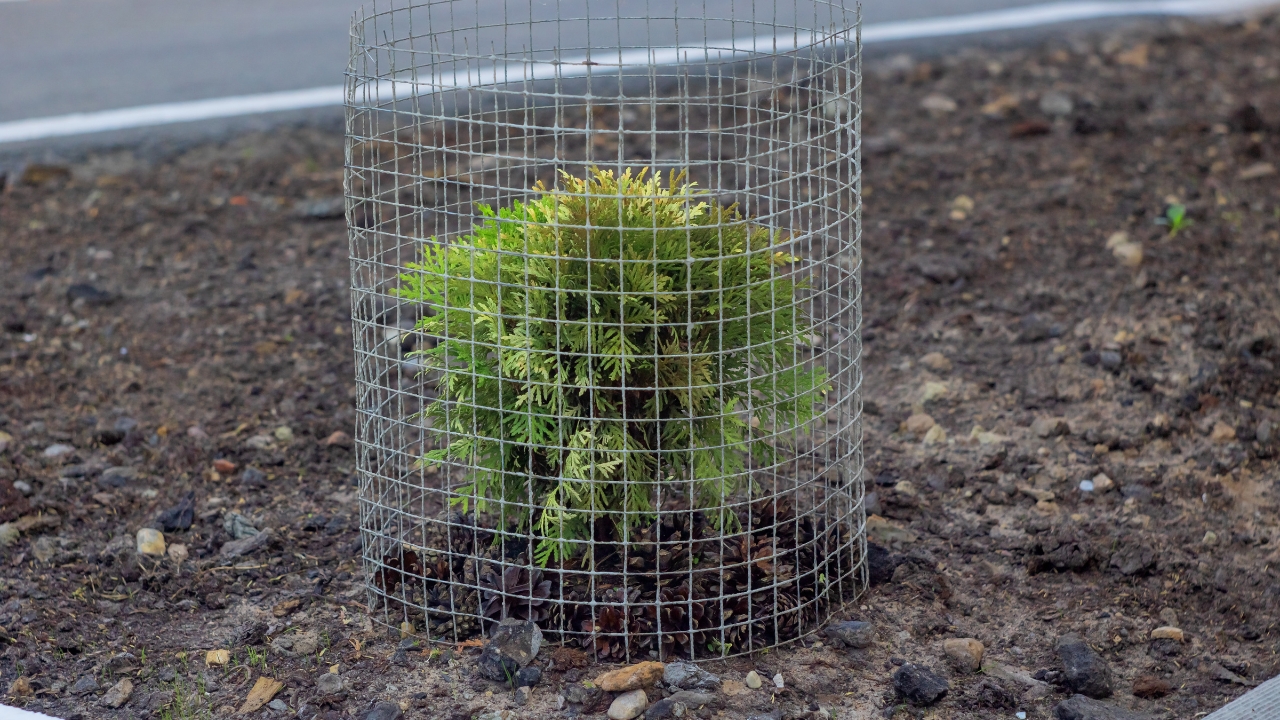
If a full fence isn’t happening, stop trying to protect the whole yard and protect the shrub. A simple cylinder of welded wire or heavy hardware cloth around each plant shuts down browsing fast, and it doesn’t wash off in rain.
Use sturdy stakes and leave space so branches don’t grow into the wire and get bark rubbed off. Make the cage tall enough to cover the highest bite line in your area, then keep it on through winter. This is one of the cheaper fixes if you only have a handful of shrubs.
3. Repellents Applied On A Schedule
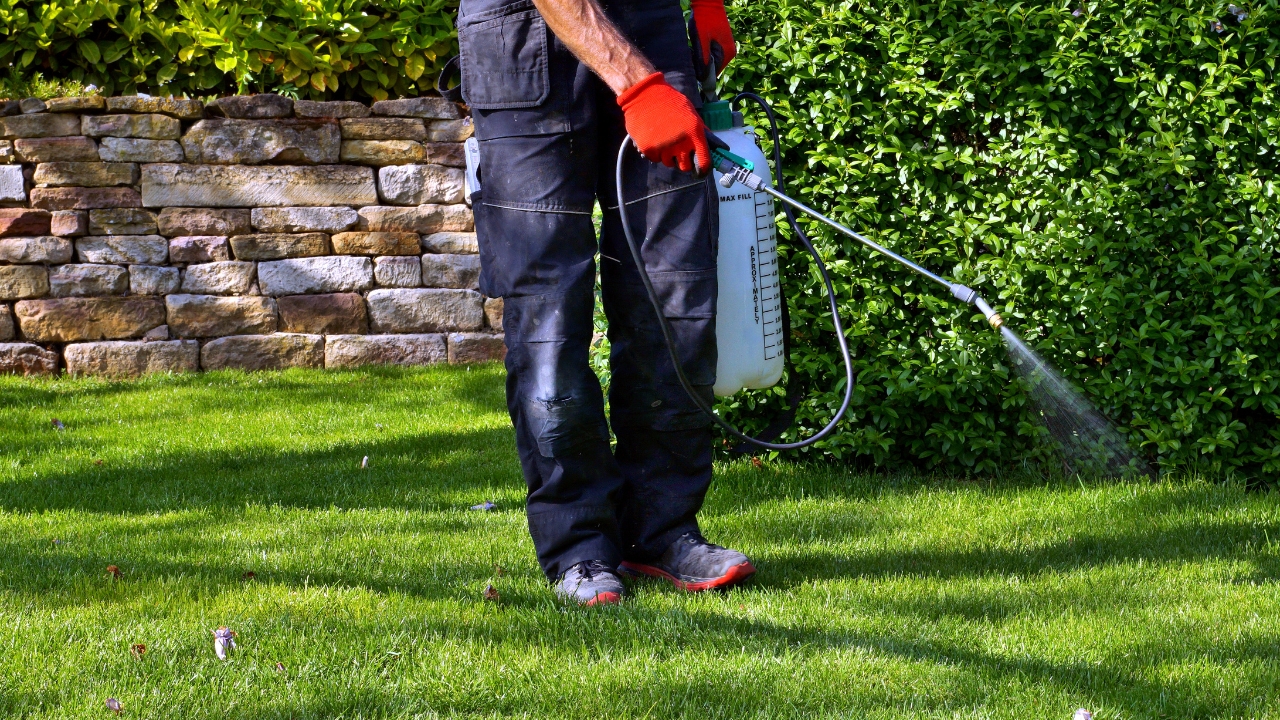
Sprays fail because they’re treated like a one-time cure. Deer repellents work best when you start early, hit new growth, and reapply on a routine, especially after rain, heavy dew, or irrigation. Skip two weeks in spring and the deer relearn the route.
Rotate between odor-based and taste-based products so the herd doesn’t get used to one smell. Don’t spray right before guests come over, some formulas stink up the whole patio for a day. Wear gloves and eye protection, and keep overspray off edible plants unless the label says it’s for food crops.
4. Motion Lights That Actually Startle
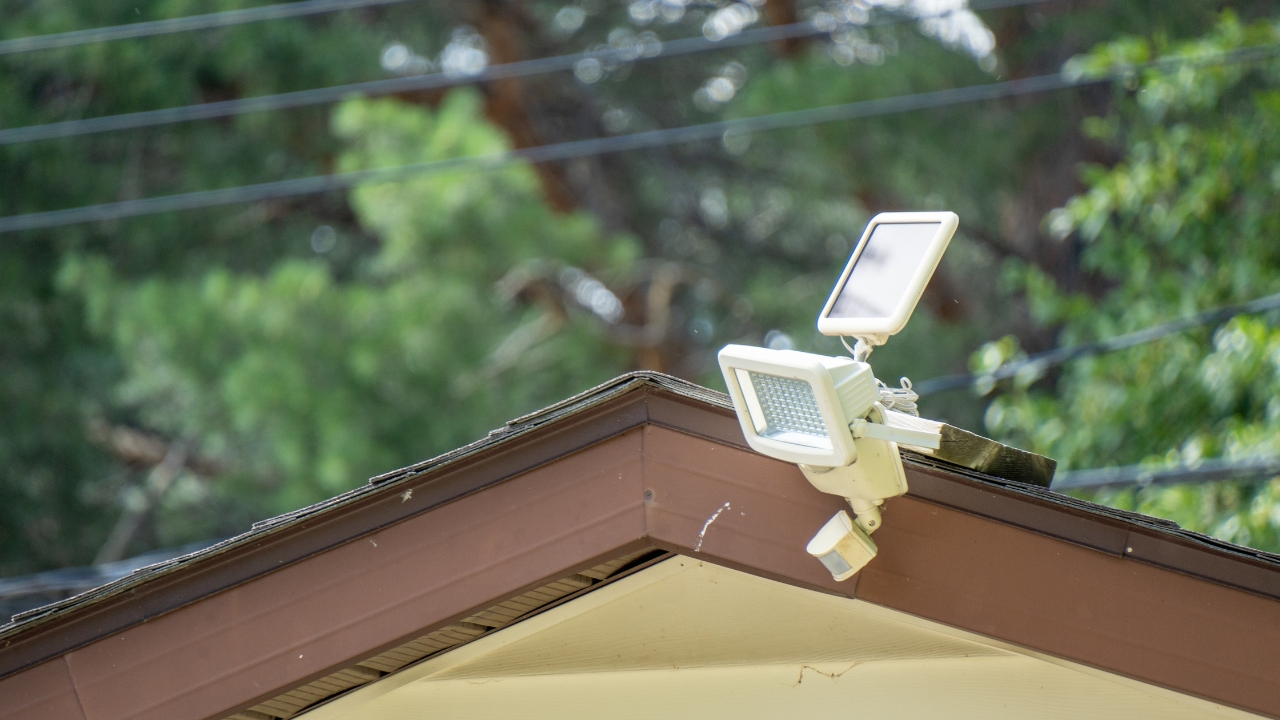
Those dim solar path lights don’t bother anything. What can help is a motion-activated floodlight aimed where deer enter and land, bright enough to ruin their comfort for a minute. It’s not magic, but it can push browsing to a neighbor’s darker yard.
Mount it high, aim it down, and adjust sensitivity so it doesn’t fire all night for swaying branches. Hardwired lights are more dependable than cheap solar units in winter, but if wiring means trenching, call for utility locates and check code rules. If deer are already bold in daylight, move on to barriers instead of piling on more lights.
5. Sprinklers Timed For The Right Moment

Motion sprinklers can work because they hit deer with surprise and discomfort, not just a smell. They’re most useful in summer when hoses won’t freeze and deer are making regular evening rounds. Set one to cover the approach lanes, not the middle of the shrub bed where it’s already too late.
The drawback is maintenance. A clogged nozzle, a low battery, or a kinked hose turns it into a lawn ornament, and you’ll know it failed when the shrub tips are clipped clean. If freezing temps are near, drain and store it or it’ll crack.
6. Plant Choices That Don’t Invite Browsing

Some shrubs get hammered no matter what you do because deer love them. If you keep replanting the same favorites in a heavy deer area, you’re paying for deer food. Swap to shrubs that tend to be less appealing locally, and put the “deer candy” right by the house in a protected spot.
Local matters more than labels. A garden center tag that says “deer resistant” is not a promise, it’s a suggestion. Ask around your neighborhood or look at what’s untouched in yards near yours, then plan future replacements around what survives without daily babysitting.
7. Protecting New Growth In Early Spring
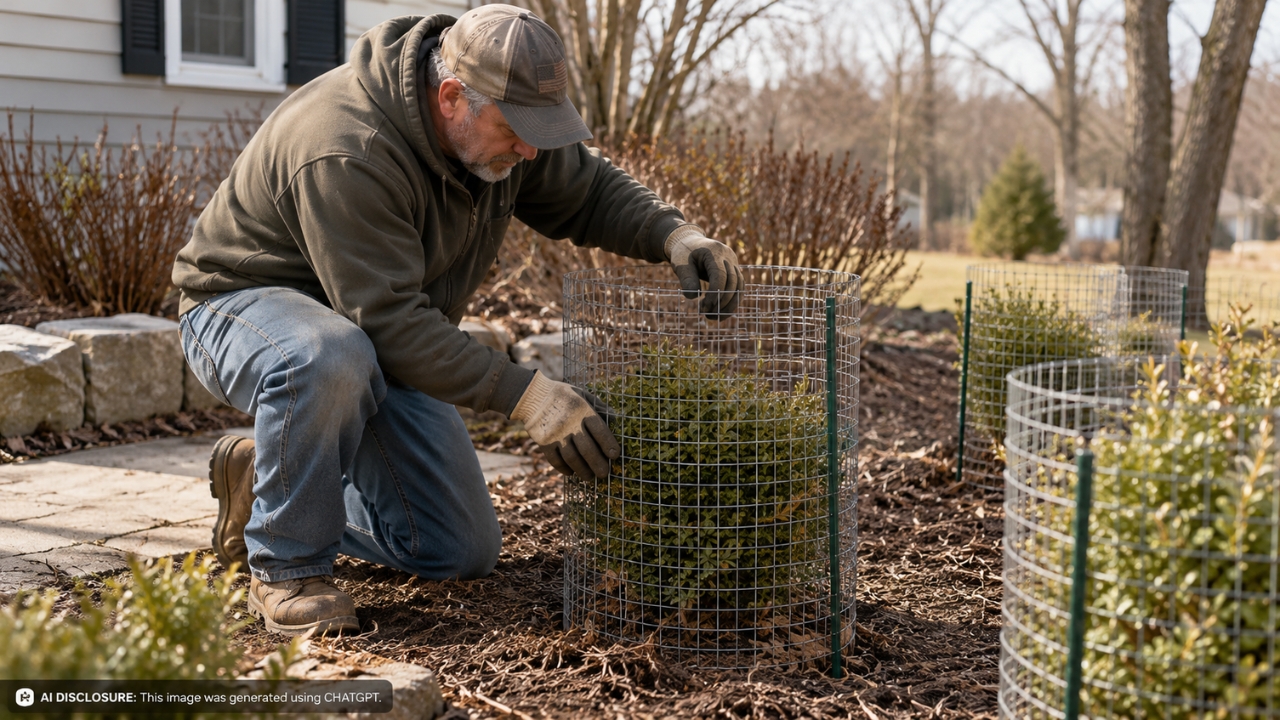
The worst damage often happens when you’re not thinking about deer at all. Early spring buds and tender tips pull deer in hard, and one week of browsing can wreck a whole year’s shape on boxwood, yew, arborvitae, and young hydrangea.
Put protection up before green-up, not after you see bite marks. This is where cages, netting, or a first round of repellent actually earns its keep. Wait until the shrub leafs out and you’re already behind.
8. Fixing The Things That Attract Deer
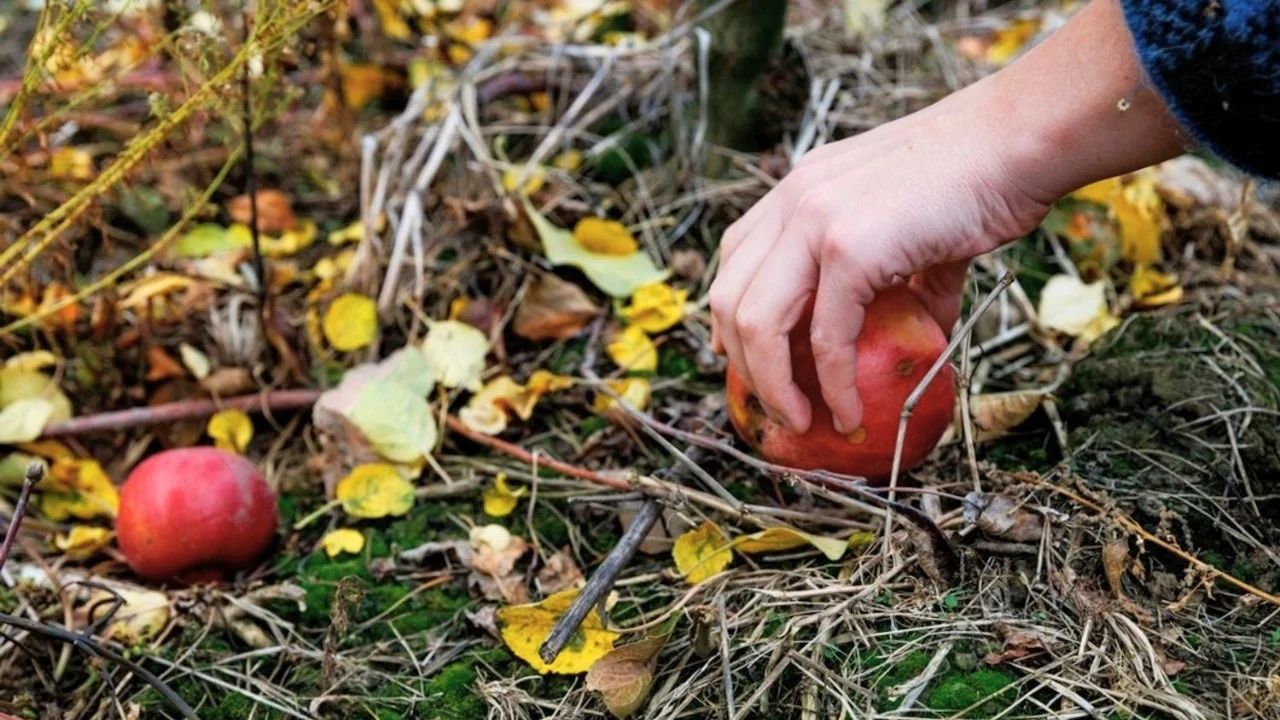
Deer come for shrubs, but they stay for the easy life. Fallen apples, spilled birdseed, salty driveway melt, and unsecured compost can keep deer cruising your property on repeat. The more often they visit, the braver they get.
Clean up what you can. Use a seed catcher or pause feeding when browse pressure is high, and don’t toss produce scraps at the edge of the woods like a dinner bell. If you use salt blocks or minerals for livestock, place them where deer can’t access them, and follow local rules on attractants.
9. Trunk Guards Against Buck Rubbing
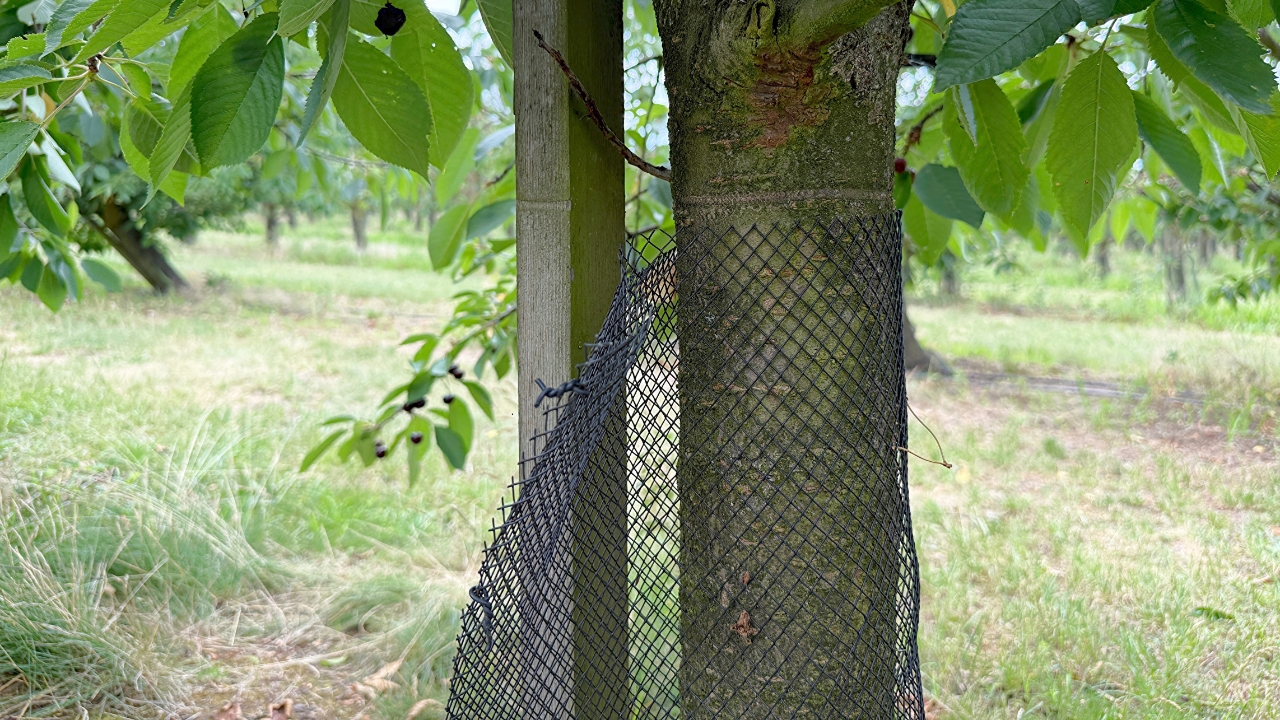
Not all shrub damage is eating. In fall, bucks rub saplings and some shrubs to shred velvet and mark territory, and it can peel bark right off. Once the bark is girdled, the plant can die even if no leaves were browsed.
Wrap trunks with a purpose-made tree wrap or put a small wire cage around the main stems before rut season. Don’t wrap tight with plastic that traps moisture all winter, it can cause rot and invites insects. This is a quick job, and it prevents a different kind of heartbreak than browsing.
10. Knowing When Cheap Tricks Are Enough
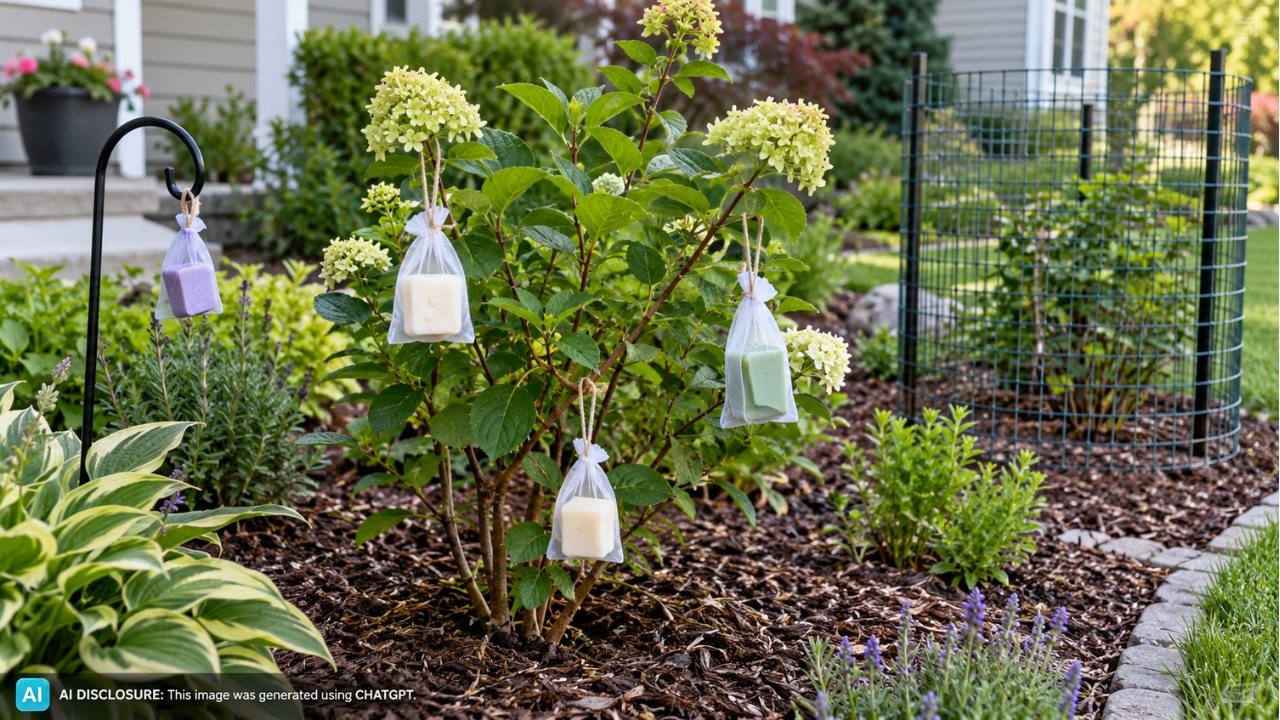
People love hanging bars of soap, human hair, or scented sachets in shrubs. Most of that fades fast, but there’s an honest exception: in light pressure areas, a temporary stink barrier can buy time for a week or two while you install something real. It’s fine for short gaps, like protecting fresh plantings until cages go up.
Just don’t confuse “it worked once” with a plan. If deer are already eating at dusk in the open, those tricks turn into yard litter and you still lose the shrubs. Spend your effort where it sticks, on access and repeatable deterrents.
Pick one strong method you can keep up with, then stack a second one during the seasons deer hit hardest. If you’re consistent for a month, deer usually change their route, and that’s when your shrubs finally get a chance to grow like you planned.
Like Fix It Homestead’s content? Be sure to follow us.