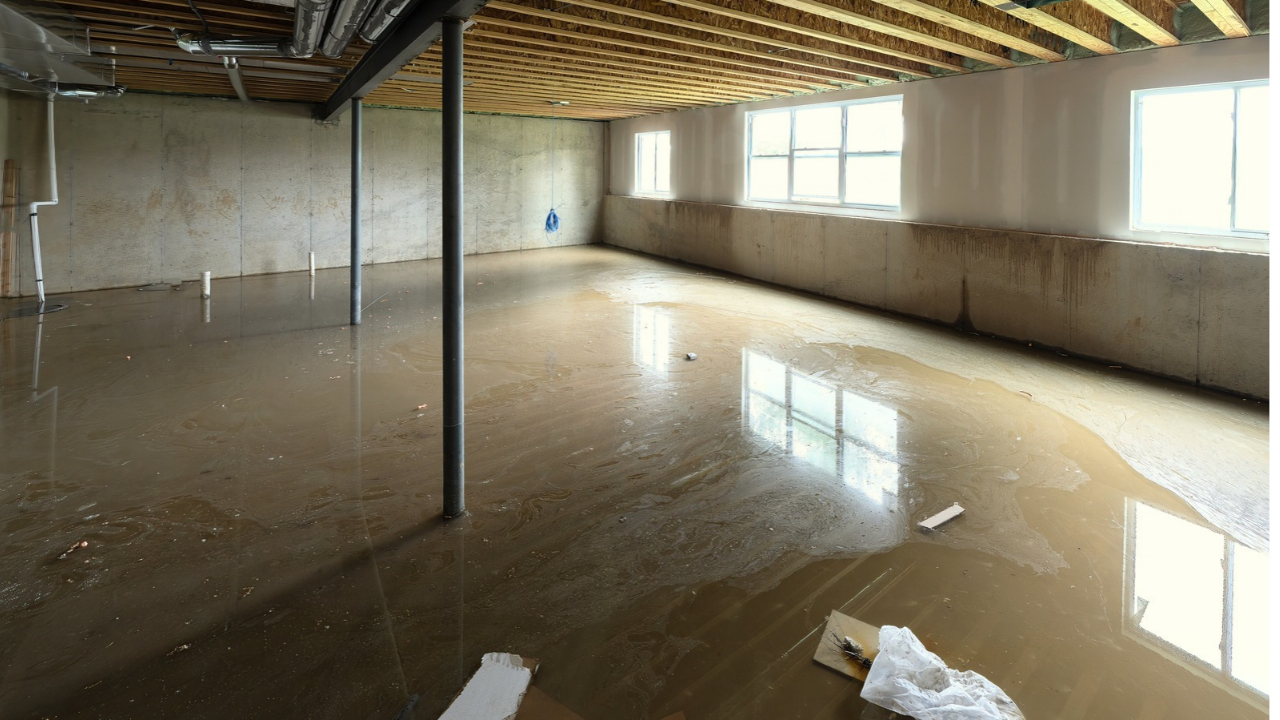
10 Things That Cause Most Basement Flooding in Older Homes
Photo credit: J.A. Dunbar/Shutterstock.com
Older basements tend to flood for boring reasons, not freak storms. Water takes the easiest path, and a few small mistakes outside can turn into a wet floor inside. The good news is most of these problems show up with clues, if you know where to look.
1. Gutters Packed With Leaves And Grit
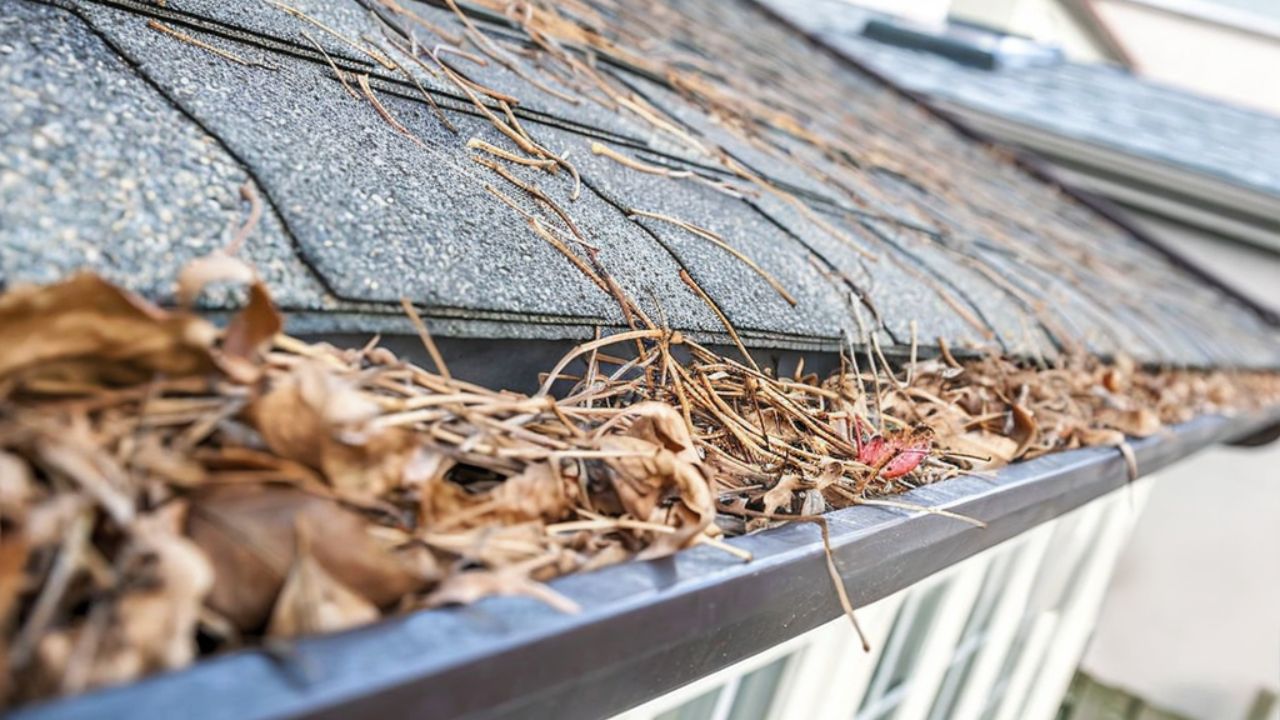
When gutters clog, rain spills right over the edge and hammers the soil along your foundation. In an older home with shallow footings or tired waterproofing, that soak has nowhere to go except down and in. You often notice it as a hard waterfall sound at the eaves during a storm, then damp spots along the basement wall a day later.
Clean them at least in late fall, and again in spring if you have pine trees. A scoop, a bucket, a garden hose, and a steady ladder setup gets it done in an hour or two. If you keep clogging no matter what, add downspout screens, not full gutter covers, since many covers still let shingle grit build up.
2. Downspouts Dumping Water At The Wall

Lots of homes have downspouts that end right at the foundation, or into a short splash block that does almost nothing. That water loads the soil beside the wall until it turns into a sponge, then pressure pushes it through cracks, joints, and old mortar. After a heavy rain, you may see a dark, wet stripe on the basement wall that starts near one corner.
Run the discharge well away, usually 6 to 10 feet, and farther if your yard is flat. Extensions are cheap, but they get crushed by mowers, so rigid pipe or a buried solid line is nicer if you can manage it. If you bury a line, call for utility locates first, and keep the outlet where it can daylight and be cleaned out.
3. Soil Graded Toward The Foundation
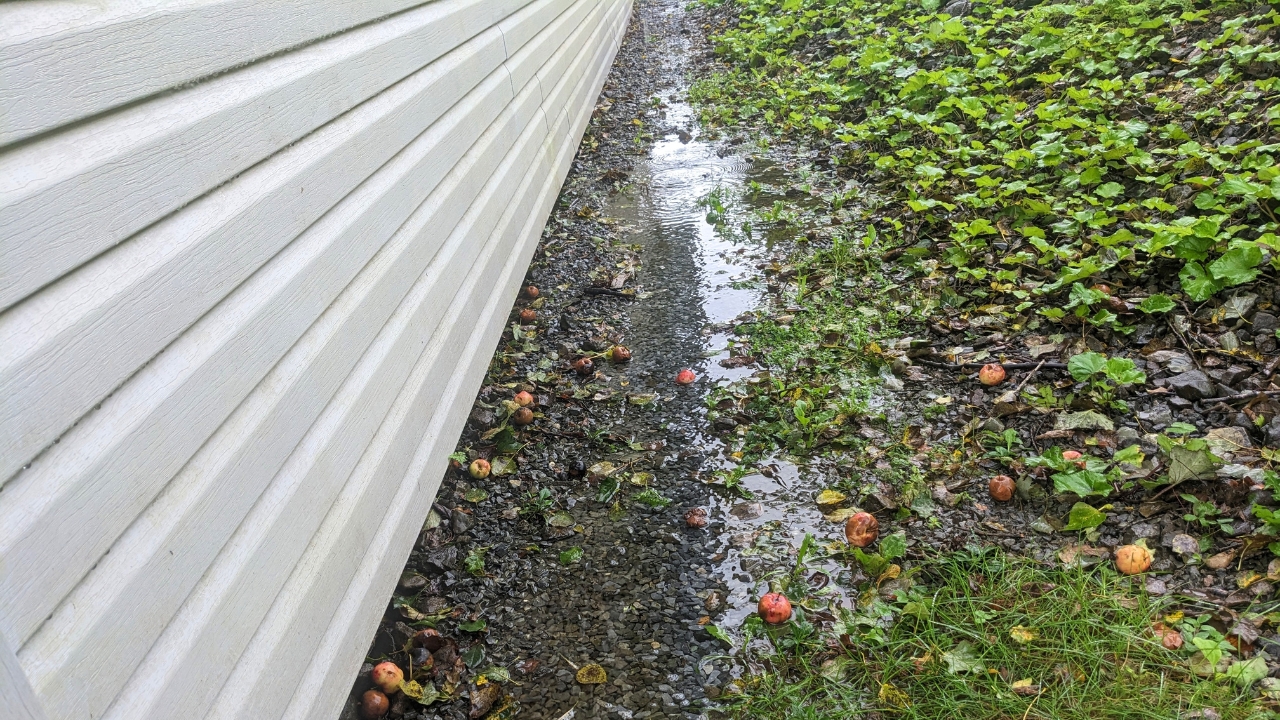
Settled backfill around an older house is common, and it often ends up sloping the wrong way. Water follows that slope straight to the wall, then sits there and soaks in. You can spot this when puddles form beside the house while the rest of the yard drains fine.
A shovel, a rake, and a couple loads of clean fill can fix a lot. Pull soil down and away so it drops about 6 inches over the first 10 feet, then pack it and top with a thin layer of mulch, not a mountain. Don’t bury siding or cover weep holes, and don’t pile soil against old wood trim.
4. Cracks And Gaps In Old Foundation Walls

Hairline cracks in concrete or gaps in old block mortar look harmless until the ground is saturated. Water uses those tiny paths, then shows up as a thin trickle, a damp line, or white chalky deposits that keep coming back. If the leak appears only after long rains, that’s usually hydrostatic pressure, not plumbing.
Inside patch kits can help for minor seepage, but they don’t solve the outside water load. Handle the outside drainage first, then seal. If a crack is wide, stair-stepped, or paired with bowing walls, that’s a call for a foundation pro, because you’re past DIY caulk and hope.
5. Old Window Wells Holding Water
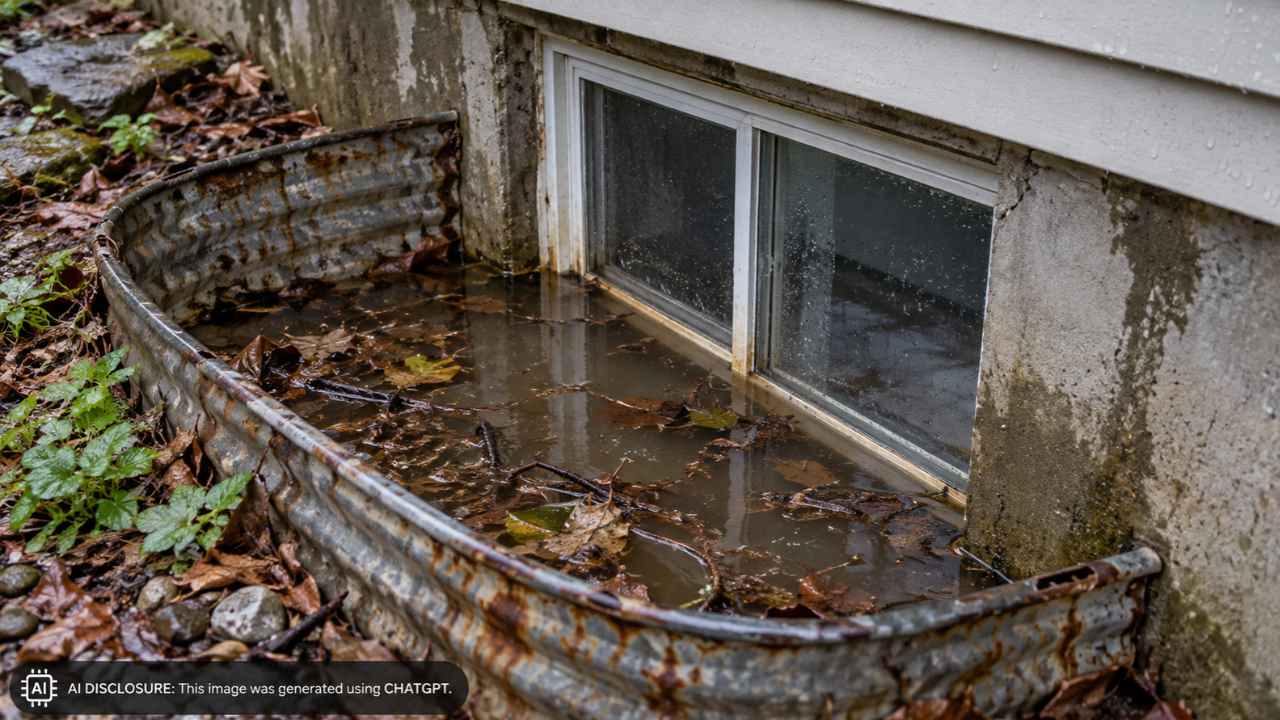
Metal window wells rust through, plastic wells pop loose, and many old wells have no drain at all. Once they fill, water pushes against the window frame and slips into the basement around the sash or through the wall. You’ll often see it after a thunderstorm as a wet patch right under a basement window.
Clean out leaves and soil, then check if there’s a drain at the bottom that actually connects to something. A simple clear cover helps keep out rain and debris, and it’s usually worth the few bucks. If your well ties into a footing drain, keep that connection clear, because a clogged line turns the well into a bucket.
6. Sump Pump That Fails Quietly
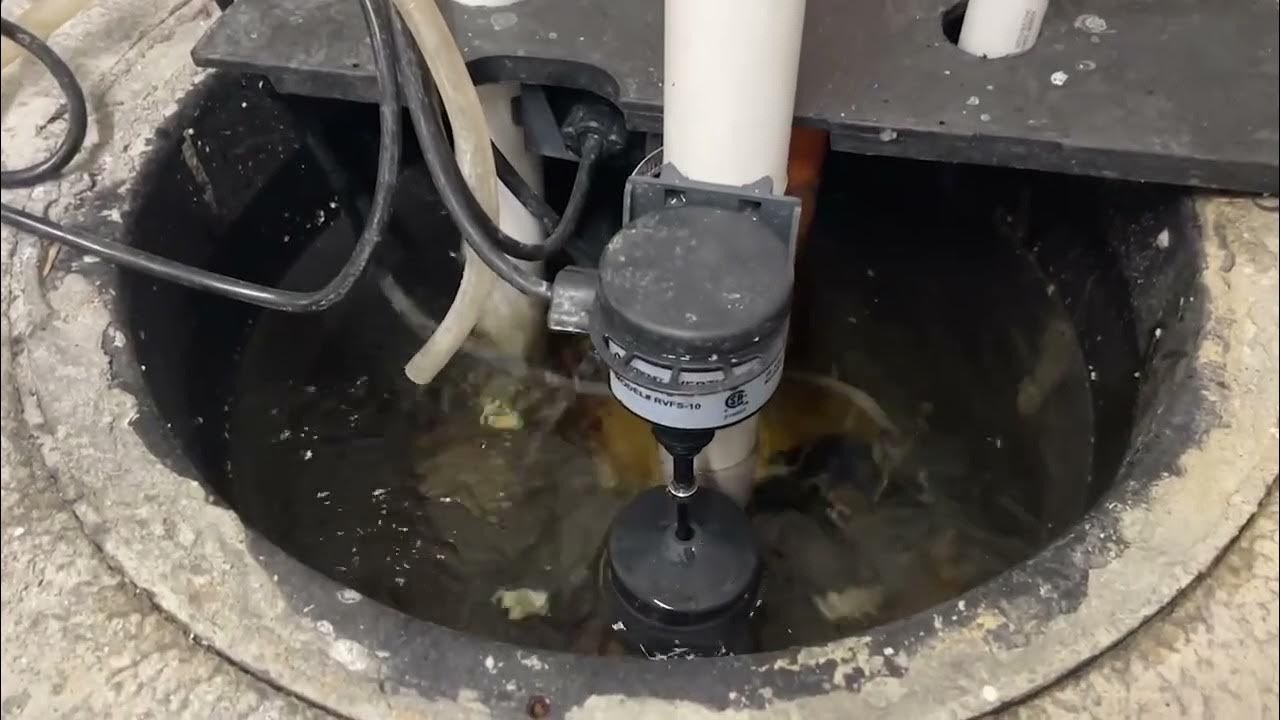
Some basements stay dry right up until the sump pump doesn’t turn on, and then you get a fast, ugly flood. The pump can fail from age, a stuck float, a tripped GFCI, or a discharge line that freezes. You might notice it first as a musty smell, a damp ring around the pit, or the pump cycling nonstop and sounding rough.
Test it before the wet season by pouring a bucket or two of water into the pit until it kicks on, then watch it empty. If you rely on a sump, a battery backup is worth thinking about, since storms and outages like to show up together. If the pump is hardwired or you need a new dedicated circuit, hire a licensed electrician and follow local code.
7. Discharge Line Freezing Or Backflowing
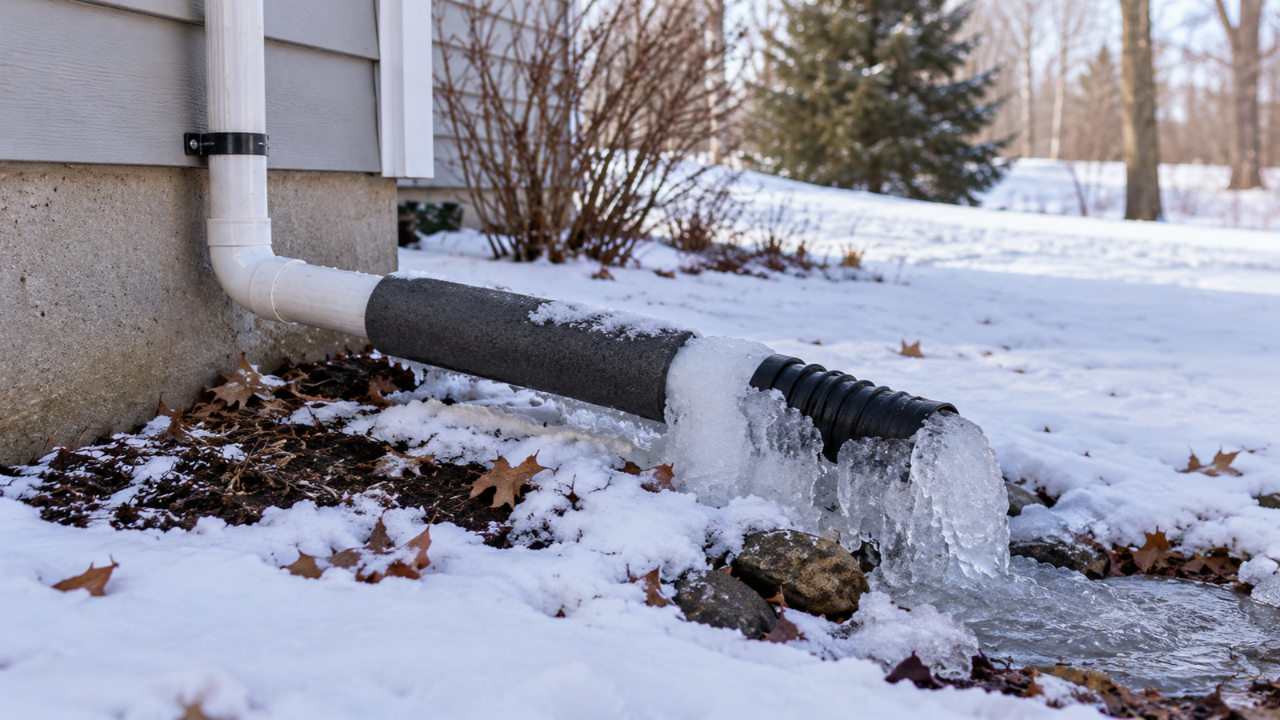
In late winter and early spring, the sump can be working, but the water has nowhere to go. A frozen discharge line makes the pump run hot and dump water right back into the pit, sometimes through the check valve or a loose fitting. You hear the motor hum, you don’t see water outside, and the pit level doesn’t drop like it should.
Route the pipe so it slopes continuously to daylight and doesn’t have low spots that hold water. Insulating the exposed section helps, but the real fix is good layout and a proper freeze-resistant run. Also check that the outside end isn’t buried under snow, mulch, or a mud plug.
8. Floor Drain And Sewer Backup Issues
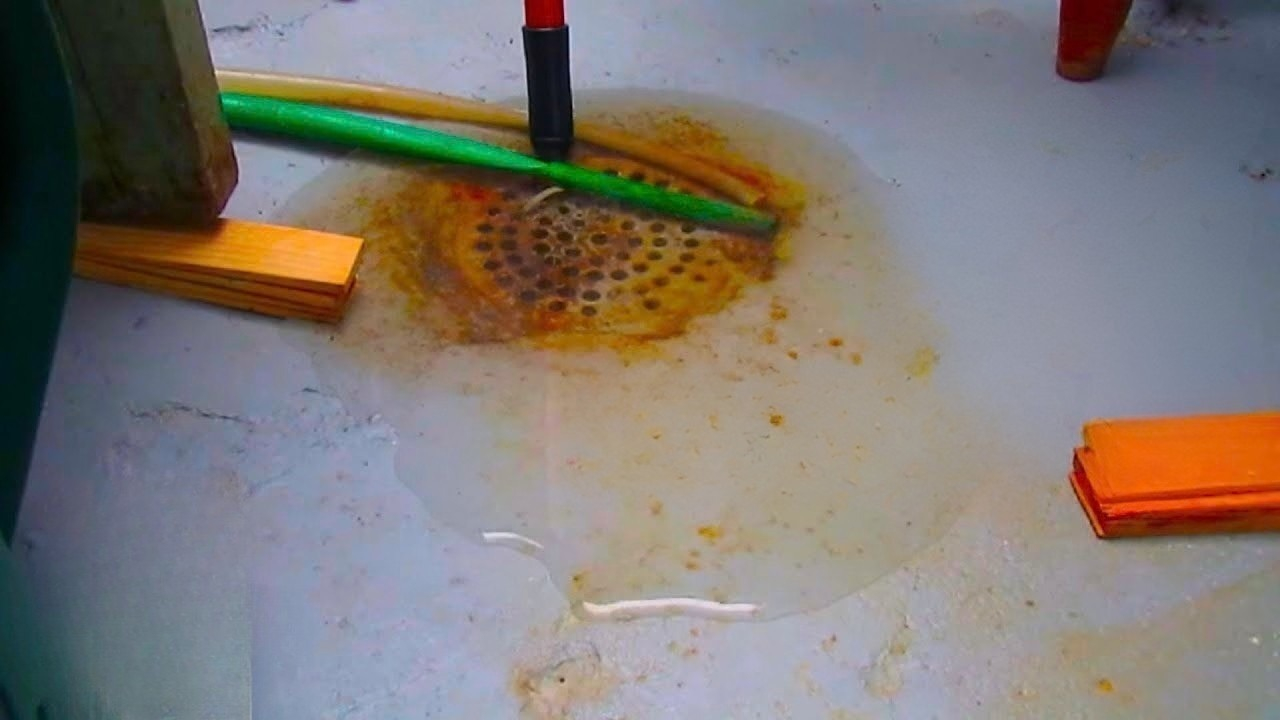
When the city main is overwhelmed or your own line is partially blocked, the lowest drain in the house becomes the escape point. That can be a basement floor drain, a shower, or a utility sink, and it’s one of the nastiest kinds of flooding. If you smell sewer gas, hear gurgling after a big rain, or see water come up from a drain, stop running water and call a plumber.
A licensed pro can camera the line, clear roots, and talk options like a backwater valve where code allows. Don’t cheap out on this one, because cleanup is not just a shop vac job. If you’re on a septic system, a saturated drain field can act similar, and it’s still a pro call.
9. Dryer And HVAC Drains Spilling Slowly
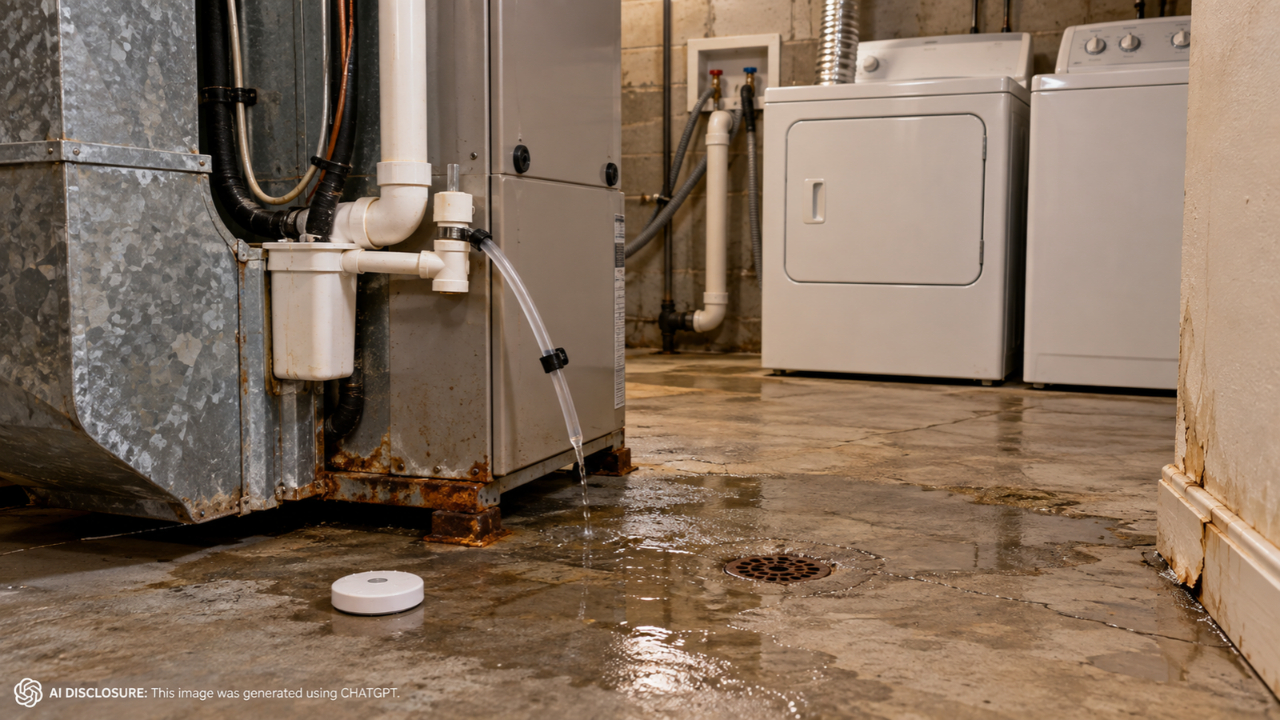
Not all basement water comes from outside. A clogged condensate line on an air handler, a humidifier drain that slipped out of its standpipe, or a washing machine hose with a pinhole can wet a floor for weeks before you notice. It often shows up as warped baseboards, rusty furnace feet, or a damp spot that never fully dries even when it hasn’t rained.
Check hoses and clamps, clean condensate traps, and make sure drain tubing is secured so it can’t bounce out. A little water alarm puck on the floor near the furnace and washer is a cheap way to catch it early. If you see water near an electrical panel, don’t poke around, shut off power if you can do it safely and get help.
10. Dehumidifier And Drain Hose Mistakes
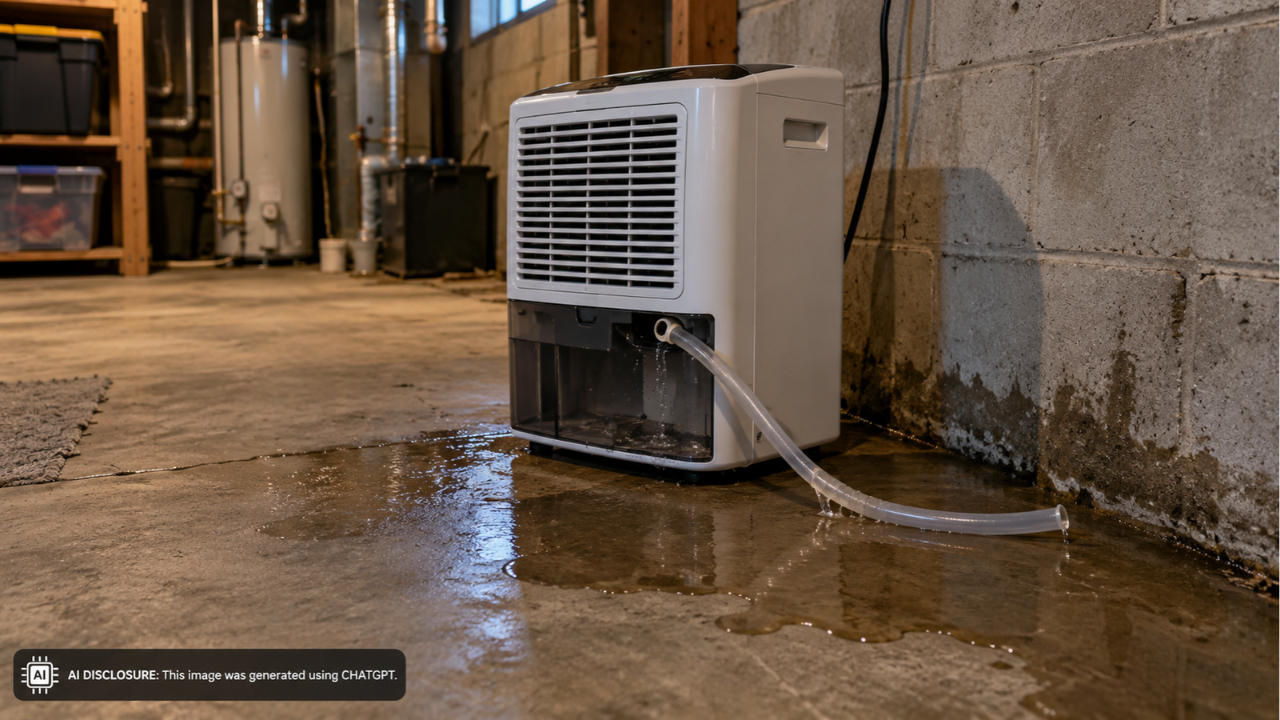
Dehumidifiers cause plenty of “mystery floods” in older basements. The bucket overflows, the hose pops out, or the unit is set on an uneven spot and drips down a wall. Sometimes the cheap option is fine here, a bucket works if you’re actually emptying it and the unit shuts off reliably.
If you run a hose, slope it the whole way to a floor drain or a condensate pump, and secure it so it can’t wiggle loose. Clean the filter so it doesn’t ice up, then melt and dump water when it cycles off. If your basement is humid because water is getting in, fix the leak first, because a dehumidifier is not a waterproofing plan.
If you chase the water from the roofline down to the foundation, most basement flooding starts to make sense. Take photos during the next hard rain, because wet clues disappear fast once the sun comes out. Fix the easy outside stuff first, then spend money on pumps, drains, or pros where it actually counts.
Like Fix It Homestead’s content? Be sure to follow us.