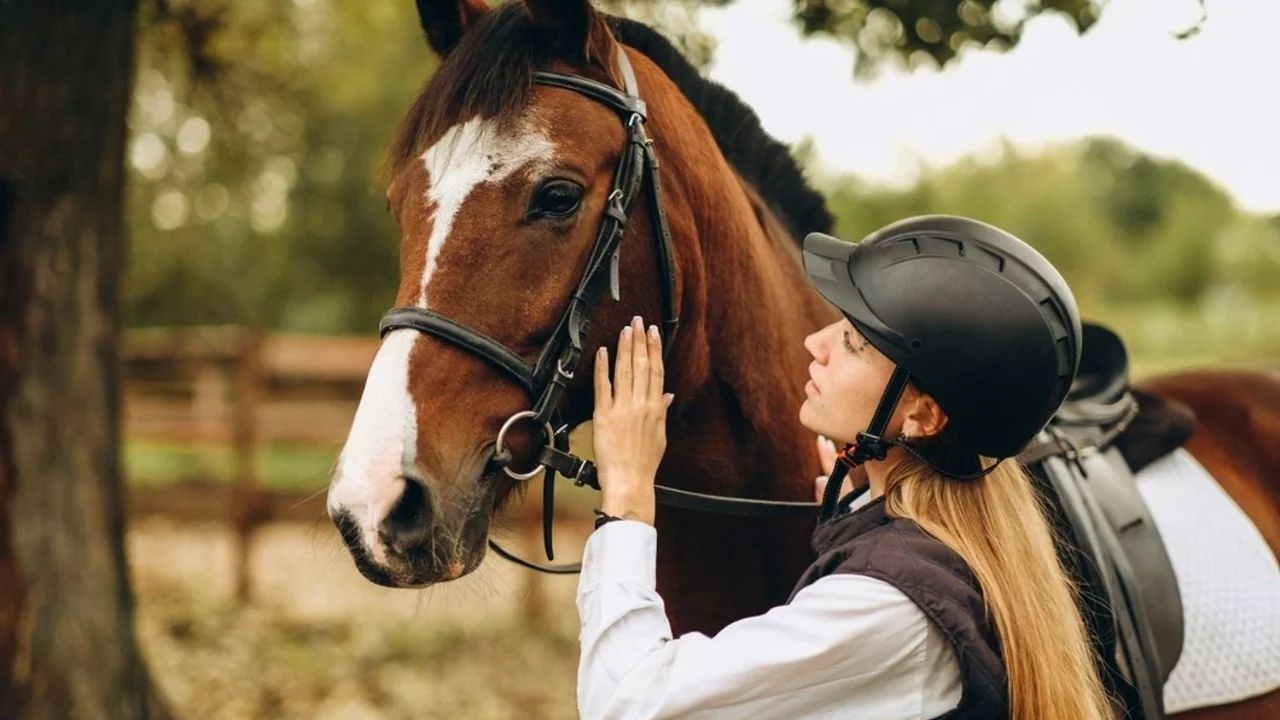
10 Horse Breeds That Are Easiest for Beginners
Photo credit: Sushitsky Sergey/Shutterstock.com
Buying your first horse feels like picking out a new tool for the homestead, it has to fit the job and it has to be safe in your hands. Some breeds forgive clumsy cues, stand quiet for grooming, and keep their heads when a tarp flaps or the neighbor fires up a chainsaw. Others are great horses, just not great first horses.
Temperament still beats color, papers, and “pretty.” You’ll want a breed that’s known for steady minds, manageable size, and a learning curve that doesn’t punish every mistake.
1. American Quarter Horse
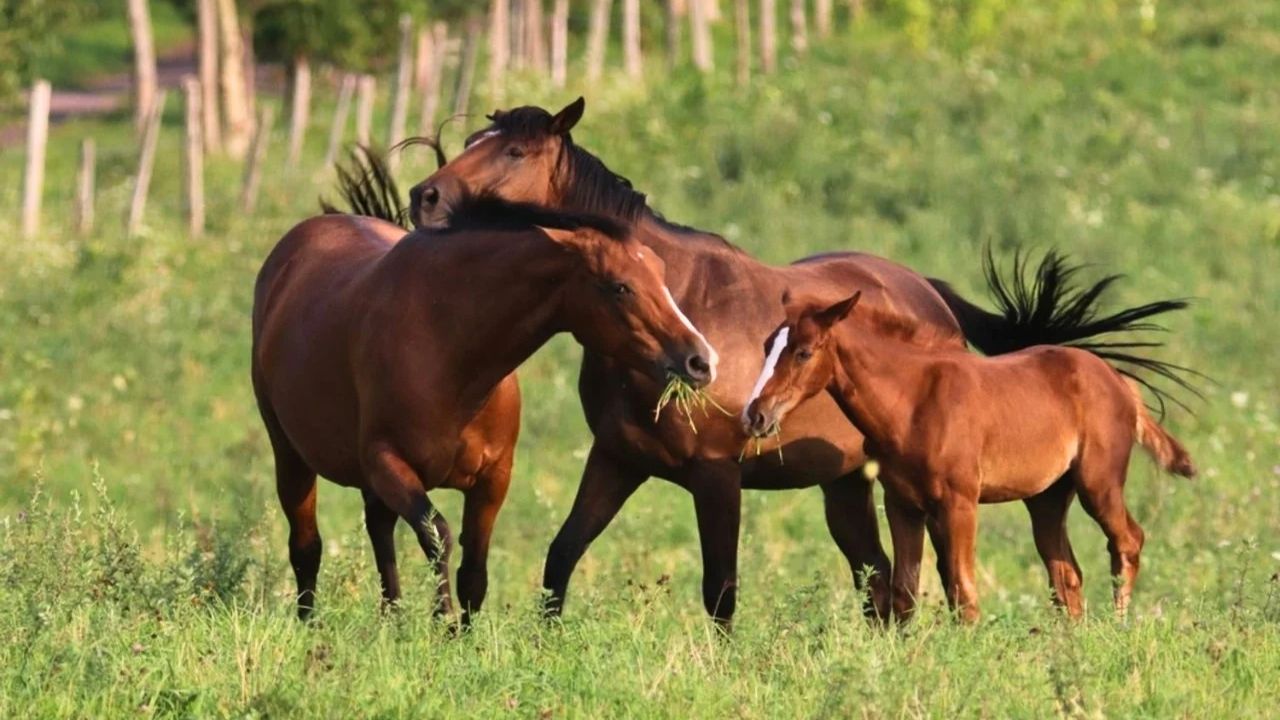
Plenty of first-time owners end up here for a reason: they’re generally sensible, people-friendly, and built to do a lot of jobs without drama. A good Quarter Horse often stands for farrier work, loads without a rodeo, and doesn’t melt down when you fumble a lead rope knot. For trail riding and basic arena work, they’re usually straightforward.
Watch the individual horse, not the label. Some are bred hot for speed events and feel like a sports car with the steering tightened up. If your days look like slow trails, light ranch chores, and learning to ride correctly, pick a calm, older horse with miles on it, and pay for a pre-purchase exam with a vet.
2. Haflinger
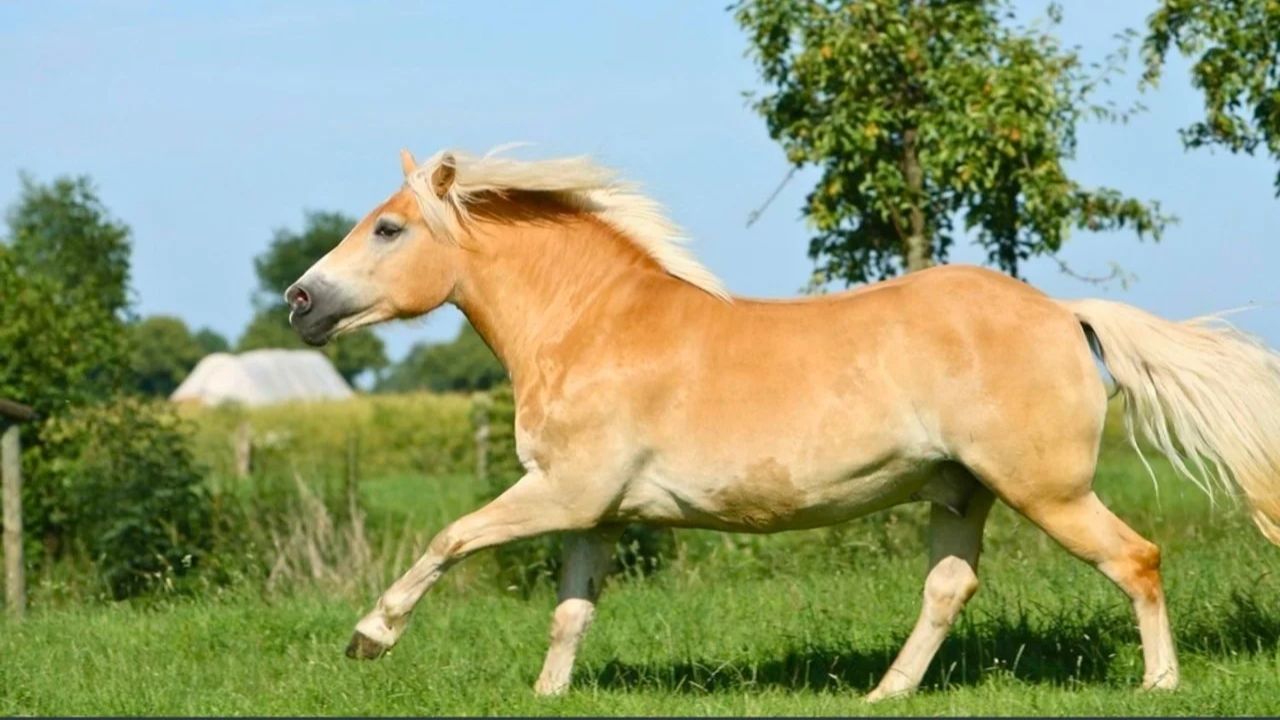
These compact, blond-maned horses are the “small tractor” option. They tend to be steady, strong, and willing, which is handy if you want a horse that can trail ride, pull a small cart, or pack a kid around the pasture without turning every ride into a lesson in emergency braking.
The catch is they’re efficient. Easy keepers get fat on what looks like nothing, especially on spring grass, and that brings hoof trouble and vet bills. Plan on a grazing muzzle or limited turnout when the pasture is rich, and learn to check body condition with your hands, not your eyes.
3. Morgan
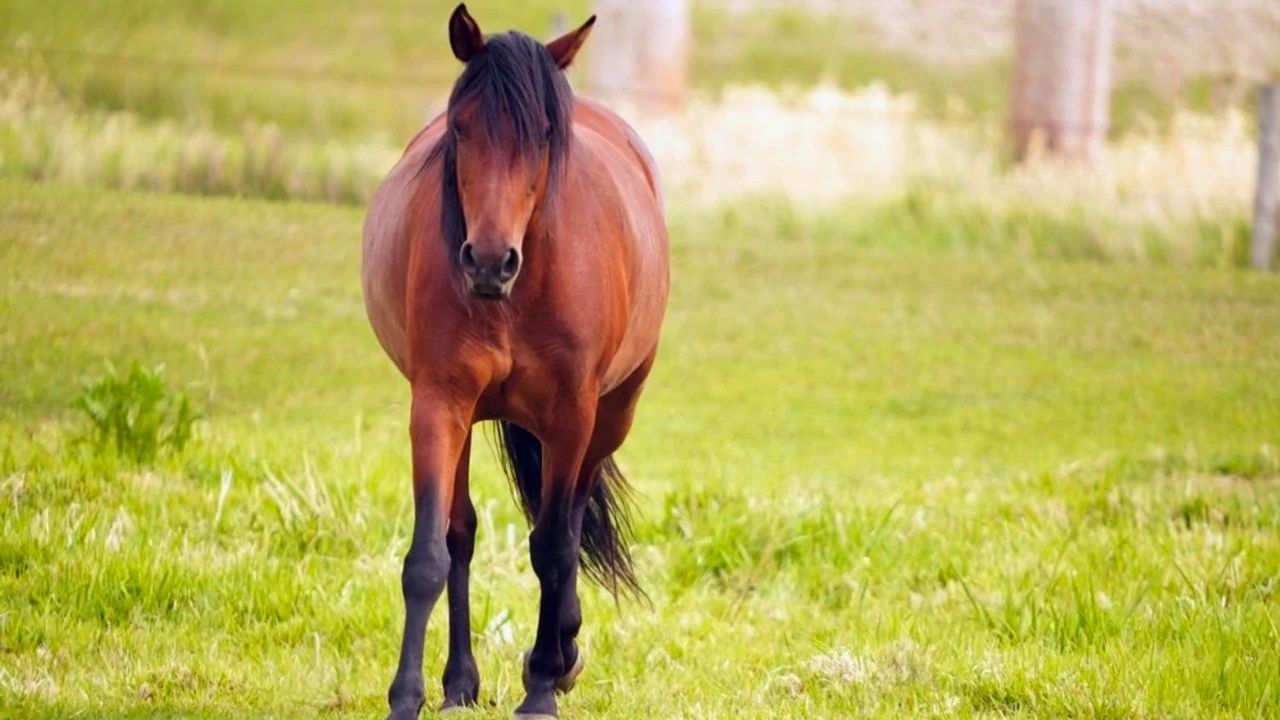
If you want one horse that can dabble in a little of everything, Morgans usually show up ready to work. Many have a calm, curious way about them and bond well with consistent handling. They’re often comfortable under saddle and not so huge that you feel like you’re climbing a ladder every ride.
They do best with a job and clear rules. Let a Morgan get bored, and you’ll see door-checking, pawing, and “helping” in ways that become bad habits. Keep rides short and regular, do groundwork that makes sense, and don’t skip manners at the gate.
4. Appaloosa
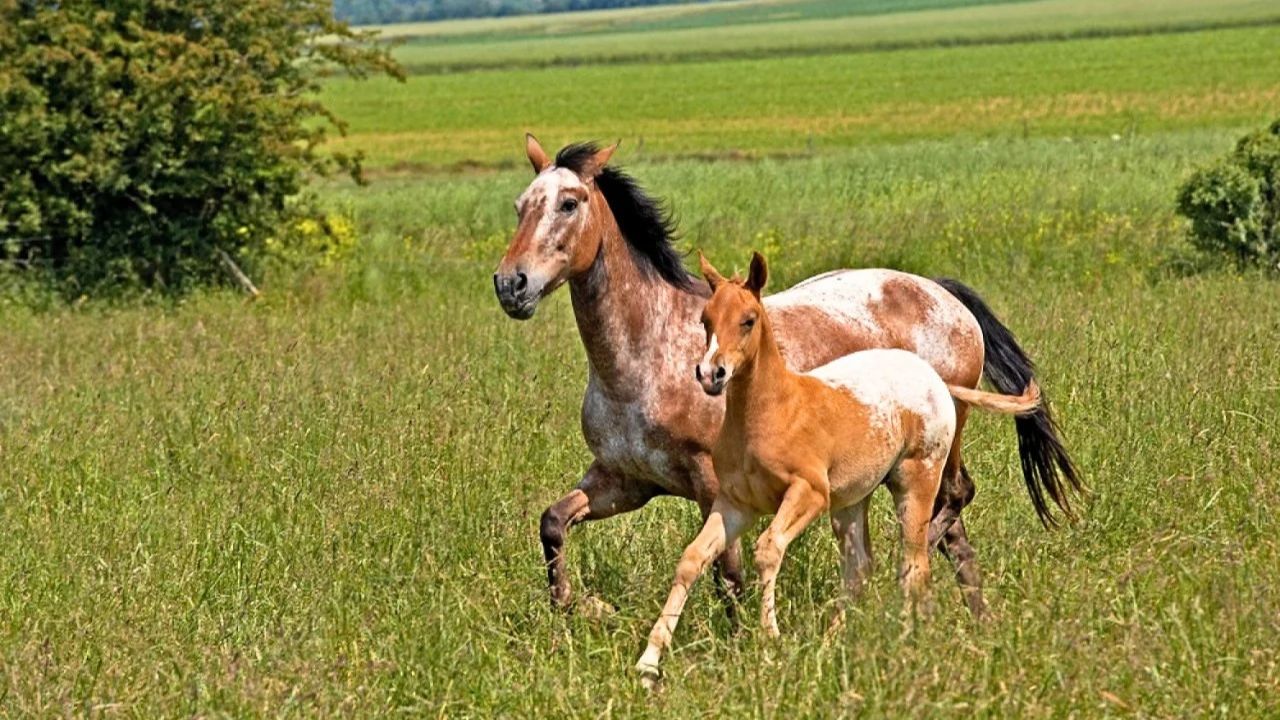
Appaloosas can be a solid beginner pick because a lot of them are unflappable outside the arena. Windy days, flapping jackets, and surprise puddles tend to bother them less than you’d expect. They’re also common enough that you can shop around without taking a year to find one.
One honest exception: don’t assume “Appaloosa” always means calm. Some lines are sharper and more independent, and a few can be hard keepers with skin and eye sensitivities that mean extra fly control and shade in summer. If the horse squints all day in bright sun, budget for a fly mask and better shelter.
5. Norwegian Fjord
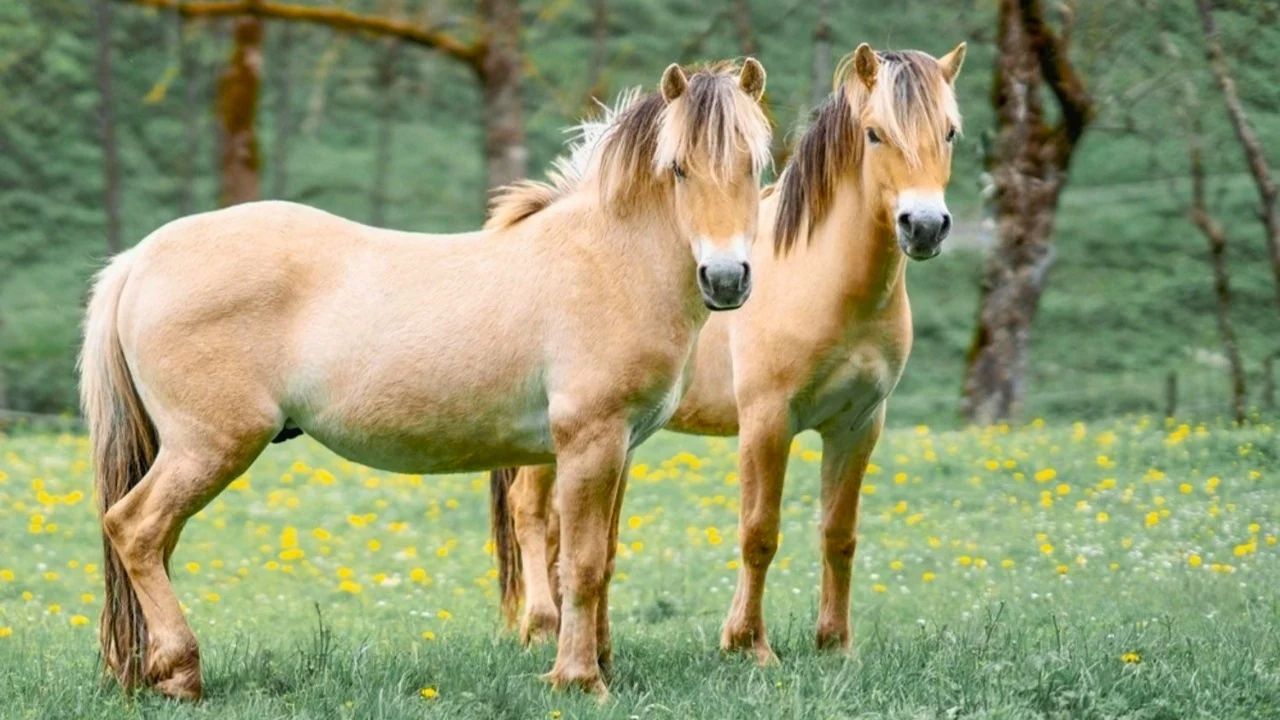
Fjords look like they belong in a storybook, but they act more like practical farm stock. They’re usually steady, compact, and hard to rattle, which makes them great for riders who are still building balance and timing. They also tend to be sane about traffic and noisy equipment when trained right.
They are another easy-keeper breed, so pasture management matters. If your place is lush, you’ll do more good with a dry lot and controlled hay than by adding extra riding to “exercise it off.” Keep the hooves trimmed on schedule, because a short-backed, strong horse can put a lot of wear on feet when it gets heavy.
6. American Paint Horse
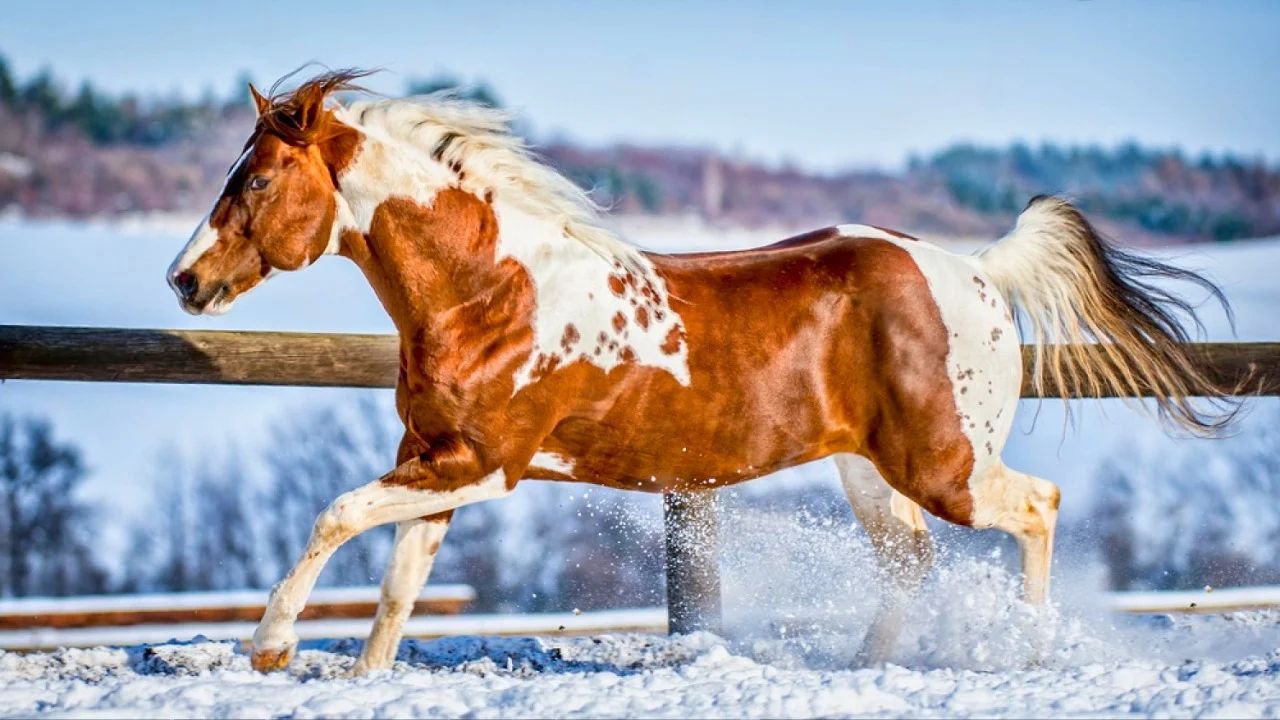
Paints often come from the same type of stock as Quarter Horses, and many share that same steady, willing attitude. For a beginner, that usually means fewer surprises when you’re learning to steer with your legs instead of your hands. They’re common in lesson barns and on trails for a reason.
Don’t buy a color pattern and hope the rest works out. Ask to see the horse caught in the field, tied, brushed, and tacked up, and watch for pinning ears or tail swishing that says “this horse is over it.” A quiet horse with plain markings beats a flashy one that makes you nervous.
7. Icelandic Horse
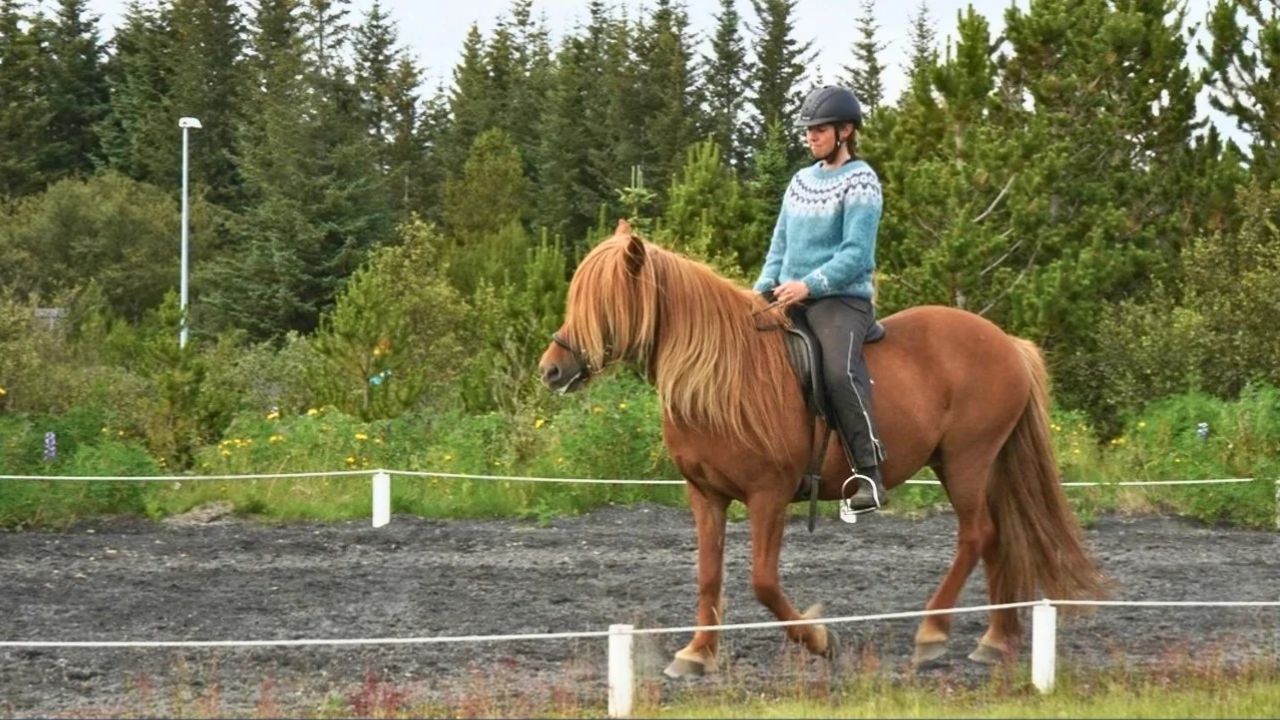
They’re smaller, sturdy, and often level-headed, which is a nice mix for a new owner who wants a horse that feels manageable on the ground. Many Icelandics are brave on trails and don’t get spun up by weather, birds, or a barking dog. They also tend to have comfortable gaits, which helps if your seat is still a work in progress.
Two things to know before you fall in love. First, tack fit can be tricky on their wide backs, so plan on getting a saddle fitter involved. Second, a gaited horse still needs correct basics, otherwise you end up with a choppy, rushed ride that’s hard to control.
8. Welsh Pony And Cob
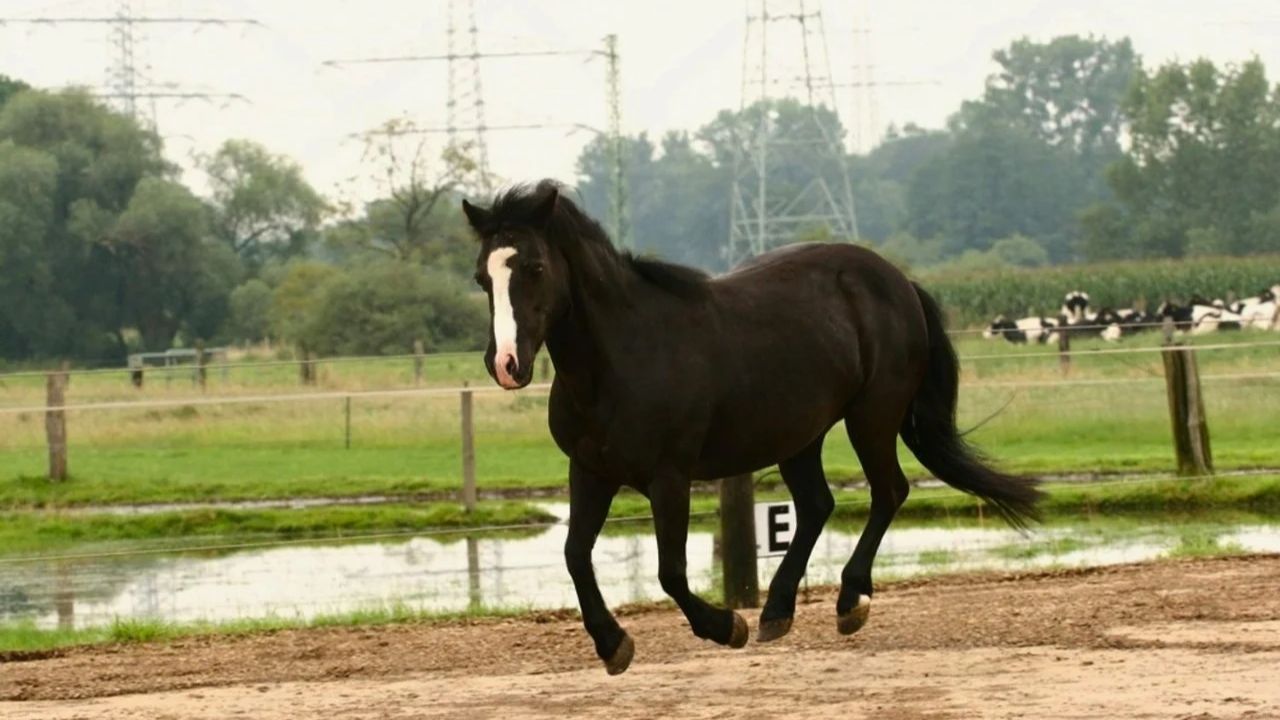
If the rider is a kid or a smaller adult, Welsh types are often a smarter choice than “a big horse that’s gentle.” Many are tough, athletic, and learn fast, which is great when you’re doing consistent lessons and basic care. They also tend to handle cold weather and turnout well with decent shelter.
They can also be too smart. A pony that figures out you don’t mean what you say will start dragging to grass, spinning back to the barn, or testing the gate latch. If you pick Welsh, make groundwork and leading manners non-negotiable from day one, and don’t let little problems stay little.
9. Draft Cross
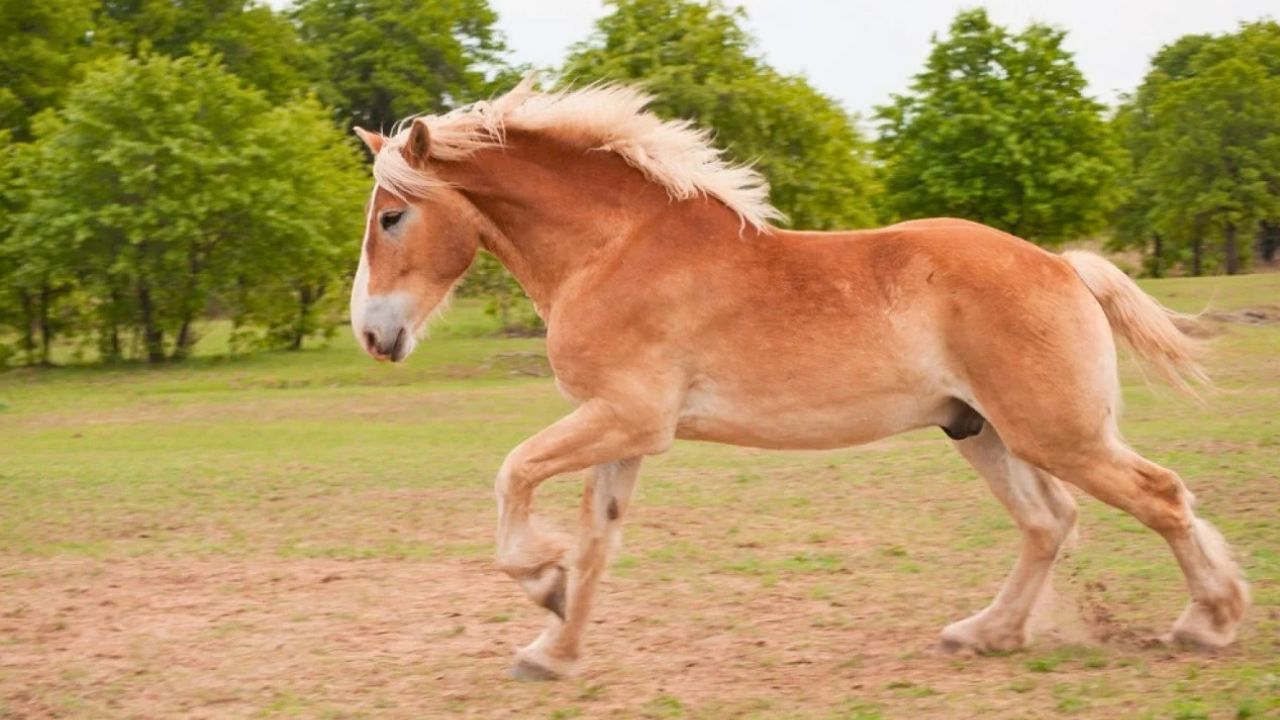
A draft cross can be a sweet spot for beginners who want a bigger, steady ride without the full “giant horse” maintenance. Many have the calm brain of a draft with a bit more agility, and they tend to take mistakes in stride. For trail riding and light farm work, they’re often forgiving.
Still, big is big. A horse that weighs a ton can lean on you, step on you, or pull you through mud if you don’t have solid handling skills. Spend money on a trainer for a few sessions at your place, and buy a halter and lead rope that fit right, not whatever was cheapest on the rack.
10. Mustang
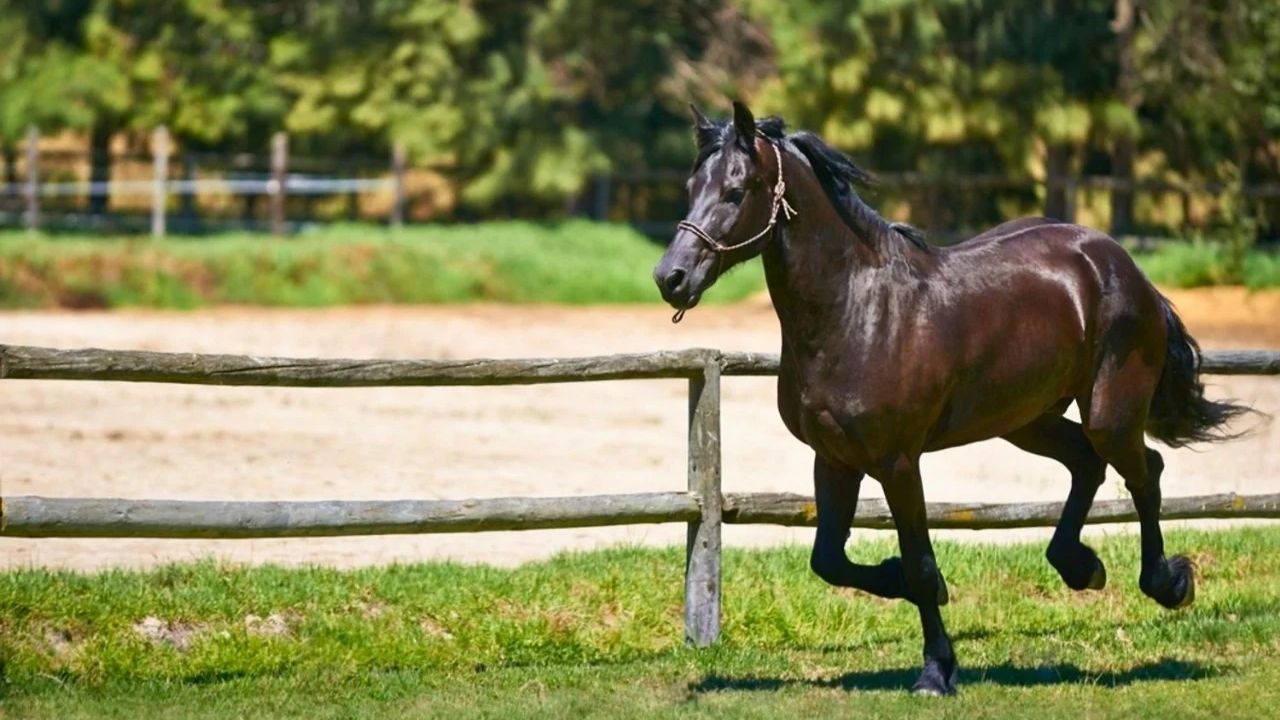
Surprised? A properly gentled mustang can be one of the steadiest, most sensible horses you’ll meet, and many have tough feet and good endurance for trails. They often live well outside with a run-in shed, and they don’t fall apart if the weather turns sour.
The catch is the word “properly.” A fresh-off-range horse is not a beginner project, and it’s not fair to you or the horse to pretend it is. If you go this route, look for an older mustang with a documented training history, and have a trainer assess it before money changes hands.
Before you shop, line up a reputable instructor, a farrier who returns calls, and a vet who will do a pre-purchase exam. Go look at horses with someone who’s not emotionally invested, and don’t be shy about walking away if the basics feel rough. A calm, sound horse that’s easy to handle on the ground will teach you more in a season than a fancy horse you’re always trying to manage.
Like Fix It Homestead’s content? Be sure to follow us.