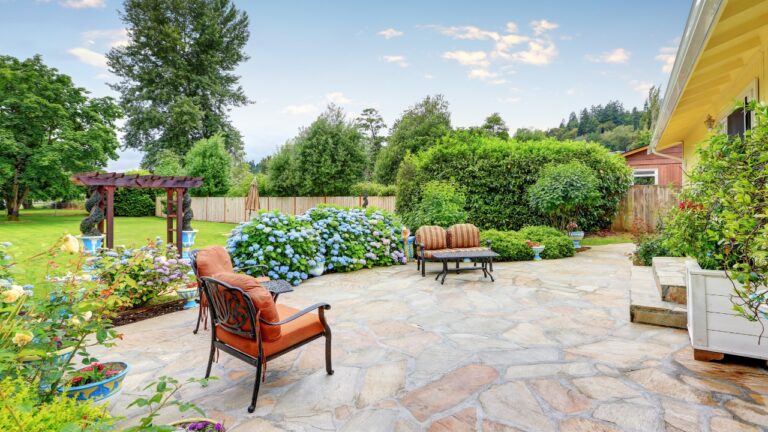
How to Budget for Living on Raw Land
Photo credit: fizkes/Shutterstock.com
Living on raw land sounds cheaper than a traditional home, but the truth is, it adds up fast if you’re not prepared. Between utilities, site prep, permits, and unexpected costs, you need a solid budget before anything gets delivered.
Whether you’re planning to move a mobile home out there, build something small, or just get set up to camp for a while, here’s what you should account for—based on what actually has to happen to make raw land livable.
Start with the Land Itself
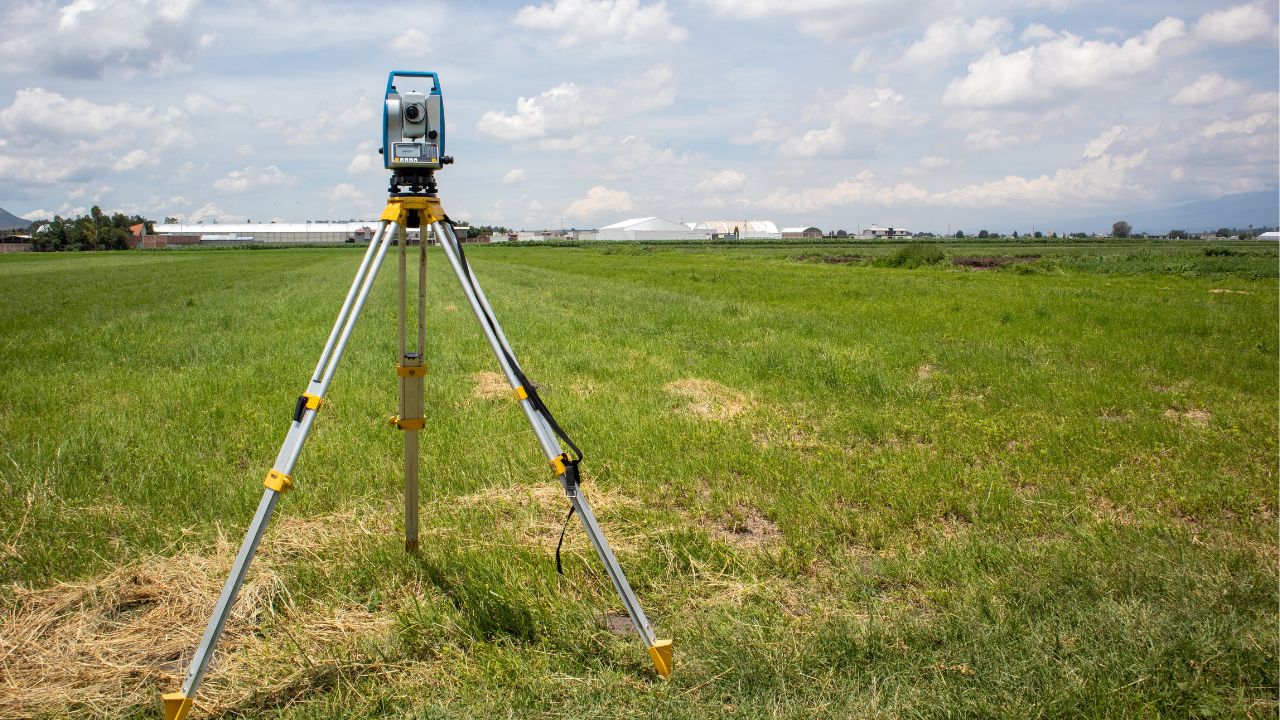
The cost of raw land is only the beginning. You’ll need to factor in closing costs, a land survey (if one hasn’t been done recently), and sometimes even soil testing depending on your county. If you’re buying through owner financing, double-check the interest rate and any balloon payments. Make sure you leave room in the budget for fencing or clearing, too—especially if the land is wooded or overgrown.
Permits and County Requirements

Even in rural counties, you’re still working under local rules. Expect permit fees for things like septic, electricity, a driveway, or setting up a mobile home. Some counties require engineered site plans, flood plain approval, or driveway inspections before anything else can happen. These fees vary wildly by location, but it’s smart to set aside $1,000–$3,000 just for permits and paperwork.
Driveway and Access
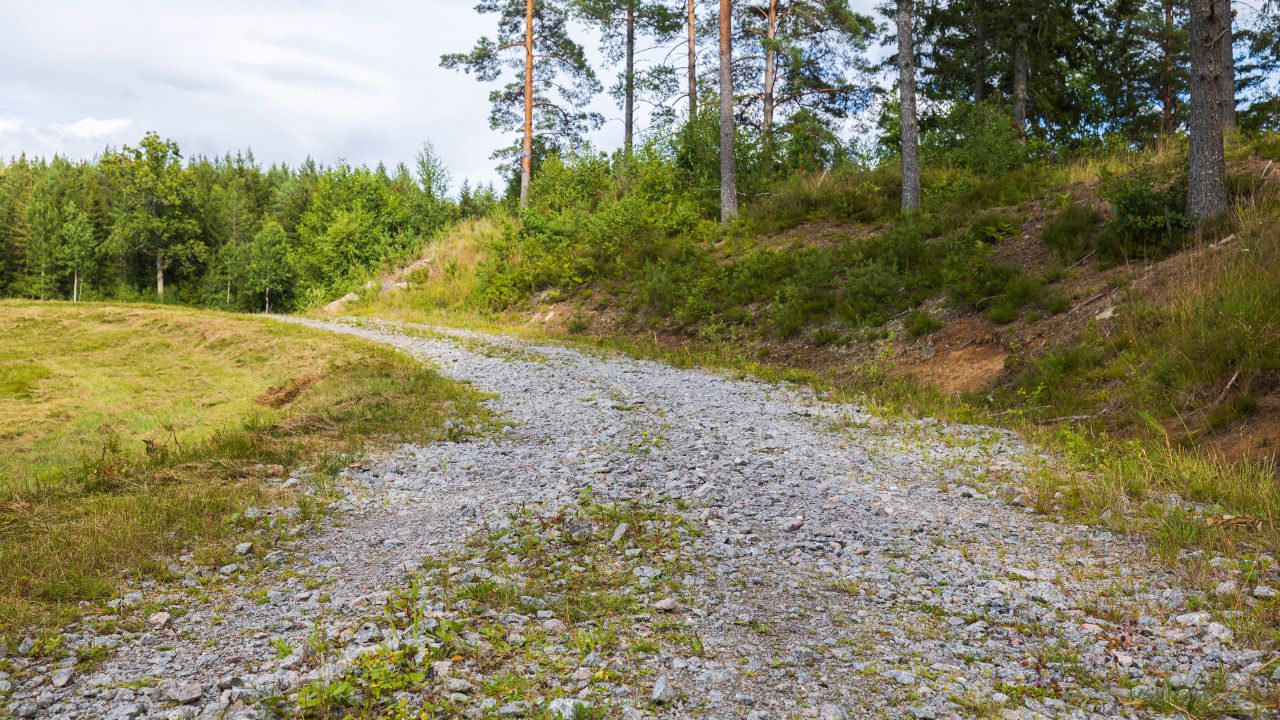
If the land doesn’t already have a road or access point, you’re going to have to build one. That means clearing a path, laying gravel, and installing a culvert if there’s a ditch near the road. Depending on how long the driveway needs to be and the type of soil you’re working with, this can cost anywhere from $2,000 to $10,000 or more. It’s one of the biggest surprises for people moving out to undeveloped property.
Septic System
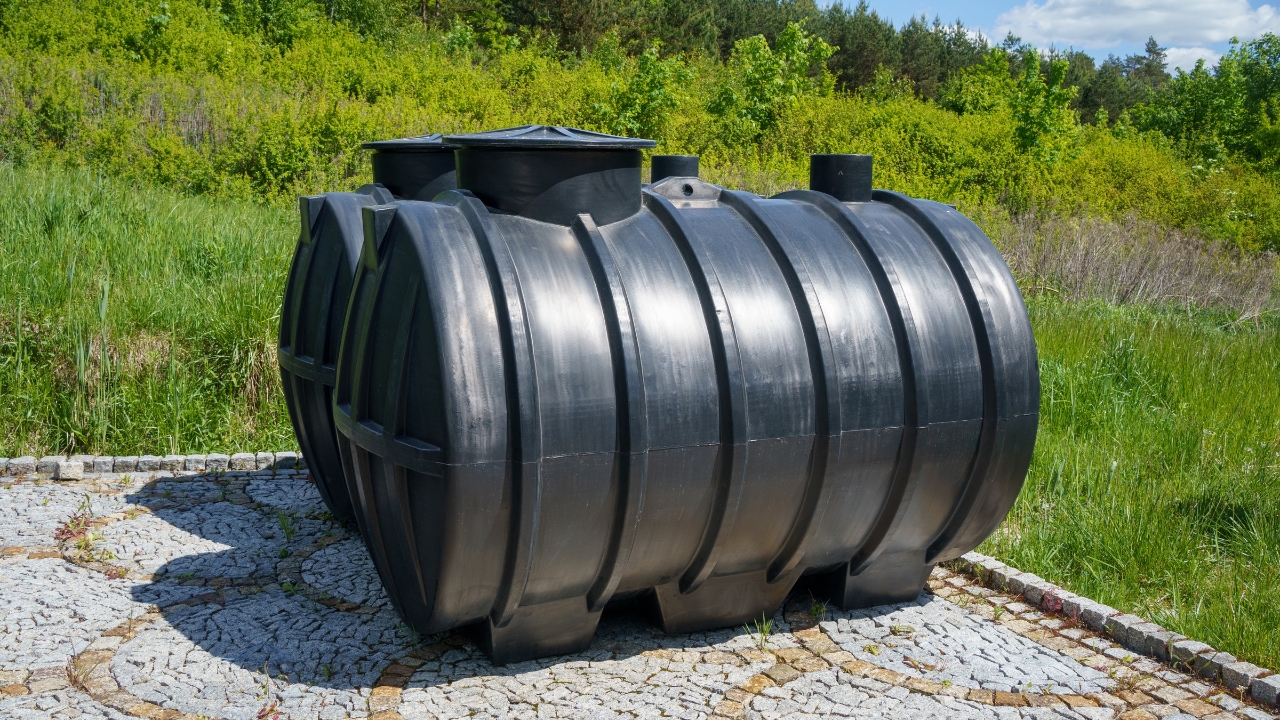
If the land hasn’t been perk tested, you’ll need to do that before you can install a septic system. And if it fails the test, you’re either paying for an engineered system (which costs more) or looking for a different place to put your home. A basic septic system might run $4,000–$7,000. Engineered systems can hit $15,000 or higher. Always get quotes before you finalize placement plans.
Power and Water

Getting electricity to your site depends on how close the nearest pole is. If it’s across the street or at the back of the property, expect to pay for trenching or new poles. Power companies usually cover the first 100–200 feet, then you pay the rest. For water, you’ll need to install a well (which can cost $8,000–$20,000) or pay a water tap fee to connect to a rural water supply. Don’t forget plumbing costs inside and outside the home.
Foundation or Pad Prep
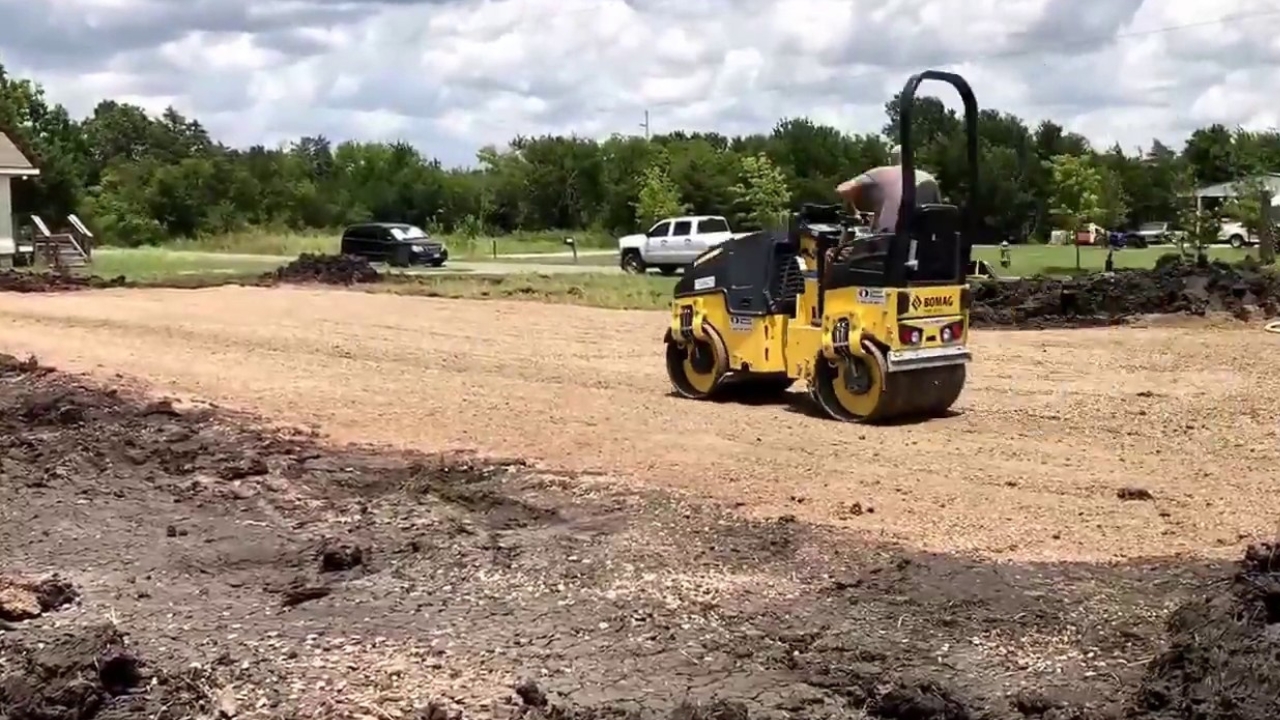
Mobile homes, sheds, and tiny homes all need a pad to sit on. Even RVs need a level spot if you’re planning to stay long-term. A properly compacted pad with drainage can run $1,500–$4,000 depending on the size and soil. If you’re pouring a slab or piers for a permanent structure, costs go up from there. Don’t skimp on this step—water pooling under your home can ruin everything.
Temporary Living Expenses
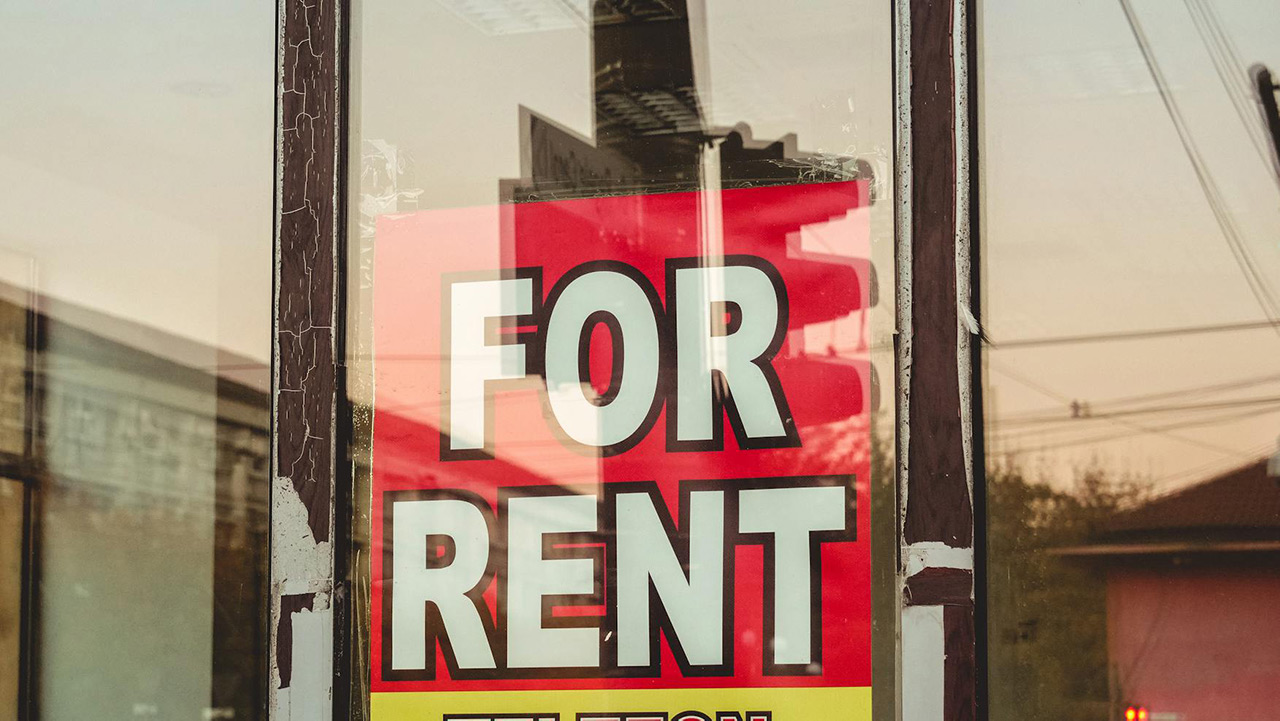
If your land isn’t ready and you need to live nearby while it gets set up, that’s another cost. RV parks, rental houses, or extended hotel stays can eat up thousands fast. Some people dry camp on their land while they work on it, but even that requires a generator, water storage, and a way to manage waste. If you have kids, it’s even more important to plan this part well.
Tools and Equipment

Living on land usually means doing a lot yourself. That means buying or borrowing tools. Think chainsaws, water hoses, generators, shovels, wheelbarrows, a weed eater, and a way to haul things (like a trailer). If you’re starting from scratch, plan to spend $500–$2,000 building up your basics—especially if you’re not already stocked.
Hidden or Surprise Costs

There will be unexpected problems. A rainstorm might wash out your driveway before you get gravel laid. You might hit rock while digging a septic trench. The power company might change their quote after looking at the terrain. Set aside at least 10–20% of your budget for these kinds of surprises so you’re not stuck when something goes sideways.
Final Touches You’ll Want Right Away

Once you’re on the land, you’re going to want things that make life easier: a washer/dryer setup, outdoor lighting, storage space, fencing, maybe even internet. These things feel optional when you’re planning—but they won’t feel optional once you’re living there. Budget for a few comforts so you don’t burn out in the first few months.
*This article was developed with AI-powered tools and has been carefully reviewed by our editors.
Like Fix It Homestead’s content? Be sure to follow us.