9 Pest “Solutions” That Actually Spread the Problem
Photo credit: TEEREXZ/ Shutterstock.com
When you’re dealing with pests, it’s easy to reach for whatever fix seems fast and easy. But some of the most common “solutions” actually make things worse. They might scatter the problem, hide it, or give pests time to regroup while you think it’s working.
The goal is to get rid of the issue—not push it into a different corner of your house. If you’re serious about stopping pests for good, here are the fixes that often backfire.
Spraying Ants Without Killing the Colony
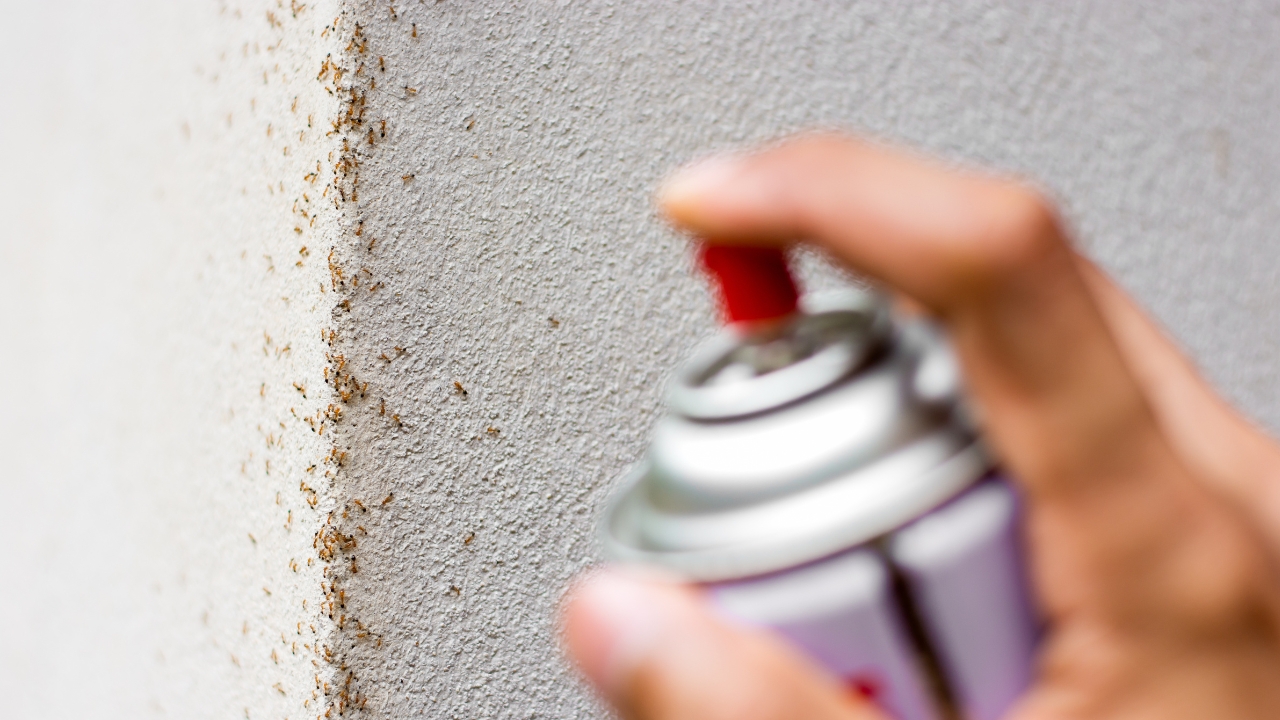
Spraying ants on sight might feel productive, but it doesn’t get to the root of the problem. In fact, many store-bought sprays can cause the colony to scatter and split, making the infestation worse.
When ants sense danger, they send out signals that cause the colony to relocate or form satellite nests. Baits that target the entire colony are more effective long-term—and a lot less frustrating.
Using Foggers Indoors for Roaches
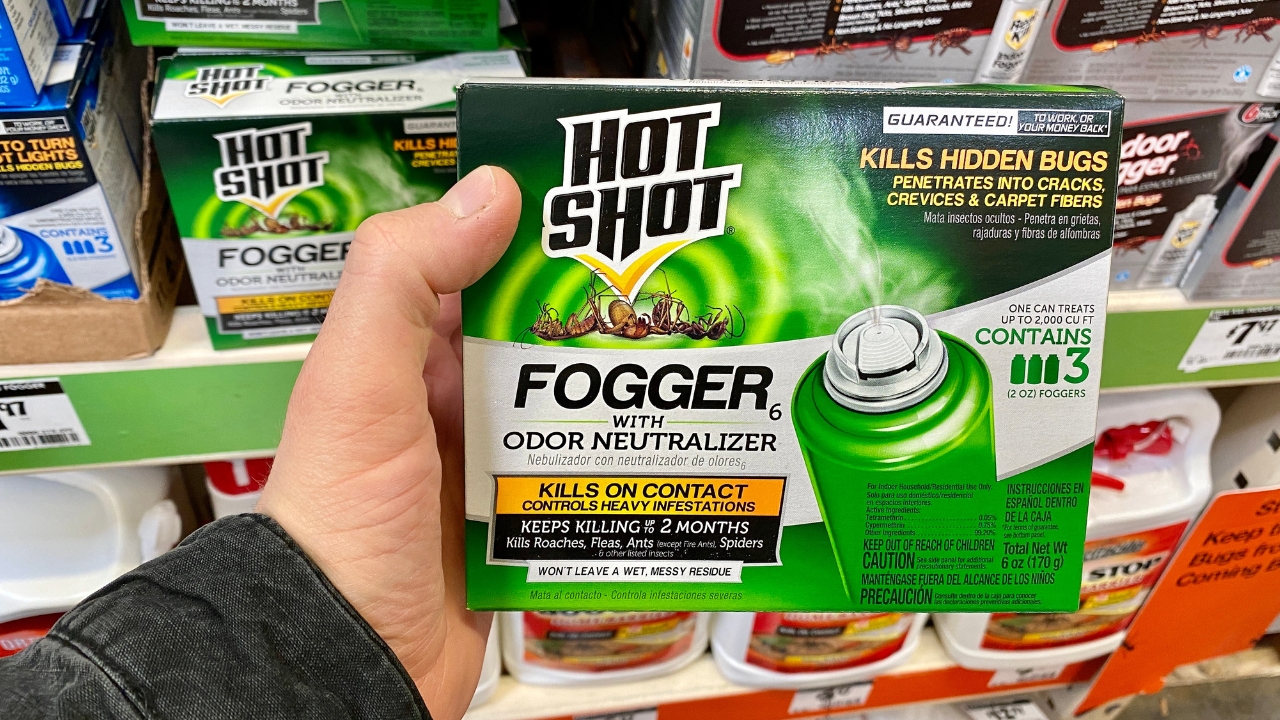
Bug bombs or foggers might kill the roaches you see, but they don’t reach deep into cracks and crevices where the real problem lives. Worse, they often drive the pests deeper into your walls.
Roaches are quick to adapt. If you don’t eliminate the nest, they’ll be back—and harder to kill next time. Plus, foggers leave behind a residue that’s not great for pets or kids. Targeted treatments are way more effective.
Overusing Ultrasonic Pest Repellers
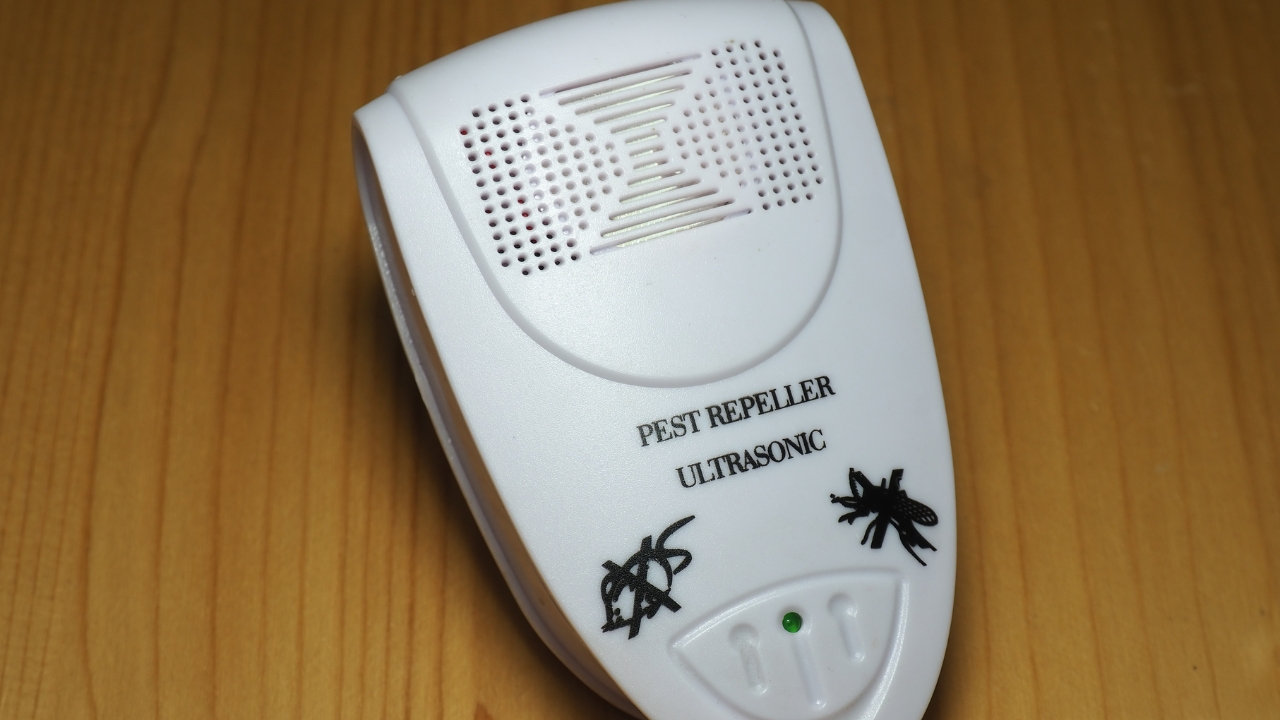
Those plug-in devices that promise to repel pests with sound rarely hold up under real-world testing. At best, they might annoy a few pests temporarily. At worst, they push them into new areas of your home.
Rodents and insects tend to find quieter spots to nest—like behind appliances or deeper in your walls. Don’t rely on gadgets to do the work. Sealing entry points and reducing attractants works better.
Moving Trash or Compost Too Close to the House
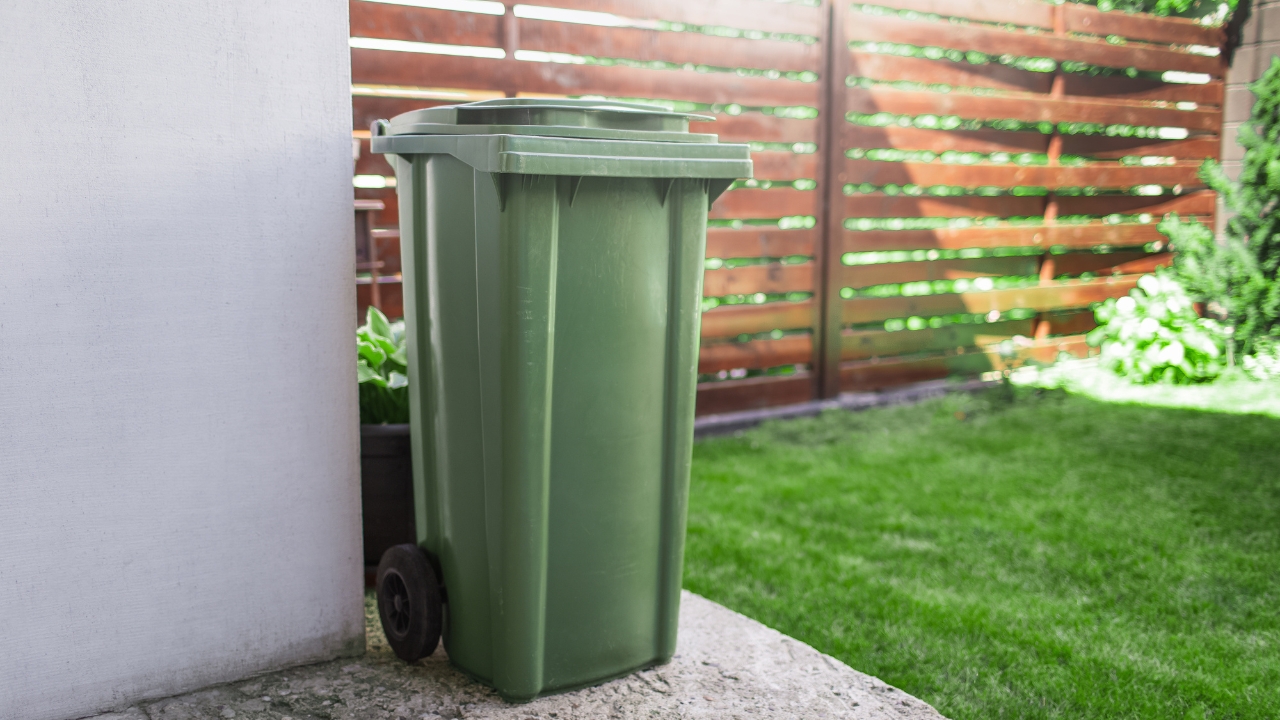
Trying to clean up the yard by moving bins closer to the house might seem like a neat solution—but it’s also a great way to attract pests directly to your foundation.
Rodents, raccoons, ants, and flies are all drawn to the smells coming from those containers. Once they find a food source nearby, it’s only a short trip indoors. Keep bins sealed and well away from your main living areas.
Dumping Oil or Grease Outside

Some people think pouring cooking oil or grease into the yard or garden will deter animals. It won’t. It actually attracts rodents, flies, and even larger scavengers like raccoons.
Grease is packed with scent and calories—two things pests love. It also seeps into the soil and lingers. Always dispose of cooking oil in a sealed container and put it in the trash, not outside.
Using Too Much Bait at Once
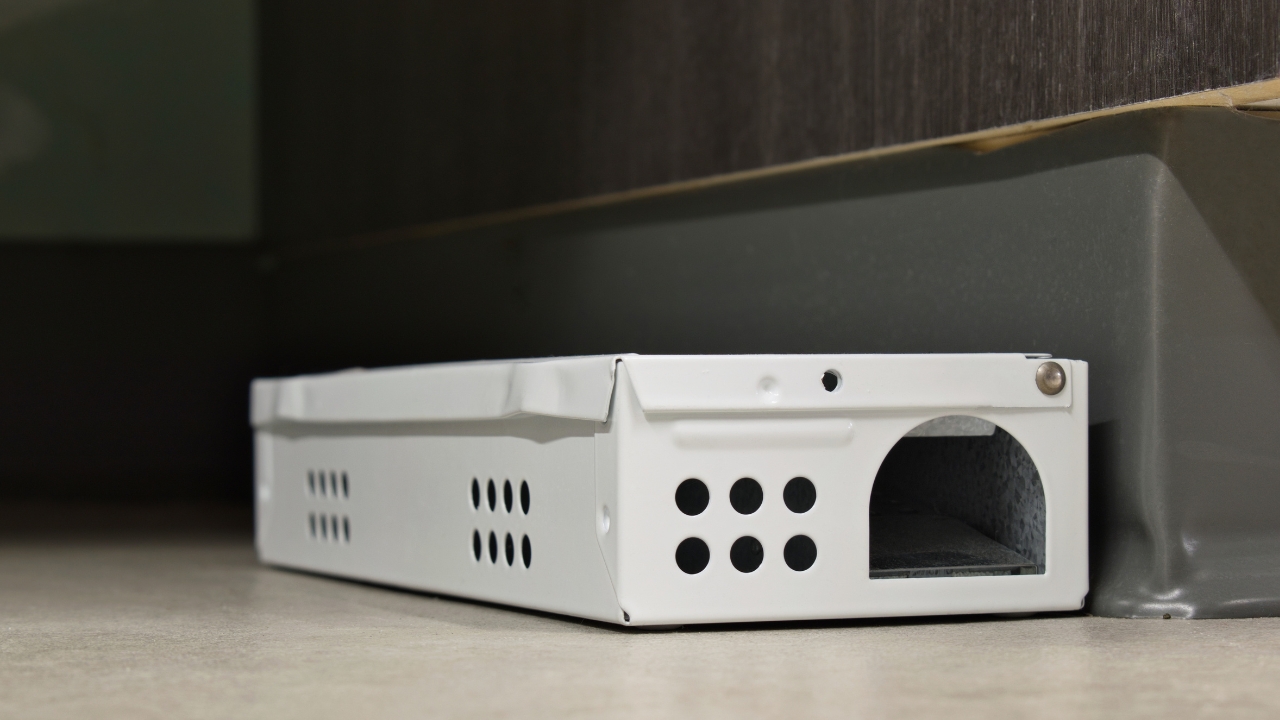
It’s tempting to go overboard with bait stations, thinking more is better. But putting out too much at once can cause pests—especially rodents—to get suspicious and avoid all of it.
Overbaiting can also lead to contamination or accidental exposure to kids and pets. A better approach is to place smaller amounts strategically and give it time to work. More bait doesn’t always mean faster results.
Ignoring Leaks and Moisture While Treating for Bugs
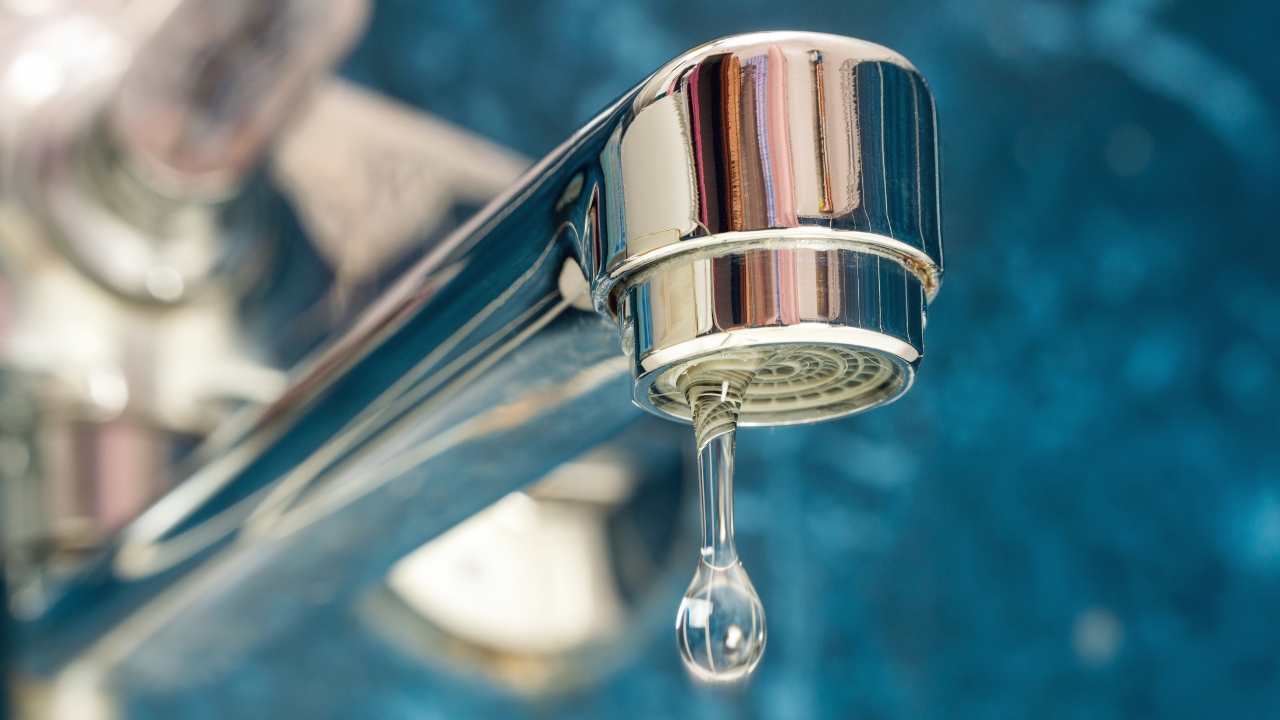
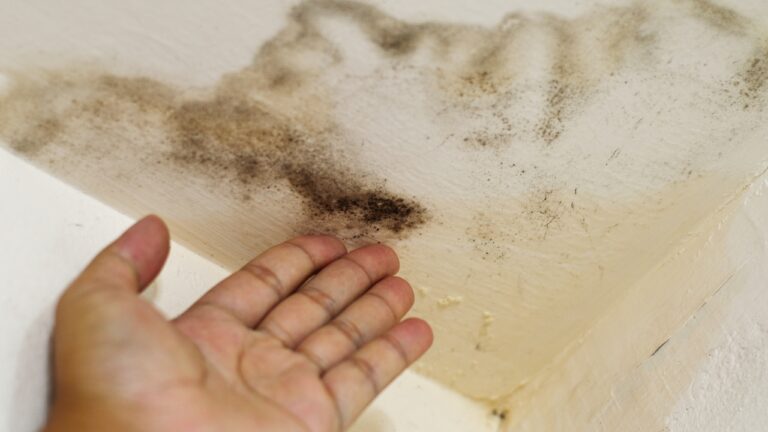
Spraying for bugs without fixing moisture issues is a losing game. Roaches, ants, and silverfish all need water—and if your sink is dripping or your crawlspace is damp, they’ll keep coming back.
Pest control only works if you remove what’s attracting them. Sealing leaks, using a dehumidifier, and improving ventilation are key steps most people skip—but they’re what make treatments actually stick.
Relocating a Rodent Without Sealing Entry Points
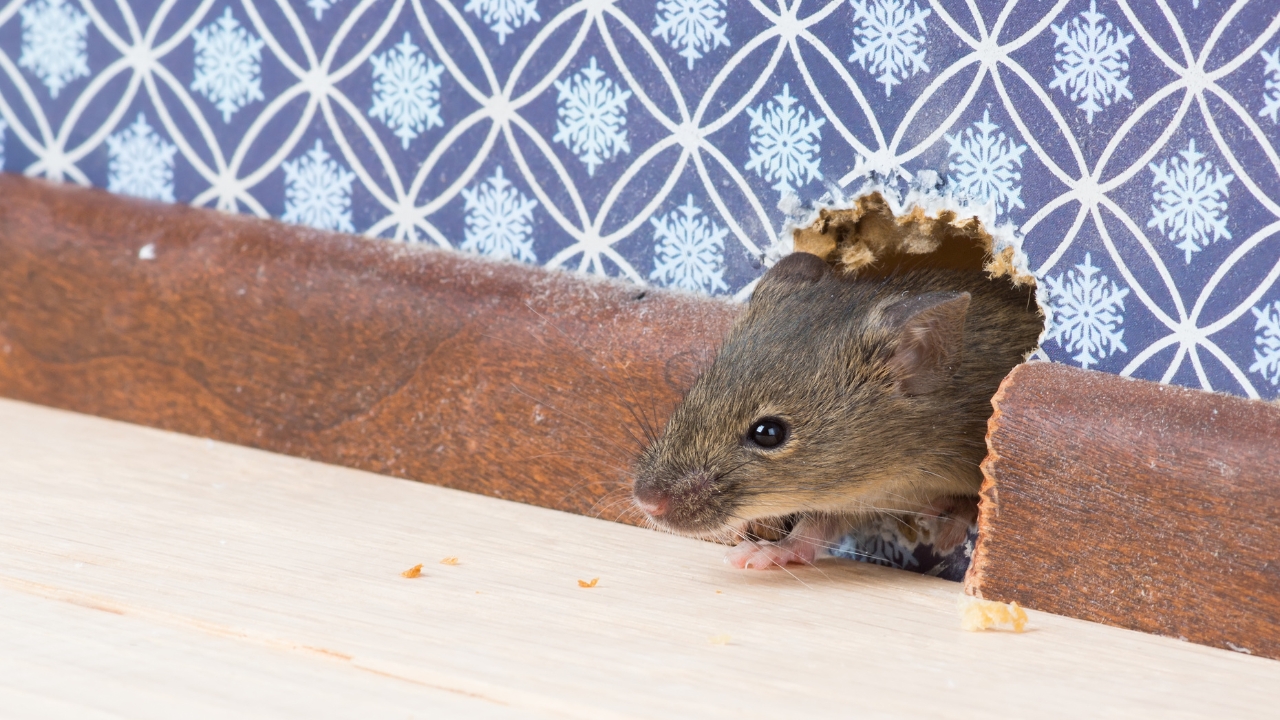
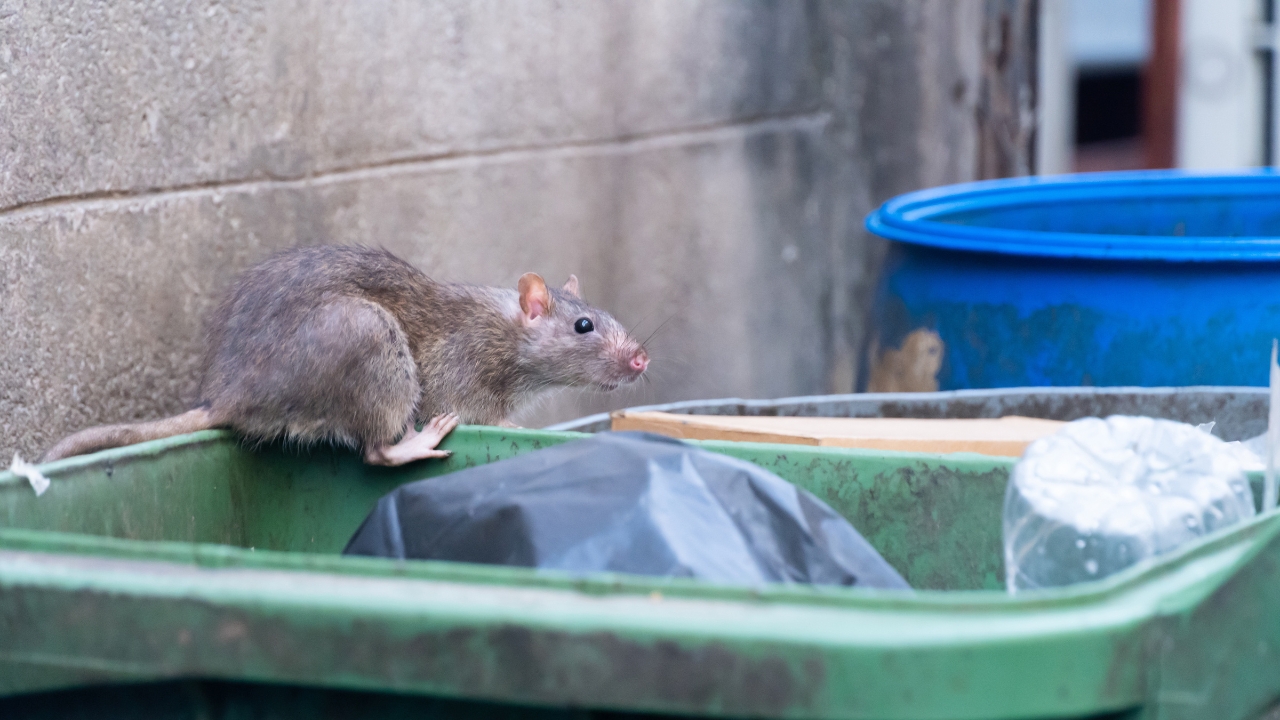
If you trap a mouse and release it far away, that’s great. But if you haven’t sealed the hole it came through, another one will take its place in no time. Rodents are quick to sniff out access points others have used.
It’s not enough to get rid of the one you see. Check for gaps around pipes, doors, and vents—and seal them with steel wool or hardware cloth. Otherwise, you’re in for an endless loop of catch and release.
Cleaning Too Soon After Using Baits or Dusts

Some pest treatments—especially ant baits and insecticidal dusts—need time to be effective. If you clean too soon or wipe them away thinking you’re tidying up, you undo the entire process.
It can feel counterintuitive to leave something messy in place, but those materials are meant to be carried back to the nest. Give it time to work before you reach for the sponge or vacuum. Patience pays off here.
Like Fix It Homestead’s content? Be sure to follow us.