10 Ways People Let Carbon Monoxide Into the House
Photo credit: Fix It Homestead
Carbon monoxide doesn’t have a smell you can trust, and it doesn’t announce itself with smoke. A lot of the time it’s regular home routines and small shortcuts that let it build up. The fix is usually simple, but you’ve got to know where it sneaks in.
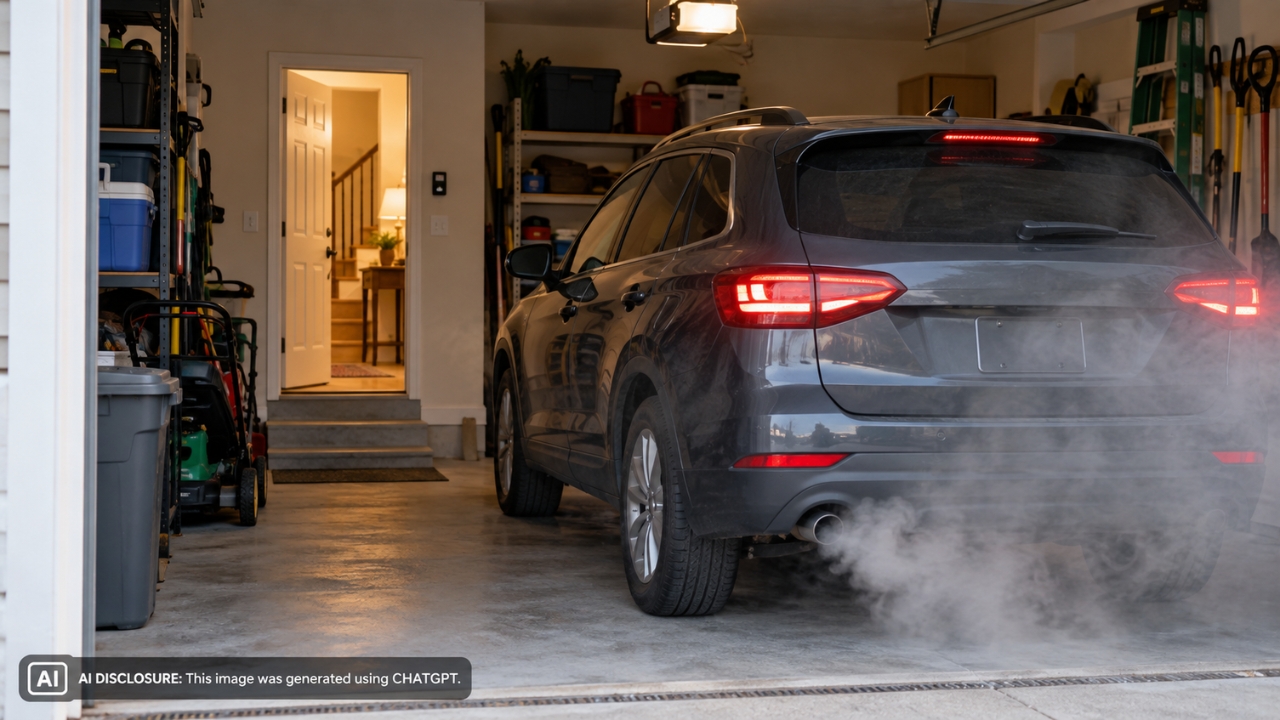
1. Running Cars In Attached Garages
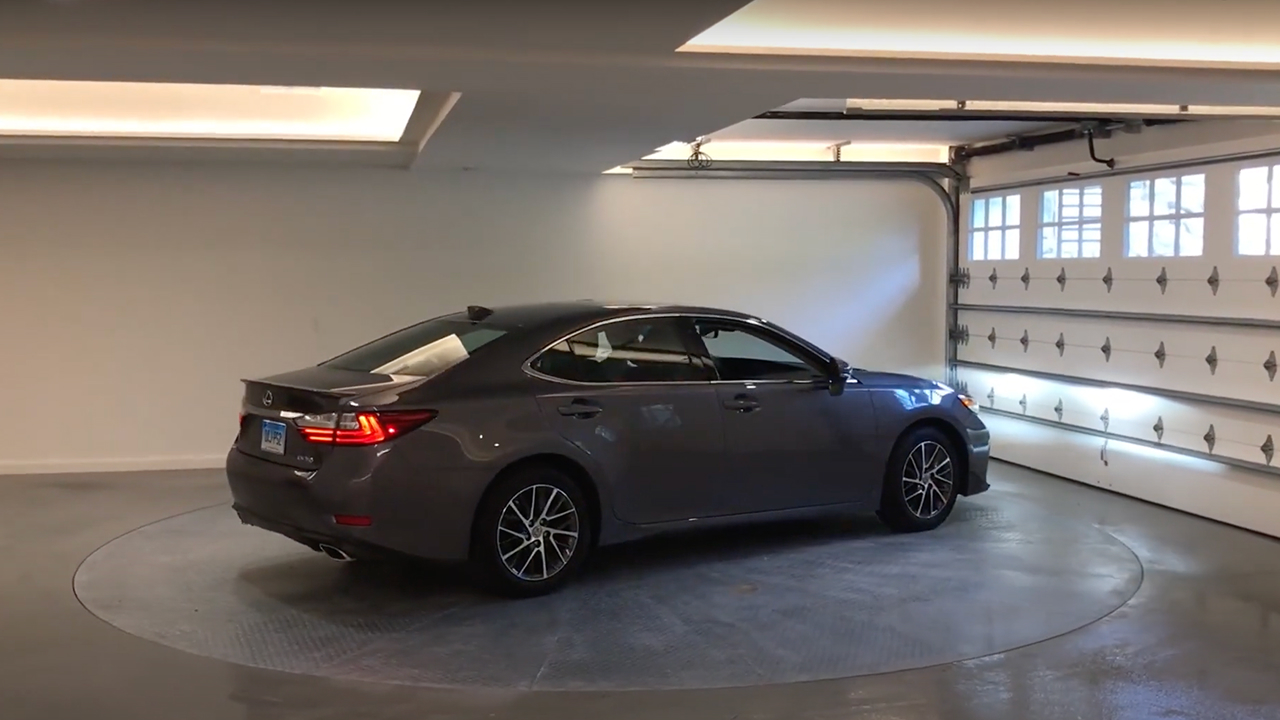
This is the classic mistake, and it happens fast. Starting a vehicle to “warm it up” with the garage door closed, even for a minute, can push exhaust into the house through the door gap, attic chases, or any little crack in the wall.
Even with the big door open, a running engine can drift fumes back inside on a calm day or when the wind is wrong. If you need to idle for a short time, pull the vehicle fully outside first. If you can smell exhaust in the garage, treat it like a warning bell, not an annoyance.
2. Skipping Furnace And Boiler Service
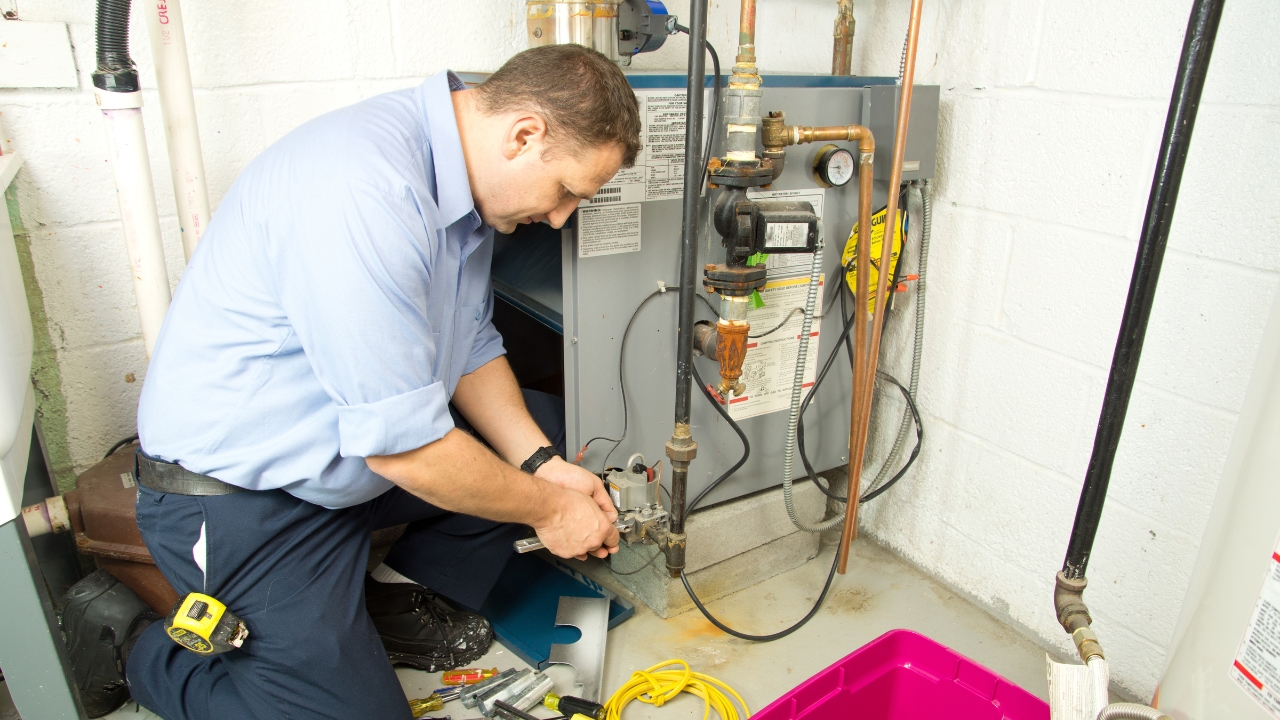
A gas or oil furnace can run “fine” and still burn dirty. Soot, a clogged heat exchanger, or a burner that’s out of adjustment changes the exhaust and can raise carbon monoxide levels. You often notice it as more dust, odd smells at startup, or a rumbling sound that wasn’t there last season.
Schedule a yearly service, especially before the first real cold snap. This is one of those jobs worth paying for, since a tech checks combustion and venting, not just the filter. If the unit is old and parts are scarce, plan for replacement before it fails on the coldest weekend.
3. Blocking The Water Heater Draft Hood
/Shutterstock.com
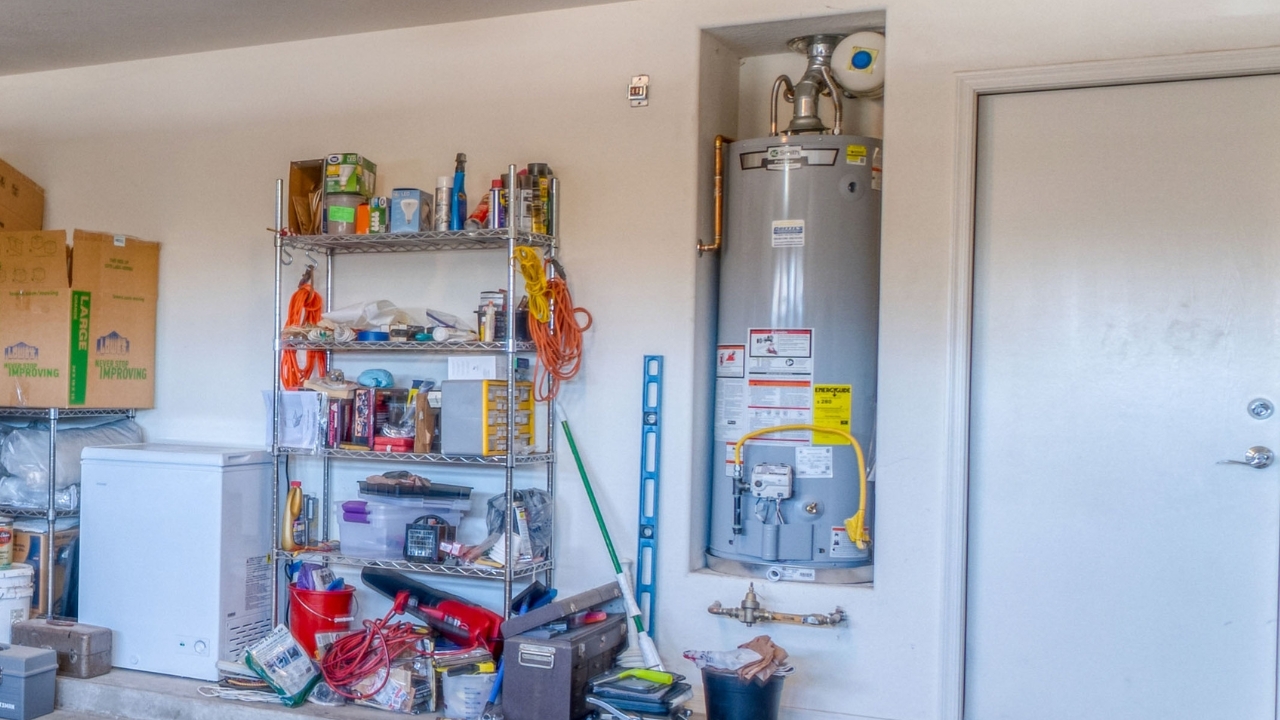
People stack storage around the water heater, then forget it’s there. Boxes and insulation leaning against the draft hood or vent connector can mess up the draft and spill exhaust into the room, especially in basements with tight doors and new windows.
Keep a clear space around the heater and don’t build shelves that crowd the vent. If you ever see melted plastic, scorching, or rust streaks near the hood, stop and call a licensed pro. Venting problems can be simple, but guessing wrong is expensive.
4. Using Unvented Heaters Indoors
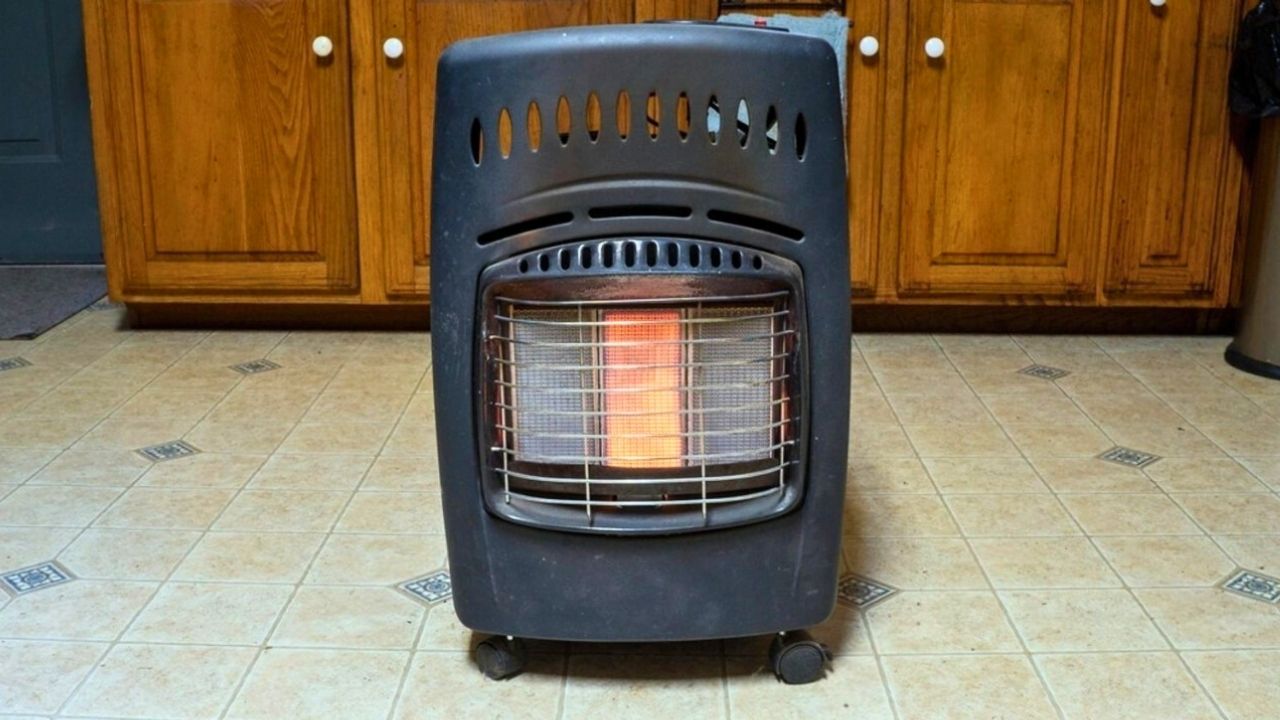
Unvented propane, kerosene, and “blue flame” heaters are sold for heat, and some are rated for indoor use. Even then, they add combustion gases to the air and they can push a house over the edge when the place is tightened up for winter.
If you use one, follow the manual, crack a window as required, and never run it while you sleep. Better option: a direct vent heater or a properly installed wood stove with a good chimney. The cheap heater is only “cheap” until it triggers headaches, alarms, and late night worry.
5. Cooking With Gas And No Exhaust Fan
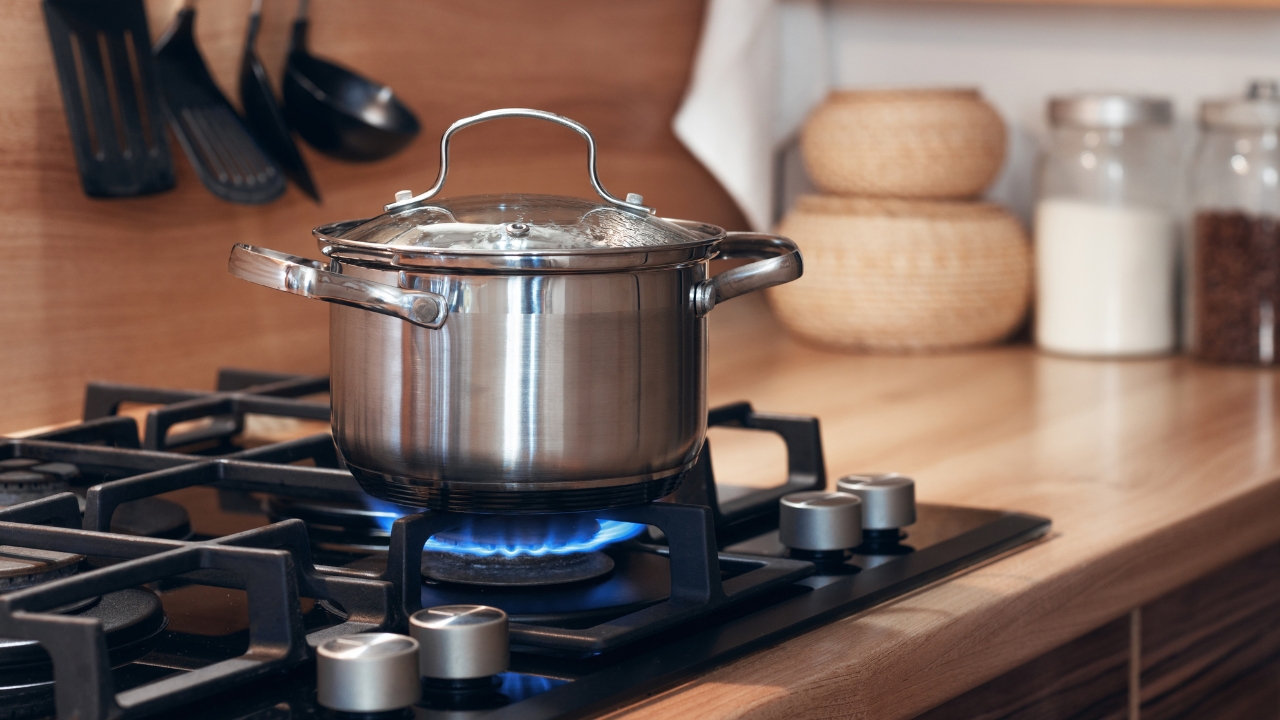
That range hood that just recirculates air through a mesh filter does almost nothing for combustion gases. If you cook on a gas stove and the hood doesn’t vent outdoors, you’re mostly spreading moisture and odors around, not pulling them out.
Use the hood every time, and if it vents outside, clean the grease screens so airflow stays strong. If you don’t have an outside vent, cracking a nearby window during heavy cooking is a practical stopgap. The exception is electric cooking, where CO isn’t the same concern, though ventilation still helps with smoke and moisture.
6. Backdrafting From Exhaust Fans
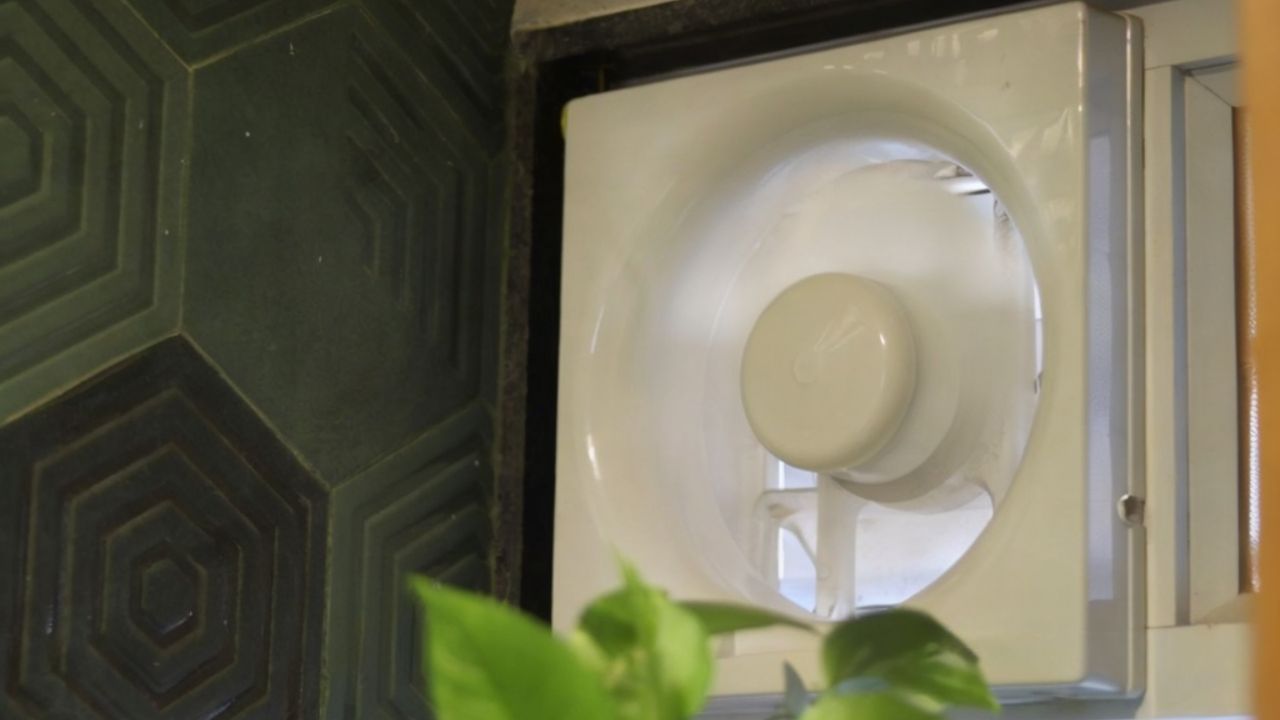
Strong bath fans, a big kitchen hood, or a clothes dryer can depressurize a tight house. Then the fireplace, water heater, or furnace starts pulling air down the flue instead of sending exhaust up. You’ll sometimes notice it as a cold smoky smell, a flickering flame on gas appliances, or the CO alarm chirping when the dryer is running.
This shows up more after air sealing projects, new windows, or spray foam in the rim joist. A proper fix can mean adding makeup air or adjusting venting, which is a job for a qualified HVAC pro. Until then, don’t run every exhaust fan at once when combustion appliances are operating.
7. Closing The Fireplace Damper Too Soon
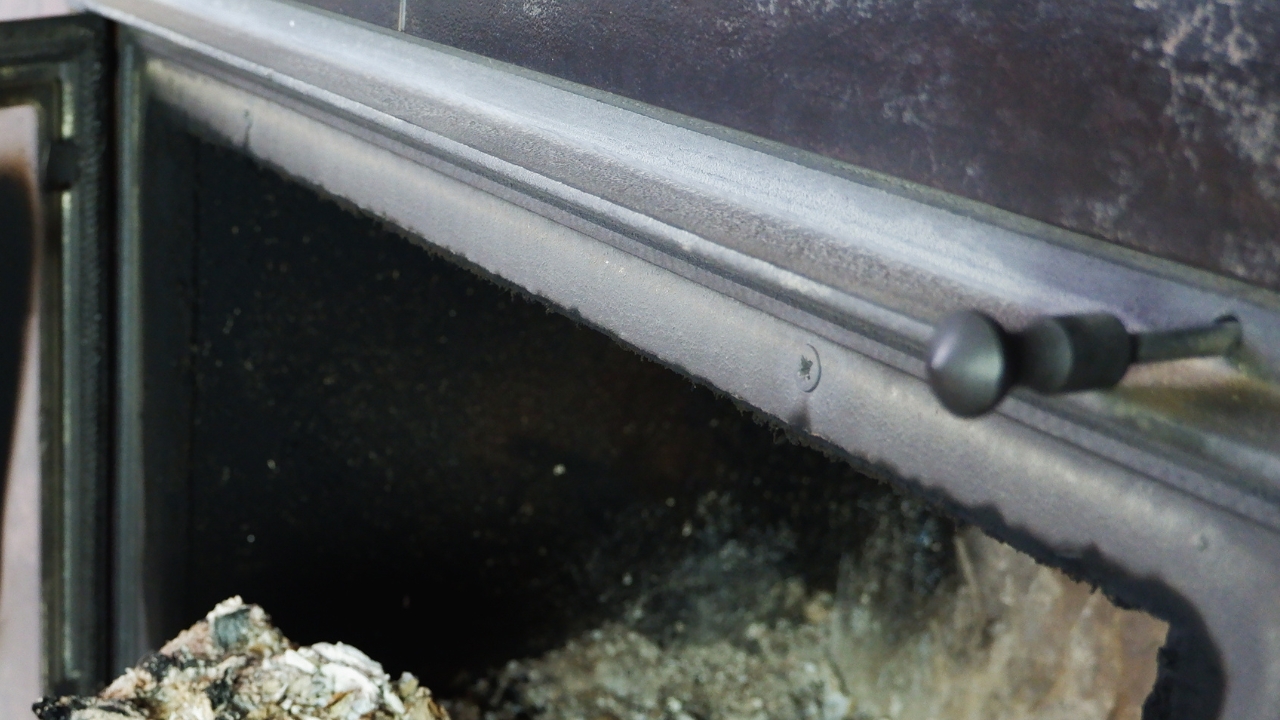
That last log looks dead, so the damper gets closed to “save heat.” But coals can keep making carbon monoxide long after the flames are gone, and a closed damper forces that back into the room.
Wait until the ash is cold. If you want to be neat, shovel coals into a metal bucket with a lid and store it outside on concrete, not on a porch deck. If your damper is hard to reach or sticky, fix it before burning season, not mid-storm.
8. Forgetting Chimney And Flue Maintenance
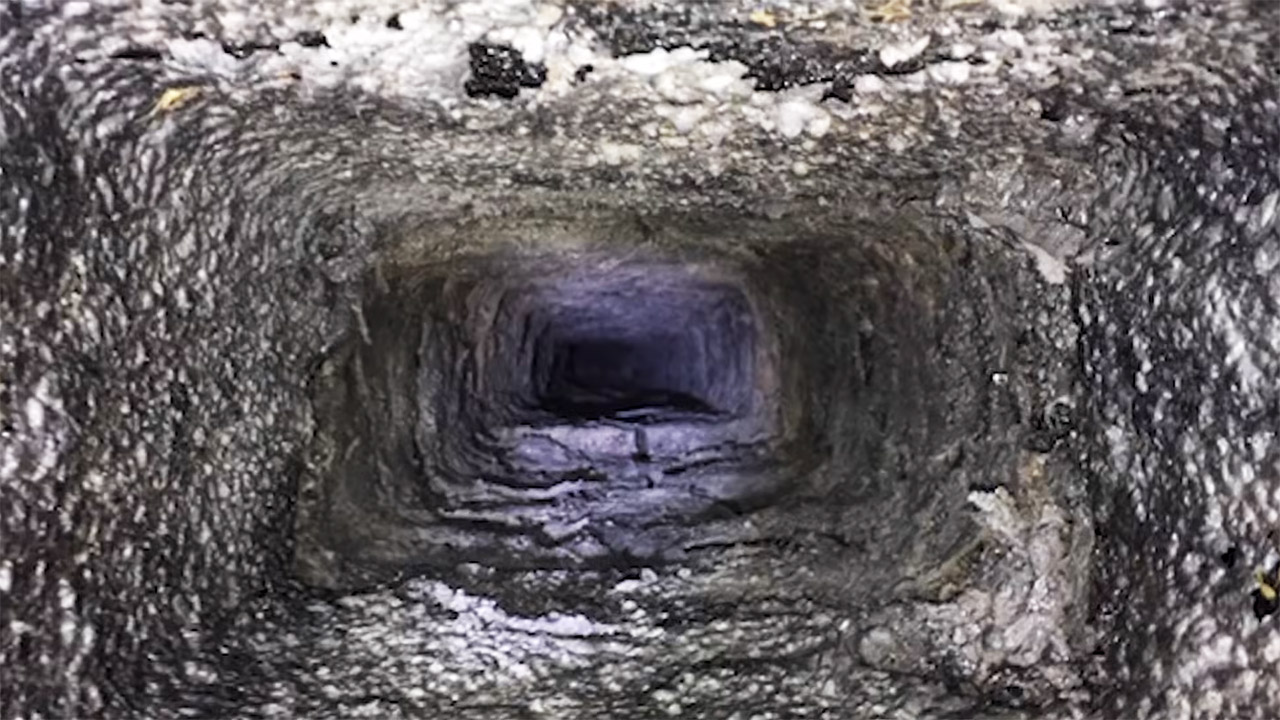
Bird nests, fallen mortar, and creosote buildup don’t just start chimney fires. They also block flow and make smoke and exhaust spill into the house. You might see staining around the fireplace opening, or the fire struggles and smolders instead of burning bright.
Have chimneys inspected and cleaned as needed, especially if you burn wood regularly. If you use a wood stove, check the stovepipe joints and the chimney cap before the first burn of the season. On a windy day, a partial blockage can act fine one minute and choke the next.
9. Storing Generators Too Close To Doors
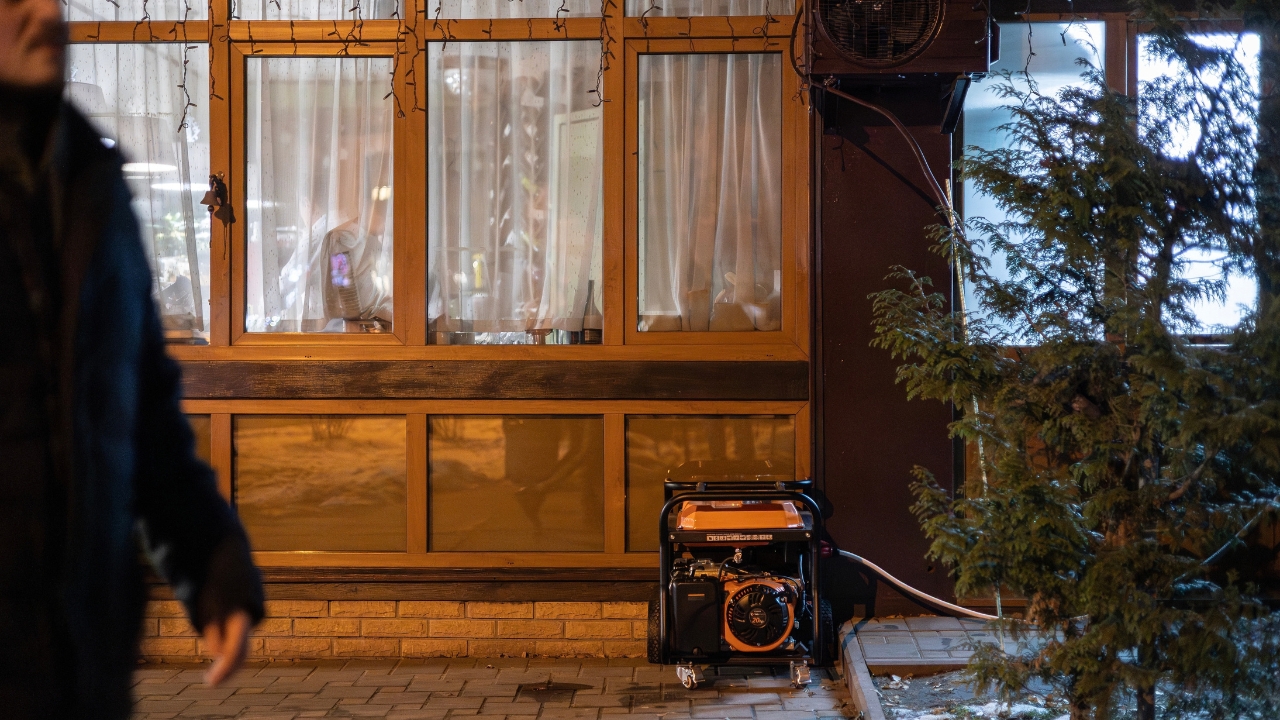
After a storm, people drag a portable generator onto the porch or right outside the garage for “rain cover.” Exhaust can roll right back in through a cracked door, a soffit vent, or an open window you forgot about.
Run generators well away from the house, pointed so exhaust blows away, and never in a garage, even with the door up. Use heavy outdoor-rated cords and keep the generator on firm ground so it doesn’t tip. Hooking a generator into house wiring is not a DIY extension cord job, it needs a transfer switch and a licensed electrician.
10. Letting Detectors Die Or Age Out
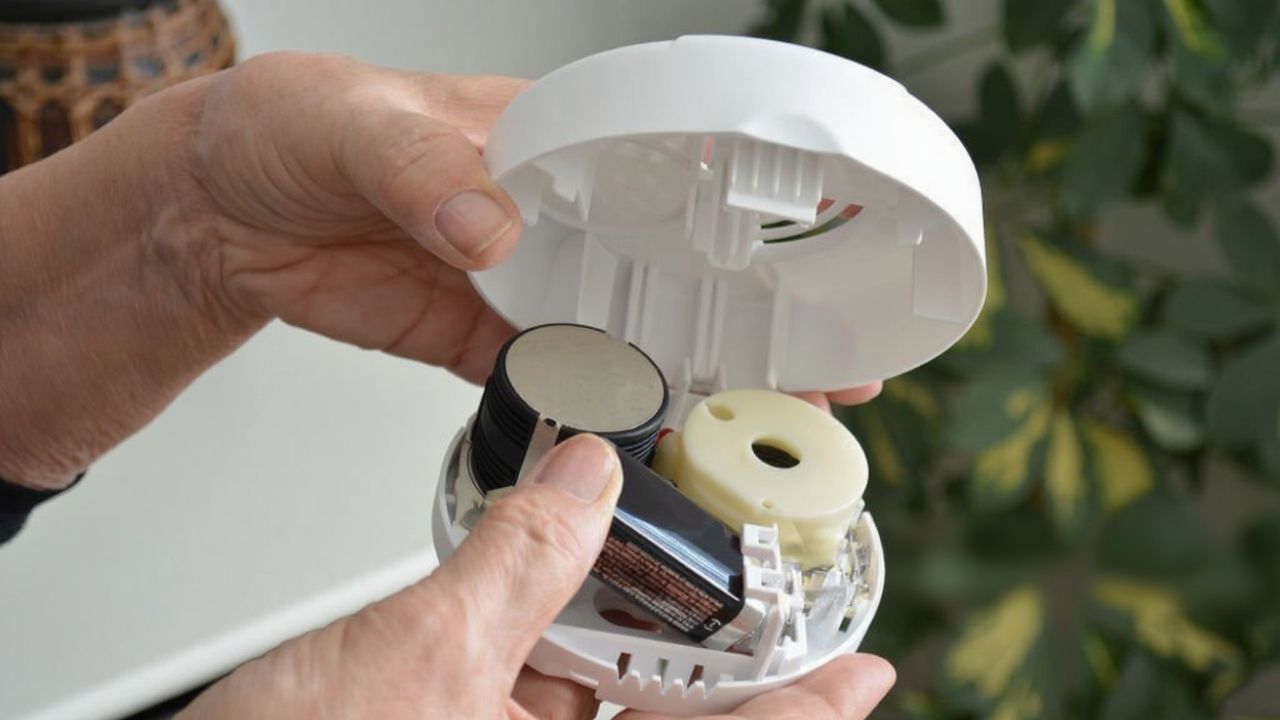
A carbon monoxide alarm with a dead battery is just wall decor. So is an old unit that’s past its service life, which is often 5 to 10 years depending on the model. People get used to the little chirp, pull the battery, and forget it for months.
Test alarms monthly, replace batteries on a schedule you’ll actually follow, and swap out the whole unit when it’s expired. Put one near sleeping areas and at least one on each level of the home. If an alarm goes off and you don’t have a clear reason, get everyone outside and call the fire department or your gas utility for guidance.
Carbon monoxide problems are usually a chain of small choices that line up at the wrong time, cold weather, closed windows, and a vent that isn’t drafting right. Fix the habits first, then fix the equipment. If you ever feel dizzy, nauseous, or unusually tired when the heat is running, get fresh air and take it seriously.
Like Fix It Homestead’s content? Be sure to follow us.