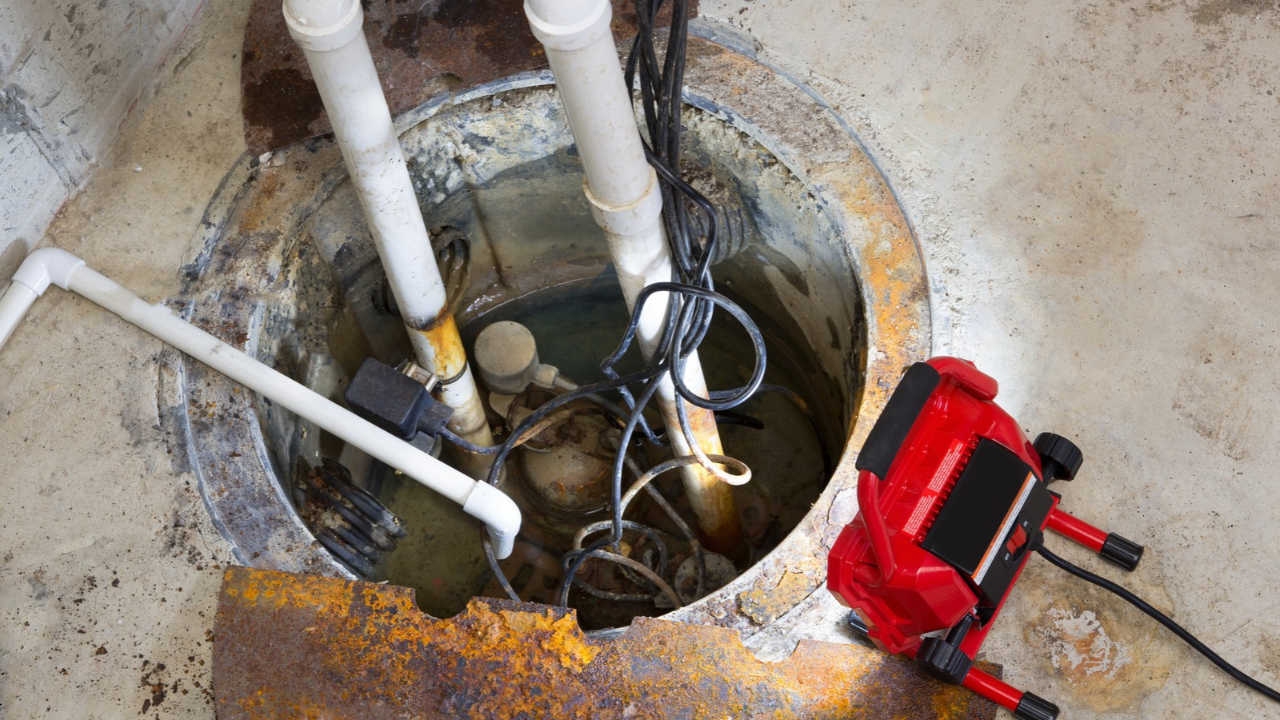
10 Signs a Sump Pump Is About to Quit on You
Photo credit: Ozgur Coskun/Shutterstock.com
Basement water has a way of showing up at the worst time, during a storm, during a power flicker, or right after you left for the weekend. A sump pump can run for years without a peep, then quit fast once a few small problems stack up. Catching the early hints buys you time to clean, adjust, or replace parts on your schedule instead of in ankle-deep water.
1. Weird Noises You Never Heard Before
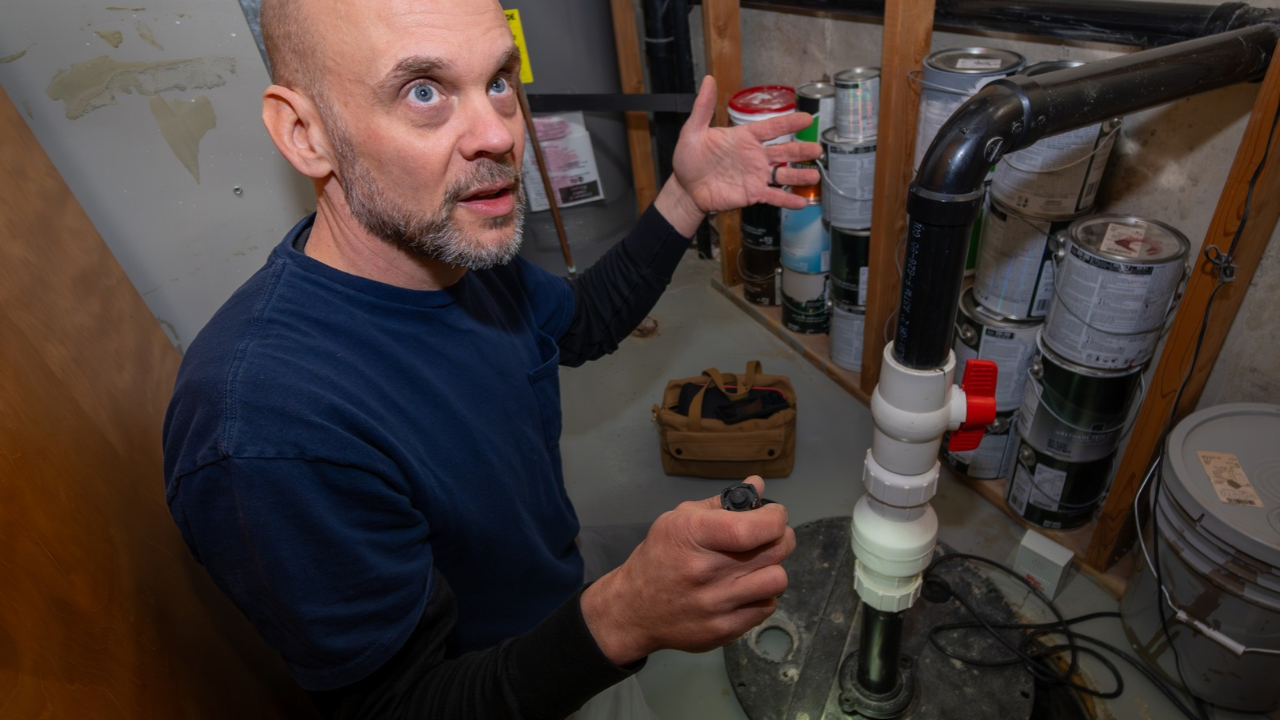
A healthy sump pump is loud enough, but it should sound steady. Grinding, rattling, or a clunking “start-stop” noise often means the impeller is chewing grit, the bearings are wearing, or the pump is vibrating against the pit liner. You’ll usually hear it first during heavy rain when the pump cycles more often.
Pull the pump (unplug it first), rinse the intake screen, and check for small stones and sludge packed around the base. Make sure the discharge pipe isn’t knocking against a joist. If the noise stays after cleaning and tightening, plan for a replacement before the next big storm.
2. Short Cycling Every Few Seconds
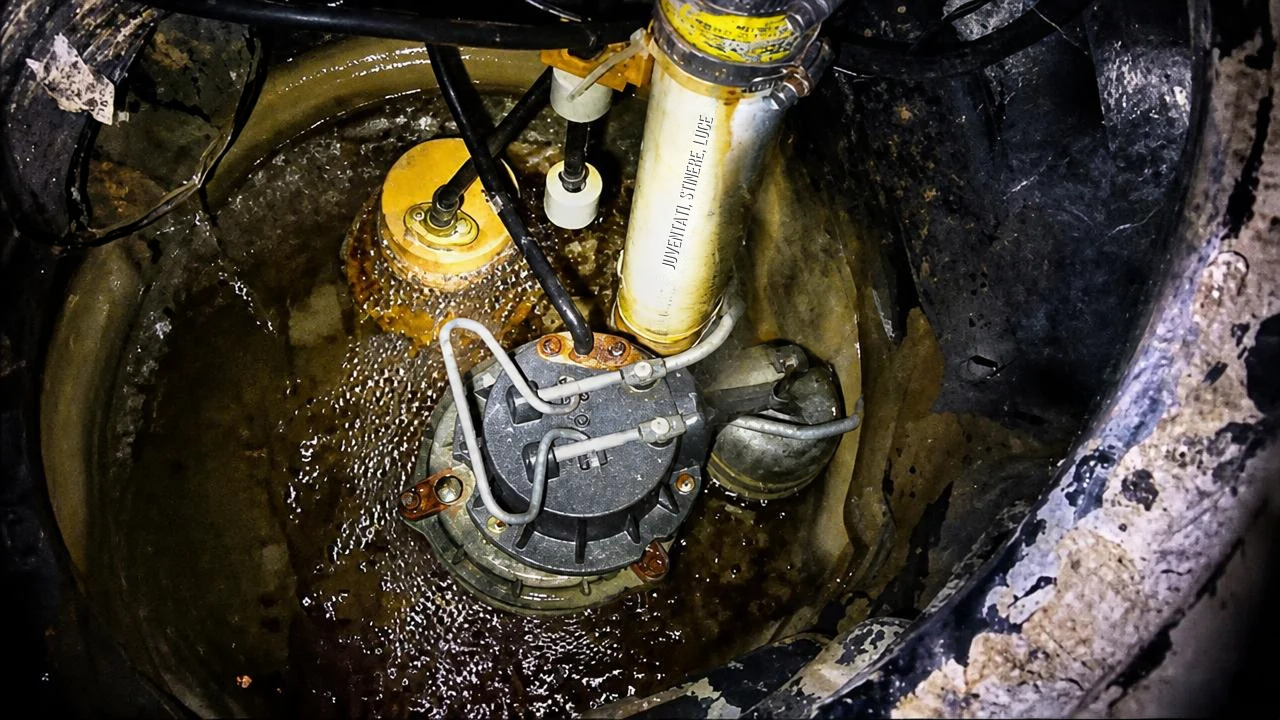
When the pump kicks on, runs for a couple seconds, shuts off, then repeats, it’s working way too hard. A float that’s snagging, a check valve that’s stuck, or a discharge line that’s sending water right back down can cause this. It’s extra wear, and it can burn up a motor faster than normal use.
Lift the float by hand to see if it moves freely and clicks cleanly. If you have a vertical float switch, check for gunk on the rod. Listen for water rushing back into the pit after the pump stops, that points to a failed check valve or a discharge issue.
3. Running Nonstop With Little Water
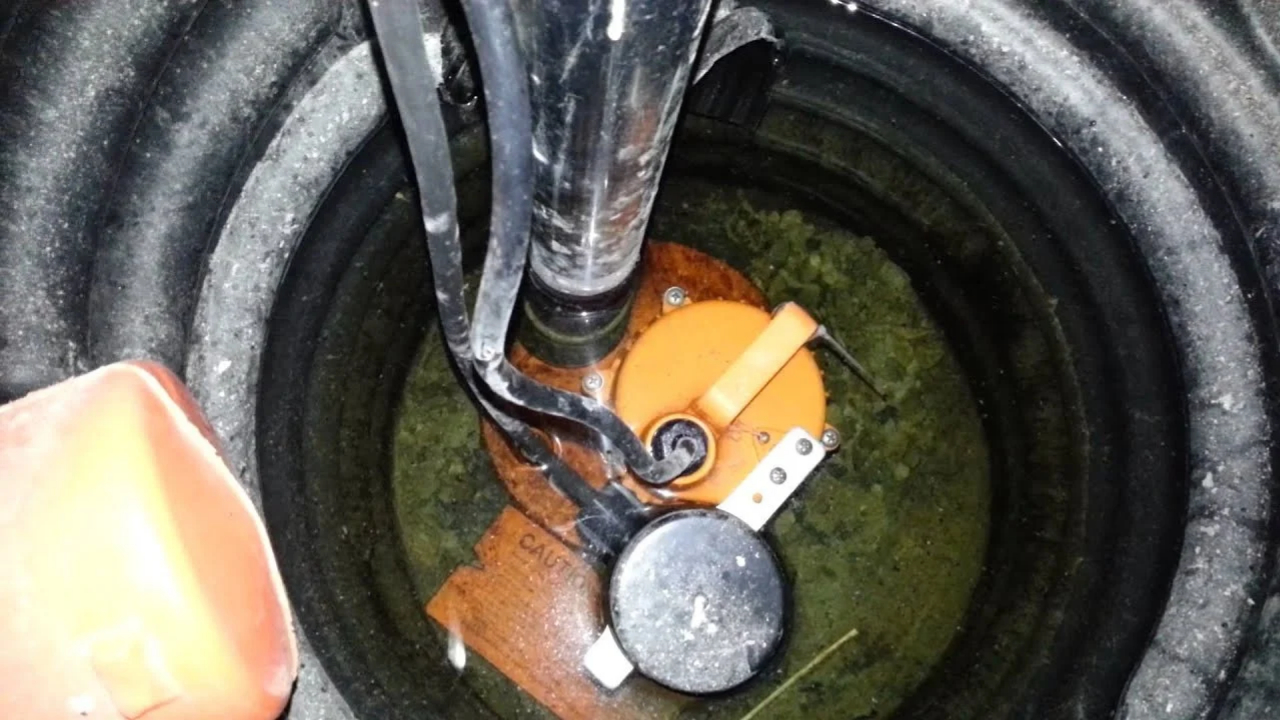
A sump pump that won’t shut off is either seeing “phantom water” or it can’t move the water it has. Sometimes the float is stuck in the up position. Other times the discharge line is blocked, frozen, or partially collapsed, so the pump runs and runs but never drops the pit level.
First, look in the pit with a flashlight and see if the water level is actually falling. If it isn’t, check the discharge outside, the end can be buried in mulch, jammed with leaves, or iced over in winter. If the pump is running dry or hot to the touch, unplug it and fix the cause before you cook the seal.
4. Float Switch Sticks Or Snags
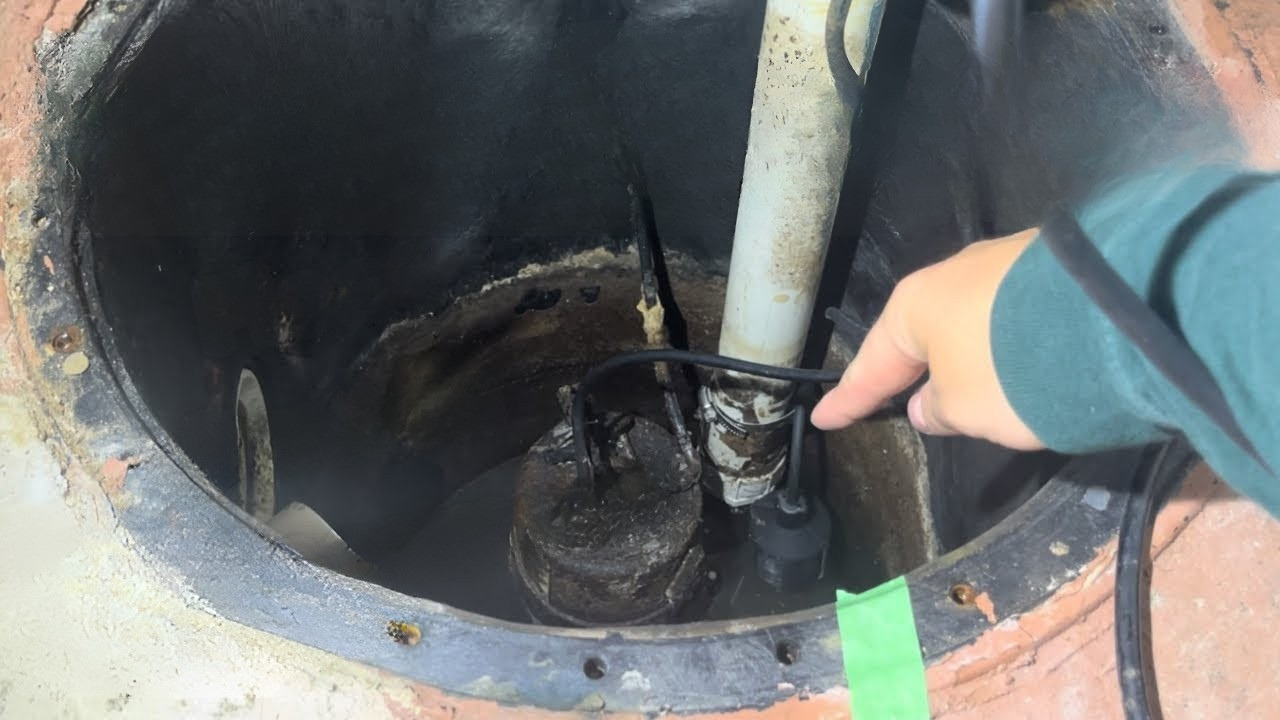
Lots of failures aren’t the pump at all, they’re the switch. The float gets hung up on the power cord, the pit wall, or a crooked discharge pipe, so the pump never gets the signal to start. A switch that sticks “on” is just as bad, because it can run until it burns out.
Open the lid and look for crowded wiring and awkward angles. Tie the cord up so it can’t tangle, but don’t cinch it so tight the float can’t move through its full range. If the switch feels flaky or inconsistent, replacing the switch is often cheaper than a whole new pump, and it’s a fair DIY job if the wiring is plug-in style.
5. The Pit Smells Like Sewer Or Rotten Eggs
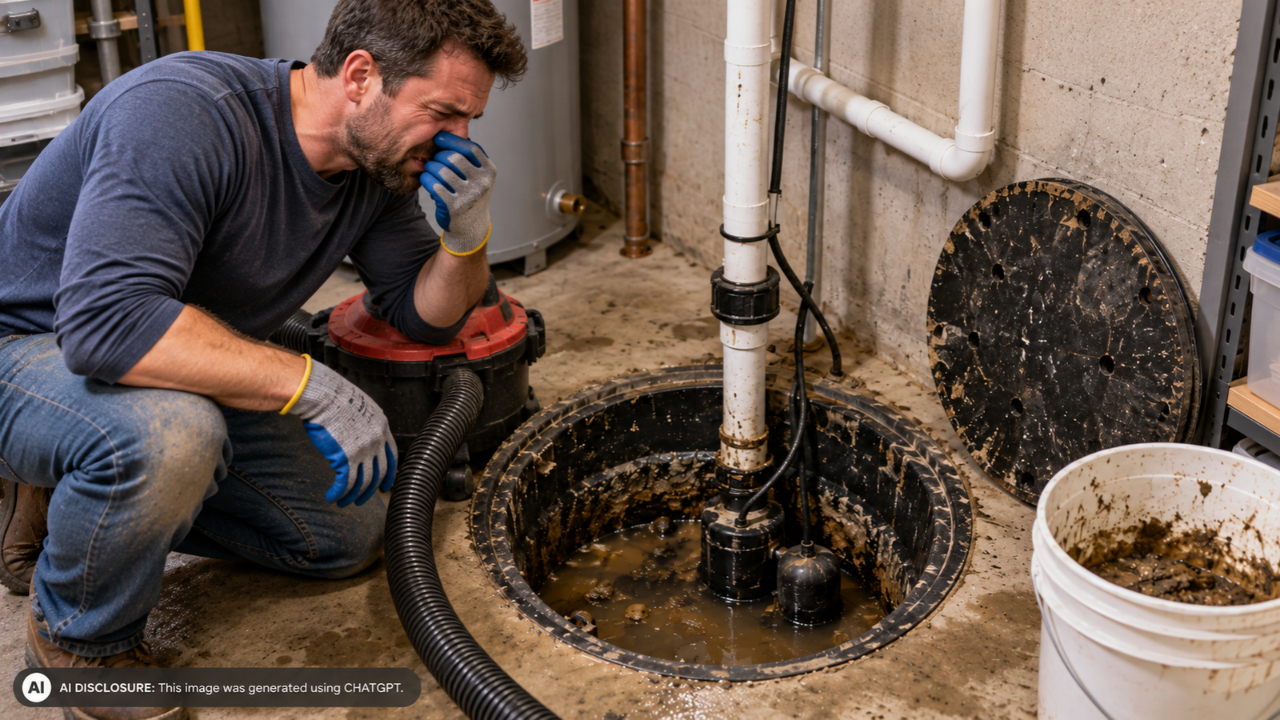
A nasty smell doesn’t always mean the pump is dying, but it’s a strong hint that the pit is full of sludge and bacteria. That muck can jam the impeller, gum up the float, and turn a decent pump into a stressed-out pump. You’ll notice it most in summer or after a long dry spell when the pit water sits.
Scoop out debris, vacuum the bottom with a wet-dry vac, and rinse the pump base. Don’t dump harsh chemicals down there, they can attack seals and won’t fix the real problem. If you have a sealed basin and still get sewer smells, that’s when it’s time to check the plumbing setup, and a plumber may need to look for an incorrect tie-in or a missing trap.
6. Water Shoots Back In After Shutoff
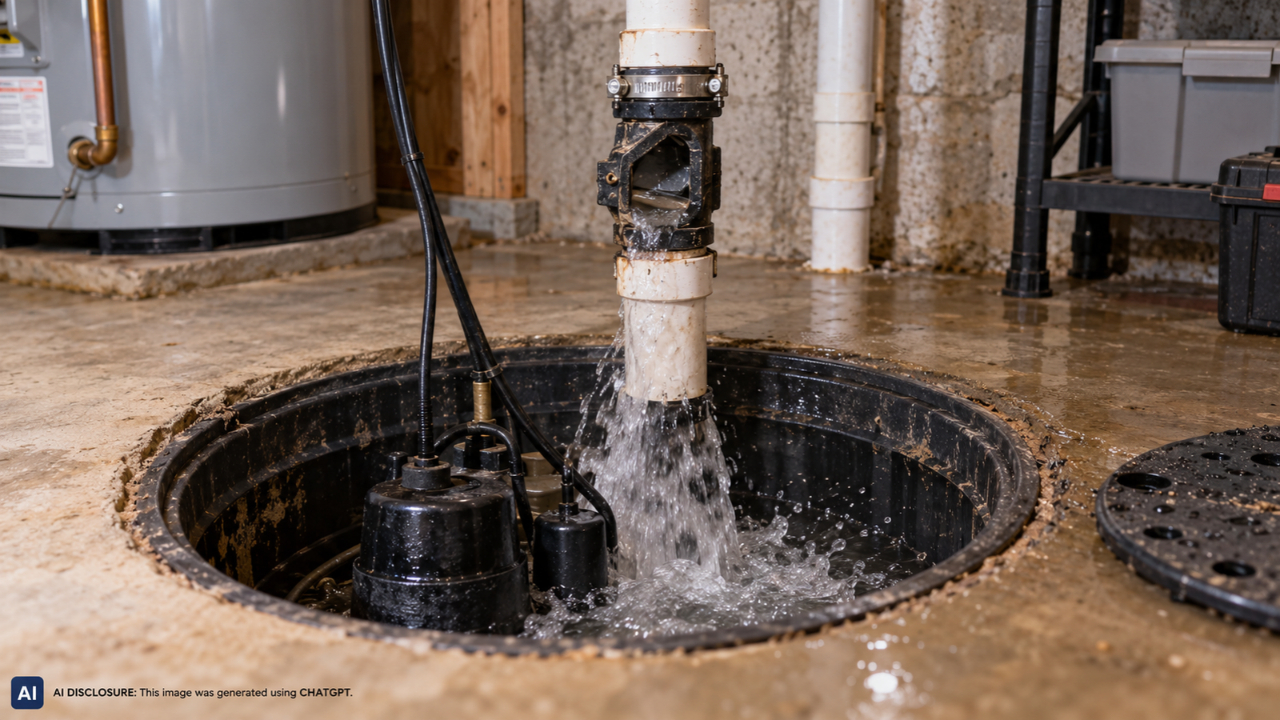
Right after the pump stops, you should hear a brief thump from the check valve, then quiet. If you hear a loud slam, or you see a surge of water dumping back into the pit, the check valve is failing or installed wrong. That backflow makes the pump cycle more and can lead to premature motor wear.
A new check valve costs a few bucks compared to cleaning up a flooded basement, so this is one of the better “fix it now” items. Match the valve size to your discharge pipe, and install it with the flow arrow pointing away from the pump. If your plumbing skills are limited, it’s still a simple swap for many setups, but shut off power first and have towels ready.
7. Discharge Line Freezes Every Winter
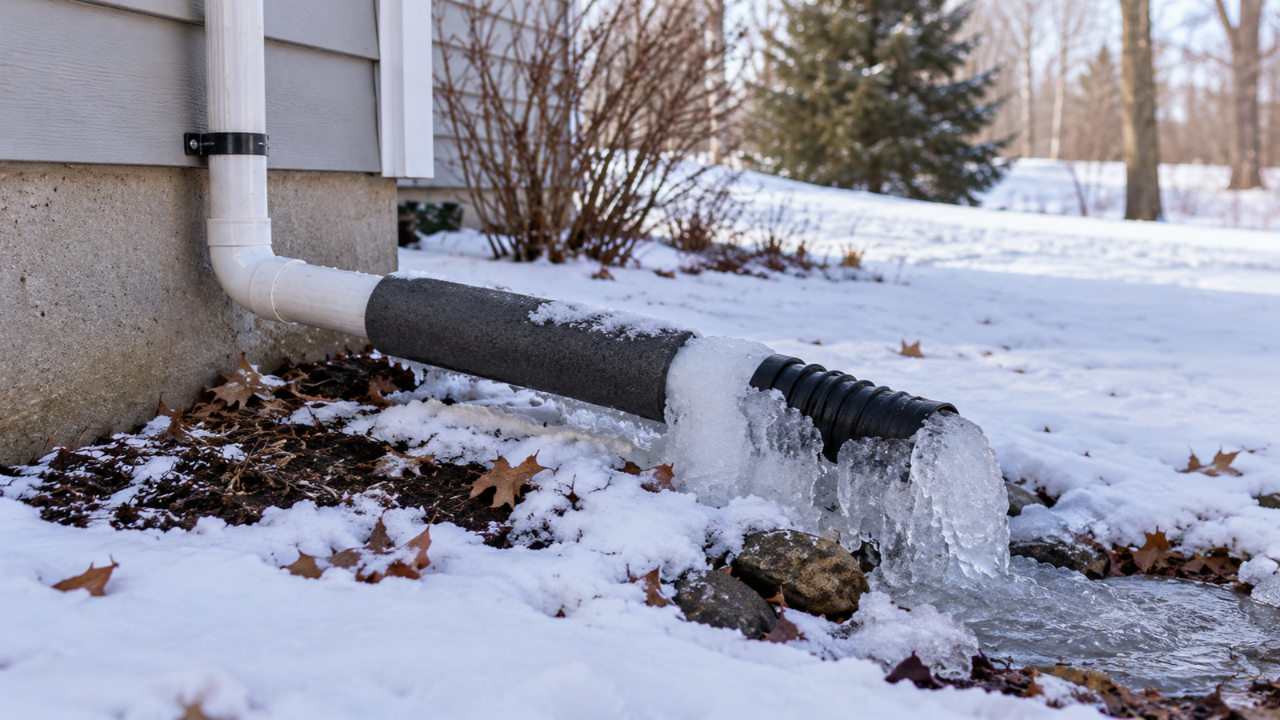
The pump can be in perfect shape and still lose the fight to a frozen discharge. You’ll hear the motor running and see the pit water barely move. In cold snaps, a long horizontal run, a buried line that holds water, or a hose-style discharge left outside can ice up fast.
Fix the layout, not the pump. The discharge needs a way to drain down after each cycle, and it should terminate where water can’t flow back toward the house. If you’re changing piping outdoors, call for utility locates before digging and follow local rules for where you can discharge water. Heat tape can help in some cases, but changing the slope and getting rid of traps in the line usually works better.
8. You Find Rust, Cracks, Or Oil Sheen
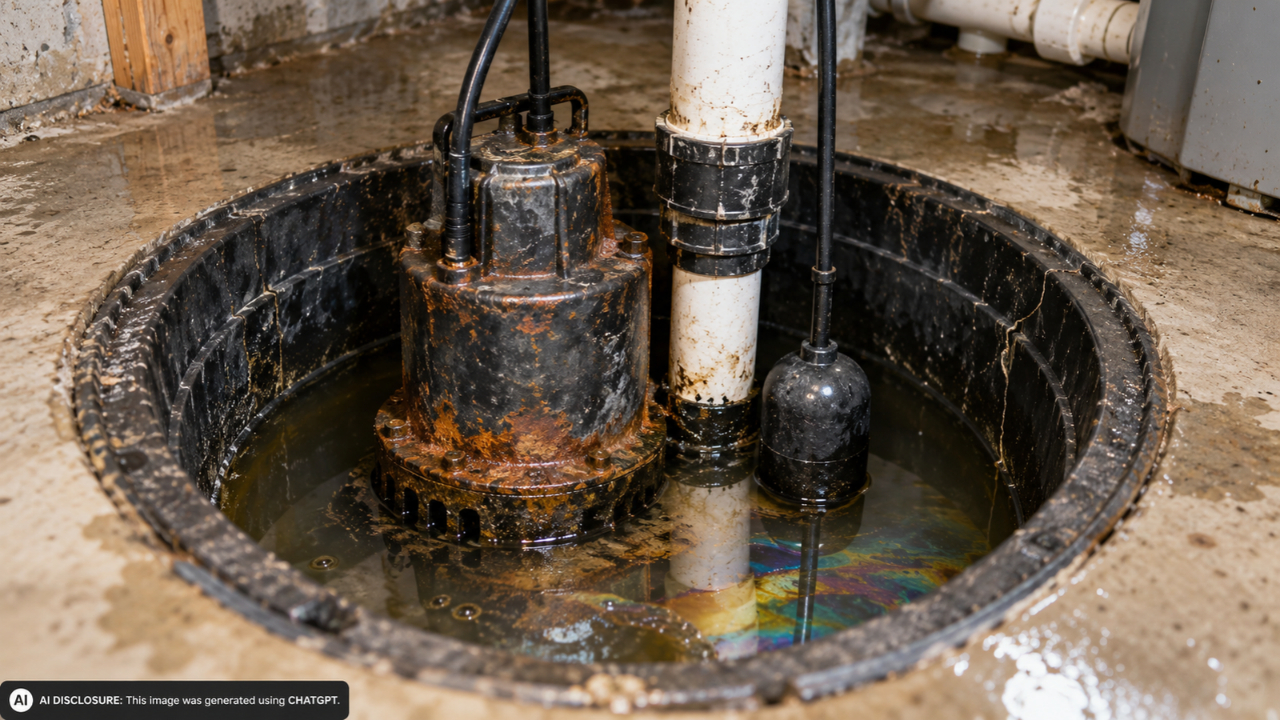
Rusty housing, hairline cracks in plastic, or an oily film in the pit is a bad sign. A cracked pump body can leak and lose pressure. An oil sheen can mean a seal is failing on an oil-filled pump, and that’s usually the beginning of the end.
At that point, stop spending time on small tweaks. Replace the pump and clean the pit so you can spot new leaks later. Put the old one in a bucket for a day if you’re unsure, ongoing drips make the call for you.
9. It Trips A GFCI Or Blows Fuses
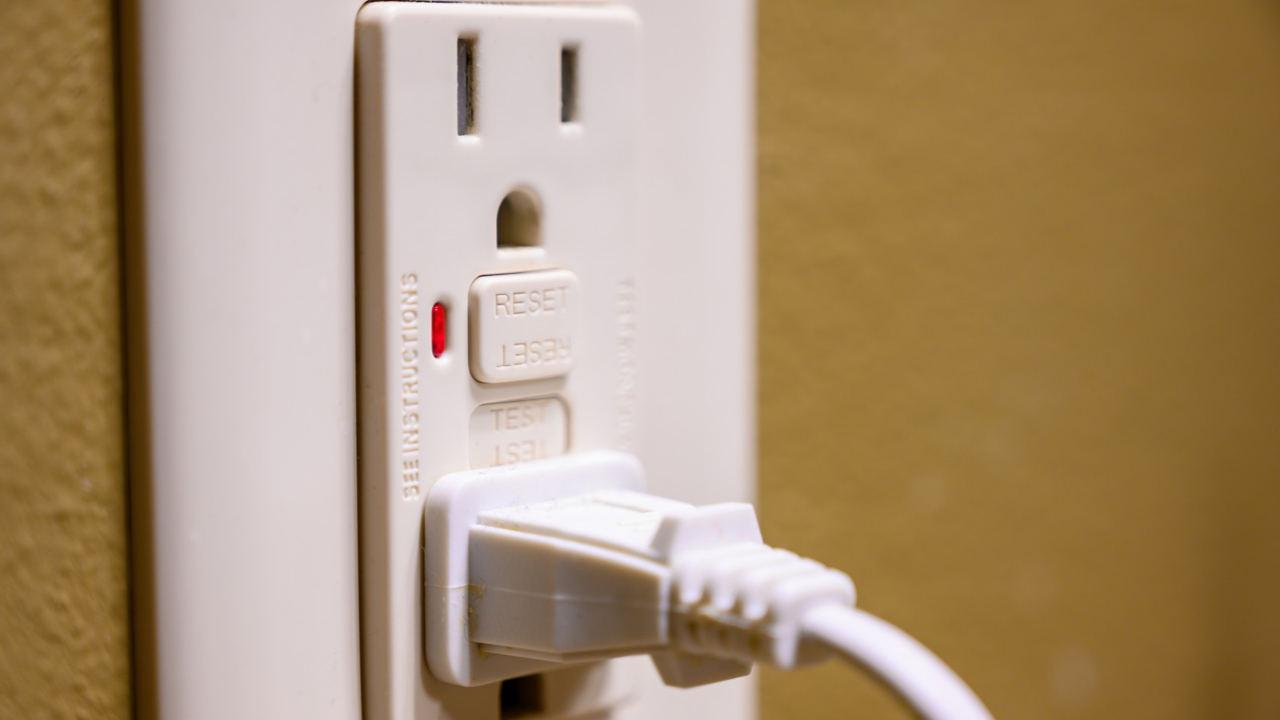
When a sump pump starts popping a GFCI or tripping a breaker, treat it as a warning, not an annoyance. Moisture in the motor, damaged cord insulation, or a failing winding can all trigger trips. Resetting it over and over is how basements flood while you sleep.
Check the outlet first, plug something else in to see if the receptacle is flaky. If the pump cord is nicked or the plug is scorched, replace the pump, cords aren’t a safe DIY splice job in a damp pit. If the breaker itself seems weak or the circuit is overloaded, that’s a job for a licensed electrician, especially if you’re tempted to change panel parts.
10. Battery Backup Tests Bad Or Never Runs
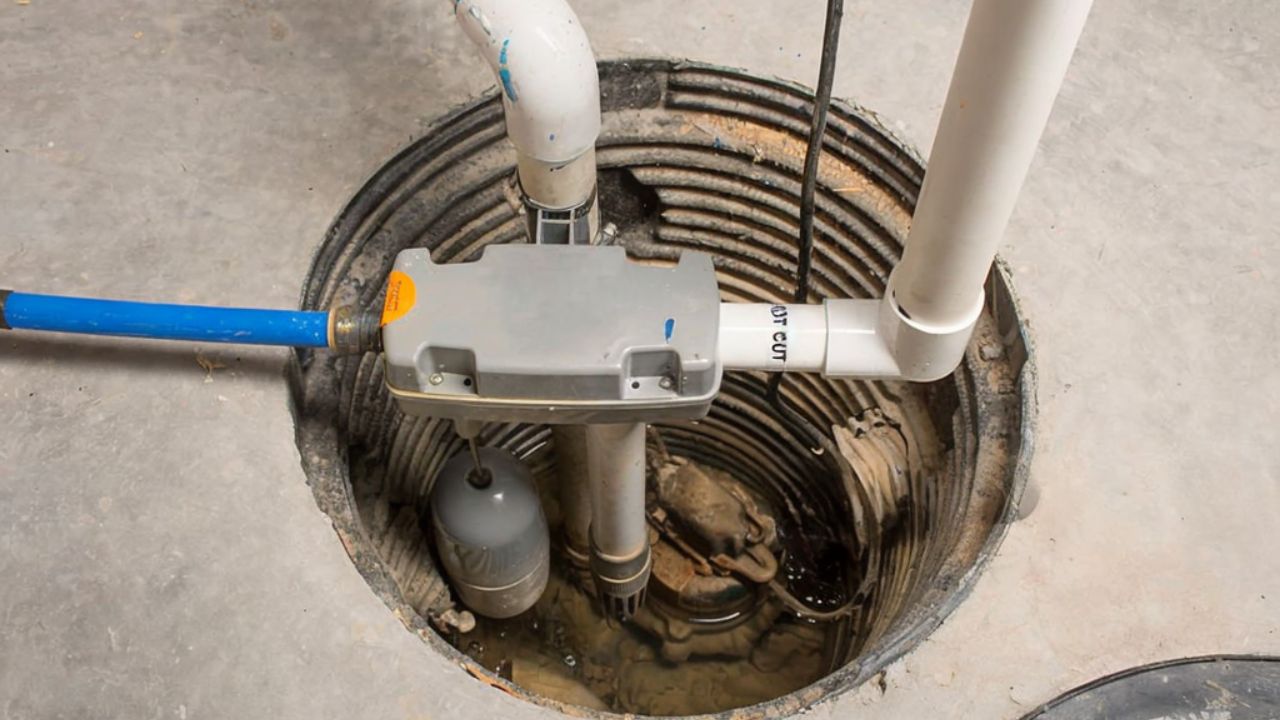
A backup system that beeps, shows a weak battery, or fails a test run is basically dead weight. You won’t find out until the power flickers during a thunderstorm and the primary pump stalls. Batteries also hate sitting in a hot, humid corner for years with no checks.
Test it a couple times a year by unplugging the main pump and raising the float to force a run, then plug it back in. Here’s the honest exception: if your basement rarely takes on water and outages are short, a basic backup setup can be enough, and you don’t need the fanciest control panel on the shelf. What you do need is a battery that holds a charge and a charger that isn’t cooked.
When any of these signs show up, deal with it while the pit is dry and the weather is calm. Keep a spare check valve, a spare float switch if yours is separate, and a wet-dry vac handy, they save time when things go sideways. If you end up replacing the pump, write the install date on it with a paint marker so you’re not guessing later.
Like Fix It Homestead’s content? Be sure to follow us.