10 Tips for Finding and Fixing Roof Leaks
Photo credit: Toa55/ Shutterstock.com
A roof leak doesn’t always show up as a steady drip from the ceiling. Sometimes it starts as a stain, a musty smell, or a soft spot in the attic. And once water finds its way in, it usually keeps coming until something’s done about it.
The good news is, with a little time and patience, you can track down the source and fix a lot of roof leaks yourself—before they cause serious damage. Here are 10 tips that’ll help you find the problem and deal with it the right way.
Start in the Attic
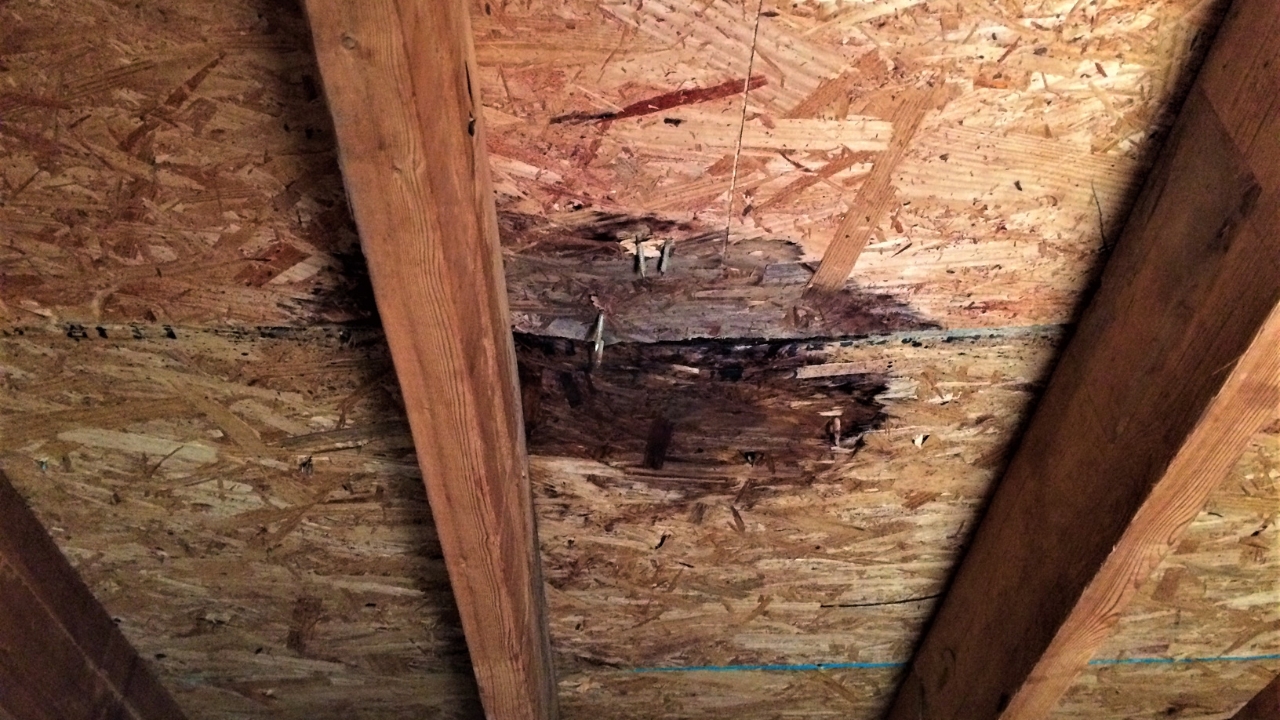
If you have attic access, that’s the best place to begin. Bring a flashlight and look for wet spots, dark stains, mold, or areas where the insulation is damp or matted down.
Follow the water trail uphill—gravity pulls water down, so the leak is usually higher than where the stain shows up. You might not see an obvious hole, but discoloration or wood rot can help point you in the right direction.
Check for Water Damage After Rain
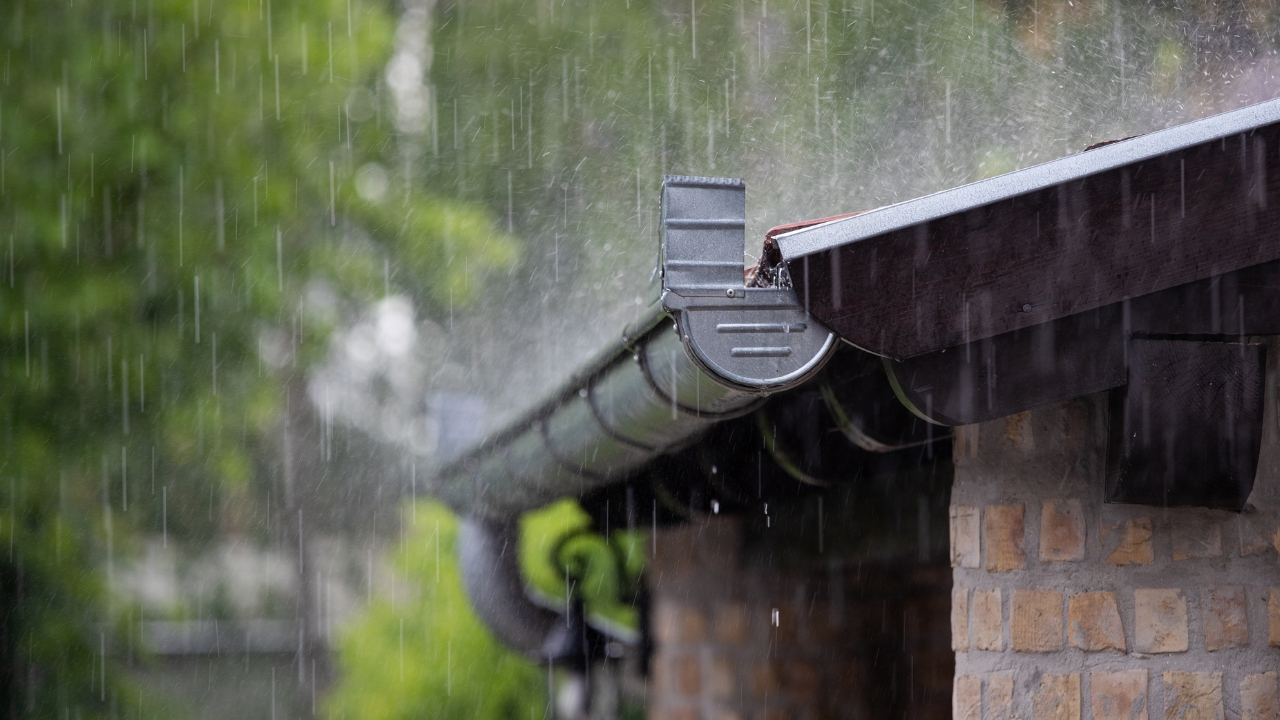
The easiest time to spot an active leak is during or right after a heavy rain. Head to the attic and check the areas around vents, chimneys, and roof valleys.
If the rain has stopped, look for fresh water spots or areas that feel cold and damp. Keep a towel or bucket handy to catch any active drips while you track it down.
Inspect Roof Penetrations
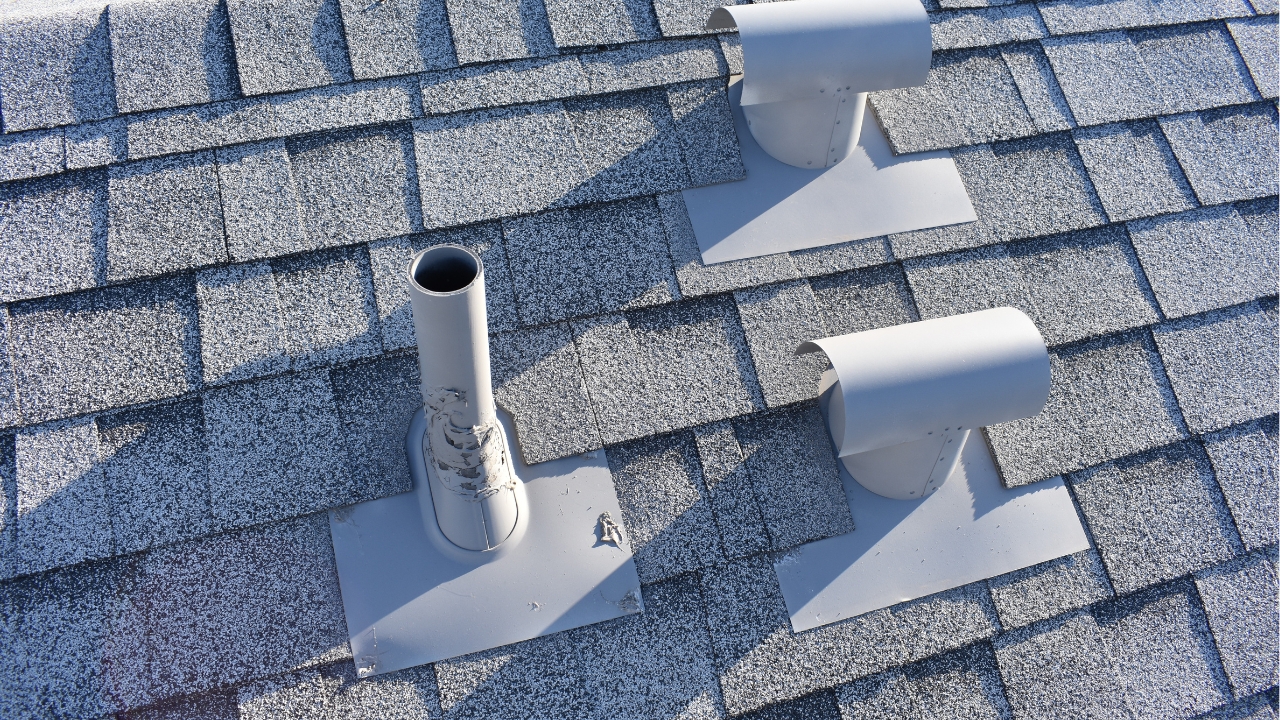
Most roof leaks happen around penetrations—places where something passes through the roof, like a vent pipe, chimney, or skylight. These areas rely on flashing, and flashing can fail.
Check for cracked sealant, loose flashing, or gaps around the base. If something looks off or moves when it shouldn’t, it’s probably letting water in.
Look for Missing or Damaged Shingles
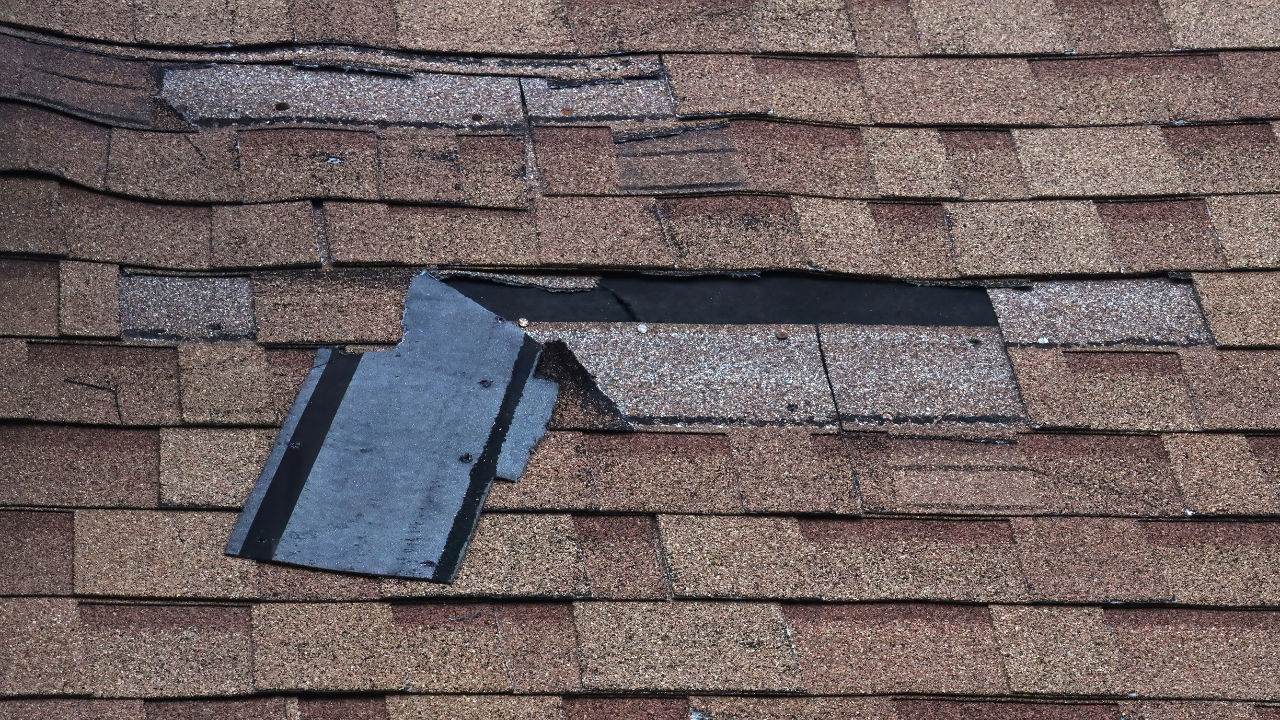
Stand back and look at the slope of your roof from the ground. You’re looking for curled, cracked, or missing shingles, especially after a storm.
If shingles are torn off or out of place, water can sneak under the ones around them. Even one missing shingle can lead to a bigger leak if left alone.
Use a Hose to Simulate Rain
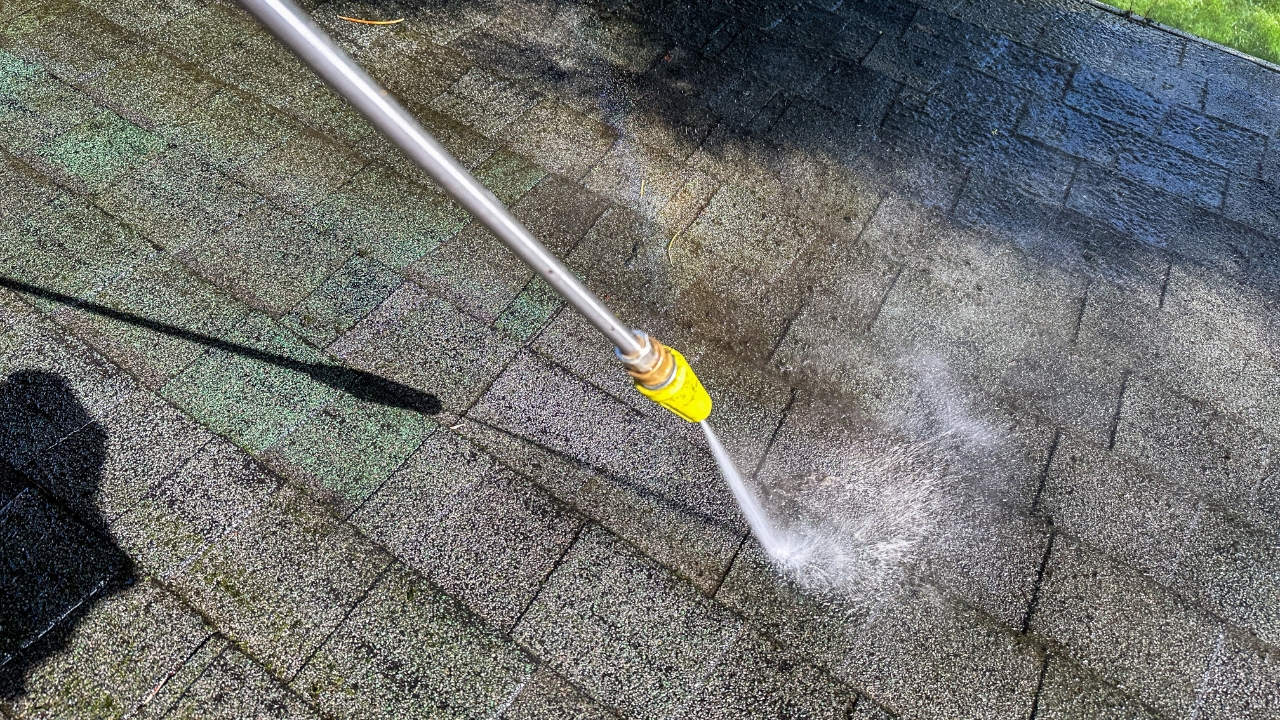
If you can’t find the leak in dry weather, have someone spray sections of the roof with a hose while you check the attic below. Move slowly—one area at a time.
Give each section a few minutes before moving on. Once you spot the drip, you’ll know exactly where to focus your repair.
Replace Cracked or Dried-Out Sealant

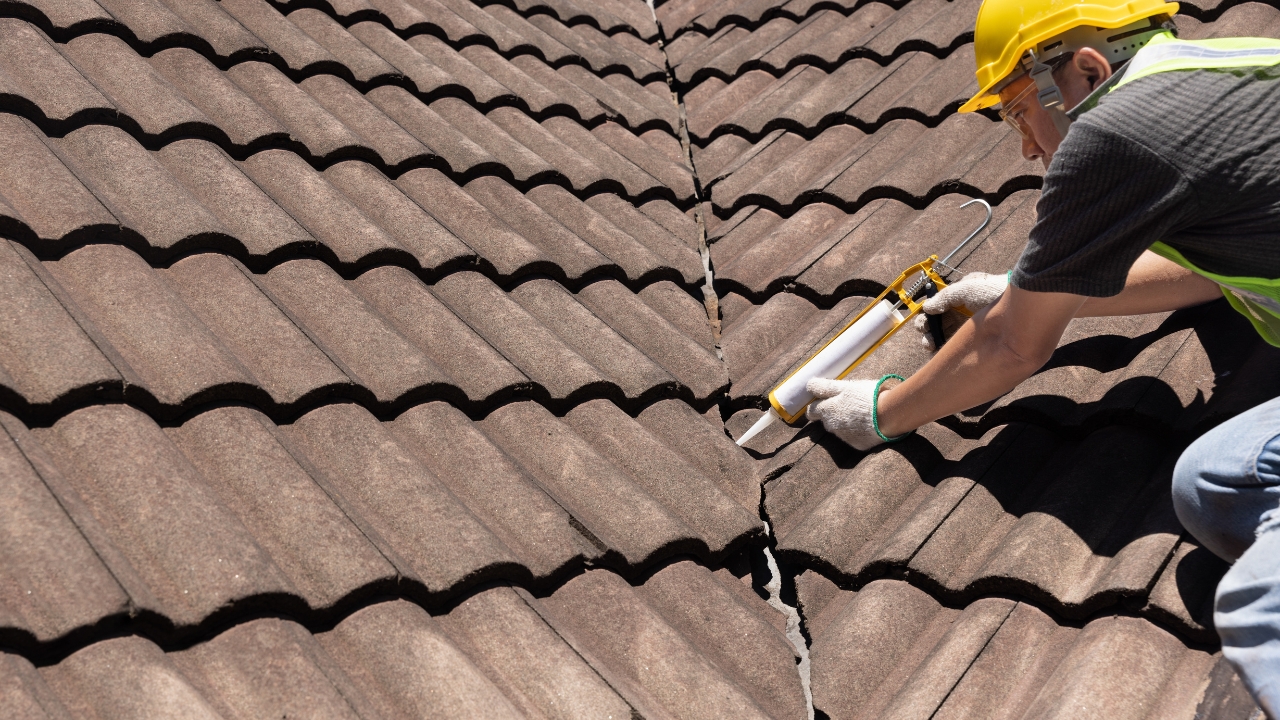
Old caulk or roof sealant doesn’t last forever. Over time, it dries out and starts to crack, especially around vents and flashing.
Remove the old sealant completely and clean the area before applying new. Don’t just add a fresh layer on top—it won’t stick right or last long.
Check the Flashing Around the Chimney
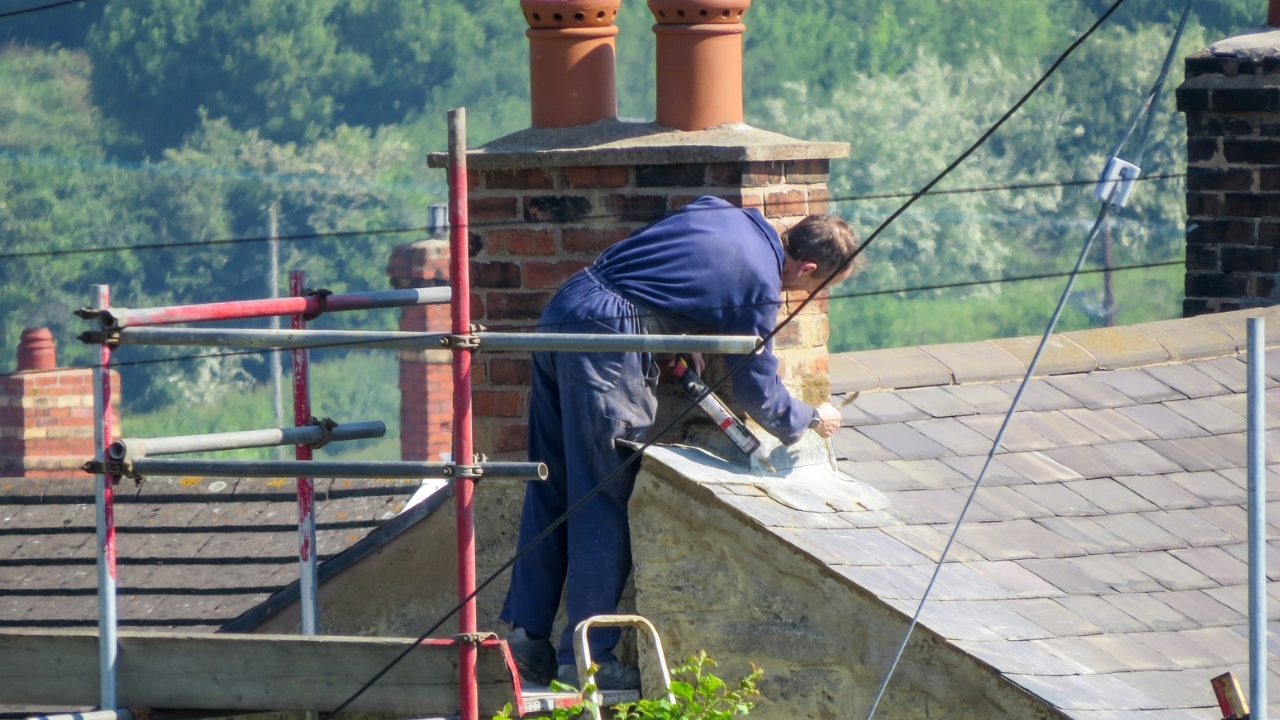
Chimneys are a common source of roof leaks. Water can get in where the flashing meets the brick or where the counterflashing is loose.
Look for rust, gaps, or lifted edges. You can often reseal small gaps with high-quality roofing sealant, but damaged flashing may need to be replaced entirely.
Don’t Overlook the Roof Valleys
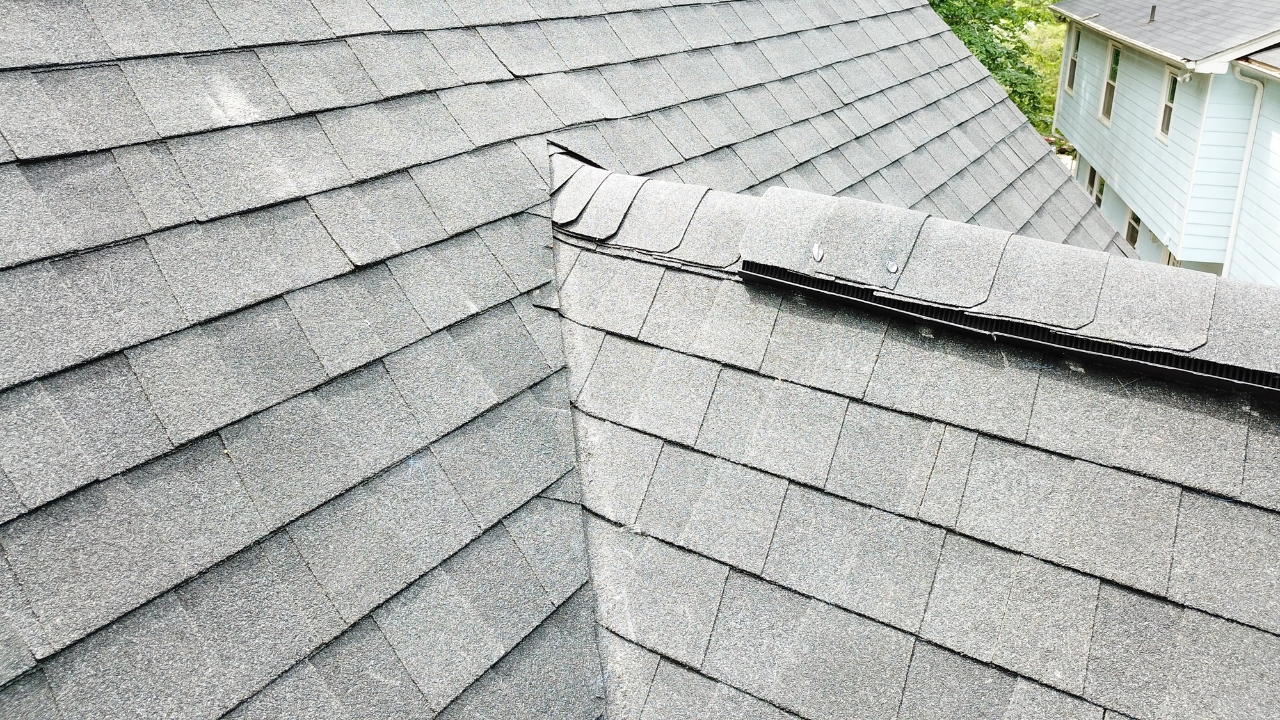
Where two roof slopes meet, the valley channels a lot of water. If the shingles in this area are worn, loose, or missing, leaks are likely.
Check for buildup of debris, damaged flashing, or open seams. Roof valleys are tricky, so if there’s visible damage, it might be best to call a pro to avoid making it worse.
Make Small Repairs With Roof Cement or Tape
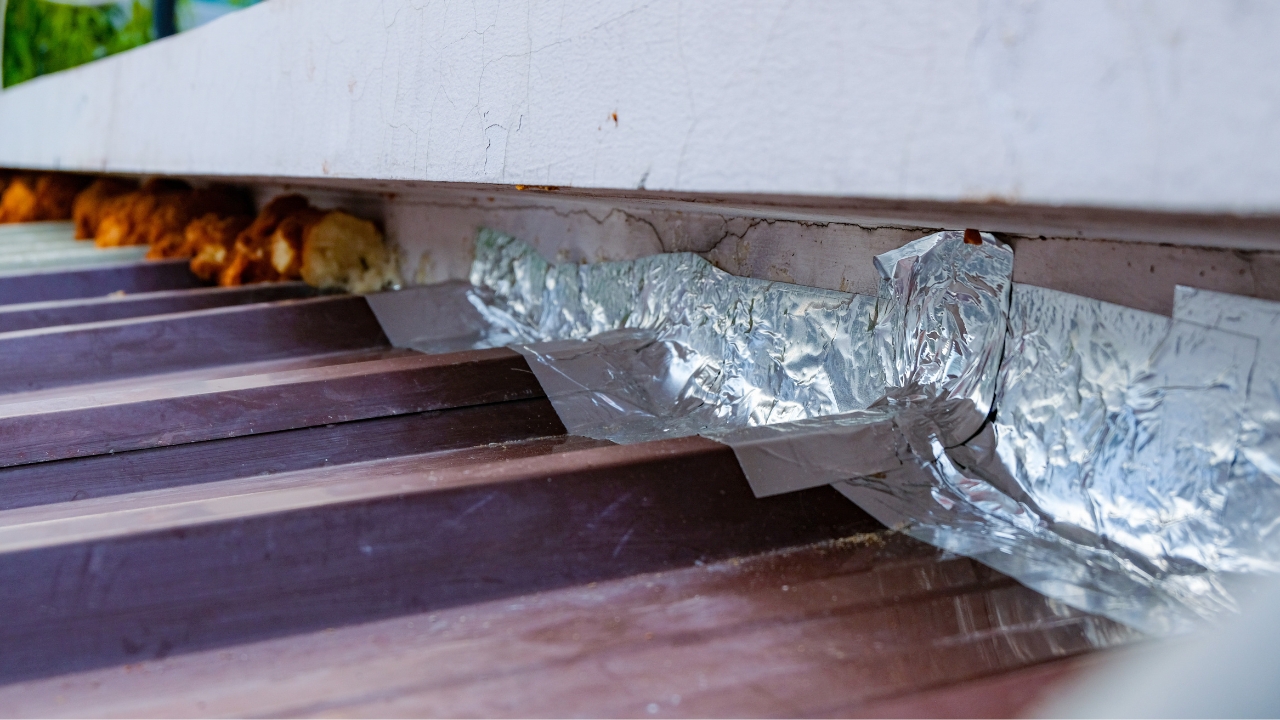
Once you’ve found the source, minor repairs can be handled with roofing cement or peel-and-stick repair tape. These work best on small cracks or holes in shingles or flashing.
Clean the surface first and press the material down firmly. These are solid temporary fixes that can buy you time until a more permanent repair is made.
Don’t Ignore Small Leaks

Even if it’s just a drip during a heavy rain, small leaks almost always get worse. Water can rot wood, damage insulation, and create a perfect environment for mold.
Fix it now before it spreads. Catching and patching a small leak is easier and cheaper than dealing with ceiling repairs or structural damage later on.
Like Fix It Homestead’s content? Be sure to follow us.