10 Yard Jobs That Are Much Harder Once the Ground Freezes
Photo credit: Sabrewolf/Shutterstock.com
The first hard freeze turns your yard from workable to stubborn overnight. Soil that used to take a shovel now rings like a brick, and little “weekend tasks” stretch into cold, messy marathons. If you want winter to be easier and spring to start on your schedule, a few jobs need to happen before the ground locks up.
1. Digging Post Holes And Footings
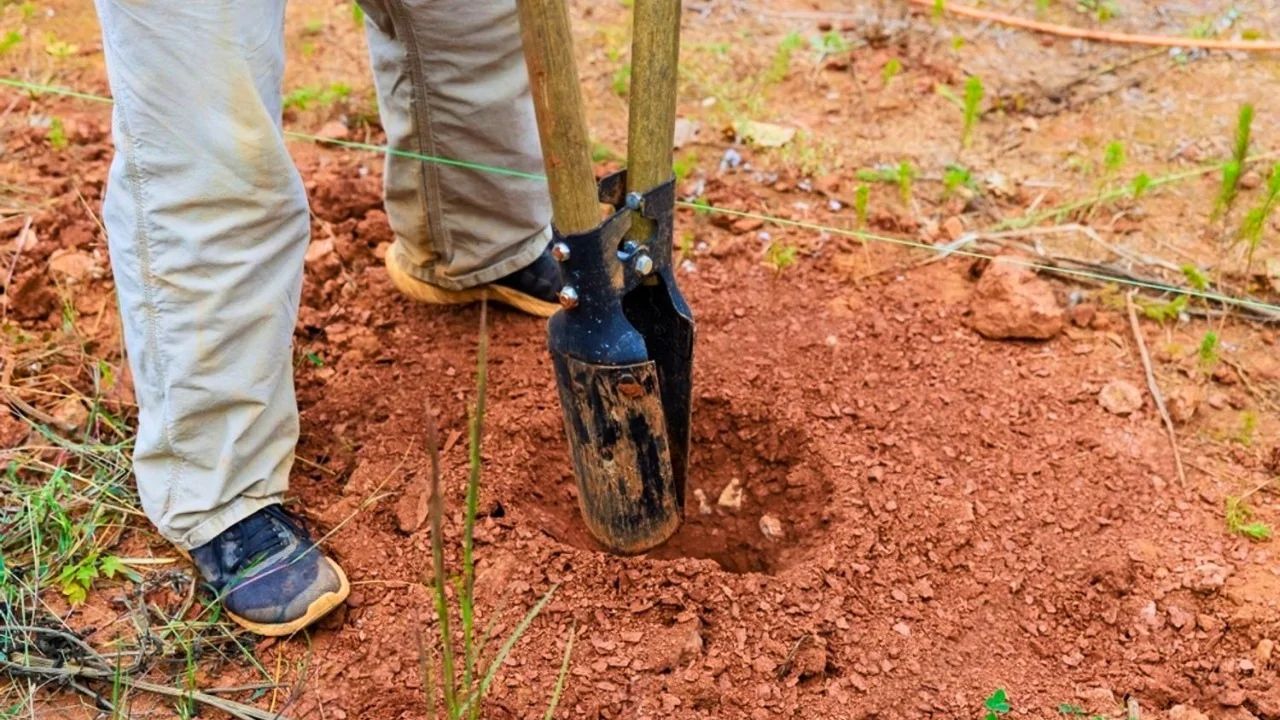
Once the frost line starts forming, digging turns into chipping. Your shovel bounces, the post hole digger won’t bite, and you end up widening the hole just to make progress. That extra effort often means a looser set, more concrete, and posts that still shift after a thaw.
If you need posts for a fence repair, a gate, or a small lean-to, do it before freeze-up and call for utility locates first. For anything that needs a real footing depth, check local code and frost depth rules. If you’re already frozen in, renting a powered auger can help, but in hard frost it still becomes a slow grind.
2. Trenching For Water Or Electric Lines
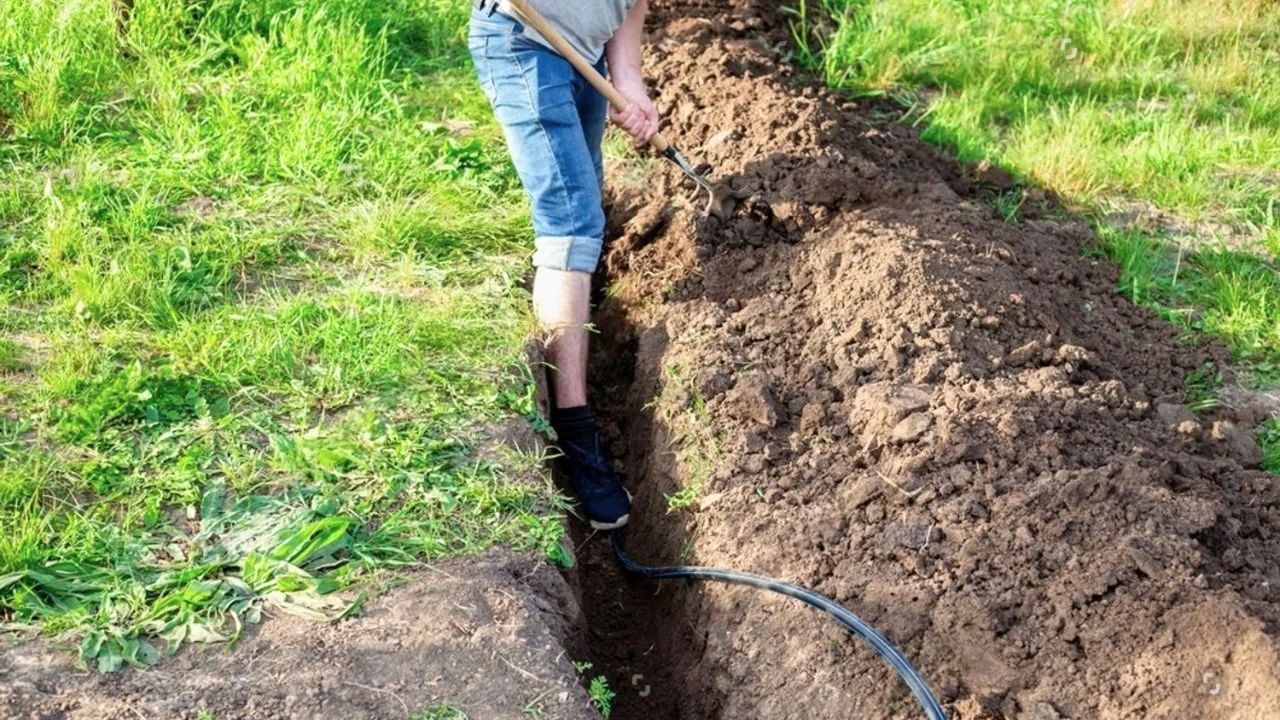
People put this off because it’s “just a shallow trench,” then January shows up and you can’t even get the first inch. Frozen ground makes trenching slower and rougher on your body and tools. If you push it anyway, you risk a too-shallow line that freezes, heaves, or fails.
Anything involving buried electrical should follow code, and a permit may apply. A licensed electrician is the right call if you’re extending circuits or feeding an outbuilding. If it’s irrigation or a yard hydrant, get the trench depth right before winter, and bed lines properly so rocks don’t rub holes into them over time.
3. Fixing Drainage And Low Spots
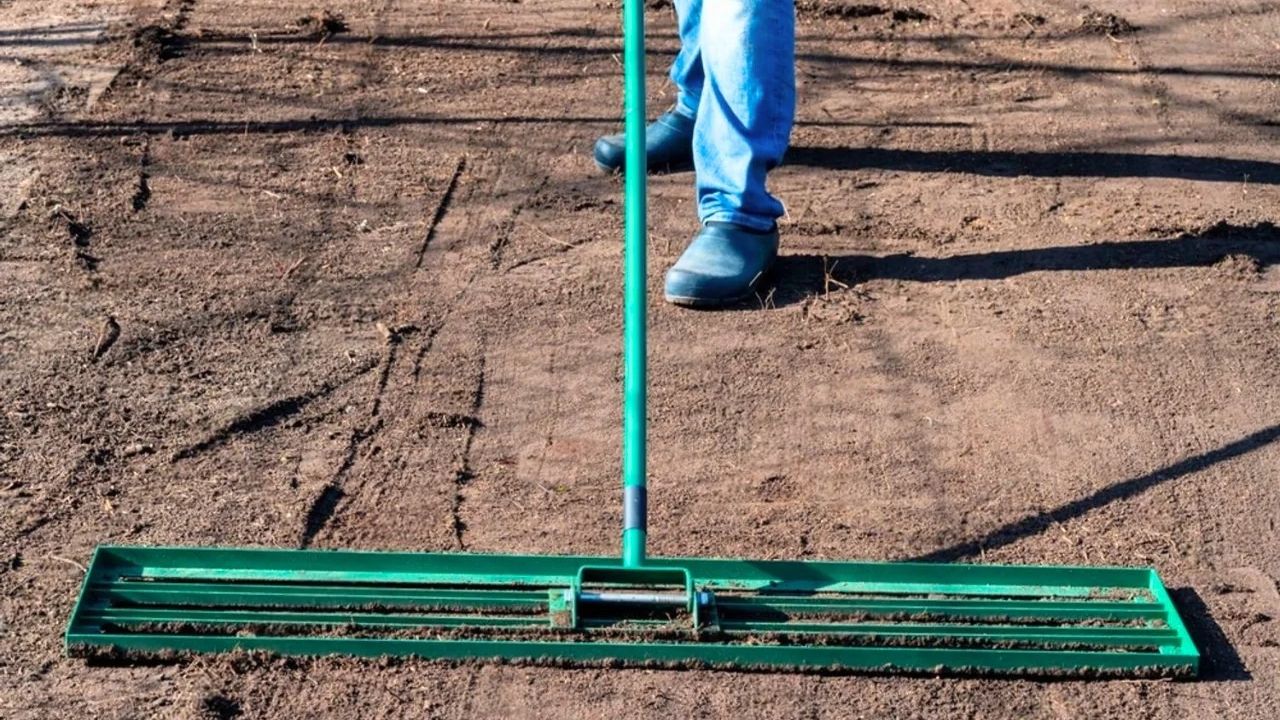
When the yard is still soft, you can reshape swales, build up dips, and smooth ruts. After a freeze, soil won’t grade cleanly, and you’ll end up dumping fill that sits in lumpy piles until spring. Meanwhile, meltwater runs where it wants, usually toward your foundation, your driveway, or your barn door.
Do the small fixes early: extend downspouts, add splash blocks, and pull soil away from the house so it slopes out. For bigger drainage work, plan the pitch and move dirt while you can still rake and tamp it. If you’re dealing with serious water against a basement wall, that’s when it’s worth calling a drainage contractor instead of guessing.
4. Dividing Perennials And Moving Shrubs
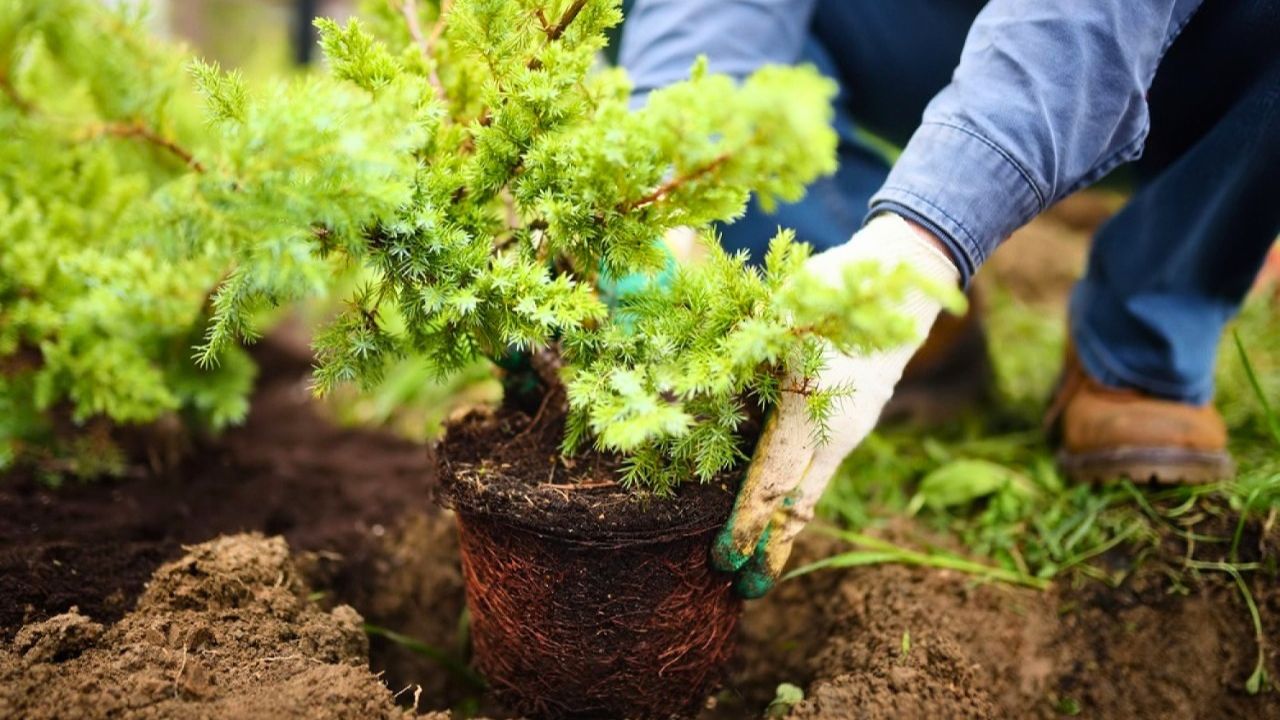
Transplanting is all about roots, and roots need workable soil. Try to move a shrub after the ground freezes and you’ll tear up the root ball, crack frozen soil into chunks, and fight a hole that won’t widen. Even if you muscle it in, the plant goes into winter stressed and dry.
Get this done in early fall while the plant can settle and you can water it in well. Mulch lightly to hold moisture, but don’t pile it against stems or trunks. The exception is dormant bare-root planting in some climates, but that still needs diggable soil, not concrete-hard frost.
5. Pulling Stumps And Big Roots
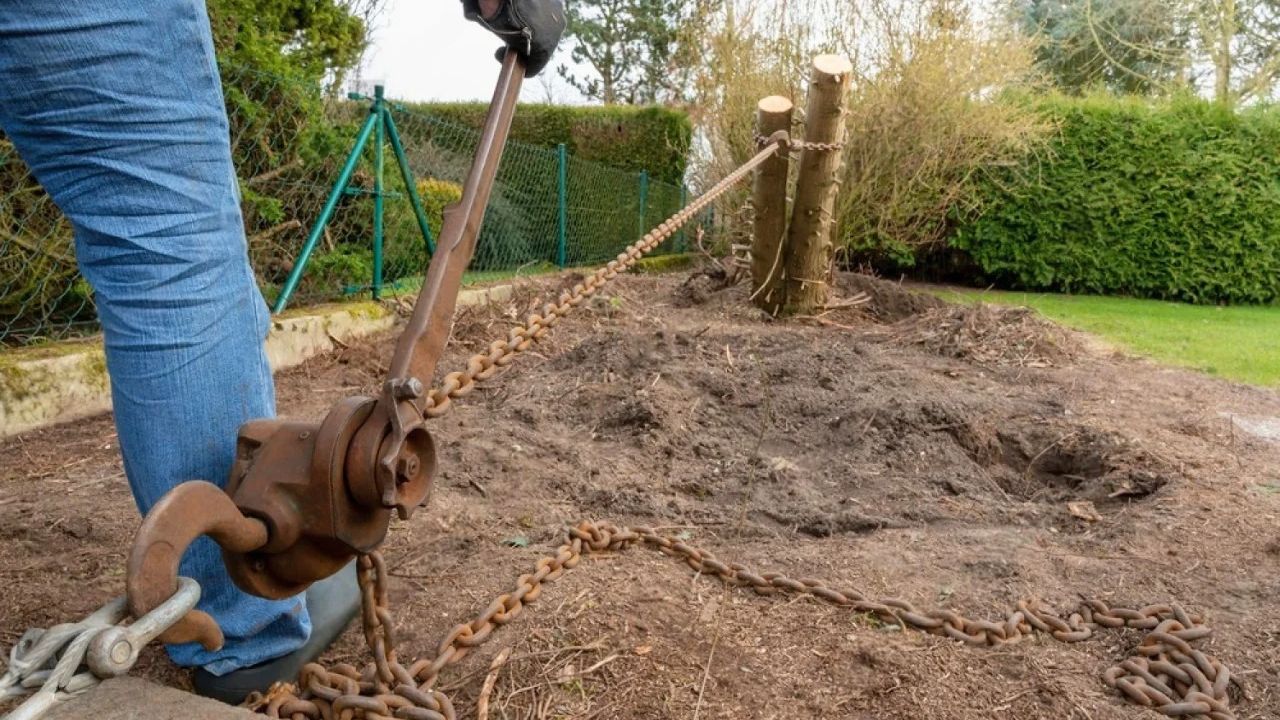
Frozen ground seems like it would “hold” better for pulling, but it usually works against you. Chains and winches end up yanking at odd angles, roots snap instead of releasing, and you can damage equipment or nearby trees. If you try to dig around the stump, you’ll burn hours just breaking crust.
Late summer through fall is the time to cut, dig, and sever roots cleanly. If you’re using a tractor, keep pulls low and steady and stay within what your machine is built to do. For large stumps near utilities or structures, paying for a stump grinder is often the smarter move than wrecking a weekend and a back.
6. Burying Downspout Drains And Pop-Ups
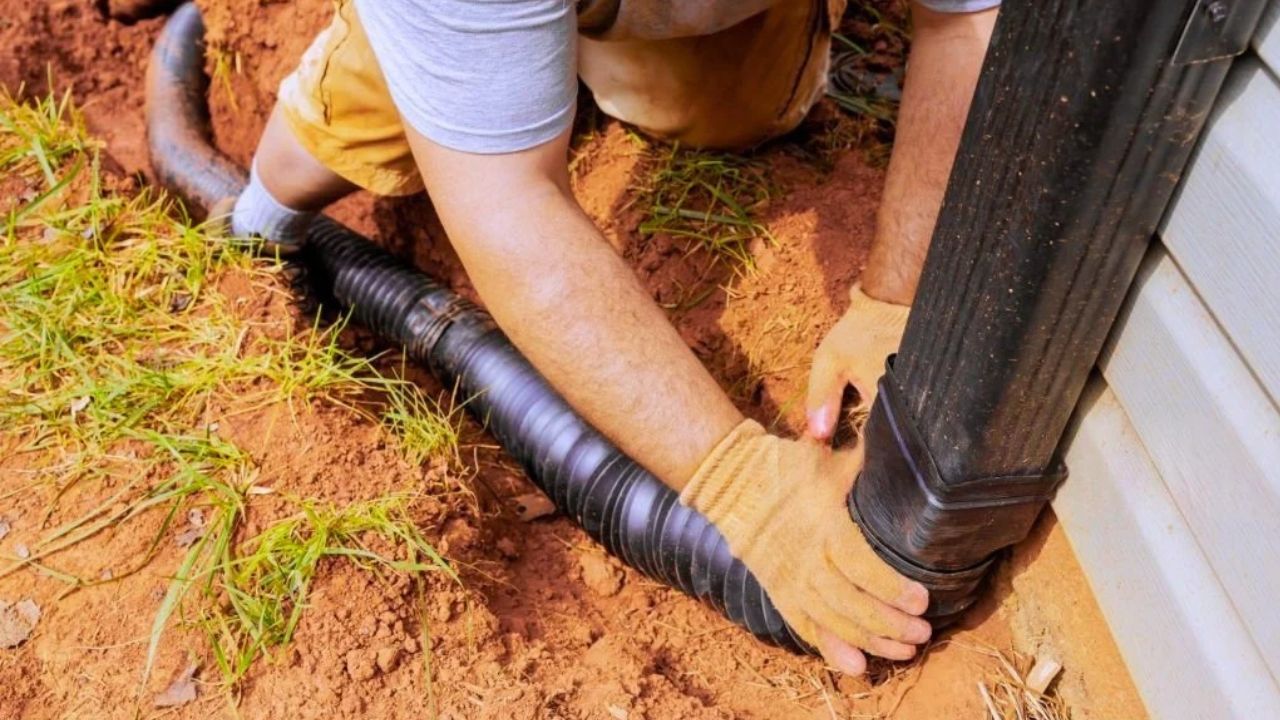
Those soggy spots by the foundation don’t stop being a problem in winter. They turn into ice sheets, and then you’re chopping a path just to take out trash. If you wait until the ground is frozen to bury a drain line, you’re stuck with surface water all season.
Install the pipe when you can still trench and set slope. Use smooth-wall pipe for long runs where clogs are a pain, and keep fittings accessible. Before you backfill, run water through to check flow, because fixing a bad pitch in frozen soil is a special kind of misery.
7. Cleaning Gutters After Leaf Drop
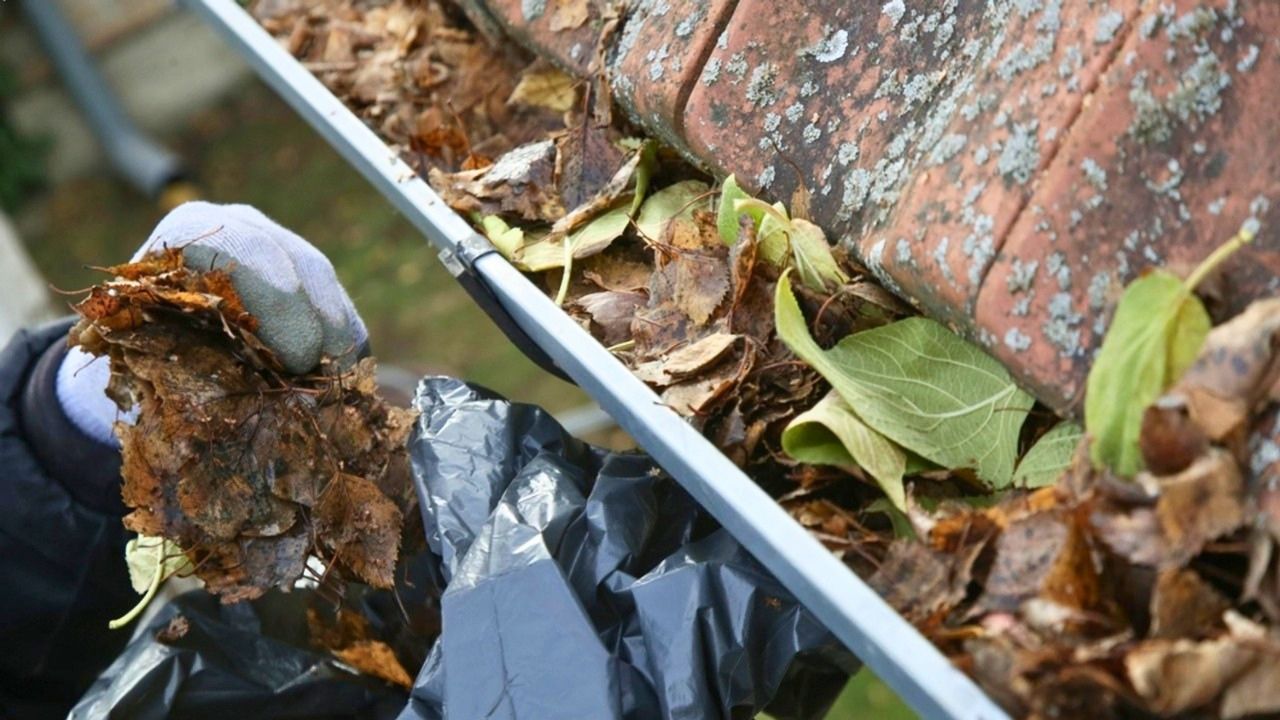
The “I’ll do it next weekend” move turns into a ladder job on a cold, slick day. Wet leaves freeze into a heavy mat, and downspouts plug solid. Then you get ice dams, overflow, and sheets of ice where water spills off the eaves.
Clean them after most leaves are down but before regular freezes. If you hate ladder work, gutter guards can help, but they’re not magic and some styles still need maintenance. A simple gutter scoop and a hose on a mild day beats hammering out frozen sludge later.
8. Spreading Compost And Topdressing Beds
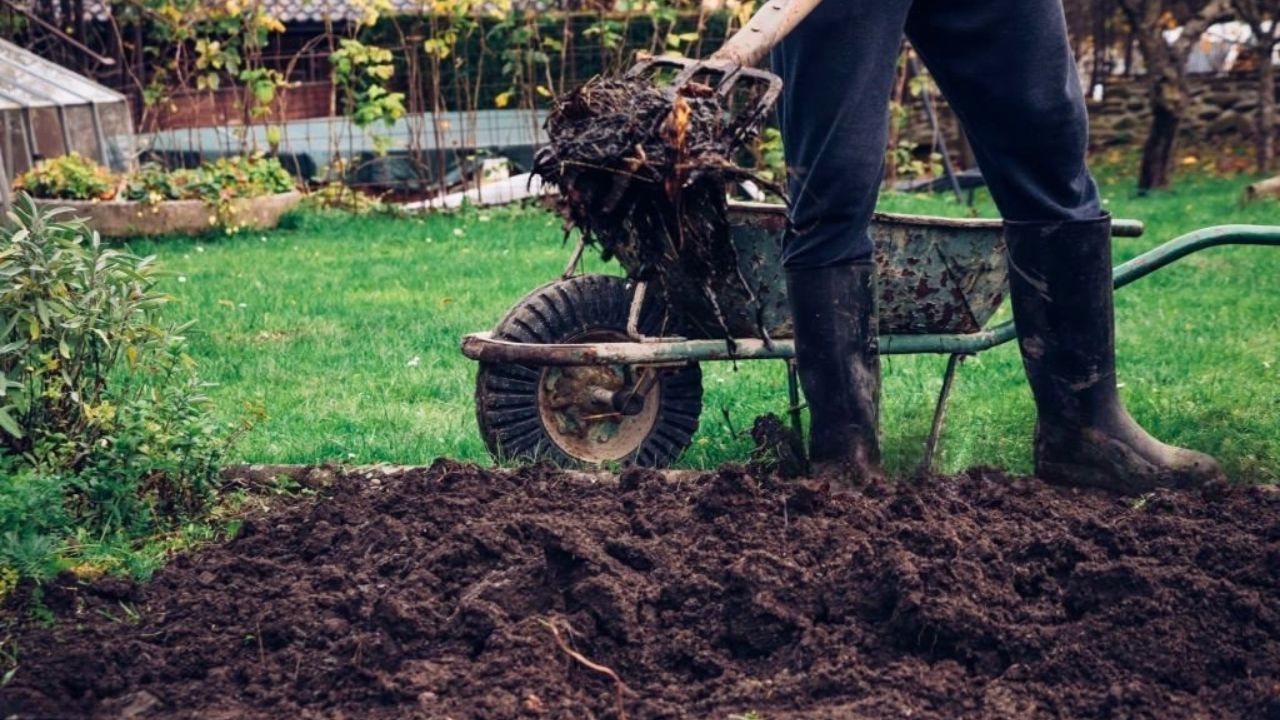
Compost that spreads nicely in October becomes frozen clods you can’t break apart in December. You end up dumping chunks that sit there until spring, and you can’t work them in without tearing up frozen soil structure. The job turns into wasted effort with dirty gloves.
Topdress beds and around trees while the ground is still open. You don’t have to till it in, just spread a thin layer and let worms and weather do the mixing. Bagged compost is fine for small areas if it’s what you can handle, just don’t leave bags outside to freeze into bricks.
9. Repairing Ruts And Potholes In Gravel
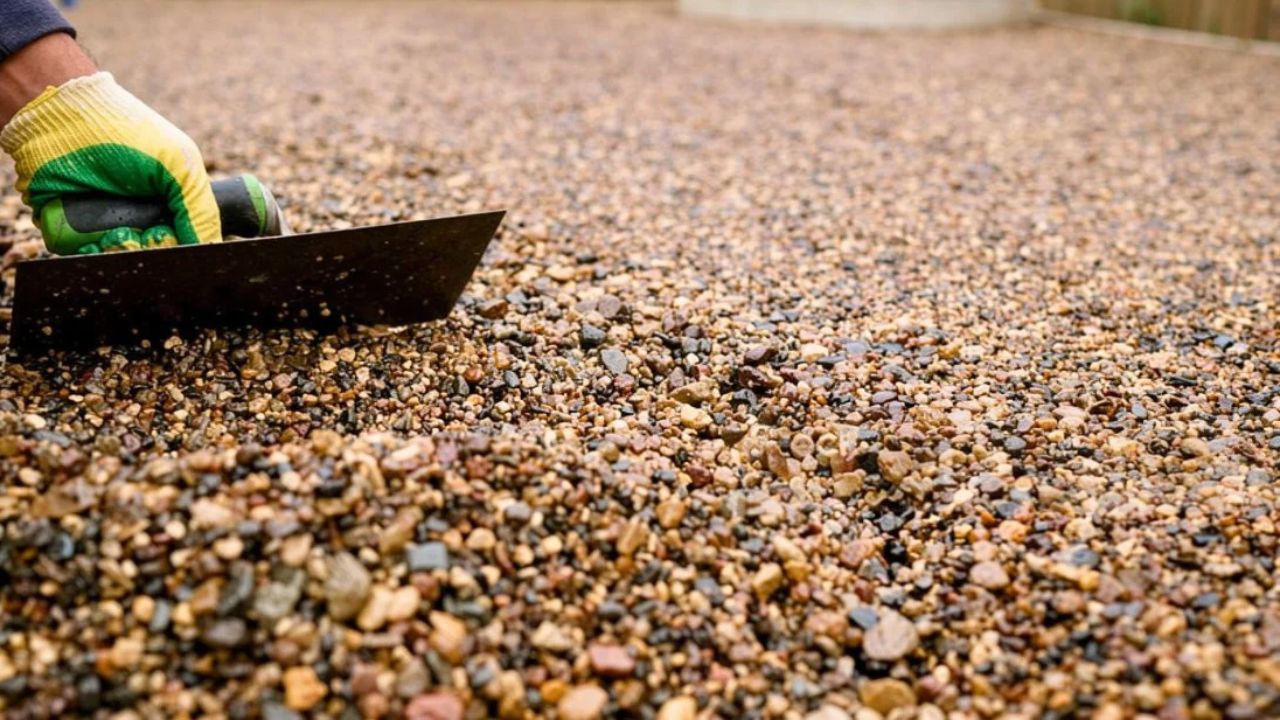
Gravel driveways and lanes get chewed up right when you need them most. Once freeze-thaw starts, ruts lock in place and potholes fill with ice. Every pass with a truck makes the edges sharper, and spring mud season hits harder.
Do a quick regrade before winter if you can, even if it’s not perfect. Add fresh gravel to low spots and crown the surface so water sheds. If you wait until the base is frozen solid, the new gravel won’t knit in and it will scatter the first time you plow or drive over it.
10. Winterizing Hoses, Hydrants, And Irrigation
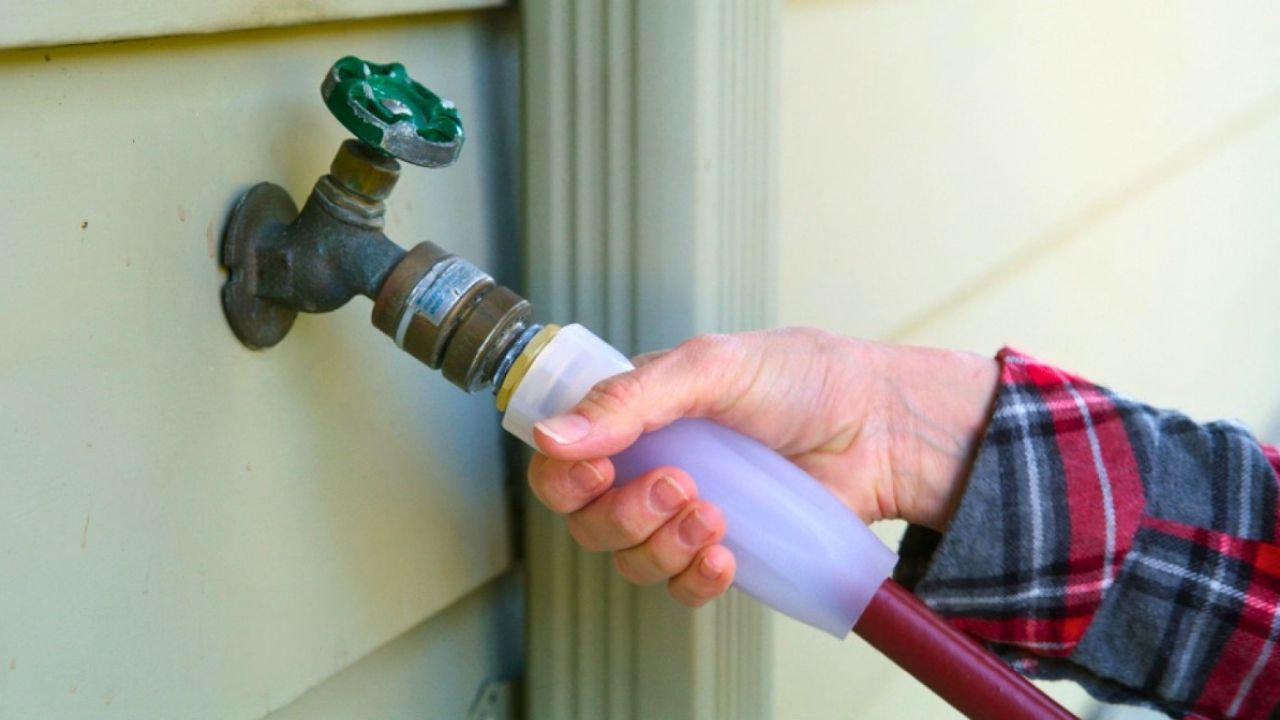
People wait for the first cold snap, then a hose bib cracks anyway because water was trapped behind a closed nozzle. Frozen ground also makes it harder to fix a broken yard hydrant or a split irrigation line, because the leak shows up when you can’t dig. A small mistake turns into a spring surprise and a bigger repair.
Disconnect hoses, drain them, and store them where they won’t fill with water and freeze. Shut off and drain exterior lines if you have a shutoff inside, and follow your irrigation blowout steps if your system needs it. If you’re not comfortable with compressed air or you don’t know your setup, hire an irrigation pro, it’s cheaper than chasing cracked lines next year.
When the ground finally locks up, focus on the jobs that don’t need digging: tool tune-ups, parts runs, and planning improvements. A couple afternoons in fall can save you weeks of frustration in winter, and keep your yard from turning into a frozen to-do list that follows you into spring.
Like Fix It Homestead’s content? Be sure to follow us.