10 Things You Should Never Flush With a Septic System
Photo credit: Lubava Voit/Shutterstock.com
A septic system is pretty forgiving until it isn’t. One “small” habit can turn into a slow drain, a sewage smell in the yard, or a pump-out you didn’t plan for. If your place runs on a tank and leach field, your toilet is not a trash can.
1. Flushable Wipes And Cleaning Cloths
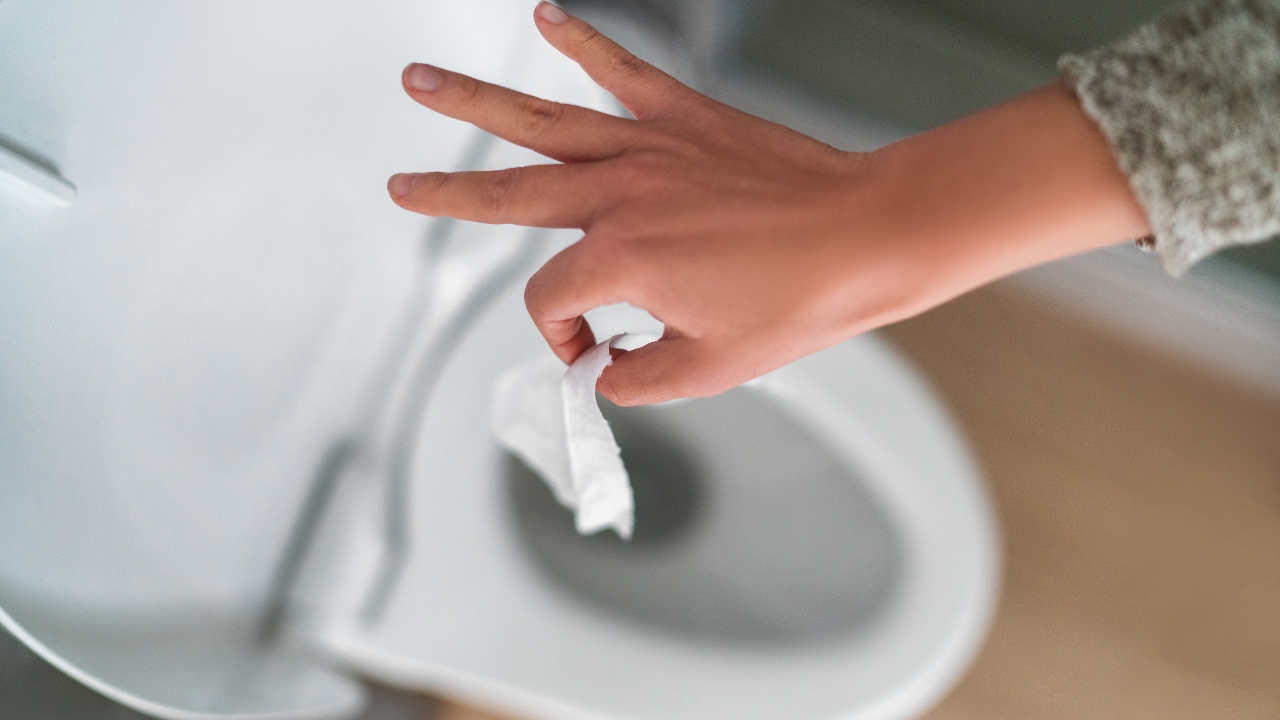
They don’t break down like toilet paper, no matter what the label says. Wipes bunch up, snag in bends, and build a ropey mat that the tank can’t digest. The first sign is often a toilet that gurgles or a sink that drains slow right after a flush.
Throw wipes in the trash, even the “septic safe” ones. If you want something that feels less flimsy, buy better toilet paper, or add a bidet seat so you use less paper. If you already have wipes in the house, put a small lidded bin next to the toilet and make it the routine.
2. Paper Towels, Tissues, And Napkins
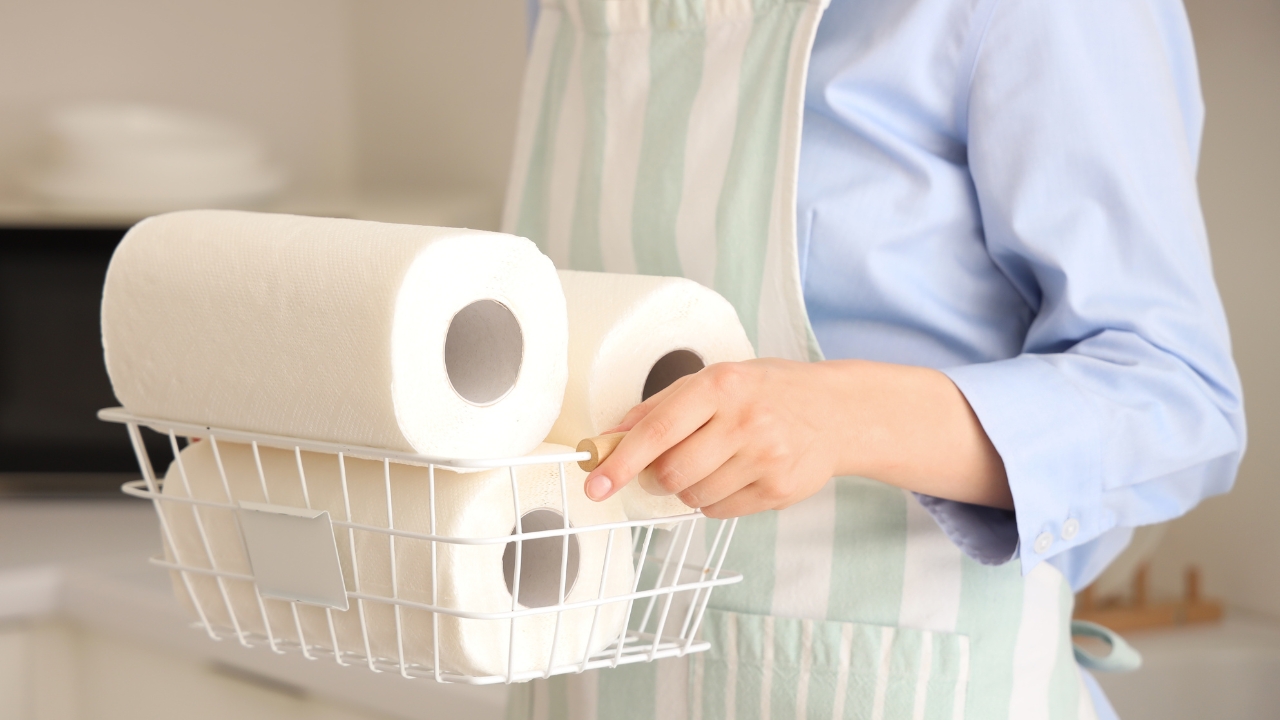
Paper towels are made to stay strong when they’re wet. In a septic tank, that means they hang around long enough to clog a baffle, jam a pump, or end up as a plug in the line to the field. Tissues and napkins act the same, especially the thick, lotion-style ones.
If it didn’t come off a roll labeled toilet paper, trash it. Keep a box of kitchen bags in the bathroom cabinet so it’s not a debate at flush time.
3. Grease, Bacon Fat, And Cooking Oil
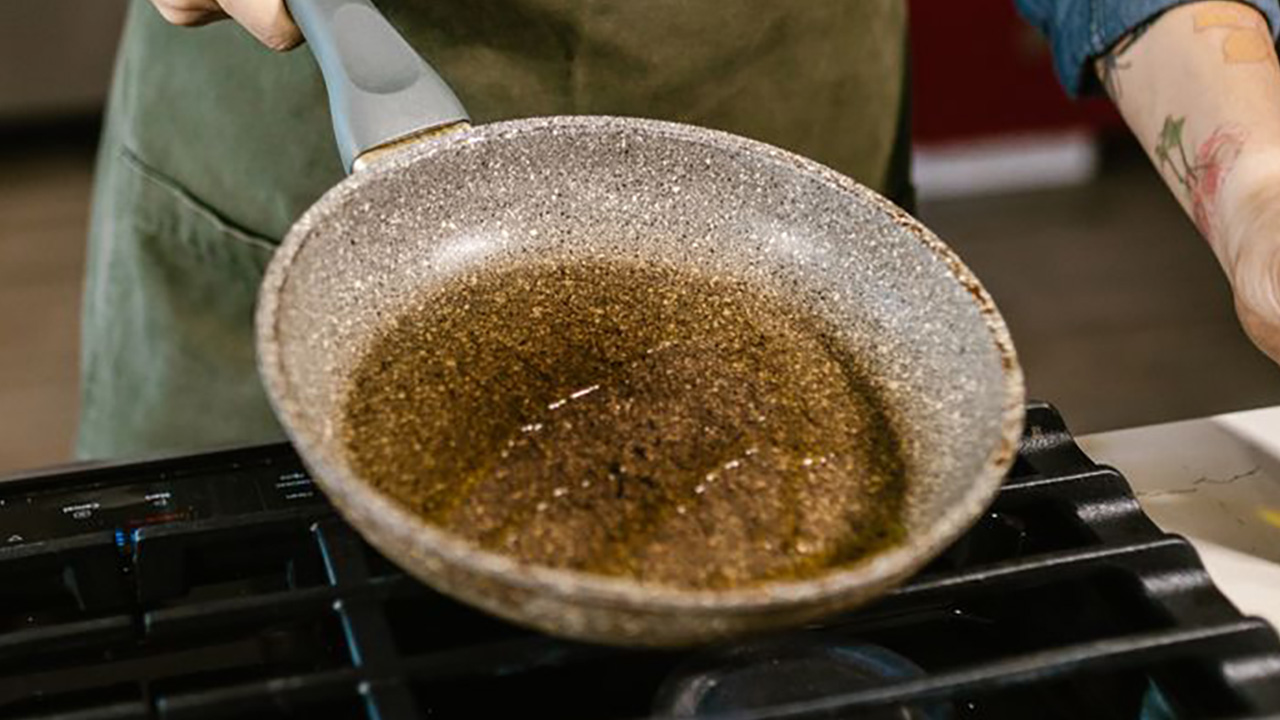
Pouring grease down the toilet is a fast way to buy a service call. Fat floats, cools, and makes a thick scum layer that can block the tank outlet and starve the field of flow. When grease hits the line, it can coat the pipe walls and grab hair and paper until you’ve got a real clog.
Let grease cool in a can, then toss it, or take it to a local drop-off if your area has one. Wipe oily pans with a paper towel before washing them, and put that towel in the trash. If you run a lot of greasy dishwater into the system, that scum layer builds quicker and you’ll be pumping sooner.
4. Cat Litter And “Flushable” Litter
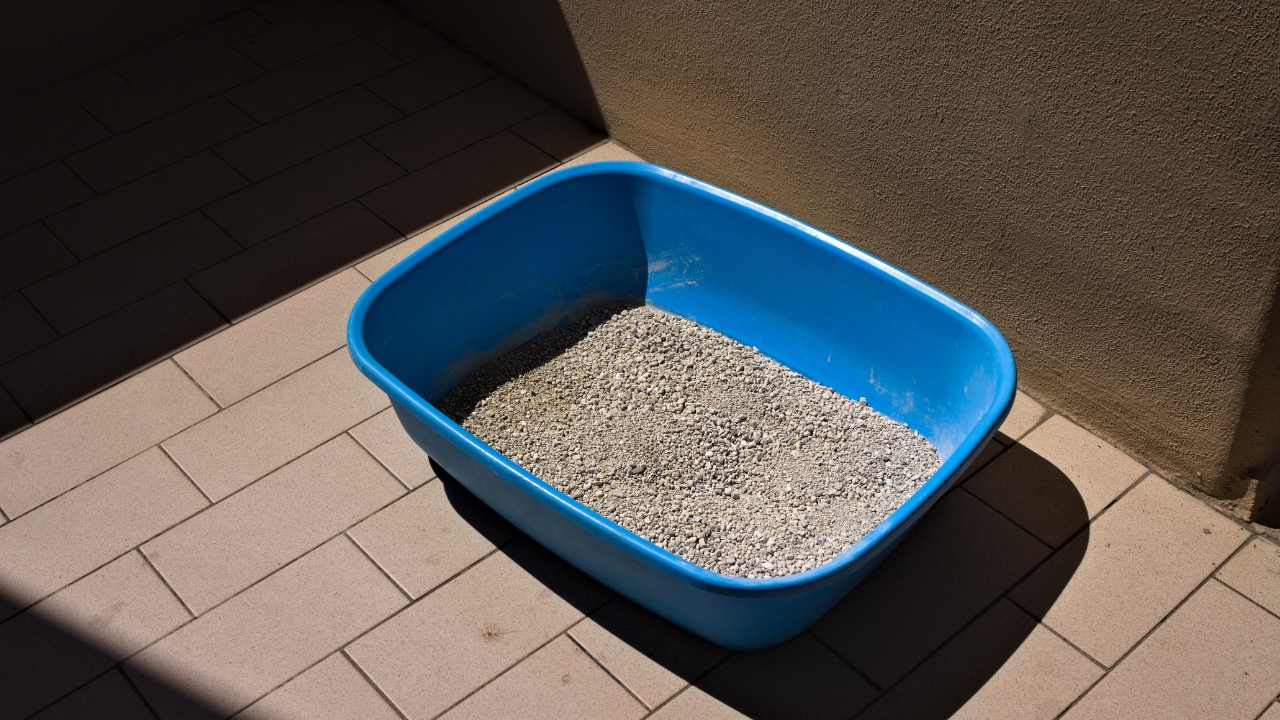
Even the stuff marketed as flushable is bad news. Clay litter turns to heavy sludge that settles in the tank and steals capacity, which means more frequent pump-outs. Some plant-based litters swell and clump in pipes, then you’re fighting a blockage that acts like concrete.
Bag litter and put it in the trash. If you have a septic system and an indoor cat, this one habit alone can be the difference between pumping on schedule and pumping out of panic.
5. Feminine Products And Cotton Swabs
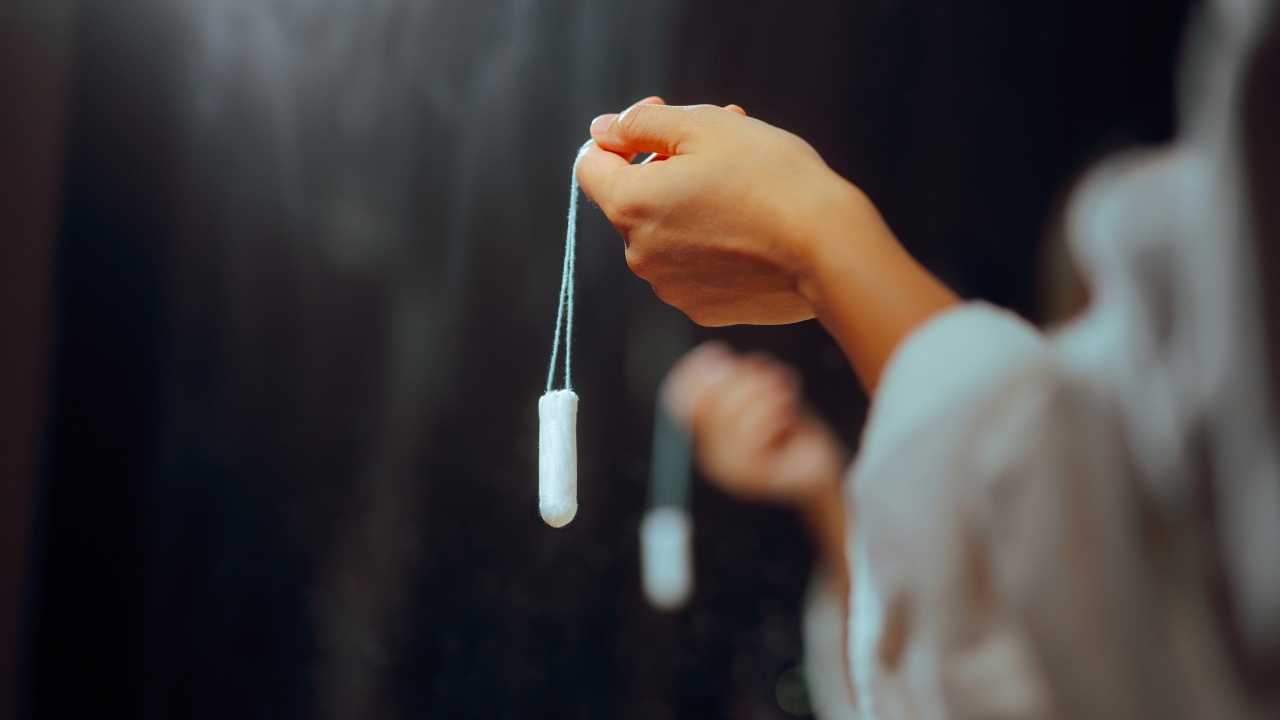
Tampons, pads, applicators, and cotton swabs don’t break down. They tangle with wipes and hair, and if your system has an effluent filter, they’ll clog it fast. That backup tends to show up at the worst time, like during a house full of guests.
Use a small covered trash can, and actually empty it. If you’re dealing with a teen bathroom, keep extra liners under the sink so it stays easy and nobody tries to “solve” it with the toilet.
6. Medications And Harsh Chemicals
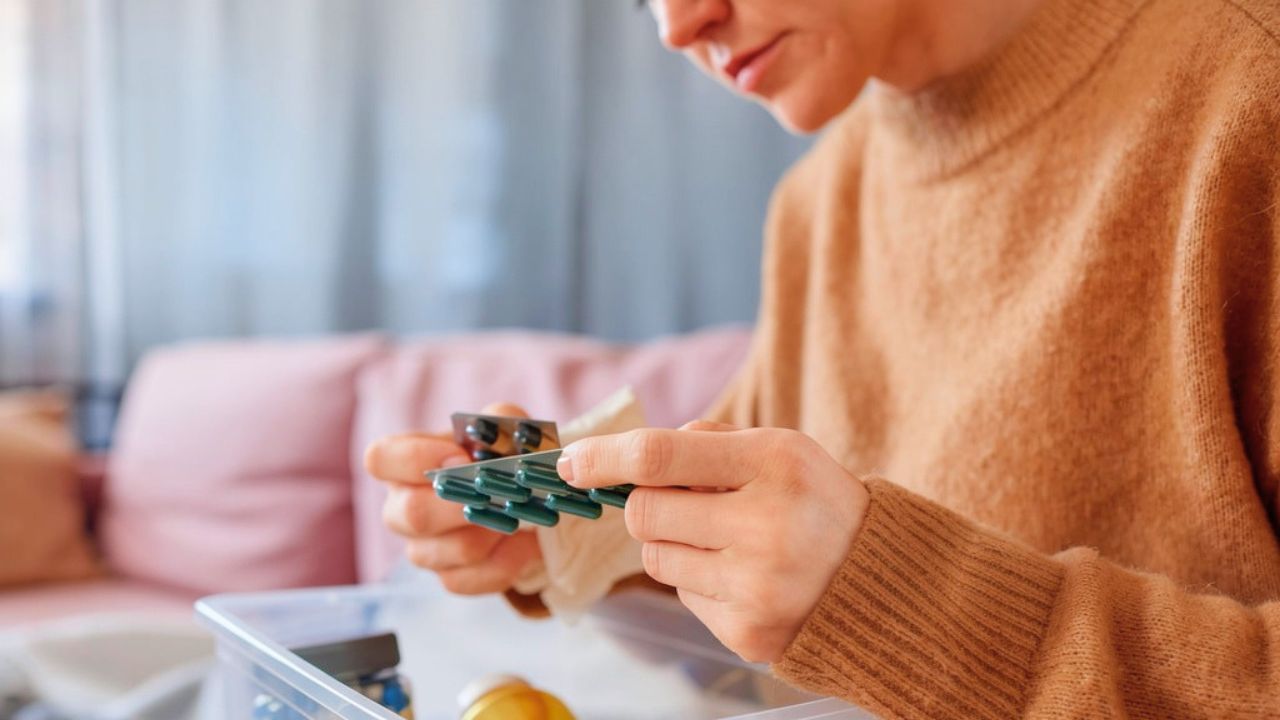
Flushing old pills sounds tidy, but it’s rough on the biology your tank depends on. Antibiotics and some strong cleaners can knock back the bacteria that break down waste, leaving more solids behind. Then the tank fills with sludge faster, and more gunk heads toward the drainfield.
Use a pharmacy take-back program or your county hazardous waste drop-off for medications. For cleaning, plain soap and water handles most jobs, and a little bleach now and then is fine. The exception is dumping big amounts all at once, like rinsing paint tools, pouring mop-bucket disinfectant daily, or sending drain opener down there because a sink is slow.
7. Paint, Solvents, And Shop Rinse Water
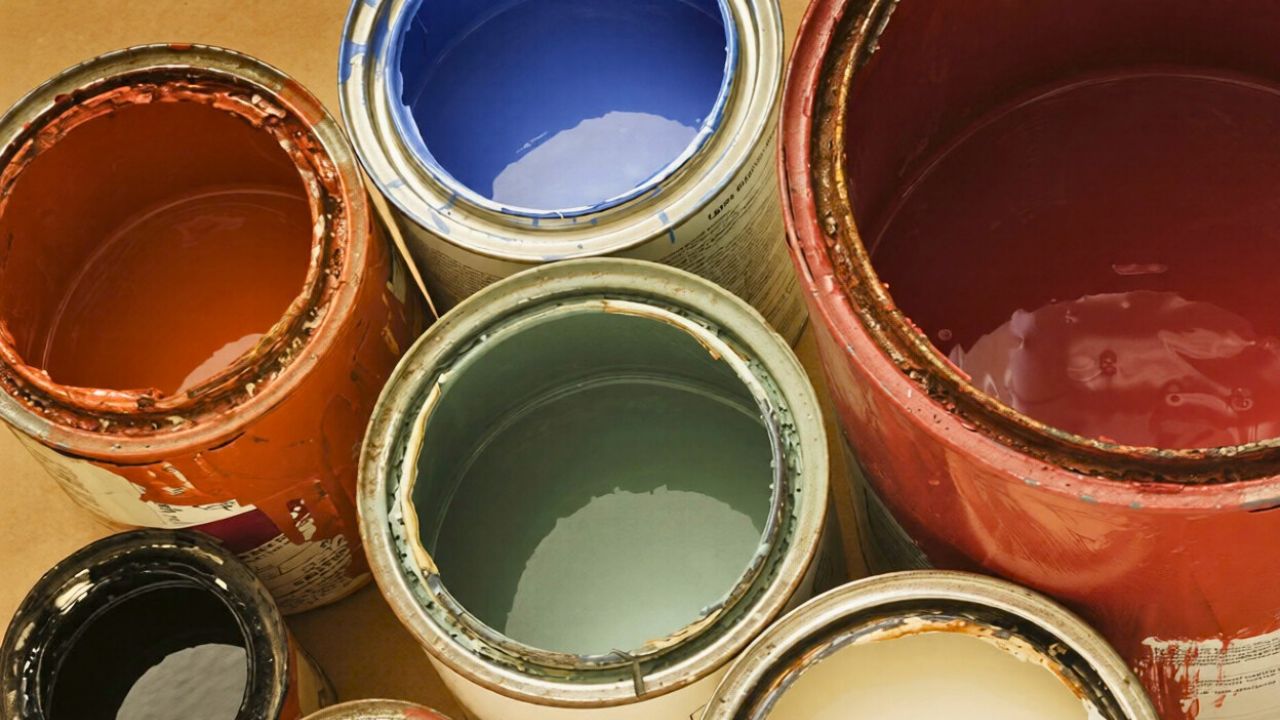
If you’ve been cleaning a brush and think the toilet is an easy dump, don’t. Latex paint leaves solids that settle out, and oil-based paint, mineral spirits, and other solvents can mess with tank bacteria and contaminate the soil. Septic is part of your wastewater treatment, and the drainfield is not a filter for chemicals.
Let latex paint dry out and throw it away according to local rules. Take solvents, stains, and oil-based products to hazardous waste collection. If you’re doing a big paint project, set up a wash bucket outside and dispose of the sludge properly instead of sending it into the plumbing.
8. Coffee Grounds And Food Scraps
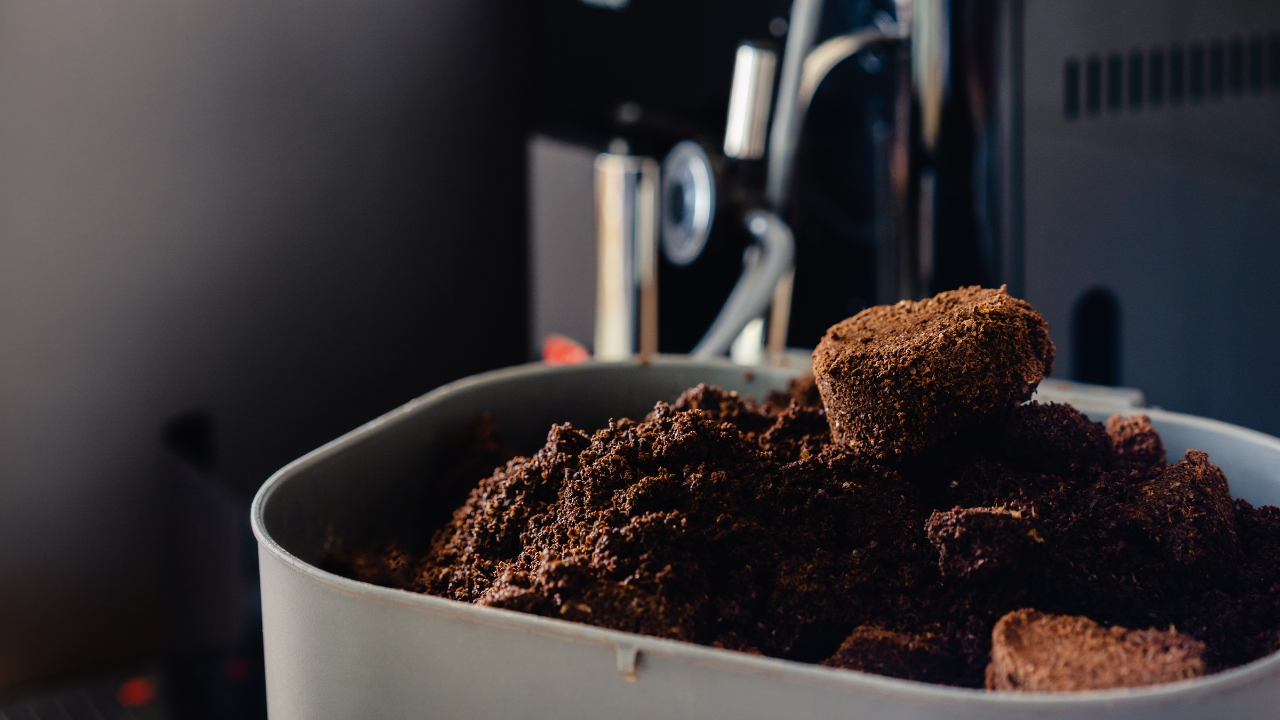
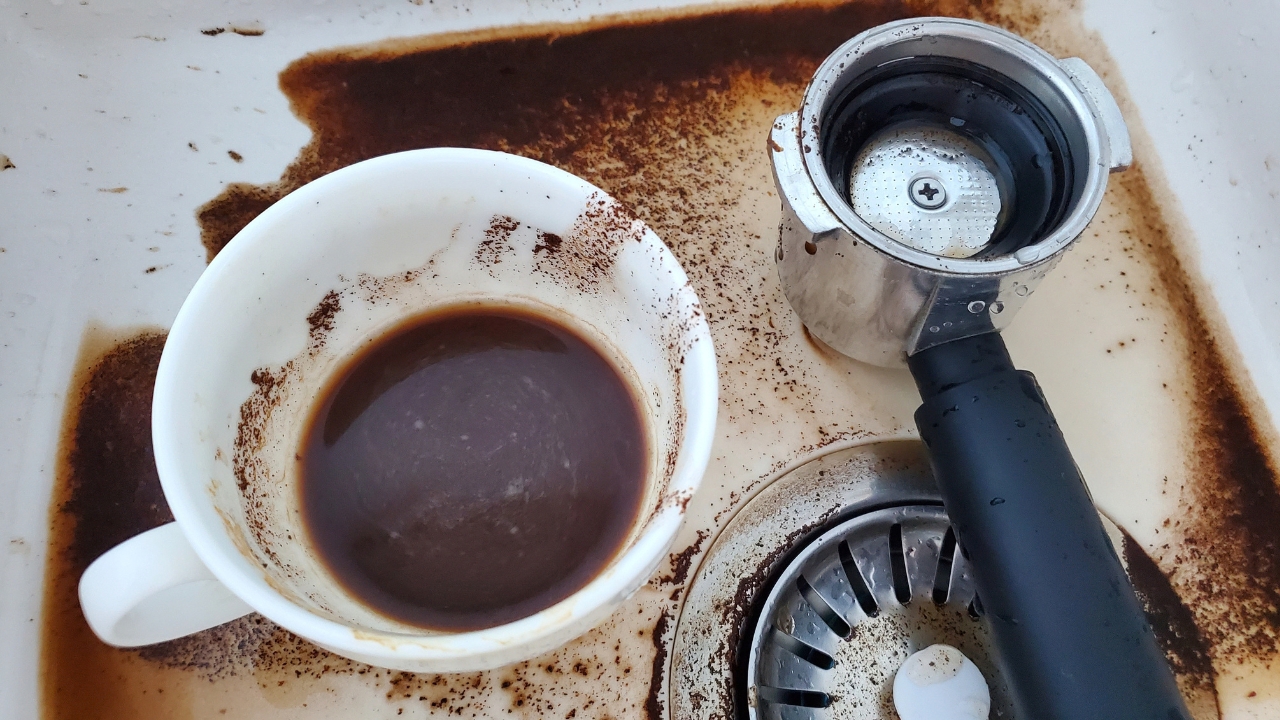
Garbage disposals and septic don’t get along. Coffee grounds pack down like silt, and food bits add solids and grease that the tank has to handle. You’ll notice it as a tank that needs pumping more often and a field that stays damp longer after heavy water use.
Compost food scraps, or bag them for trash if you can’t compost. Coffee grounds are great in the compost pile and around acid-loving plants, but they don’t belong in your plumbing.
9. Hair From Grooming And Shaving
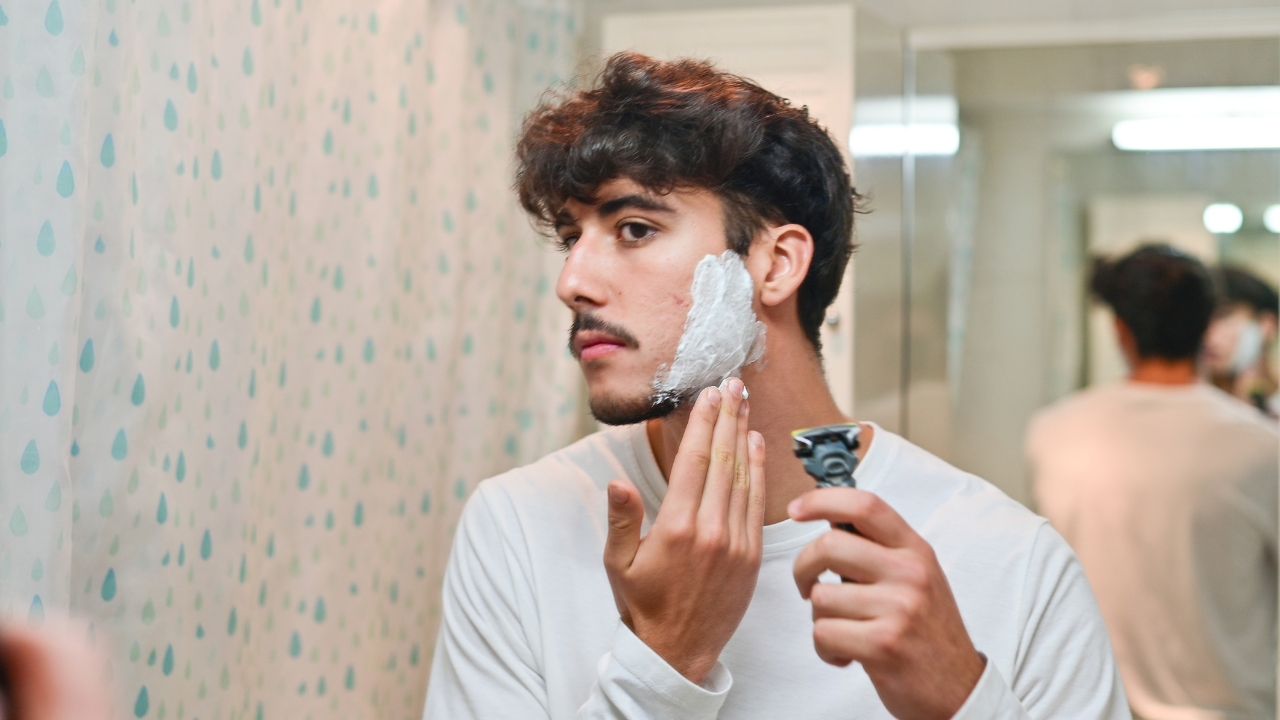
Hair doesn’t dissolve, and it’s a great net for catching everything else. A big dump from a hairbrush, clippers, or a bathroom trim day can build a wad in bends and tees. If you’ve got a pump chamber, hair can wrap around floats and cause annoying pump problems.
Throw hair in the trash, or put it in compost in small amounts if that works for your setup. Use a drain screen in the shower so less hair reaches the septic line in the first place.
10. Too Much Water All At Once
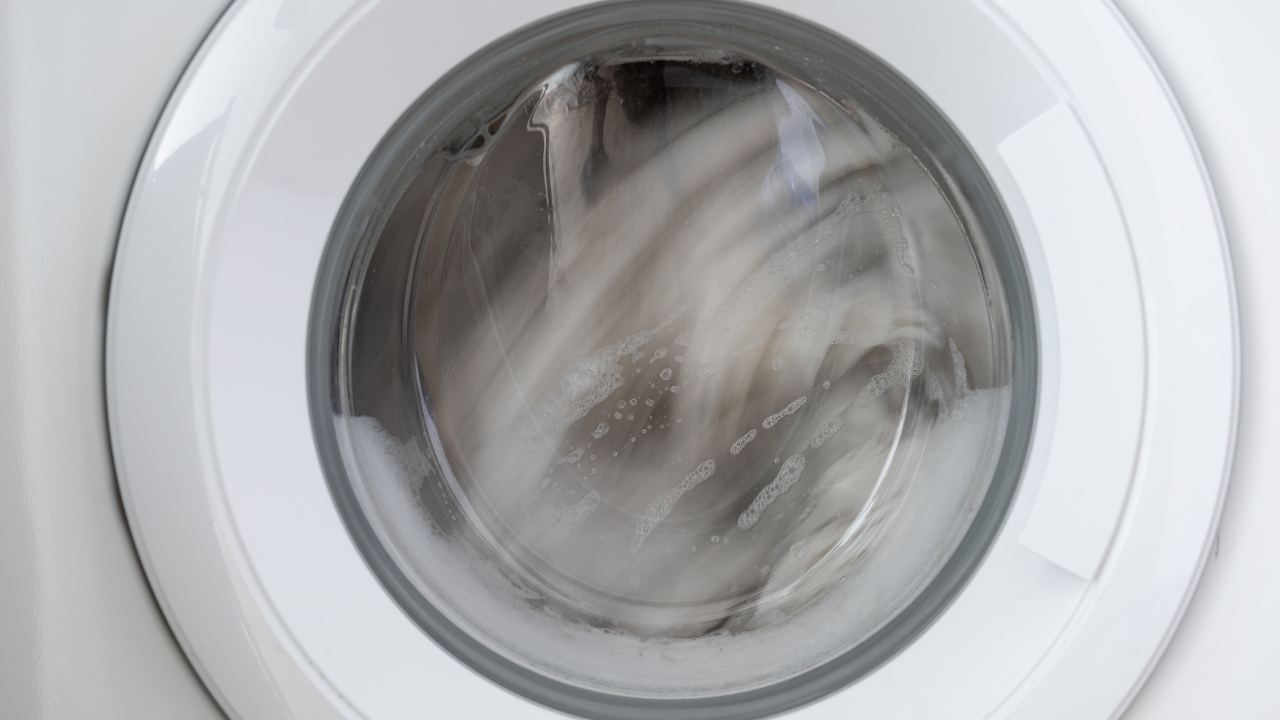
Nothing “bad” goes down the toilet here, just too much of it. A septic tank needs time for solids to settle, and when you slam it with back-to-back laundry loads, long showers, and a running toilet, you push solids out to the drainfield. That shortens the life of the field, and field repairs are the kind that turn a weekend into a mess.
Spread laundry through the week, fix running toilets the day you notice them, and watch for a soft, wet spot in the yard near the field. If you suspect the field is struggling, call a licensed septic pro. Don’t rent a mini-excavator and start digging without permits, local code checks, and a utility locate.
If your drains start burping, the toilet flush gets sluggish, or the yard smells “off” after rain, treat it as a warning. A septic system does its job quietly, and it usually asks for help long before it fails loud.
Like Fix It Homestead’s content? Be sure to follow us.