10 Repairs That Get More Expensive the Longer You Wait
Photo credit: LightField Studios/Shutterstock.com
Small problems love to hide in plain sight. A drip, a sag, a little scorch mark, you figure you’ll get to it next weekend. Then weather, time, and daily use turn it into a bigger job with a bigger bill, often at the worst possible moment.
1. A Small Roof Leak In The Attic
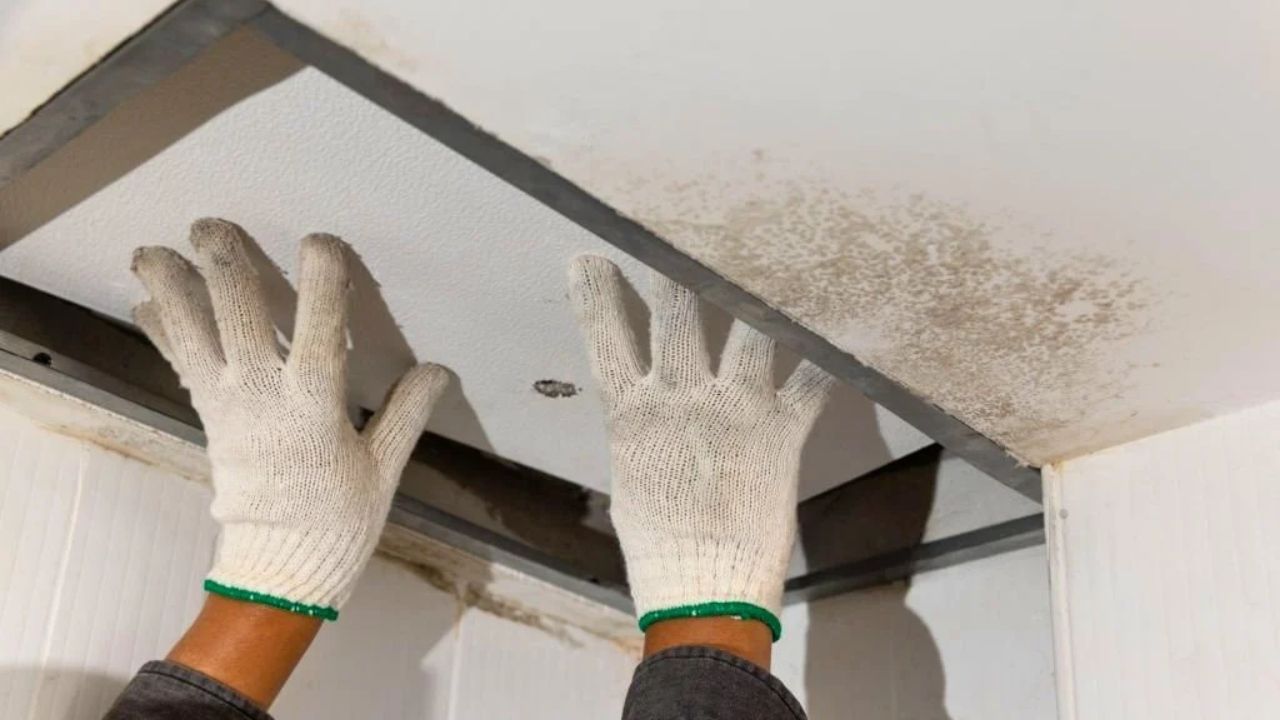
You don’t always see this one from the living room. You notice a faint water stain, a musty smell after a hard rain, or a little damp insulation when you’re storing holiday boxes. By the time water shows up on drywall, the roof deck and rafters may already be soft.
Patch work is cheap when it’s one bad shingle, a popped nail, or flashing that lifted. Wait a season and you’re paying for plywood, mold cleanup, and ceiling repair too. If the roof is steep, high, or wet, hire it out and don’t mess around with ladders.
2. One Missing Shingle Or Loose Flashing
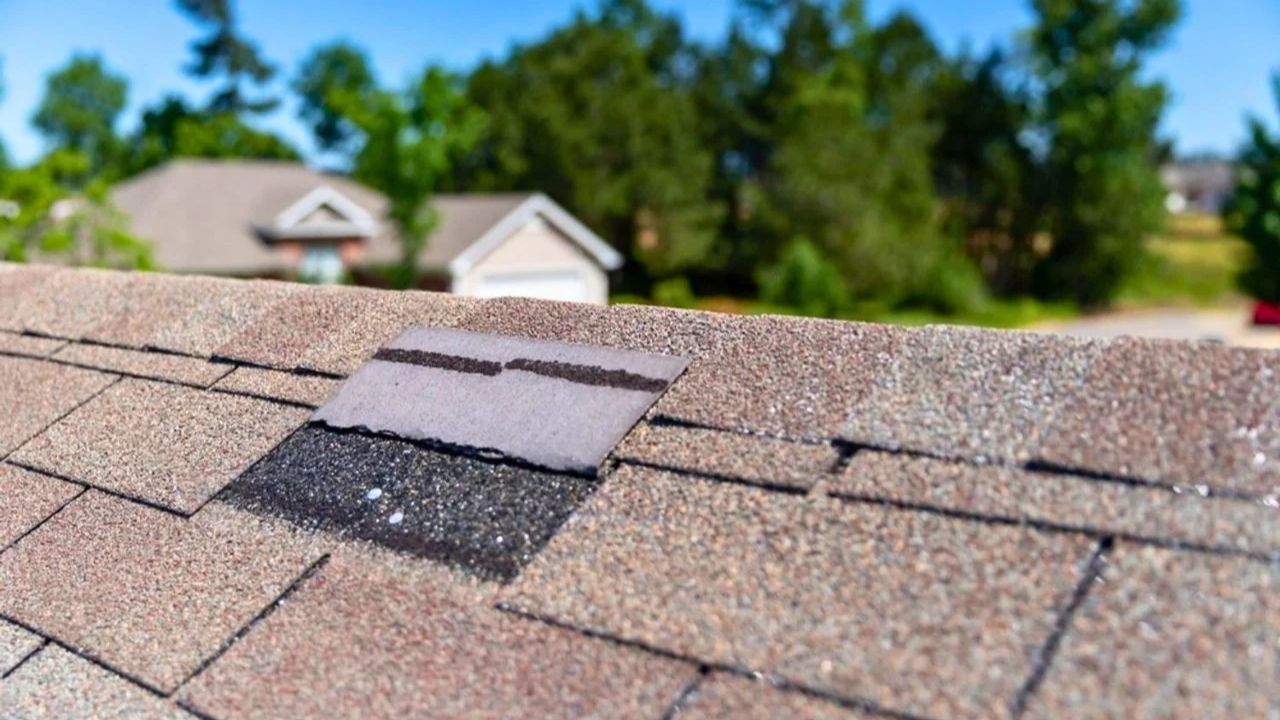
A single shingle in the yard after a windstorm feels like a minor annoyance. People toss it, then forget about it until the next storm pushes water under the row above it. Chimney and vent flashing does the same thing, it loosens a little, then it funnels water right where you don’t want it.
This is one of the rare repairs that stays pretty cheap if you move fast. A tube of roof sealant is not a real fix, but a proper replacement shingle or re-nailed flashing usually is. If you can see daylight at a roof penetration from the attic, stop waiting.
3. Slow Drains And A “Fine For Now” Toilet
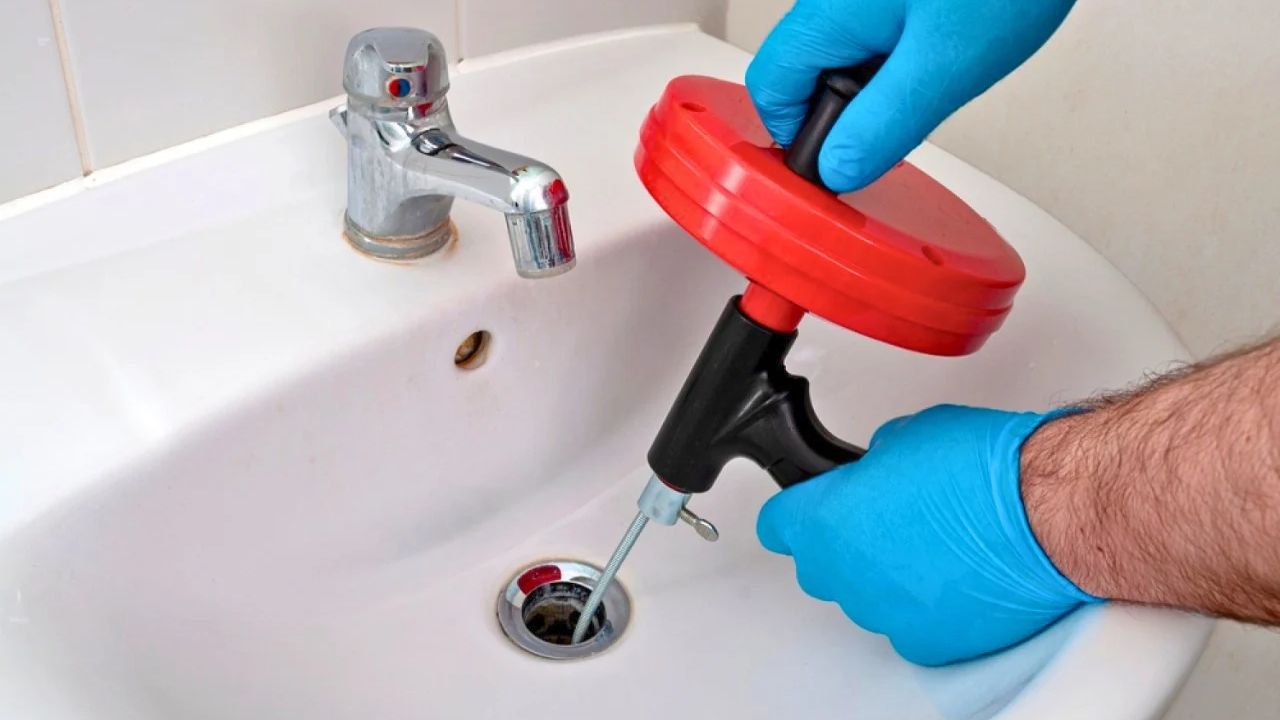
When a sink takes an extra minute to empty, most people grab a bottle of drain opener and call it handled. The clog comes back, the pipe gets hotter and weaker from repeated chemicals, and you start fighting it every few weeks. Toilets do it too, a lazy flush turns into a near-overflow at the worst time.
Deal with it mechanically first. Pull the trap, run a hand auger, or snake the line the right direction instead of pouring more stuff down there. If you have a main line that backs up into the tub or floor drain, that’s usually beyond a quick DIY, and you want a plumber before sewage ends up in the basement.
4. A Dripping Water Heater Relief Valve
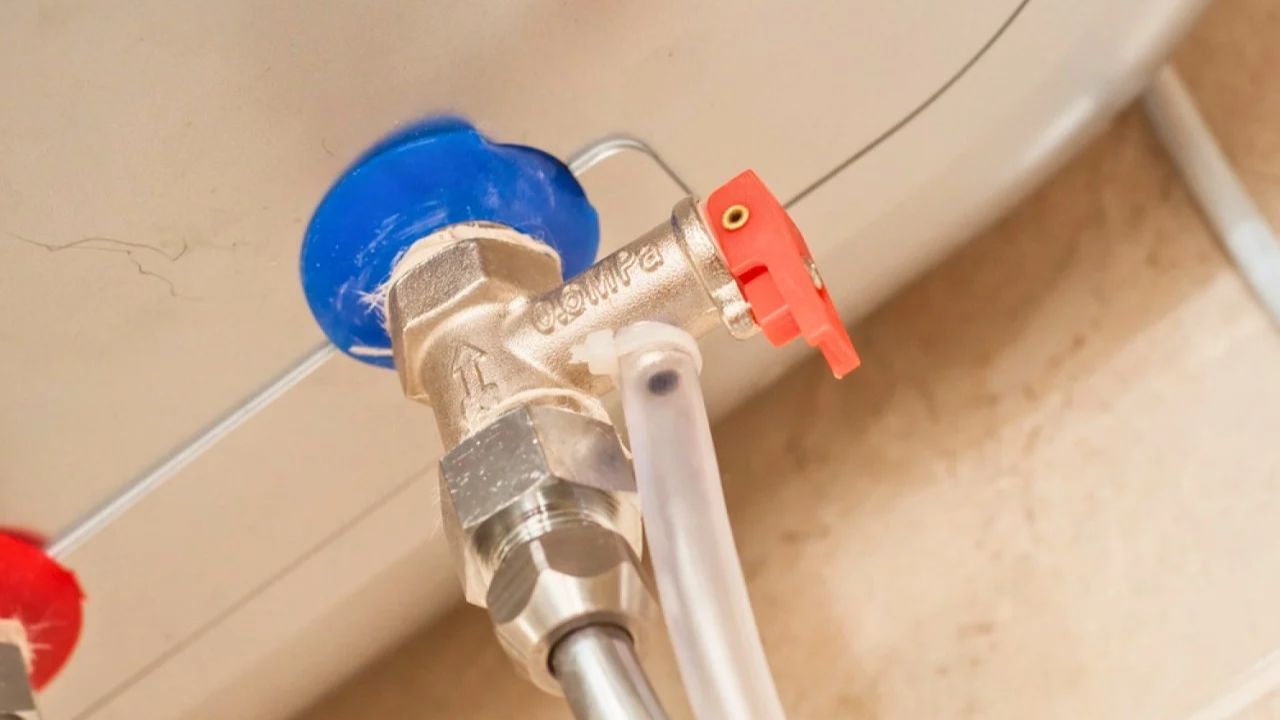
That little pipe on the side of a water heater is not supposed to drip. A few drops in the pan can mean the temperature and pressure relief valve is failing, or your water pressure is too high, or the tank is starting to scale up inside. Ignore it long enough and you can come home to a wet utility room.
The cheap version is catching it early, checking pressure, and having a plumber swap a valve if needed. The expensive version is a tank that fails, water damage, and an emergency replacement. If you smell gas near a gas water heater, leave the area and call the gas utility or a licensed pro.
5. Gutters Plugged Before A Big Rain
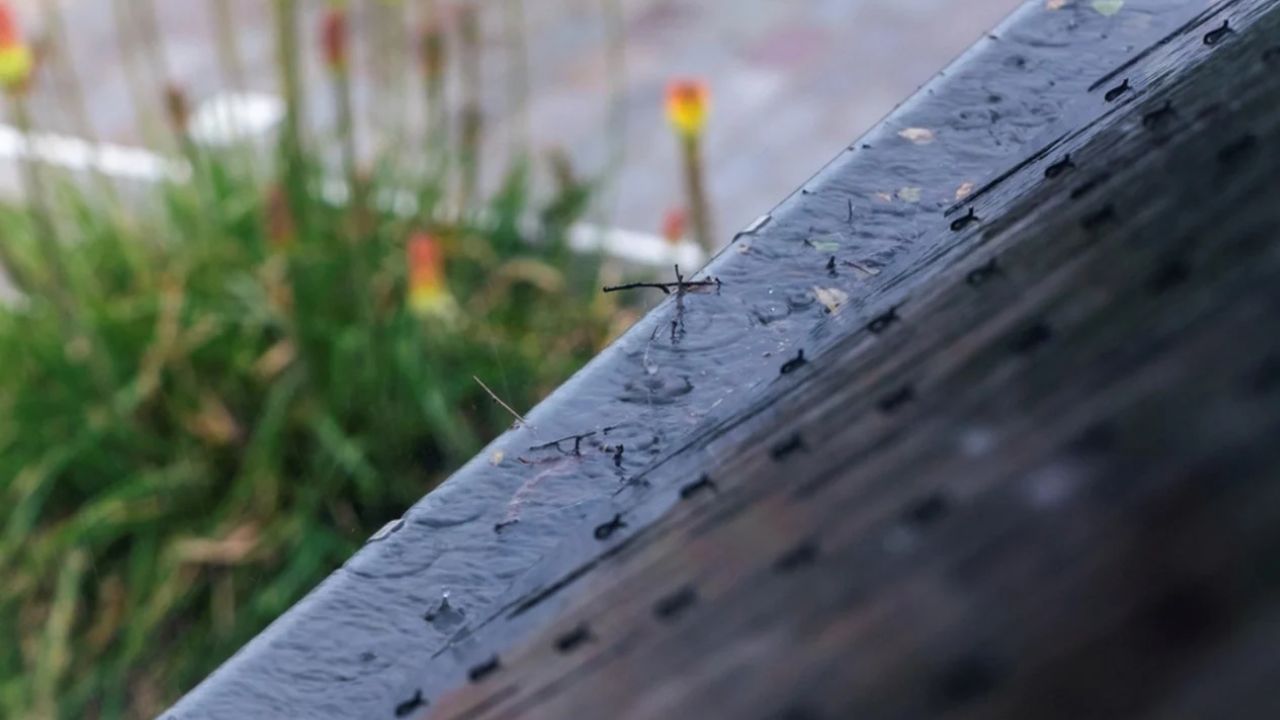
Fall leaves and spring seed pods don’t look like a repair problem. Then you get a heavy rain and the gutter overflows like a waterfall, soaking fascia boards, staining siding, and dumping water right next to your foundation. In freezing weather, clogged gutters help build ice dams that back water up under shingles.
Cleaning gutters is boring, but it’s cheap. A stable ladder, gloves, and a bucket handle most of it, and a hose tells you if the downspout is blocked. If water is already washing out soil along the house, add extensions or bury solid pipe to carry it away, and call for utility locates before digging.
6. Foundation Water And A Tilting Downspout
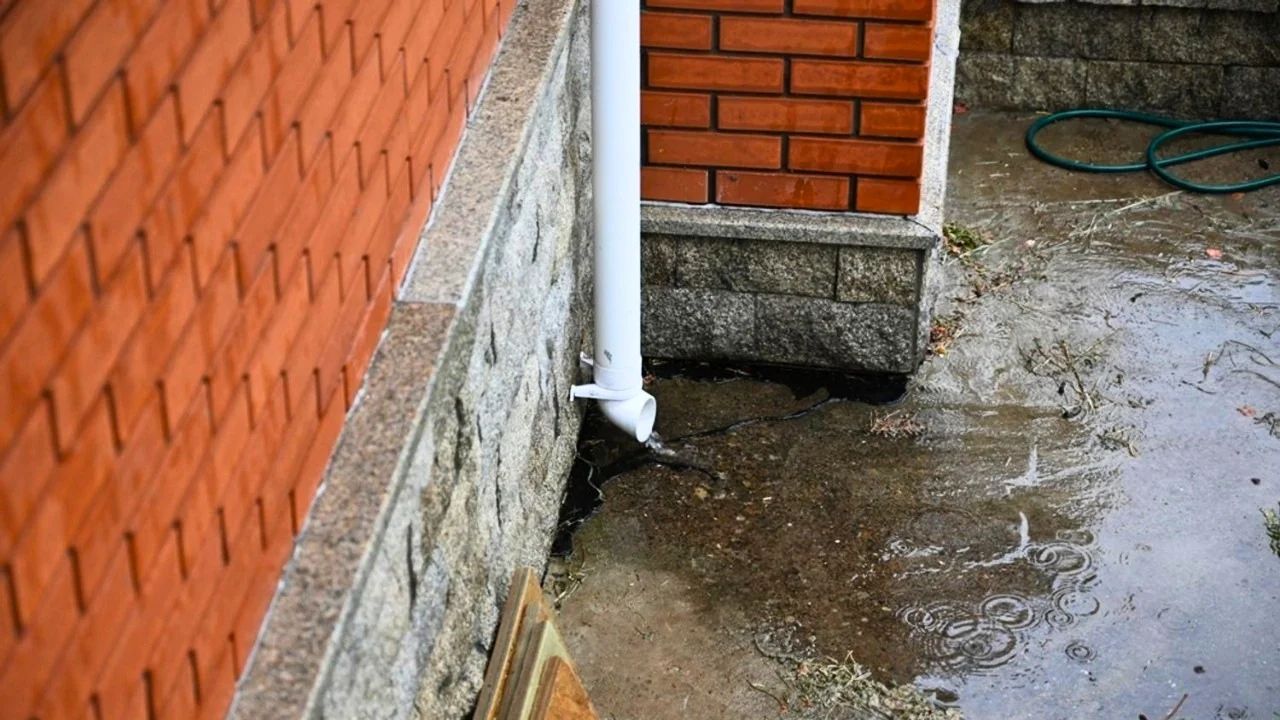
Water always wins. If your downspouts dump next to the house, or the soil has settled so everything slopes toward the foundation, you’re inviting cracks, damp basements, and rot at rim joists and sill plates. You’ll see efflorescence on basement walls, peeling paint, or a dehumidifier that never gets a break.
The first fixes are simple: extend downspouts, regrade soil, and keep mulch from building up higher than the siding. If you already have standing water, sump pumps and interior drains can work, but they don’t replace exterior drainage. Big foundation movement, bowing walls, or new wide cracks are a pro call.
7. Fence Posts Rotting At Ground Level
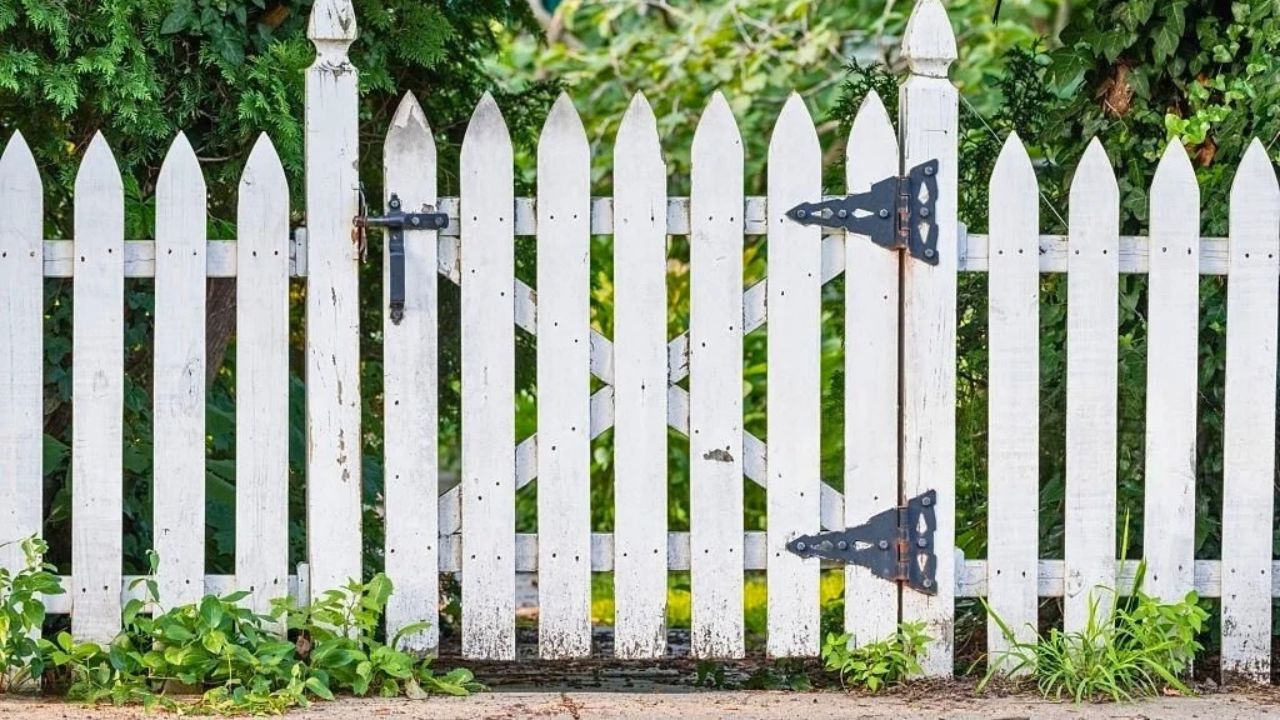
Posts almost never rot in the middle. They rot right where grass, soil, and sprinklers keep the wood damp. You’ll notice the fence leaning, gates dragging, or posts that wiggle when you push them.
Catch it early and you can brace a section, replace one post, and keep the rest. Wait and whole runs start to rack, rails split, and panels break in the next wind. When you reset posts, keep soil off the wood as much as you can and make sure water doesn’t pond around the base.
8. Sagging Deck Ledger And Loose Rail Posts
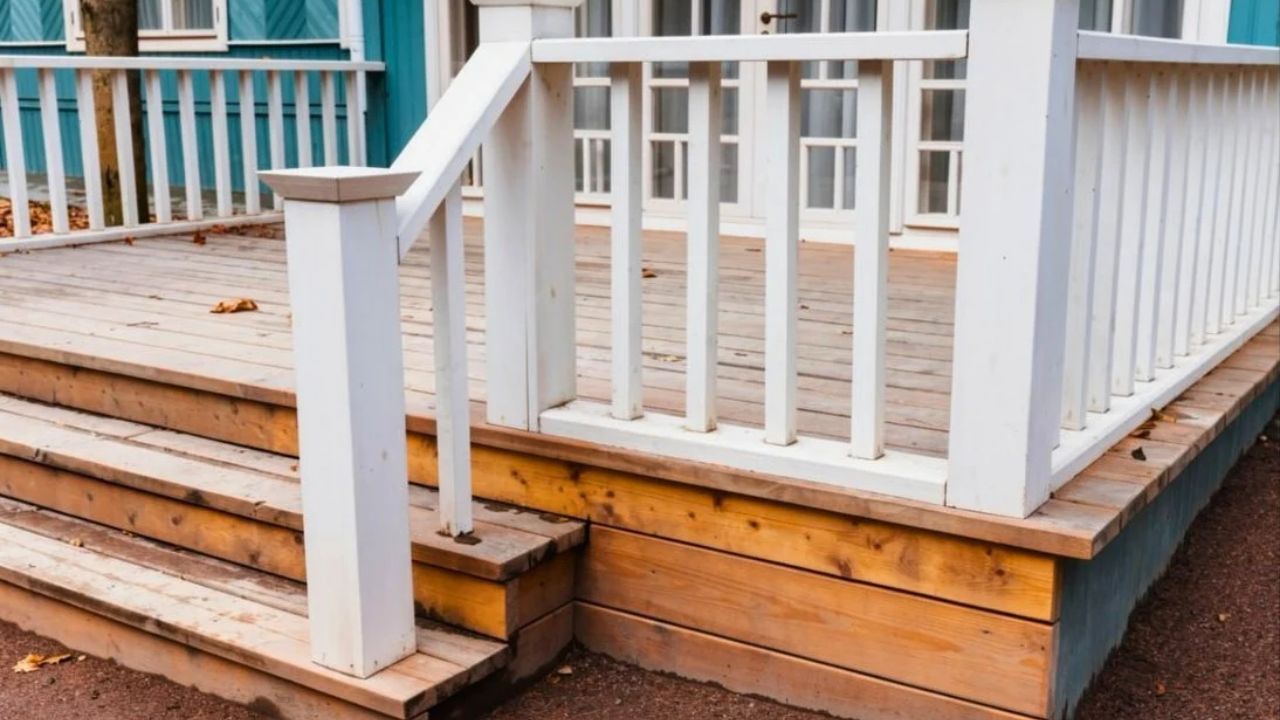
That little bounce when you step near the house side of the deck is a warning. The ledger board can pull away if it was nailed instead of properly bolted, if flashing is missing, or if rot has started behind it. Loose rail posts are just as bad, and you don’t need a tall deck for a fall to go wrong.
This is one area where waiting is a bad idea even if the deck “looks fine.” Structural deck repairs should follow local code, and if you see rot, insect damage, or separation at the ledger, bring in a qualified contractor. You can tighten obvious hardware and replace a bad board yourself, but don’t guess on ledger attachment.
9. HVAC Filters Ignored Until The System Struggles
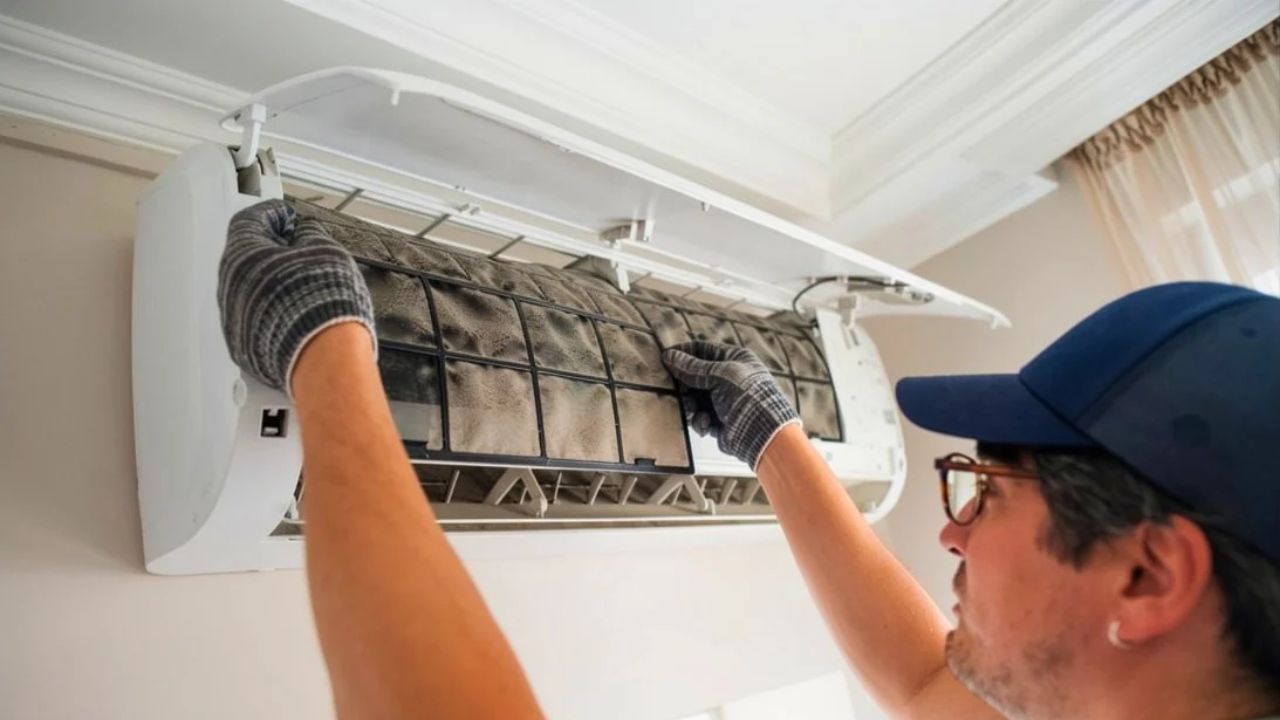
The system gets louder, rooms stop cooling evenly, and you keep bumping the thermostat lower. A clogged filter chokes airflow, which can ice up an AC coil or overheat a furnace. Then you’re paying for a service call instead of a cheap filter swap.
Check filters monthly during heavy use seasons and keep spares on a shelf. An honest exception: ultra-high MERV filters are not always better if your system can’t handle the restriction, they can make airflow worse. If you see ice on the refrigerant line or hear a furnace cycling oddly, shut it off and call an HVAC tech.
10. Rodent Chew In A Barn Or Crawl Space
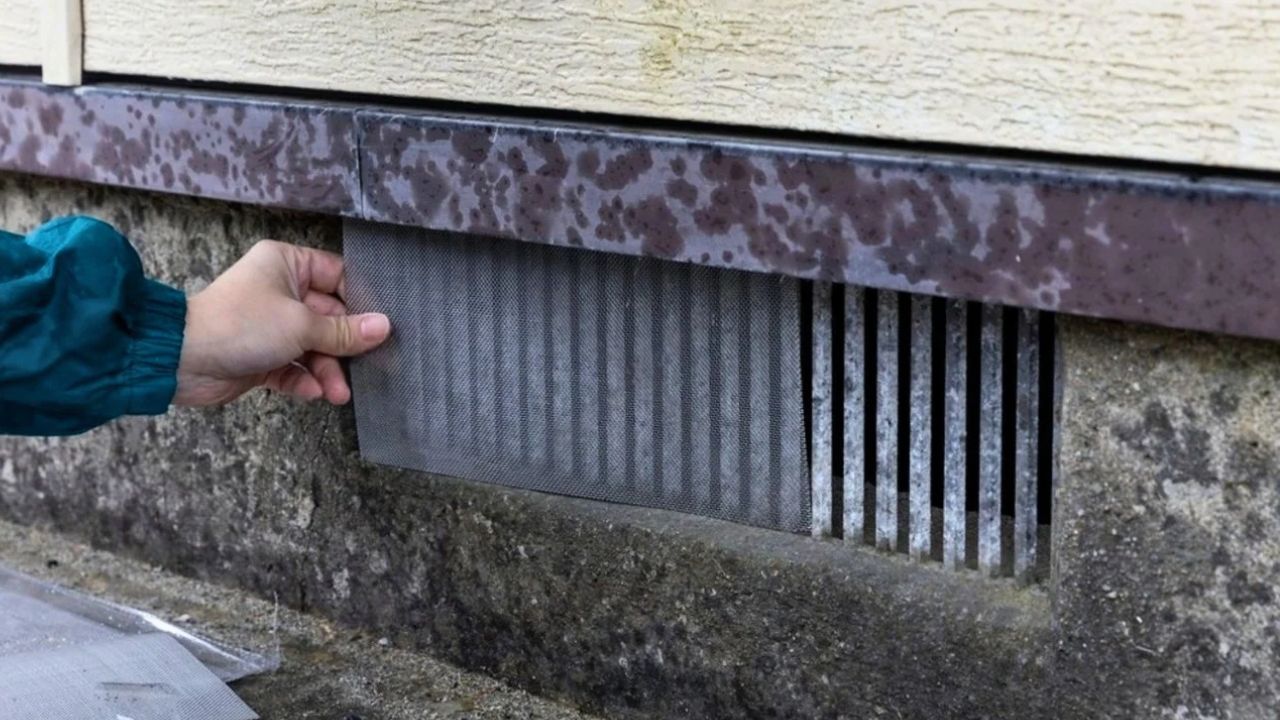
You spot a few droppings, hear scratching at night, or find feed bags with corner holes. Wait and rodents chew wiring, shred insulation, and contaminate stored grain. In outbuildings, they also wreck small engines by nesting under shrouds and packing vents with debris.
Start with basic exclusion: seal gaps, fix door sweeps, screen vents, and store feed in metal containers. Traps work, but they don’t solve the entry points. If the problem is widespread, especially in a crawl space with wiring and ductwork, a pest pro is money well spent.
A good rule is to fix the thing that invites damage, water entry, airflow restriction, loose structure, or pests. Set a weekend each season to walk your place, look up, look down, and listen, then handle the small stuff before it starts multiplying.
Like Fix It Homestead’s content? Be sure to follow us.