Best Wood Stoves for Heating a Whole House
Photo credit: Jannissimo/Shutterstock.com
A wood stove that only warms the room it sits in is fine for a cabin weekend. For a full-time house, you need steady heat, safe clearances, and a setup that moves warmth to the far bedrooms without you babysitting it all day. The “best” choice depends less on shiny paint and more on how your house is laid out, how you burn, and what you can install legally.
1. Catalytic Stoves For Long, Even Heat
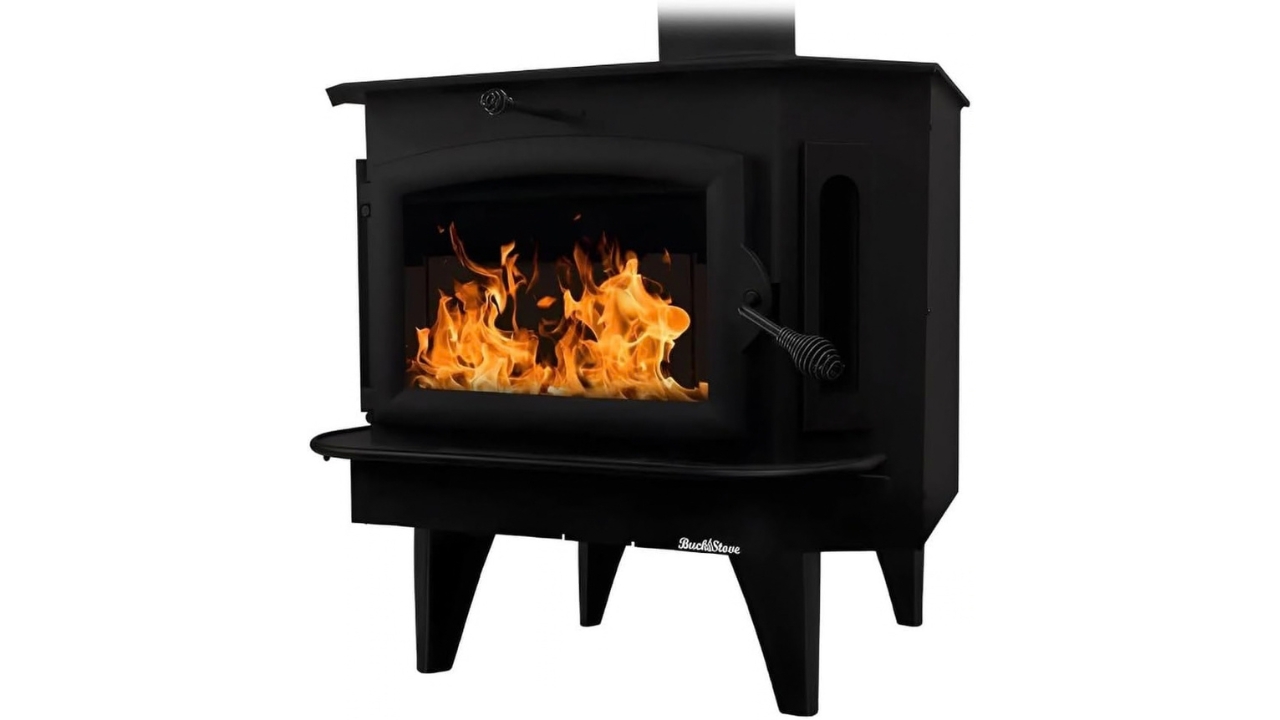
If you want overnight heat without waking up to a 55 degree house, start by looking at catalytic models. The catalyst lets the stove burn smoke at lower temps, so you get a longer, steadier output instead of a big blast followed by a fast drop. You’ll notice it most in a whole-house setup where the far end of the home needs hours of gentle heat.
The tradeoff is upkeep. The catalyst is a consumable part, and you have to burn dry wood and avoid trash-burning habits that coat it in junk. When it’s time, you replace it with the right part for your stove, not a “close enough” one, and you keep the bypass and gaskets working so the stove drafts the way it should.
2. Non-Catalytic Stoves For Simpler Operation
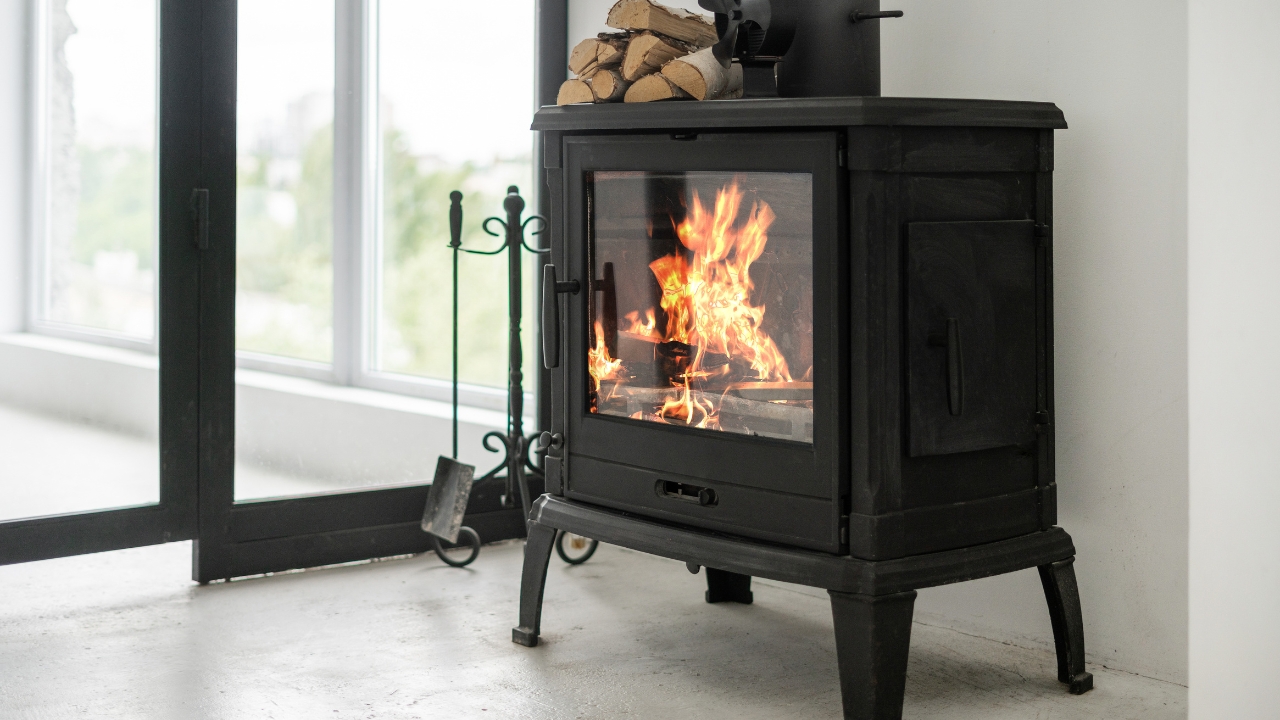
Some people do better with simple. A good non-cat stove uses secondary burn tubes or a baffle to reburn smoke once the firebox is hot, and there’s less to worry about in the day-to-day. If you’re heating a whole place while juggling work, kids, and chores, fewer moving parts is a real feature.
These stoves like hot fires. If you load wet wood and choke the air down, you’ll get lazy flames, soot, and a glass door you can’t see through by January. Run seasoned wood, let it get up to temp, and don’t expect long low burns to be as clean or as even as a catalytic unit.
3. Hybrid Stoves For Wide Burn Range
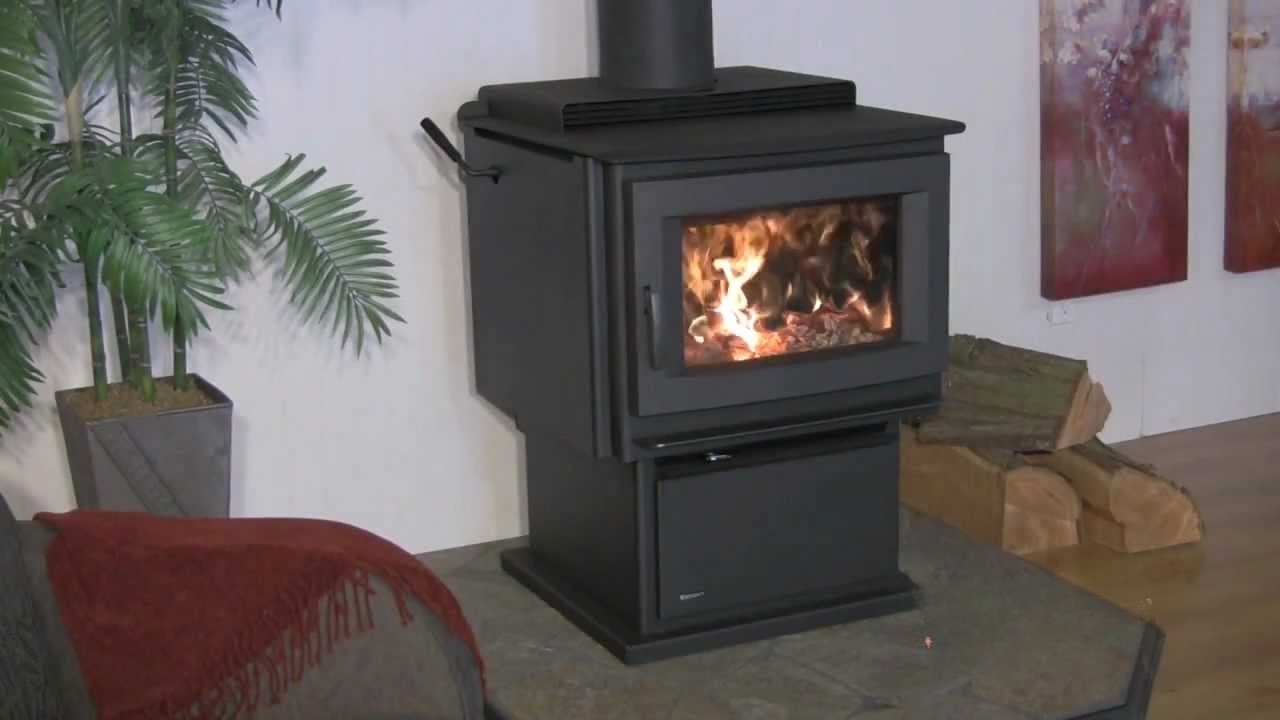
Hybrid stoves combine a catalyst with secondary burn, which helps when your winter swings from bitter nights to sunny afternoons. You can run them low and steady when it’s 10 degrees, then back off without smoldering when it warms up. That flexibility matters in a whole house because overheating the living room is how you end up cracking windows in February.
You still have a catalyst to maintain, but hybrids tend to be less fussy about staying in the perfect temperature lane. If you’re willing to learn your stove’s “sweet spot” and you want cleaner low burns, this type is worth a hard look.
4. Right-Sized Firebox For Your Square Footage
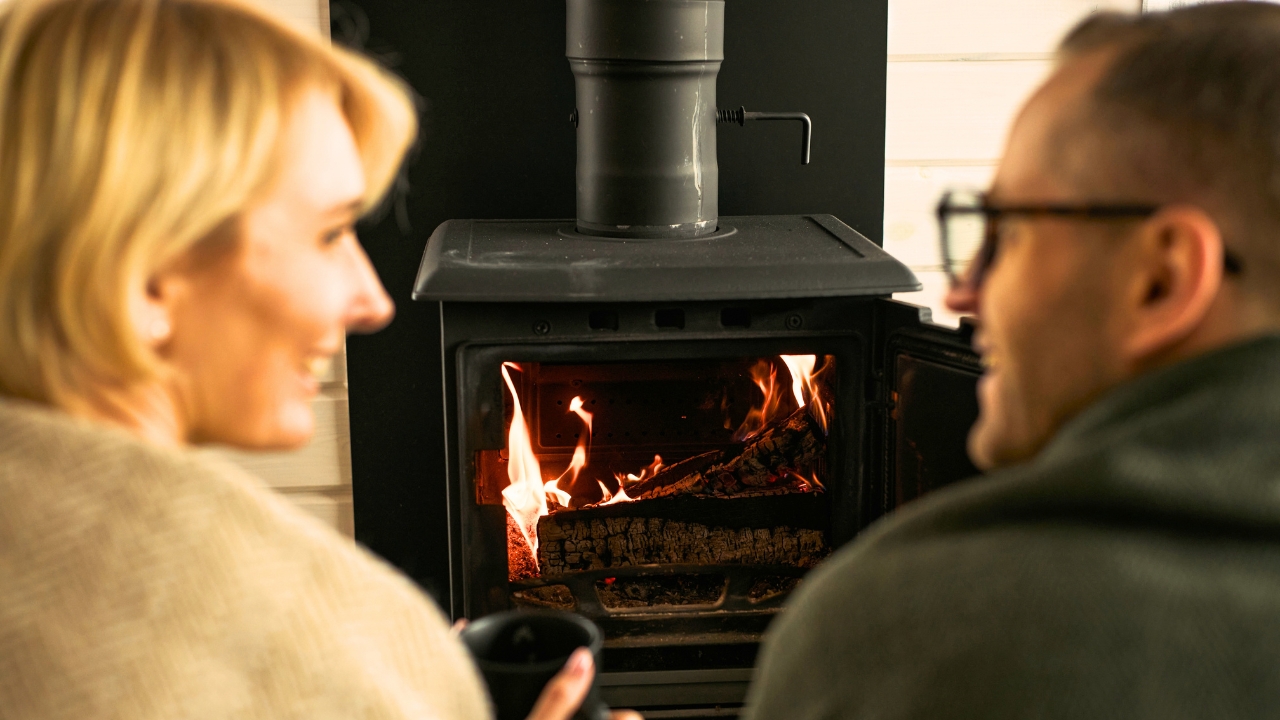
Buying too small is the common mistake, and it shows up when the wind picks up and the back bedrooms stay chilly. Buying too big is the quieter mistake, and it shows up as a smoldering stove you have to choke down because the main room turns into a sauna. Either way, you’ll fight it all winter.
Match firebox size and output to your house, insulation, ceiling height, and the way air moves, not just a “heats X square feet” sticker. If you’re on the edge, lean toward a stove that can burn cleanly at lower output rather than one that demands roaring fires all the time. A good stove shop can help with sizing, but you still need to be honest about drafty doors, a cold basement, and that big open stairwell that eats heat.
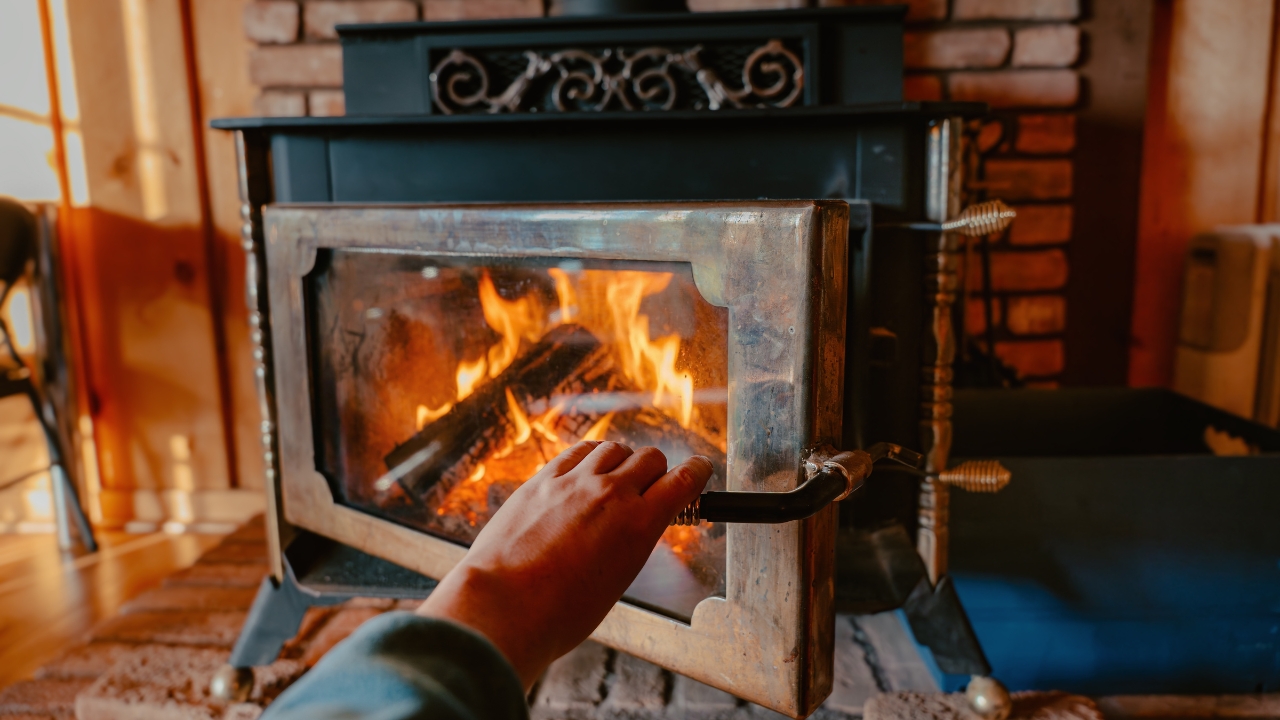
5. Freestanding Stoves For Better Radiant Heat
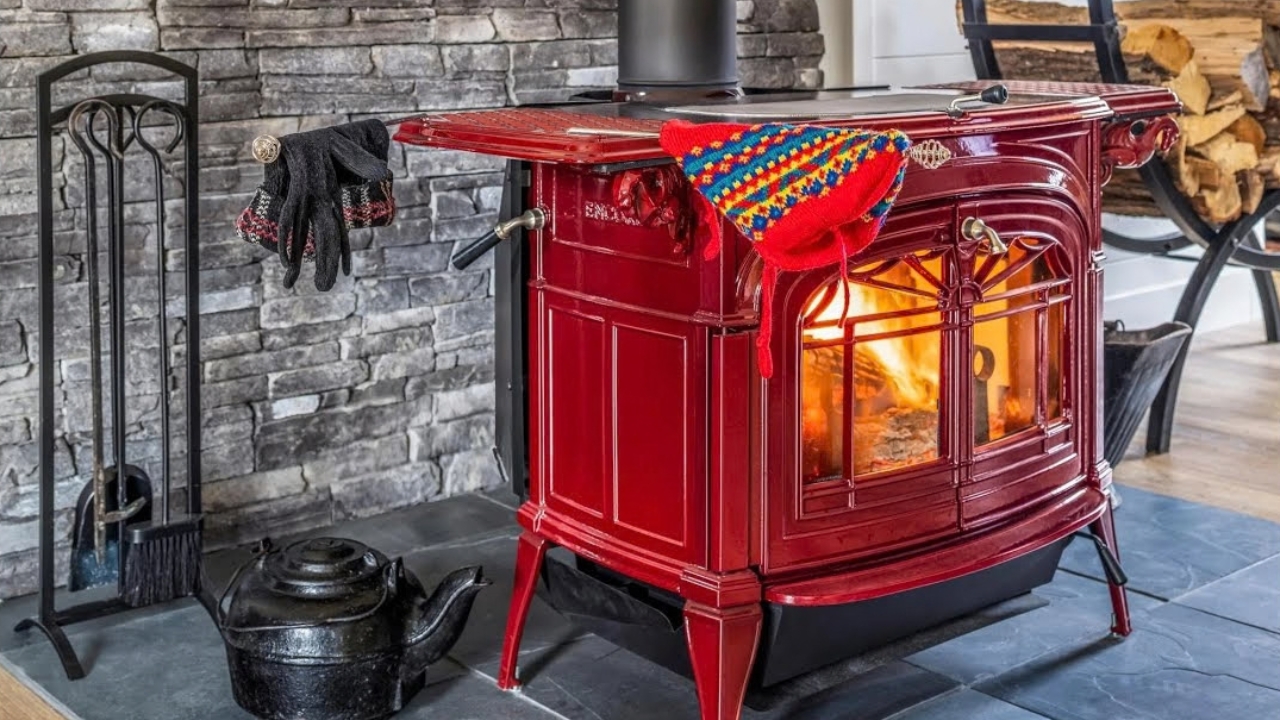
Freestanding models throw heat into a space in a way inserts struggle to match. You get radiant heat off the sides and top, and convection if the stove has a jacket or blower. For whole-house heating, that extra “reach” helps heat get moving into halls and adjacent rooms.
Placement matters more than brand. A stove tucked in a tight corner with furniture crowding it will cook that corner and leave dead spots elsewhere. If you can locate it near the center of the main floor and let air circulate around it, you’ll get more usable heat with the same wood pile.
6. Fireplace Inserts When You Need The Space
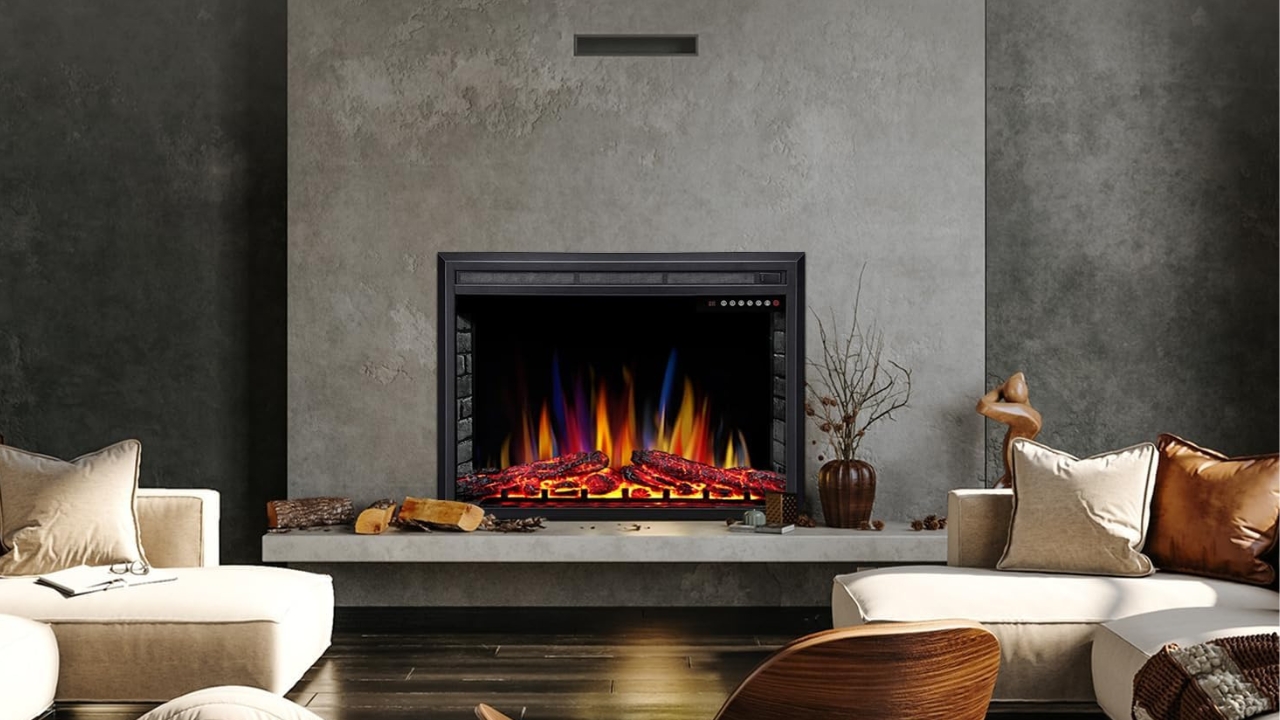
If you’re stuck with a fireplace in the best location and you can’t give up floor space, an insert can still heat a lot of house. A properly sized insert with a full stainless liner and a working blower can do real work, not just look cozy. It also keeps the mess contained, which matters if the stove is in the busiest room.
The catch is installation quality. A “slammer” install without a full liner is a smoke and creosote factory and it’s hard to sweep well. Budget for the liner kit and the block-off plate at the damper area, or you’ll watch heat disappear up the masonry all winter.
7. Rear-Vent Stoves For Tight Clearances
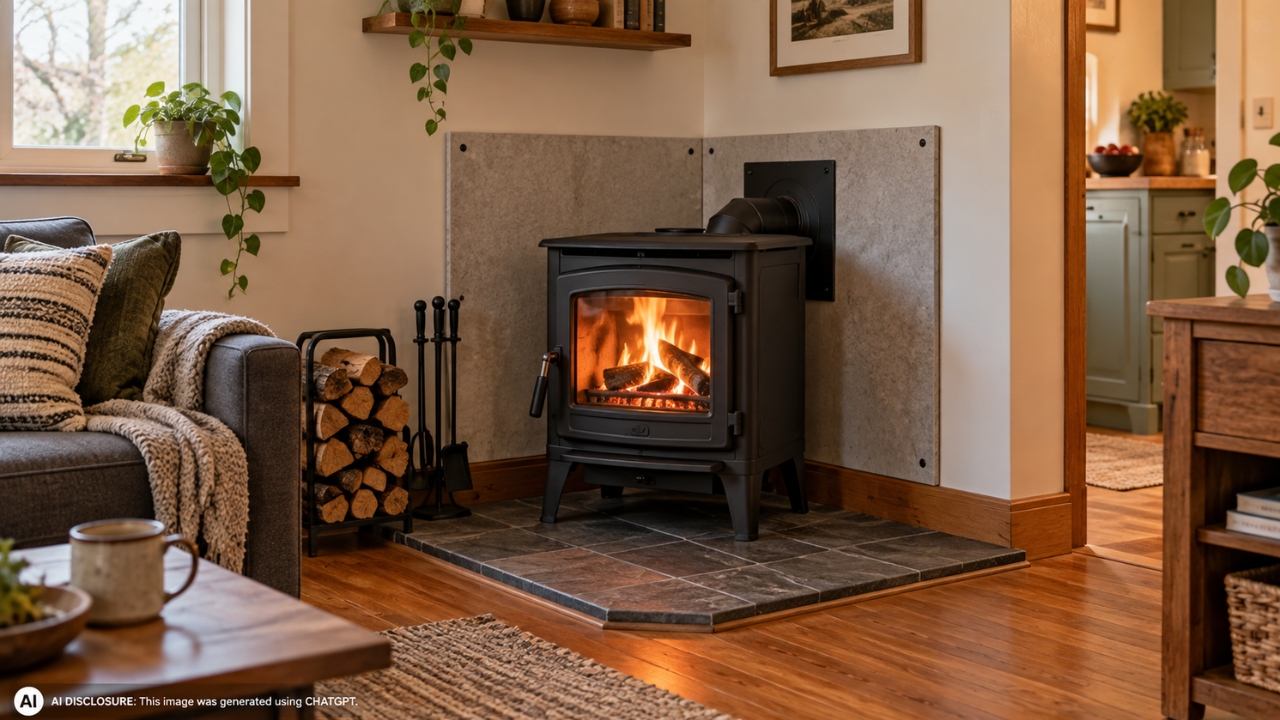
Some houses never had a wood stove planned, and your best spot is tight. A rear-vent stove can help you tuck the connector pipe closer to the wall and keep the run cleaner, especially when you’re tying into an existing thimble. In a smaller home, gaining a few inches can be the difference between a safe setup and a constant clearance worry.
Do not guess at clearances. Follow the stove manual, the chimney system listing, and local code, and pull a permit if your area requires it. If you need a wall shield or hearth protection, build it to spec, not to vibes.
8. Soapstone Or Cast Iron For Steady Output
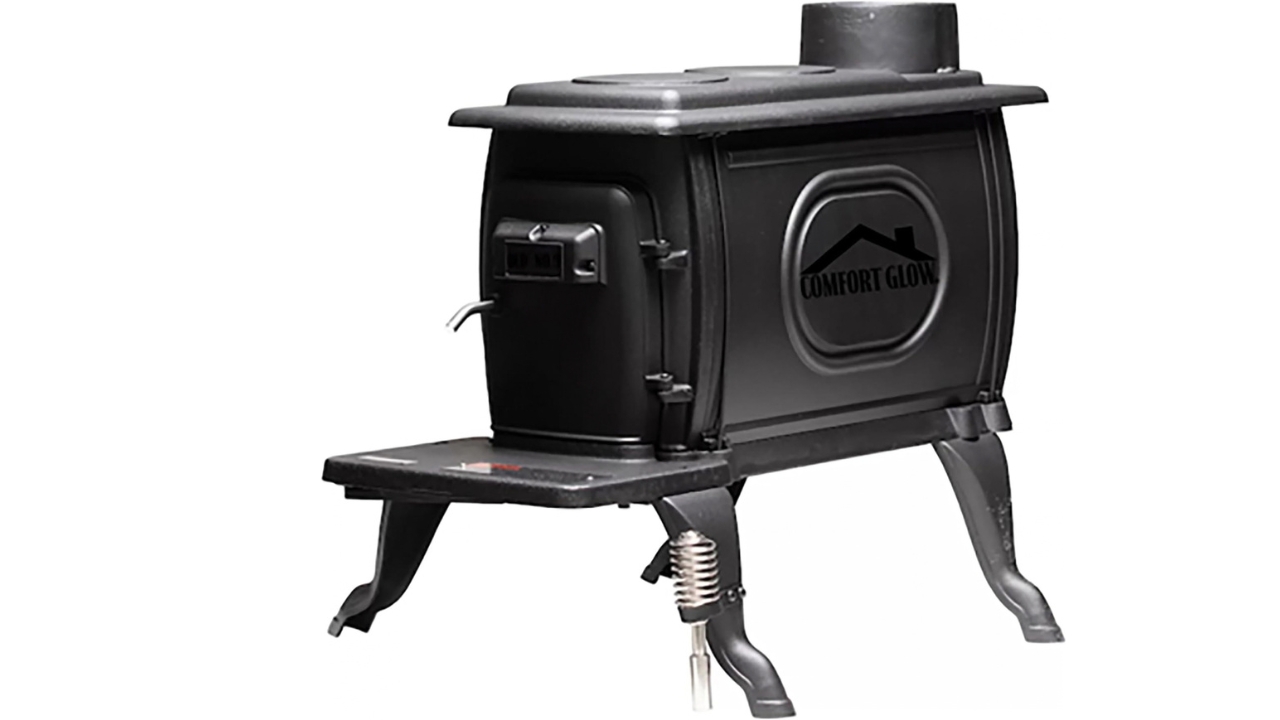
If your house has big temperature swings, heavy stoves help smooth them out. Soapstone and many cast-iron models soak up heat and keep giving it back after the fire dies down, which makes the whole place feel less “spiky.” You’ll hear less pinging and popping from fast expansion, and you’ll do fewer frantic reloads.
The downside is slower response. If you come home to a cold house and want quick heat, steel tends to warm faster. For many families, a heavy stove is still the nicer whole-house heater because it stays comfortable while you sleep.
9. Steel Plate Stoves For Fast Warm-Ups
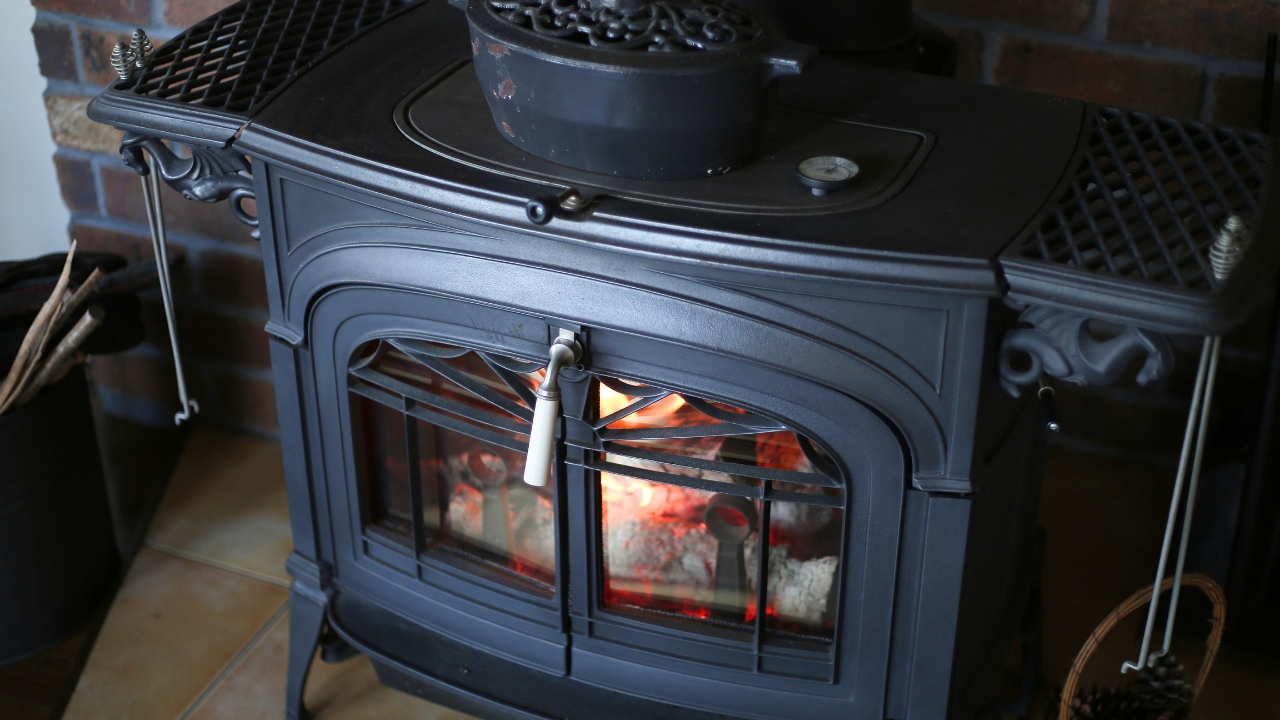
Steel plate stoves are the work boots of the stove world. They heat up quickly, they’re often less expensive for the same firebox size, and they do well in homes where you light up in the morning and let it coast by afternoon. If you’re heating a well-insulated house and you don’t need a 12-hour burn every night, steel can be a smart buy.
This is one of those times the cheaper option can be fine. Just don’t cheap out on the chimney, floor protection, or the moisture meter for your firewood. A solid steel stove with dry wood will outperform a fancy stove fed a pile of wet rounds.
10. Convection Jackets And Blowers For Distribution
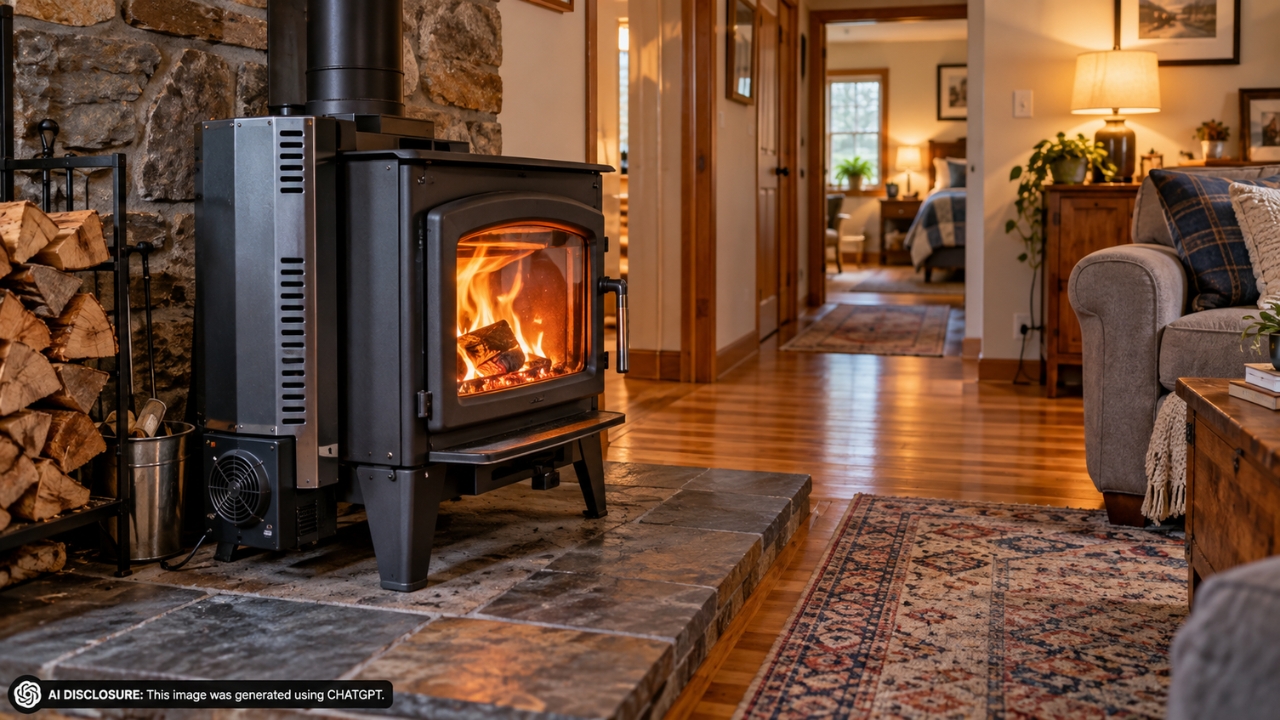
Whole-house heat fails when the warm air pools at the ceiling near the stove and never makes it down the hall. A convection jacket and an optional blower can push heat off the stove and into the room air, which helps it travel. If your layout is chopped up, this can matter more than the difference between two similar fireboxes.
Blowers make noise and they need power, so plan for a backup. A small battery power station can run many stove blowers for a while, but check wattage first. If outages are common and long, favor a stove that heats well without forced air and treat the blower as a helper, not a requirement.
11. Outside Air Kits For Tight Homes
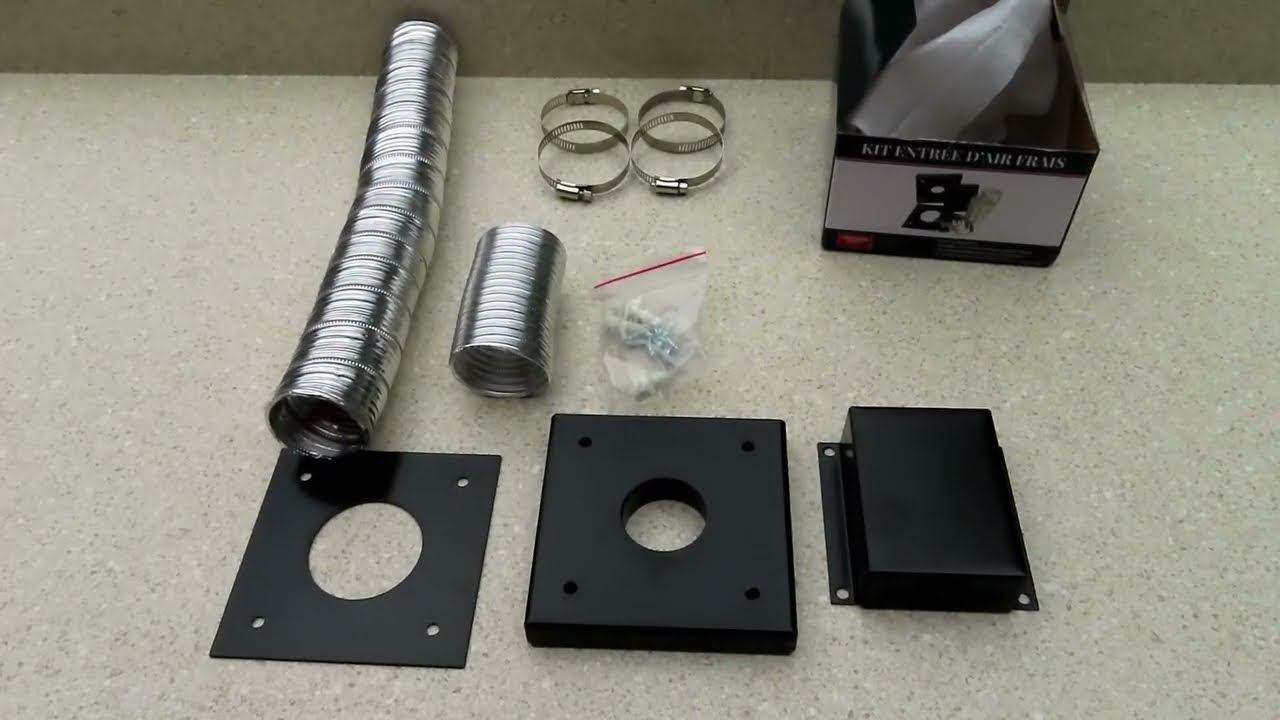
If your house is newer, spray-foamed, or weatherized hard, the stove can struggle for combustion air. The symptoms are annoying: sluggish starts, smoke roll-out when you crack the door, and a stove that only behaves if a window is open. An outside air kit can fix the pressure fight and make the stove act normal.
This is also where bathroom fans and range hoods can cause trouble. If the stove backdrafts when a fan kicks on, stop and address it. A qualified installer or chimney pro is worth paying for when you’re chasing draft problems in a tight house.
12. Simple Parts Support And Local Service
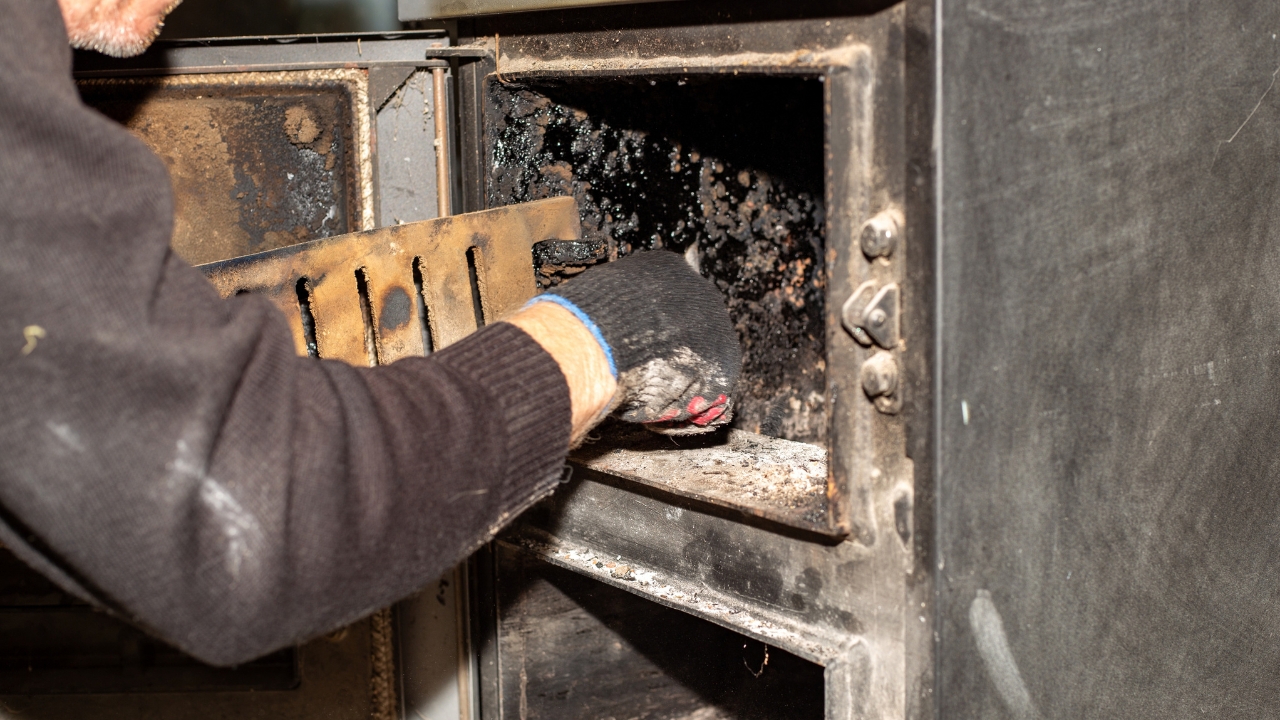
Pick a stove you can keep running. Gaskets, door glass, firebricks, catalysts, blowers, and baffles are all wear items, and they fail on the coldest week of the year. If the nearest dealer is three states away and parts take a month, that “deal” starts to look dumb.
Before you buy, check that manuals are easy to get, parts can be ordered without drama, and a local sweep will service that model. Resale is better too, because buyers trust stoves they can still get parts for.
A whole-house wood stove setup works best when the stove, chimney, wood supply, and layout all match. Buy the stove that fits how you actually live, then spend the extra effort on dry wood and a clean, code-correct install. Winter gets a lot easier when the heat is steady and the system behaves.
Like Fix It Homestead’s content? Be sure to follow us.