
10 Places Heat Escapes a House That People Never Check
Photo credit: Evgeniya Moskova/istock.com
You can crank the thermostat and still feel a draft in your socks. That usually means warm air is leaving faster than your heater can replace it. The rough part is the worst leaks often hide in plain sight, behind trim, covers, and convenient excuses.
1. Attic Hatch And Pull-Down Stairs
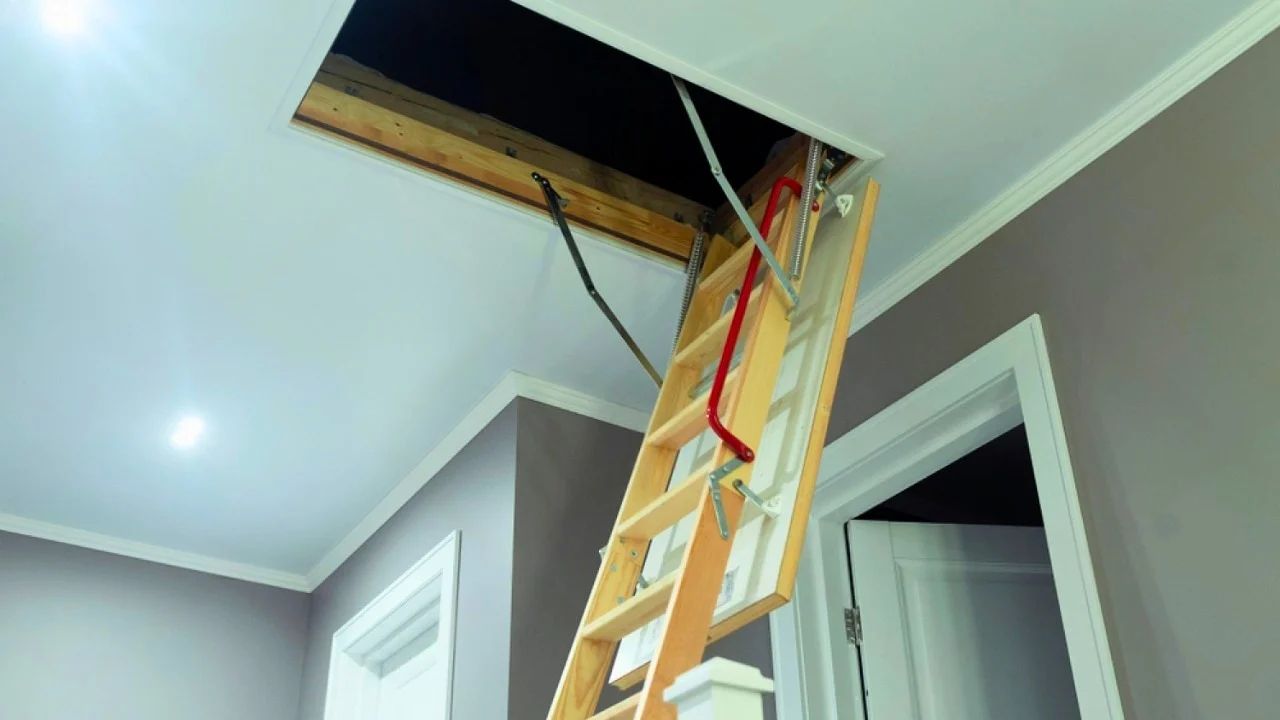
A lot of homes have decent attic insulation, then a big uninsulated lid right in the hallway ceiling. You notice it on windy nights, the hatch area feels colder and the ceiling around it can look dusty from air movement. Pull-down stairs are even worse because they’re full of gaps.
Add weatherstripping around the perimeter and latch it so it actually compresses the seal. Then glue rigid foam board to the top of the hatch, or build a simple foam “coffin” box over the stairs in the attic. Use foil tape or canned spray foam for seams, but keep foam away from hot light fixtures and follow the fixture’s clearance rules.
2. Rim Joist Above The Foundation
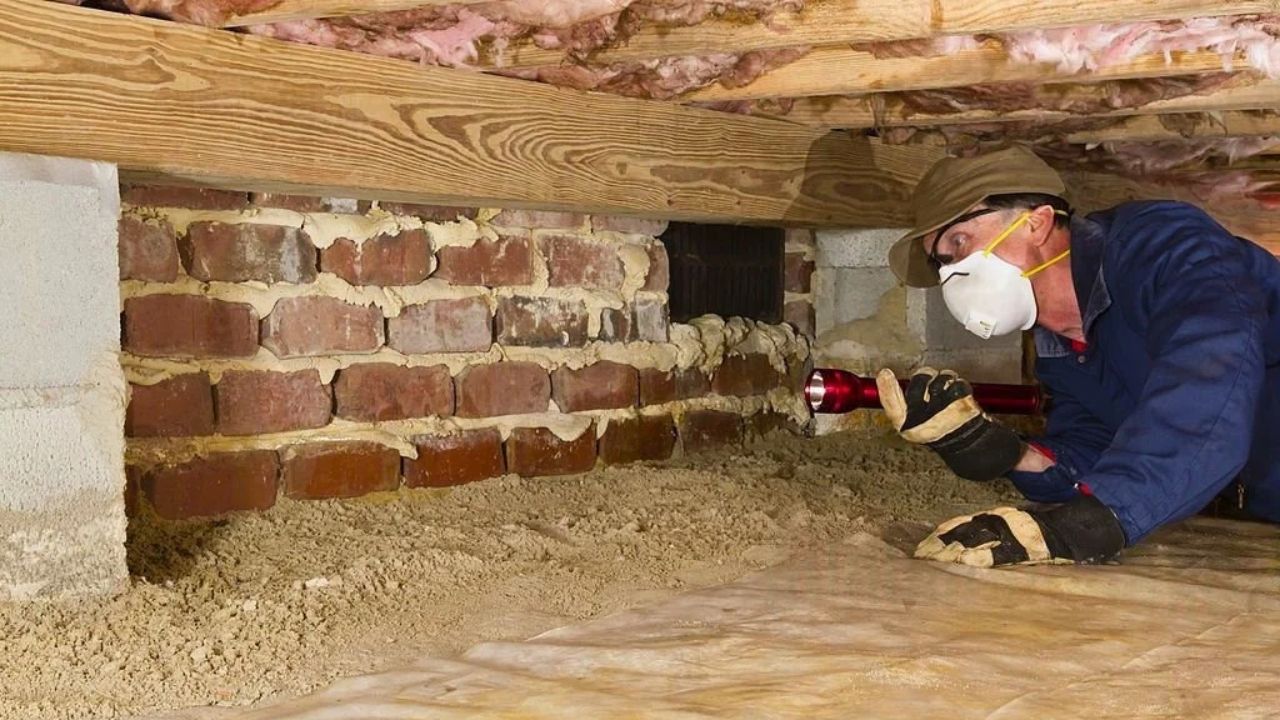
If your basement or crawlspace is chilly, the rim joist is usually guilty. That band of wood where the floor framing meets the foundation is full of cracks, wire holes, and tiny gaps that add up. It’s also where mice like to travel, which tells you air can travel too.
Cut rigid foam to fit each bay and seal the edges with spray foam, or use closed-cell spray foam if you’re hiring it out. Pay attention to the sill plate and any penetrations for hose bibs, AC lines, and cables. In a crawlspace, wear a respirator, gloves, and eye protection, and fix any bulk water problems before sealing things tight.
3. Fireplace Damper And Ash Cleanout
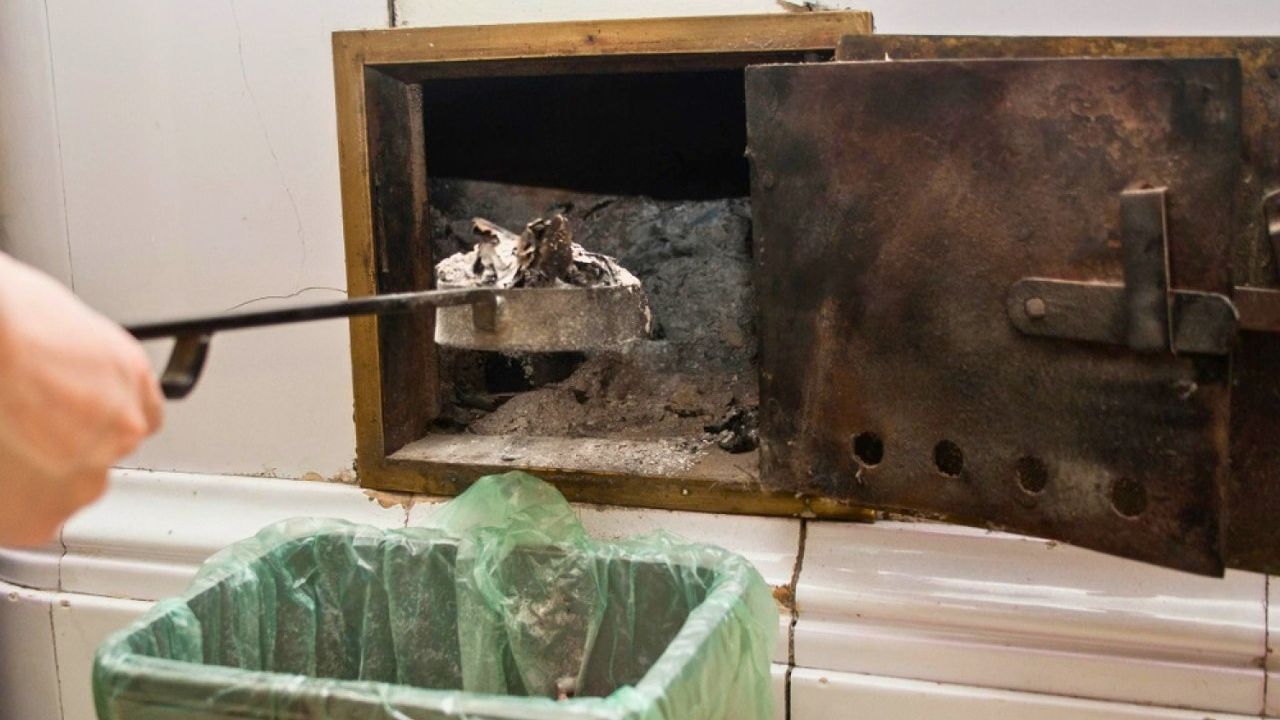
An open chimney is basically a hole through your house. Even with the damper “closed,” many leak enough that you can feel the pull with your hand on a cold day. If there’s an ash cleanout door in the basement, that’s another leak you’ll never see from the living room.
Close the damper fully and check that it actually seats. A top-sealing damper cap is a solid upgrade and often works better than fighting a warped throat damper. The cheap exception is an inflatable chimney balloon, it’s fine if you remove it before using the fireplace and you can access it without a ladder.
4. Recessed Lights And Ceiling Fan Boxes
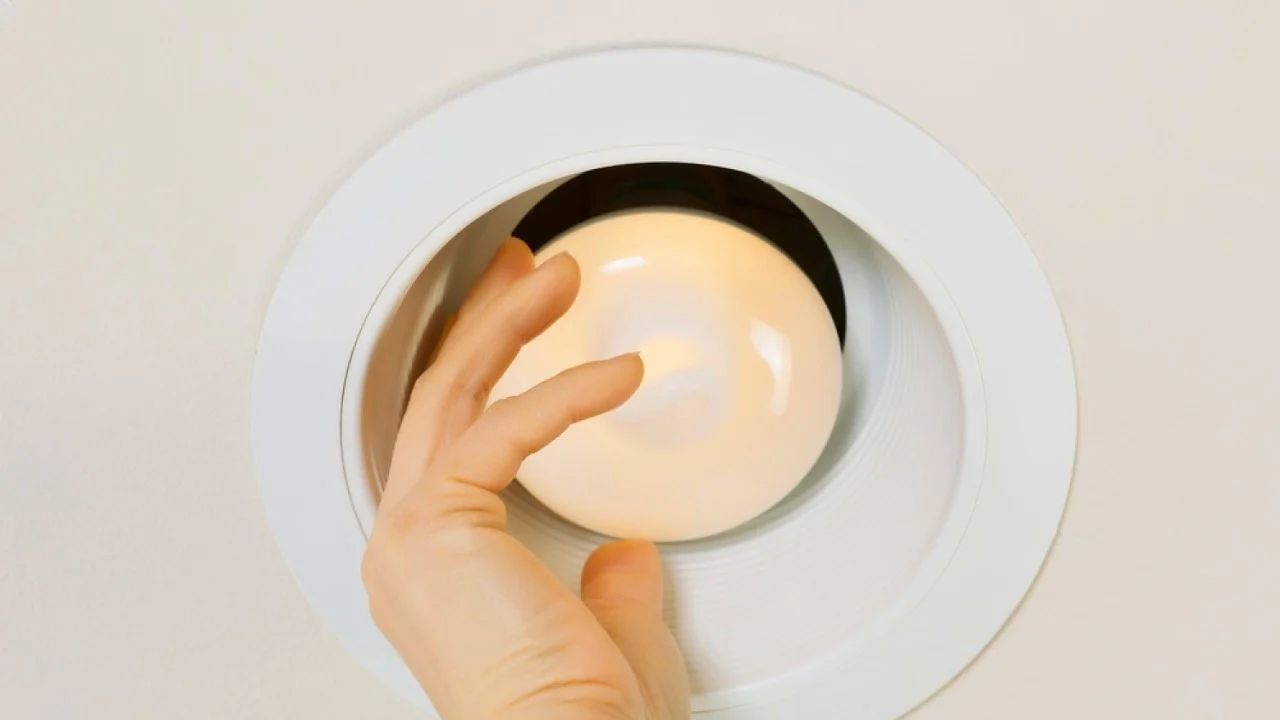
Older recessed can lights often vent straight into the attic. So do leaky fan boxes and those “old work” electrical boxes that were never air sealed. The sign is a cold halo on the ceiling or insulation that looks dirty around the fixture from air washing through it.
If the cans aren’t rated for insulation contact, do not bury them in insulation or foam around them. The safe fix is swapping to airtight IC-rated fixtures or sealed LED wafer lights, then air seal the box or housing to the drywall with the right gasket or sealant. If you’re not comfortable working with house wiring, hire a licensed electrician and have them handle the fixture change.
5. Gaps Behind Baseboards And Trim
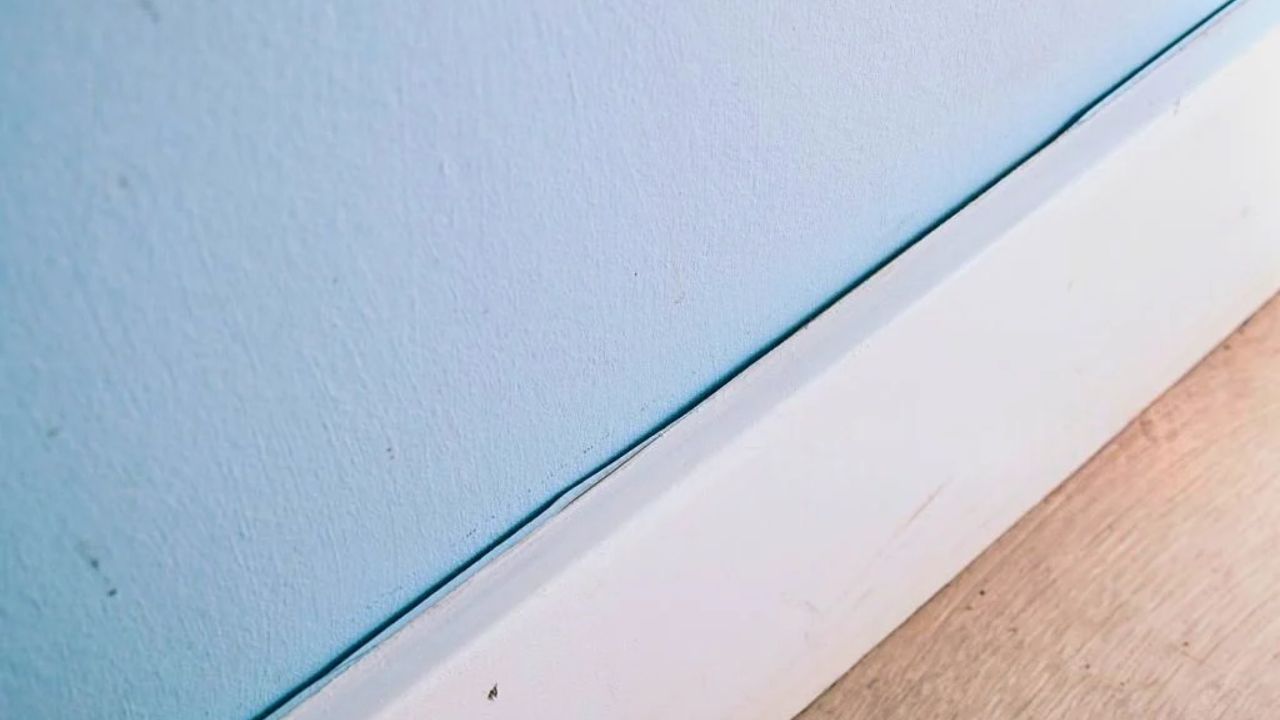
People repaint trim and call it good, while a quarter-inch gap behind the baseboard keeps breathing all winter. You feel it most on exterior walls and in older houses where plaster shrank or framing moved. It also drags dust in, so the carpet edge stays dirty no matter how much you vacuum.
Pry the baseboard carefully, scrape out old caulk, and run a bead of paintable caulk or foam backer rod plus caulk in big gaps. If you don’t want to pull trim, caulk the seam where baseboard meets floor and where trim meets wall, then touch up paint. It’s not glamorous, but it’s a couple tubes and an afternoon.
6. Under-Kitchen Sink Pipe Holes
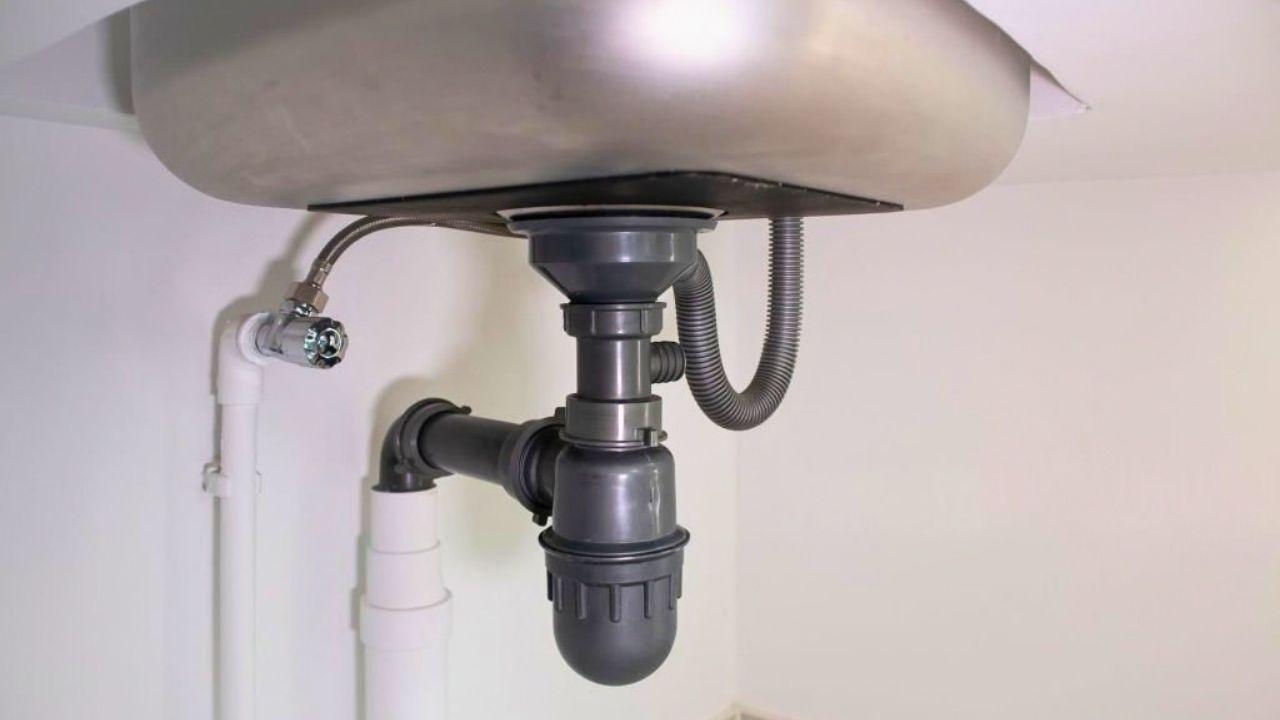
Under the sink is where lazy holes live. Drain pipes, supply lines, dishwasher lines, and the cabinet floor often have gaps straight into a cold wall cavity. In a hard freeze, that draft doesn’t just waste heat, it sets you up for frozen pipes.
Stuff small gaps with copper mesh or steel wool to slow rodents, then seal with fire-rated caulk or expanding foam marked for gaps around penetrations. Keep foam off shutoff valves and flexible hoses so you can service them later. If you already have frozen-pipe trouble, add pipe insulation and stop the air leak first, insulation alone won’t fix a wind tunnel.
7. Dryer Vent And Bath Fan Terminations
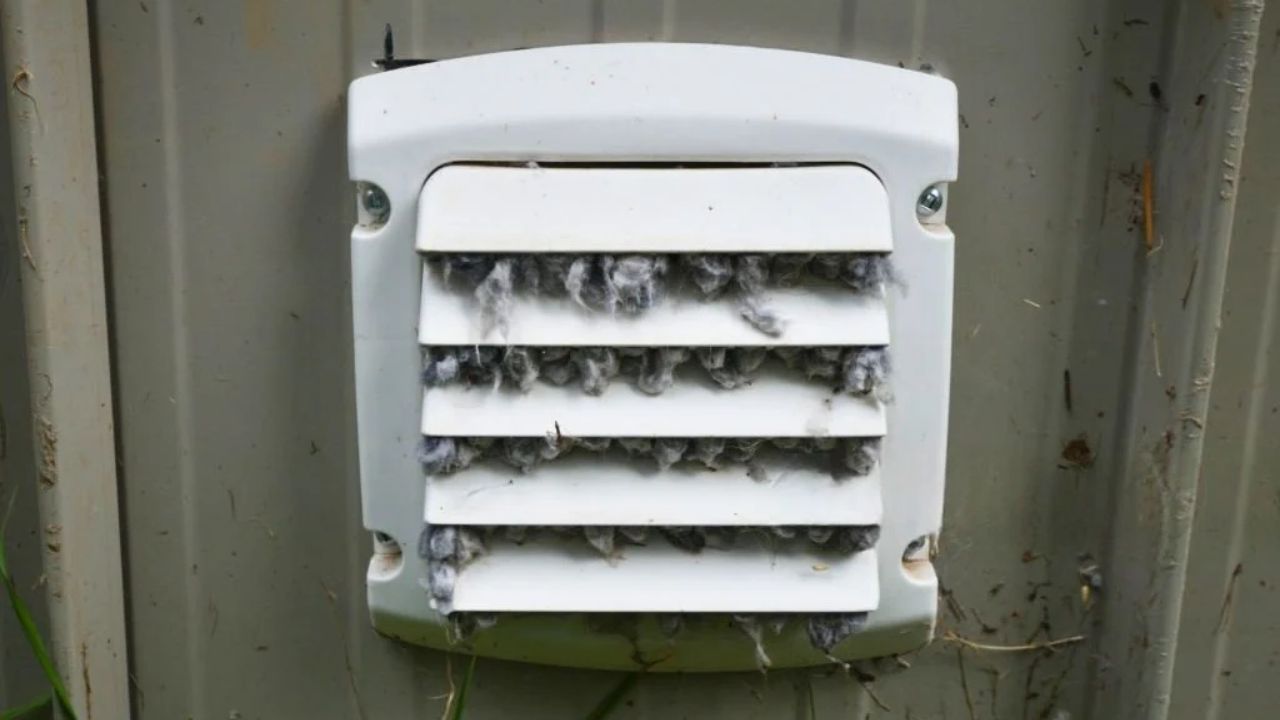
That flapper hood outside is supposed to close. Half the time it’s stuck open with lint, warped by sun, or held open by a bird nest. Then you’ve got a direct draft through a metal duct, and in humid seasons you can also pull damp air back into the house.
Clean the vent, replace broken hoods, and use a proper dryer hood with a damper, not a screen that clogs with lint. For bath fans, check the exterior damper and the fan housing damper, both matter. If the duct runs through an unheated attic, wrap it with insulation and tape the seams so it doesn’t sweat and drip.
8. Garage Door And House-To-Garage Door
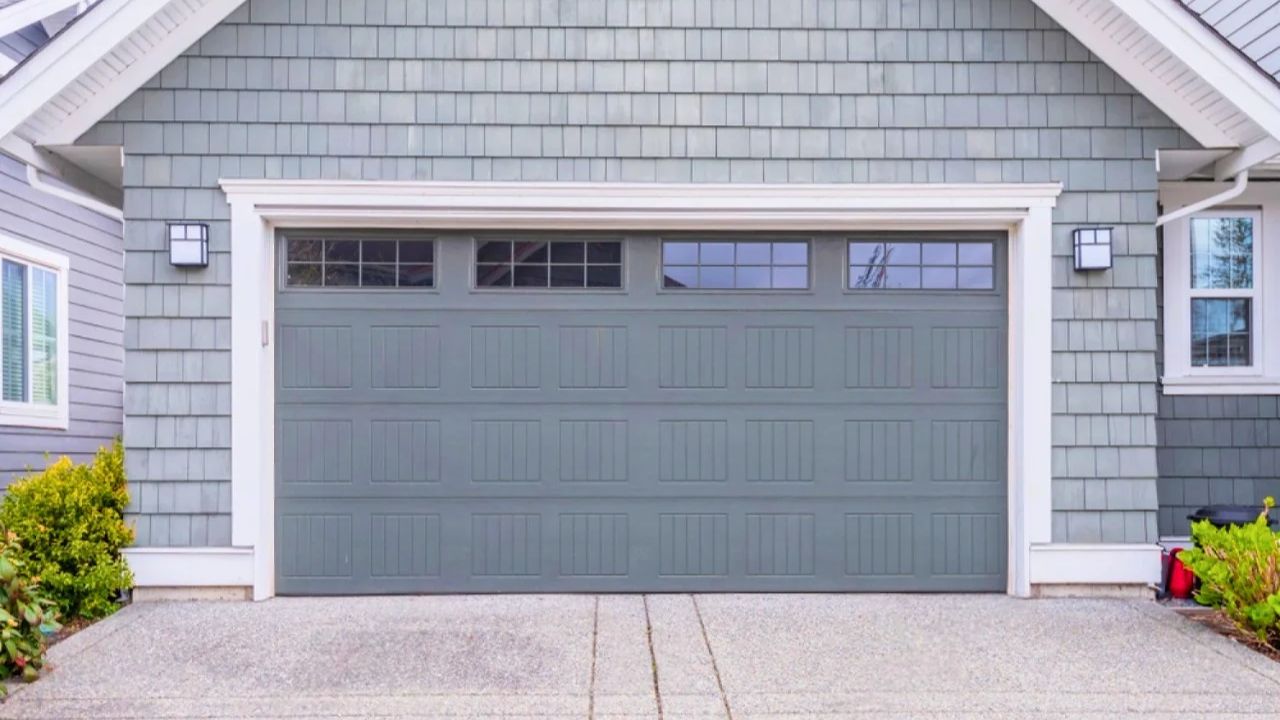
A garage is basically outdoor air with a roof. If the big door isn’t sealed, the garage stays cold, and the shared wall and any ductwork near it get punished. The real leak, though, is often the door between the garage and the house, it closes, but it doesn’t seal.
Add a new bottom seal and side/top weatherstrip on the garage door and check the threshold. On the house-to-garage door, replace worn weatherstripping and set the sweep so it drags slightly on the threshold. If that door is hollow-core or beat up, swapping to a tight, insulated exterior door is worth the money for comfort and fumes control.
9. Cable, Phone, And AC Line Penetrations
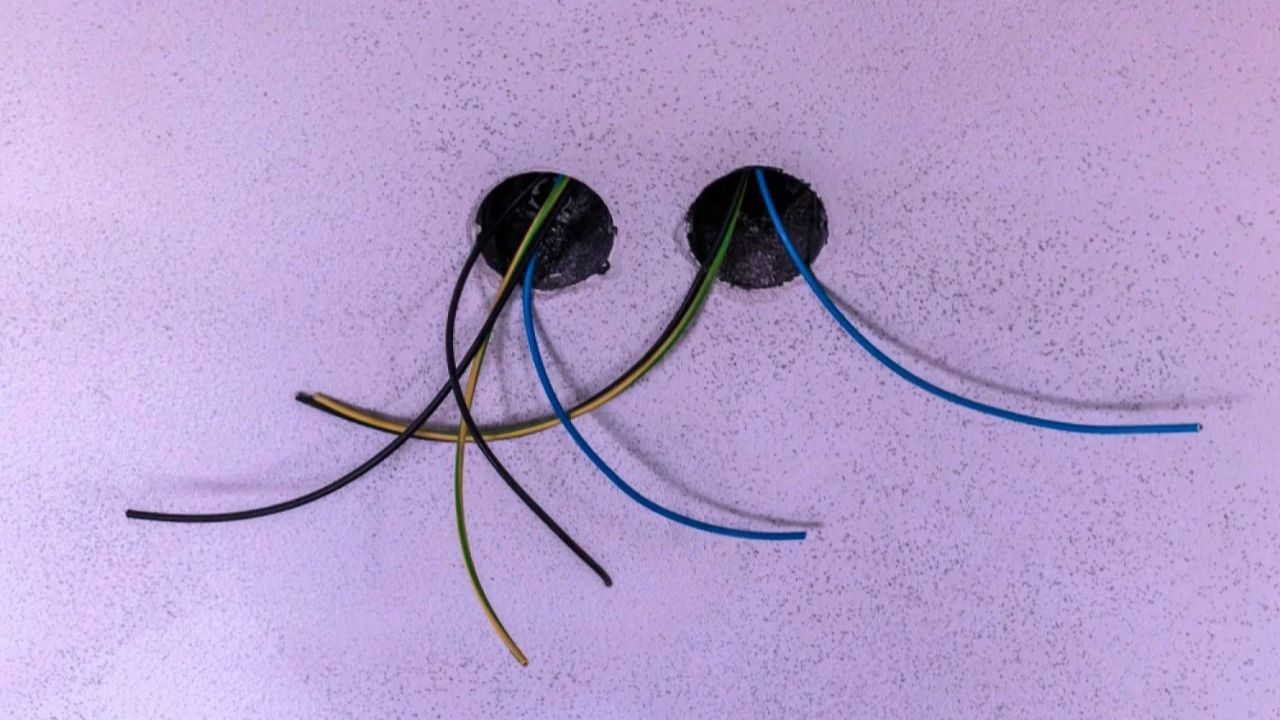
Installers drill a hole, run the line, and move on. You end up with a daylight ring around coax, thermostat wire, mini-split line sets, or an old satellite cable that nobody uses anymore. Wind hits that spot and you get a cold stripe on the wall inside.
Outside, seal around penetrations with exterior-rated caulk, and use duct seal putty where it makes sense. Inside, a little low-expansion foam works well for bigger gaps, but keep it neat so it doesn’t bow trim or trap water. If you’re sealing around refrigerant line sets, don’t crush or kink anything, and don’t mess with the equipment connections, that’s HVAC tech territory.
10. Basement Bulkhead And Crawlspace Access Doors
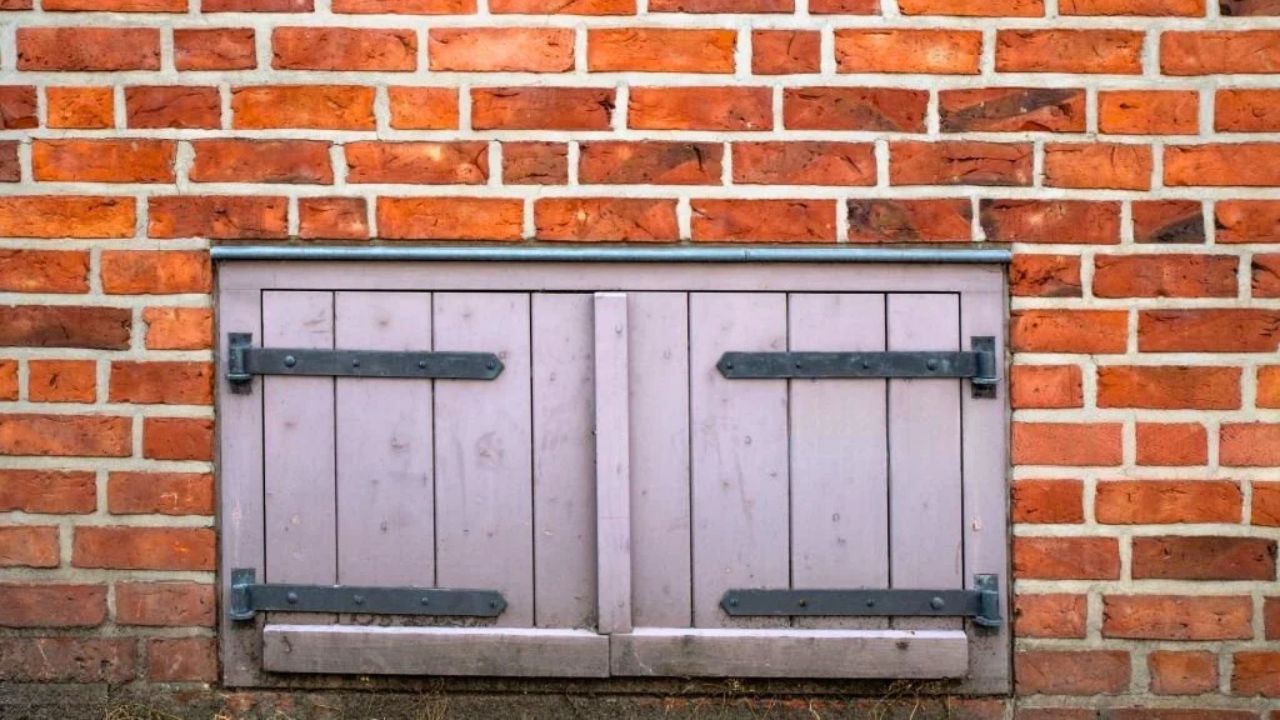
Those exterior basement doors and crawlspace hatches are notorious. They’re often warped, out of square, or missing a proper threshold, and they sit low where drifting snow and rain splash love to live. Heat loss is one part, moisture and rot are the other.
Replace weatherstripping, add a threshold, and adjust the latch so it pulls the door tight. For a crawlspace door, a simple rigid foam panel on the inside and a solid latch can make a big difference. If water pools there, fix drainage and grading first or you’ll just seal in trouble.
Pick a windy day, turn off bath fans and the range hood, and walk the house with the back of your hand. Seal the obvious stuff you can reach, then schedule the bigger fixes before the next cold snap hits. Comfort is the reward, but so is a heating system that doesn’t have to run itself ragged.
Like Fix It Homestead’s content? Be sure to follow us.