10 Signs a Dog Is Too Cold to Be Outside
Photo credit: monshtein/Shutterstock.com
Cold snaps turn “just let the dog out” into a real problem fast. Wind, wet fur, and a bored dog that won’t move around can drop body heat quicker than most people expect. You don’t need a thermometer to tell you something’s off, you need to watch the dog and the situation around them.
1. Shivering That Won’t Stop
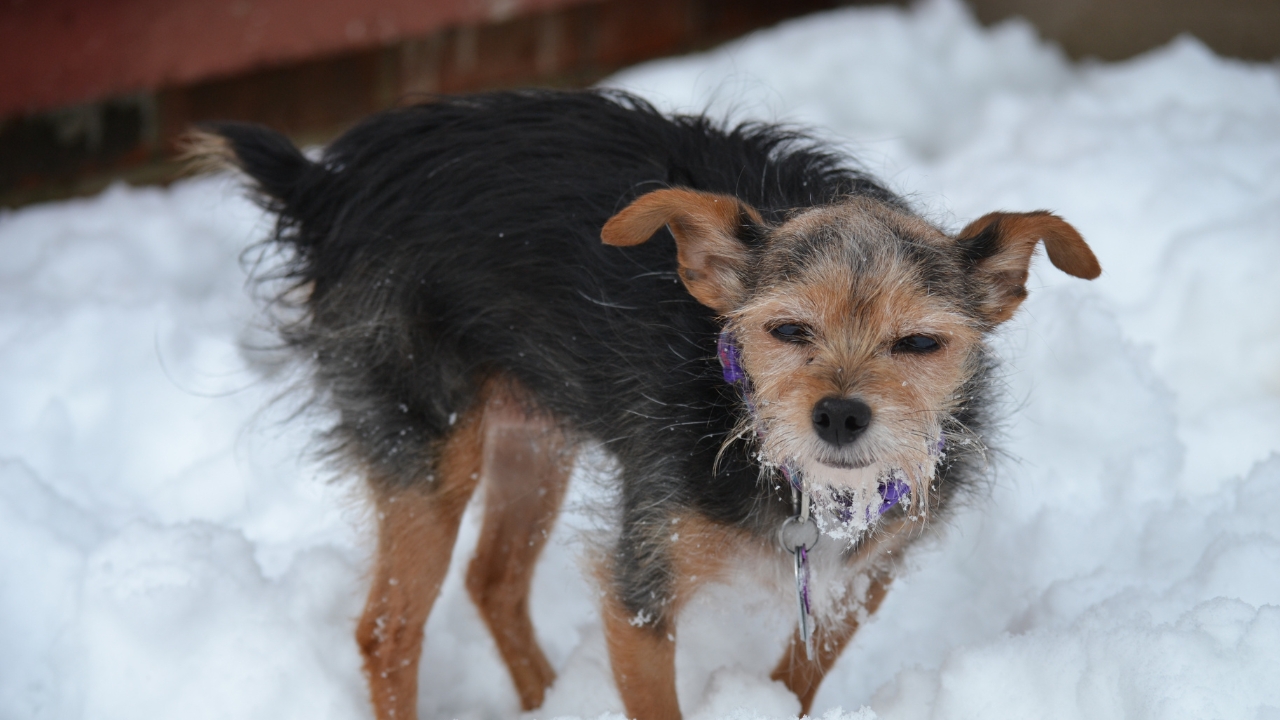
A little tremble right after stepping onto snow can happen, but steady shaking is your dog burning fuel to stay warm. If the shiver keeps going after a minute or two, the dog is telling you the cold is winning.
Bring them inside and warm them up slowly with a dry towel and a draft-free room. Skip the “tough it out” idea, it wastes energy and can lead to stiffness, slips, and panic. If shivering continues indoors or the dog seems weak, call a vet.
2. Lifting Paws Or Limping On Snow
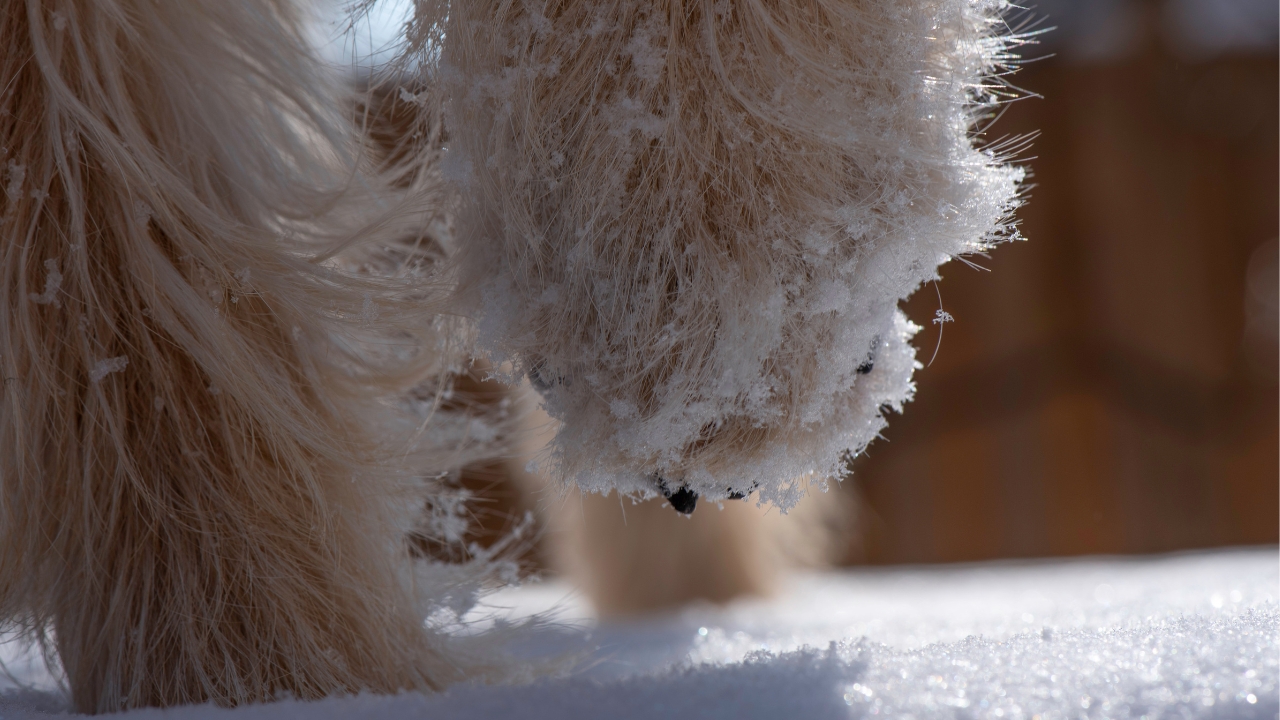
That quick paw lift, the three-legged hop, or the sudden “I won’t move” stance is often cold pain, not stubbornness. Ice balls between toes, packed snow, or frozen ground can sting fast, especially on short-haired dogs and seniors.
Get them off the cold surface, then check pads for cracking, bleeding, or ice stuck in fur. A quick rinse with lukewarm water and a good dry-down beats chipping at ice with your fingers. For future trips outside, trim the hair between paw pads and keep a towel by the door.
3. Seeking Shelter In Odd Places
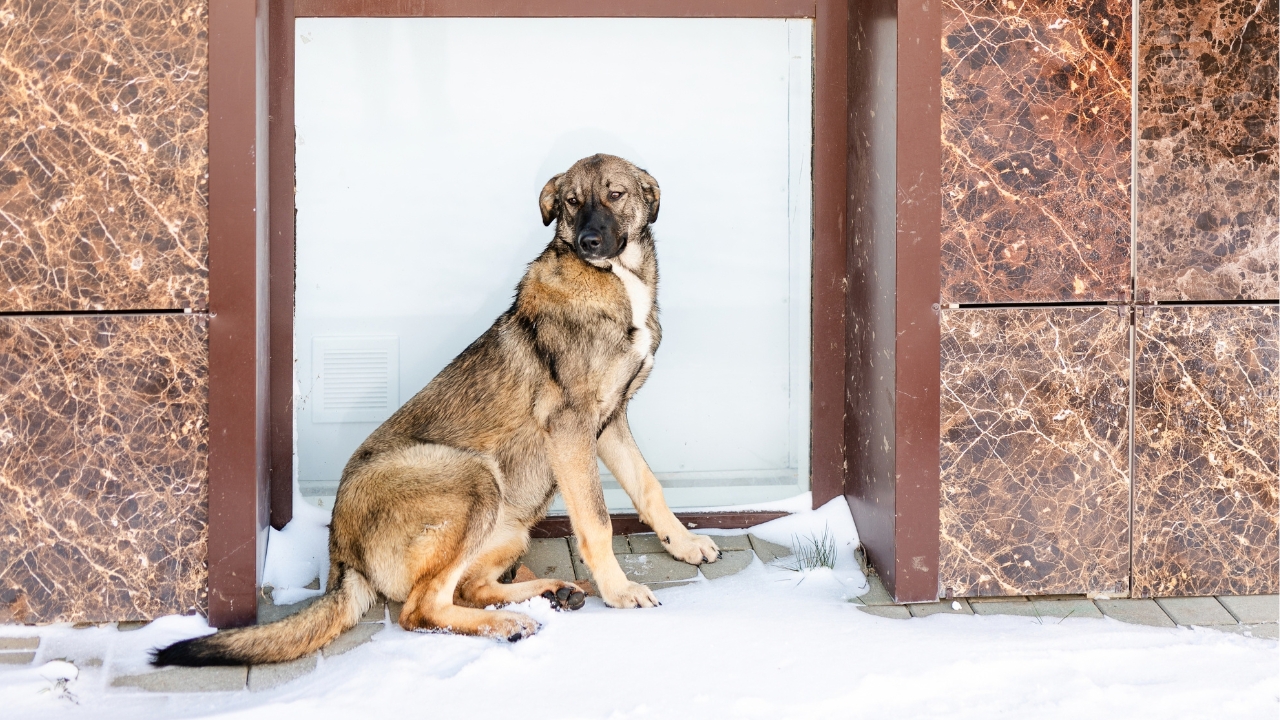
When a dog is too cold, they start hunting for any windbreak they can find. Under the porch, behind the woodpile, pressed against the house wall, or jammed into a corner of the run all count.
That behavior means the yard setup is failing them. Fix the draft first, not the dog’s attitude. Add a three-sided windbreak, move the dog house opening away from the prevailing wind, and keep the shelter off bare ground with a pallet or insulated platform.
4. Curling Tight With Tail Tucked
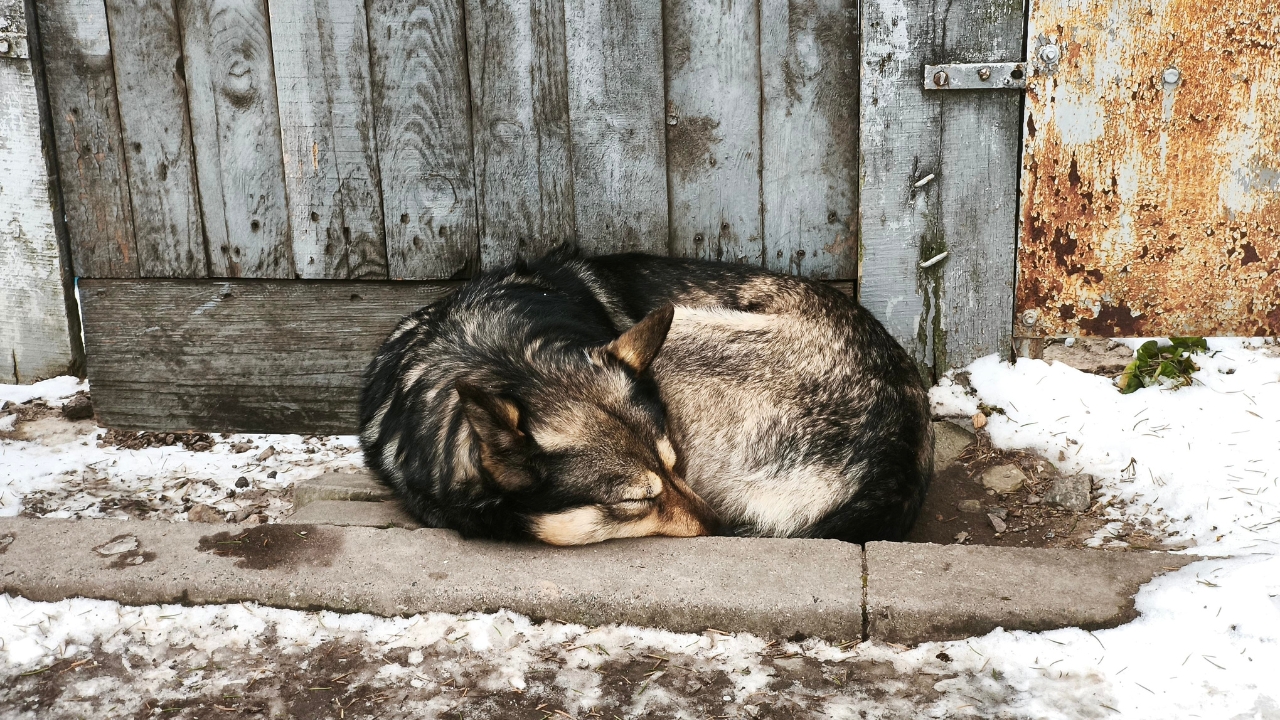
A tight cinnamon-roll curl is a heat-saving pose, and it shows up when the dog can’t stay comfortable. You’ll see the tail clamped over the nose, ears pinned back, and little interest in sniffing or exploring.
Don’t assume “they’re just napping.” Outdoors, that posture can slide into a dog getting too chilled to get up and move around. Bring them in, or at least into a dry, bedded shelter with straw and a door flap that blocks wind.
5. Wet Fur That Stays Wet
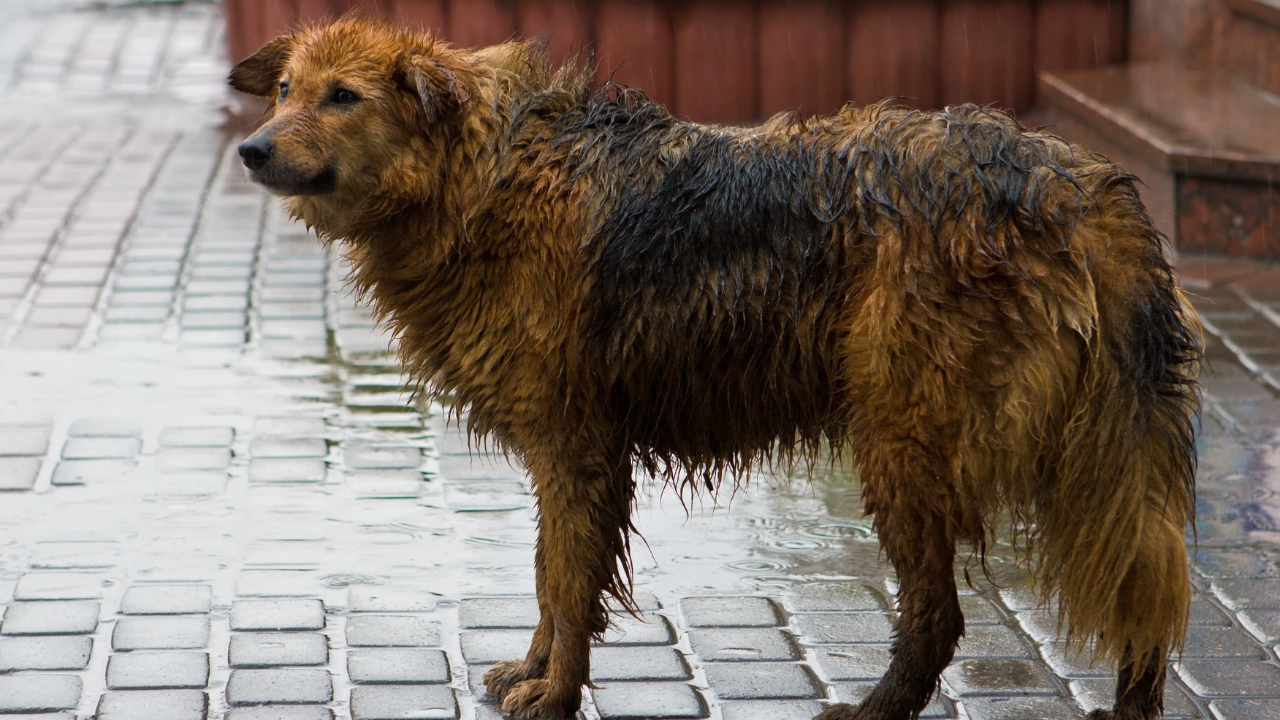
Wet is the real enemy, even when the air temperature doesn’t look that bad. Rain, sleet, or melting snow pulls heat out of a coat fast, and a dog with a thick coat can look fine while the undercoat stays soaked.
Dry them with towels, then keep them inside until the coat is dry to the skin. Outside, fix the water problem at the source: patch the dog house roof, add an overhang, and keep bedding up off the floor. Straw handles damp better than blankets outdoors because it doesn’t hold water the same way.
6. Whining, Barking, Or Scratching To Get In
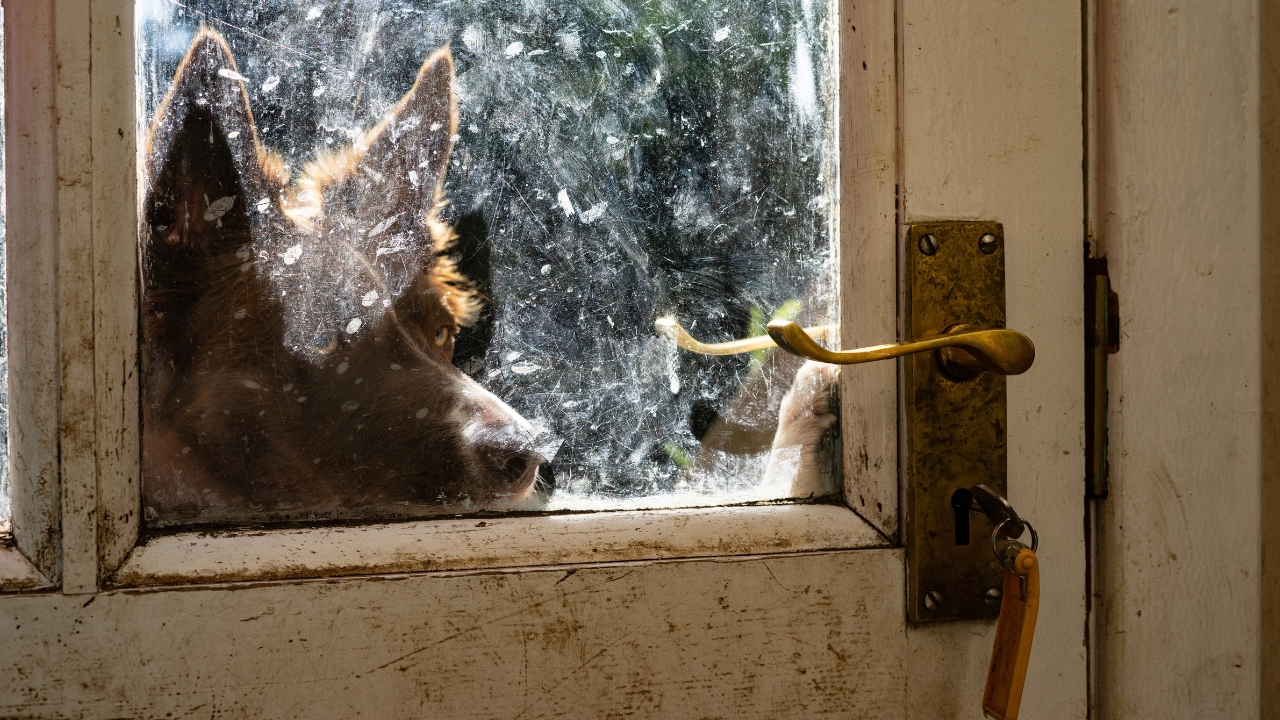
Some dogs complain about everything, but a dog that’s usually fine outside and suddenly starts fussing is giving you a clear report. Pawing at the door, pacing the fence line, or barking in short bursts often means they’re past “brisk” and into “miserable.”
Let them in, then look at what changed. Wind picked up, the sun dropped behind the trees, or the dog’s water bowl froze and they’re stressed. If you can’t supervise, shorten outdoor time and use a leash walk instead of leaving them in the yard.
7. Slowing Down And Seeming Confused
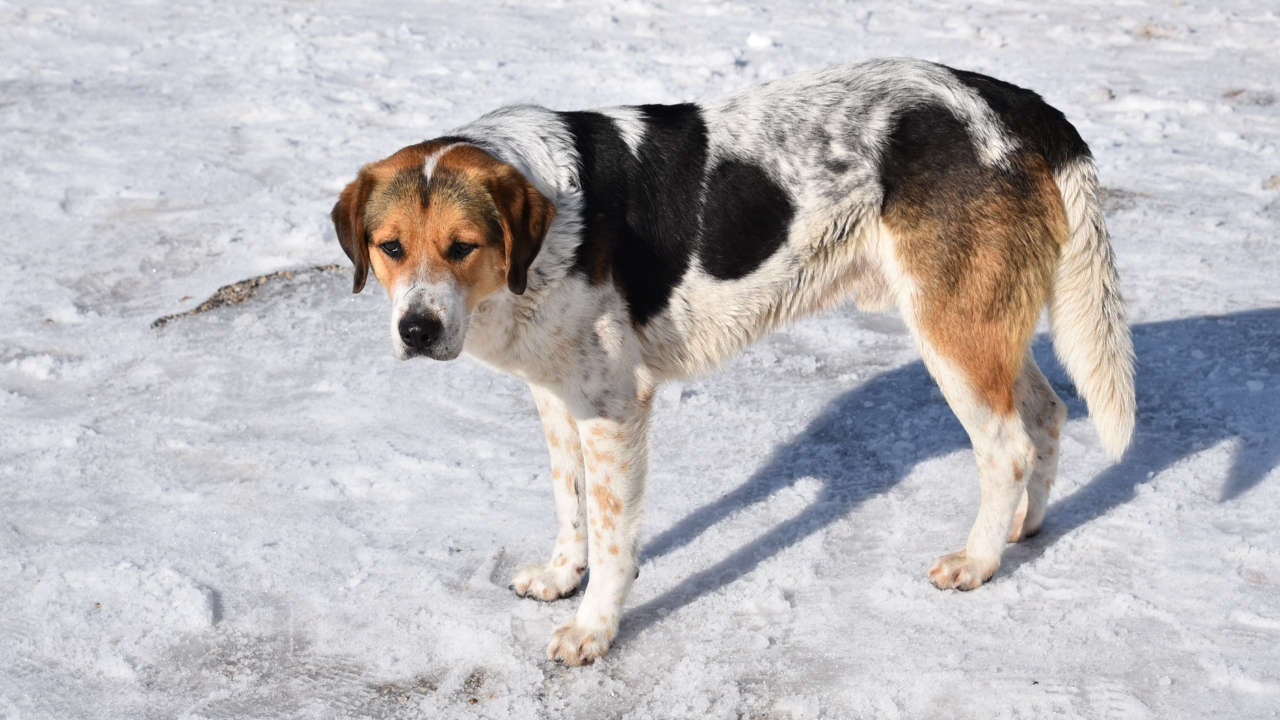
This one sneaks up. The dog stops responding to the usual cues, stands still, or wanders like they can’t decide where to go. It’s not a training issue, it’s the brain and muscles cooling down and working poorly.
Get them inside right away and warm them gradually. Don’t use a hot bath or a heating pad set on high, burns happen easily when circulation is off. If your dog seems disoriented, weak, or keeps acting “not right” once warm, call a vet and describe what you saw.
8. Refusing Treats Or Ignoring You
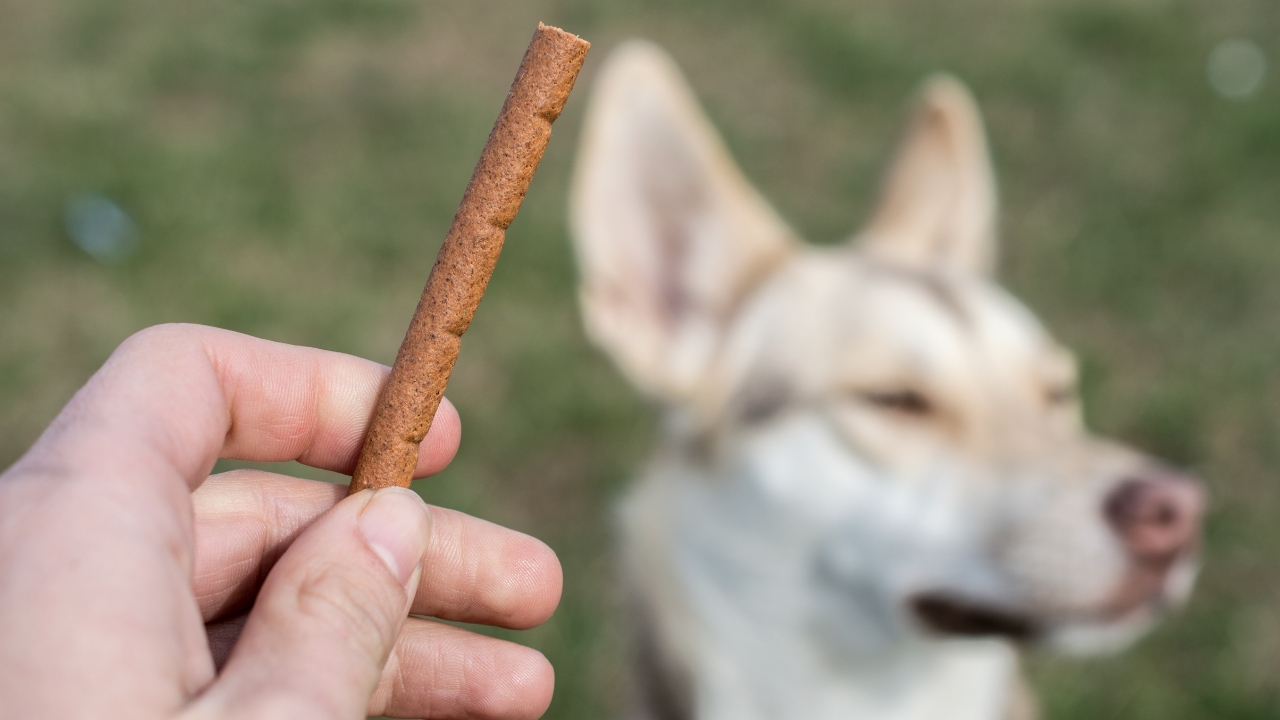
If your dog normally perks up for a snack or comes running when you step outside, a sudden “nope” is a flag. Cold stress can shut down appetite and make a dog focus on survival mode instead of you.
Bring them in and offer water first, then food once they’re settled. Don’t keep coaxing them to “play it off” outside. This is also a good reason to avoid leaving a dog out unattended during a fast temperature drop.
9. Bedding That Turns Into A Heat Sink
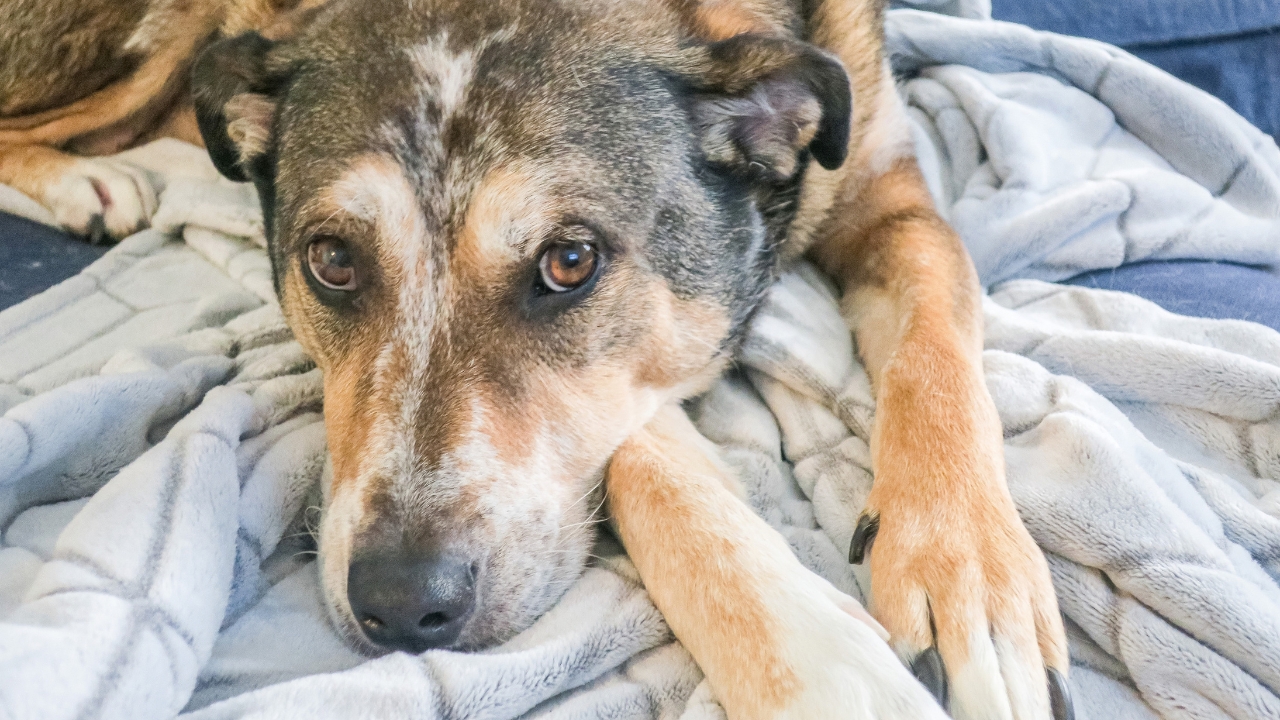
Blankets feel cozy indoors, but outside they can become cold, damp pancakes that steal warmth. A dog that keeps circling, pawing, or refusing their house may be reacting to bedding that’s wet, frozen, or flattened.
Swap to clean, dry straw for outdoor shelters in freezing weather, and use a thick layer so the dog can nest into it. If you use a heated mat or heated water bowl, follow the manufacturer instructions and plug it into a GFCI outlet. If wiring or an outdoor outlet needs work, hire a licensed electrician.
10. Cold Tolerance Suddenly Drops
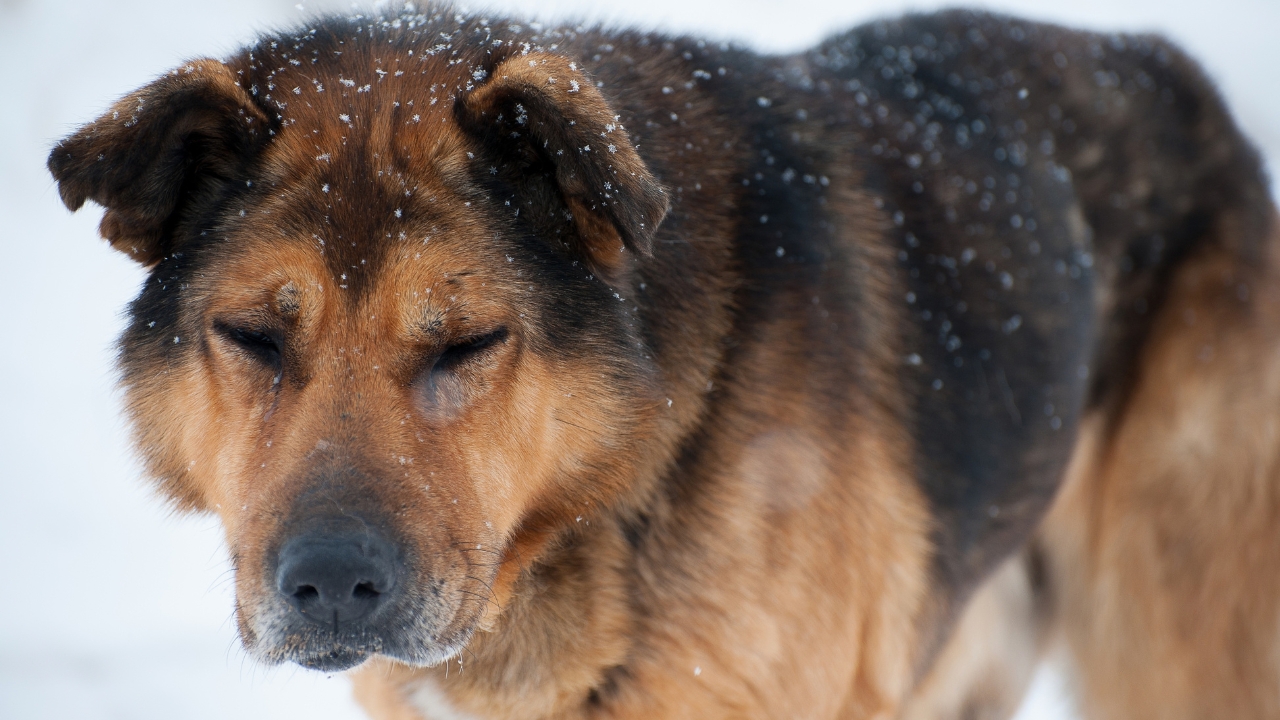
Some dogs handle winter fine, until they don’t. Aging, weight loss, a recent haircut, illness, or even just a long, hard day can lower cold tolerance without any dramatic signs at first.
The cheap option is often the right one here: bring the dog inside more. A sweater can help some dogs on short potty trips, but don’t treat clothing as permission for long outdoor hangs in wind and wet. The exception is healthy northern breeds with a full winter coat and access to a dry, draft-free shelter, they can be comfortable longer, but they still need checks and an unfrozen water source.
If the weather is rough, change the routine instead of arguing with it. Short leashed potty breaks, a cleared path to reduce paw exposure, and a warm indoor spot after can get you through a cold spell without drama. Watch the dog, not the calendar.
Like Fix It Homestead’s content? Be sure to follow us.