Best Pressure Washers for Driveways, Siding and Decks
Photo credit: Virrage Images/Shutterstock.com
A pressure washer can make a place look cared for in one afternoon, or it can chew up wood, peel paint, and push water where it does not belong. The trick is buying the right kind of machine for the jobs you actually do, then setting it up so it works with you instead of against you. Driveways, siding, and decks ask for different power, different flow, and different habits.
1. Chasing PSI Instead Of GPM
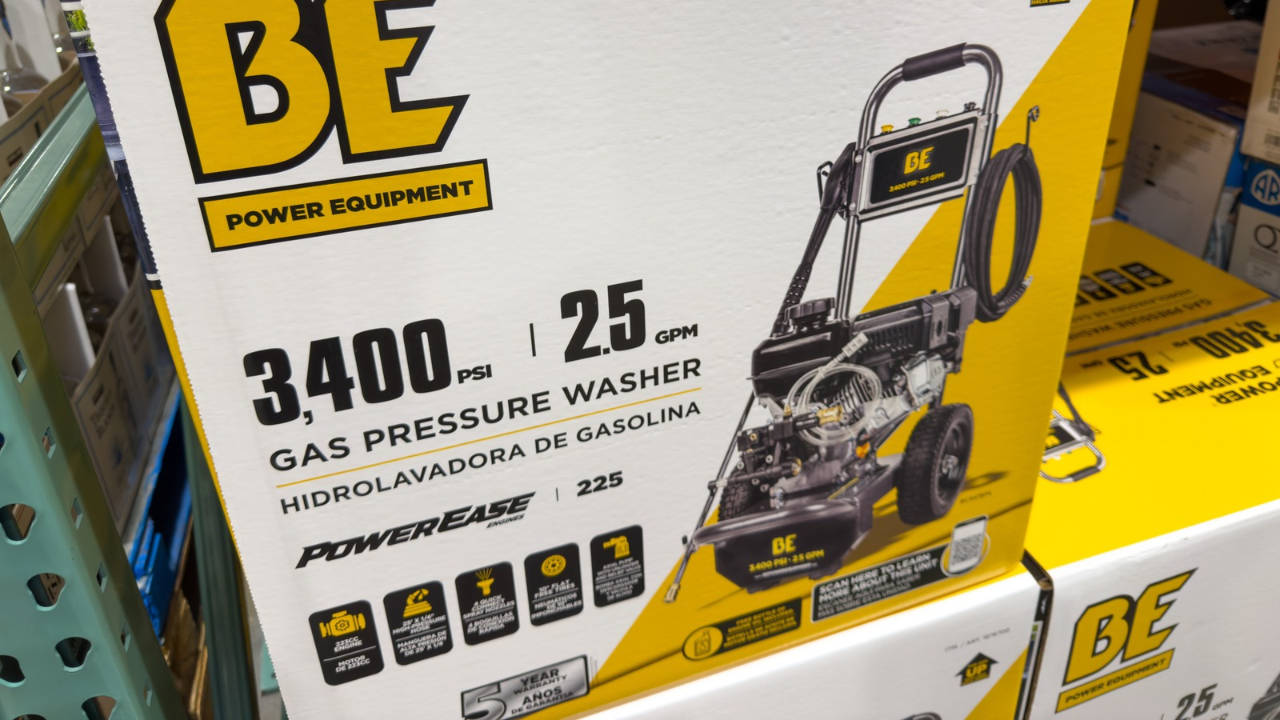
A lot of shoppers get hypnotized by the biggest PSI number on the box. PSI matters, but gallons per minute is what moves the dirt off the surface and rinses it away. Low flow feels like you are erasing stains with a pencil, slow and patchy, and you stay in one spot too long.
For big flat work like concrete driveways, lean toward higher GPM even if PSI is moderate. For siding and deck washing, decent flow lets you back off the surface and still rinse well, which cuts damage. If you are comparing electric units, expect lower GPM and plan for smaller jobs or more time.
2. Buying An Electric Unit For Concrete
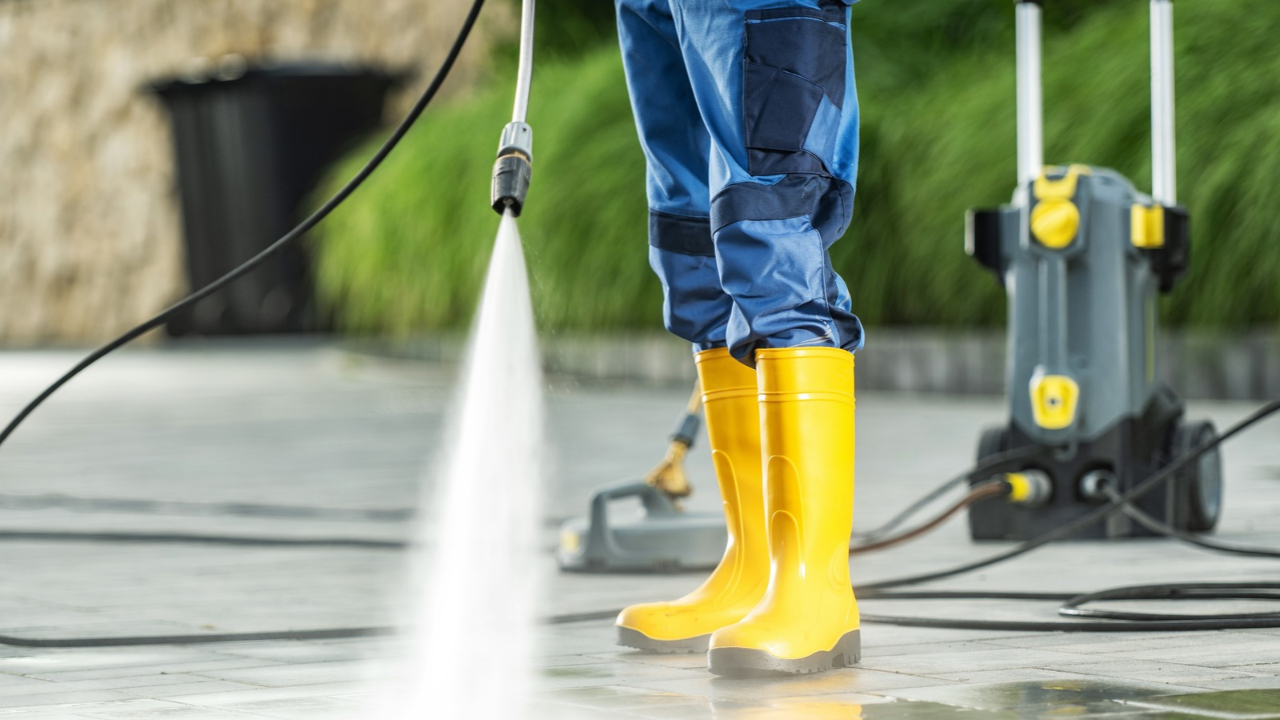
Electric pressure washers have a place, but a wide driveway with tire marks and algae is not it for most people. You end up creeping along, blasting close to the concrete, and that is how you get stripes that never quite match. The machine is not “bad,” it is just underpowered for the square footage.
Gas models, especially ones with higher flow, finish concrete faster and with less tip pressure. If you only have a short walkway or a couple steps, a decent electric unit is actually fine and quieter, and you do not have fuel and oil to deal with. Just do not expect it to behave like a contractor rig on 2,000 square feet of driveway.
3. Oversizing The Washer For Soft Wood
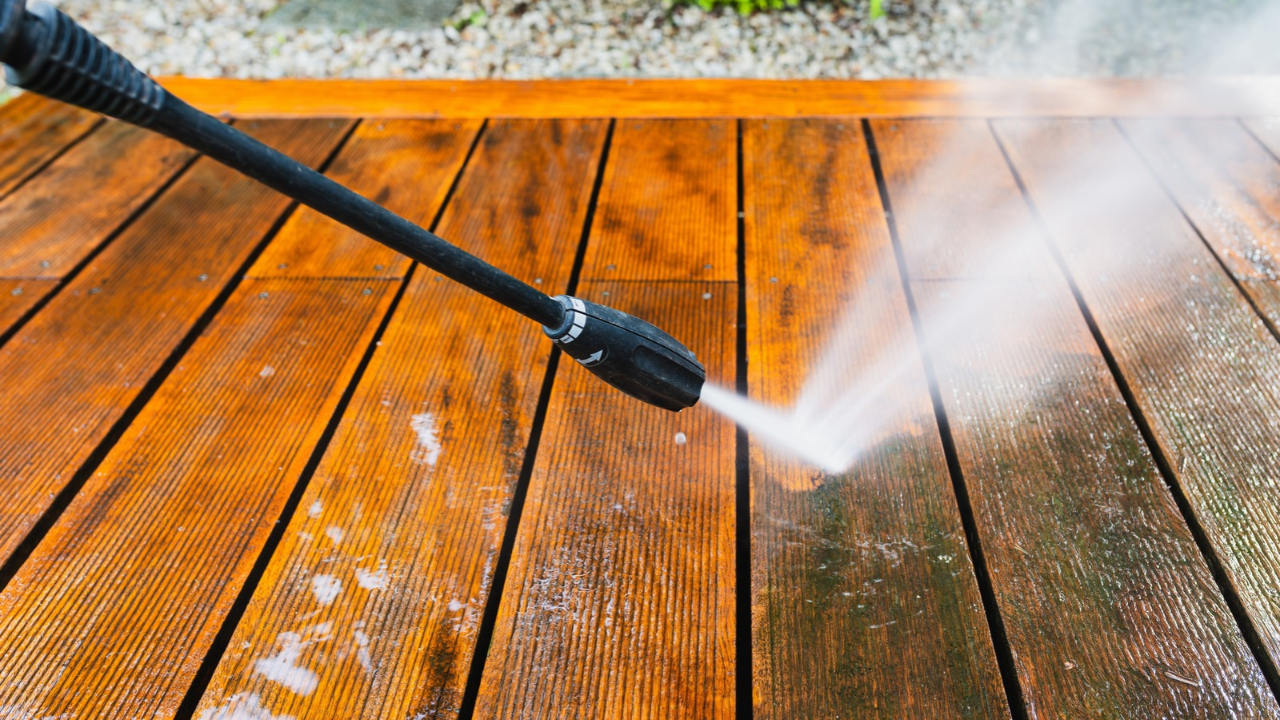
A big gas unit can rip cedar and pine like a chisel if you get careless. You hear the pitch change as the nozzle bites, and suddenly you have fuzzed boards and raised grain that needs sanding. Even composite can get etched, especially if you use a zero degree tip.
For decks, the better “best” washer is often the one you can control, not the strongest one you can afford. Use a wider fan tip, stand back, and let detergent do some work before you rinse. If the deck is old or splintery, a scrub brush and garden hose can beat pressure washing for the final look.
4. Picking A Wand Without Quick Controls

Some wands fight you. The trigger is stiff, the wand is too short, and you are always bending or reaching. That turns a simple wash into sore wrists and sloppy aim, which is when the spray wand swings into a window screen or blasts a corner joint.
Look for a gun and wand that feel predictable in your hands, with a trigger lock that works and a comfortable grip. A longer wand helps on siding and soffits, but only if you can control it. Swappable tips or a dial-a-tip style nozzle can be handy for homeowners, as long as it does not leak and the settings stay put.
5. Skipping The Right Hose And Fittings
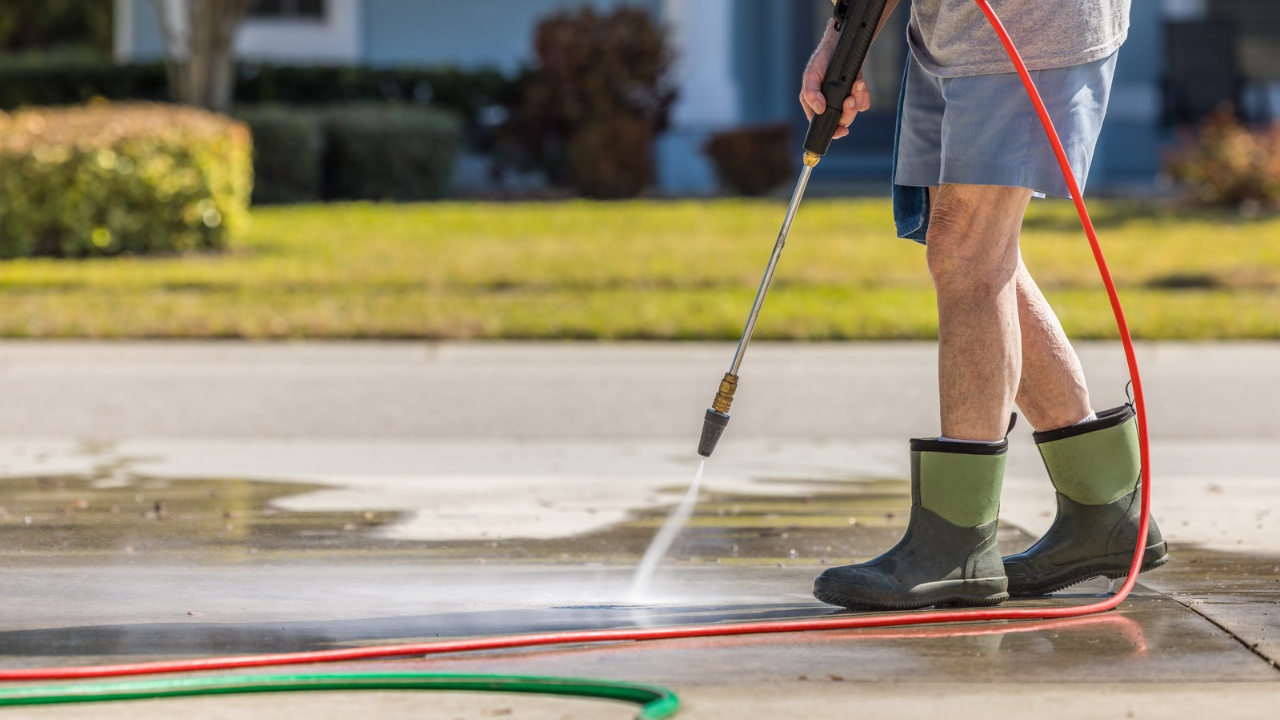
Many entry-level washers come with a stiff hose that kinks every time you turn around. You keep yanking, the machine walks across the driveway, and the fittings take the abuse. Eventually you get a drip at the pump outlet, and it is never a drip you can ignore.
A better pressure hose is money well spent if you wash more than once a season. Go longer so you are not dragging the machine around landscaping, and use quick-connects that do not feel gritty or loose. Also check your garden hose supply line, a starved pump surges and the spray pulses like a heartbeat.
6. Using A Zero Degree Tip On Everything
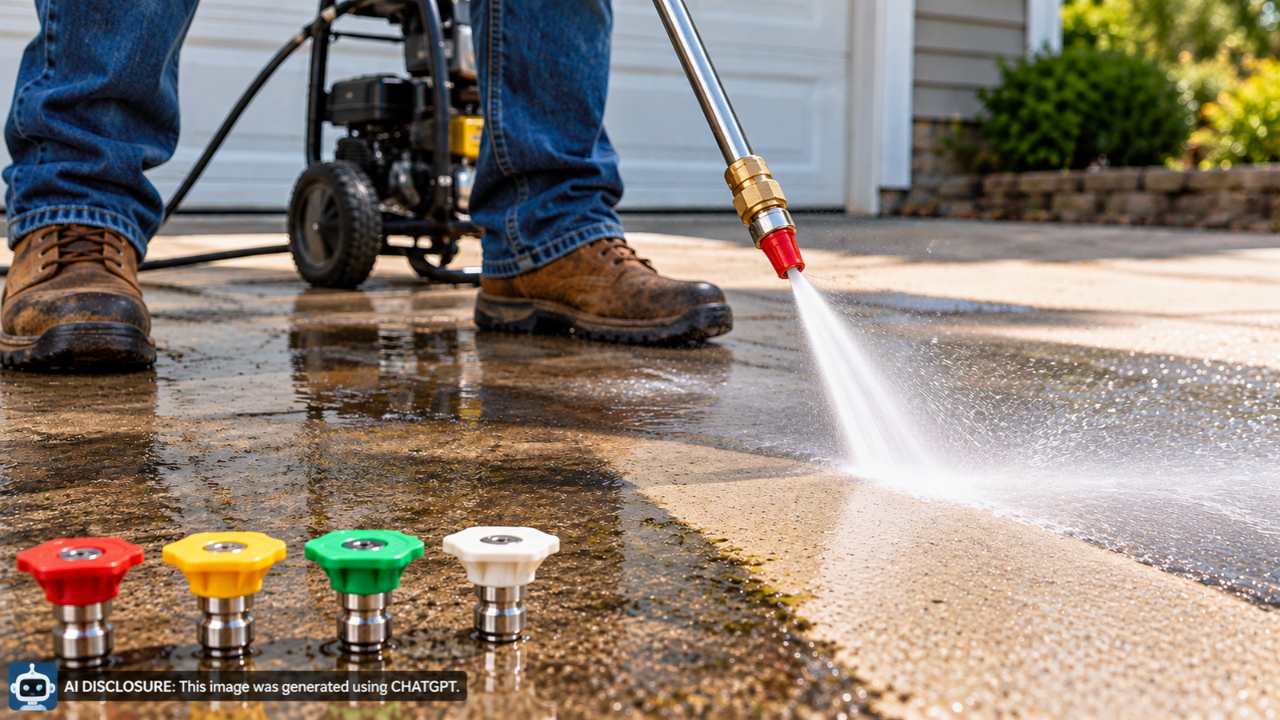
The red 0 degree nozzle is a problem magnet. It cuts concrete lines, carves wood, and can shred caulk if you sweep past a joint. Most homeowners use it because it feels powerful, not because it is the right tool.
Save that tip for very limited uses, like blasting rust off a piece of equipment you plan to repaint, and even then stay cautious. For driveways, a 15 or 25 degree tip is usually plenty. For siding and decks, start wider, 40 degree, and move closer only if you have to.
7. Expecting A Pressure Washer To Strip Paint
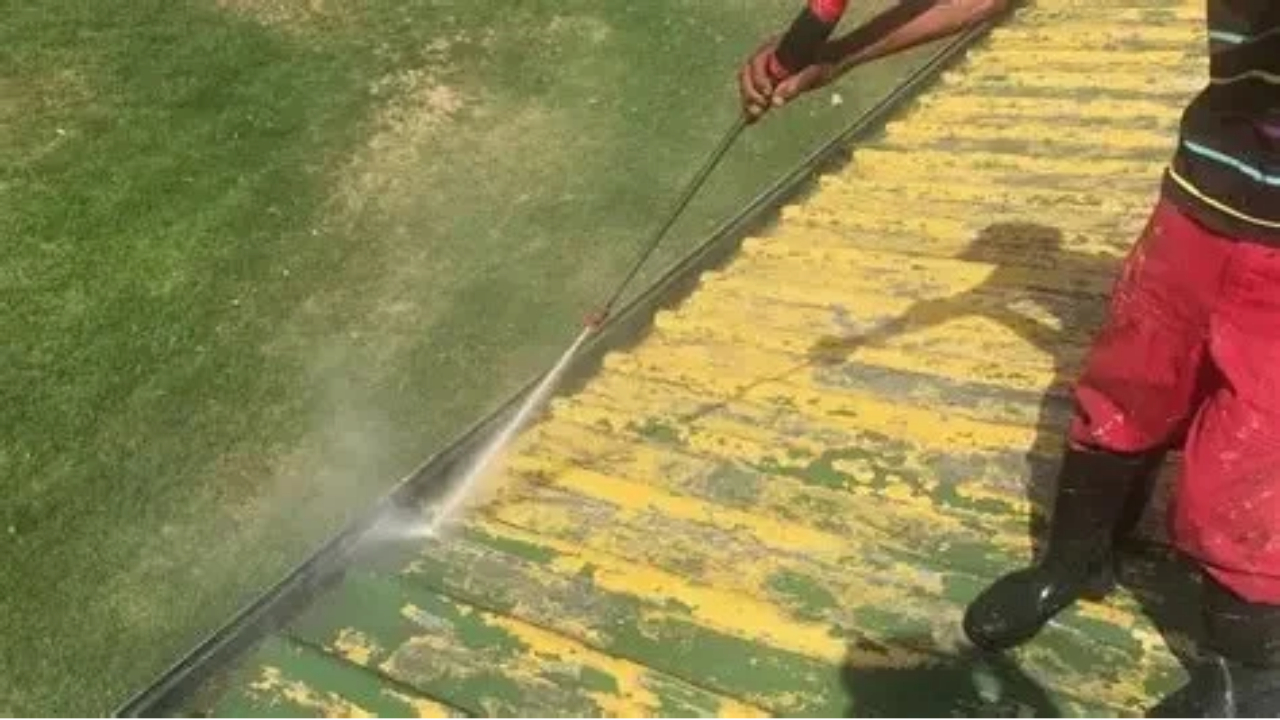
If you are trying to prep siding or a deck for paint, a washer can help, but it is not a magic stripper. You can blast loose paint off and still leave edges feathered the wrong way, and you can drive water behind clapboards while chasing flakes. Then the next paint job fails early and you blame the paint.
Use washing to clean and to remove what is already failing, not to force the surface into submission. Scrape and sand where needed, then let the surface dry out for real before priming. If you have lead paint on an older home, do not free-blast it, follow local rules and use lead-safe methods.
8. Ignoring Downstream Soap And Dwell Time
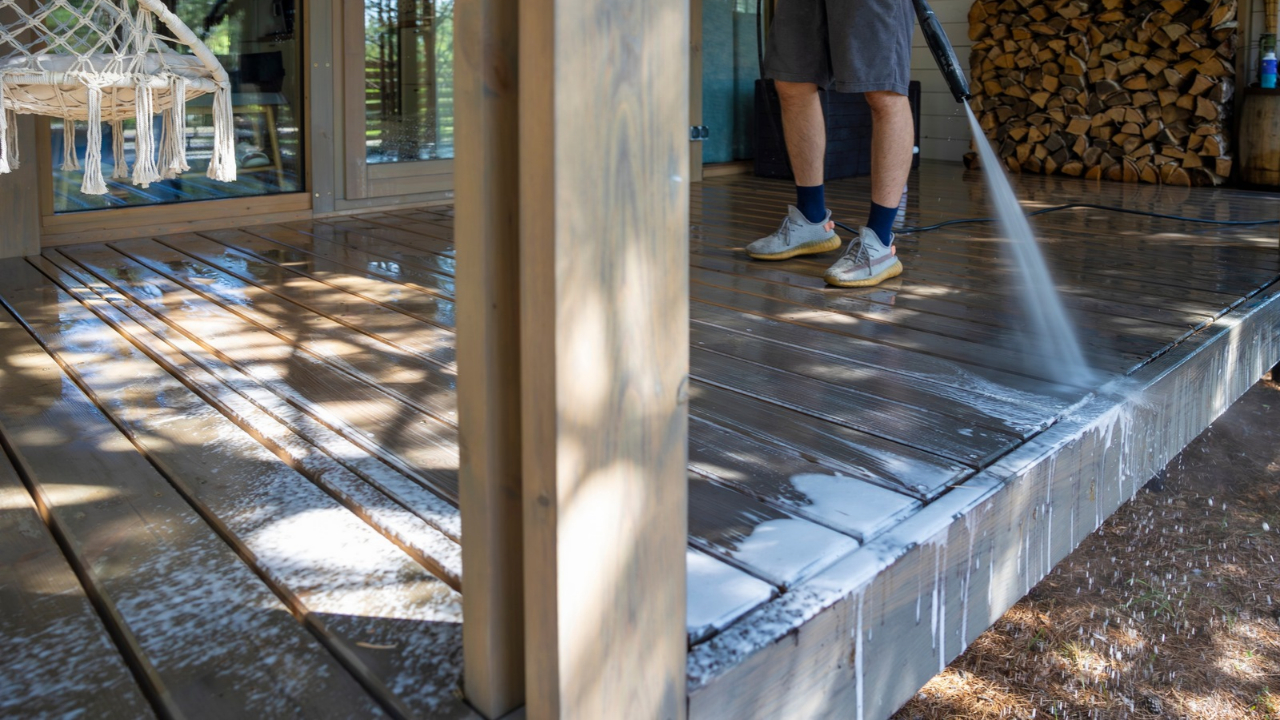
People blast dry grime and wonder why nothing changes. Dirt, algae, and road film release faster when you use the right detergent and give it time to work. Without that, you compensate with more pressure, which is how siding gets scarred and deck boards get etched.
Pick a washer that can downstream soap or use a foam cannon that matches your machine. Wet the surface, apply soap from the bottom up to reduce streaking, and let it sit a few minutes, not long enough to dry. Rinse from the top down and keep the spray moving.
9. Forgetting About Pump And Engine Service
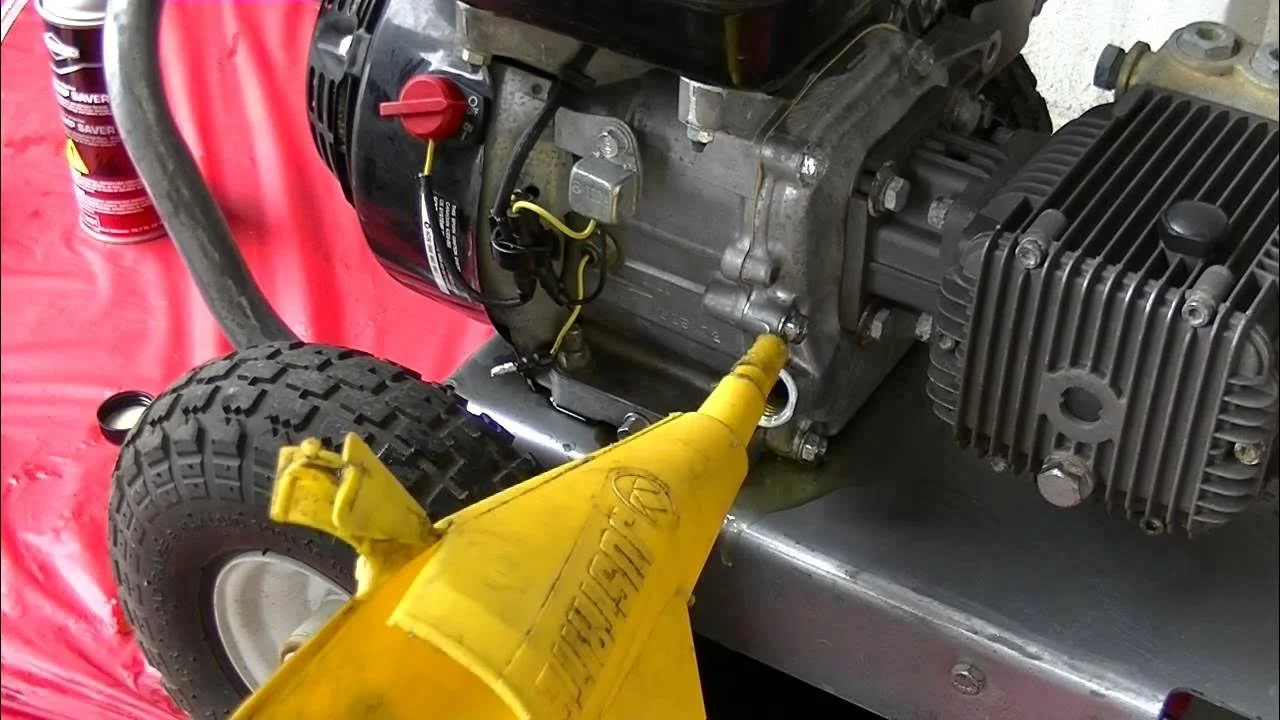
A pressure washer that sits all winter with old gas and water in the pump is a springtime headache. The engine surges, the pump whines, and the unit either will not start or will not build pressure. Then you are pricing parts instead of cleaning the deck.
Gas units need fresh fuel practices, basic oil changes, and a few minutes of care before storage. Many pumps like a pump protector or at least being drained and stored where they will not freeze. Electric units are simpler, but they still hate freezing and they still need hoses drained and fittings kept clean.
10. Buying A Surface Cleaner That Does Not Match
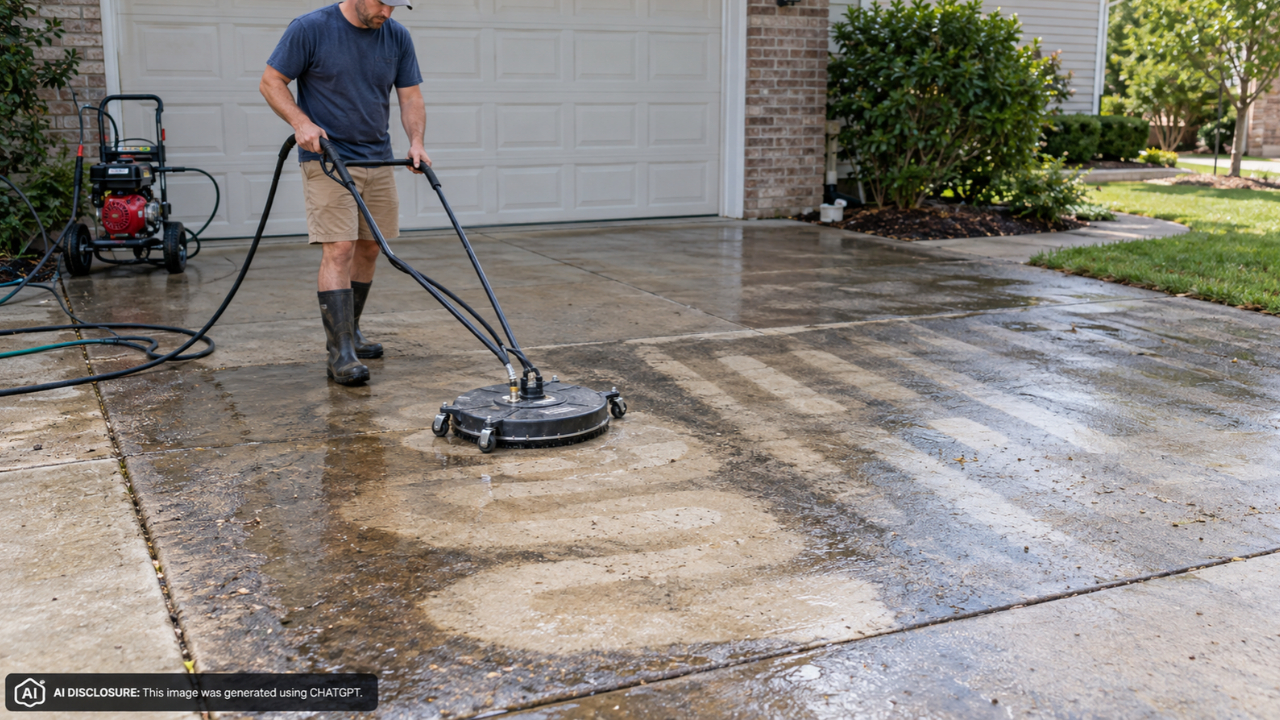
A surface cleaner attachment can be great on driveways, but only if it fits your washer’s flow. Too big and it crawls, leaving dirty halos. Too small and it spins too fast and can leave zebra striping, especially on broom-finished concrete.
Match the cleaner size to your machine’s GPM, and do not expect miracles on oil spots that have soaked in for years. Use the surface cleaner for the bulk, then edge with a wand using a fan tip. If the attachment feels like it is skating and not cleaning, you are either moving too fast or the washer is undersized.
11. Washing Siding Without Watching For Water Intrusion
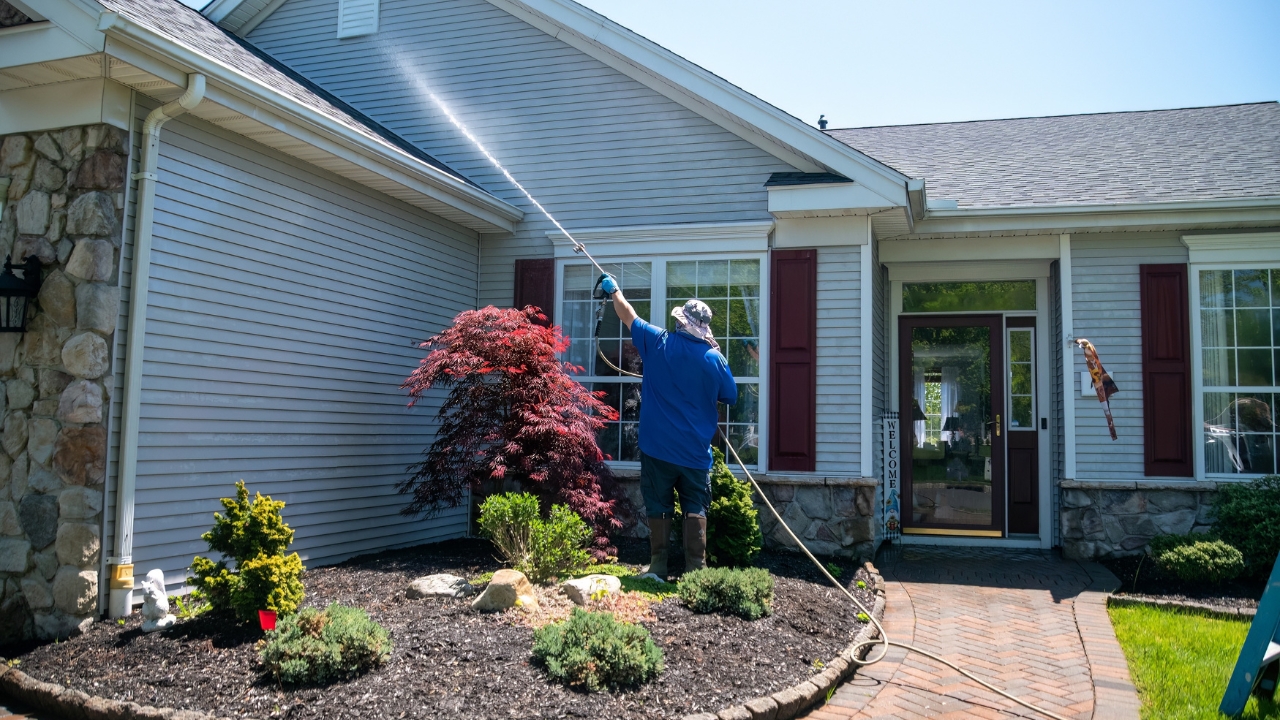
One bad angle can send water behind vinyl or into a window trim joint. You do not notice at the time, then a week later there is a musty smell or peeling paint around a sill. This is especially common when you spray upward under laps or aim straight into vents.
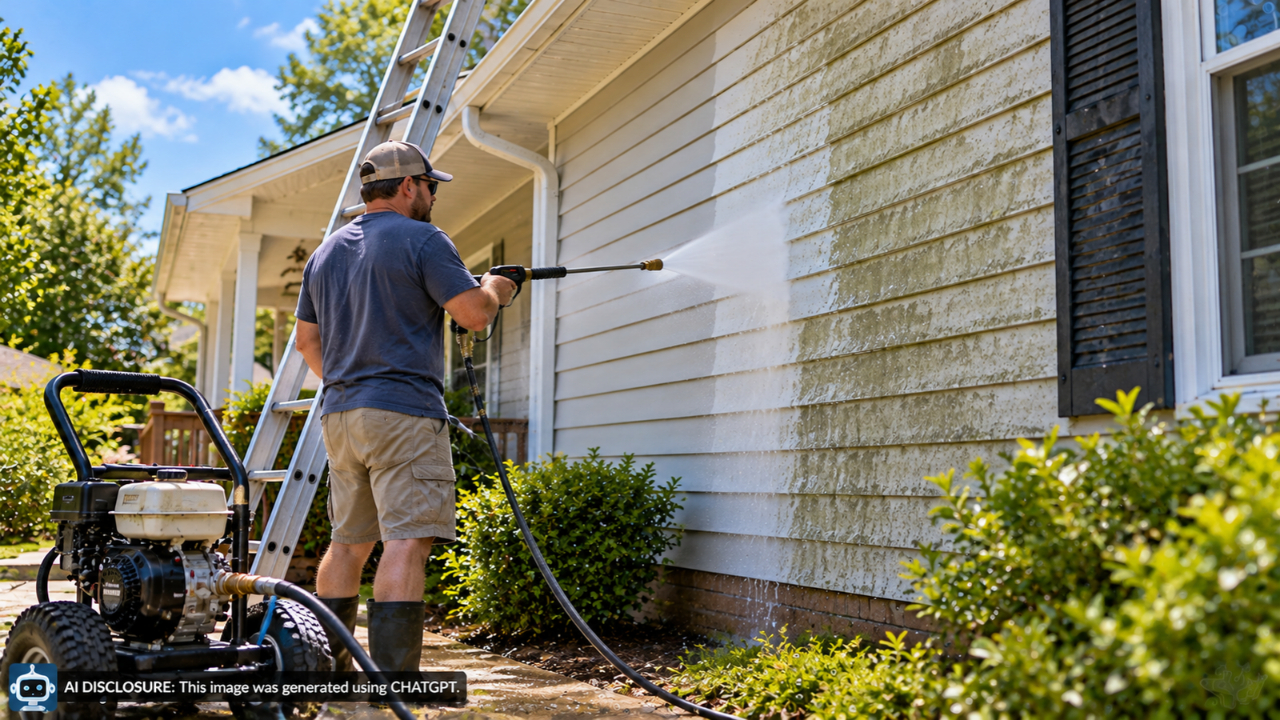
Wash siding with the spray angled down, and stay back so the fan is gentle. Avoid forcing water into gaps, around light fixtures, and near electrical service equipment. If caulk is failing or trim is rotten, fix that first, no washer makes that problem go away.
12. Letting The Machine Rattle Around Unsecured
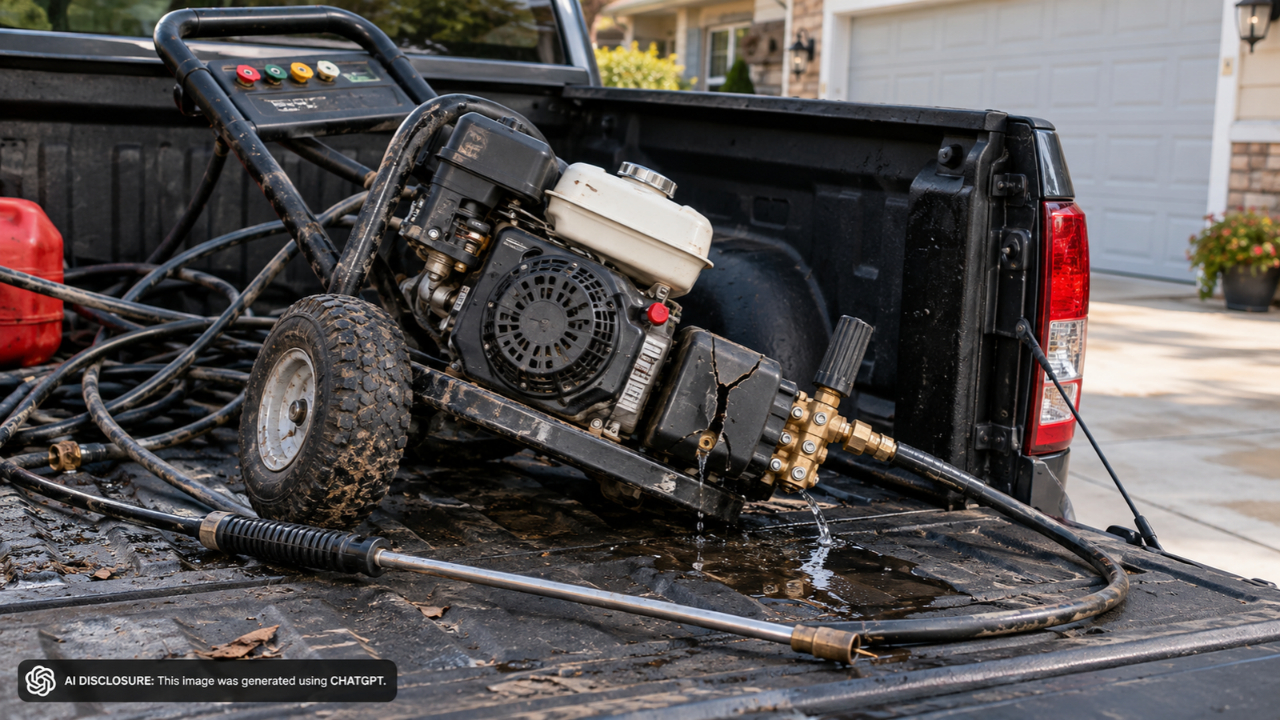
This one is simple and overlooked. A pressure washer bouncing in a truck bed or sliding in the back of an SUV breaks plastic fittings, cracks detergent tanks, and bends frames. You only find out when it leaks all over the driveway.
Strap it down, keep it upright, and do not store it with the wand jammed against the controls. A couple bungee cords beat a busted pump manifold.
13. Paying For Pro Results With DIY Expectations
Some jobs look “washed” no matter what washer you buy because the surface is failing. Spalling concrete, chalky paint, punky wood, and oxidized vinyl all have limits. You can clean them, but you cannot wash them back to new.
Before you spend more on a bigger machine, decide what “done” looks like. Sometimes the right move is washing gently, letting it dry, then sealing concrete, staining a deck, or repainting siding. If you need second-story work near power lines or you cannot safely reach, paying a reputable pro is cheaper than an ER visit.
If you buy for the surfaces you have and set up the washer with the right tips, hose, soap, and habits, you will use it more often and fight it less. Clean starts with control, not brute force, and your driveway, siding, and deck will show it.
Like Fix It Homestead’s content? Be sure to follow us.