10 Signs a Well Pump Is Working Too Hard
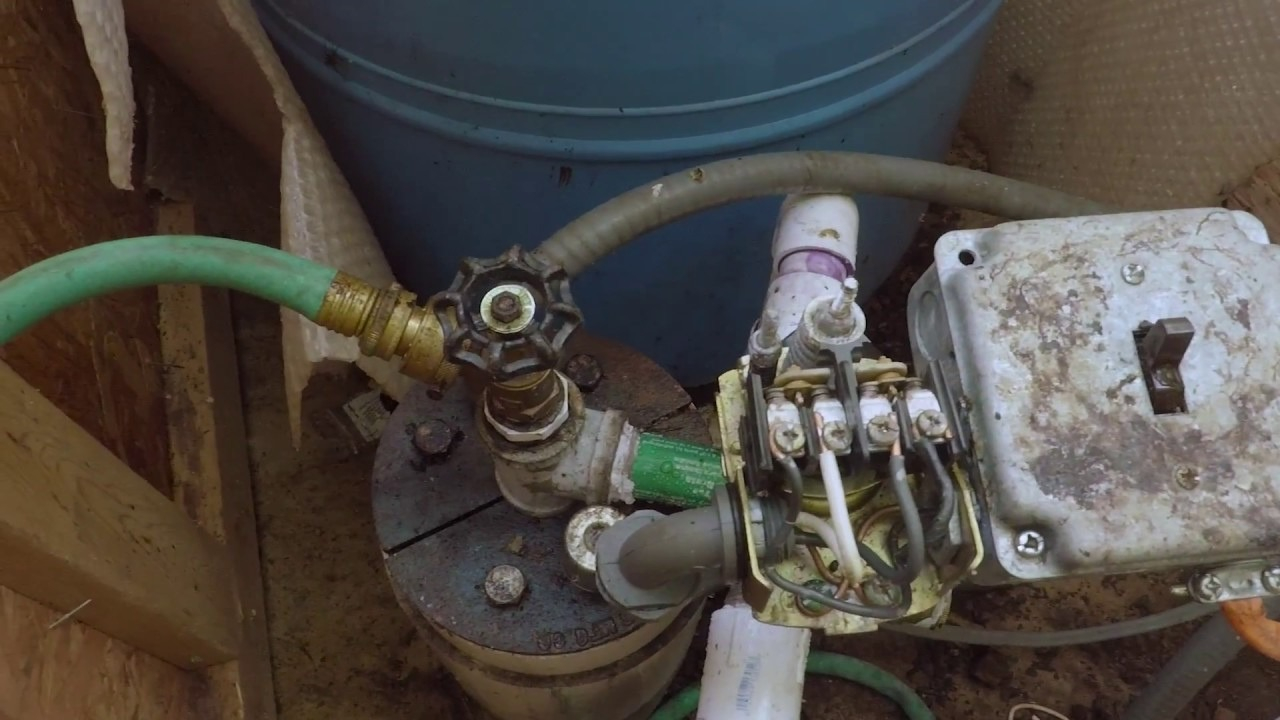
Photo credit: MattAndLaurensLogCabinHomesteading/Youtube
Your well pump can run for years without you thinking about it, right up until the day it won’t. Most of the warning signs show up as small annoyances, weird sounds, or higher power bills you can’t explain. Catching the strain early usually means a cheaper fix and fewer surprise water shutoffs.
1. Rapid On And Off Cycling
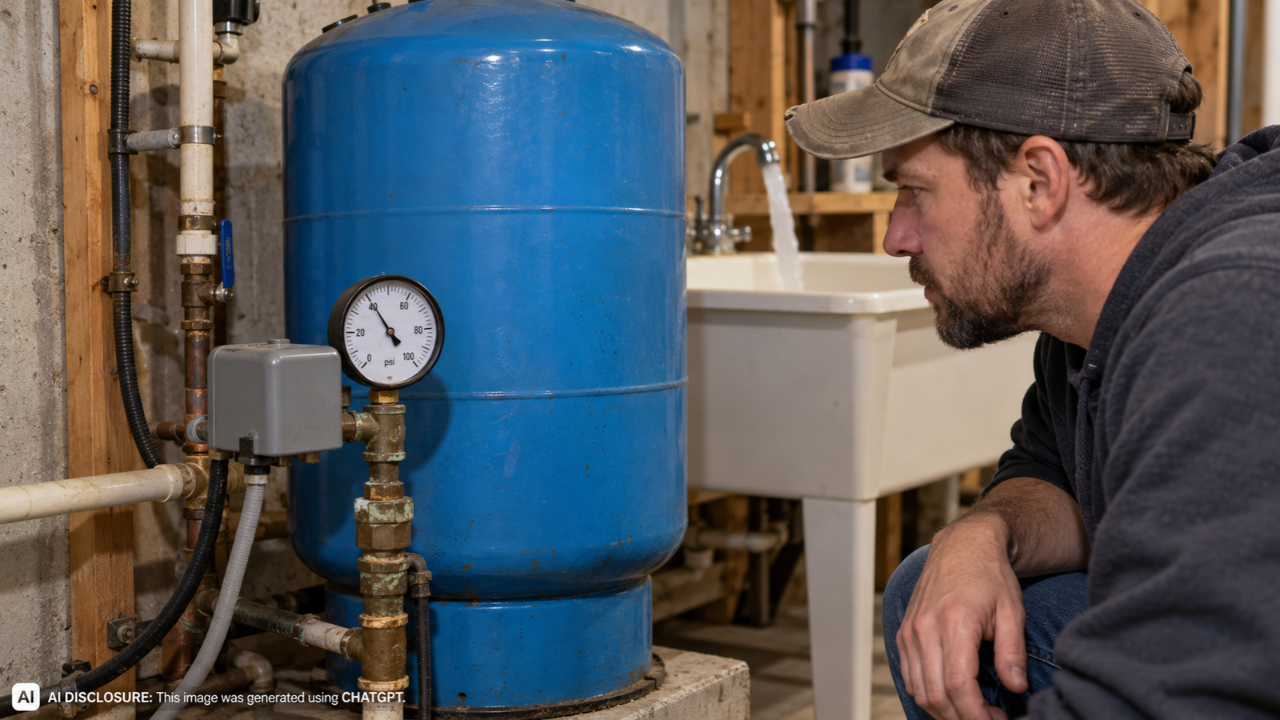
When the pump kicks on, shuts off, then kicks on again a minute later, it’s getting hammered. That quick cycling wears out the motor and burns up the electrical contacts in the pressure switch. It also heats the pump up more than steady running does.
The common cause is a waterlogged pressure tank or a failed tank bladder. Check the pressure gauge while someone runs water and watch how fast it drops between cut-in and cut-out. Recharging the tank air or replacing the tank is often the fix, and it’s usually cheaper than a new pump.
2. Pressure Surges At The Faucet
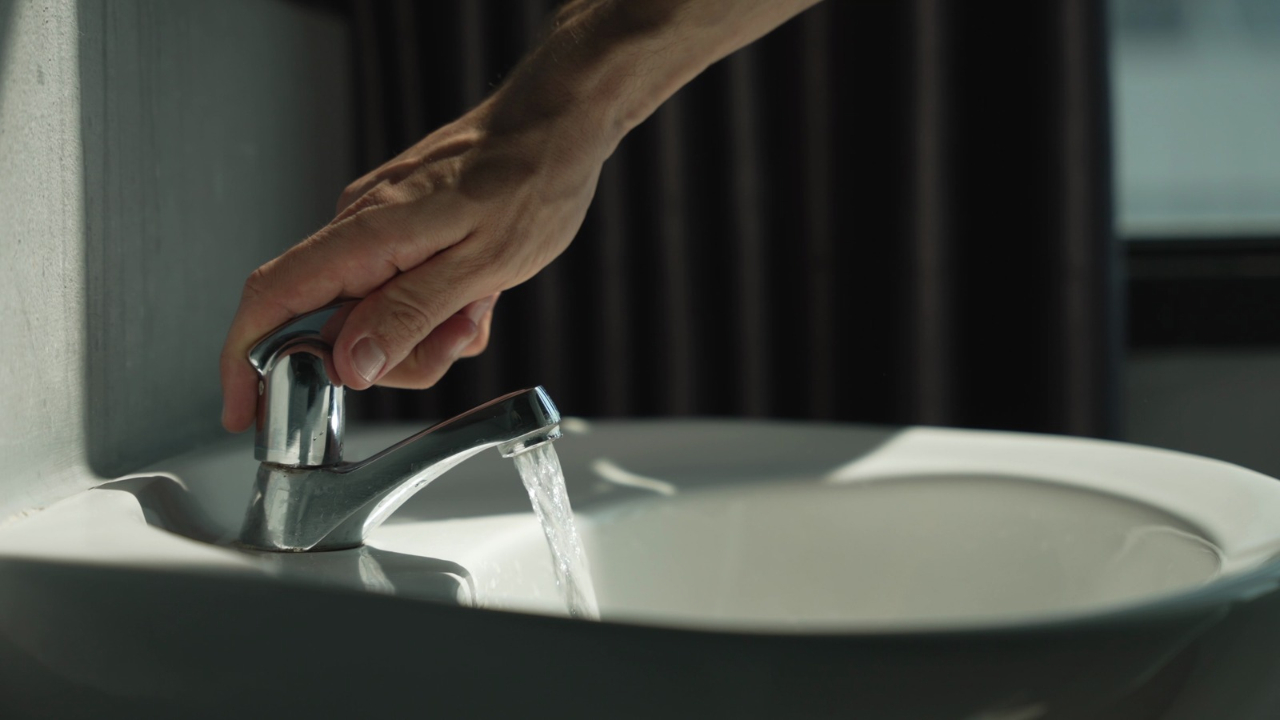
You open a tap and the flow pulses, strong then weak, like someone is flicking a valve on and off. Sometimes you’ll hear pipes knock or a little thump in the wall. That’s the system struggling to hold steady pressure.
Start with the pressure tank and pressure switch, because a tired tank makes pressure swing hard. If you have a cartridge filter that’s partly clogged, that can also cause weird pressure changes as the pump fights a moving restriction. Swap filters on schedule, and don’t guess, look at the pressure gauge before and after the filter if you have one.
3. Pump Runs Long After Taps Close
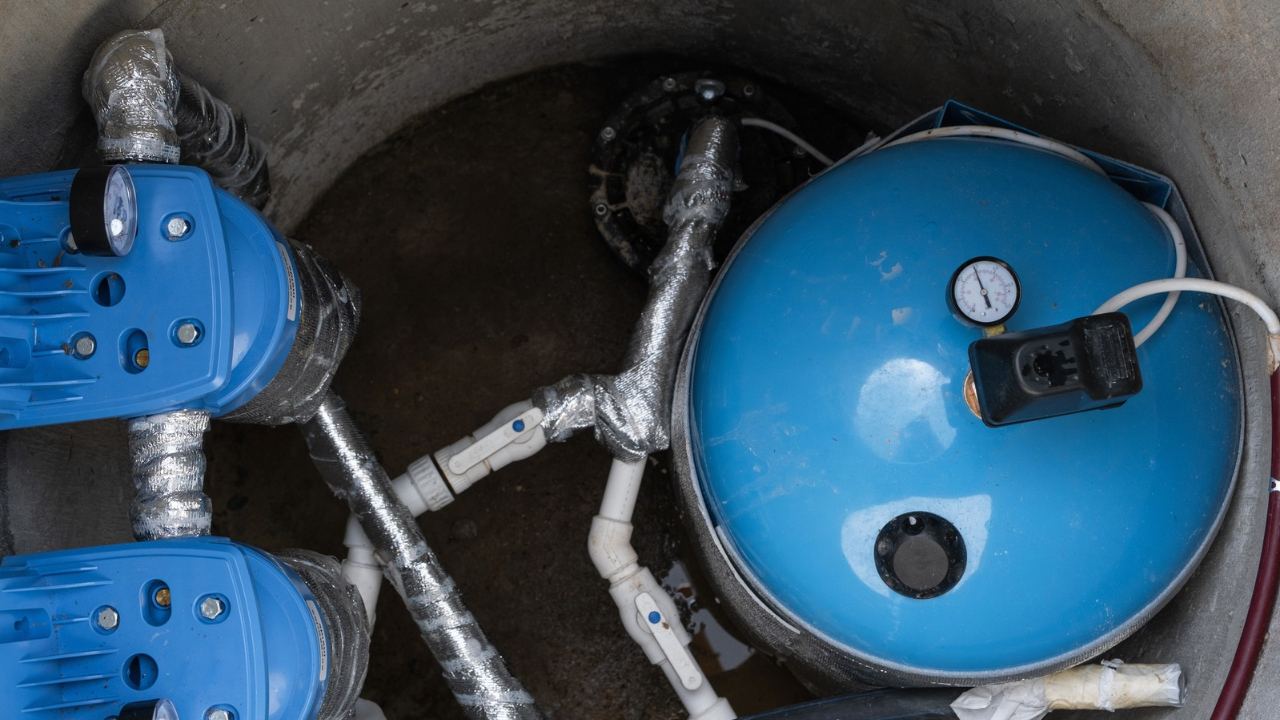
You shut off the hose or faucet and the pump keeps running longer than it used to. That “catching up” time means it’s having trouble reaching cut-out pressure. Long runs cook motors and can stir up sediment in the well.
A clogged filter, a failing pressure switch, low well yield, or a leak on the house side can all do it. Quick check: shut off every water use, then watch the pressure gauge, if it drops with no water running, you’ve got a leak or a bad check valve. If you suspect the well is running low, don’t keep forcing it, call a well pro before the pump runs dry and overheats.
4. Air Spitting From Faucets
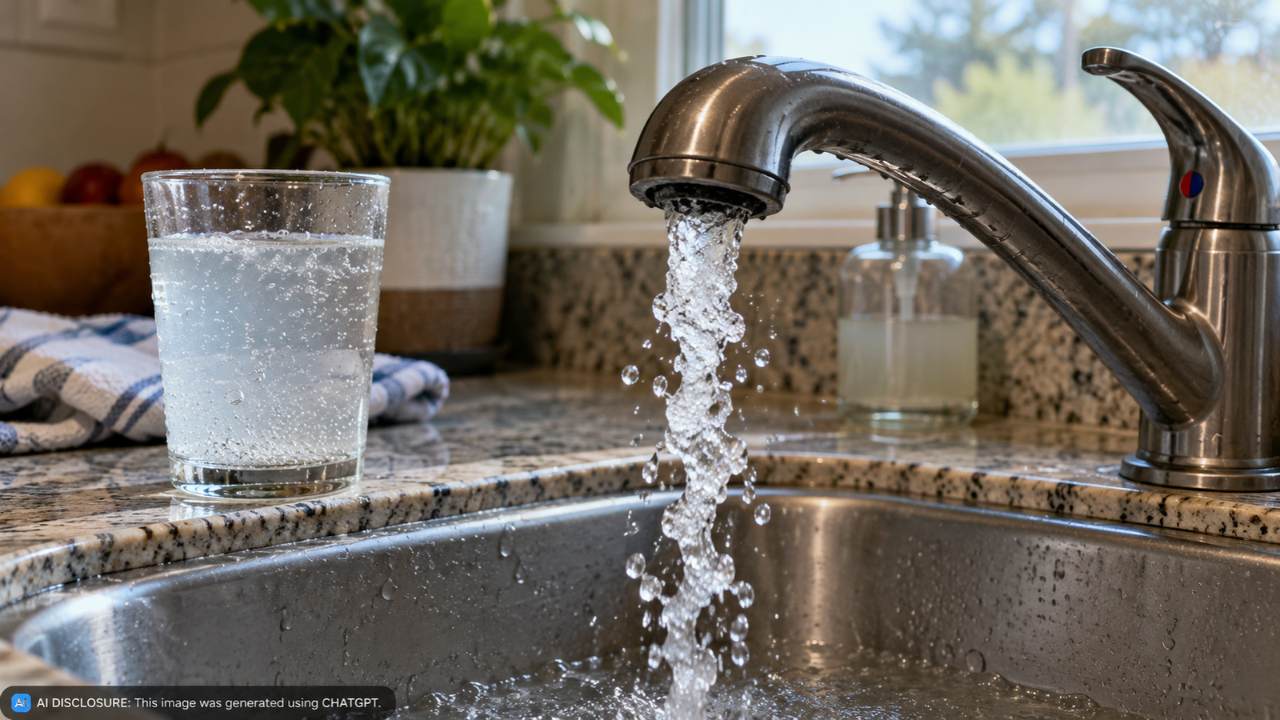
Air burps and spitting at fixtures can be a sign the pump is pulling harder than it should. You’ll notice it most at upstairs sinks or when the shower turns “foamy” for a second. Sometimes the water looks cloudy in a glass, then clears as the bubbles rise.
One cause is a dropping water level in the well, so the pump starts sucking air. Another is a suction-side leak on a jet pump setup, often at a fitting that’s been disturbed or a cracked line. If the well is shallow and drought has been rough, dial back outdoor water use and schedule a well check, because running a pump without enough water is a fast way to ruin it.
5. Breaker Trips Or Fuses Blow

A pump that’s working too hard draws more amps. That shows up as a breaker that trips after the pump runs a while, or a fuse that pops during heavy water use like laundry day. Don’t “solve” this by installing a bigger breaker, that’s how wiring gets overheated.
This is one of those times to stop guessing and bring in a licensed electrician or well tech. They can clamp-meter the pump draw, check the pressure switch, and inspect connections at the well head and control box. If you smell hot plastic near the pressure switch or panel, shut it down and get help.
6. Higher Electric Bill With Same Water Use
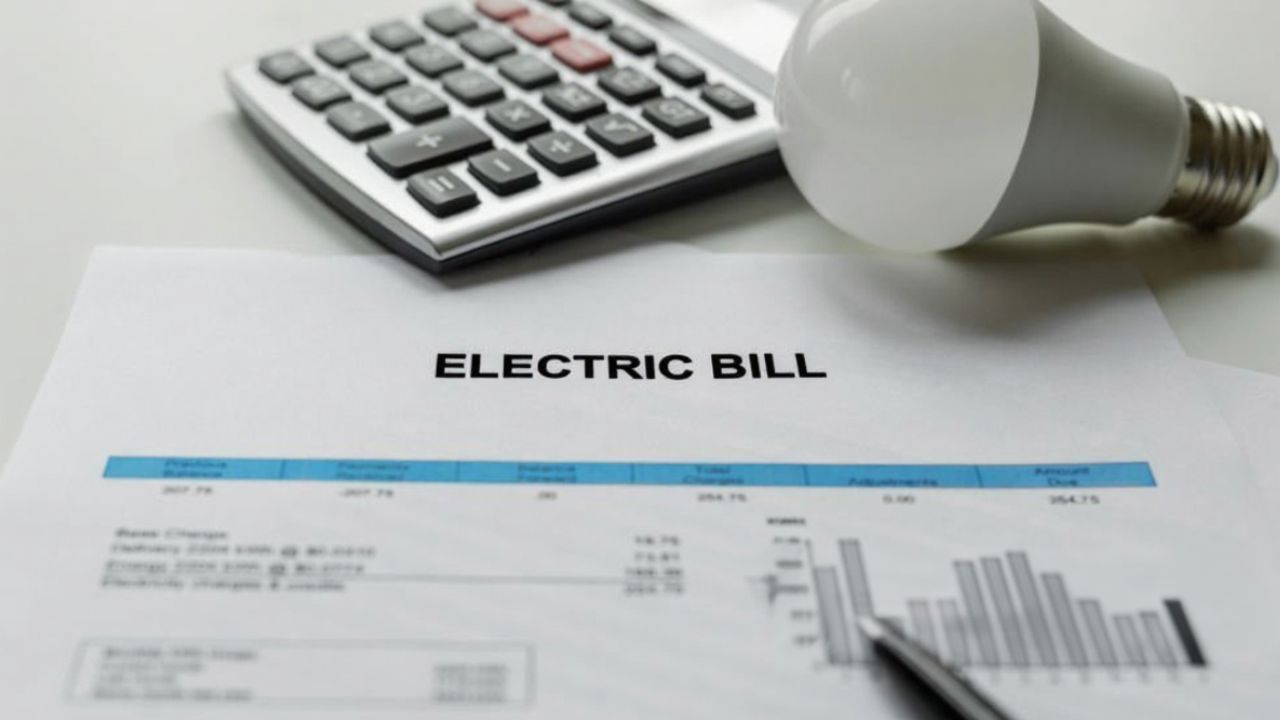
If your power bill creeps up and your habits haven’t changed, your pump might be the reason. Extra run time adds up, especially with an older pump that’s already less efficient. This sign is easy to miss because it doesn’t come with noise or leaks.
Look for the simple thieves first: running toilets, dripping hose bibs, and softener regeneration set too often. Then do a quiet-house test, don’t use water for an hour and see if the pressure gauge drops or the pump cycles. Fixing a small leak can save the pump a season of unnecessary starts.
7. Clicking Or Buzzing At The Switch
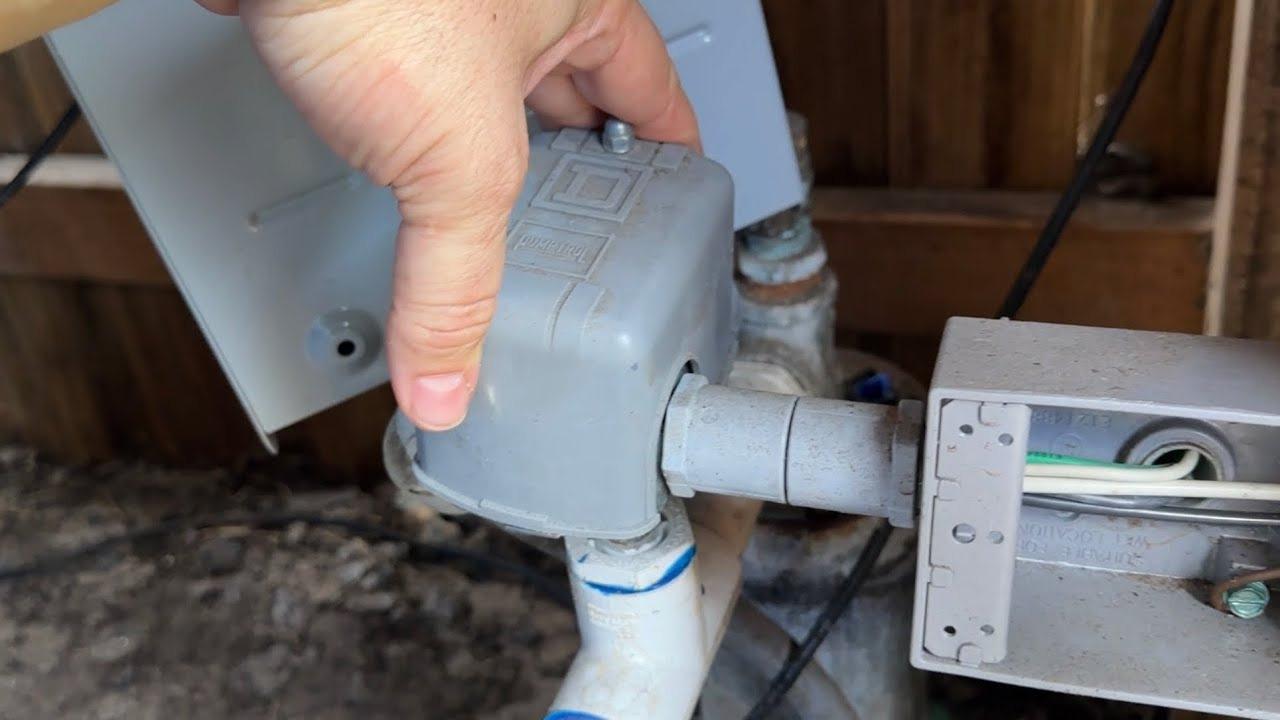
That sharp click you hear near the pressure tank is normal once in a while. What’s not normal is rapid clicking, buzzing, or chattering at the pressure switch. Contacts arc every time they open and close, and arcing gets worse when the pump is struggling.
Sometimes cleaning the little port that feeds water pressure to the switch fixes erratic behavior, but this touches electrical parts and live voltage. If you’re not comfortable shutting off power at the breaker and verifying it’s dead, hire it out. Replacing a pressure switch is a small job for a pro and a cheap one compared to a burned motor.
8. Sand Or Grit Shows Up Suddenly
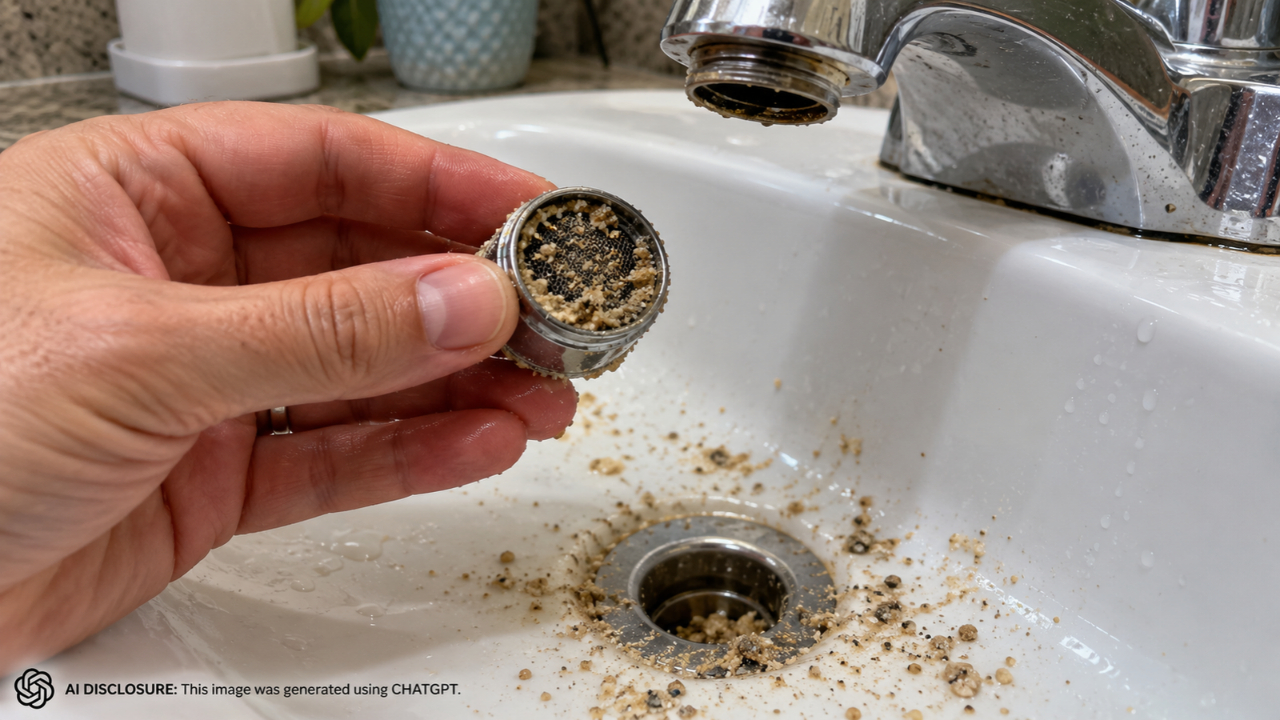
Grit in a sink screen or a little sand in the toilet tank is more than a nuisance. It can mean the pump is pulling too hard, dragging sediment into the system. That grit chews up faucets, fill valves, and pump components.
Don’t keep running it and hope it clears. Start by checking and cleaning aerators, then look at any sediment filter housing for heavy buildup. A well contractor may need to evaluate the well screen, pump depth, or whether the pump is oversized for the well’s yield.
9. You Keep Cranking Up Pressure
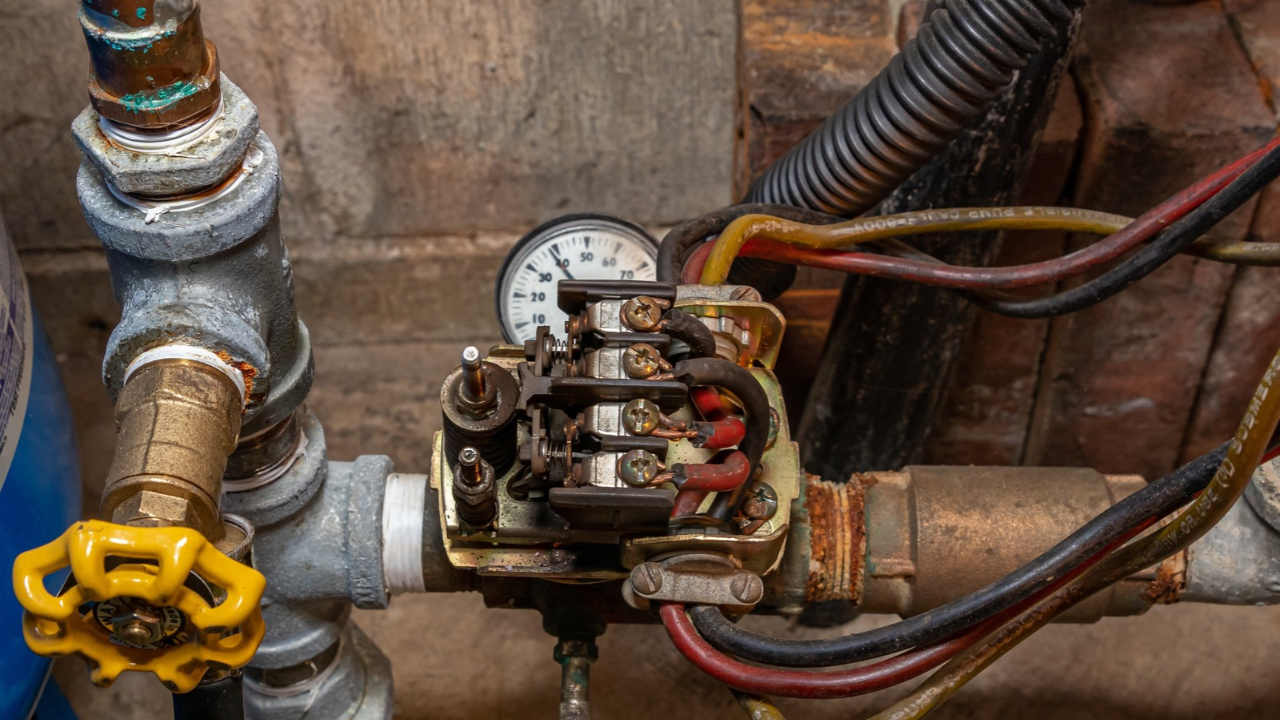
A lot of people want “better shower pressure” and head straight for the pressure switch. Pushing the cut-out higher makes the pump work harder every cycle, and it can expose weak spots in old plumbing. Sometimes it even triggers relief valve drips you won’t notice until the floor is damp.
There’s an honest exception: if your switch is set low for no good reason and your plumbing is in good shape, a small adjustment within the tank and switch ratings can be fine. Still, don’t chase high numbers to cover up clogged filters, undersized lines, or a failing tank. If you want steady, comfortable pressure, a correctly sized constant pressure system or a CSV style valve can help, but sizing and setup is worth paying a well pro for.
10. Winter Freezing Forces The Pump To Struggle
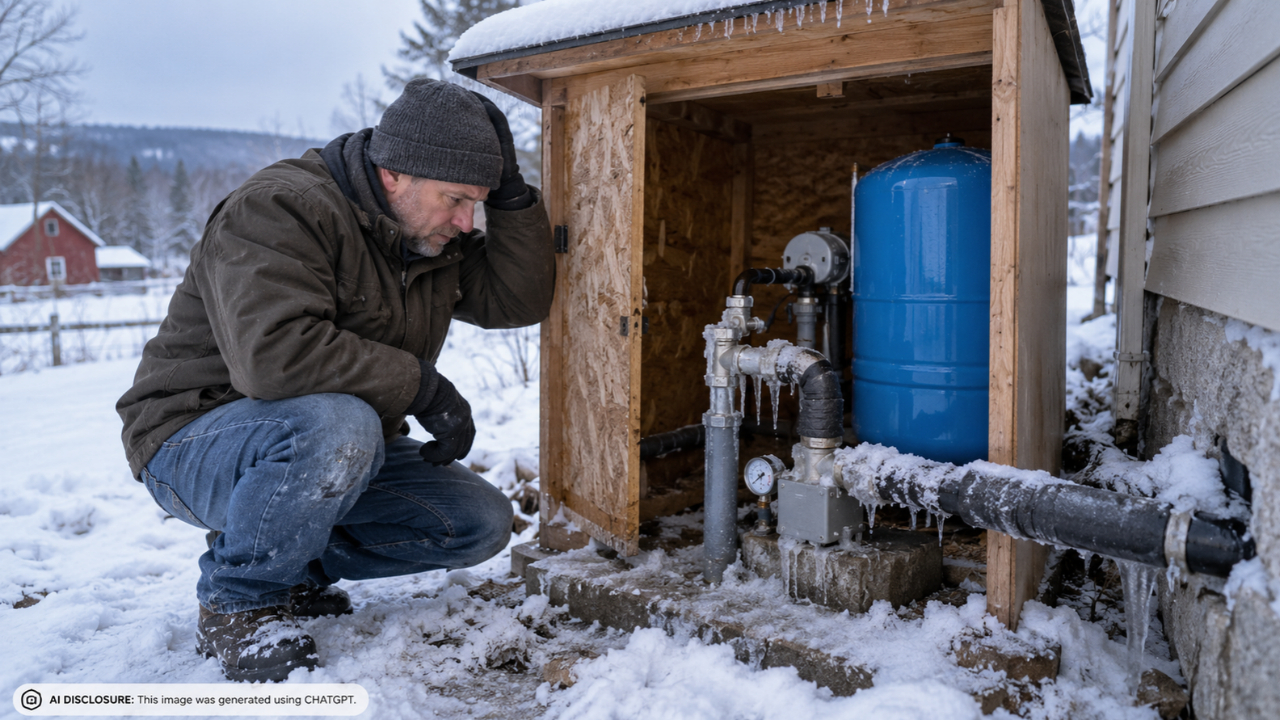
The first deep cold snap is when problems show up fast. A line that’s shallow or a well house that’s barely insulated can partially freeze and restrict flow. The pump keeps pushing against that blockage, and the pressure can bounce all over.
If you suspect freezing, stop running water hard and go check the well head, crawlspace, or pitless adapter area for cold air leaks. Heat tape and insulation can help in the right place, but they need to be installed safely and to code. If you’re digging to bury a line deeper, call for utility locates first, then do it once and do it right.
A well system doesn’t need much day-to-day attention, but it does need you to notice changes. If you catch the early signs and fix the small parts before they cascade, you’ll get more years out of the pump and fewer mornings with no water at all.
Like Fix It Homestead’s content? Be sure to follow us.