What You Should Do Every Spring to Keep Snakes Out of the Yard
Photo credit: Maria Dryfhout/Shutterstock.com
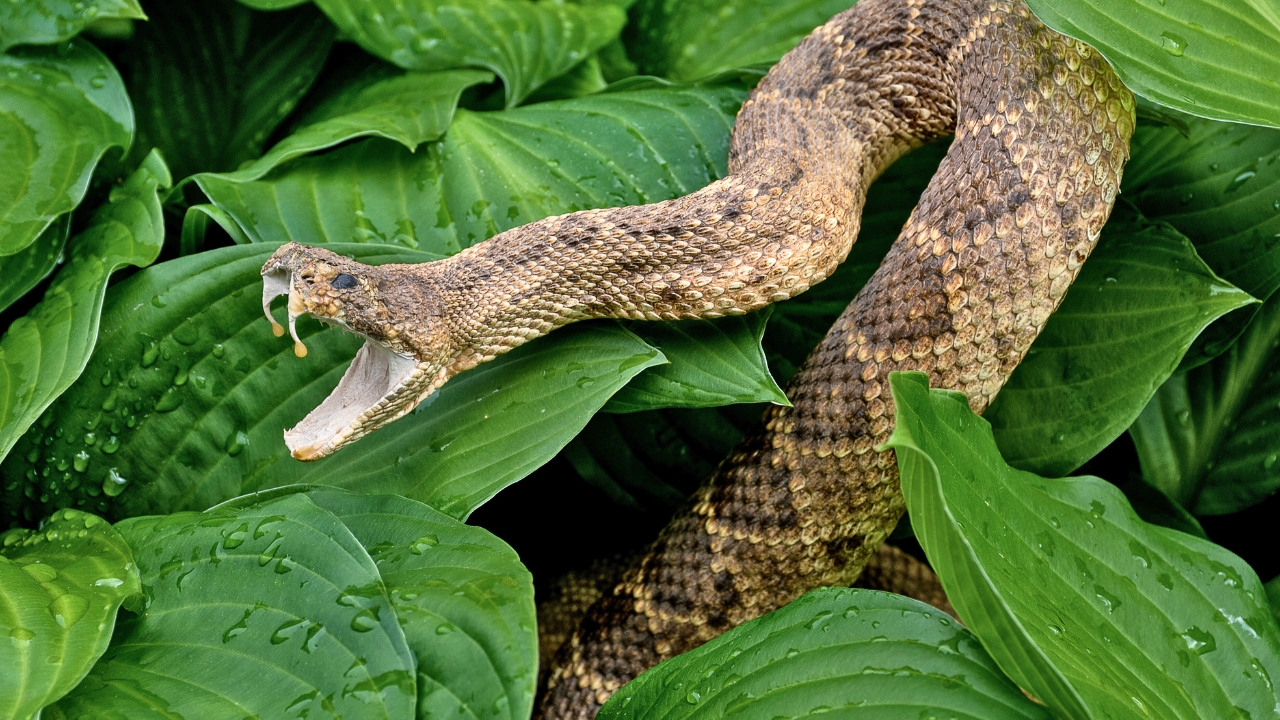
When the weather warms up, snakes start moving again. Spring is when they come out of hiding to look for food, mates, and shelter—which means it’s the best time to make your yard less inviting.
You don’t need to panic or go overboard with traps or sprays, but you do need to get ahead of things before they settle in. These are the steps I make sure to take every spring to keep snakes from making themselves at home.
Clear Out Leaf Piles and Yard Debris

Snakes love hiding in piles of leaves, mulch, and branches. The warmth, moisture, and cover are everything they’re looking for. Leaving that stuff around in early spring gives them the perfect place to curl up.
Rake out beds, haul off fallen limbs, and don’t leave piles sitting too long. Even a small stack behind the shed can be enough to invite one in. The cleaner the yard, the fewer hiding spots they’ll find.
Mow the Grass Short Around the Edges
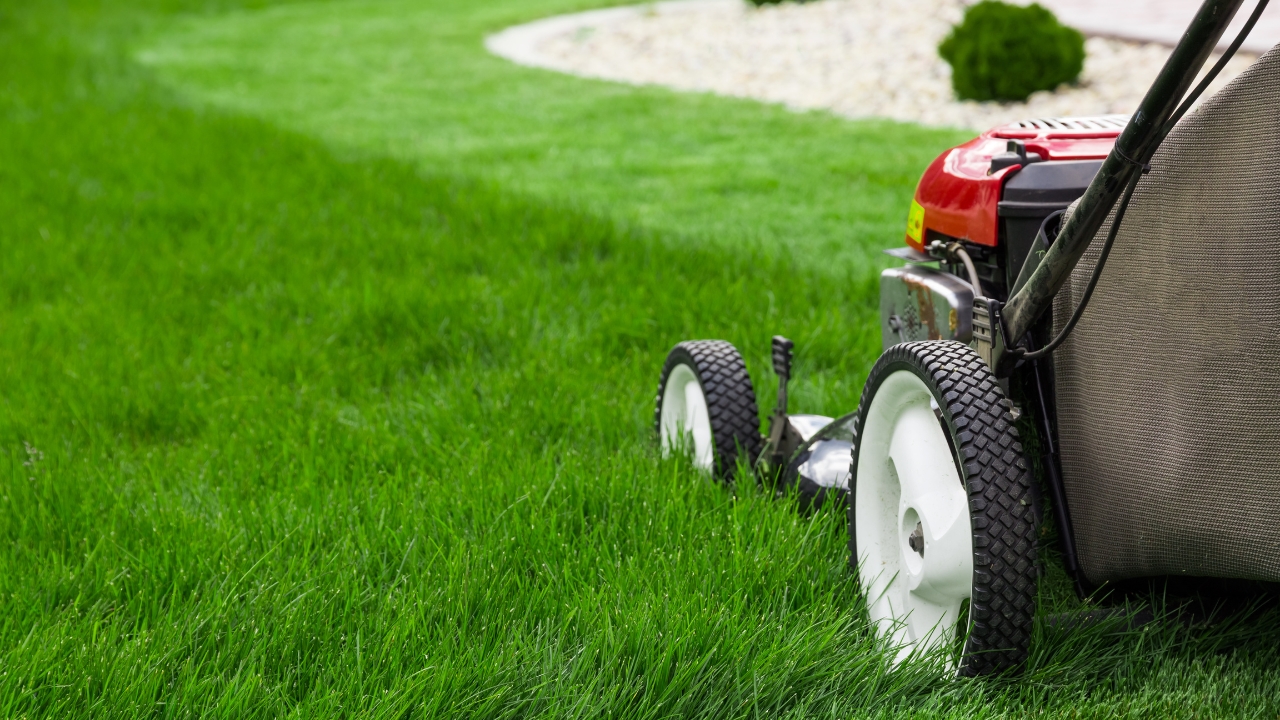
Tall grass gives snakes the cover they need to move unnoticed, especially along fences, foundations, or wood lines. That’s where they like to hang out while they’re hunting or trying to avoid being seen.
Even if you like your main lawn a little longer, keep the borders tight. Mow lower along fence lines, sheds, and garden edges where visibility matters most. It doesn’t take much to make them feel exposed—and that’s what you want.
Check for Burrows and Fill Them
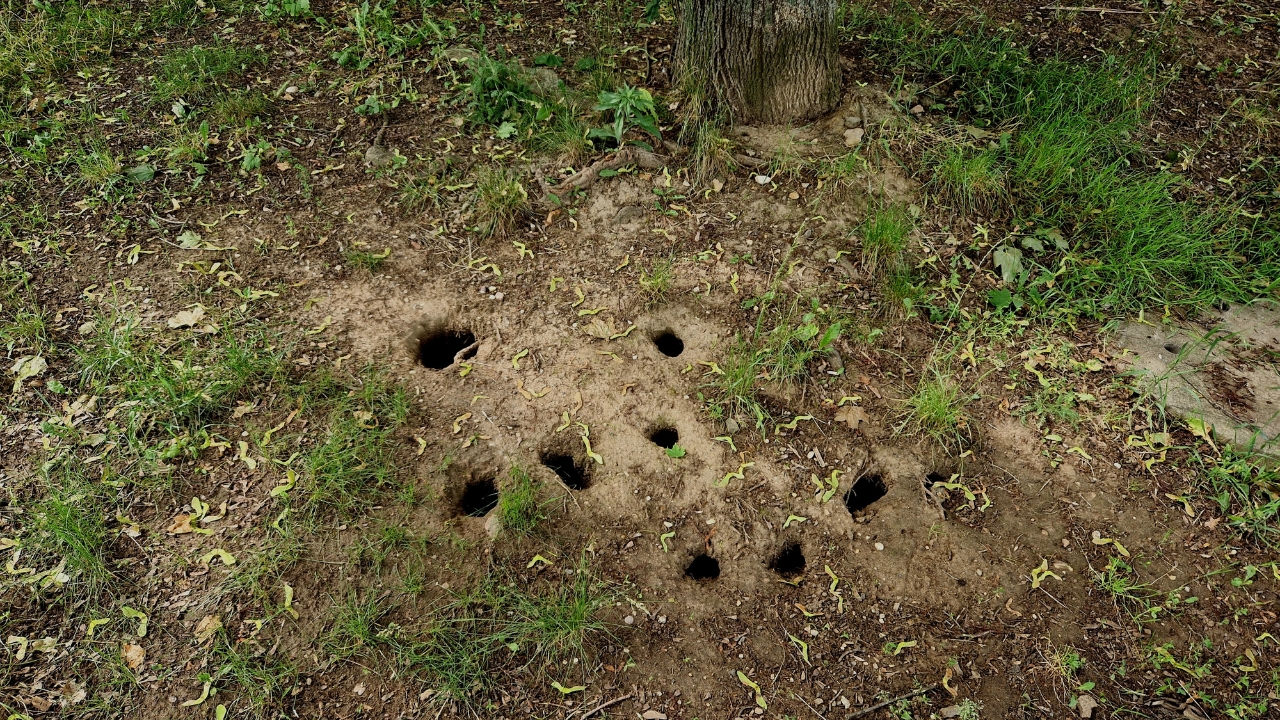
If you’ve got old rodent holes or loose soil around the property, snakes might use those burrows to shelter or hunt. They’re not always the ones that dug the hole—but they’ll take over if it’s there.
Fill in tunnels and soft spots, especially around foundations, outbuildings, or retaining walls. Use dirt mixed with gravel so it’s harder to dig through again. Keeping the ground solid helps stop critters and what comes after them.
Move Woodpiles Away From the House

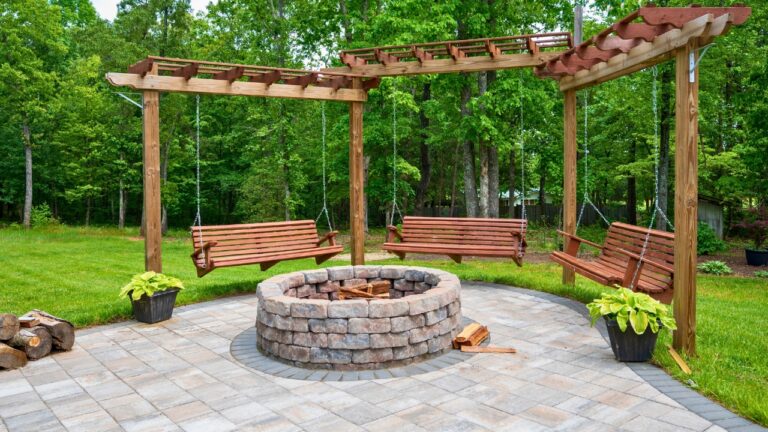
Stacked firewood is warm, dark, and full of cracks—perfect for snakes to hide. If you’re keeping a woodpile for winter or backyard fires, make sure it’s raised and far from your home.
Aim for at least 20 feet out if you’ve got the space, and store it on a rack off the ground. You’ll also want to keep it dry and tight-packed. Loose or scattered stacks are way more attractive to all kinds of critters.
Trim Back Overgrown Shrubs
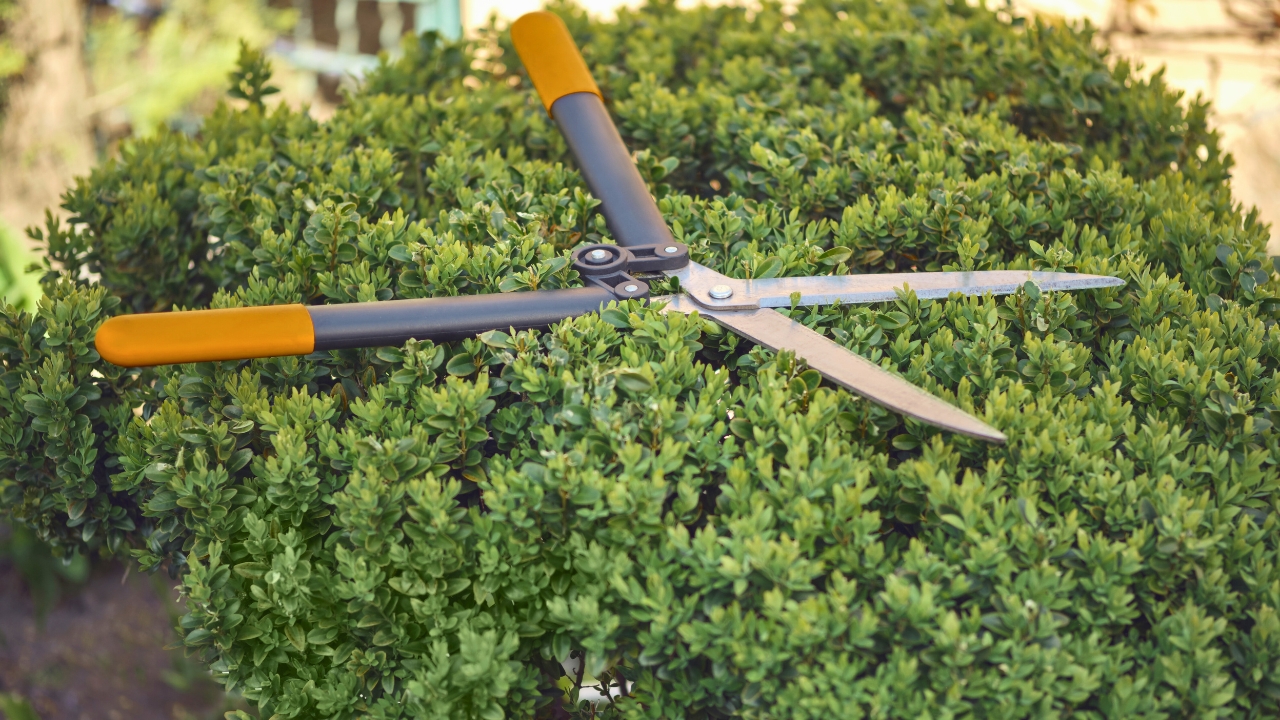
Snakes don’t love wide open spaces. Overgrown shrubs, especially those that trail on the ground or sit right against the house, give them cover to move through without being spotted.
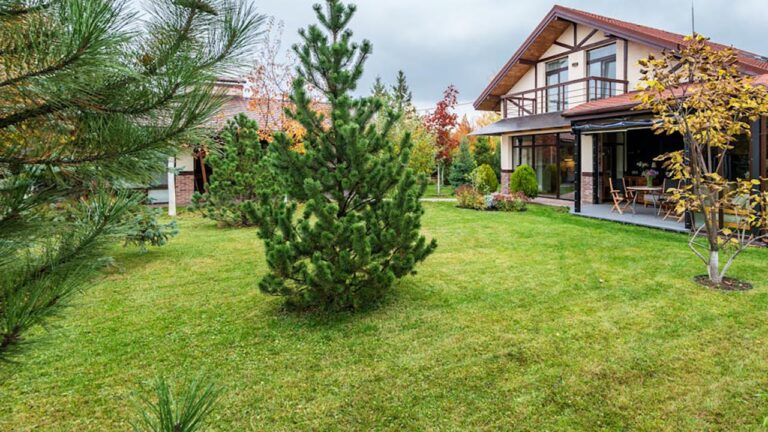
Trim shrubs away from your home and raise the canopy off the ground a bit so you can see underneath. The more visibility you have around your foundation, the fewer places they’ll feel comfortable slipping through.
Keep Bird Feeders Away From Living Areas
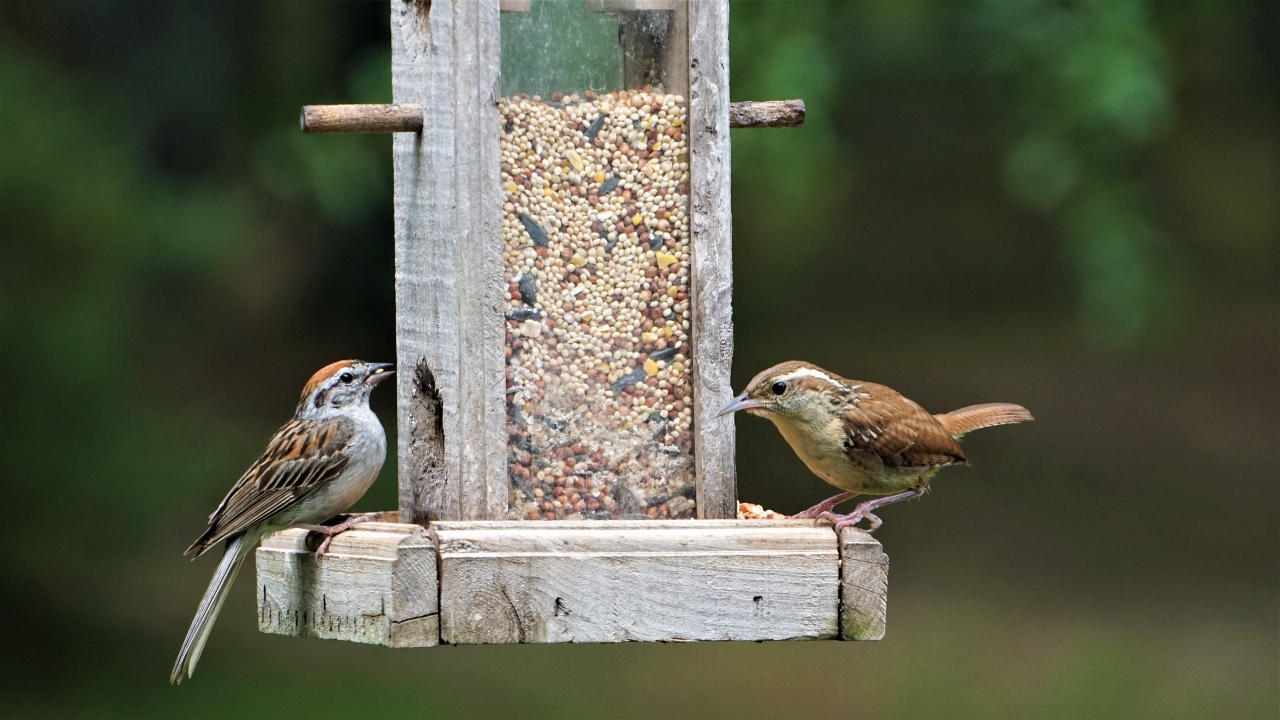
Bird feeders might not seem like a problem, but they drop seed that attracts mice, and those mice attract snakes. If the feeder’s too close to your porch or back door, you’re unintentionally drawing the whole food chain in.
Move feeders out farther into the yard and clean up the seed that falls below. That small shift keeps the action farther from your high-traffic areas—and it cuts off an easy food source for the snakes.
Use Gravel or Dry Barriers Around Key Areas

Snakes don’t like crossing rough, hot, or dry surfaces. Laying down gravel or crushed rock around sheds, garden beds, or foundations creates a buffer that can slow them down and make them rethink slithering in.
It won’t stop every snake, but it adds one more deterrent. Dry zones make your yard less comfortable overall—and when paired with everything else, it helps push them toward better habitat elsewhere.
Remove Standing Water
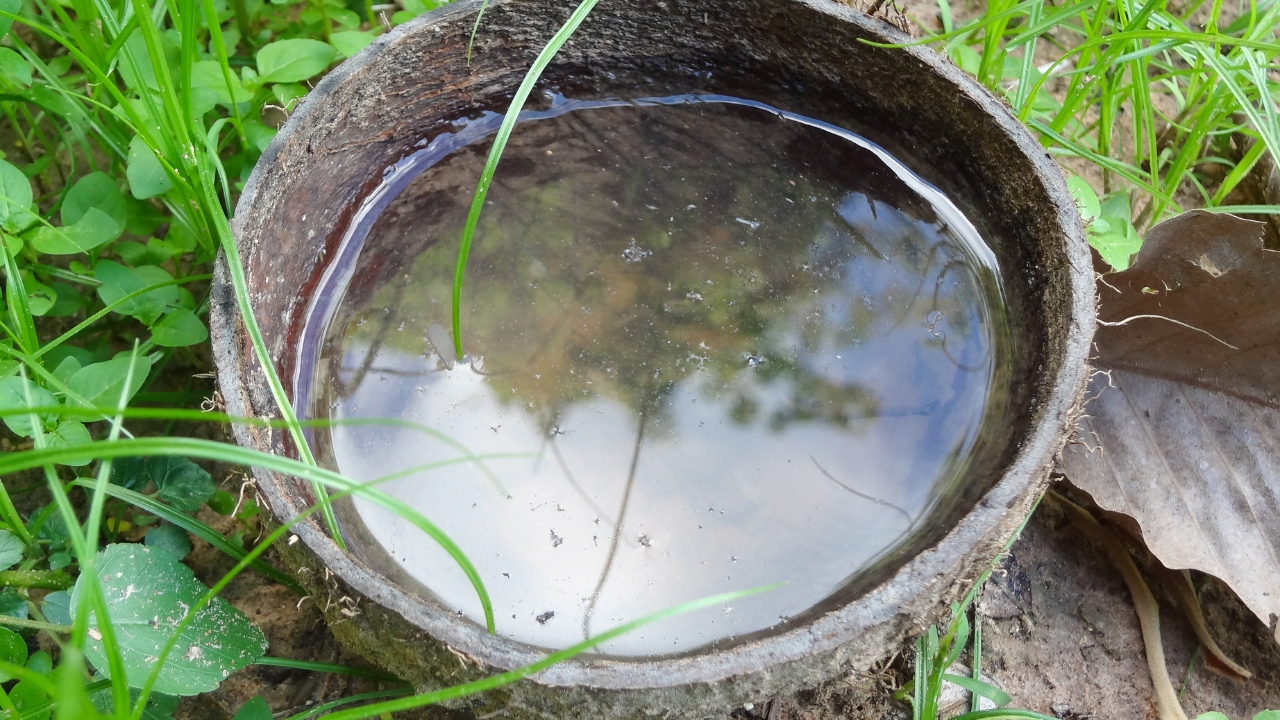
Like most wildlife, snakes follow water. If you’ve got birdbaths, plant saucers, or clogged gutters holding water, that moisture attracts frogs, bugs, and rodents—all of which bring snakes in behind them.
Check for low spots and areas where water pools after rain. Keep those places dry or drain them quickly. You’re not just stopping snakes—you’re cutting off the things that keep them coming back.
Use Caution With Mulch

Thick mulch holds moisture and creates excellent cover. While it’s great for your plants, it’s also a place where snakes—and their prey—can hide out during the day.
Stick to thinner layers in high-traffic areas and keep mulch pulled back from house walls, steps, and sheds. You can still use it, but being strategic with where and how much you apply helps avoid giving snakes a place to stay cool and hidden.