10 Smells That Send Ants Running the Other Way
Photo credit: DimaBerlin/Shutterstock.com
If ants keep showing up where they’re not wanted, scent can be one of your best tools. Certain strong smells can mess with their trail-following abilities or flat-out repel them. These aren’t magic fixes, but they can help keep ants away from entry points, baseboards, or places they’re sniffing around.
The key is consistency—most natural smells fade fast, so reapplying matters. Here are the ones that actually work and how to use them.
Peppermint

Ants hate peppermint oil. The strong menthol scent overwhelms their senses and disrupts the chemical trails they use to move and communicate. It’s one of the most effective natural deterrents you can use indoors.
Mix 10 to 15 drops of peppermint essential oil with water in a spray bottle and hit common entry points—windows, baseboards, and under sinks. Reapply every few days or after cleaning the area.
Vinegar

Vinegar doesn’t smell great to us, and ants hate it even more. It erases their scent trails and throws off their ability to navigate. It’s also a great cleaner, so it kills two birds with one stone.
Use a 50/50 mix of white vinegar and water to wipe down counters, floors, or anywhere you’ve seen ants. It’s especially good in kitchens, where food residue can invite more in.
Cinnamon
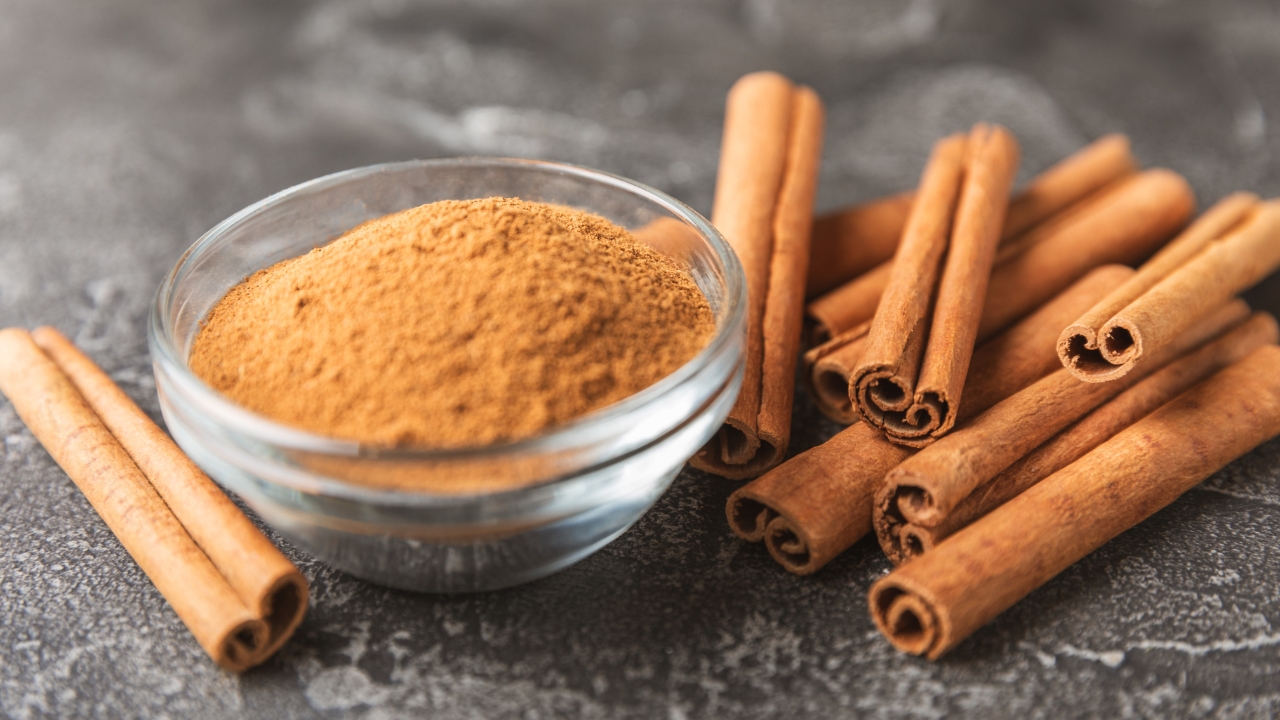
Cinnamon’s strong, spicy smell can block ant scent trails and discourage them from exploring. You don’t need a ton—just a little near cracks, corners, or ant-prone areas can make a difference.
Sprinkle ground cinnamon along baseboards, entry points, or windowsills. You can also dip a cotton ball in cinnamon oil and tuck it near problem spots. It’s strong at first but fades fast, so refresh it every few days.
Clove
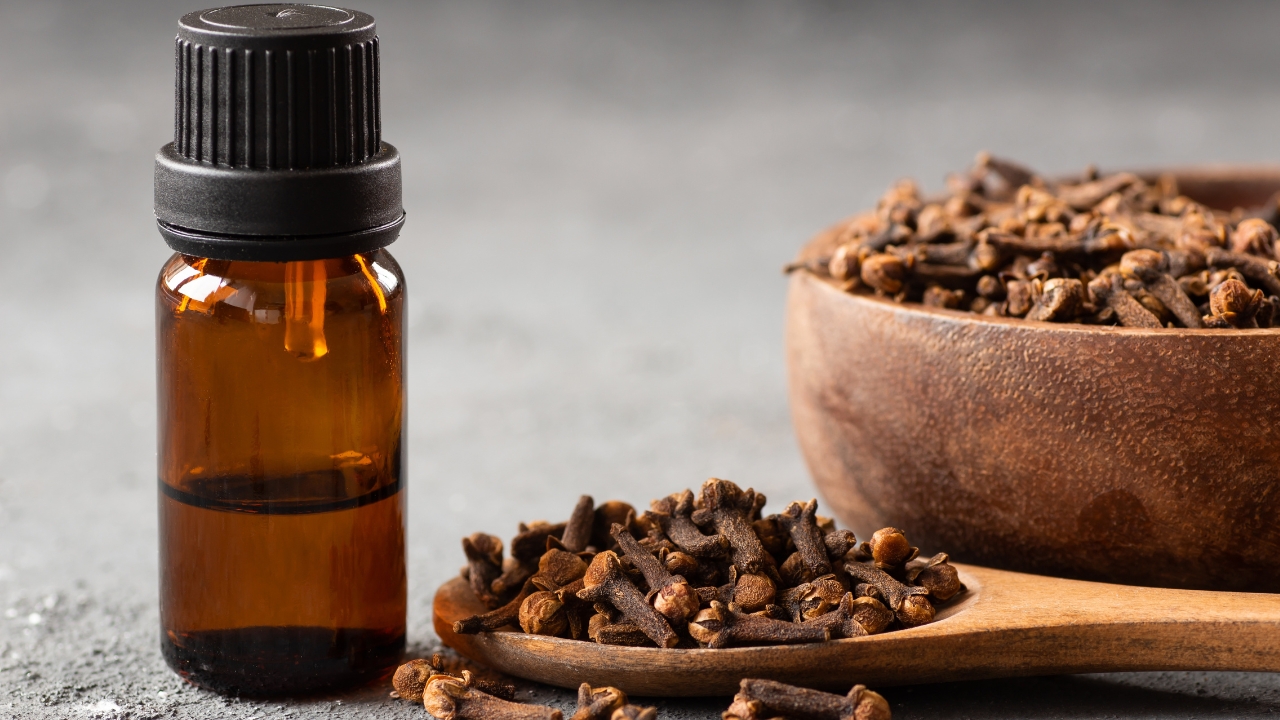
Clove oil contains eugenol, which is a natural insect repellent. Ants hate the sharp, pungent smell and will avoid areas where it’s strong. It works best in small, enclosed spaces.
Add a few drops of clove essential oil to a cotton ball and place it inside cabinets, behind appliances, or near trash bins. Keep it out of reach of kids and pets—it’s strong stuff.
Lemon

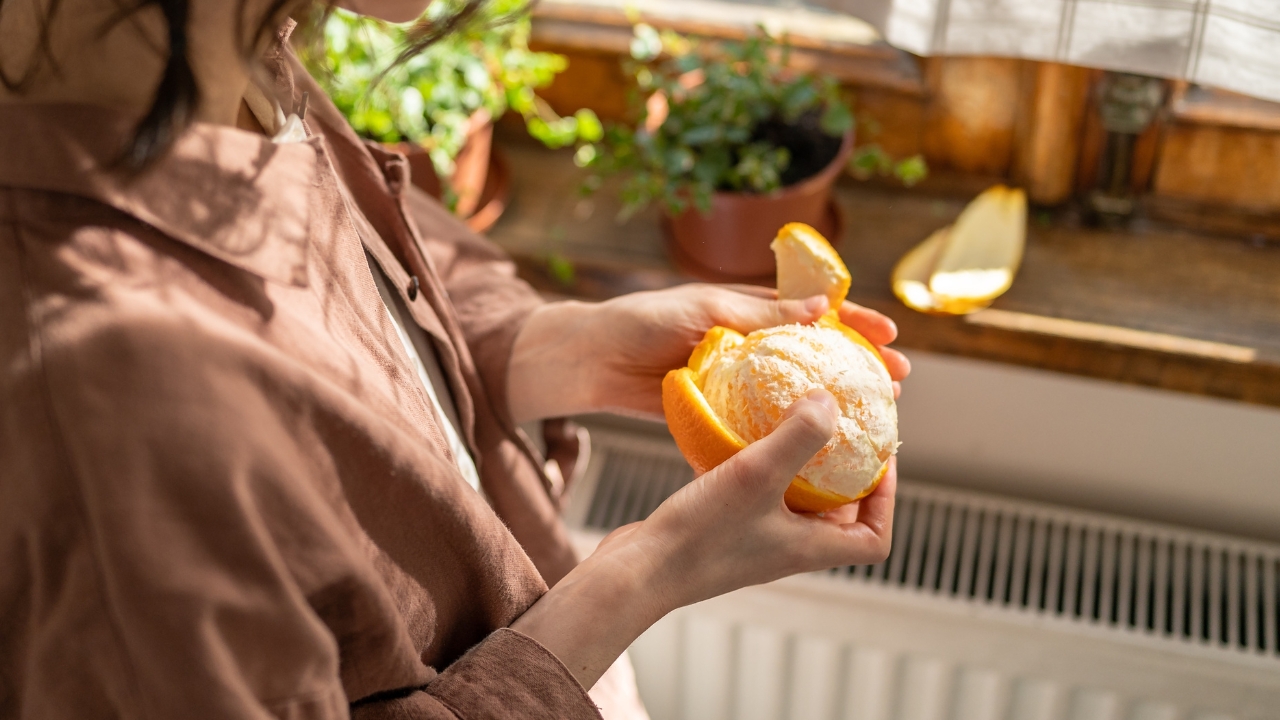
Citrus in general is unpleasant to ants, and lemon is one of the easiest to use. It doesn’t just smell fresh—it also helps cut grease and messes that attract ants in the first place.
Wipe down surfaces with lemon juice or toss a few lemon peels near entry points. You can also boil lemon rinds in water and spray the cooled mixture around windows and doorframes.
Eucalyptus

Eucalyptus oil has a crisp, menthol scent that ants tend to avoid. Like peppermint, it disrupts their scent trails and helps block them from moving freely through your space.
Use it diluted in a spray bottle or soak cotton balls to place behind furniture and in corners. It’s especially helpful near bathrooms or laundry rooms, where ants are often drawn to moisture.
Tea Tree

Tea tree oil smells medicinal and strong, and that’s exactly why ants stay away. It’s an antimicrobial and insect-repelling powerhouse—though the scent might be too intense for everyday use in open spaces.
Mix it with water and spray it inside cabinets, under the sink, or anywhere you’ve seen ant traffic. It’s effective but best used in well-ventilated or low-traffic areas.
Garlic
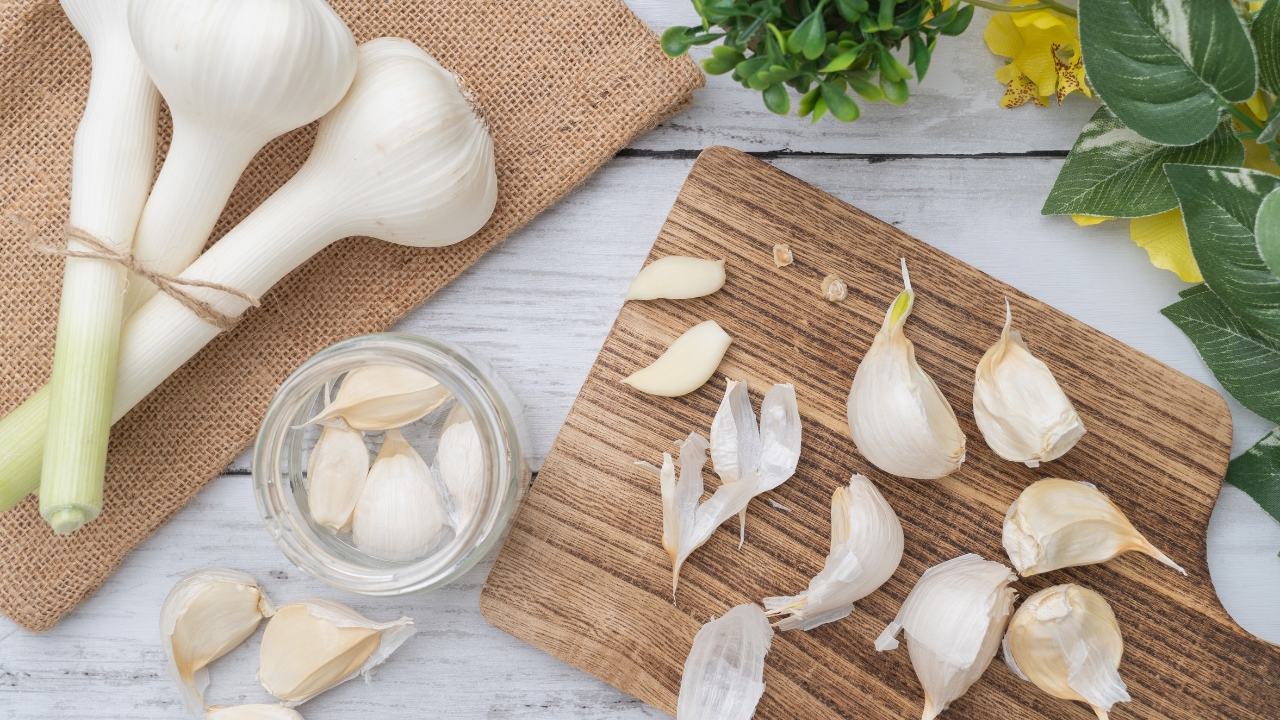
Garlic’s strong sulfur compounds repel a lot of pests—including ants. You can use fresh garlic cloves or make a garlic-infused water spray if the smell doesn’t bother you too much.
Crush a few cloves and place them near entry points, or blend them into water and spray the mixture outside around doors and windows. It’s more of an outdoor option, unless you don’t mind the lingering scent indoors.
Cedarwood
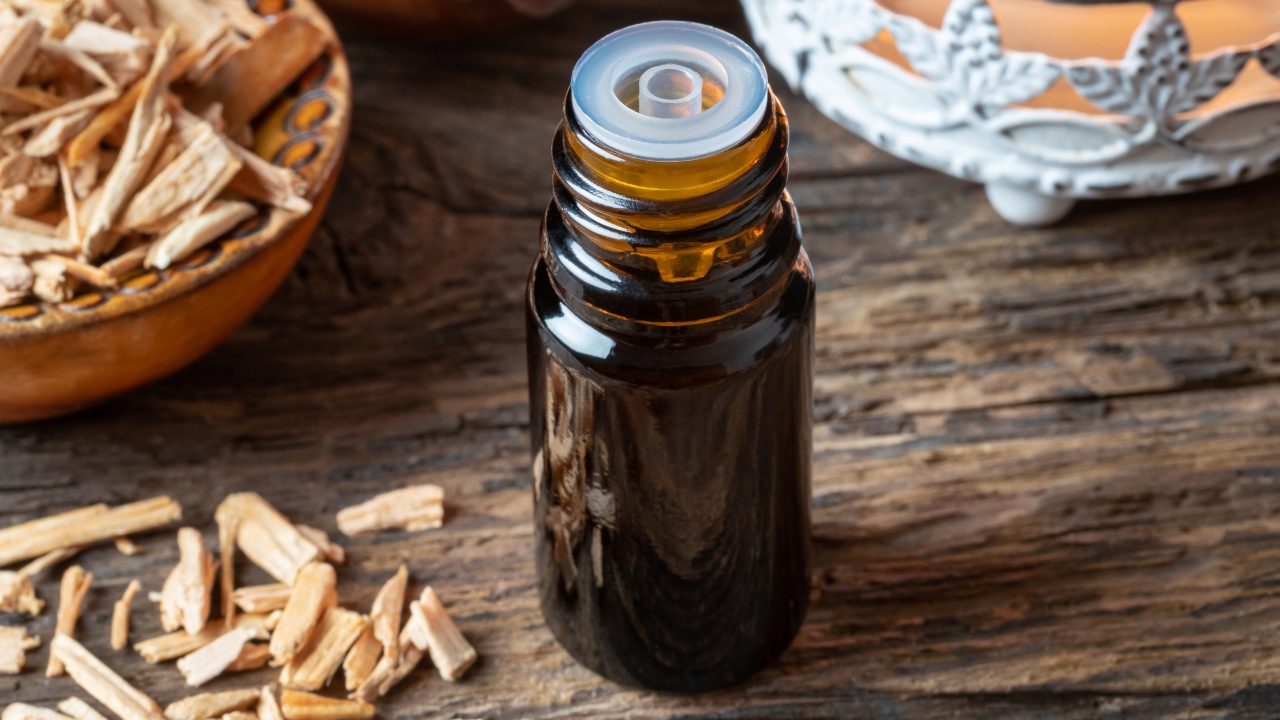
Cedarwood oil isn’t just for moths—ants don’t like it either. The woody, earthy smell is strong and tends to block their scent trails while making areas less appealing overall.
Add a few drops to a spray bottle or place soaked cotton balls in closets or under cabinets. Cedar mulch outside can also help keep ant colonies from moving too close to your foundation.
Bay Leaves
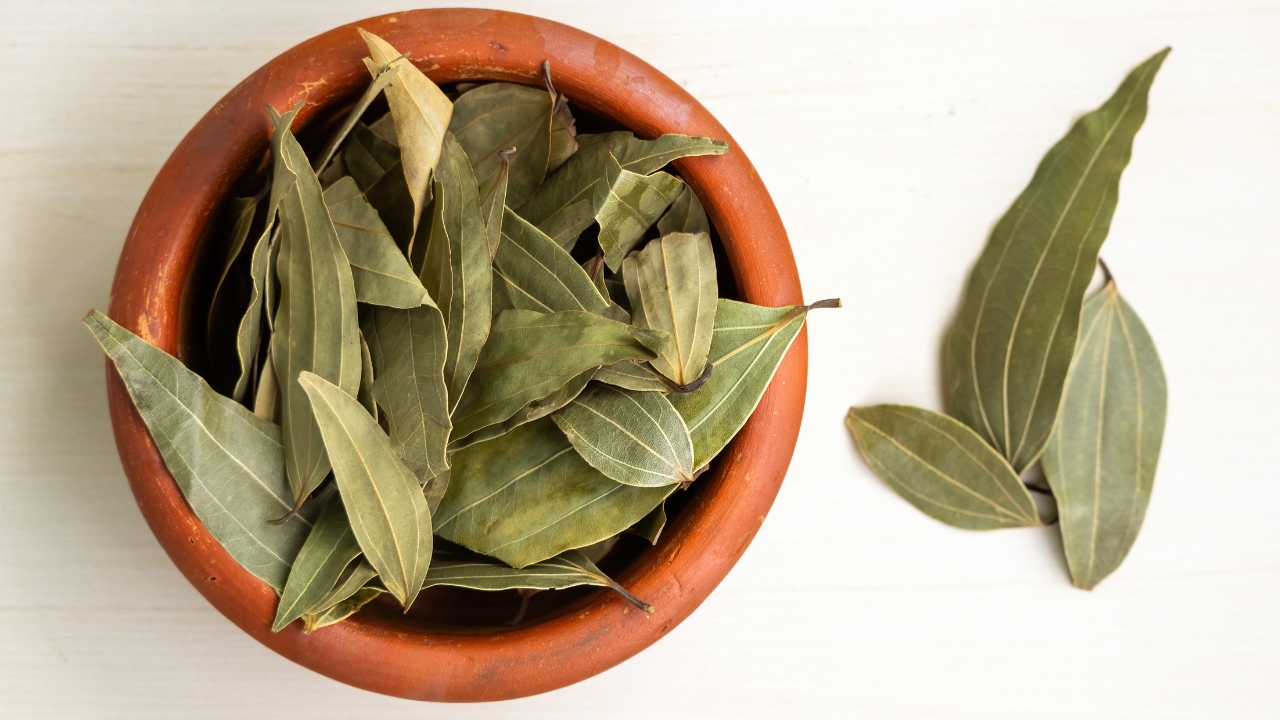
Bay leaves give off a scent that can deter ants and other pantry pests. While not as strong as some essential oils, they’re an easy, low-mess option—especially in the kitchen.
Tuck whole bay leaves in pantry shelves, corners of cabinets, or behind canisters. You’ll need to swap them out every few weeks, but it’s a simple step that adds one more layer of defense.
Like Fix It Homestead’s content? Be sure to follow us.