10 Landscaping Tools Homeowners Buy Once and Almost Never Need Again
Photo credit: Scott Habermann/Shutterstock.com
If you’re trying to keep your yard looking good without spending a fortune, you don’t need every landscaping tool that shows up on a big-box endcap. A lot of tools look handy on the shelf but end up collecting dust in the shed. Others might solve a problem you don’t even have.
The truth is, some of the most overhyped tools either overlap with what you already own or make a job more complicated than it needs to be.
Lawn Aerator Shoes
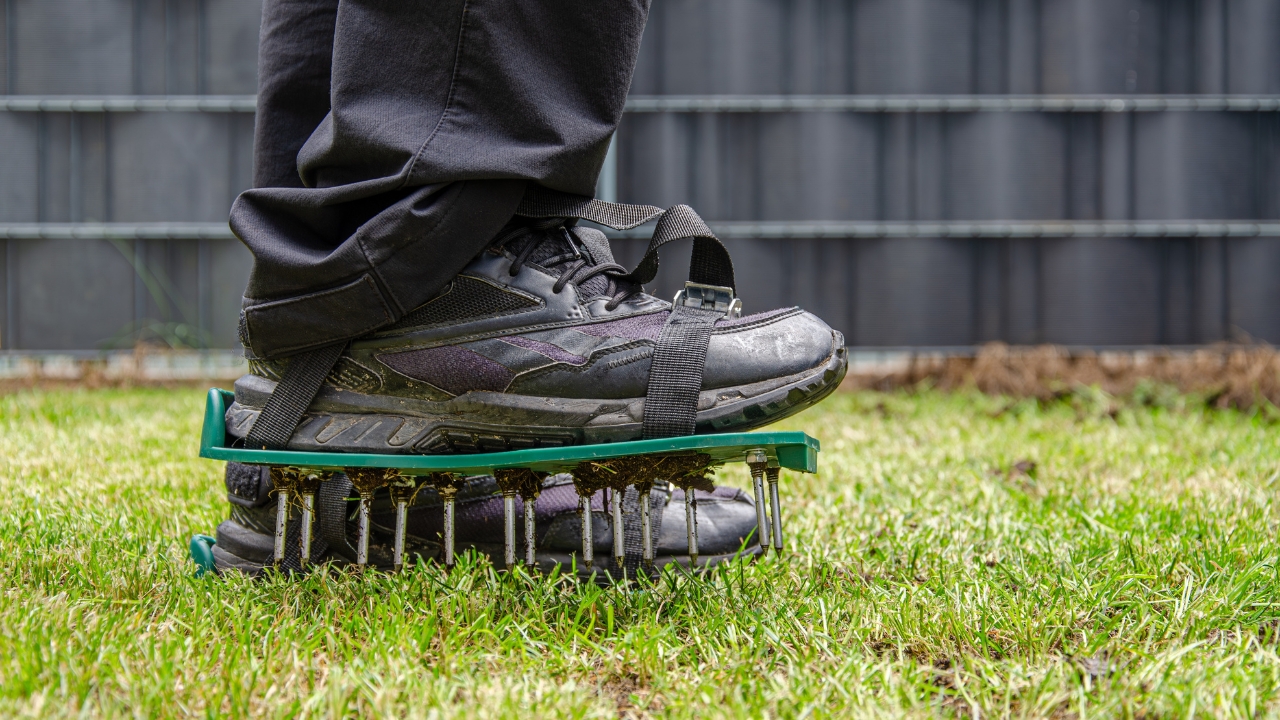
These things pop up everywhere, but they don’t work the way you’re told they do. Walking around in spiked sandals might seem like an easy fix for compacted soil, but they’re not heavy enough to do real aeration.
Instead of pulling out plugs like a core aerator would, the spikes just punch shallow holes that often make compaction worse over time. If your lawn needs aeration, rent a proper machine or hire it out once a year. Skip the gimmick shoes.
Electric Edgers
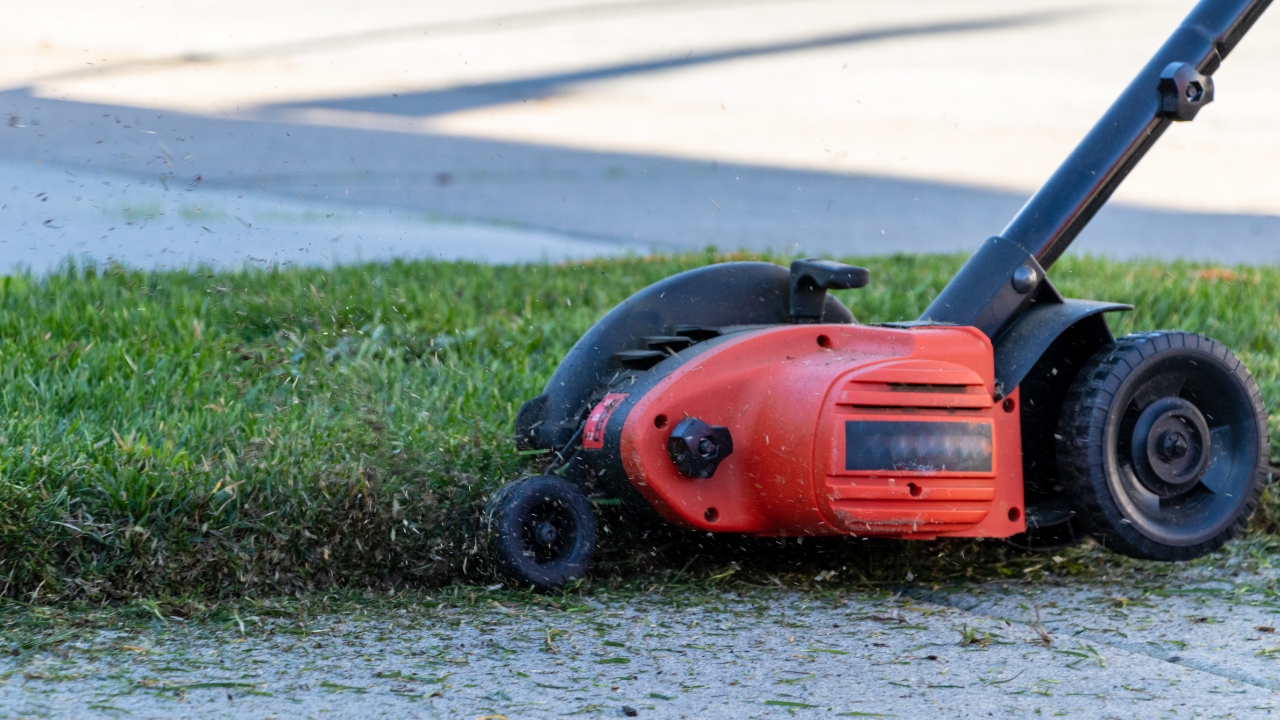
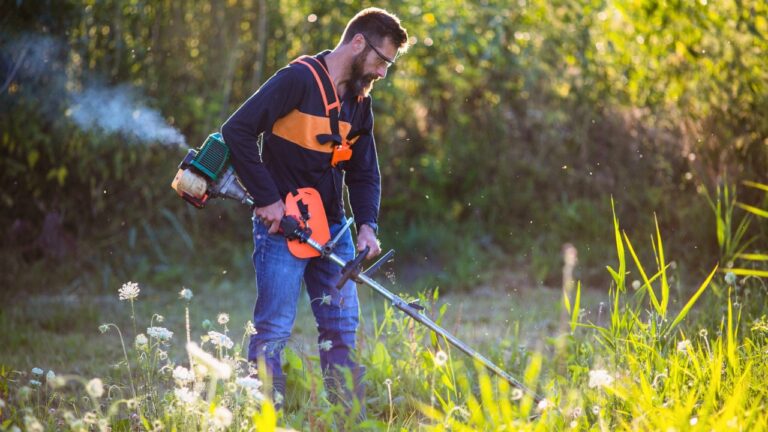
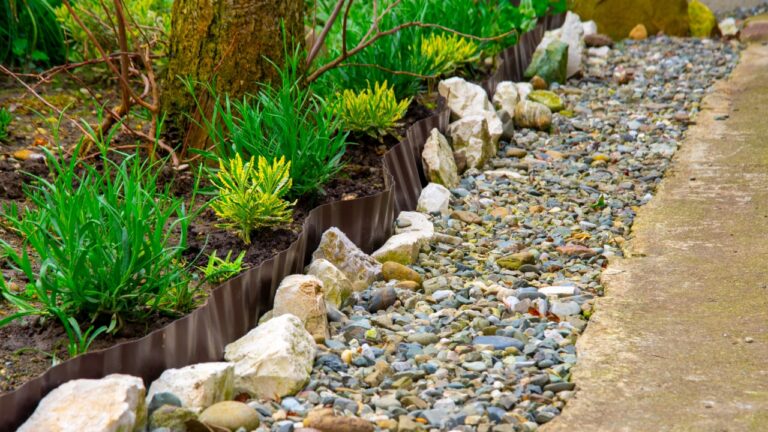
Unless you’re really committed to crisp edges every week, an electric edger usually isn’t worth it. It takes up space, needs its own upkeep, and adds another step to your mowing routine.
You can get a similar result with a string trimmer if you turn it sideways and take your time along the edges. It might not be perfect, but it’s close enough to keep things looking neat without hauling out a separate tool.
Gas-Powered Hedge Trimmers
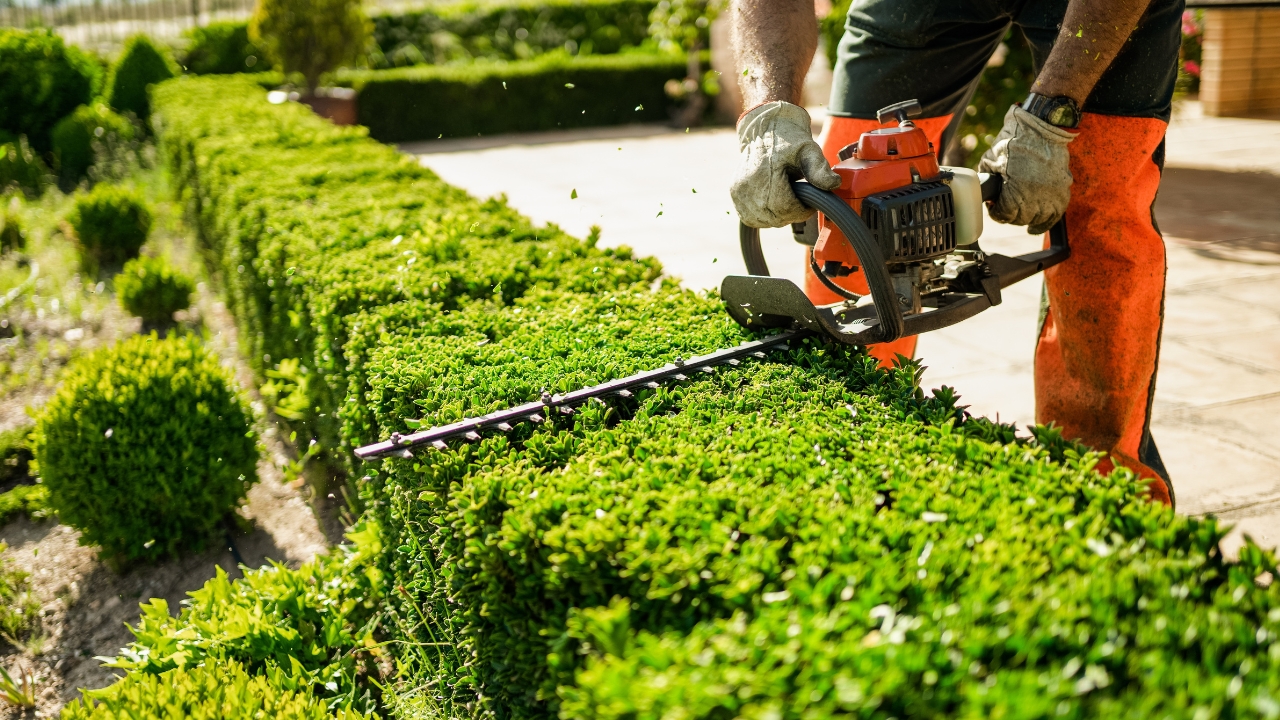
Unless you’re working with a wall of hedges every weekend, a gas-powered hedge trimmer is overkill. They’re heavy, loud, and require extra maintenance that doesn’t pay off for small jobs.
Battery-powered trimmers or even manual hedge shears work just fine for routine touch-ups. You don’t need a two-stroke beast unless you’re trimming commercial properties or taming a jungle.
Lawn Sweepers
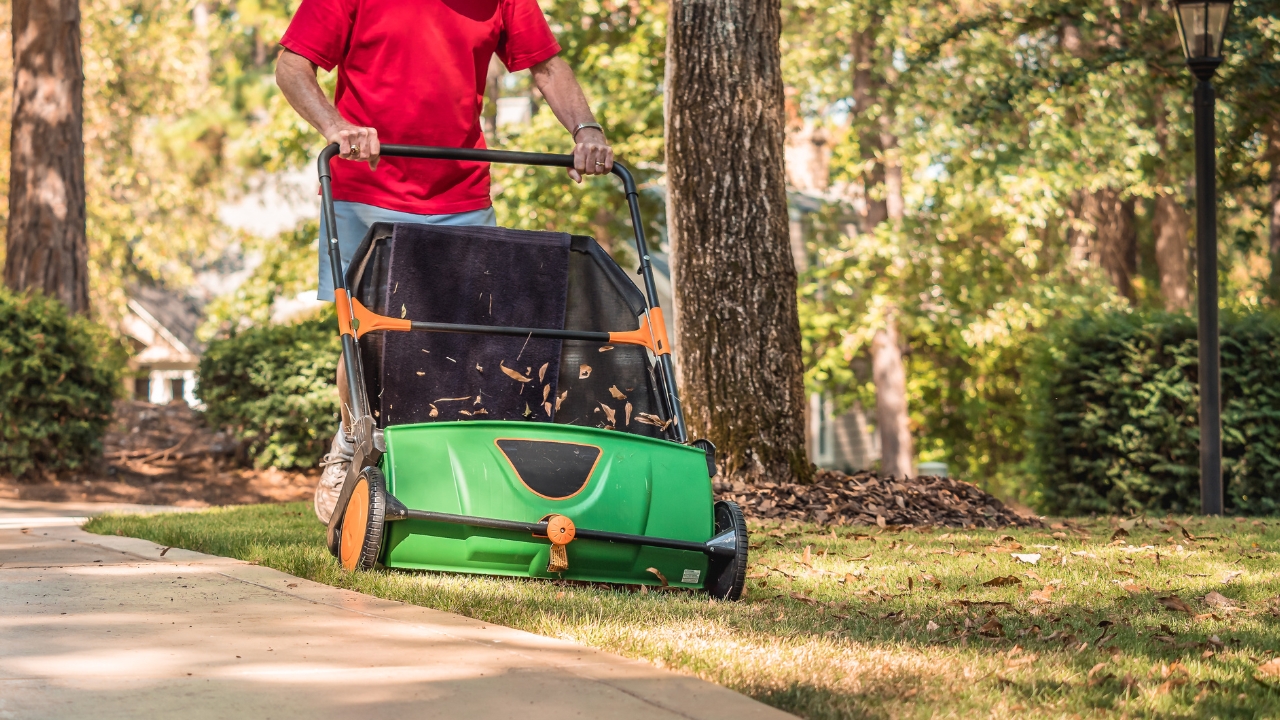
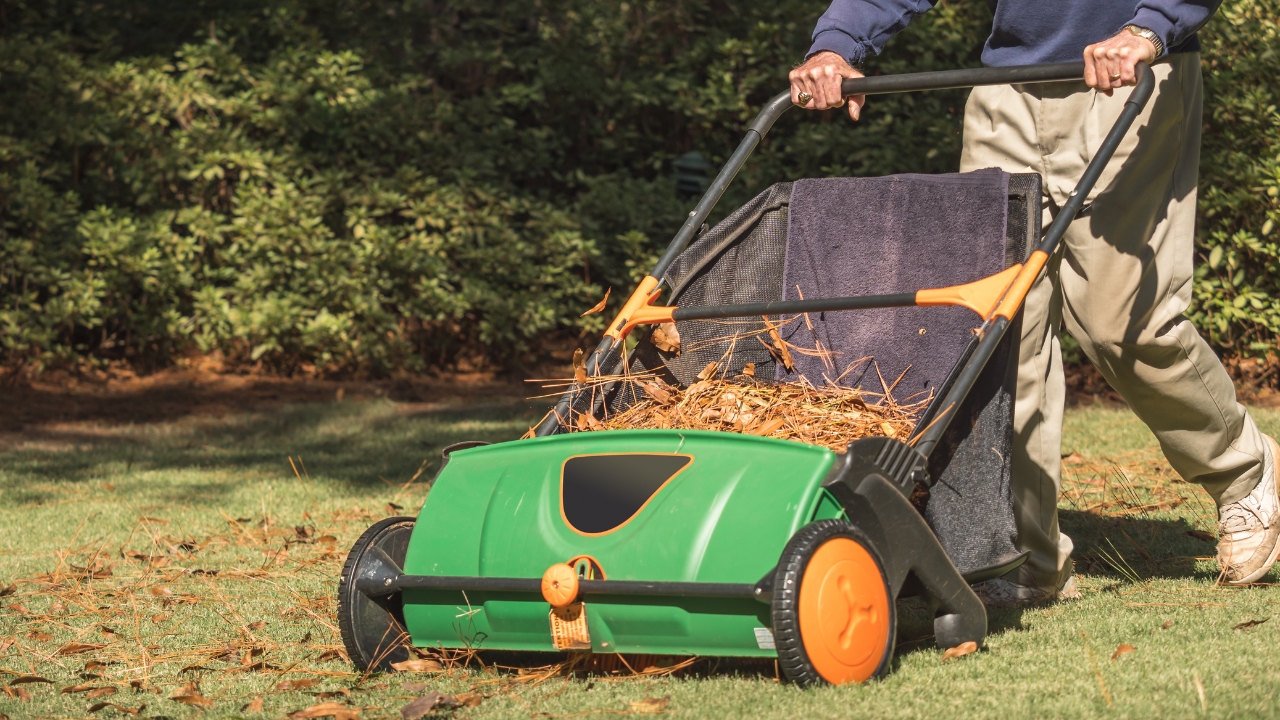
Lawn sweepers sound convenient, but for most yards, they’re more trouble than they’re worth. They take up a ton of storage space and struggle to pick up wet grass, leaves, or anything uneven.
If you’re dealing with a lot of debris, a mulching mower or leaf blower usually gets the job done faster. Sweepers might be useful on golf courses, but most homeowners don’t need one cluttering the garage.
Dethatching Rakes
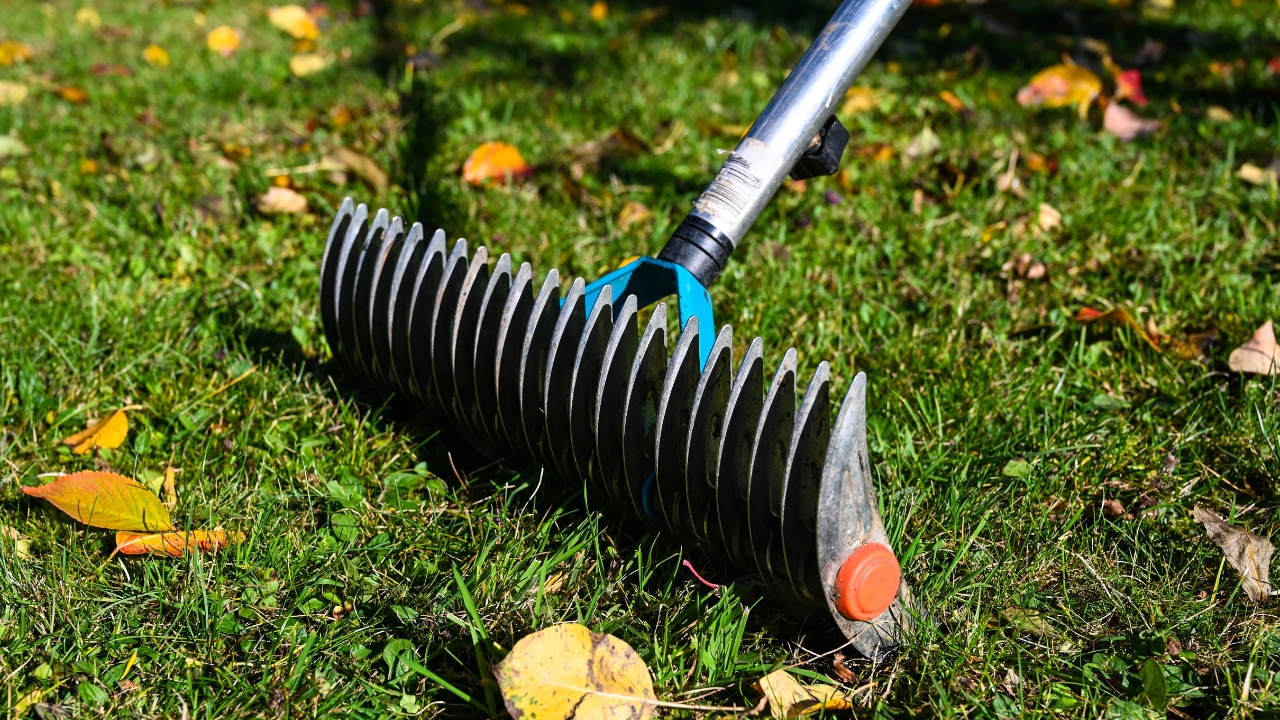
These heavy-duty rakes are supposed to rip out thatch buildup, but they’re overkill unless your lawn really needs it—and most lawns don’t. A little thatch actually helps with moisture retention and insulation.
Overuse can damage healthy grass, especially if your turf doesn’t have much buildup to begin with. If you really need to dethatch, rent a dethatcher once every few years. Otherwise, regular mowing and aeration keep things in check.
Hose-End Sprayers With Built-In Fertilizer Compartments
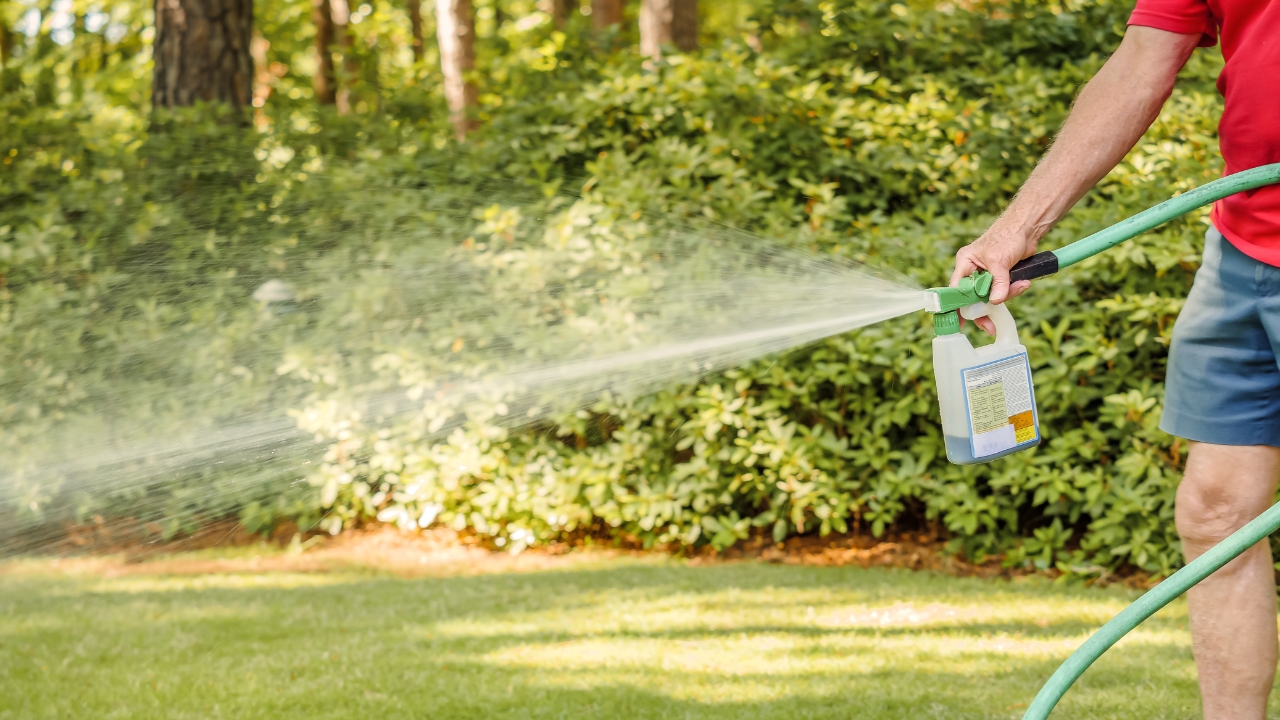
They seem like a smart shortcut, but these combo sprayers often deliver uneven coverage and waste more product than they save. You end up guessing on measurements and dumping chemicals in areas that don’t need it.
A dedicated sprayer or a spreader does a better job at applying lawn treatments evenly. It takes a few more minutes, but your lawn will thank you for it, and you’ll avoid burning patches by accident.
Power Brooms
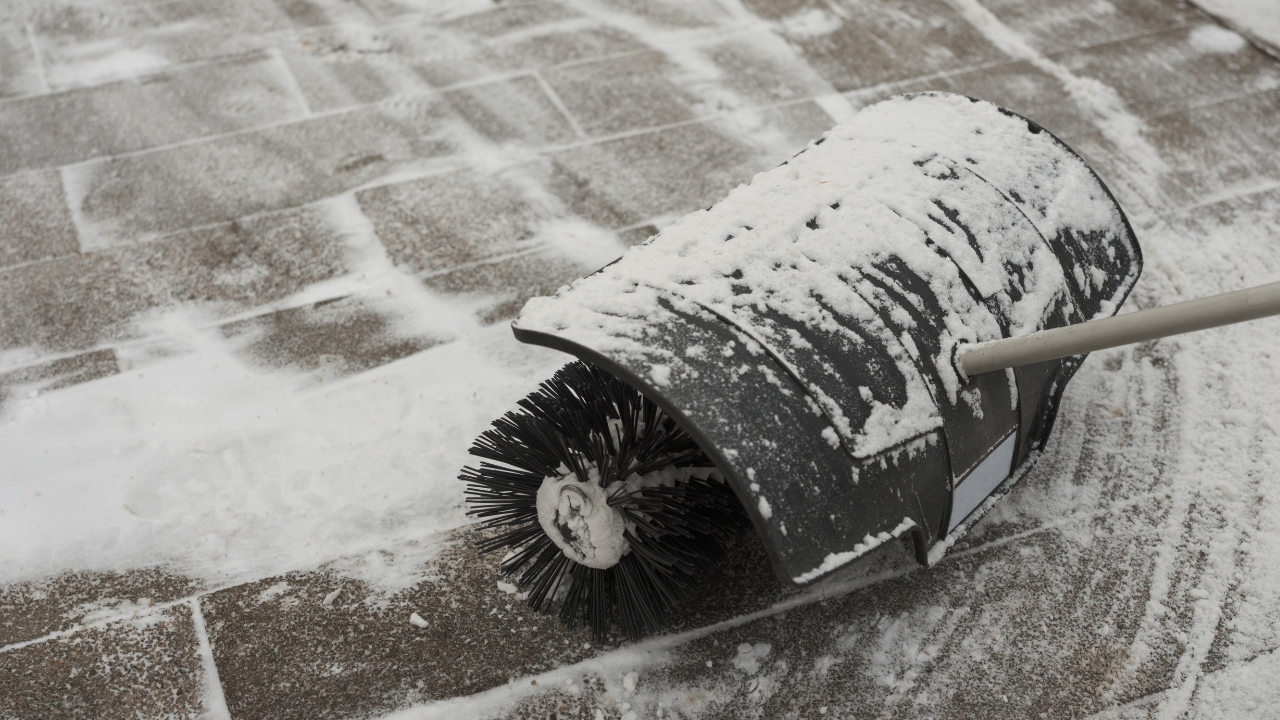
Power brooms are marketed as great for sweeping leaves, gravel, or snow, but they’re bulky, pricey, and wildly unnecessary for most yards. They’re hard to maneuver, especially on uneven terrain or in tight spots.
A rake and a regular push broom will get the same jobs done with way less hassle. Unless you’re cleaning artificial turf or managing a sports field, skip it.
Manual Reel Mowers
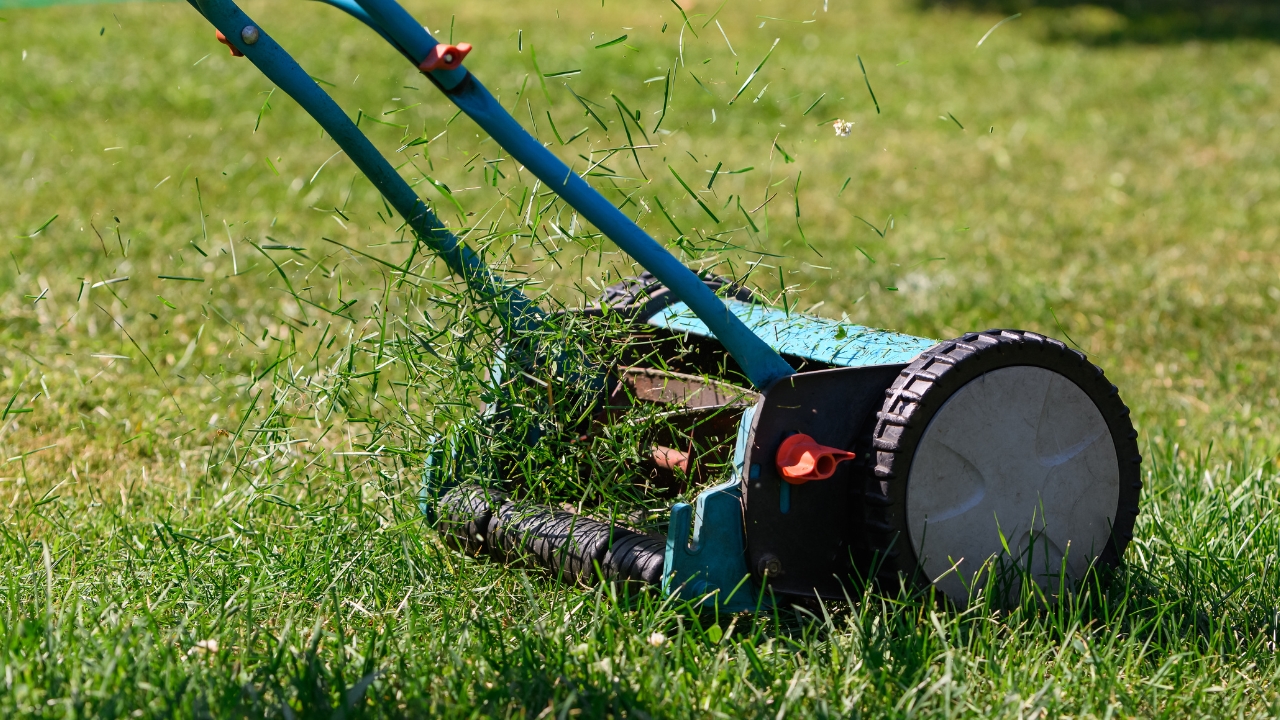
They sound good in theory—eco-friendly, low maintenance, no gas—but reel mowers can be frustrating to use unless your lawn is small, flat, and perfectly maintained.
They don’t handle tall grass, uneven spots, or weeds very well, and you’ll find yourself double-passing more often than not. A battery-powered mower is easier to manage without giving up convenience or control.
Soil Test Kits from Big Box Stores
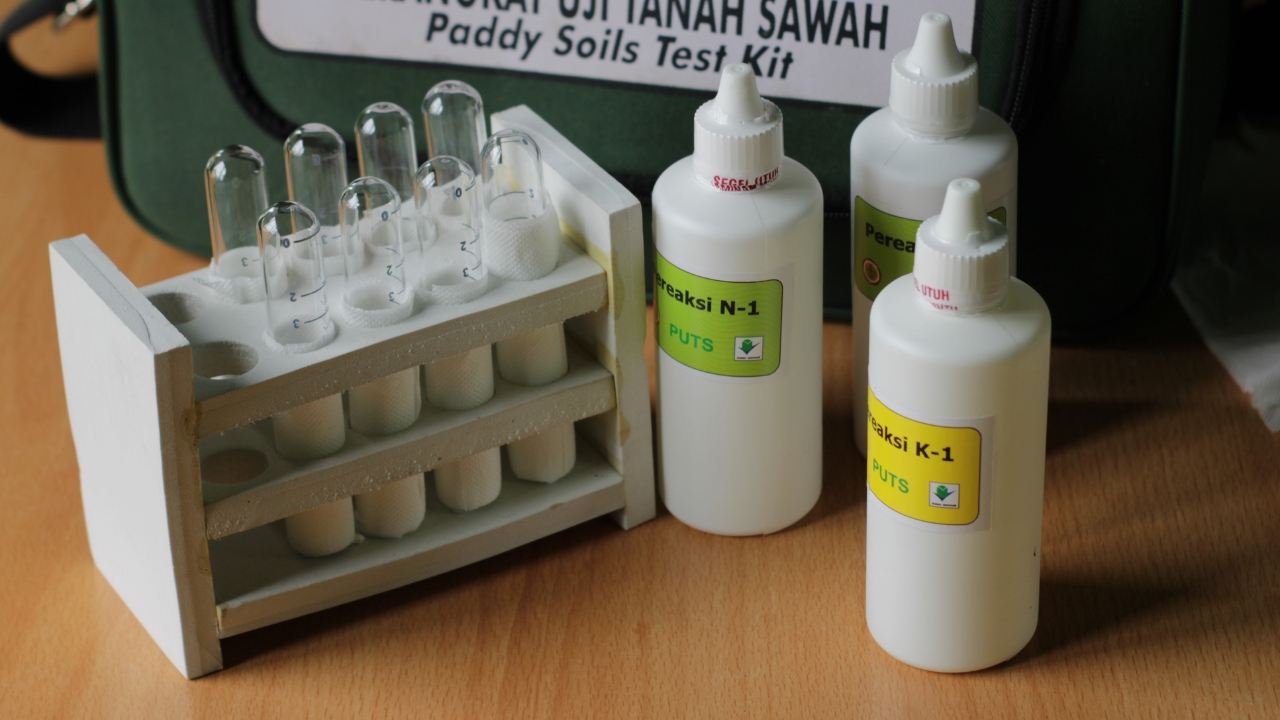
These little DIY kits promise to tell you everything your soil needs, but they’re rarely accurate. Most of them give vague readings that don’t help you make real decisions about fertilizer or pH adjustments.
If you actually need a soil test, send a sample to your local extension service. It takes a little longer, but the results are far more useful—and often cheaper in the long run.
Lawn Striping Kits
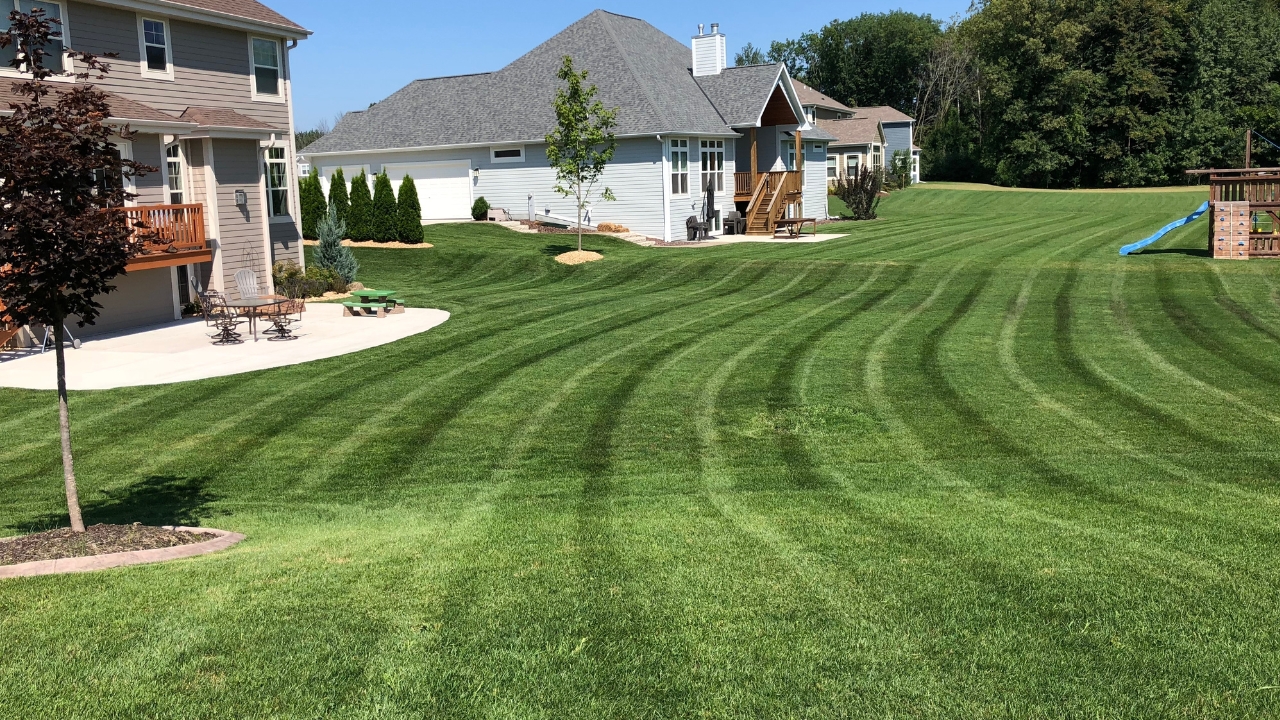
A striped lawn looks great, but the kits marketed to homeowners are mostly unnecessary. Most zero-turns or push mowers can create visible lines with the right mowing pattern and blade height.
If you’re after a pro look, experiment with mowing angles and overlaps before spending money on an attachment. You’ll probably be surprised what your current mower can already do.
Like Fix It Homestead’s content? Be sure to follow us.