8 Garden Habits That Make Your Beds Perfect for Slugs
Photo credit: Patrick Hampton/Shutterstock.com
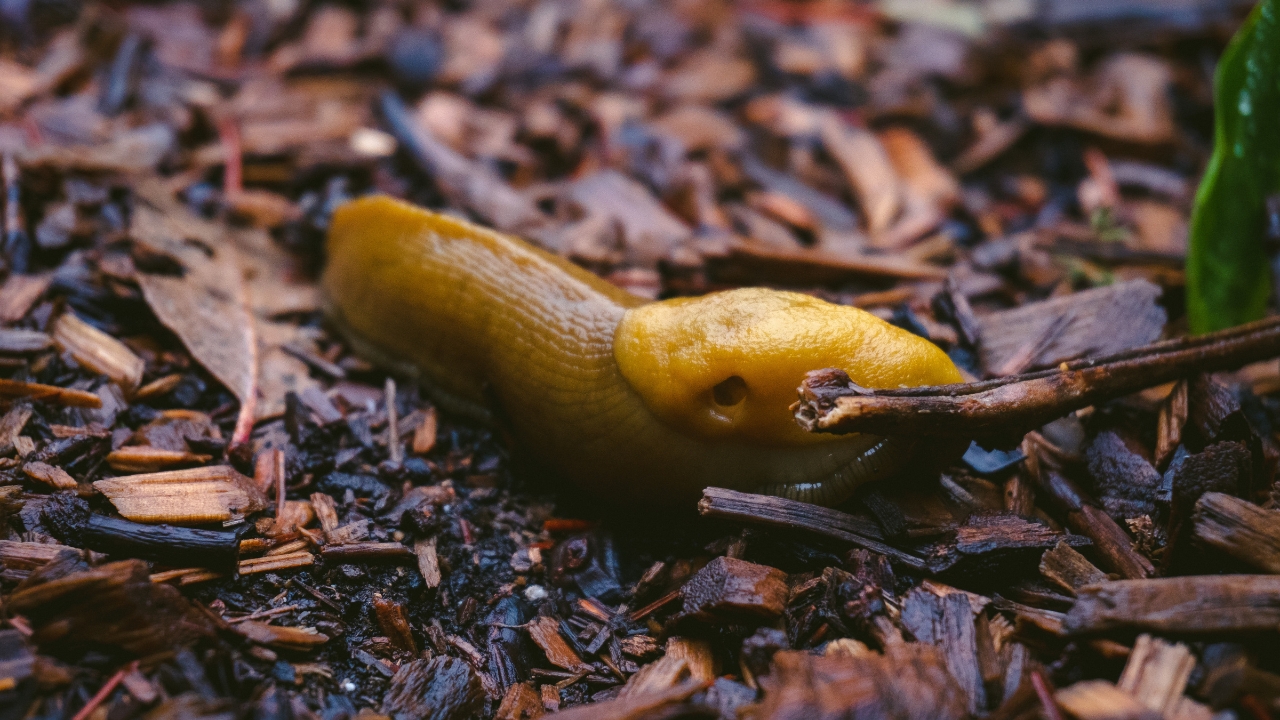
Slugs can wipe out tender plants overnight, and once they move in, they’re tough to get rid of. They love moisture, shade, and places they can hide out during the day. And while you might think you’re doing everything right in the garden, some common habits actually invite slugs in without you realizing it.
If you’re seeing holes in leaves or slime trails on the soil, take a closer look at these habits—they could be making your garden a slug magnet.
Watering in the Evening
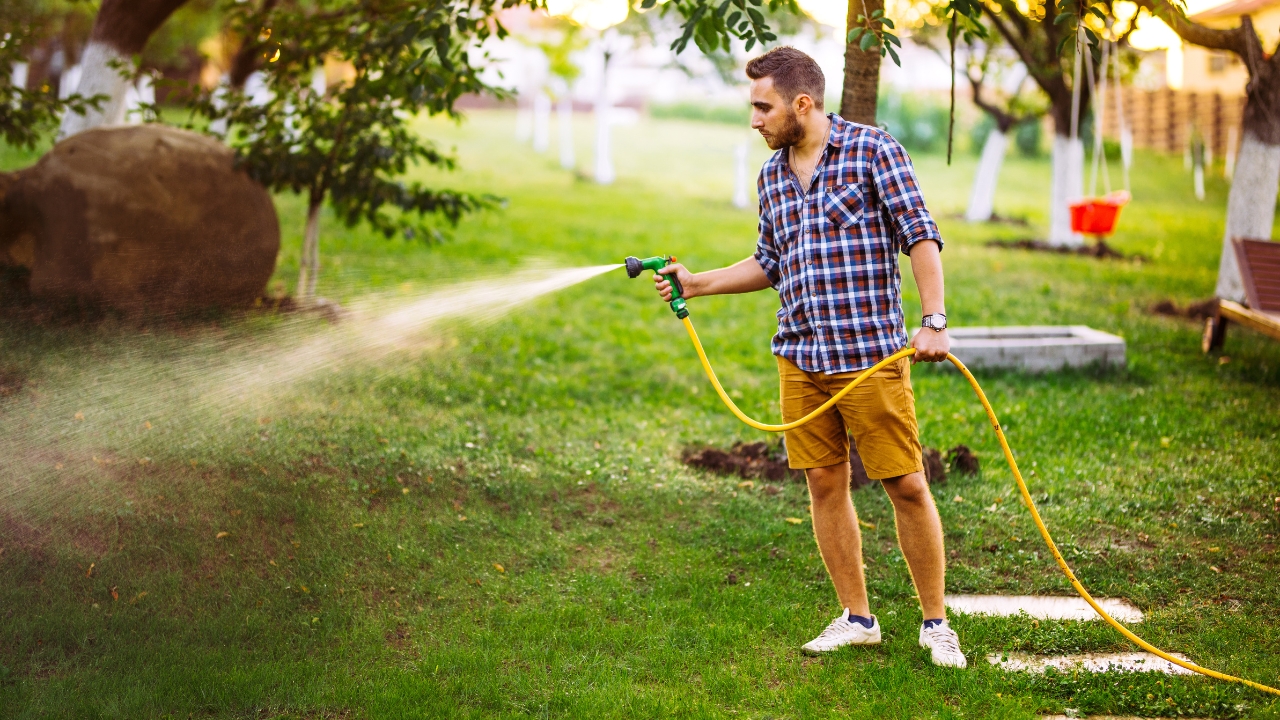
Watering at night leaves the garden damp for longer, which slugs love. They’re most active in the dark, and moist soil gives them the perfect conditions to roam and feed without drying out.
Switch to early morning watering when possible. It gives your plants time to soak it in while still letting the surface dry before nightfall. If you’ve been dealing with slugs for a while, this one change can make a noticeable difference.
Overcrowding Plants
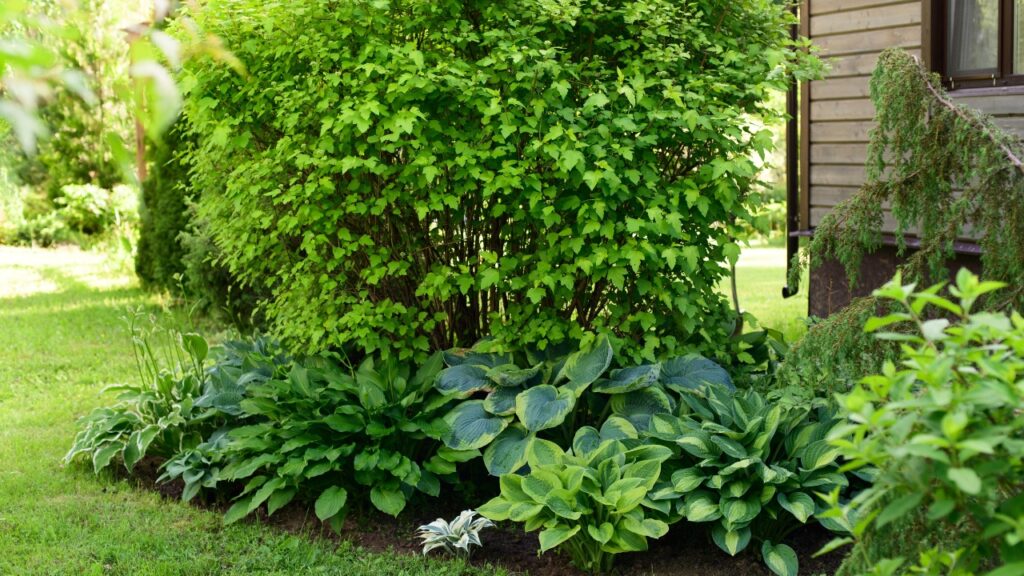
Tightly packed plants might look lush, but they trap moisture and block airflow. That creates a cool, humid environment underneath—exactly where slugs want to hide during the heat of the day.
Give your plants more breathing room. Prune or space things out so air and light can reach the soil surface. Not only will it cut back on slug hiding spots, but it’ll also help prevent fungal issues and mildew.
Letting Mulch Stay Too Damp
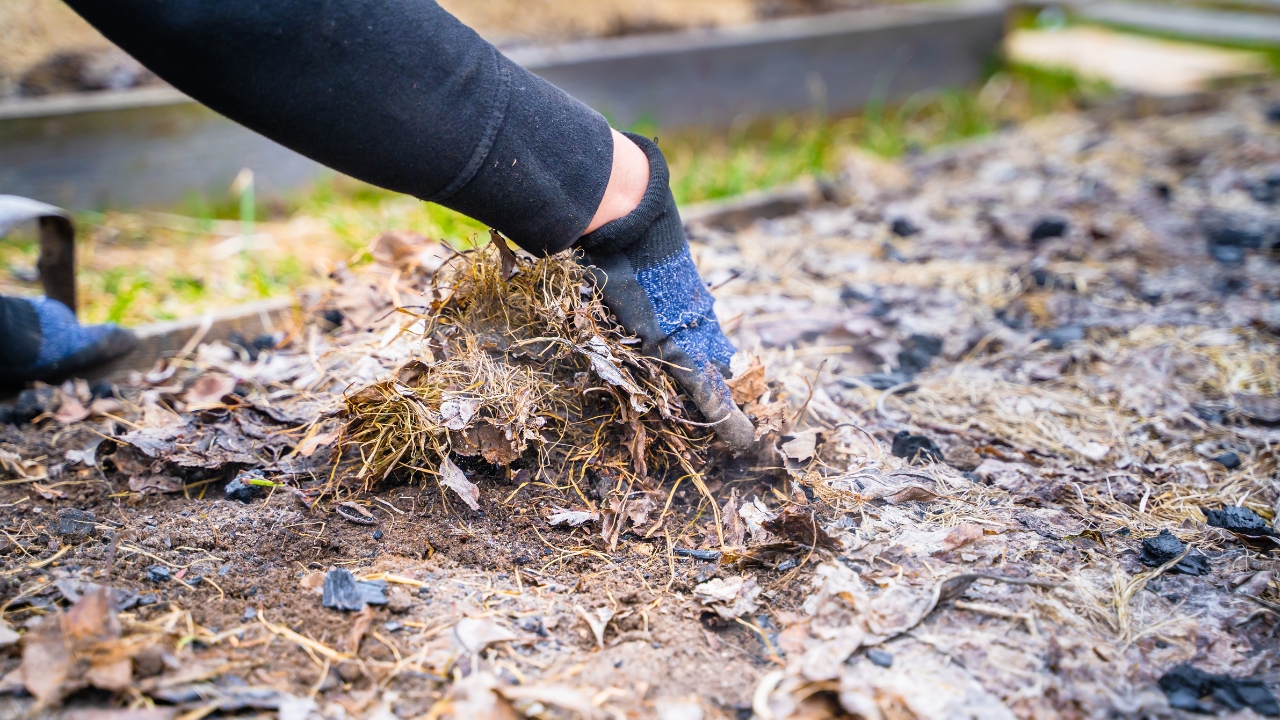
Mulch is great for retaining moisture and keeping weeds down, but when it stays wet and compacted, it gives slugs a perfect place to camp out. They crawl right under and wait for nightfall to strike.
Use mulch sparingly and refresh it often. Straw, bark, or leaf mulch should stay loose, not soggy. If your mulch is always damp or smells musty, it’s time to rake it out and let the soil dry a bit.
Ignoring Slug Hiding Spots
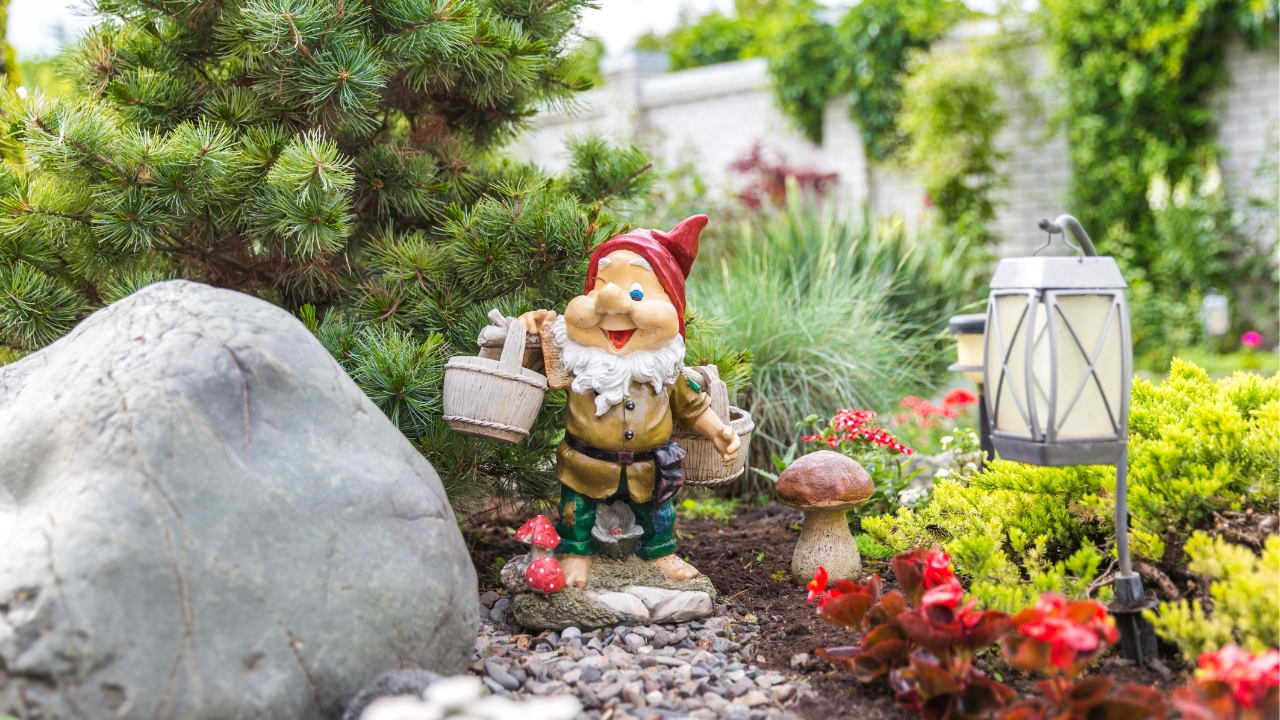
Old boards, overturned pots, garden décor—anything that stays in one place too long becomes prime real estate for slugs. They hide out underneath during the day and come out when the coast is clear.
Walk your garden and flip things over. If you find slugs, don’t be surprised—they love shady, still places. Move décor regularly and store unused items off the ground to cut back on hiding zones.
Leaving Weeds Untouched
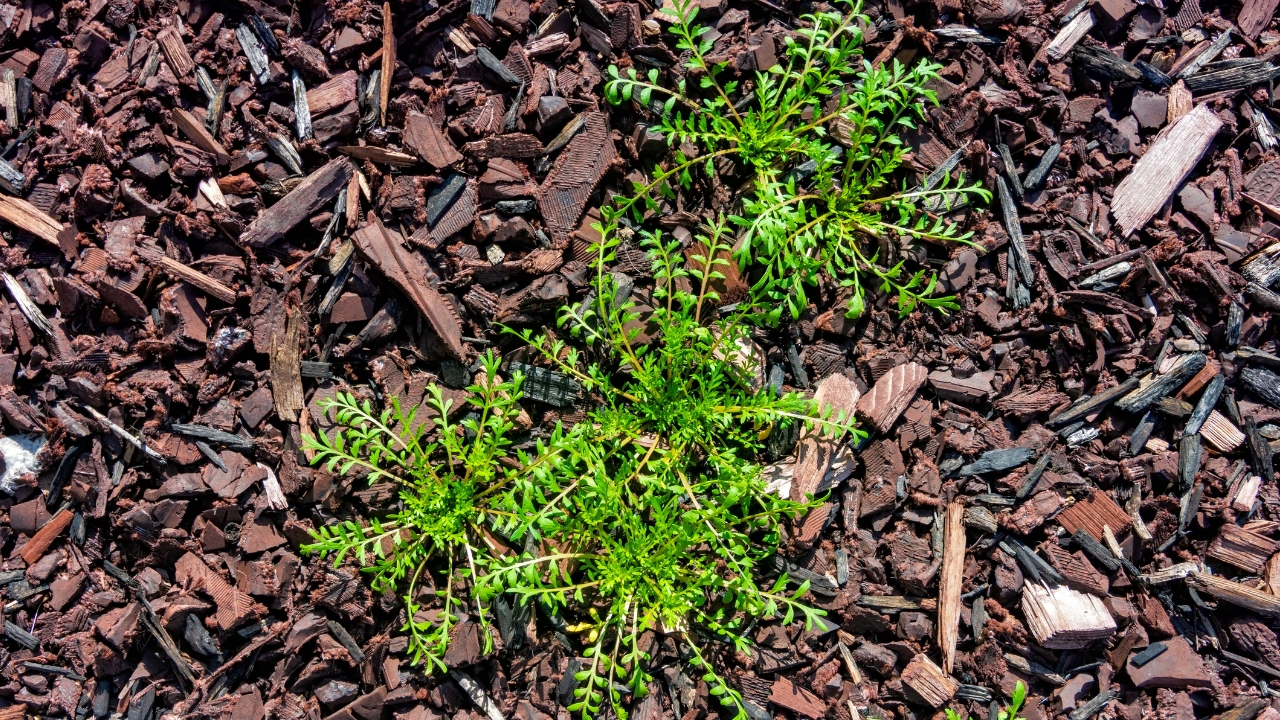
Weeds don’t just compete with your plants for nutrients. They also give slugs extra cover and keep things damp around the base of your garden beds. Some even act as a food source.
Stay on top of weeding, especially around the edges and base of your plants. Keeping the ground clear helps it dry out faster and reduces all the little nooks slugs use to hide.
Skipping Regular Cleanup

Old leaves, fallen fruit, and plant debris can all attract slugs. They feed on decaying matter and hang around long after the mess is gone—especially if it’s left to rot in shady corners.
Keep your beds tidy. Clean up spent blooms, remove dead leaves, and toss any soft, rotting fruit. A clean garden doesn’t just look better—it makes life harder for slugs looking for an easy meal.
Using Too Much Compost on the Surface

Compost is great for your soil, but when it sits on top instead of being worked in, it can stay damp and soft—two things slugs thrive in. It also breaks down into the kind of organic matter they like to nibble on.
If you’re adding compost, mix it into the soil or cover it lightly with mulch. That helps improve drainage and keeps the surface drier. Save the rich, damp top layers for your actual plants—not for the slugs.
Letting Edges Stay Overgrown
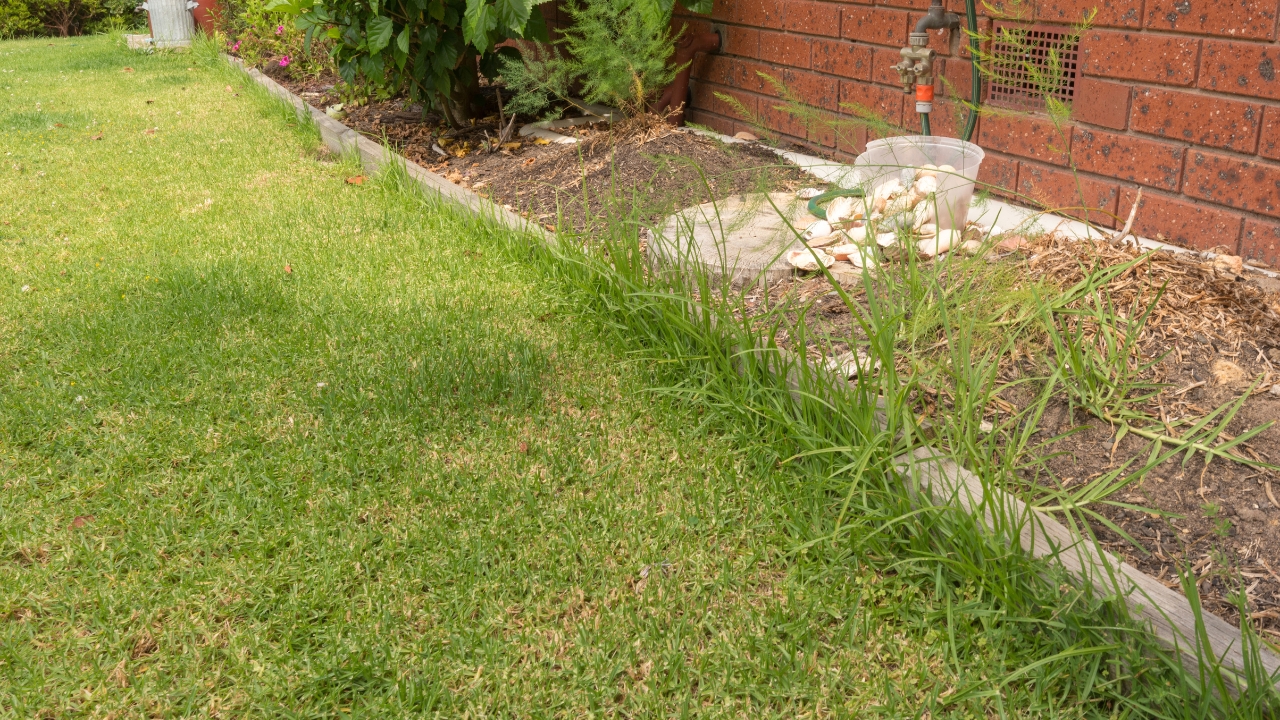
The edges of beds, fences, and pathways are often where slugs sneak in. Tall grass, weeds, or dense groundcovers around the border create a shaded, humid strip that draws them in.
Trim back those edges and give yourself a clean buffer between your garden and the surrounding space. A strip of gravel, mulch, or low groundcover that doesn’t hold moisture can help cut off their path before they make it to your plants.
*This article was developed with AI-powered tools and has been carefully reviewed by our editors.
Like Fix It Homestead’s content? Be sure to follow us.