10 Mowing Tips People Repeat That Don’t Actually Work in Real Yards
Photo credit: JackCA/Shutterstock.com
You’ve probably heard plenty of mowing advice—some of it from neighbors, some from social media, and some printed right on the mower manual. The problem is, a lot of those tips sound good in theory but fall apart once you’re actually out there pushing or riding a mower in real grass, real heat, and real conditions.
Some of these tips waste time, some wear out your equipment, and some make your lawn worse without you realizing it. Here’s what doesn’t hold up when it’s time to mow for real.
Mowing in a Perfect Crisscross Pattern
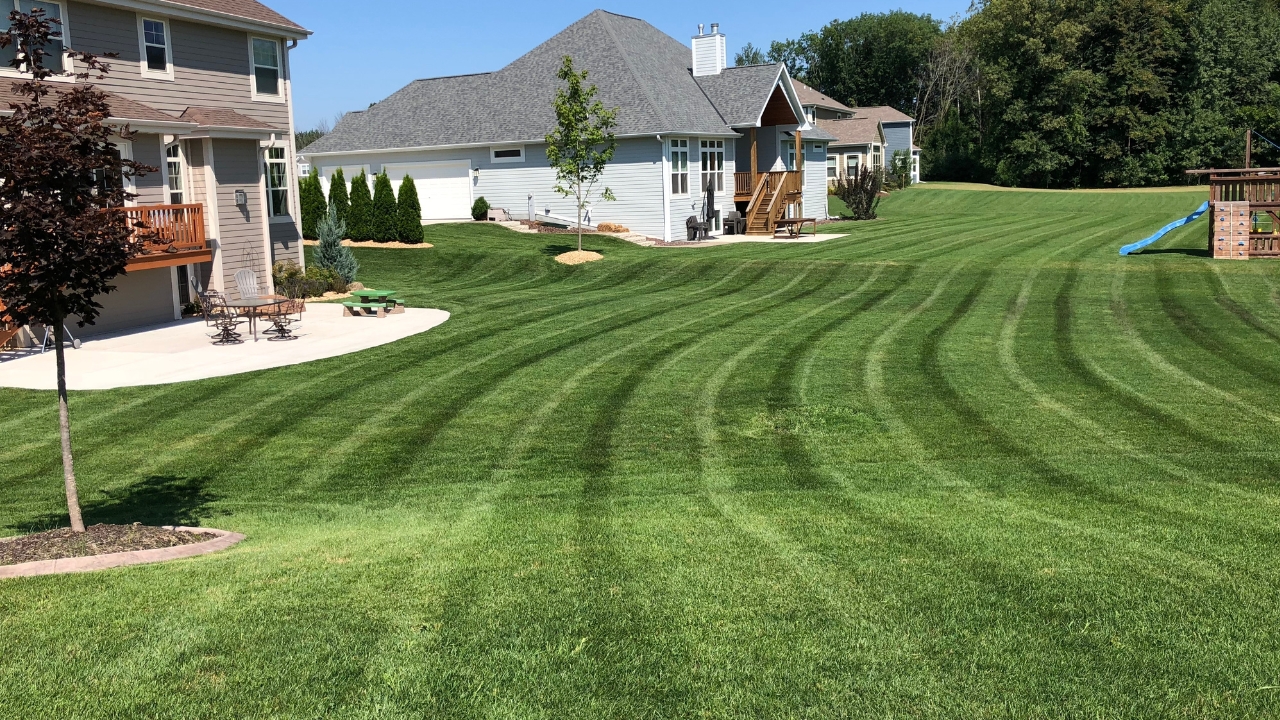
It might look pretty in a stadium, but in a regular yard, trying to stripe your lawn perfectly every week is unrealistic. Unless your lawn is totally level, evenly watered, and freshly fertilized, the pattern ends up looking messy or uneven.
Focus more on varying your mowing direction each time than perfecting lines. Alternating patterns helps keep grass upright and prevents soil compaction. It’s way more practical—and your yard will actually look better long-term.
Waiting Until the Grass Gets “Tall Enough”
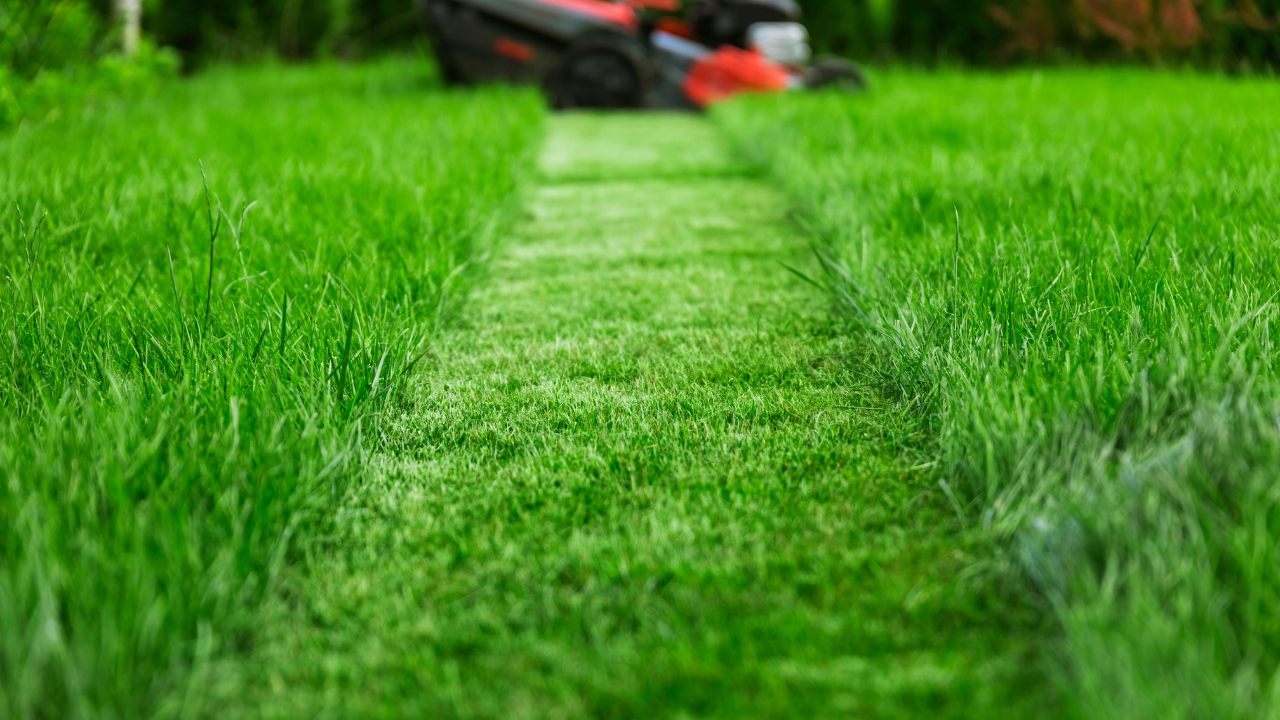
Holding off on mowing until your grass looks long might seem smart if you’re trying to mow less often. But that habit leads to scalping and can shock your lawn, especially in warm weather.
You’re better off sticking to the “one-third” rule—never cut more than a third of the blade at once. Even if the grass doesn’t look tall yet, staying consistent keeps it healthy and saves you from thick clumps or burnout.
Bagging Clippings Every Time
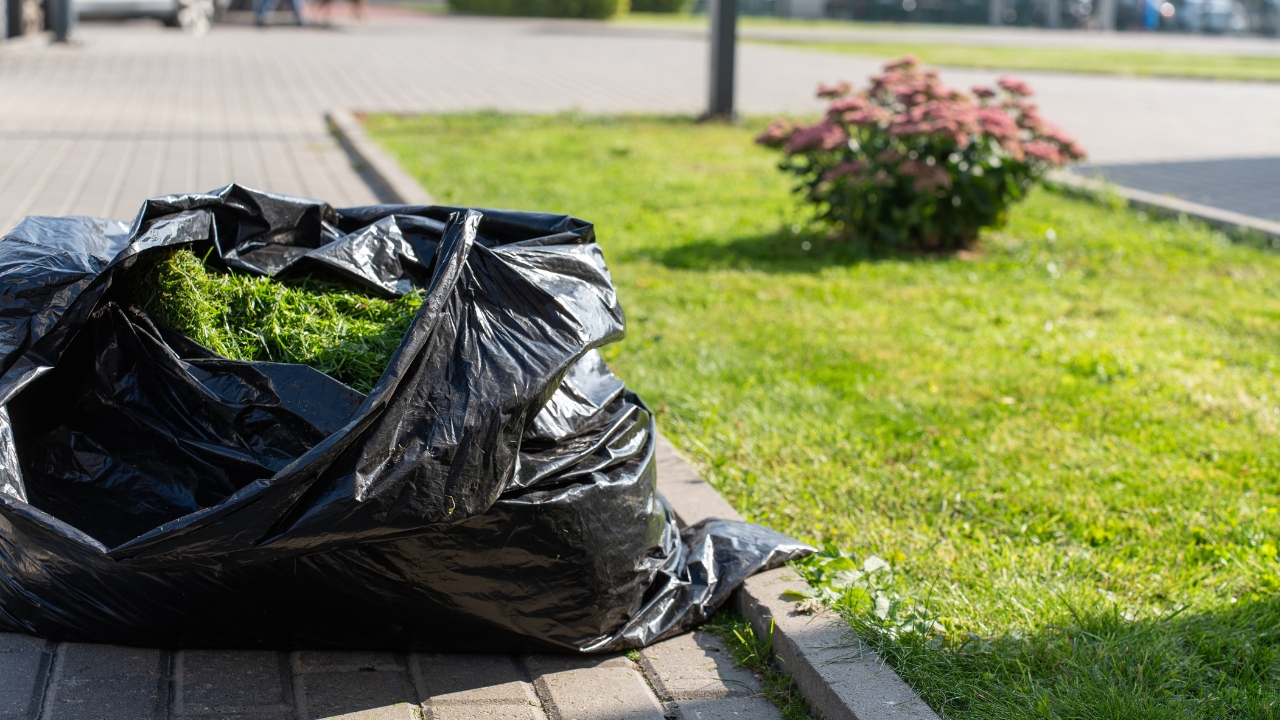
Some folks swear by bagging every mow to keep things tidy. But constantly removing clippings robs your lawn of free nutrients and adds to your chore list.
Unless the clippings are too thick or wet, mulch them instead. They break down quickly and help feed your lawn naturally. You’ll save time, and your grass will be healthier without all the hauling.
Mowing When It’s Damp to “Beat the Heat”
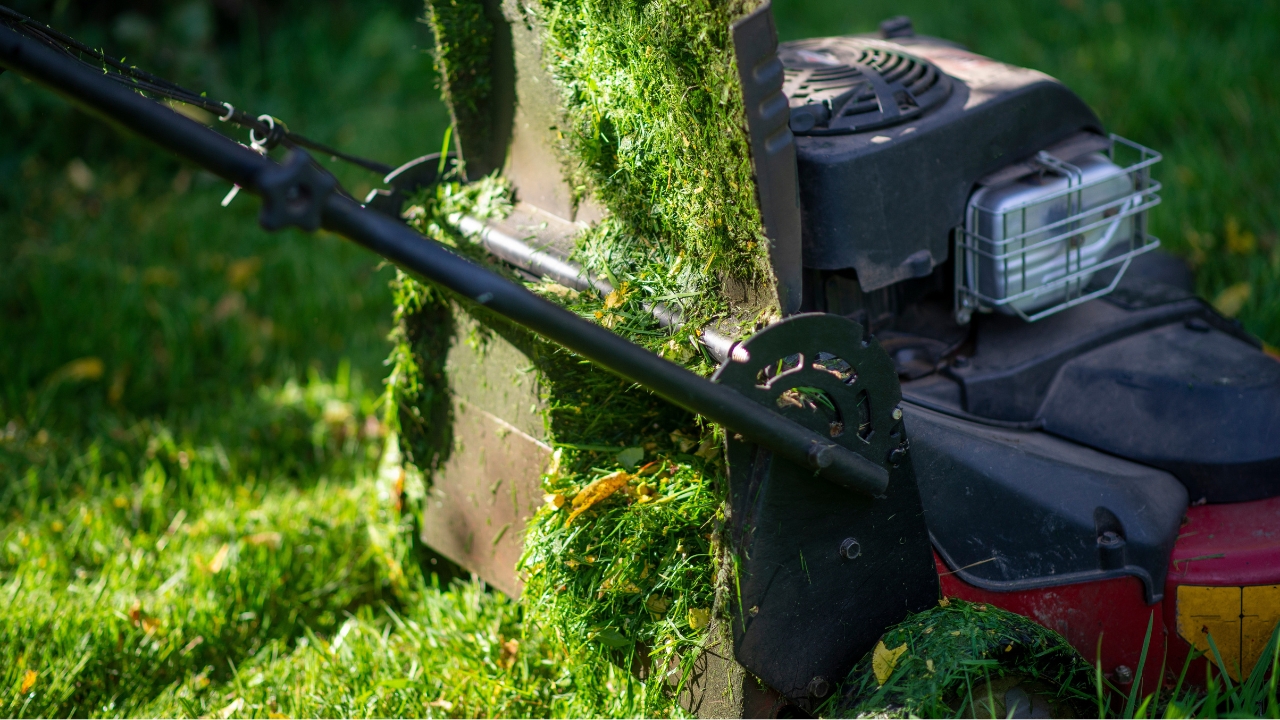
Trying to beat the heat by mowing early while the dew’s still on the grass sounds practical—until your mower starts clogging and your wheels start tearing up wet patches.
Wet grass cuts unevenly, clumps, and sticks to everything. It also increases your chances of leaving ruts or pulling up roots. If you can, wait until the lawn dries out a bit. Your mower and your yard will both handle it better.
Cutting Grass Super Short So It “Lasts Longer”
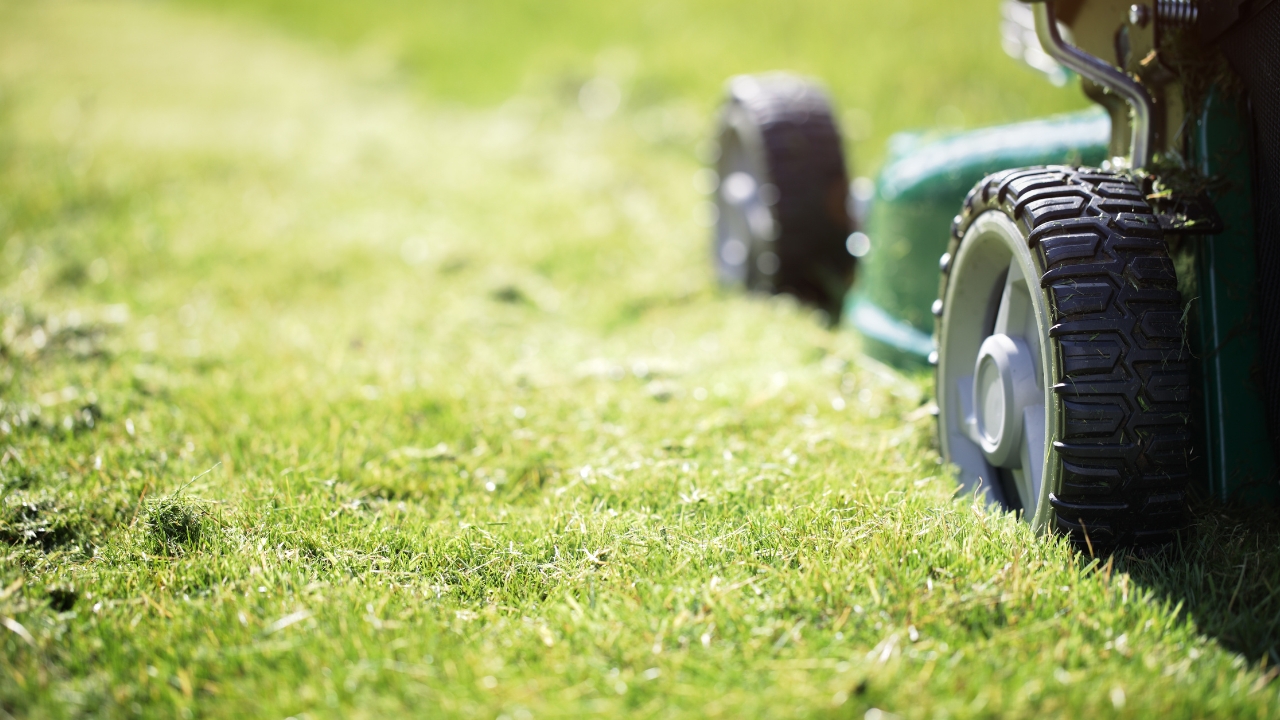
It’s tempting to scalp the lawn thinking it’ll buy you more time before the next mow. But this can stress the grass and leave it exposed to heat and weeds.
Keeping your grass at a decent height shades the roots, holds moisture better, and helps crowd out weed growth. You’ll mow more often—but your lawn will be healthier and easier to manage in the long run.
Following a Strict Mowing Schedule

Sticking to a calendar instead of watching what the lawn actually needs can backfire. Weather, rainfall, and growth patterns change all the time. Mowing every Saturday no matter what might leave you trimming when the grass doesn’t need it—or skipping when it does.
Pay more attention to growth than the calendar. If it’s been raining, your lawn might need two cuts that week. If it’s been dry, skip it. A flexible approach keeps things healthier and avoids overworking your mower.
Sharpening Blades “Once a Season”
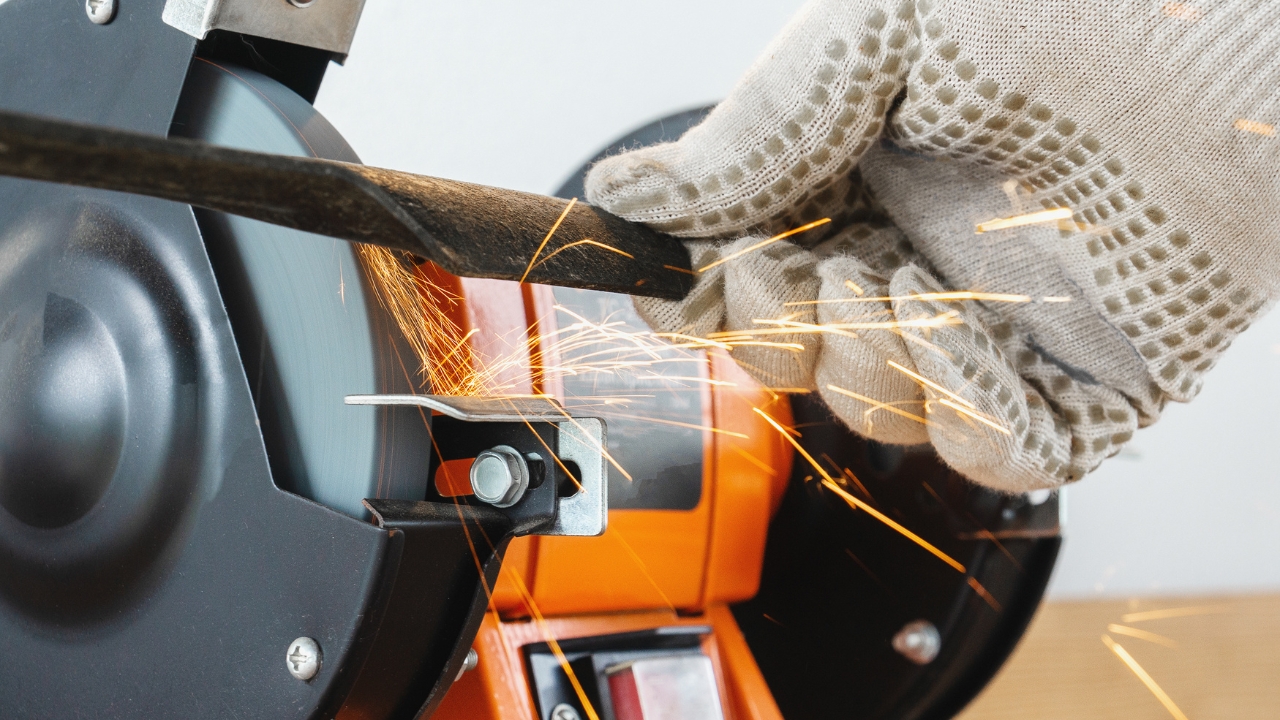
Once-a-season blade sharpening might sound convenient, but it usually isn’t enough. Dull blades tear the grass instead of cutting it cleanly, leaving ragged tips that brown fast.
If you’re mowing weekly, plan to sharpen your blades at least a couple times a season. You’ll get a cleaner cut, a better-looking yard, and less wear on your mower. It’s worth the small effort.
Ignoring Overlapping
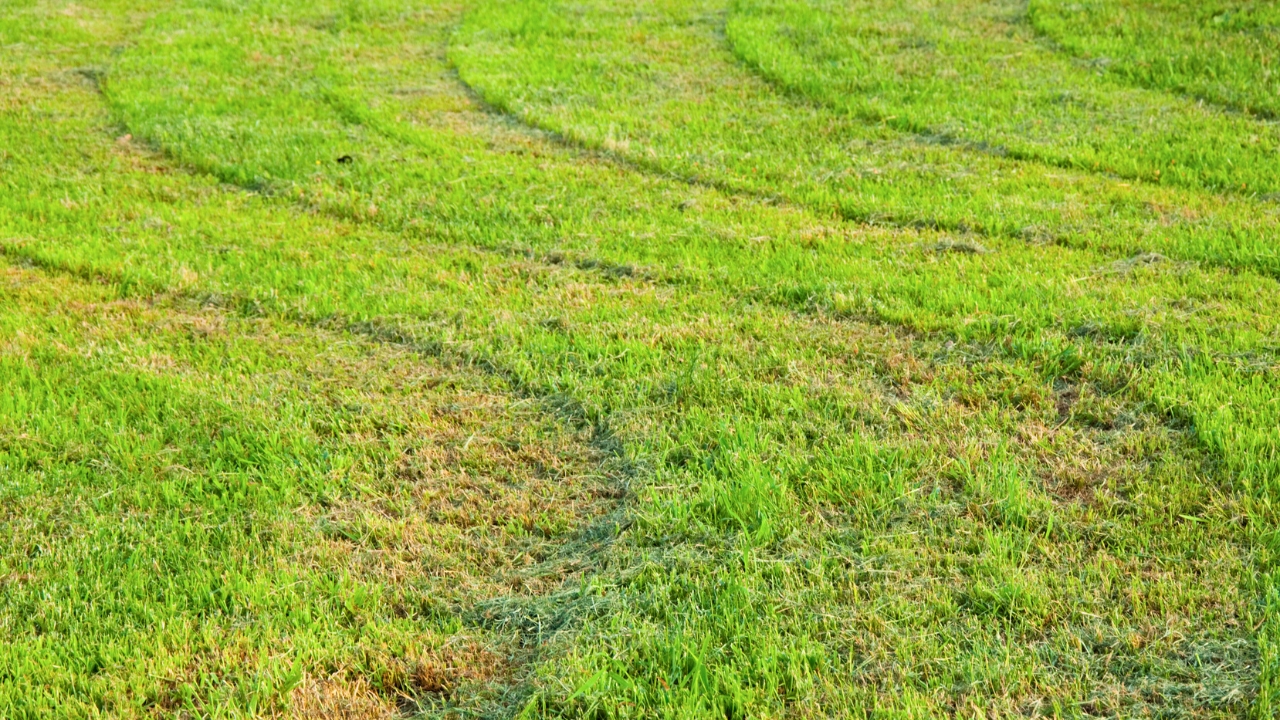
Some mowing advice tells you to avoid overlap to be more efficient, but in real life, skipping overlaps leaves strips of uneven grass behind—especially if your deck isn’t level or your yard has slopes.
A little overlap is normal and helpful. It ensures an even cut and saves you the trouble of retracing missed patches. As long as you’re not doubling your route, don’t worry about a few extra inches.
Mowing Every Area at the Same Height
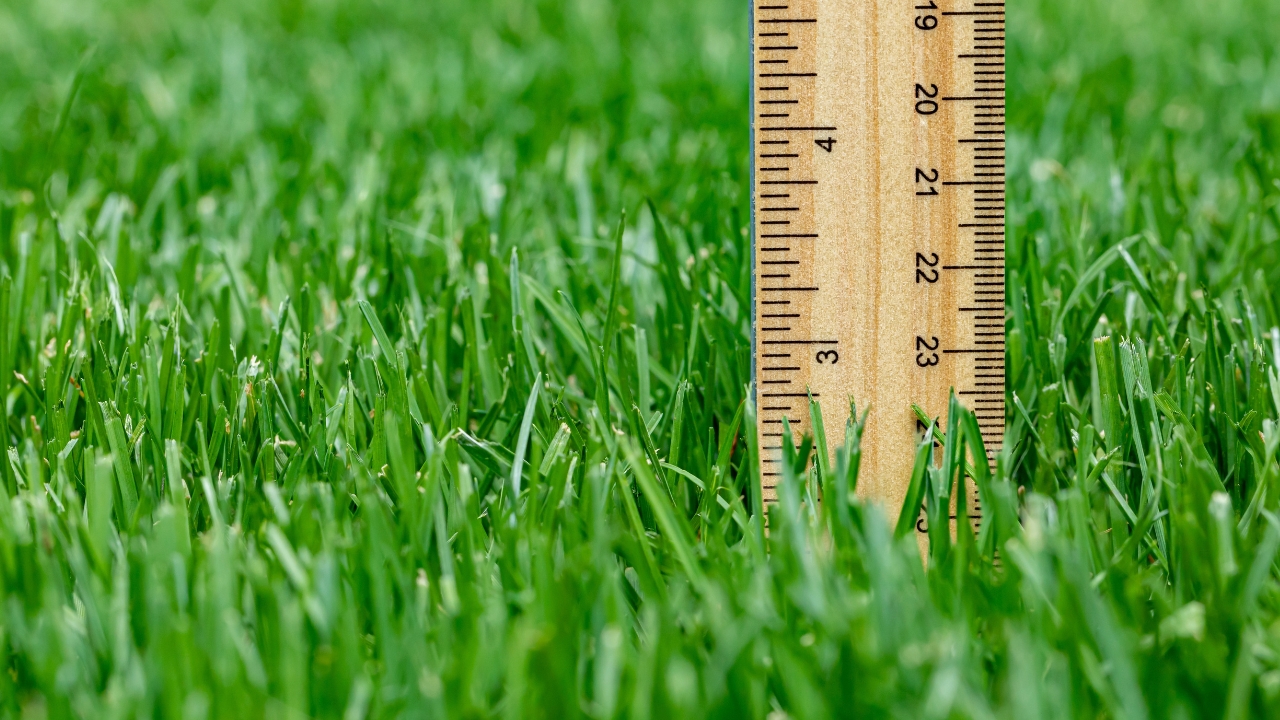
Cutting every part of your yard at the same height might sound tidy, but different areas often have different needs. Shady spots, high-traffic zones, or slopes might benefit from slightly higher cuts.
Adjust your height if your mower allows it, or at least treat tricky zones with extra care. A uniform height doesn’t always mean a uniform result. Your yard isn’t one-size-fits-all.
Relying on the Mower Deck Level from the Factory

Assuming your mower’s deck is level straight out of the box—or after a repair—is a common mistake. Even small imbalances can lead to scalping or uneven patches.
Take the time to level the deck properly. Use a level and measure blade height side-to-side. A few quick adjustments make a big difference in how well your mower performs.
Like Fix It Homestead’s content? Be sure to follow us.