Mosquito-Repelling Plants That Actually Help — And the Ones People Overhype
Photo credit: Kanurism/Shutterstock.com
There’s no shortage of plant lists claiming to “repel mosquitoes,” but not everything you read holds up in real life. Some plants have strong scents that can help a little—when crushed or placed in the right spots—but many don’t do a thing unless you’re practically rubbing them on your skin.
I’ve sorted through the hype and the science so you don’t waste time planting something that won’t work. Here’s what actually helps (and what really doesn’t).
Citronella Grass – Helps
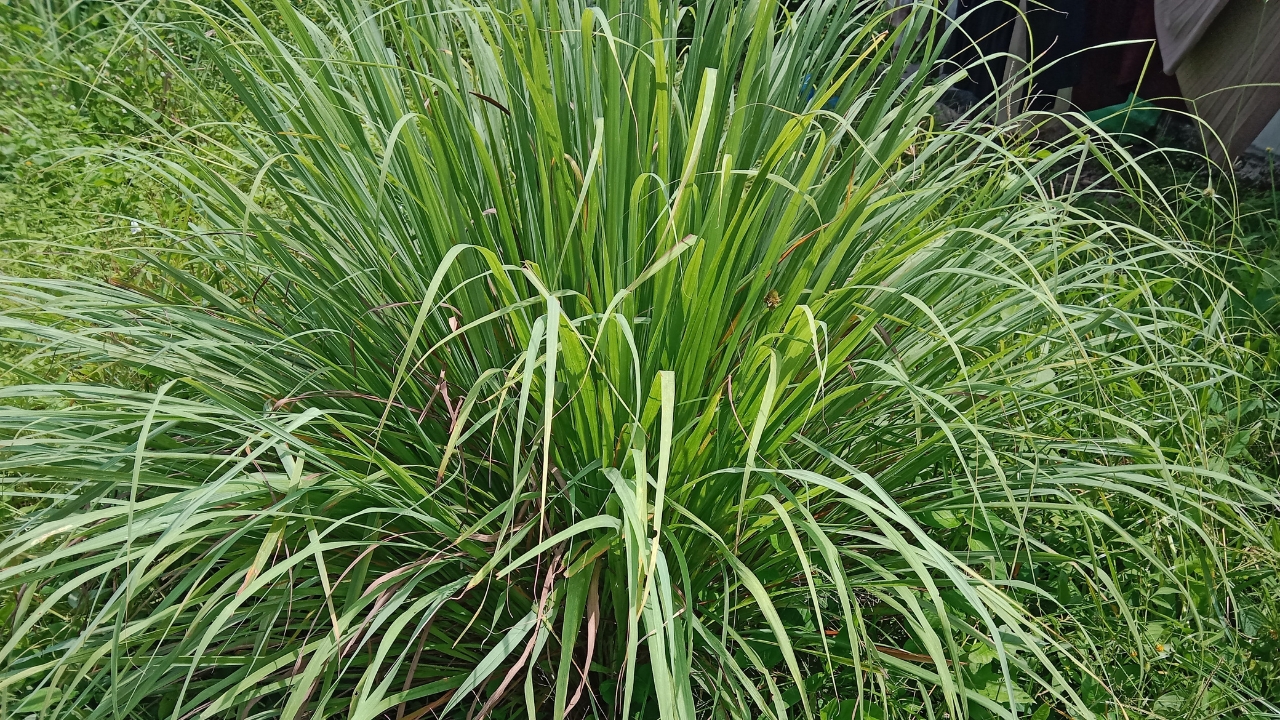
This is the real deal—the actual grass that produces citronella oil. It’s not the same as the “citronella-scented” plants sold in big box stores. Citronella grass has a strong lemony scent that mosquitoes don’t like, especially when the leaves are crushed.
You’ll need to plant it in a pot or warm, sunny spot since it’s not cold-hardy. But when used right near patios or seating areas, it can help reduce mosquito landings.
Scented Geranium (a.k.a. Citronella Plant) – Doesn’t Help Much
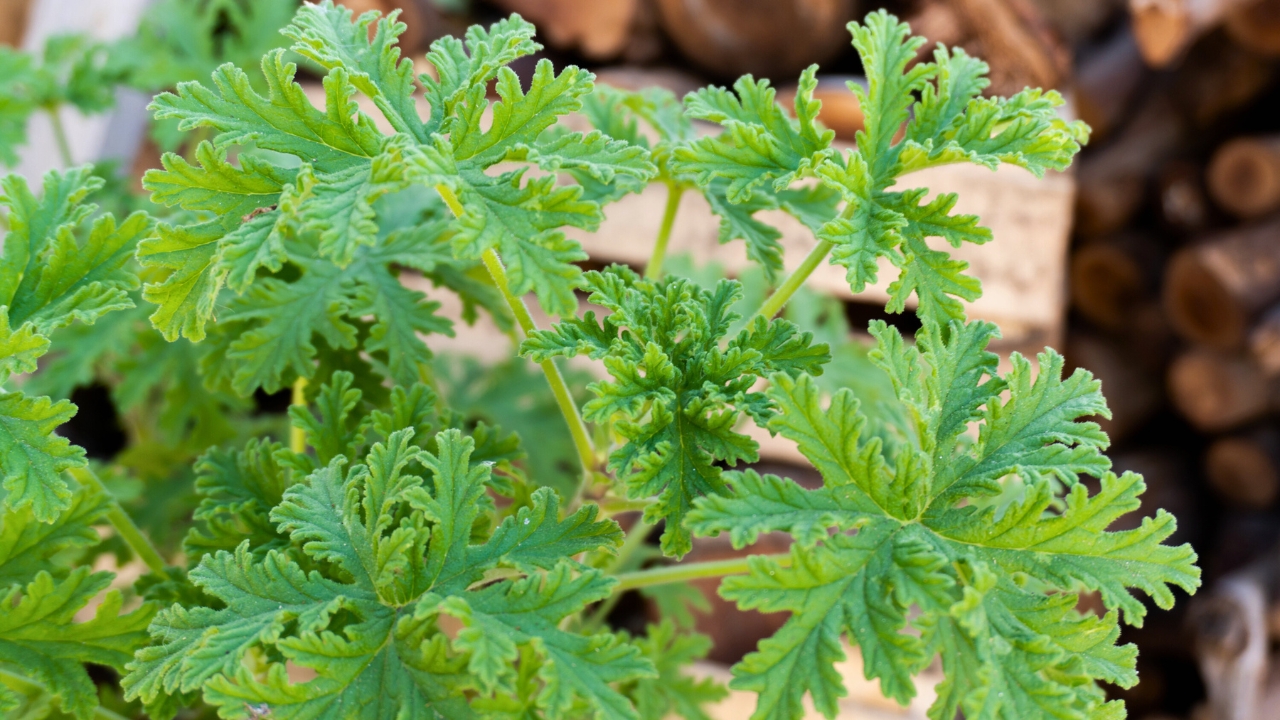
This one shows up everywhere as a mosquito repellent, but it’s mostly marketing. While it smells like citronella, it doesn’t produce enough of the oil to do anything unless the leaves are crushed—and even then, it’s not very effective.
They’re pretty plants and fine for decor, but don’t count on them to keep mosquitoes away.
Lemongrass – Helps
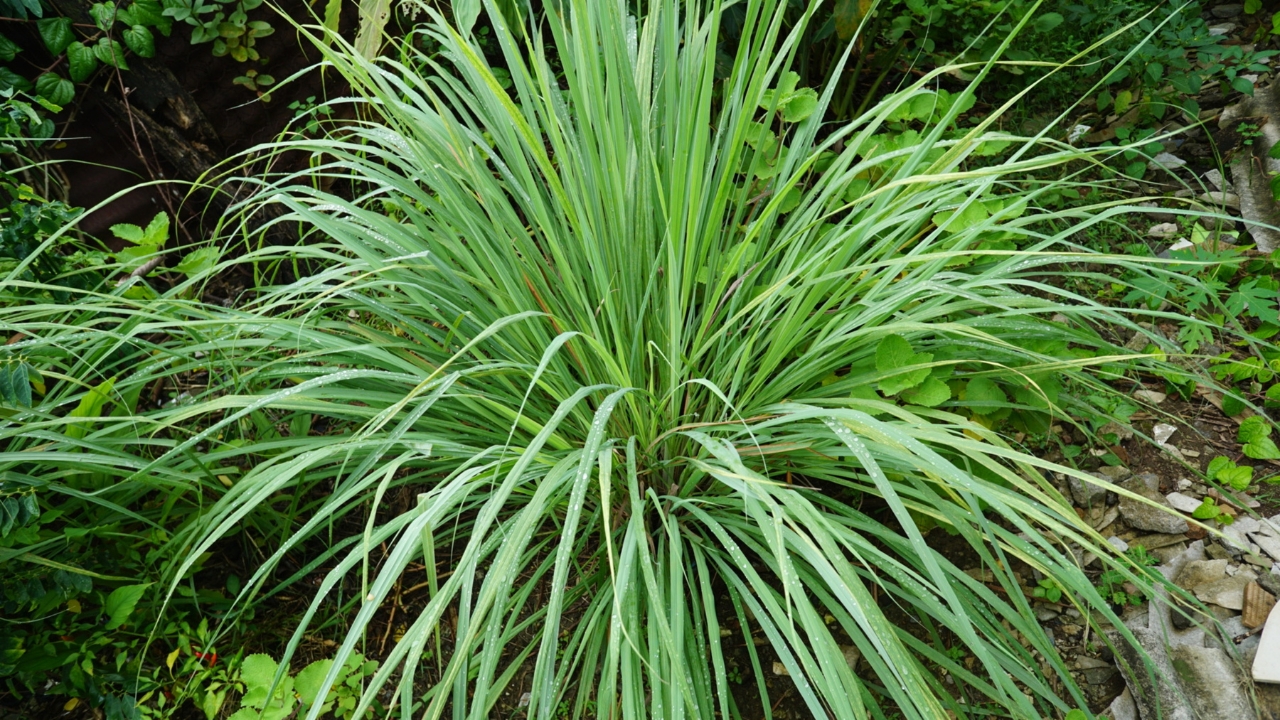
Lemongrass contains citronellal and geraniol, both of which have proven mosquito-repelling properties. It works best when grown in pots near doorways or outdoor seating.
You’ll still need to crush the leaves to release the scent, but even without that, its presence can help reduce mosquito activity in close quarters.
Lavender – Helps (a Little)
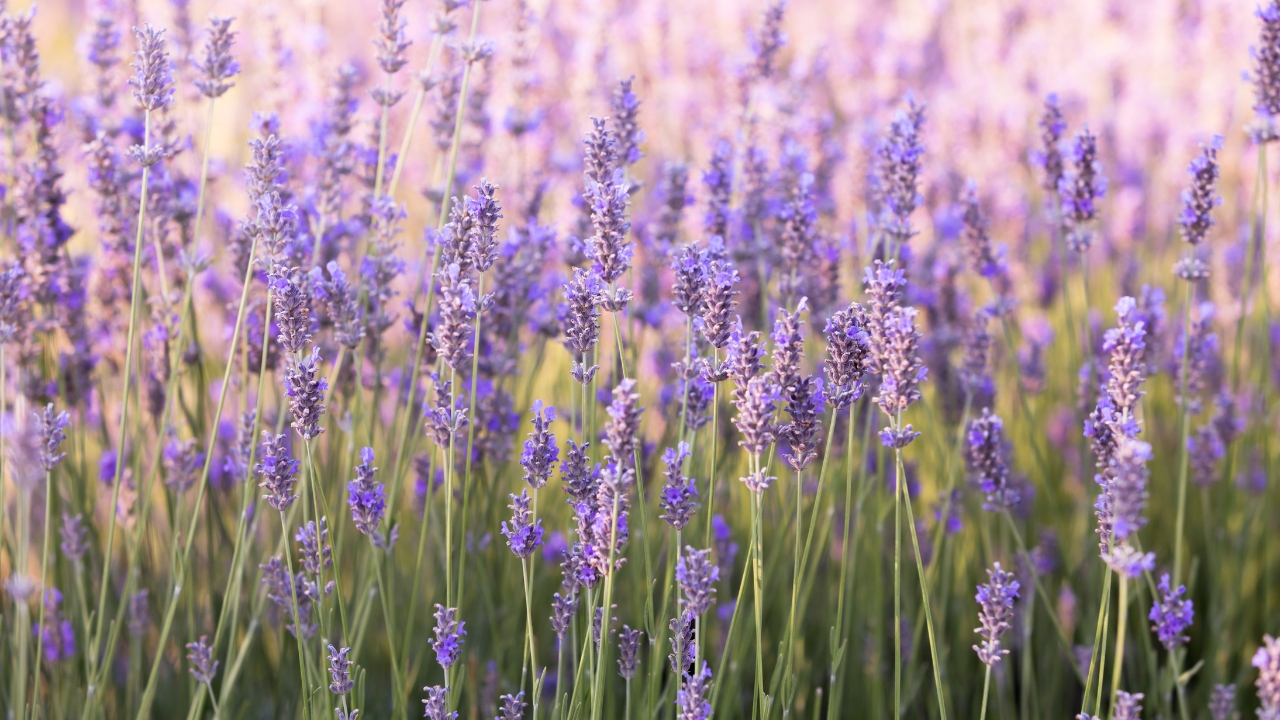
Lavender has a strong scent that may deter mosquitoes when it’s brushed or crushed. It’s not foolproof, but it does seem to help when planted in clusters near porches or walkways.
Bonus—it’s drought-tolerant, low-maintenance, and attracts pollinators while bothering very few pests.
Marigolds – Doesn’t Really Help

Marigolds get hyped as mosquito repellers because they contain pyrethrin, which is used in insecticides. But the plant itself doesn’t release enough of it to make a real difference in your yard.
They’re great for attracting beneficial insects and controlling aphids—but for mosquitoes, they don’t do much unless you’re turning them into a spray.
Basil – Helps (Especially Thai or Lemon Basil)
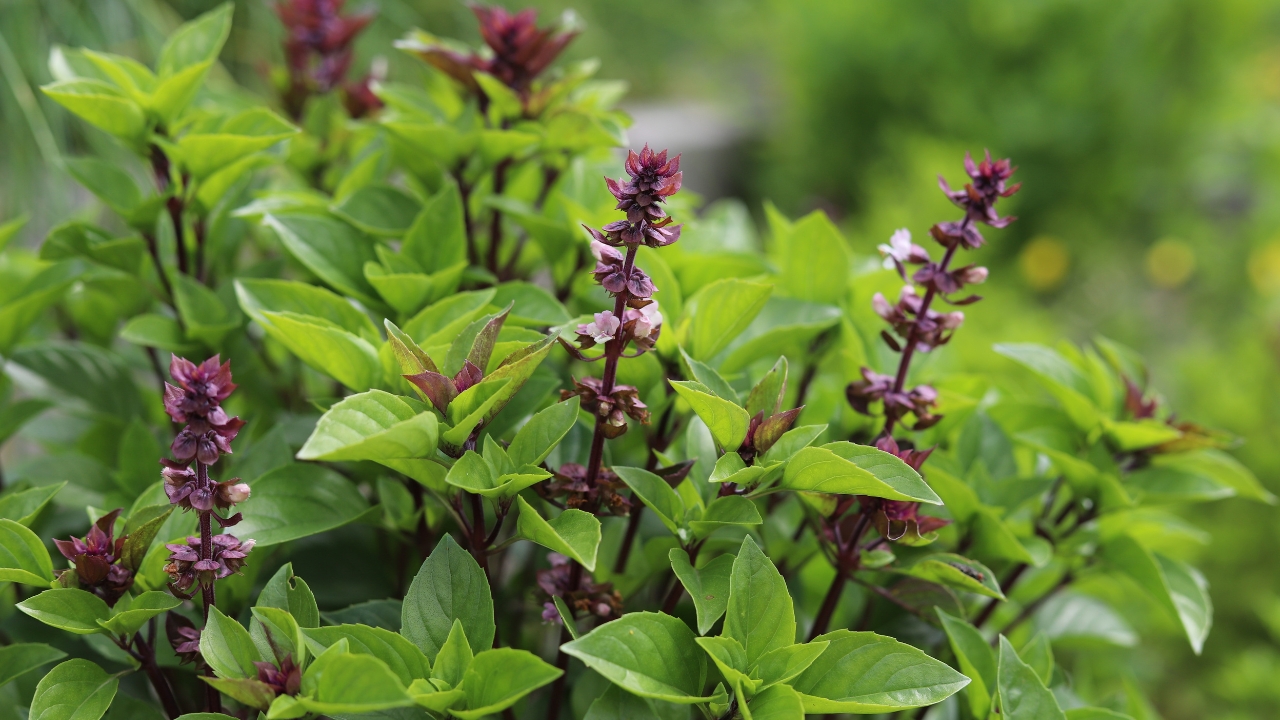
Basil contains compounds that mosquitoes tend to avoid—like eugenol and citronellal. Thai basil and lemon basil seem to be the most effective, and they smell great while being useful in the kitchen too.
Keep them near outdoor tables or grills for the best effect. Crushing the leaves helps release more of the scent that drives mosquitoes off.
Catnip – Helps

Studies have shown that catnip contains nepetalactone, which can be even more effective than DEET in high concentrations. It won’t clear the yard, but it does help when grown near seating areas or used fresh.
The downside? If you have outdoor cats—or neighborhood strays—you might be attracting a different kind of visitor.
Rosemary – Helps (in Certain Conditions)

Rosemary has a strong scent that mosquitoes dislike, and it can be especially useful when burned as part of an herb bundle or on a grill. On its own, the plant helps a bit—but not at long range.
It does best in hot, dry spots and works well in pots. If you like grilling, throw a few sprigs on the fire to boost its effectiveness.
Peppermint – Doesn’t Help Much
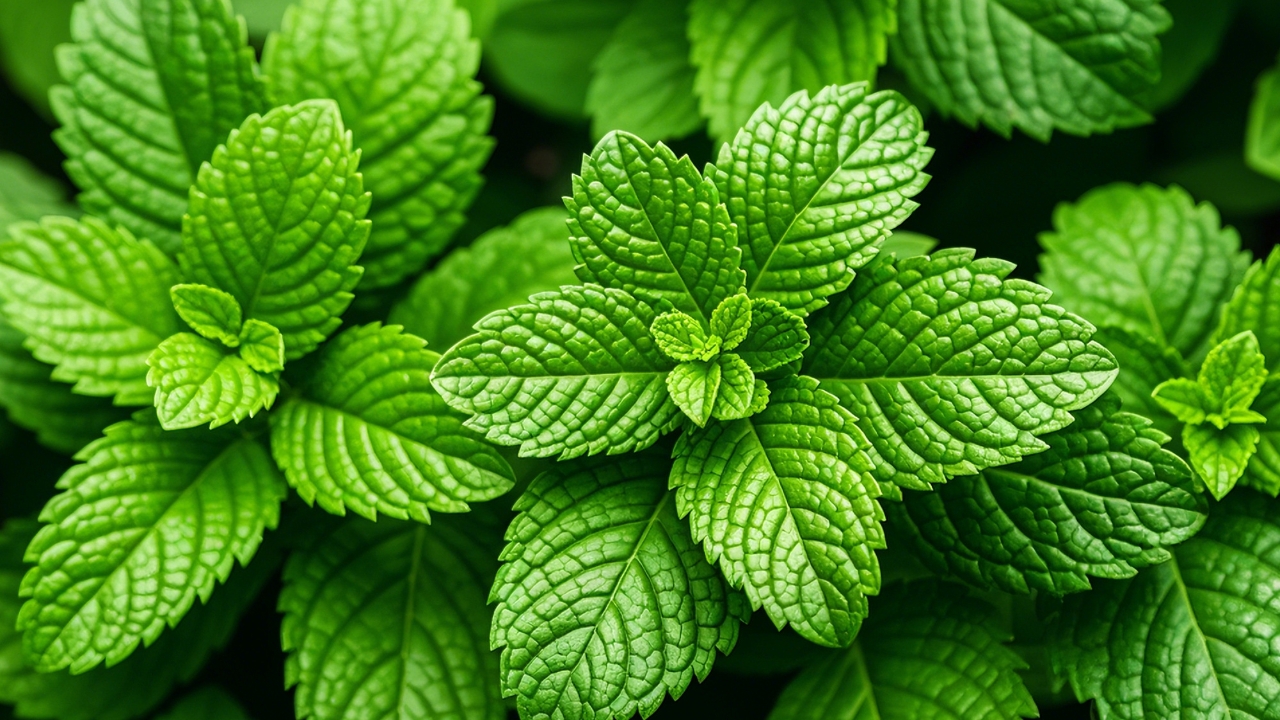
Peppermint oil can repel mosquitoes in concentrated form, but growing the plant alone won’t do the job. The smell isn’t strong enough unless the leaves are crushed or you’re using extracted oil.
Still, it’s worth growing for other reasons—it helps with other pests like ants and spiders, and it’s handy in tea and recipes.
Bee Balm (a.k.a. Monarda) – Helps

Bee balm is a native plant that gives off a spicy, citrus-like scent mosquitoes don’t care for. It also attracts pollinators and adds color to the yard.
Plant it in sunny spots and near outdoor seating for best effect. It doesn’t need much help to thrive, and while it won’t eliminate mosquitoes, it can help discourage them from hanging out nearby.
Like Fix It Homestead’s content? Be sure to follow us.