10 Yard Problems That Could Be Inviting Termites Closer to Your House
Photo credit: Rosamar/Shutterstock.com
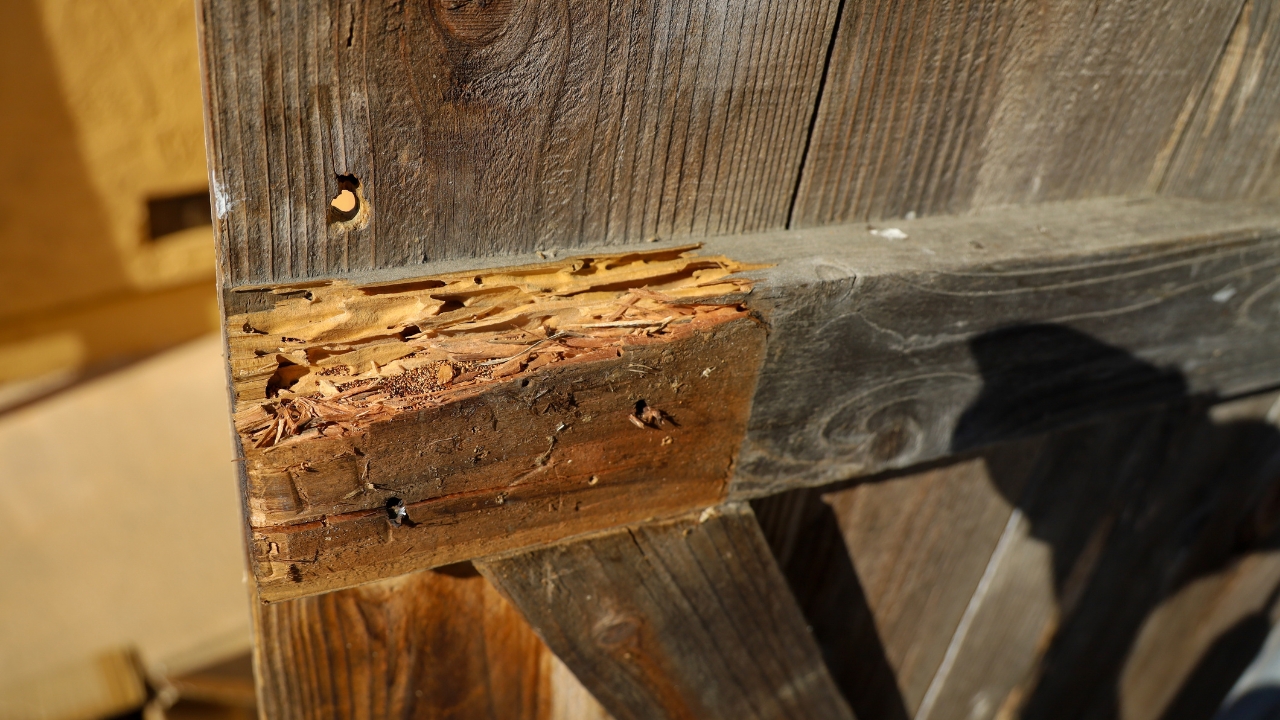
Termites don’t show up out of nowhere. In fact, most of the time, your yard gives them a nice, warm welcome without you realizing it. These bugs are constantly looking for moisture, wood, and easy access to shelter—and plenty of everyday yard habits make that easier for them.
If you’ve got random piles of debris or even mulch stacked the wrong way, you could be setting yourself up for a termite problem. Here are some of the biggest things that attract them fast.
Stacked Firewood Against the House
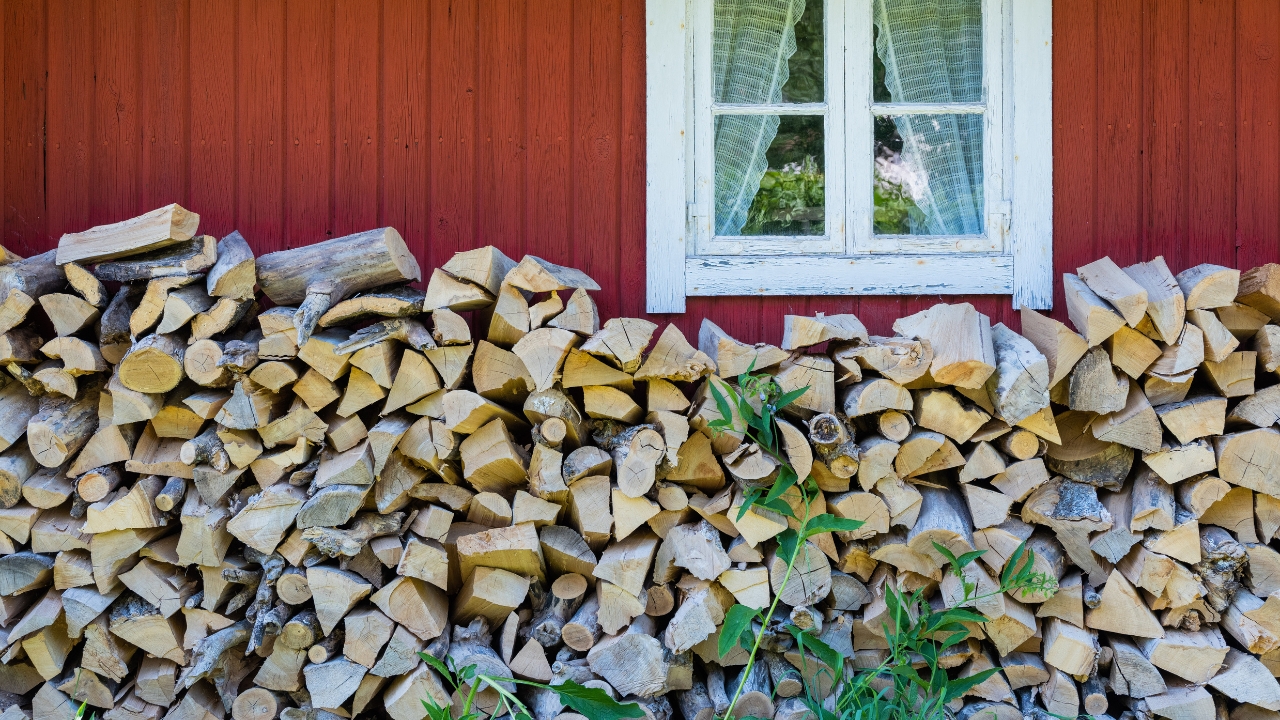
Firewood belongs off the ground and away from any structure. When you stack logs directly against your house or shed, it gives termites an easy entry point and a steady food supply.
Instead, keep your firewood at least 20 feet away and raise it on a rack or concrete blocks. Even if the pile looks dry, the underside often holds moisture—and that’s exactly what termites love.
Mulch That’s Too Close to the Foundation
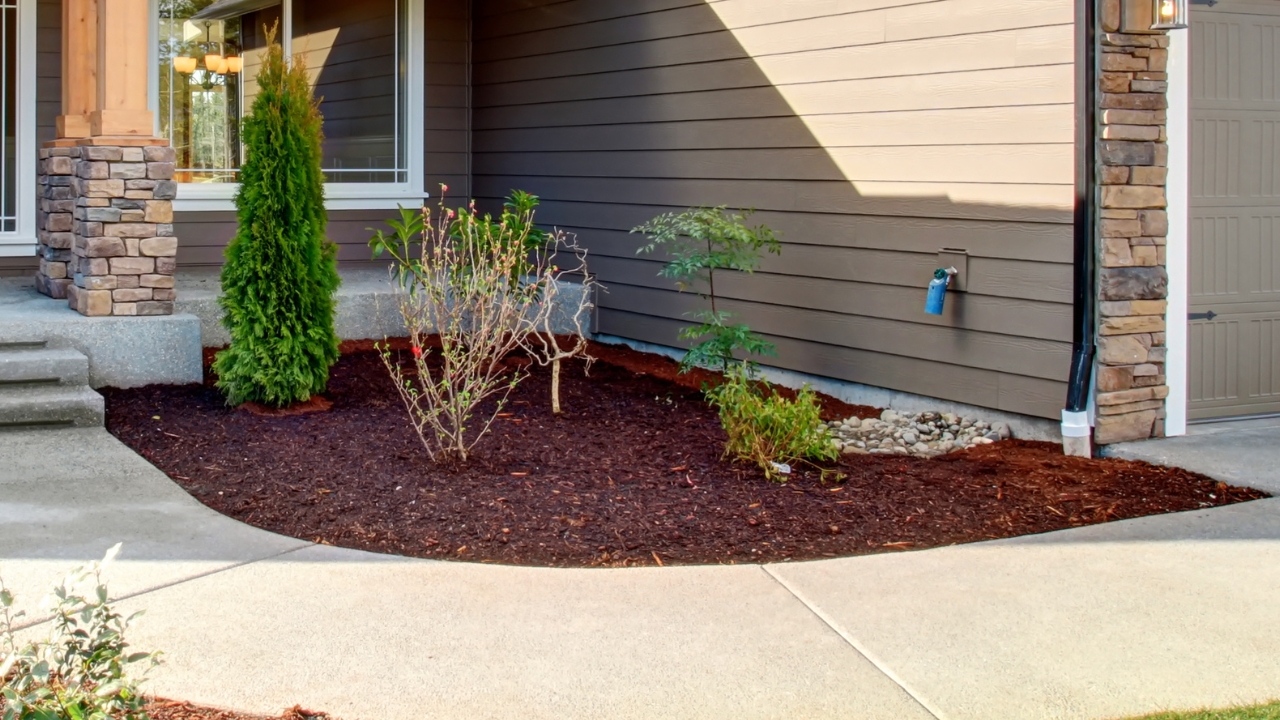
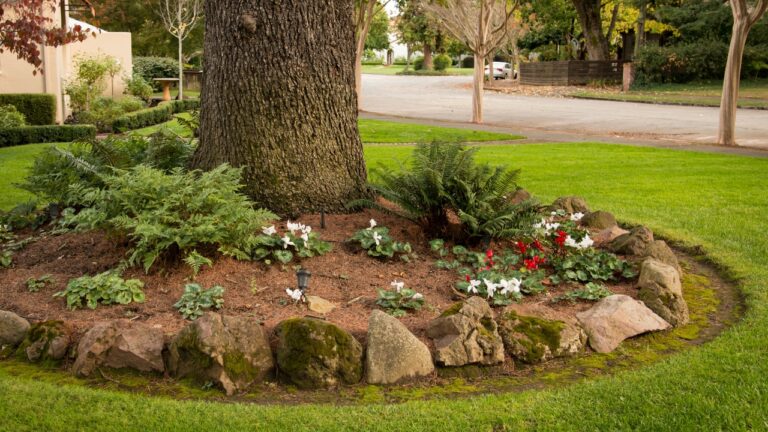
Mulch can trap moisture right up against your house if it’s not used carefully. That constant dampness softens wood and creates the perfect hiding spot for termites.
You don’t have to skip mulch altogether, but keep a buffer zone. Leave at least a 6-inch gap between mulch and your foundation, and try not to go over 3 inches thick. That way, you still get the benefits of mulch without the bug risk.
Dead Tree Stumps and Roots
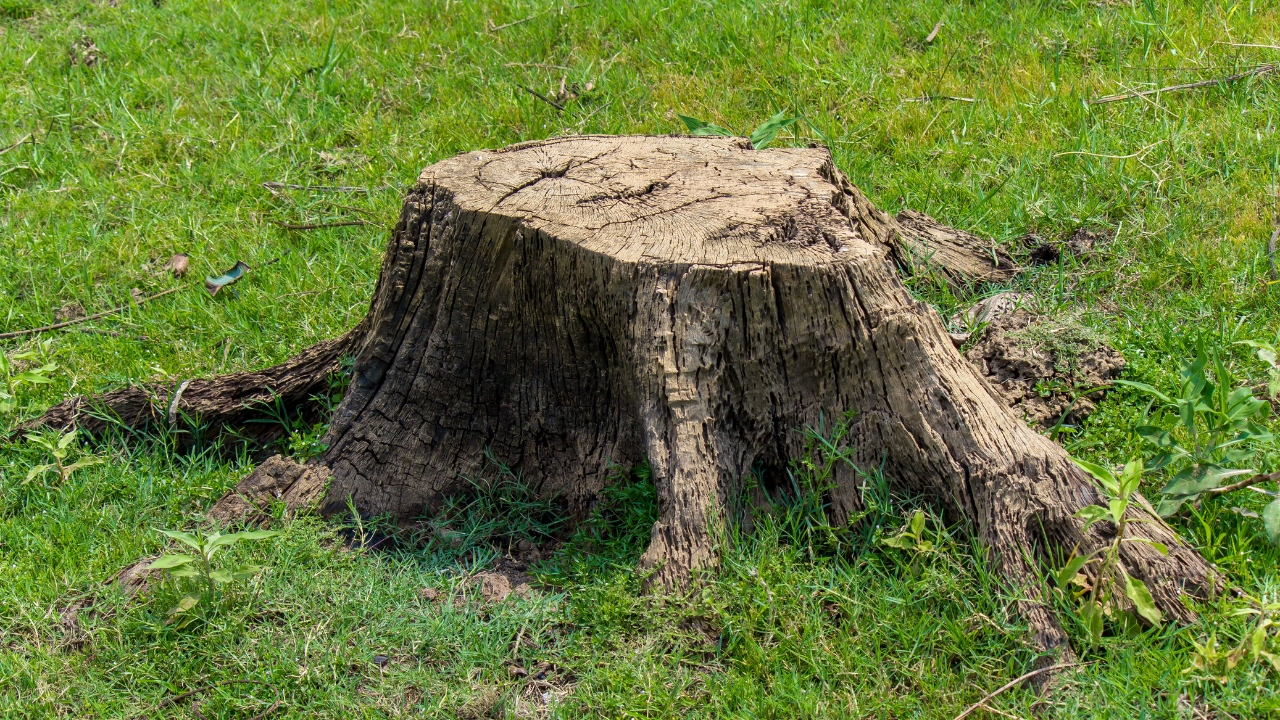
Old stumps might seem harmless, but they’re termite magnets. As they break down, they stay damp and woody—the exact combo these bugs are looking for.
If you’ve got any leftover stumps or big surface roots from removed trees, it’s worth having them ground out. Even if they look solid, termites can be eating them from the inside out without you knowing it.
Wood Garden Borders
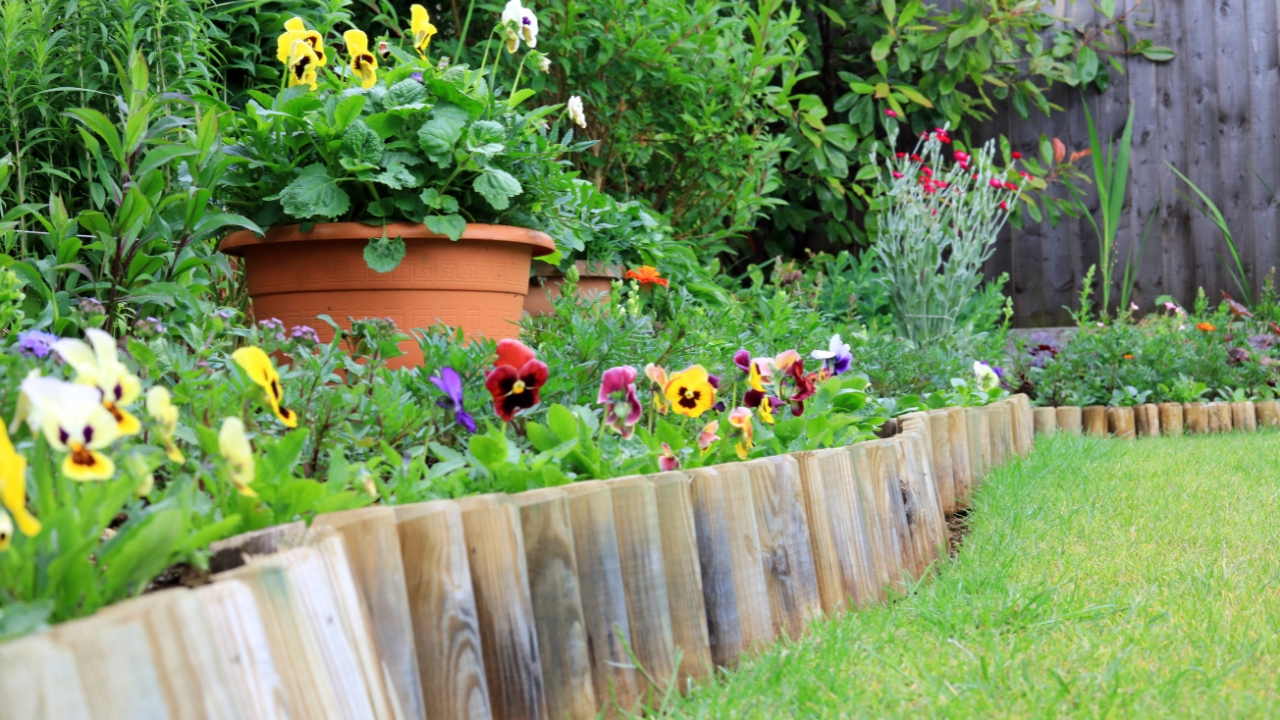
Those pretty timber garden borders are doing more harm than good. Anything untreated and in direct contact with soil is basically bait for termites.
Stone, brick, or metal edging lasts longer and doesn’t attract bugs. If you like the look of wood, make sure it’s rated for ground contact and check it every season for signs of damage.
Clogged Gutters Overflowing Near the Foundation
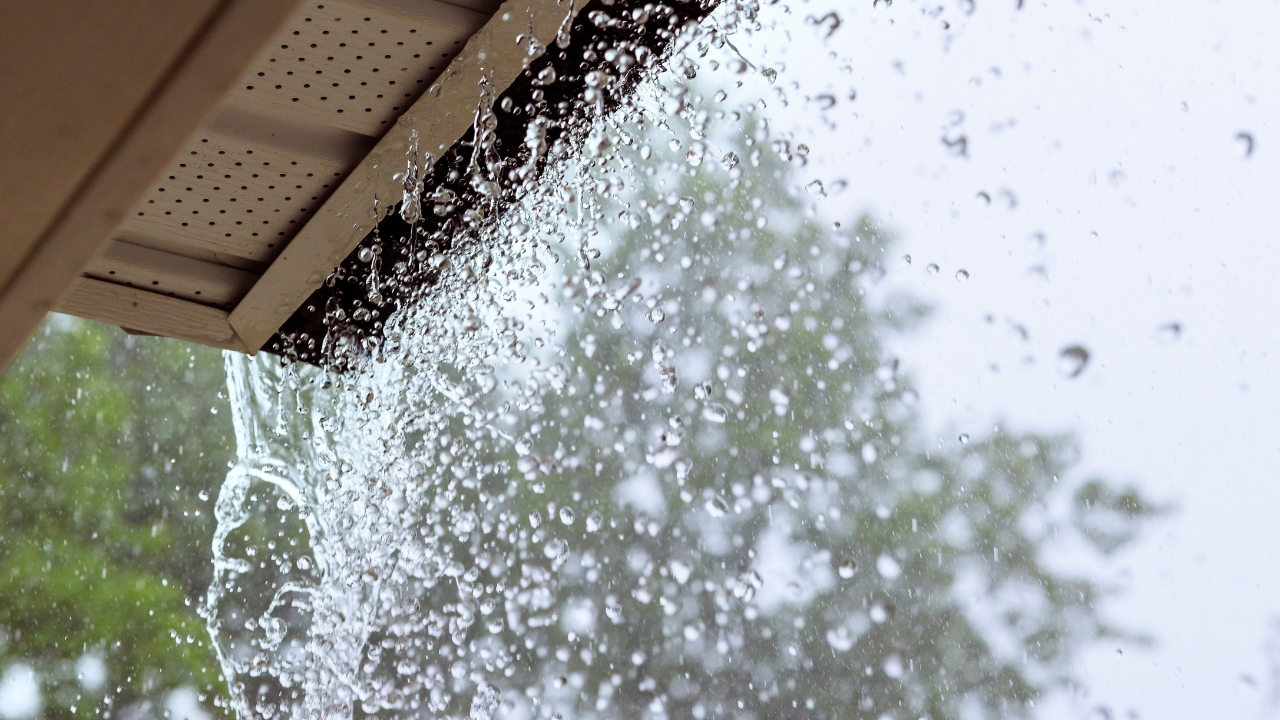
Overflow from gutters can soak the soil right next to your house. When that area stays damp, it weakens your foundation and draws in termites that are hunting for soft wood and moisture.
Check your gutters regularly and make sure downspouts push water at least several feet away. Even a few inches of standing water near the base of your house is enough to cause long-term trouble.
Old Lumber or Debris Piles
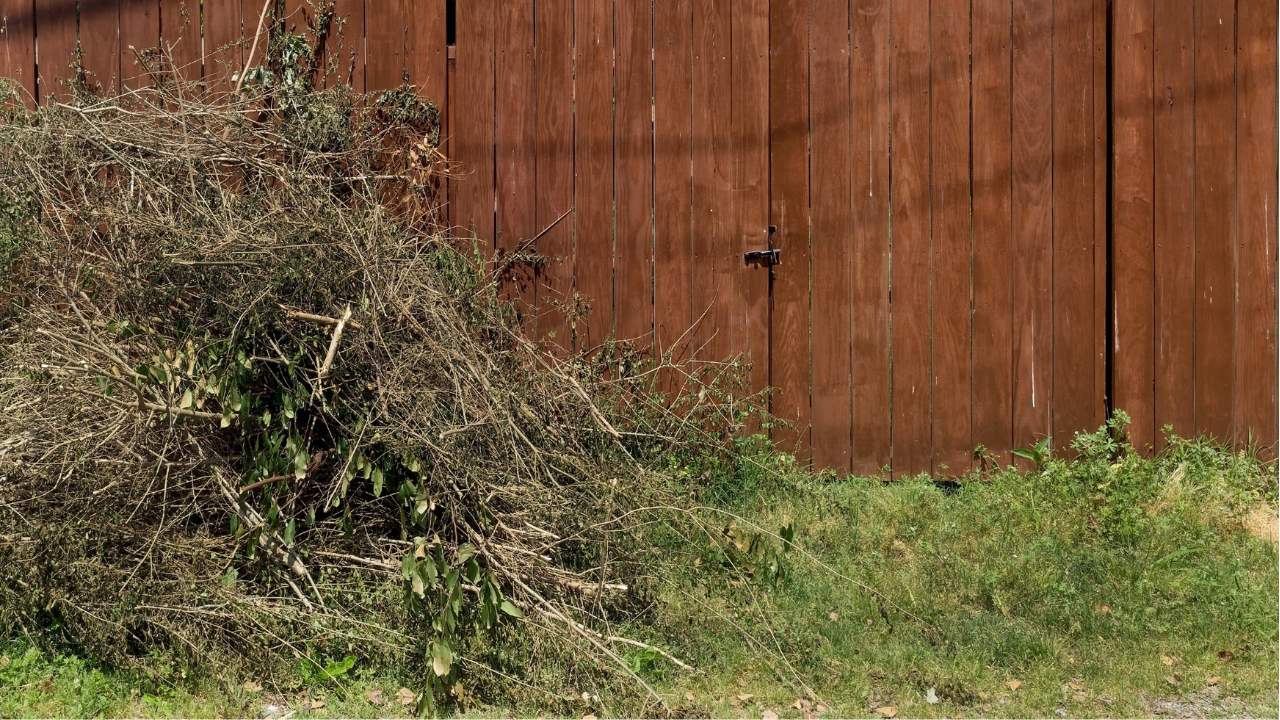
If you’ve got a forgotten stack of boards or construction scraps tucked behind the shed, termites will find it. Even pressure-treated wood isn’t completely immune if it sits long enough.
Clean out old debris and scrap wood, especially anything lying directly on the ground. If you need to store it, elevate it and keep it dry. Otherwise, you’re giving pests a free buffet.
Wooden Planter Boxes Sitting on Soil
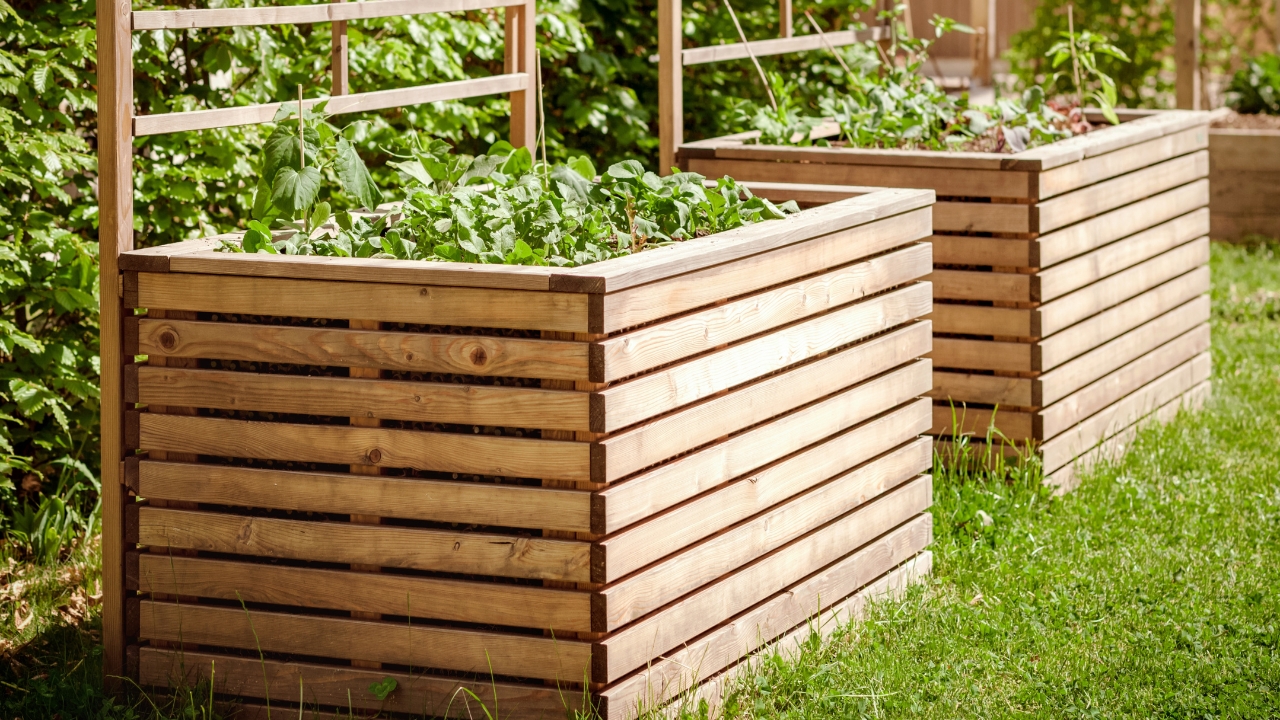
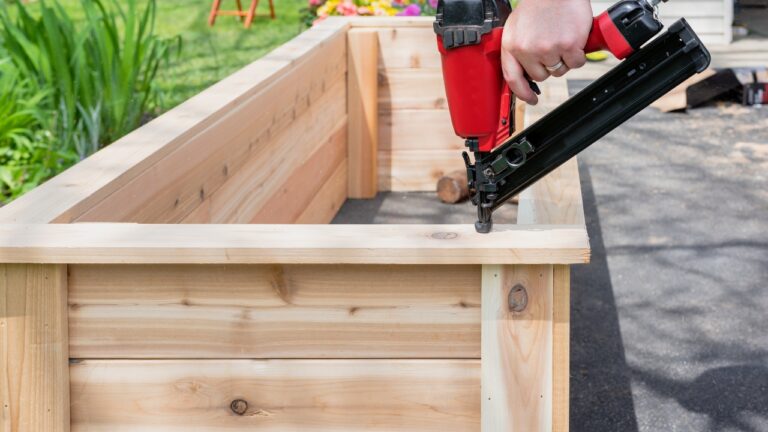
Wooden planters can look great, but if they’re sitting right on the ground and staying wet, they’ll start to rot—and termites will show up before long.
Use planters with legs or a barrier underneath to lift them off the soil. It helps with drainage and keeps the wood from staying saturated. A little air flow underneath makes a big difference when it comes to keeping bugs out.
Untreated Wood Fencing
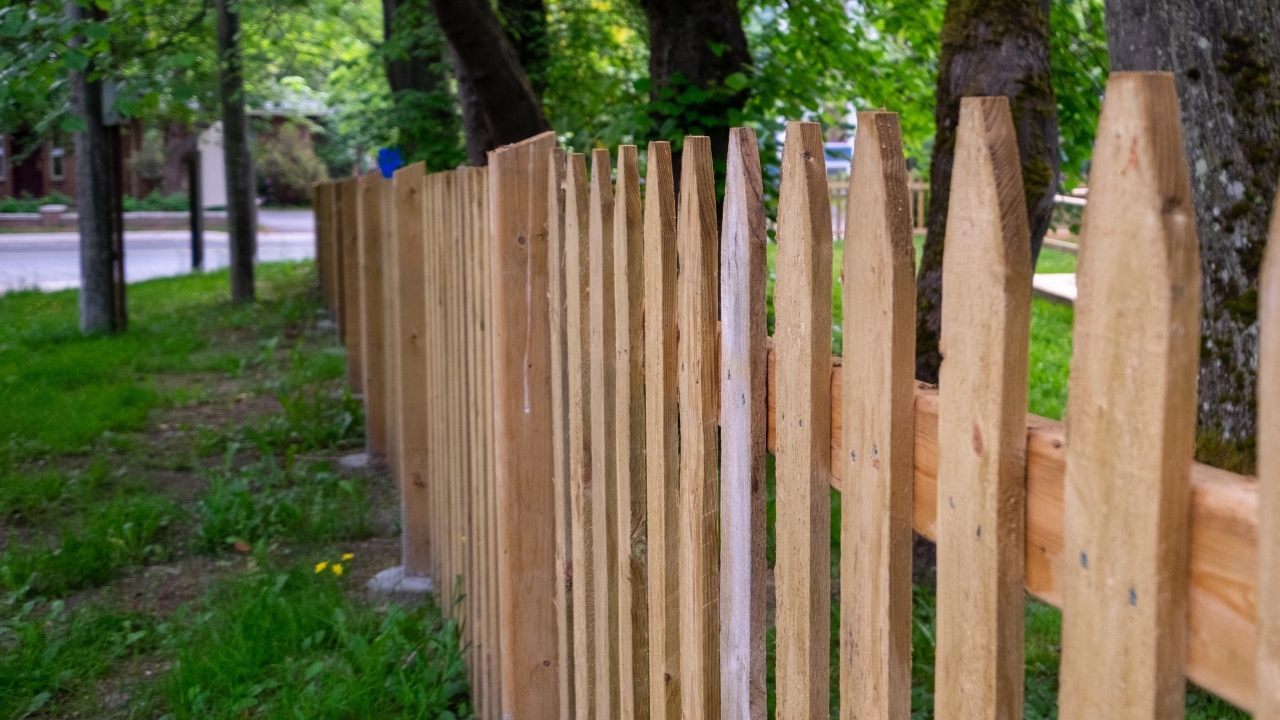
Wood fences look nice, but if they’re untreated and in constant contact with soil, termites won’t think twice. They’ll burrow into the base and work their way up—and sometimes even use the fence as a highway to your house.
If you’re set on wood fencing, make sure it’s pressure-treated and check it regularly for signs of damage. Sealing the wood and creating a gravel barrier at the base can help cut down on moisture and keep bugs out.
Overwatered Lawn Areas

Constantly soggy patches in your yard are more than a lawn issue—they’re an open invite for termites. They’re drawn to wet soil, especially around buried roots, wooden posts, or untreated lumber edging.
Watch for spots that stay wet long after watering or rain. If you’ve got poor drainage, fix it with grading or extra downspout extensions. A healthy lawn should dry out quickly—not stay swampy all week.
Wooden Outdoor Furniture Left on Grass
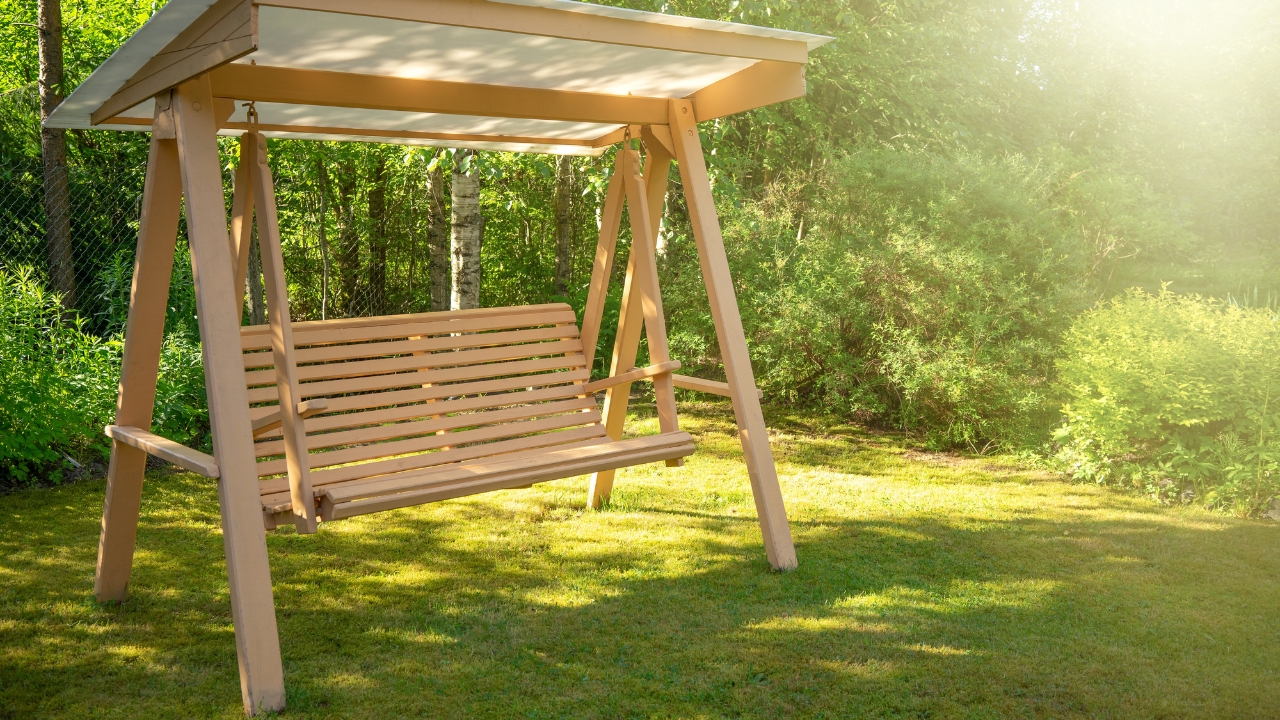
Leaving wooden chairs, benches, or tables directly on the lawn sets them up to rot—and gives termites something easy to chew through. Moisture from the grass keeps the bottom of the furniture damp, especially after rain.
Even treated wood furniture will eventually wear down when it’s in constant contact with wet soil. Move it to a patio, gravel area, or at least use pavers underneath the legs to keep it off the ground.
Like Fix It Homestead’s content? Be sure to follow us.