10 Landscaping Features That Are a Nightmare to Maintain
Image Credit: Gyuszko-Photo/Shutterstock.com
I’ve taken on my fair share of landscaping projects over the years, and I’ve learned one thing the hard way—some ideas sound great until you’re the one stuck maintaining them. That pretty Pinterest-perfect setup might look good on day one, but give it a few weeks and suddenly you’re battling weeds, fixing broken lights, or trying to wrangle plants that took off like wildfire.
If you want a yard that works with you—not against you—skip the stuff that turns into a headache and focus on what’ll hold up over time. Let’s talk about the features that are more trouble than they’re worth.
Water Features
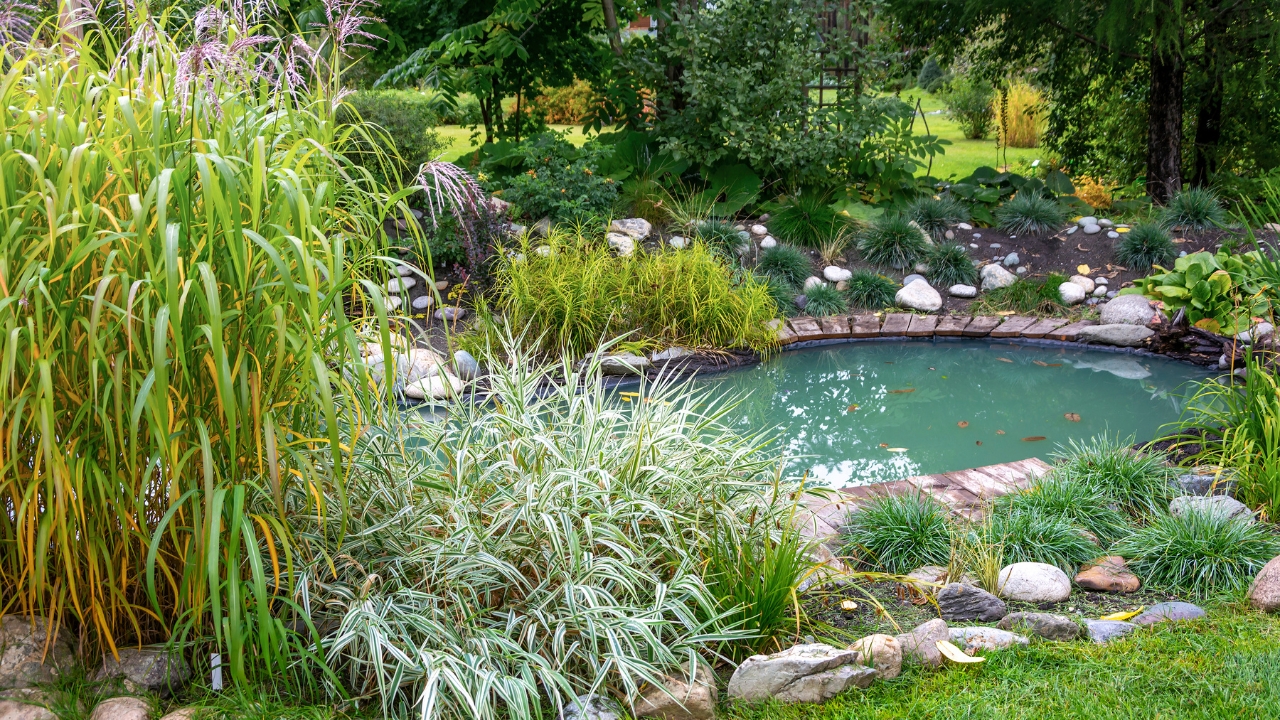
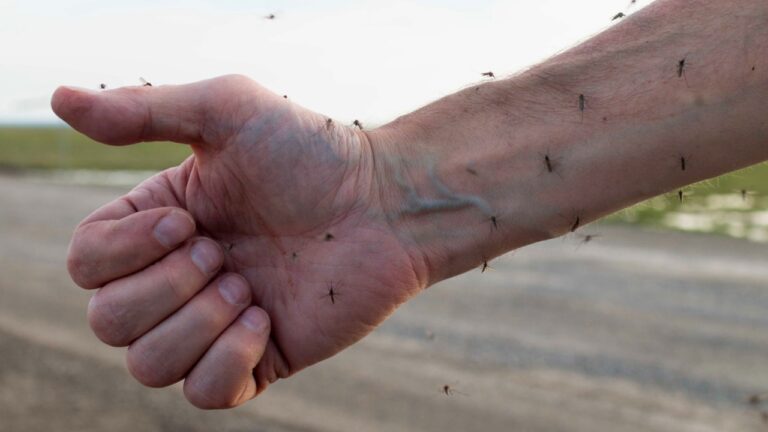
A pond or fountain might look nice, but keeping one in good shape is a full-time job. Pumps break down, filters clog, and algae takes over faster than you’d expect. If you don’t stay on top of it, it turns into a murky mess real quick. Add in mosquitoes laying eggs and critters using it as a watering hole, and it’s more trouble than it’s worth.
If you’re still dead set on adding one, stick with a smaller, self-contained setup with a built-in filter. Otherwise, you’re better off skipping it and saving yourself the headache.
High-Maintenance Lawns
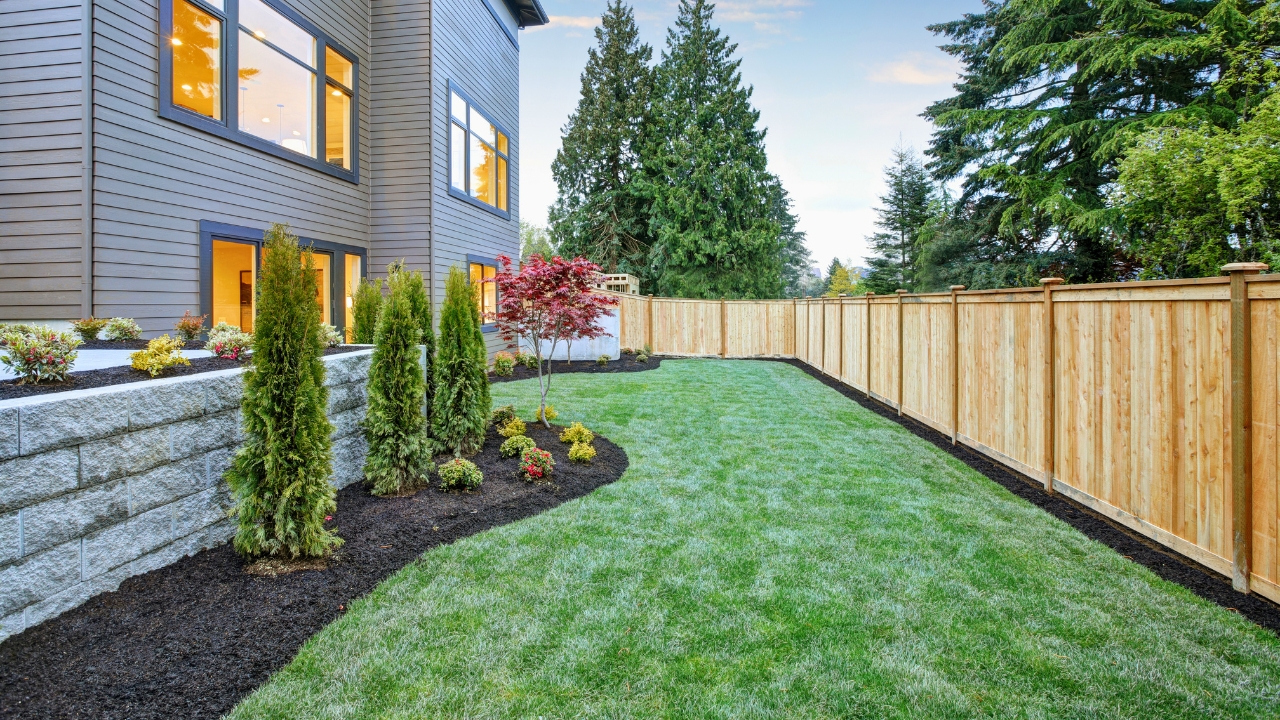
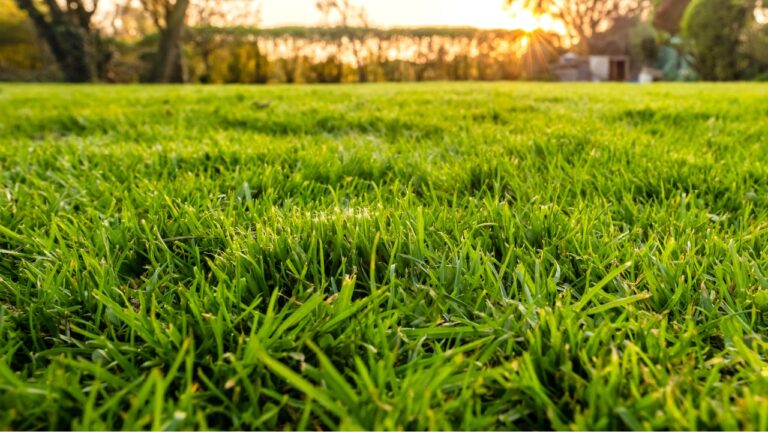
That lush, perfectly green lawn might look sharp in pictures, but it’s a money pit in real life. Between the mowing, watering, fertilizing, and constant weed battles, you’re signing up for a chore list that never ends. Not to mention, they soak up water like a sponge—bad news if you live where summers get dry.
Instead, think about switching to low-maintenance grass varieties or ground covers like clover or creeping thyme. They still look good, but they won’t take over your weekends or your water bill.
Topiary and Shaped Shrubs
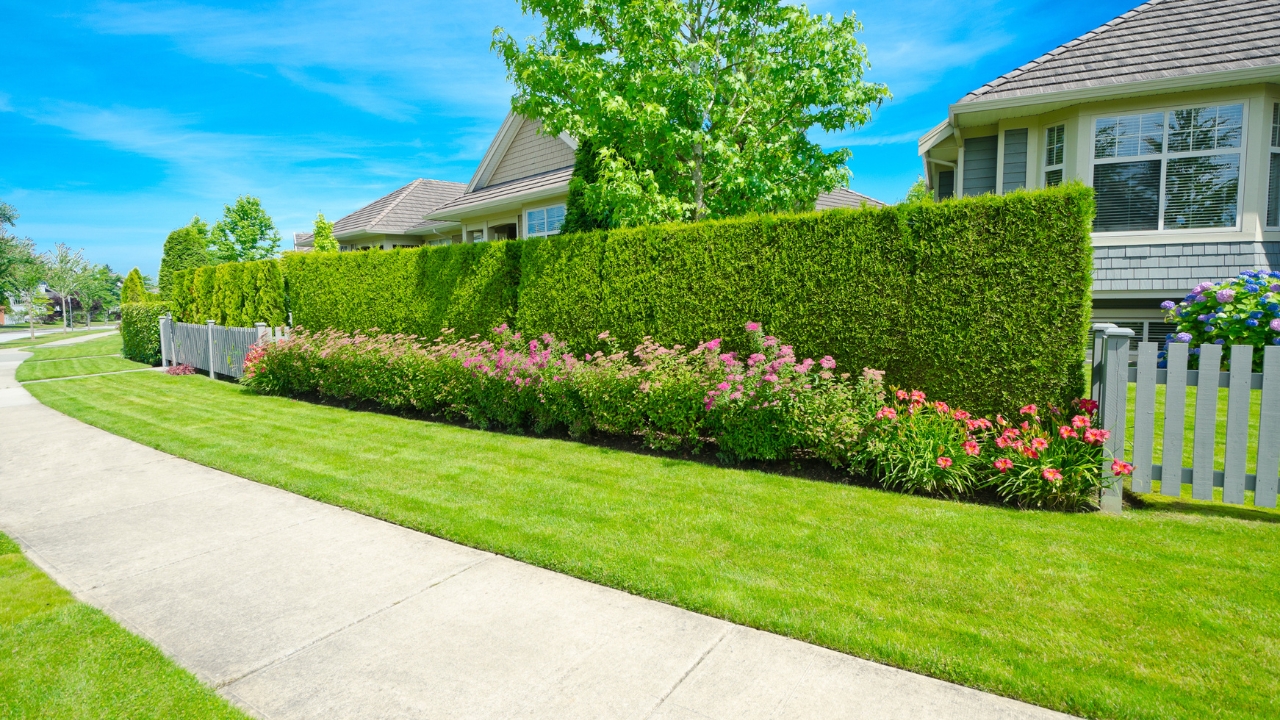
Fancy trimmed shrubs and shaped hedges are cool if you’ve got a full-time gardener. But if that’s not you, they’ll quickly turn into a scraggly mess. These plants need constant pruning to keep their shape, and if you slip up once, it’s tough to get them back on track.
Stick with natural-growing shrubs that don’t need a haircut every two weeks. You’ll still get the privacy or structure you’re after—just without babysitting your bushes.
Flower Beds With Too Many Annuals
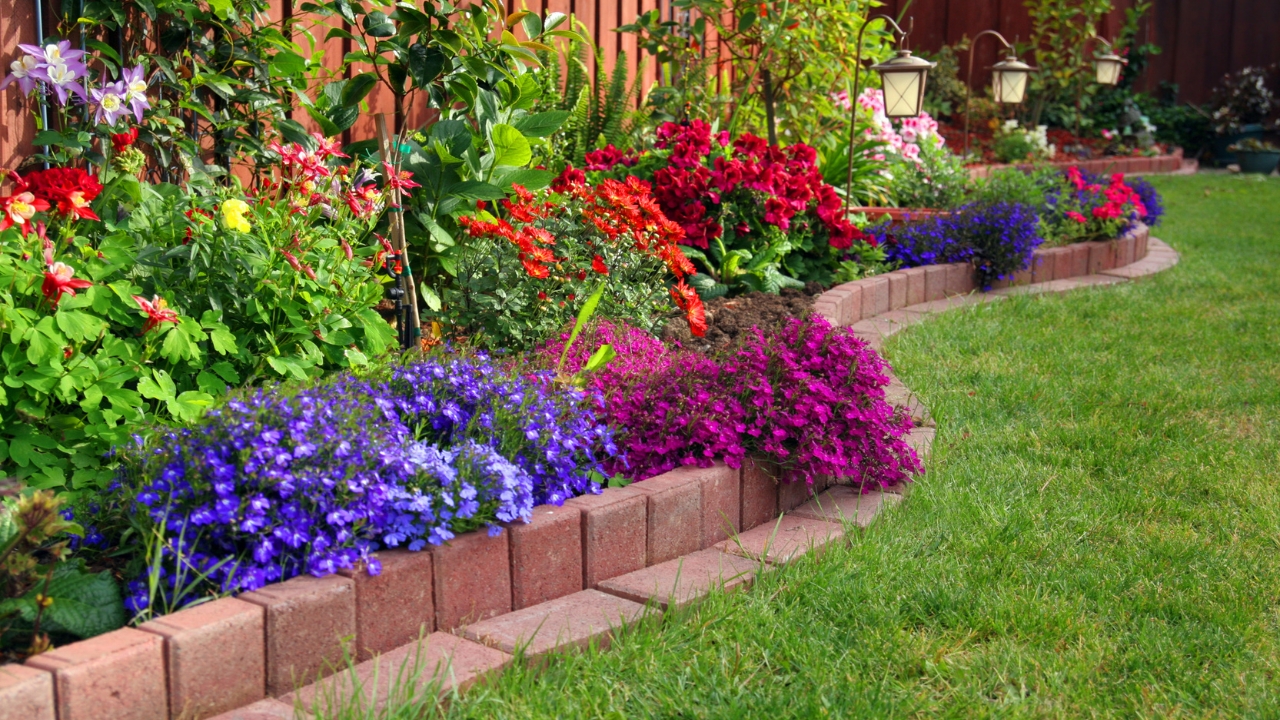
A yard full of annuals might look colorful, but keeping it that way is a nonstop job. You’re planting new flowers every season, watering constantly, and trying to keep pests from chewing them up. Not to mention the cost adds up fast.
You’ll save yourself a lot of hassle by going heavier on perennials. They come back year after year, need less fuss, and once they’re established, they hold their own against weather swings and bugs.
Decorative Gravel and Rock Beds
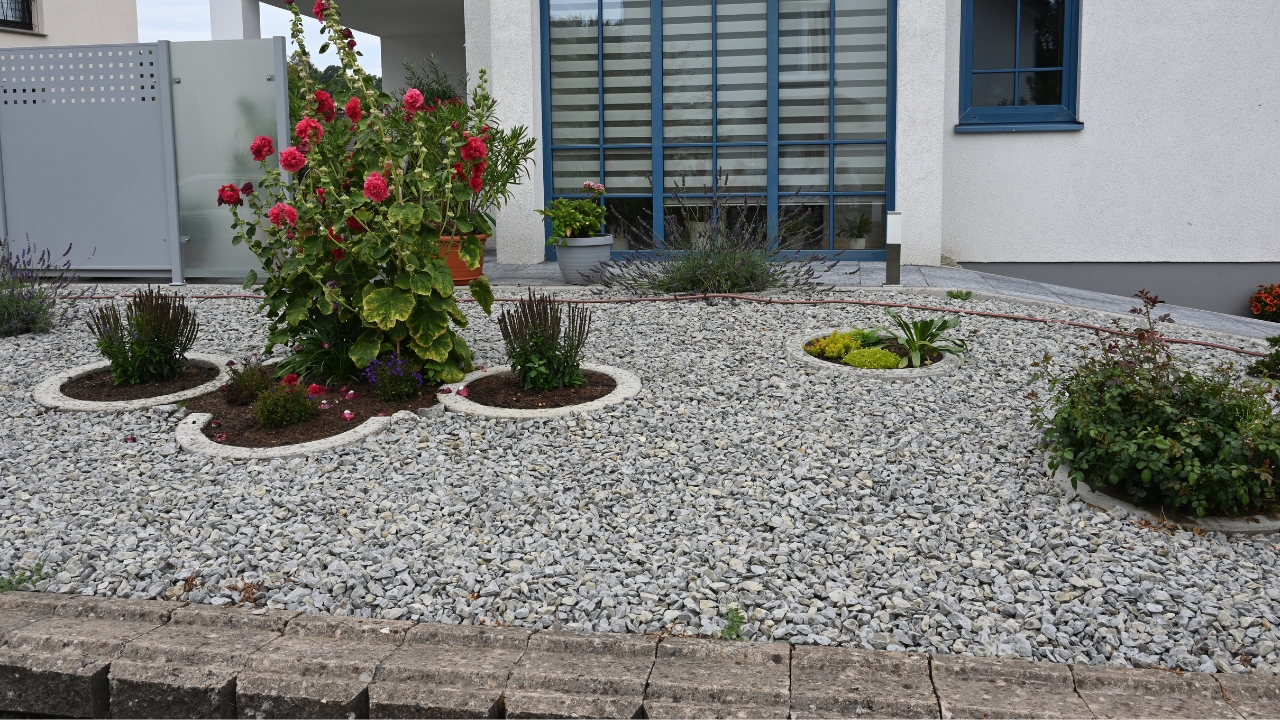
Gravel might seem low-maintenance at first, but it brings its own set of issues. Weeds still find their way through, it scatters into your lawn, and if you ever want to remove it, you’re in for a serious project. It also traps heat, which can stress nearby plants.
If you’re using gravel, keep it in small, defined areas and use heavy-duty weed barrier underneath. And be ready to pull weeds anyway—landscaping fabric doesn’t stop them forever.
In-Ground Lighting Systems

Lighting looks great at night, no doubt about it. But the wired, in-ground stuff isn’t something you set and forget. Wires get cut, bulbs go out, and moisture sneaks in where it shouldn’t. Plus, repairs usually mean digging.
If you want some glow without the grief, go with solar lights. They’re cheap, easy to replace, and don’t involve tearing up the yard when one goes bad.
Large Areas of Bare Mulch

Mulch has its place, but wide open stretches of it don’t stay pretty for long. It fades, washes away, and becomes a magnet for weeds. It also needs to be refreshed regularly, which adds up in both time and cost.
Use mulch where it actually helps—around trees, in planting beds, or near walkways. And if you’ve got big areas to cover, consider ground cover plants instead. They’ll take some time to fill in but will save you a lot of effort long-term.
Elaborate Hardscaping
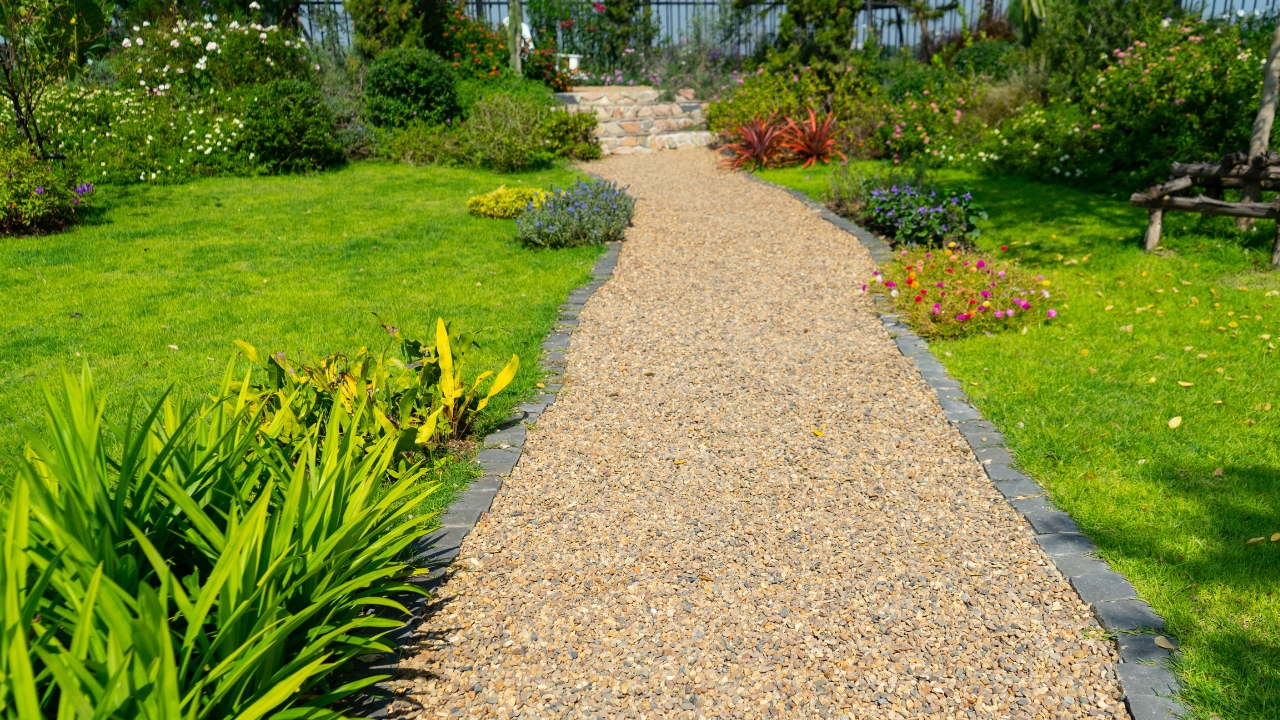
Massive patios, stone walls, and winding paths sound good on paper—but they can crack, settle, and stain. Fixing them isn’t easy, and replacing a single broken paver often turns into a bigger job than expected.
Keep hardscaping simple and functional. If you’re going for a patio or path, build it right the first time with a solid base. And make sure the layout makes sense so you’re not tripping over decorative nonsense while mowing.
Oversized Planters

Those big, decorative planters look great in front of a porch or along a walkway, but they dry out fast and can get heavy to move. Unless you stay on top of watering and replanting, they’ll end up full of dead plants or weeds.
If you want planters, go with smaller sizes or self-watering options. And keep them in spots where you won’t forget about them—out of sight usually means out of mind.
Fast-Growing Invasive Plants

Fast-growing sounds good until those plants start taking over everything. Invasives like bamboo, mint, or creeping Jenny will spread out of control if you’re not careful. You’ll spend more time trying to rip them out than enjoying your yard.
Always check your plant tags or do a quick search before you stick something in the ground. If it’s labeled “fast spreader” or “aggressive,” think twice unless you’ve got a serious plan to keep it contained.
Like Fix It Homestead’s content? Be sure to follow us.