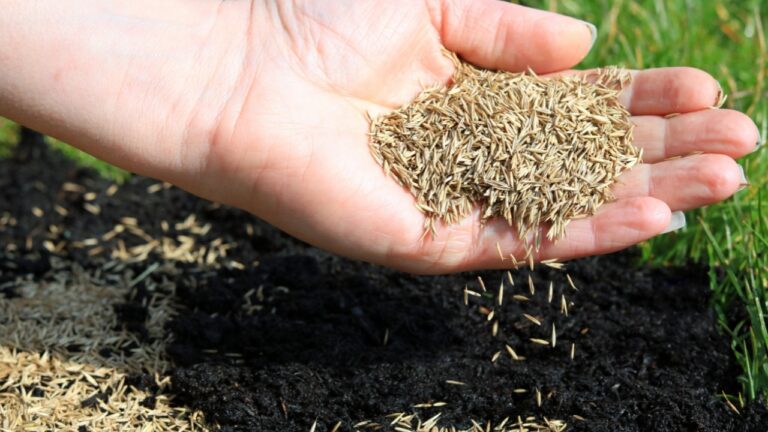
7 Plants You Should Rip Out Before They Spread
Photo credit: Cristina Ionescu/Shutterstock.com
Some plants look innocent when they first show up, but give them a few weeks and they’ll start creeping, climbing, or reseeding faster than you can keep up. If you’ve ever wondered how your yard got so wild so fast, these aggressive growers are usually the reason.
They’re stubborn, they spread fast, and if you don’t get ahead of them early, they’ll take over every bed, border, and patch of lawn they can reach.
English Ivy
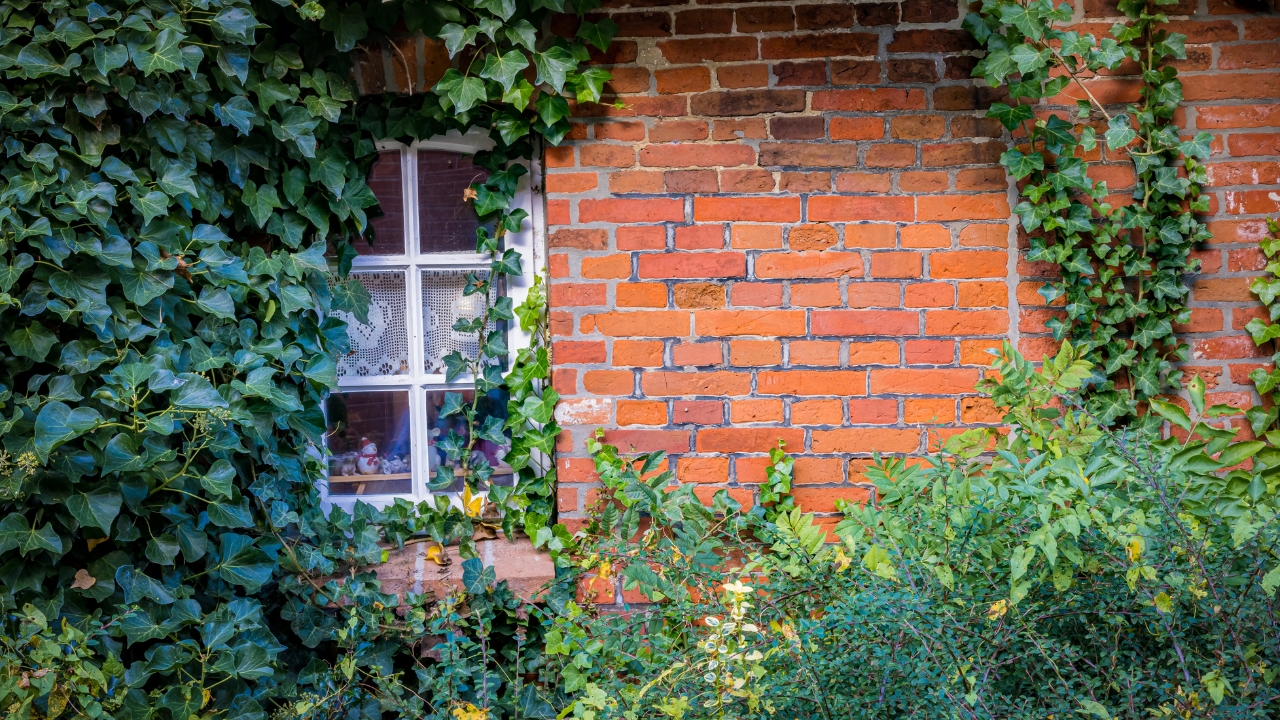
English ivy clings to fences, climbs trees, and crawls across the ground like it owns the place. It might seem low-maintenance, but once it spreads, it strangles everything in its path—shrubs, tree trunks, and even your siding.
It’s tough to control once established. You’ll need to rip it out by the roots and keep checking for regrowth. If you want a groundcover, there are better-behaved options that won’t damage your trees or attract snakes and mosquitoes.
Mint
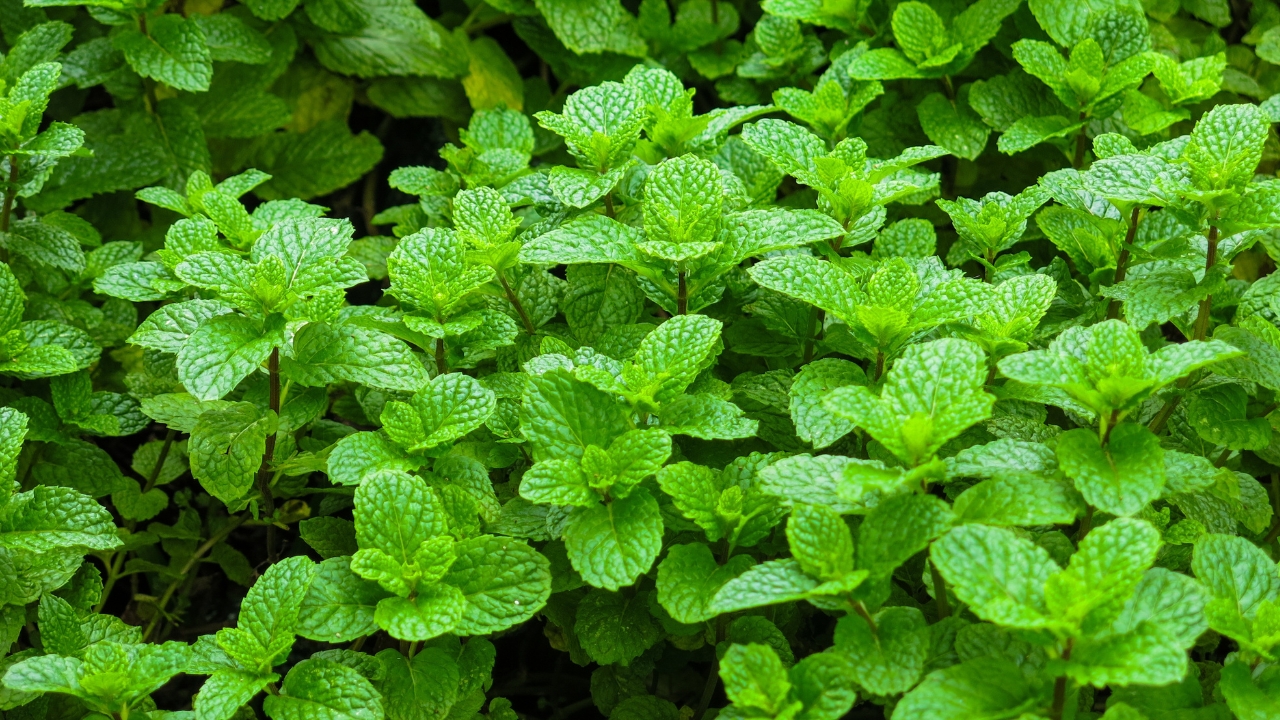
Mint is great in tea and lemonade—but not in flower beds. Once it’s in the ground, it spreads underground and pops up everywhere. A few stems can turn into a yard-wide takeover in no time.
Unless it’s in a pot or contained bed, mint is a problem. It’s best to pull it early and thoroughly. Don’t leave roots behind or you’ll be pulling it up again in a week.
Bamboo

Bamboo seems like a cool privacy plant until it starts showing up 10 feet from where you planted it. Most types spread through underground rhizomes, and they don’t respect fences or borders.
Once bamboo takes off, it’s a nightmare to remove. If it’s already in your yard, you’ll need to dig deep and possibly install barriers. Best bet? Don’t let it get comfortable in the first place.
Wisteria
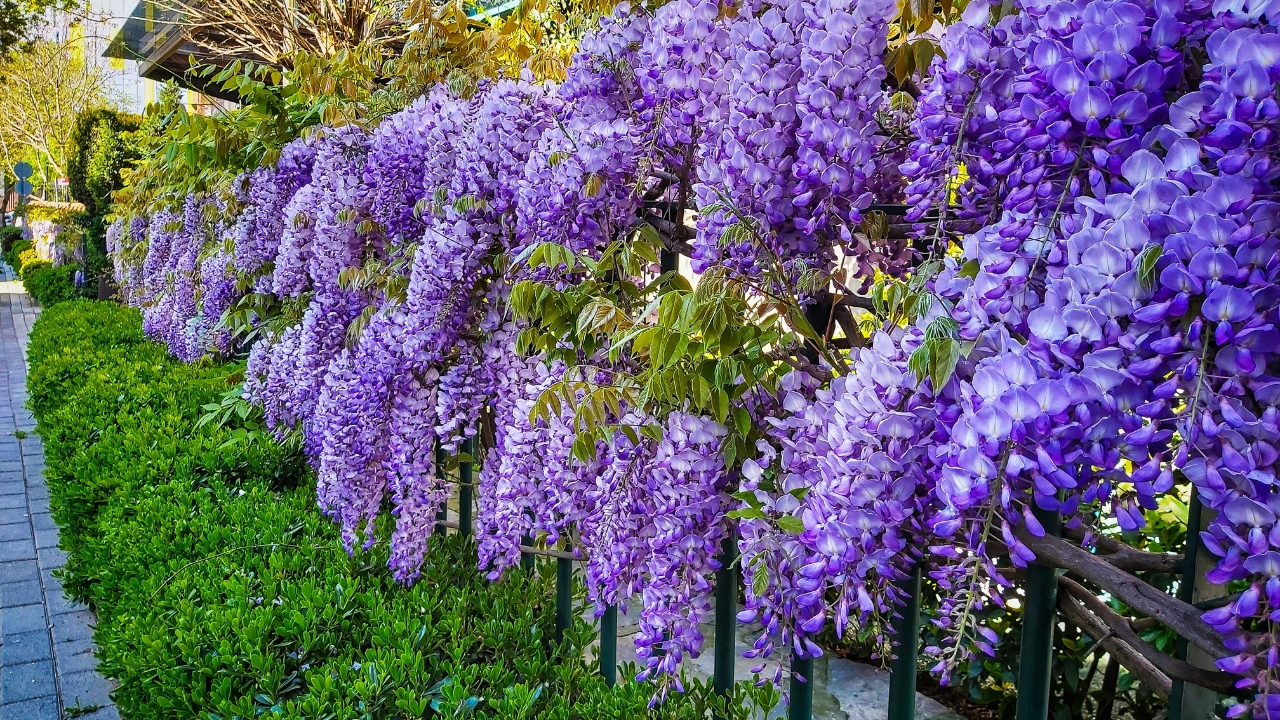
Wisteria is beautiful for about two weeks when it blooms—and a complete pain the rest of the year. It wraps around anything it can, including fences, trees, and porch rails, and grows heavy enough to do real damage.
It also sends out underground runners that pop up far from the original plant. If you’re not willing to prune it constantly and chase down new shoots, it’s better to rip it out now before it gets worse.
Creeping Jenny
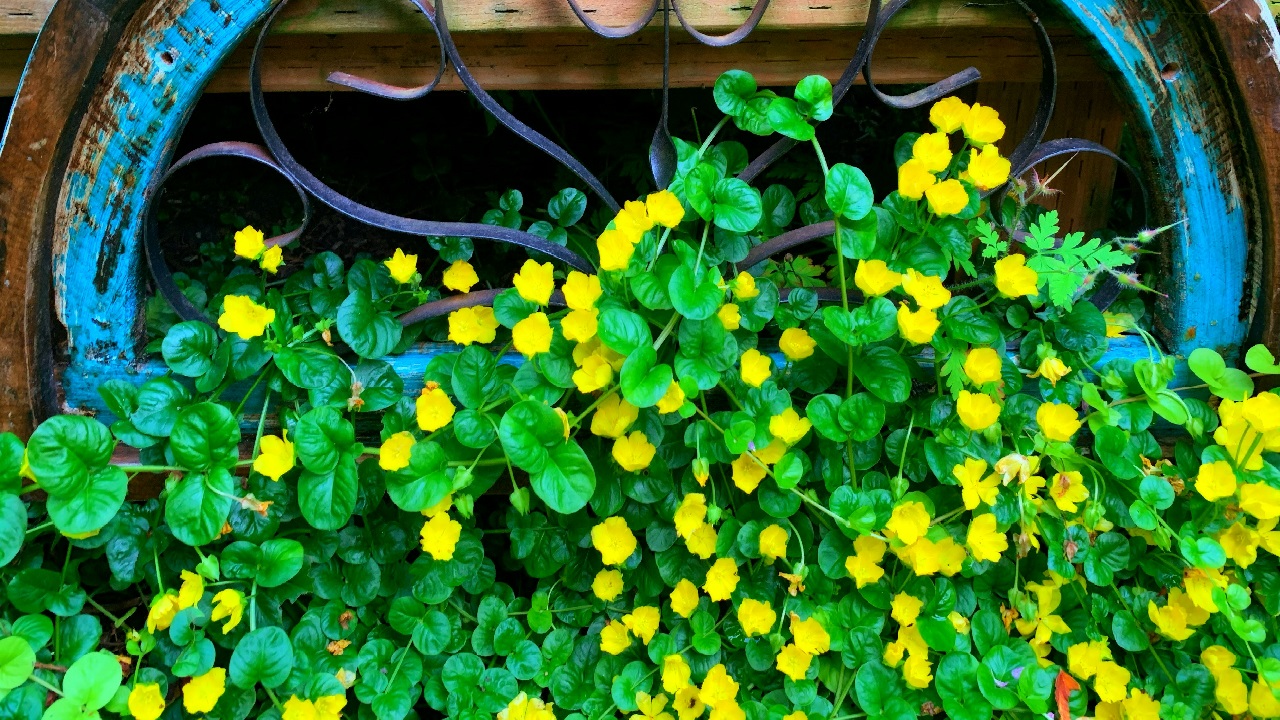
Creeping Jenny is marketed as a groundcover, but once it settles in, it spreads fast and doesn’t know when to quit. It thrives in both sun and shade, which means no part of your yard is safe.
It chokes out other plants, climbs over mulch, and even creeps into cracks. It might look soft and pretty, but it’s one of those plants that will take over if you don’t stay on top of it.
Trumpet Vine
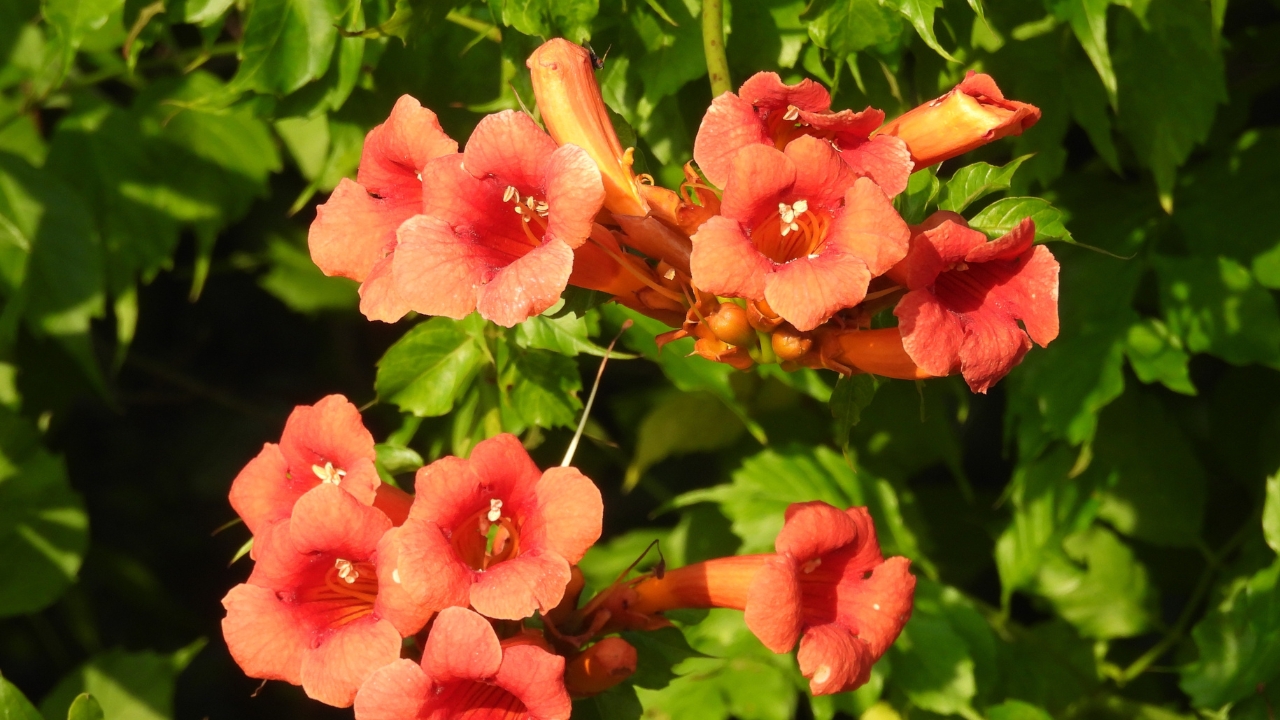
Trumpet vine attracts hummingbirds—and more yard problems than it’s worth. It spreads aggressively by both seed and root and climbs walls, fences, and trees with ease.
Once mature, the roots are hard to dig out, and the vines can damage siding and outbuildings. You’ll spend more time pruning and pulling than enjoying the flowers. It’s best to dig it up while it’s still manageable.
Morning Glory
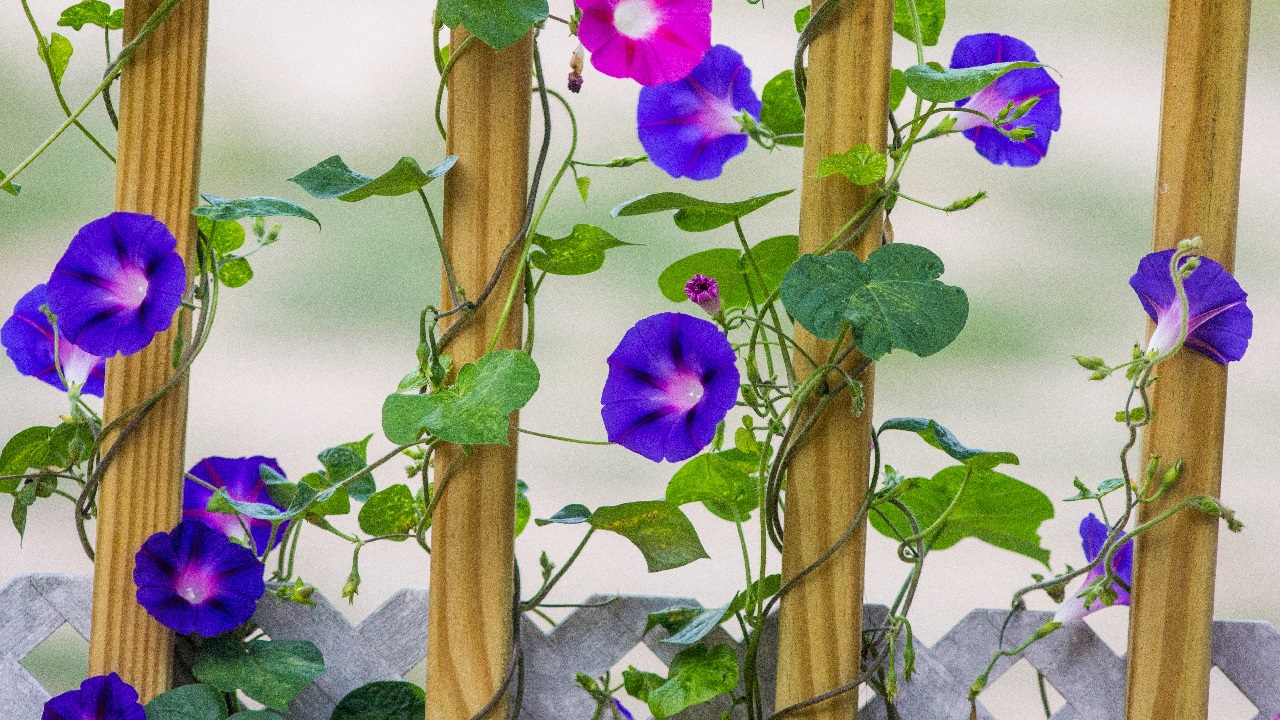
Morning glories look harmless when they’re small, but they reseed like crazy and spread fast. They can smother garden beds, fences, and even shrubs if you turn your back too long.
Once they go to seed, you’ll be pulling up new ones for years. If you planted them once and now they’re taking over, it’s time to rip them up before they flower again and drop more seed.
Like Fix It Homestead’s content? Be sure to follow us.