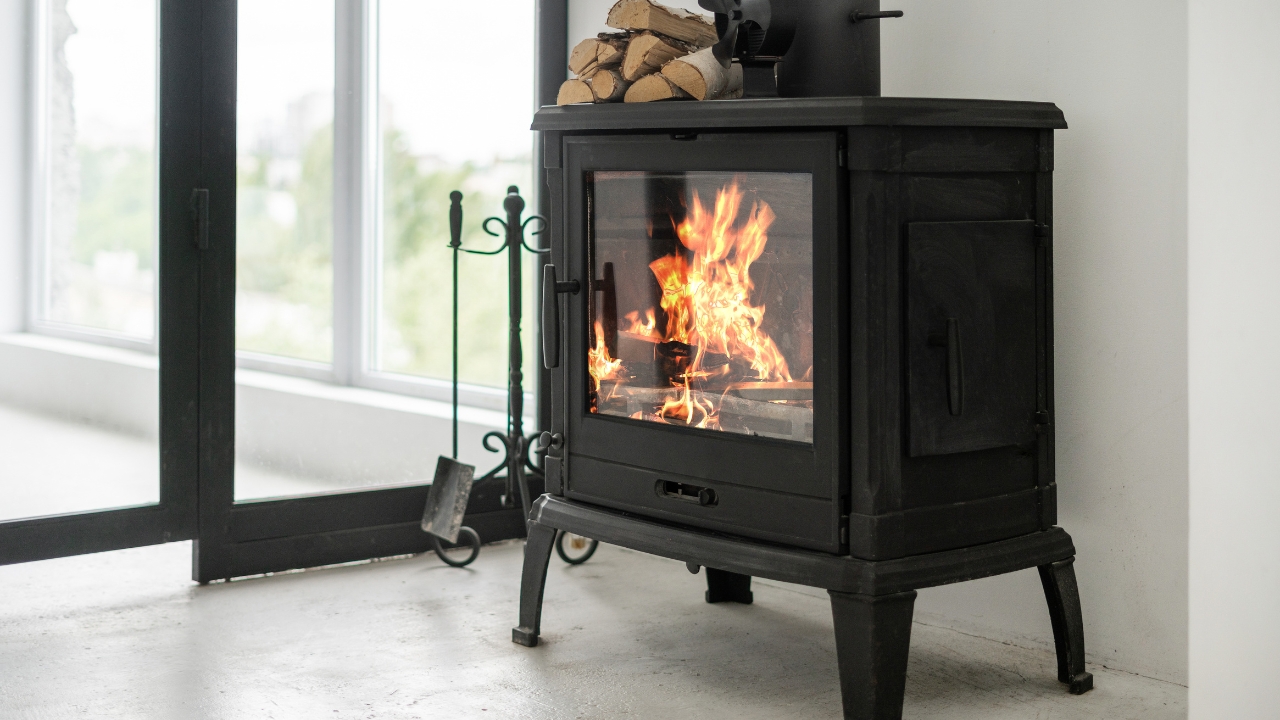
7 Things That Make a Wood Stove Burn More Wood Than It Should
Photo credit: brizmaker/Shutterstock.com
A wood stove can be one of the coziest and most cost-effective ways to heat your home—but only if it’s running like it should. If you’re burning through more firewood than necessary or the room never quite warms up, there’s a good chance something’s throwing off the efficiency.
The good news is most of the common issues are easy to fix once you know what to look for.
Burning Unseasoned Wood
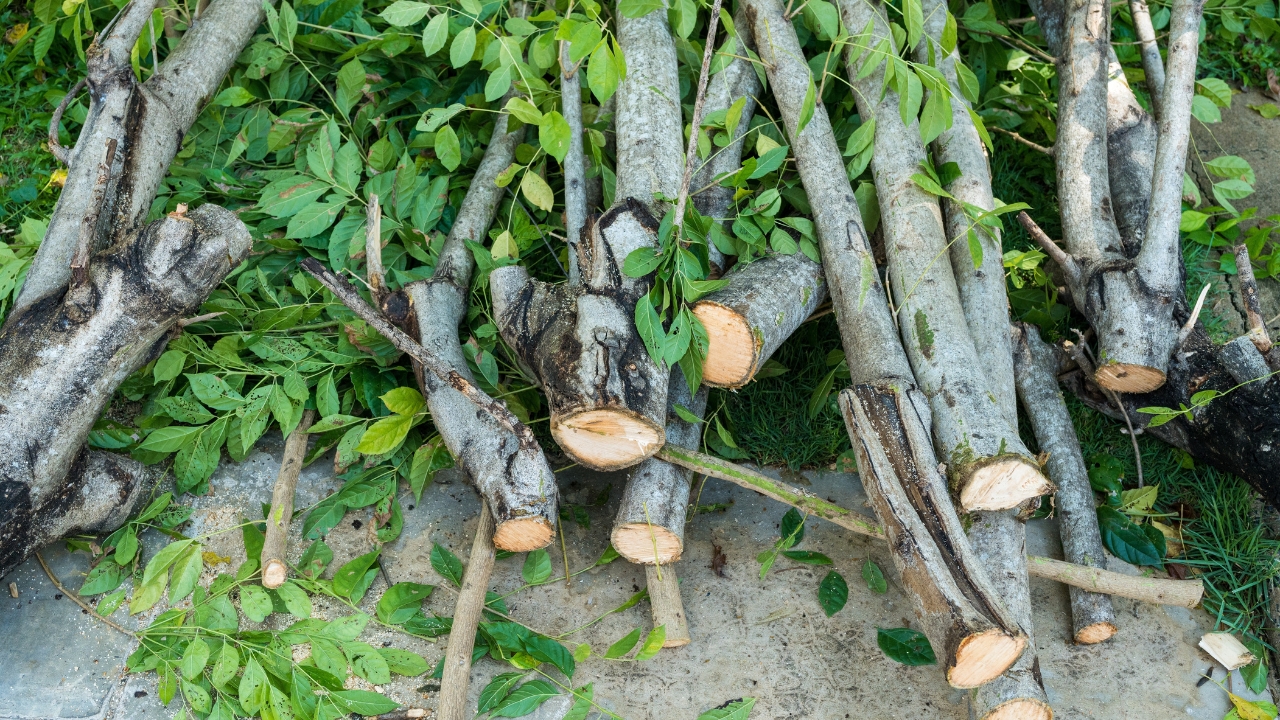
Green or wet wood is one of the fastest ways to kill your stove’s efficiency. It burns cooler, produces more smoke, and builds up creosote faster. That means you’re not getting the heat you want, and you’re putting your chimney at risk.
Firewood should be seasoned for at least 6–12 months, depending on the type. Hardwoods like oak take longer. A moisture meter can tell you if it’s ready—anything under 20% moisture is the goal.
Clogged or Dirty Chimney
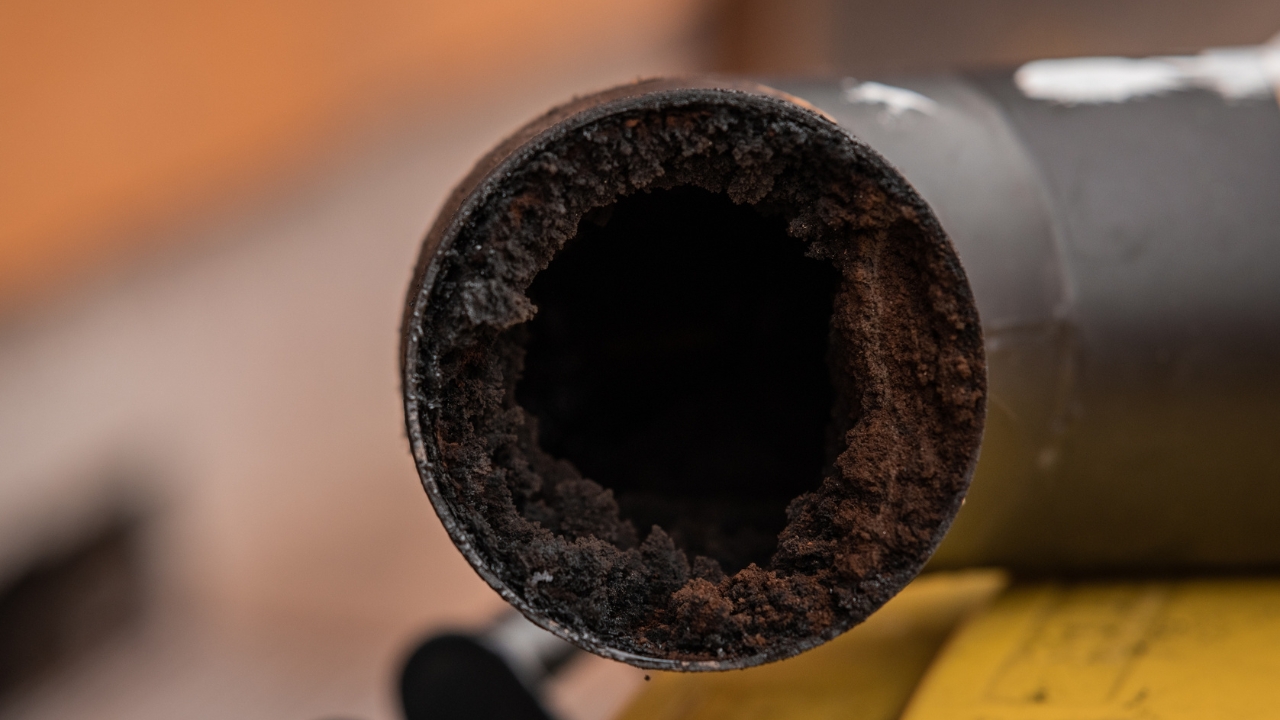
A buildup of soot or creosote in your flue restricts airflow, making it harder for your stove to draw properly. That means slower burns, more smoke, and less heat output.
Have your chimney cleaned at least once a year—more often if you use the stove daily. It’s also worth checking the cap for obstructions like bird nests or debris.
Using the Damper Incorrectly
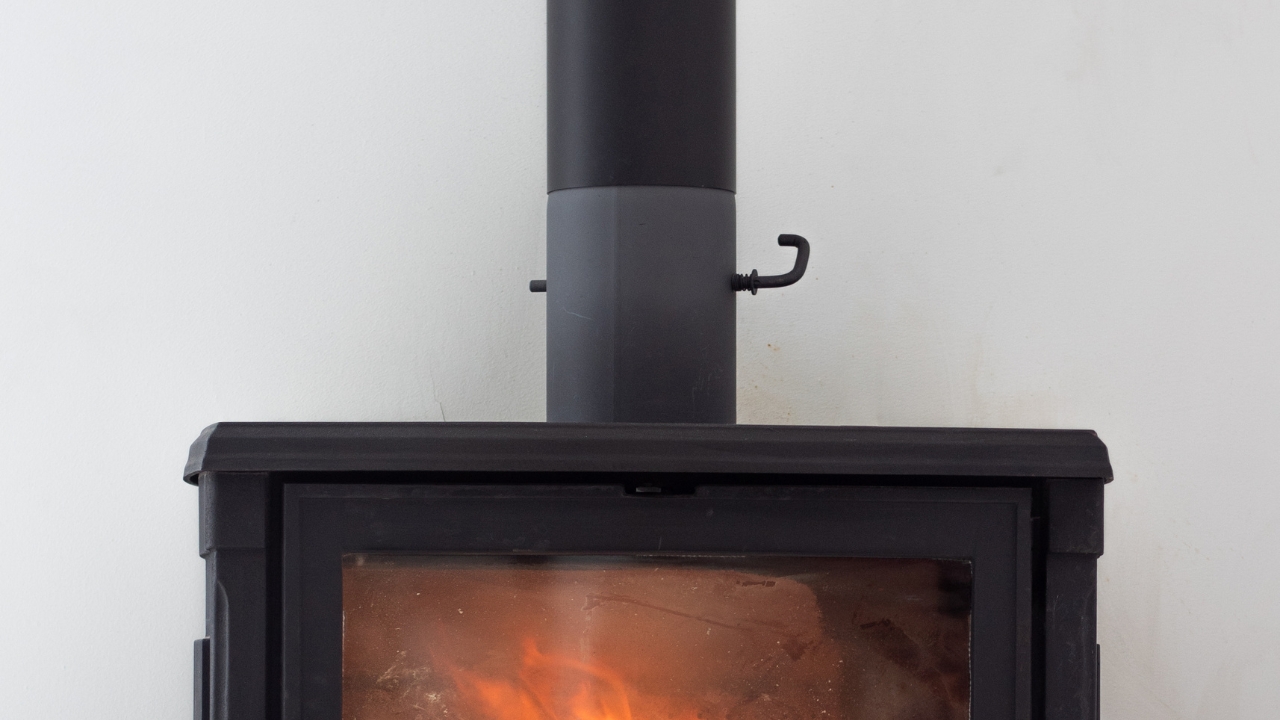
Your damper controls how fast the fire burns. Too wide, and the heat flies up the chimney. Too tight, and you smother the fire and get a smoky mess. Finding the sweet spot is key.
Once the fire’s going strong, start closing the damper gradually until the flames settle into a steady burn without smoldering. Watch the stove and adjust as needed—don’t set it and forget it.
Gaps or Leaks in the Stove Door
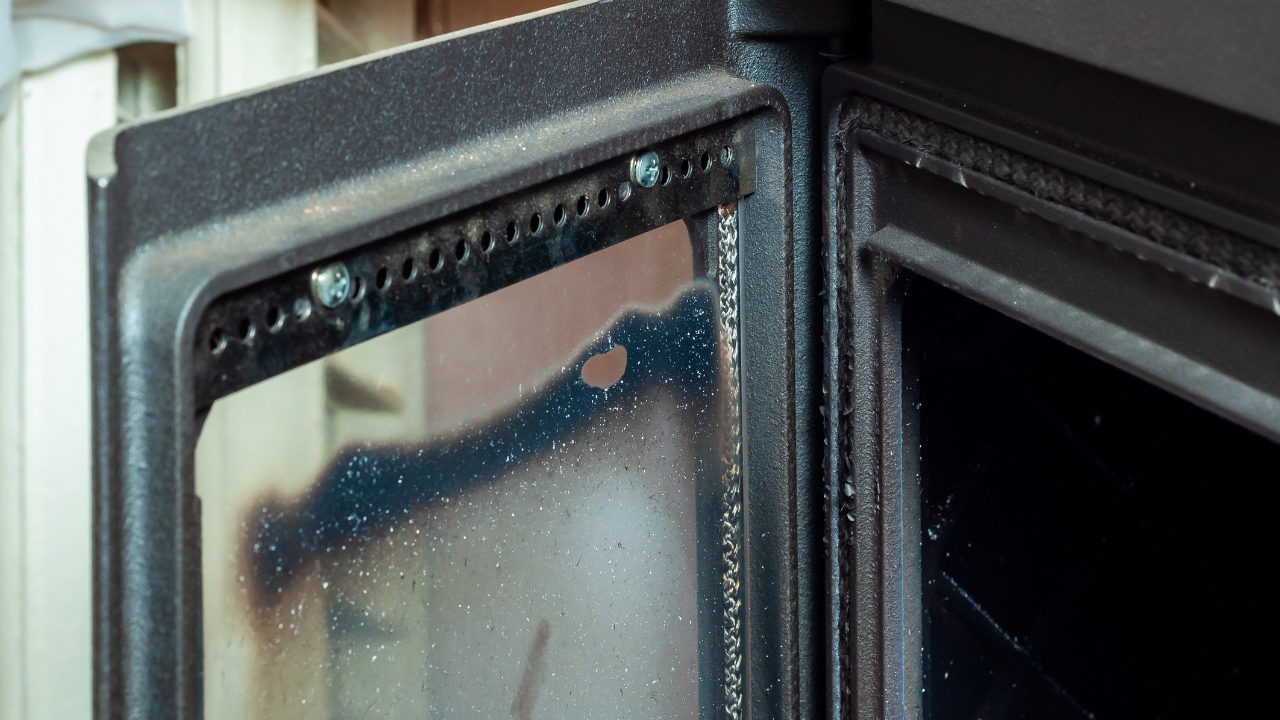
If the door gasket is worn or not sealing properly, you’ll lose heat and pull in extra air that makes the fire burn too fast. It’s like throwing wood into a bonfire—gone before you can enjoy it.
Check the door seal with a dollar bill test. Shut the bill in the door and try to pull it out. If it slides out easily, it’s time to replace the gasket.
Overfiring the Stove
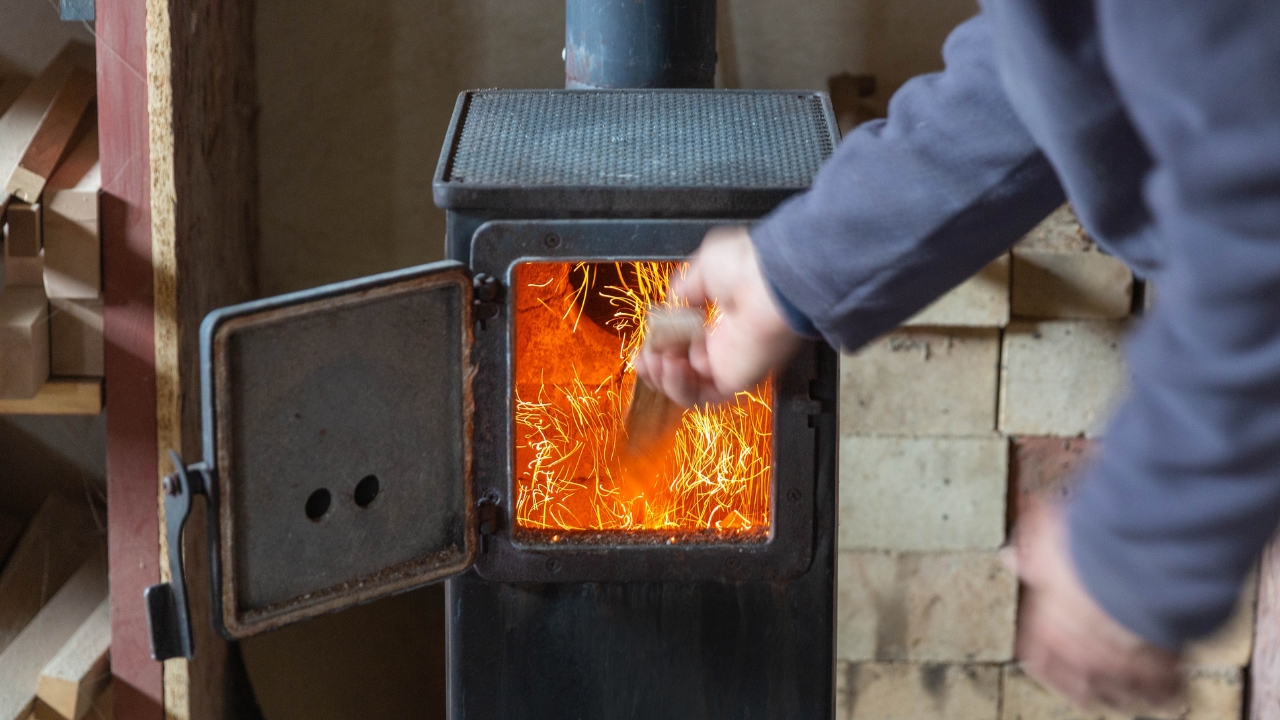
It’s tempting to load up the stove and let it roar, especially when it’s freezing outside. But overfiring can warp internal parts, crack the firebox, and shorten the life of your stove.
Stick to the recommended burn temperatures for your model. A stove thermometer can help you keep tabs—ideally, you’re aiming for a steady burn in the efficient zone, not an all-out blaze.
Poor Stove Placement
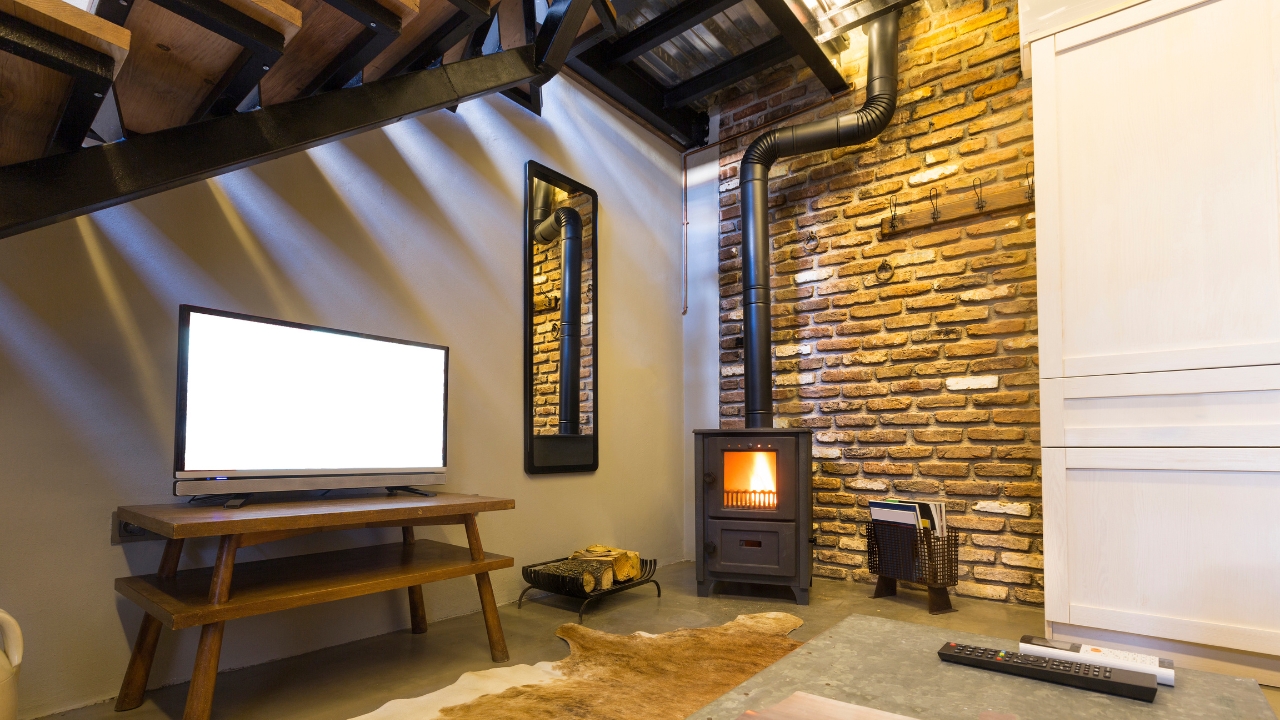
If your stove is shoved in a tight corner or stuck in a room that doesn’t circulate well, you’re losing a lot of potential warmth. Heat needs room to move.
Use fans or doorway vents to help circulate the warm air into the rest of the house. If you’re building or renovating, think about stove placement early—it makes a difference.
Not Cleaning the Ash Pan
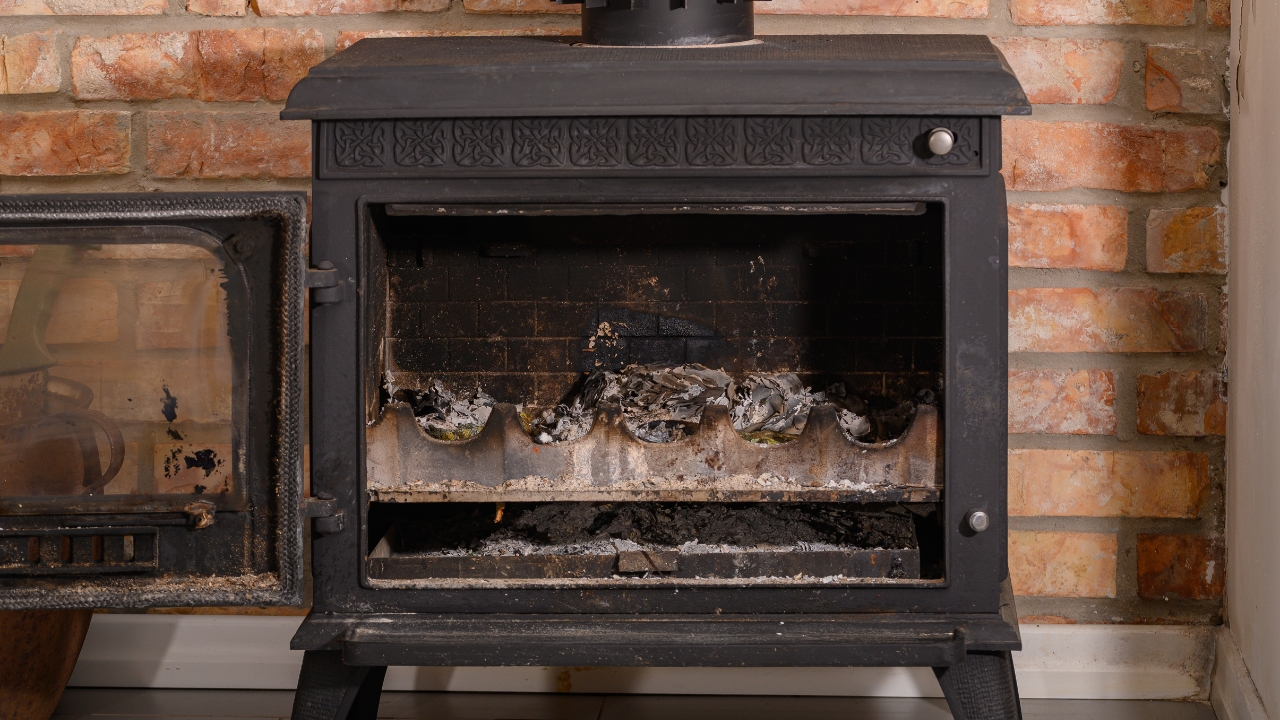
A full ash pan reduces airflow and forces the fire to work harder than it needs to. Too much ash can also clog up your air intake and make it harder to light or maintain a fire.
Empty the ash pan regularly, but don’t scrub it spotless every time. A thin layer of ash actually helps insulate the coals and makes relighting easier.
Like Fix It Homestead’s content? Be sure to follow us.