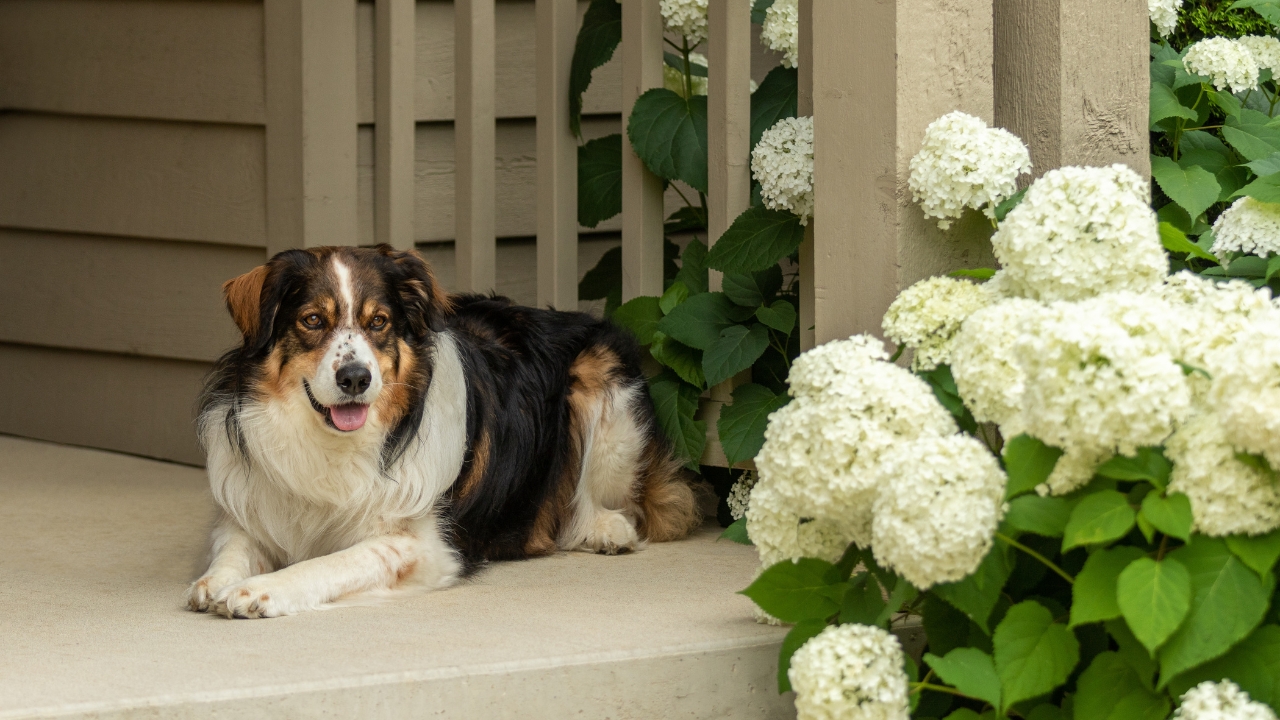
6 Common Yard Plants That Can Be Dangerous for Dogs
Photo credit: Jennifer McCallum/Shutterstock.com
Some of the most dangerous plants to dogs are the ones you don’t even think twice about. They’re in front yards, flower beds, or lining walkways all over the country—and a lot of people have no clue they’re toxic.
The worst part is dogs don’t always need to eat much. A bite or two can cause serious issues depending on the plant. If you’ve got a dog roaming around your yard, it’s worth checking if any of these are growing nearby.
Sago Palm
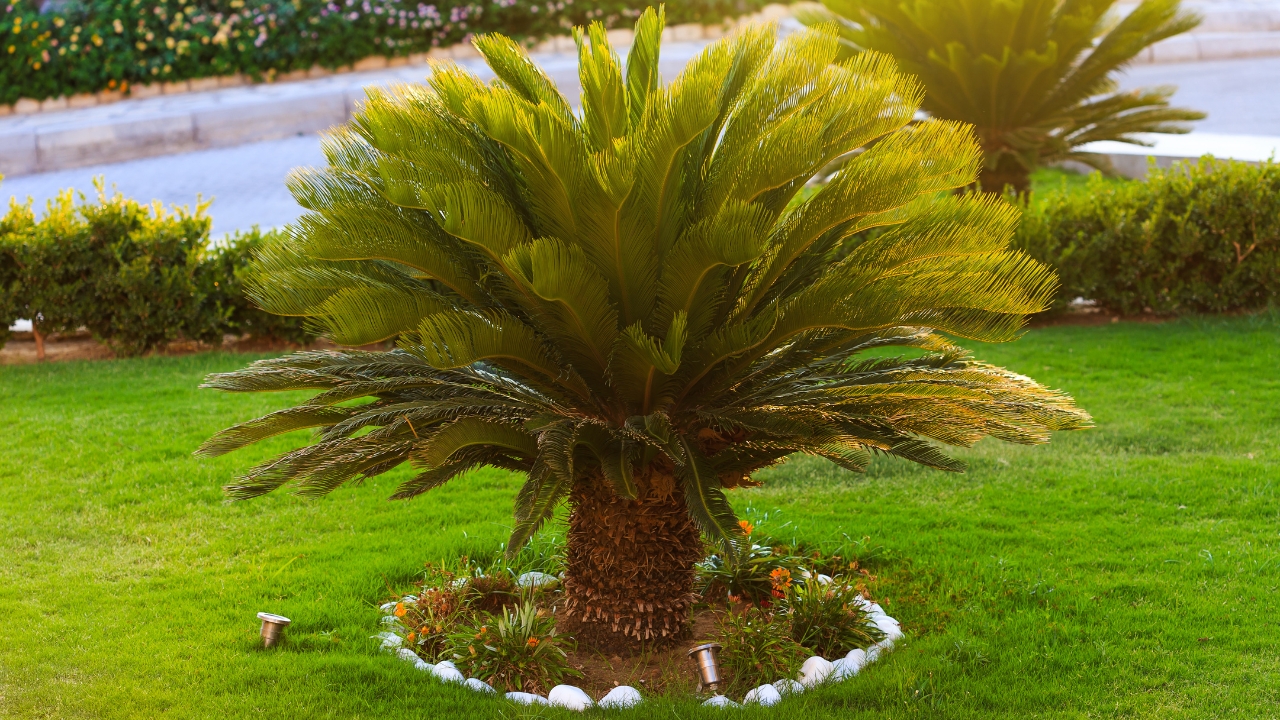
This one’s a big deal, especially in Texas and other warm states. Sago palms are super common in landscaping, but they’re highly toxic to dogs. The seeds are the worst part, but every bit of the plant is dangerous. Even one bite can cause vomiting, seizures, or liver failure.
If you’ve got dogs, don’t wait for something bad to happen—rip it out. It’s not worth the risk, no matter how pretty it looks in the corner of your flower bed.
Oleander
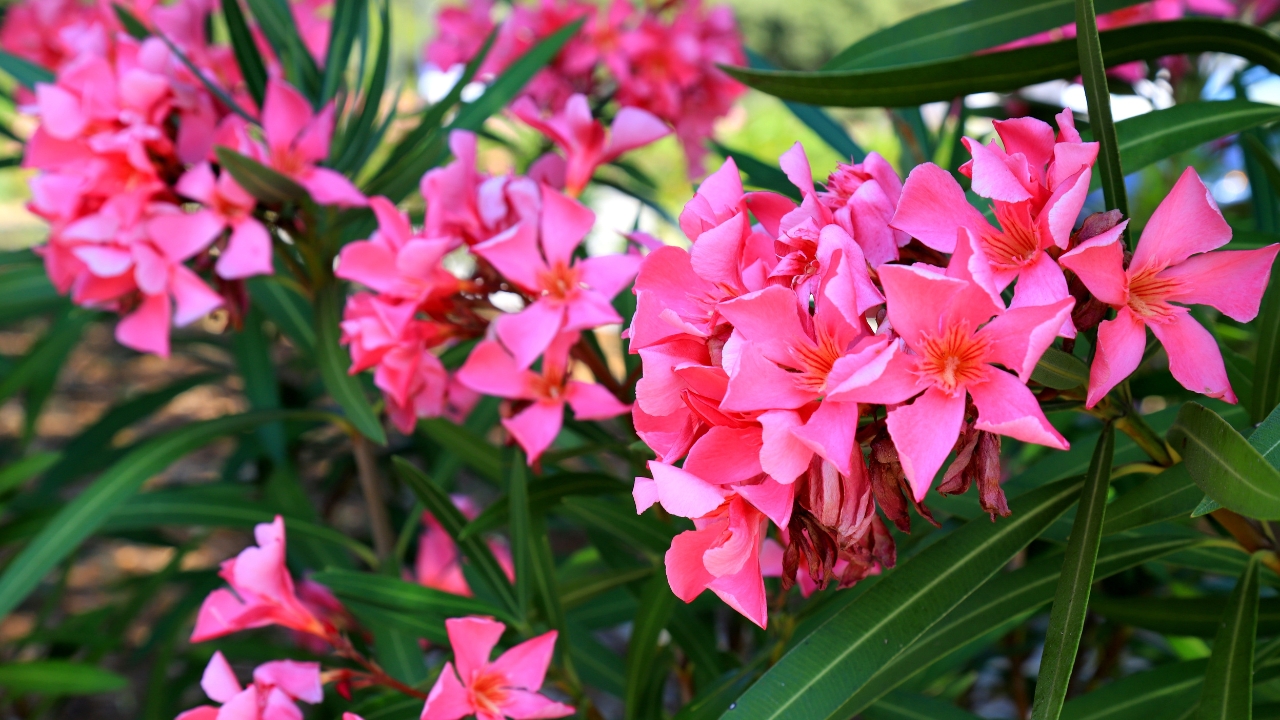
Oleander might look like a harmless hedge, but it’s one of the most toxic plants out there. It affects the heart, and it doesn’t take much. A few leaves—or even water from a vase with oleander trimmings—can lead to serious trouble.
The symptoms can hit fast: drooling, vomiting, slowed heart rate, and collapse. It’s not something you want to mess around with. If there’s oleander anywhere in your yard, take it out before your dog finds it.
Azalea

Azaleas are everywhere in southern yards, but they’re not dog-friendly. They contain grayanotoxins, which can mess with your dog’s nervous system and heart. Even a few leaves can lead to vomiting, weakness, and in severe cases, more serious outcomes.
They’re popular because they’re low maintenance and bloom like crazy—but that doesn’t mean they’re safe. If your dog likes to nibble, don’t plant azaleas within reach.
Foxglove
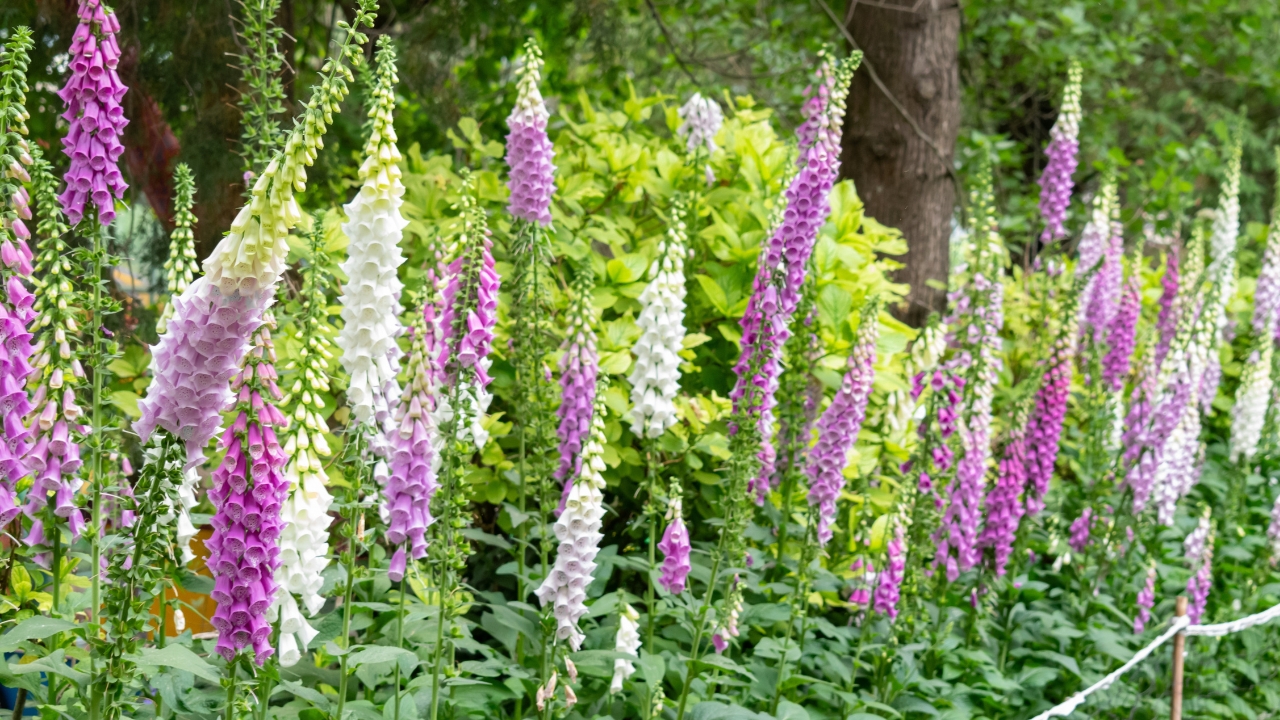
Foxglove looks delicate and old-fashioned, but it’s a bad pick for a pet-friendly yard. It’s packed with compounds that mess with heart rhythm, and all parts of the plant are toxic—even if they’re dried up or dead.
It reseeds like crazy, too. So if you’ve ever had it in your garden, check to make sure it’s not popping up again somewhere unexpected. With dogs around, it’s better to find a safer flowering plant.
Autumn Crocus
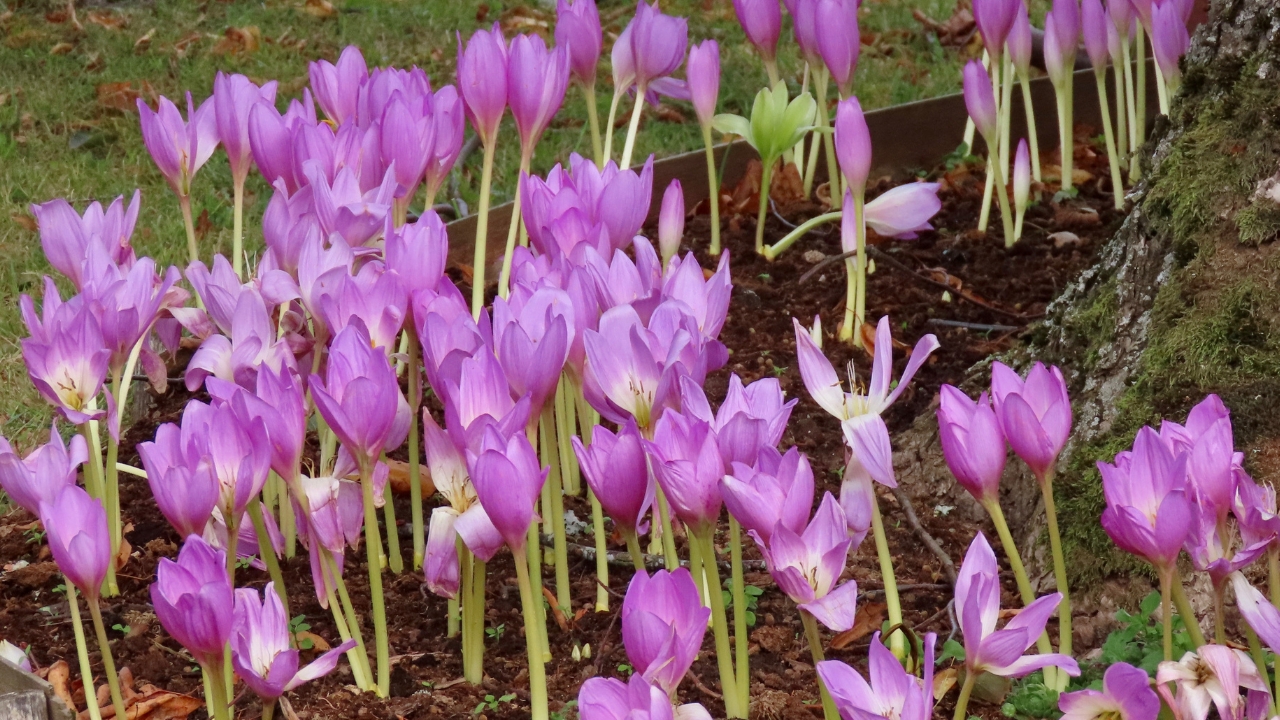
Autumn crocus is sneaky because it doesn’t always cause symptoms right away. Your dog might seem fine at first, but toxins from this plant can cause serious damage to the liver, kidneys, or even bone marrow over time.
The leaves and flowers both carry risk, and unfortunately, it’s a common plant for fall flower beds. If you see it around your property and you’ve got a dog, it’s best to dig it up and get rid of it.
Hydrangea

Hydrangeas seem harmless, but they’re not great for dogs. They contain cyanogenic glycosides, and in large amounts, that can cause nausea, fatigue, and other problems.
A small bite probably won’t send your dog to the ER, but if they get into a big mouthful, it can cause real issues. If your dog’s a known chewer, it might be time to move the hydrangeas behind a fence or swap them out altogether.
Like Fix It Homestead’s content? Be sure to follow us.