The land might be cheap — but here’s what it cost us to make it livable
Photo credit: Sichon/Shutterstock.com
Buying land sounds romantic until you realize how much it takes to make it livable. The sticker price might look like a steal, but the work—and the money—come later. Raw land doesn’t come ready for everyday life. It comes with trees, stumps, no driveway, and zero utilities.
Before you can even think about building, there’s a long list of costs waiting to hit.
Clearing and grading
The first thing you’ll deal with is clearing trees and leveling the ground. Even a small patch of woods can run several thousand dollars once you factor in hauling, burning, or burying debris. Grading for drainage adds more to the total, but skipping it means you’ll deal with mud, ruts, and runoff for years. It’s the least exciting part of buying land—but it’s the foundation for everything else.
Driveway and access
If your property doesn’t already have a driveway, getting one in can be surprisingly expensive. Gravel, culverts, and proper grading add up fast. A short, simple driveway can cost a few thousand dollars, while a long or uneven one can easily cross the $10,000 mark. But access matters. Without it, you can’t get materials in or equipment out, and your land quickly turns into a headache instead of a home site.
Utilities and hookups
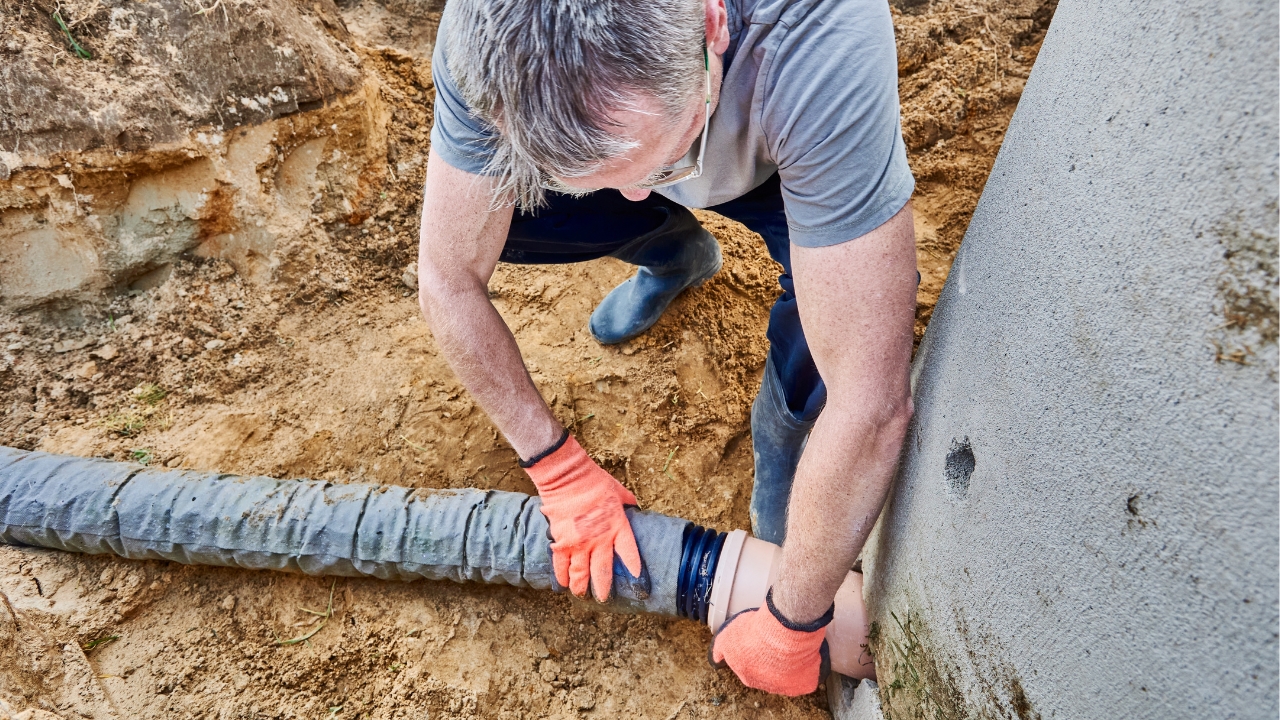
The biggest shock for most people is the cost of power and water. Running electricity can cost anywhere from $1,000 to $10,000 depending on distance, and drilling a well often starts around $5,000 before you even buy the pump. Septic systems are another major expense—plan on several thousand more for installation and inspection. These aren’t optional upgrades; they’re what make your property livable long-term.
Permits and inspections
Every county has its own rules, and none of them are free. Building permits, driveway permits, and environmental inspections all come with fees. Even if you’re planning to live off-grid, you’ll likely need permits for septic, electrical, or driveway access. Skipping them might save money up front, but it’ll cost you more if you ever sell or try to expand.
Temporary housing or shelter
If you plan to live on-site while working, you’ll need a setup that’s safe and practical. That might mean bringing in a camper, renting a portable building, or setting up a basic shed with power. It’s a good way to stay close to the work, but it adds extra costs—propane, generator fuel, or even a small solar setup to get by until permanent systems are in place.
Equipment and maintenance
Owning land means owning tools—or paying someone else who does. You’ll need equipment for mowing, trenching, or hauling, and that adds up. Even basic maintenance like keeping a driveway clear or cutting back overgrowth takes time and fuel. It’s rewarding work, but it’s also constant. The land doesn’t stop needing attention just because you’re tired.
Unexpected problems
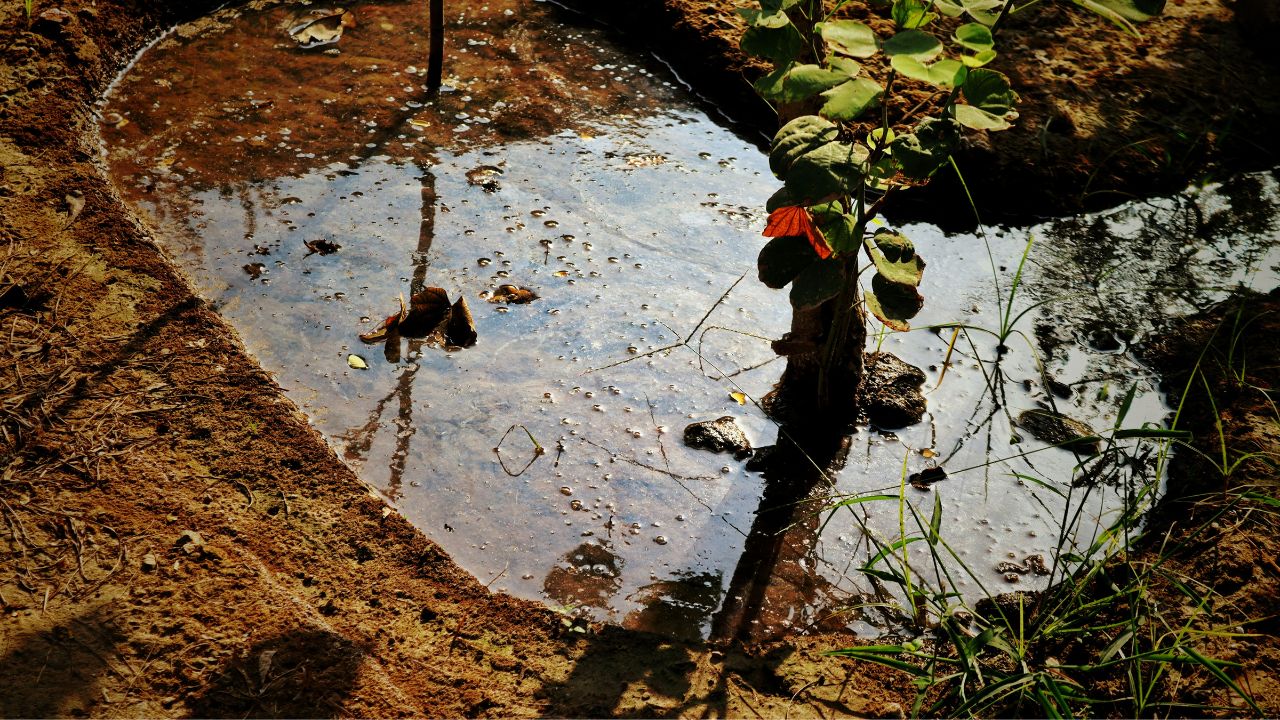
Every property has surprises. You might hit rock while digging a septic trench, find soft ground under where you planned to build, or learn that drainage flows the wrong direction. Each surprise comes with another round of labor, equipment, and expense. It’s part of the reality of turning raw land into a home site—there’s always something you didn’t plan for.
The payoff
When everything’s done, you’ll realize the “cheap” land wasn’t so cheap after all—but it’s yours. Every driveway rut and every line you ran tells a story of hard work. You’ll appreciate your home more when you know what’s under it, and you’ll never take running water or working lights for granted again. The cost isn’t just in dollars—it’s in the effort that made it livable.
Like Fix It Homestead’s content? Be sure to follow us.