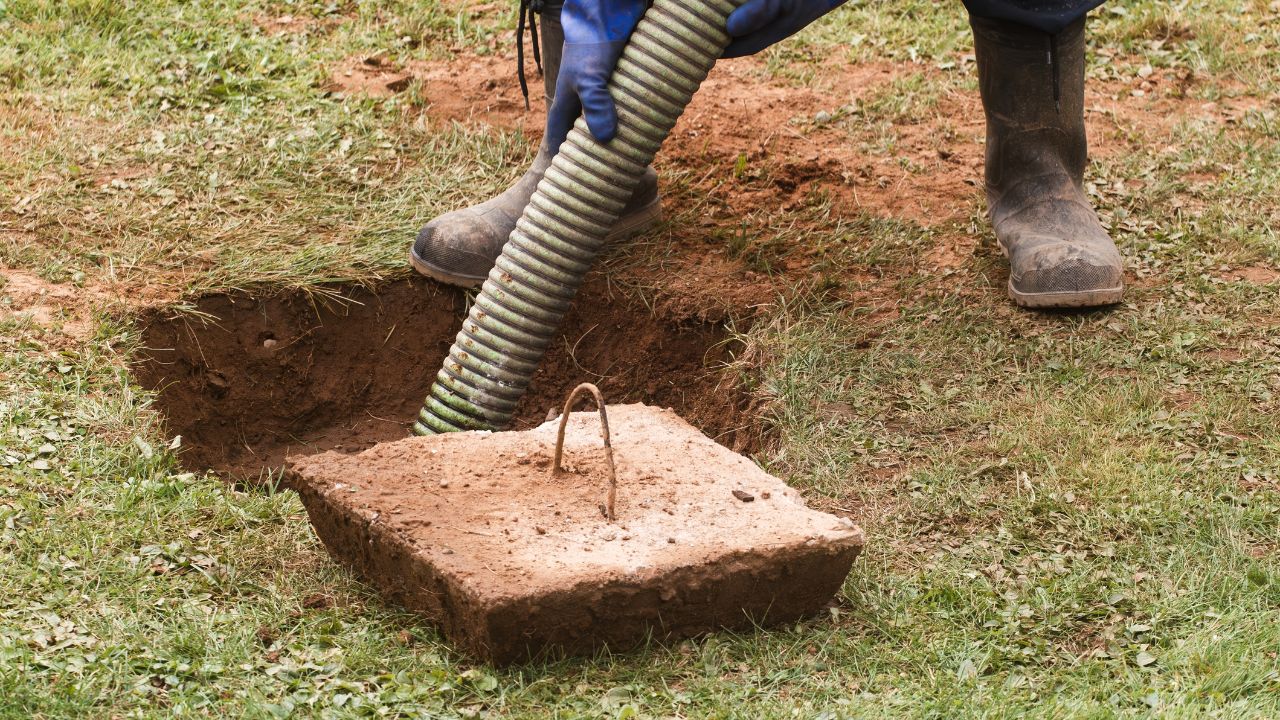
8 Septic Lessons You Do Not Want to Learn the Hard Way
Photo credit: kevin brine/Shutterstock
When you’re on a septic system, there’s no city crew coming to fix your mistakes. It’s on you to keep things flowing right—and a lot can go wrong faster than you’d think. Septic issues are expensive, gross, and usually preventable if you know what you’re doing.
But most people don’t get serious about it until they’ve had an overflow, a dead drain field, or a $10,000 quote to fix what didn’t have to break in the first place. These are the lessons you don’t want to learn the hard way.
Ignoring Regular Pumping
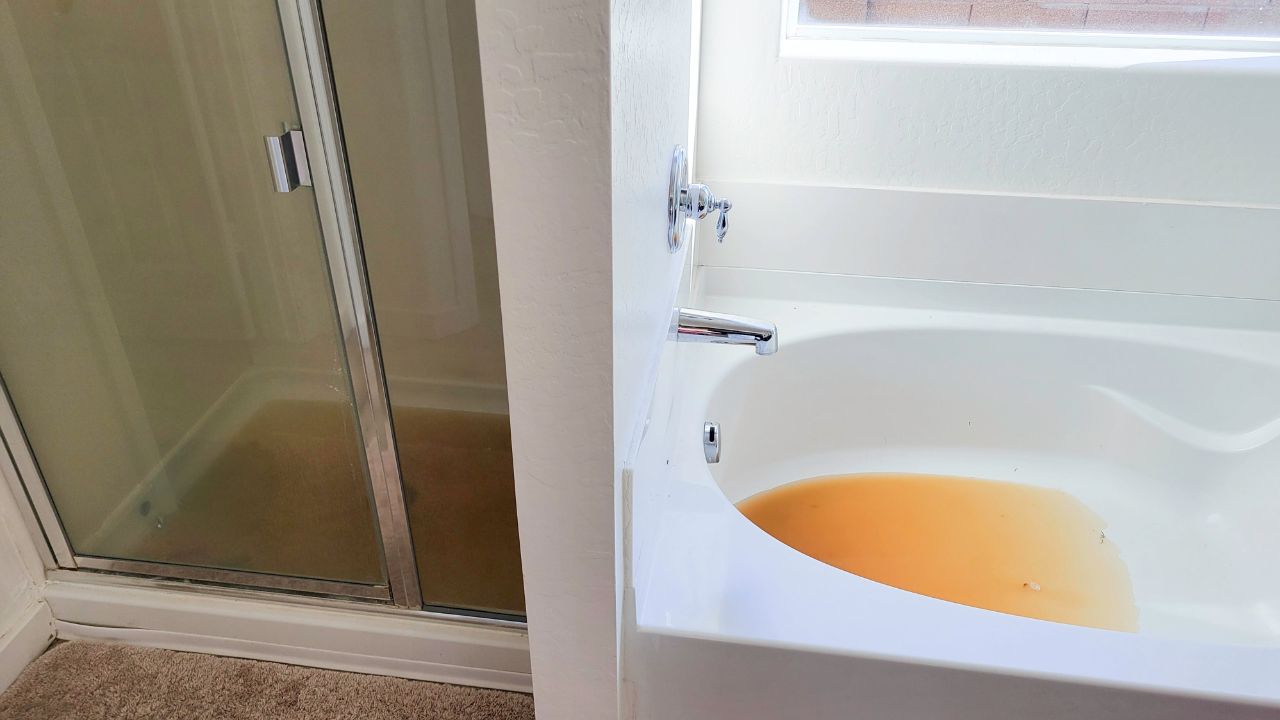
If you’ve never had your tank pumped, it’s not a matter of if you’ll have a backup—it’s when. Solids don’t disappear; they settle and build up until there’s nowhere left to go but back into your house or out into your yard.
Even if everything seems fine, going too long without pumping shortens the life of your whole system. Most tanks need it every 3 to 5 years, depending on your household size and usage. Skipping it can wreck your drain field, and that’s a whole new level of expensive.
Flushing the Wrong Things
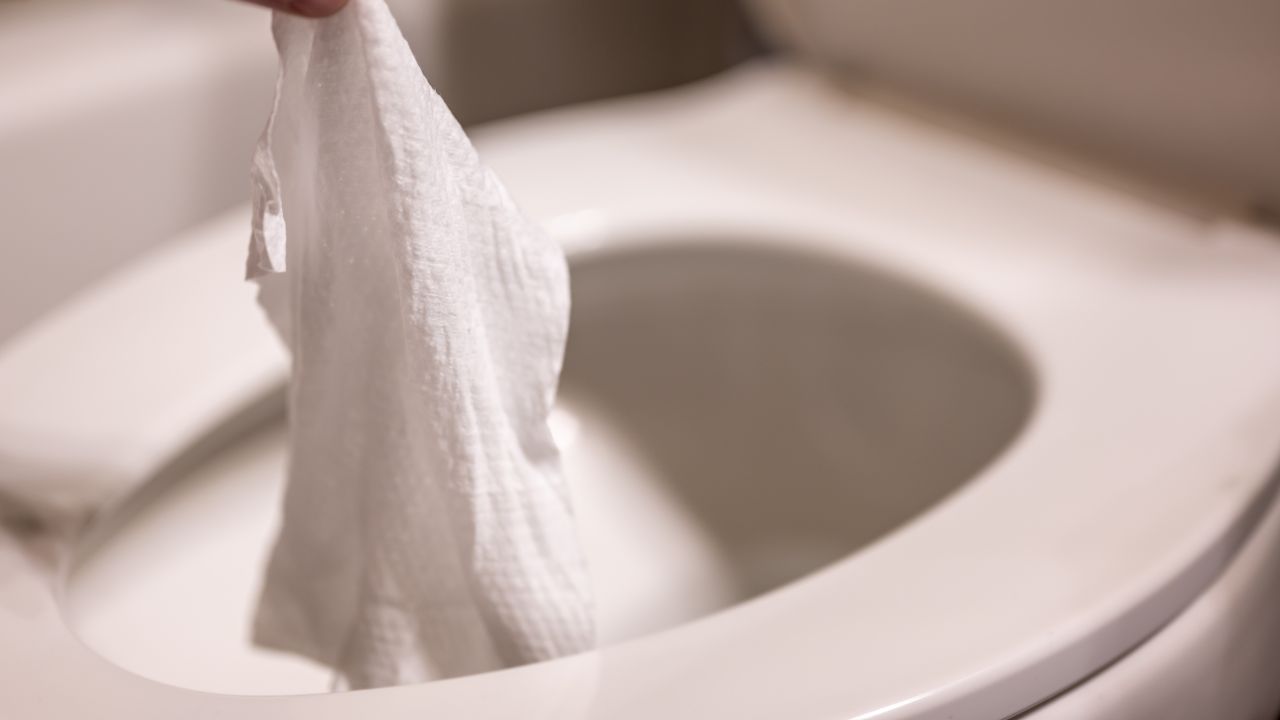
Toilet paper and what came out of you—that’s it. Anything else is asking for trouble. Wipes (even the “flushable” ones), paper towels, feminine products, and dental floss can all clog your system or mess with the bacteria balance in your tank.
Septic systems rely on bacteria to break things down. If you overload it with stuff that doesn’t belong or doesn’t break down, you’re setting yourself up for blockages and backups.
Overloading the System With Water
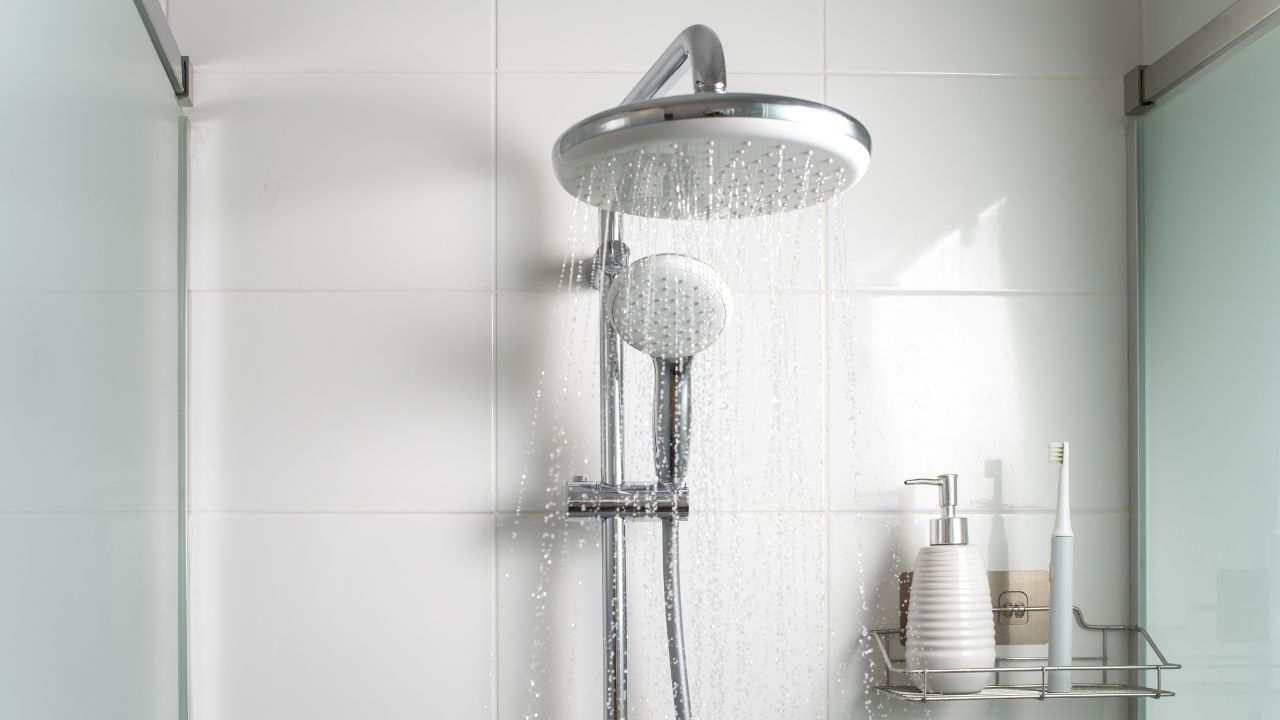
Running back-to-back loads of laundry, long showers, and running multiple appliances at once might not be a big deal on city sewer—but septic can’t keep up with that kind of volume.
When too much water rushes in too fast, it stirs up the solids that should stay settled. Those solids then get pushed into the drain field, where they can clog things up for good. Spacing out water-heavy chores gives your system time to recover.
Using the Wrong Cleaners
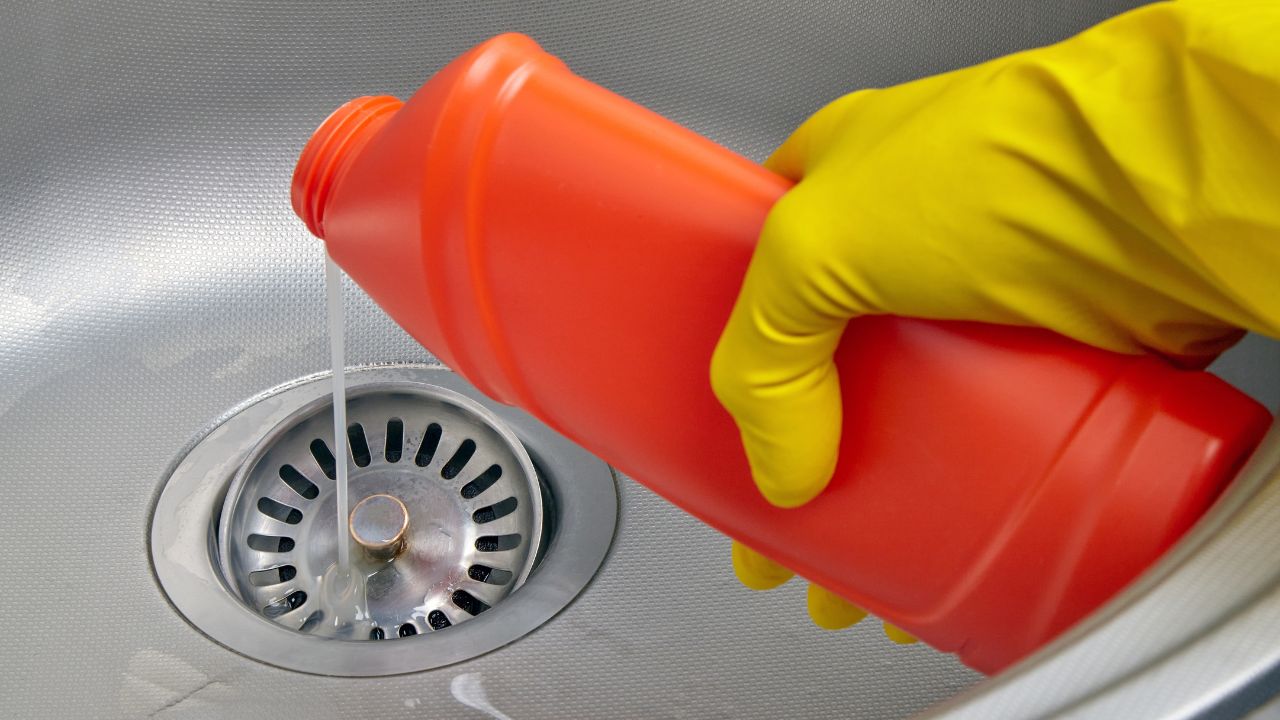
Dumping bleach or harsh chemicals down the drain might seem harmless, but it kills the bacteria your septic tank needs to do its job. Without that bacteria, nothing breaks down like it’s supposed to.
Stick with septic-safe cleaners and avoid anything labeled antibacterial, unless it’s made for septic use. Even some natural options like vinegar can throw things off if you use too much.
Parking or Building Over the Drain Field

That flat, sunny area in the yard might seem like the perfect spot for a shed, carport, or driveway—but if it’s over your drain field, you’re slowly destroying it.
Heavy weight compacts the soil and damages the pipes underneath. That stops the system from draining properly, and once a drain field fails, you’re looking at a huge, messy replacement.
Pouring Grease Down the Drain
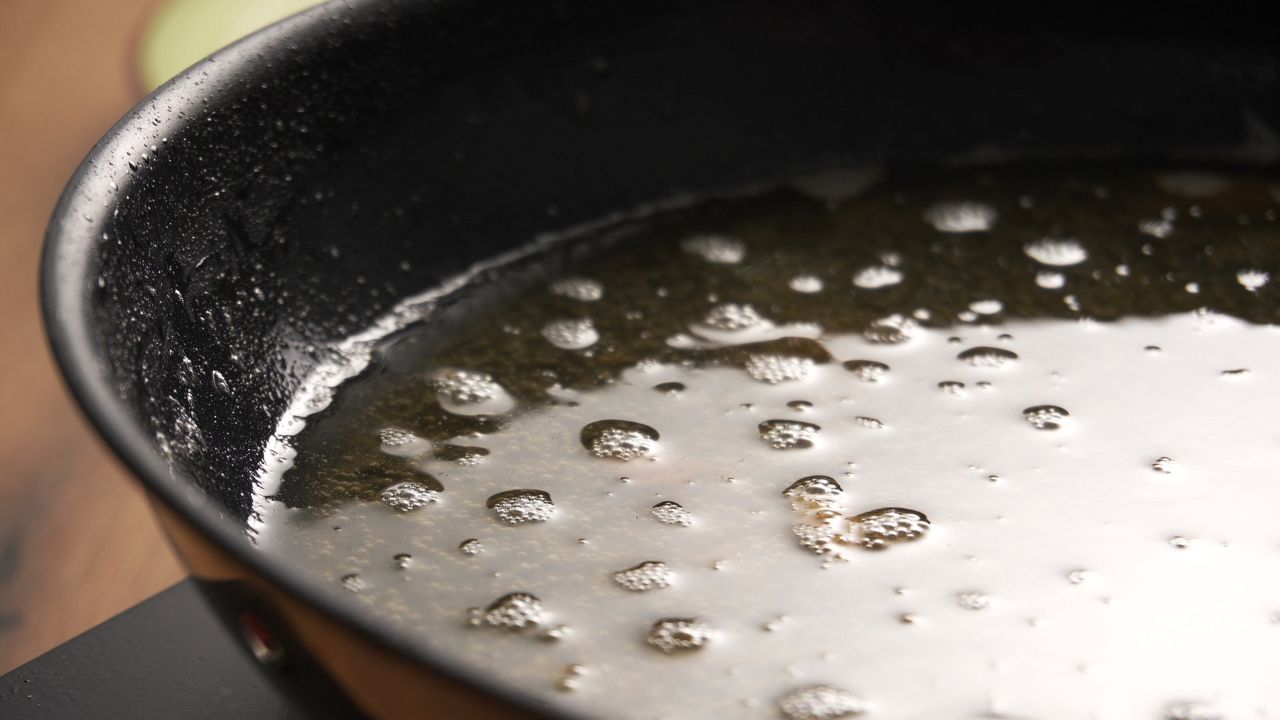
Even a little grease here and there builds up over time. It coats the inside of pipes and slows everything down, leading to blockages that aren’t easy to clear out.
In a septic tank, grease floats and hardens. It can clog the outlet or sneak into the drain field, both of which can cause serious damage. Scrape greasy pans into the trash instead of washing it all down.
Planting the Wrong Things Nearby
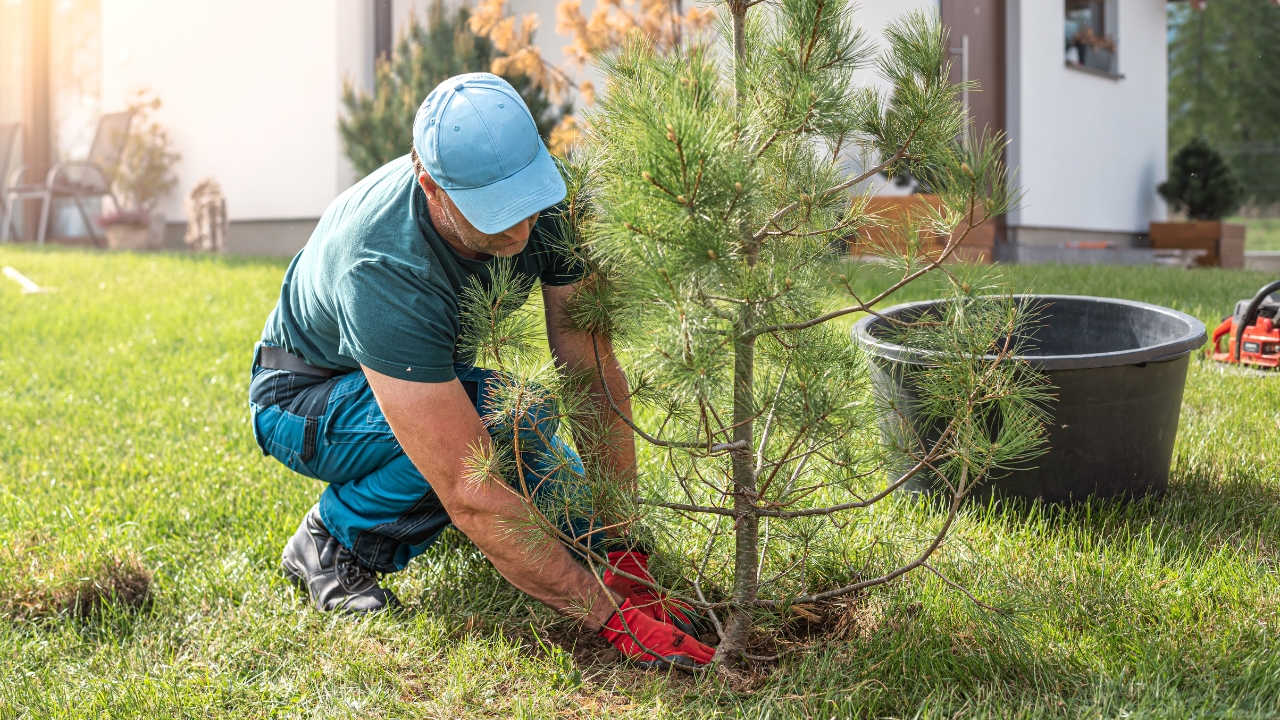
Tree roots will absolutely invade your septic system if they’re too close. They grow toward moisture, and once they hit a pipe or tank seam, they’ll force their way in.
Stick to grass and shallow-rooted plants around your system. Keep trees and shrubs far enough back that their roots won’t reach your tank or drain lines over time.
Skipping the Filter
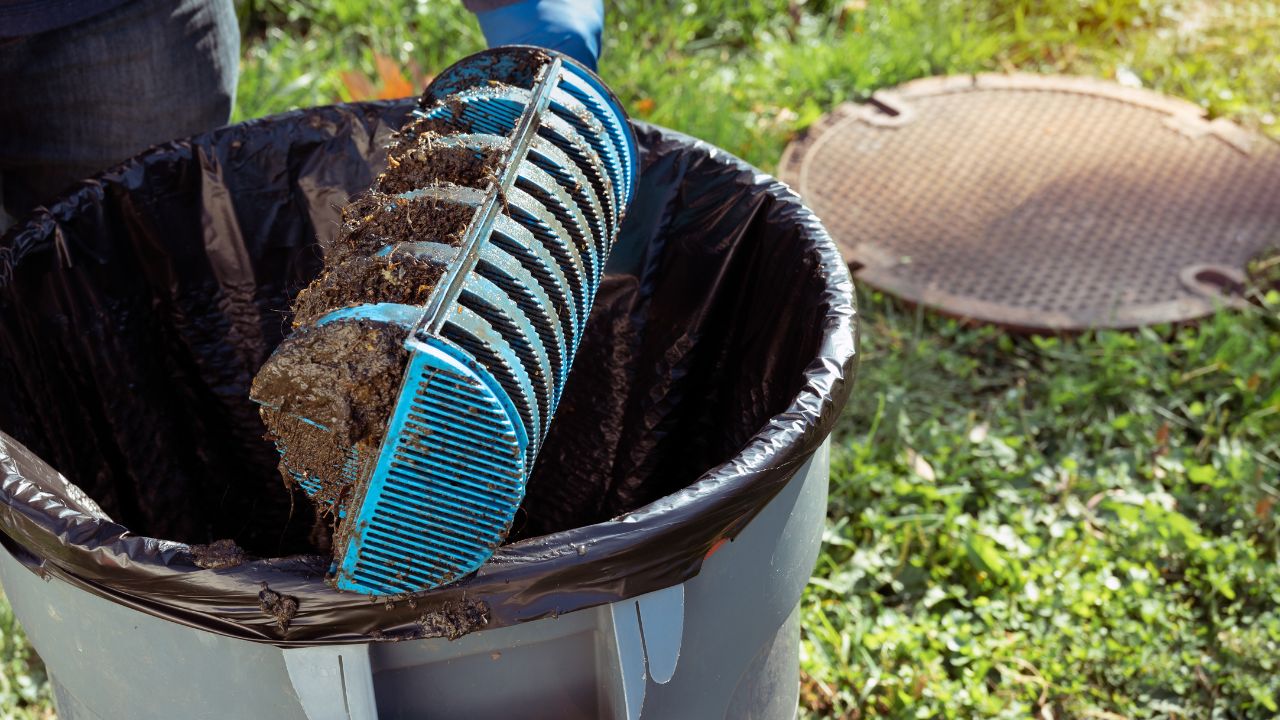
Some tanks have an effluent filter on the outlet that keeps solids from making it to the drain field. If yours has one and you never clean it, you could be causing slow drainage or worse without even realizing it.
It’s a quick maintenance job but an easy one to forget. Check it once a year—cleaning it out takes minutes and can prevent thousands in repairs down the line.
Like Fix It Homestead’s content? Be sure to follow us.