7 Signs Your Garden Is Starving for Nutrients—and What to Do About It
Photo credit: Paul Maguire/ Shutterstock.com
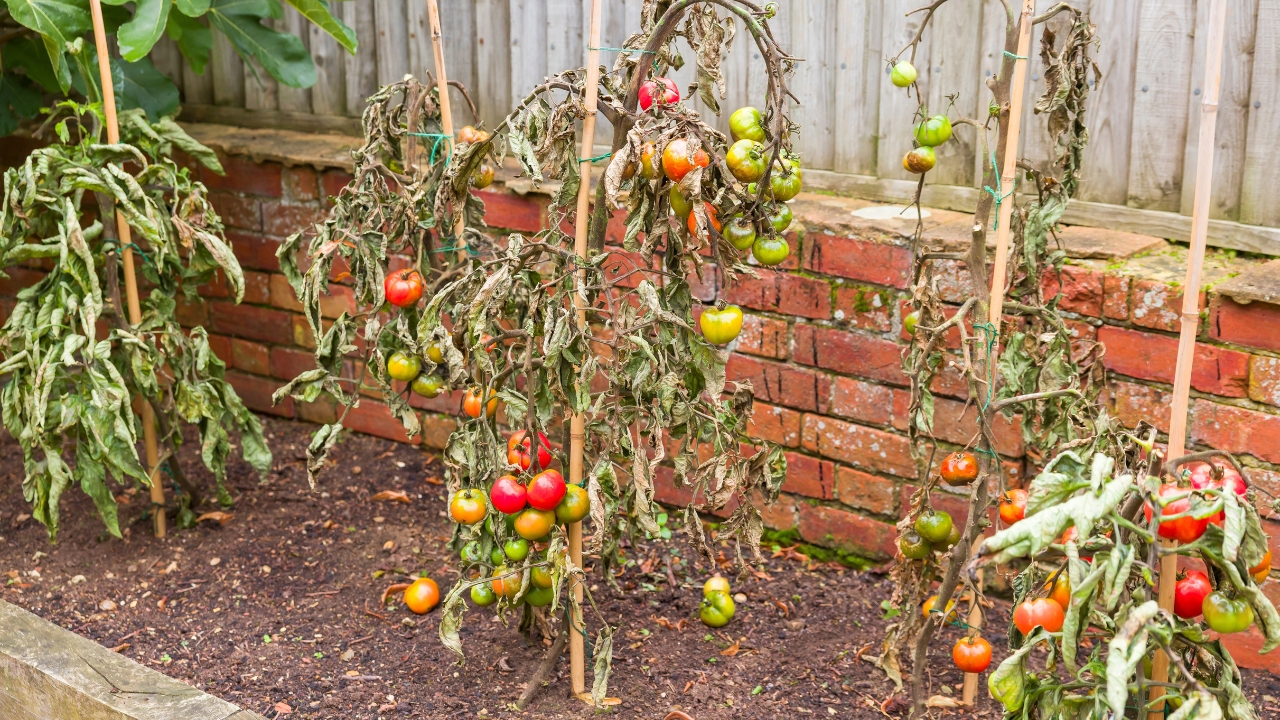
When your garden’s not growing the way it should, poor soil nutrition is often the culprit. Even if you’re watering right and getting plenty of sun, your plants can still struggle if the soil is running low on key nutrients.
The good news is your plants will usually tell you something’s off—you just have to know what to look for. These signs show up fast once things start slipping, but with the right fix, you can turn it around without losing the season.
Leaves Are Turning Yellow Too Soon
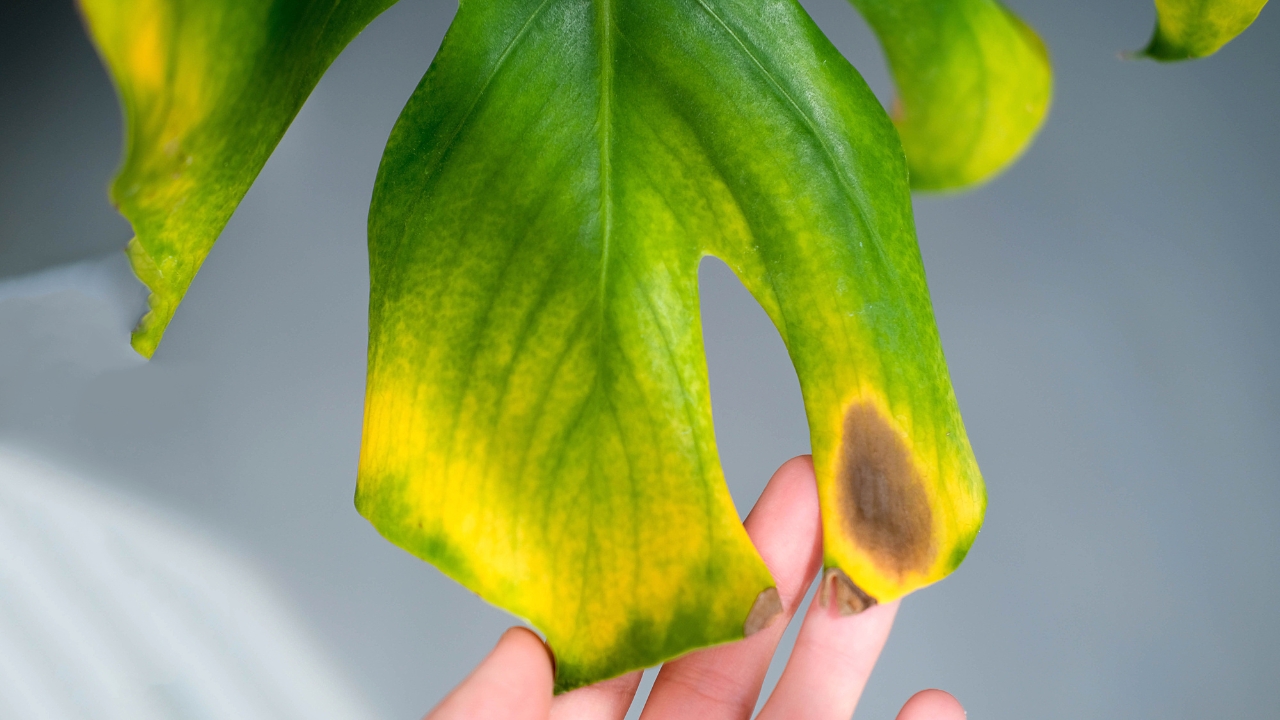
If the lower leaves are yellowing while the upper ones stay green, it’s usually a nitrogen issue. Nitrogen is essential for leafy growth, and when it’s missing, plants start pulling it from their older leaves to feed the new ones. A quick application of blood meal, fish emulsion, or composted manure can help balance things out.
New Growth Looks Pale or Washed Out
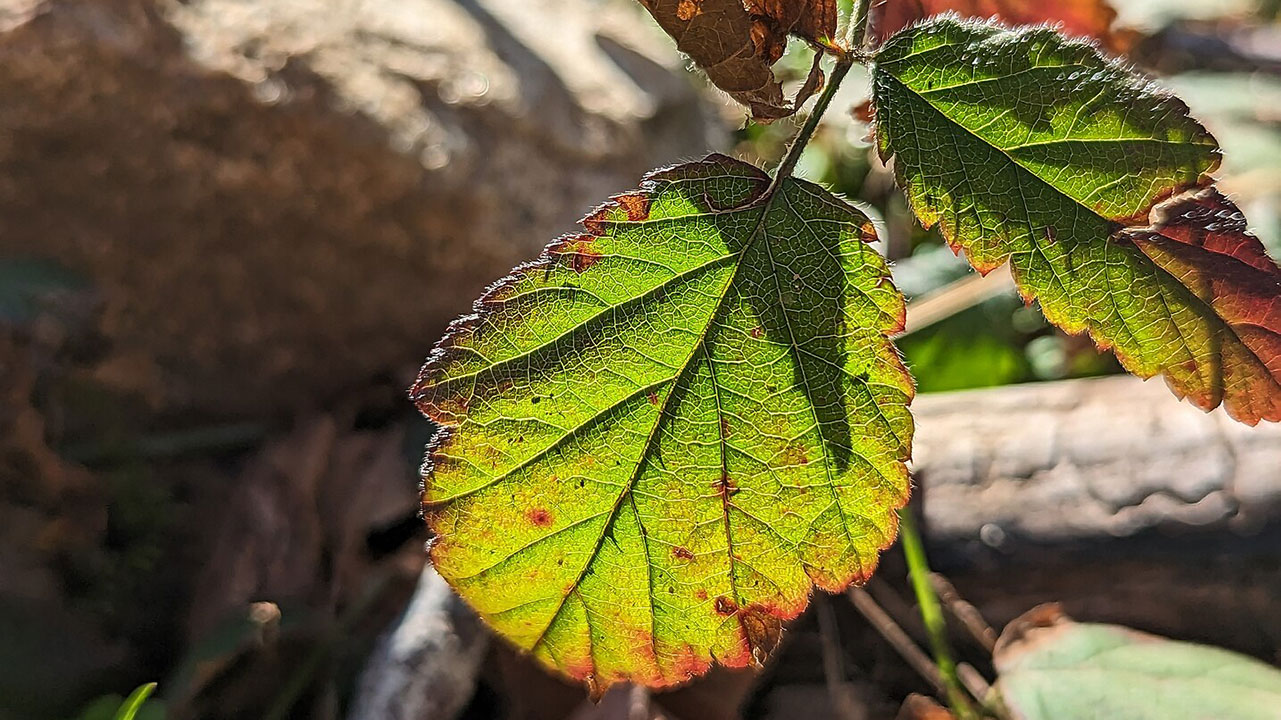
Healthy new leaves should look bright and strong. If they’re pale or almost translucent, your soil could be low in iron or magnesium. This is common in raised beds with exhausted soil or in areas with high pH. Adding Epsom salt (for magnesium) or using a chelated iron spray can give plants the boost they need.
Leaves Are Turning Purple or Reddish
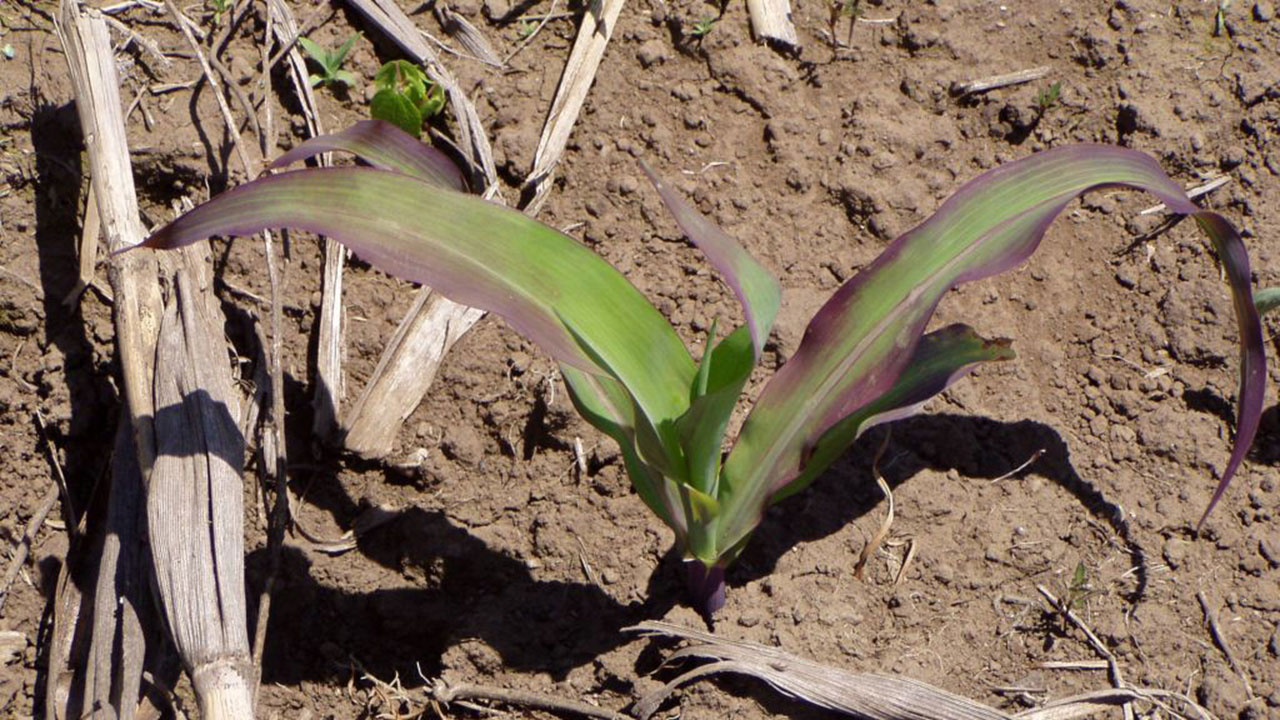
Phosphorus deficiency often shows up as purpling or reddish tones on the underside of leaves, especially in younger plants. It’s easy to miss if you’re not checking both sides. Cold weather can slow phosphorus uptake too, even if it’s in the soil. Bone meal, rock phosphate, or a balanced organic fertilizer can help fix it.
Growth Is Stunted or Slowed Down
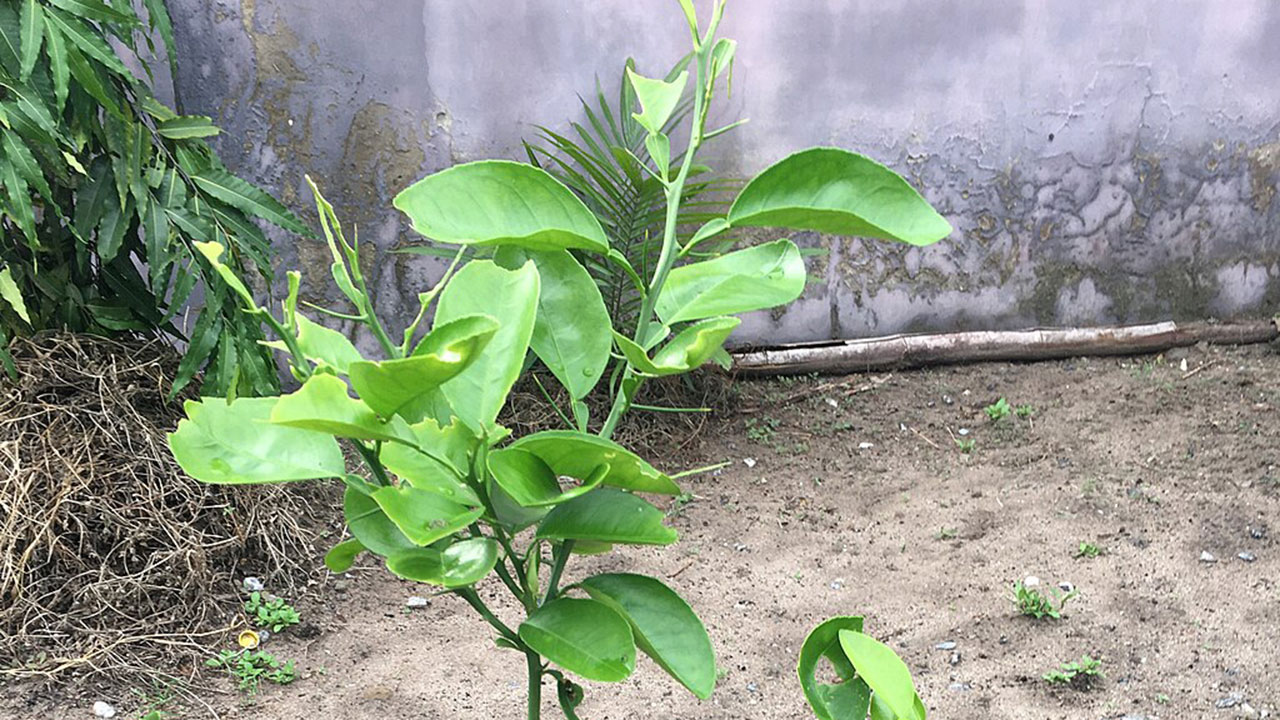
If your plants are barely growing and seem stuck in place, they could be missing a few key nutrients. Potassium, nitrogen, and phosphorus all play a role in plant development, and lacking any of them can bring things to a halt. A soil test can confirm what’s missing, but a balanced fertilizer is a good starting point.
Fruits and Veggies Are Small or Misshapen
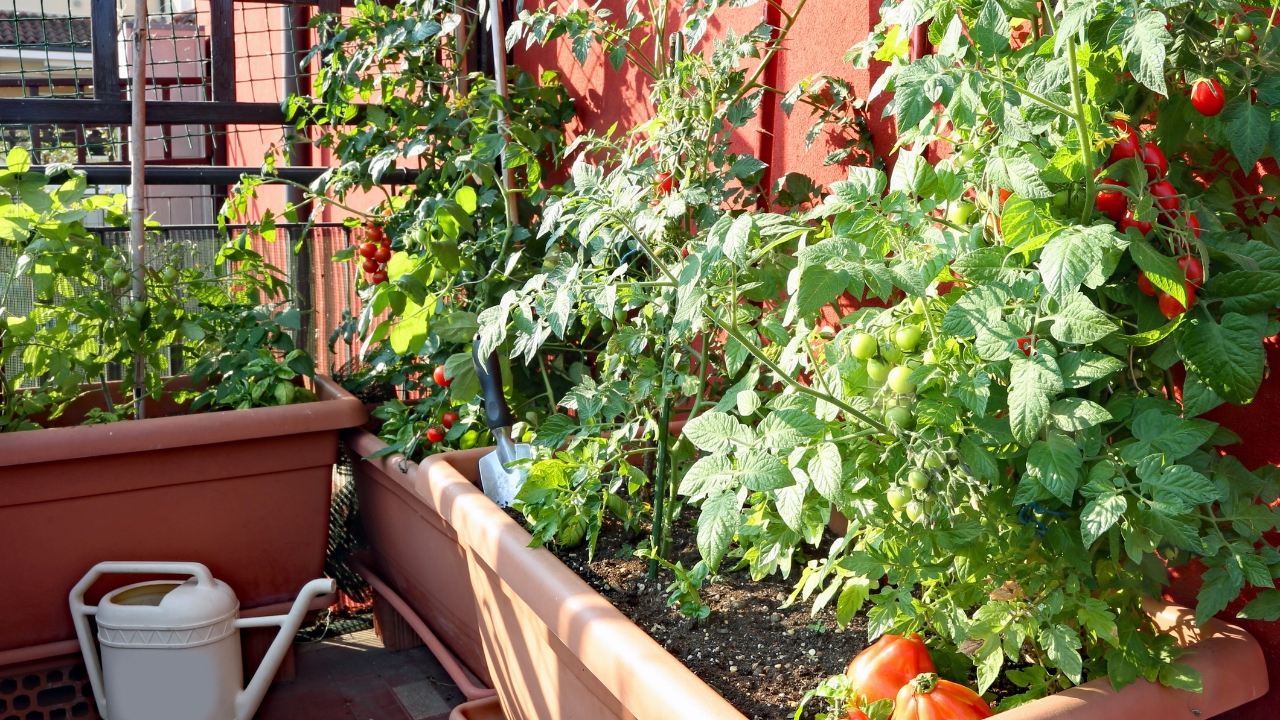
You might be getting a harvest, but if the fruits are tiny, deformed, or ripening unevenly, the plants probably aren’t getting enough potassium or calcium. Tomatoes, peppers, and squash are especially sensitive. Crushed eggshells, kelp meal, or liquid calcium can help improve yield quality if added early enough.
Leaves Have Brown or Crispy Edges
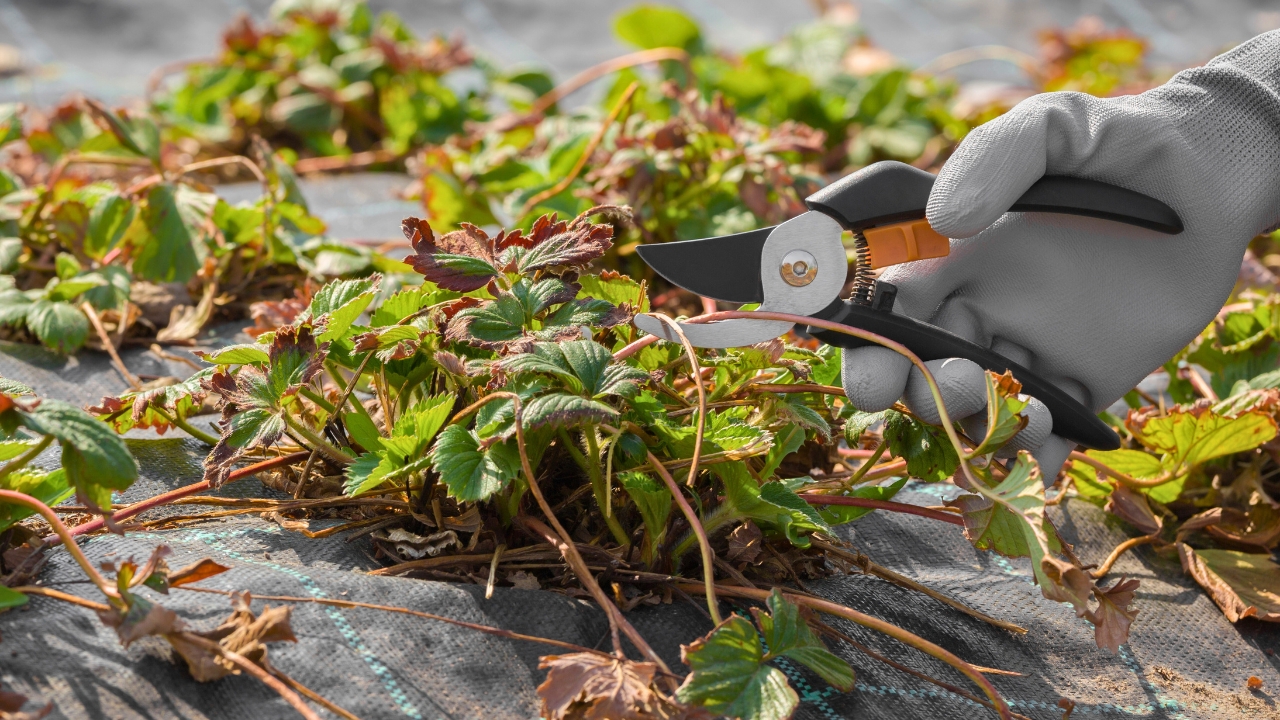
When leaf tips or edges start browning—even though watering is on point—it’s often a sign of potassium deficiency. Potassium helps with water regulation and cell strength. Without it, plants get stressed and dry out faster. A potassium-rich fertilizer like greensand or wood ash (in moderation) can help restore balance.
Plants Look Weak Even After Watering
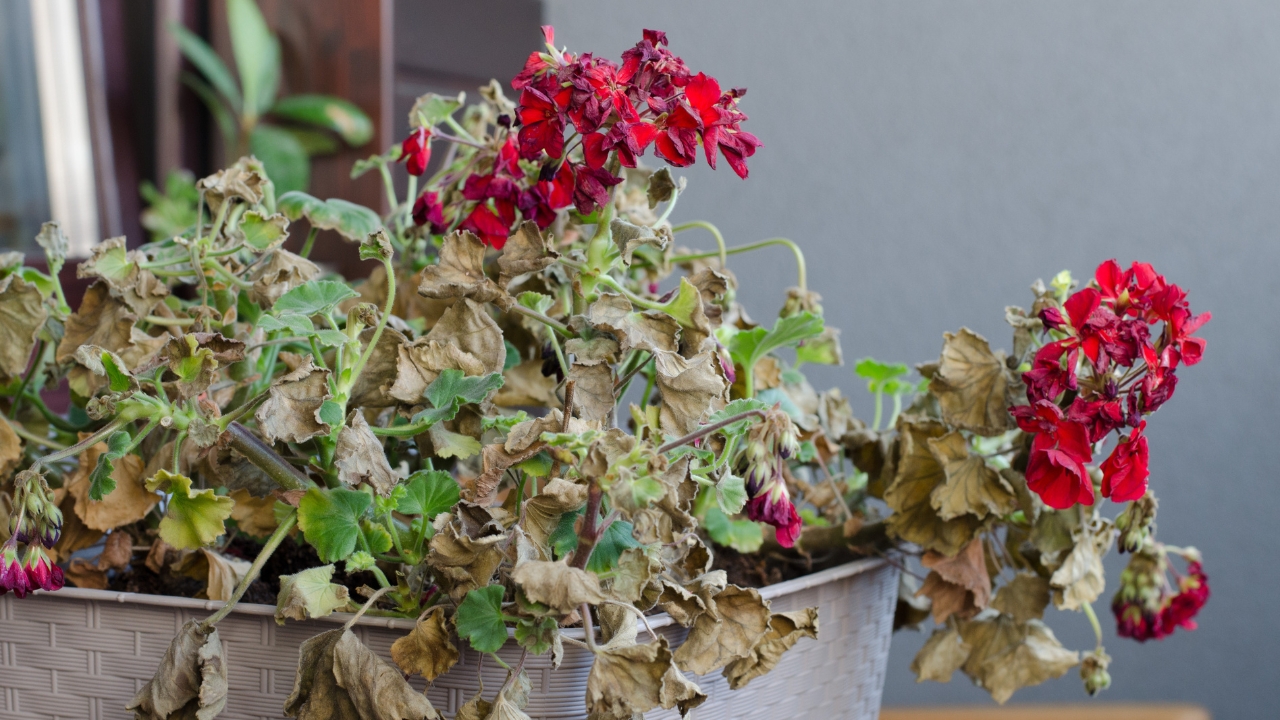
If your garden perks up after watering but then quickly wilts again, that’s not normal. Poor nutrient uptake, especially a lack of calcium or magnesium, can make it hard for plants to stay hydrated, even when the soil is moist. A dose of liquid seaweed or a calcium-magnesium supplement can help them hold on to water better.
You Haven’t Replenished the Soil in a While
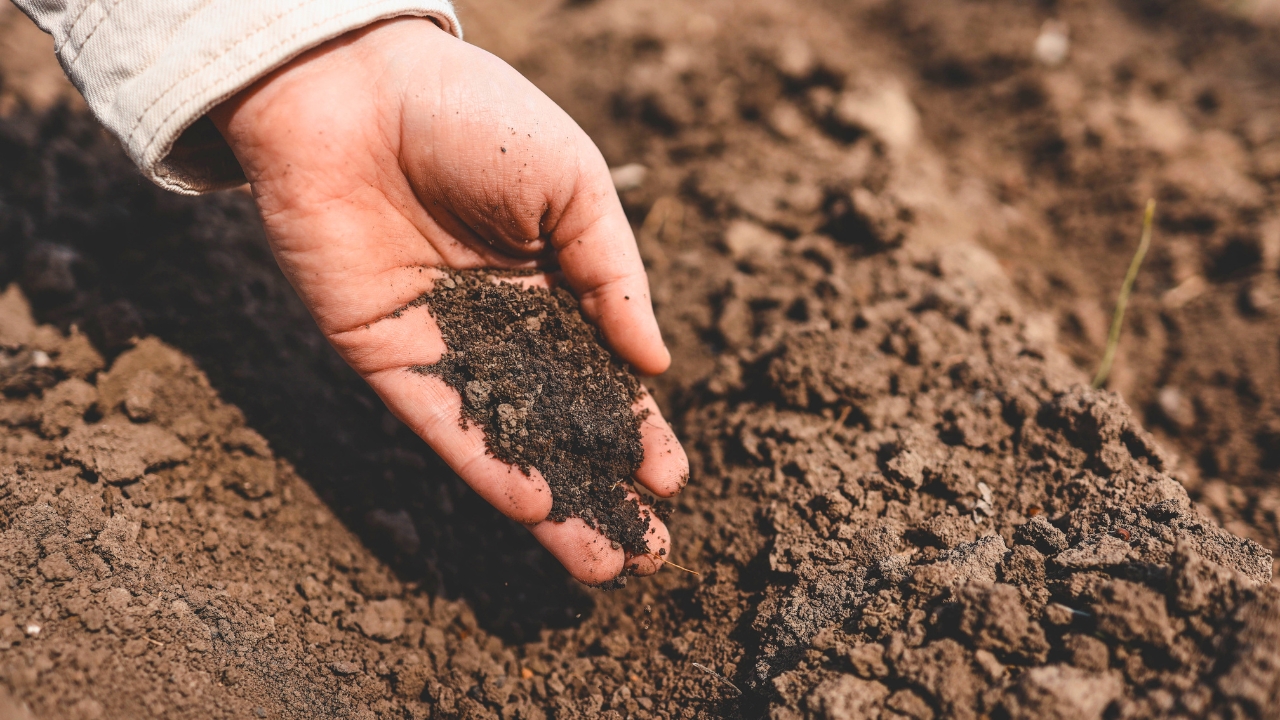
Even if you don’t see obvious symptoms yet, old garden soil can quietly run out of nutrients. If you’ve been planting the same spot year after year without adding compost, manure, or slow-release fertilizers, your plants are probably struggling more than they should. Regular soil amendments help keep things productive.
You’re Using Plain Topsoil or Bagged Fill

Topsoil isn’t made for growing—especially the cheap stuff in bulk bags. It lacks organic matter and drains poorly, so nutrients either stay locked up or wash out fast. If you’re building a new bed or trying to grow in plain fill dirt, mix in plenty of compost or quality garden soil to give your plants a fair shot.
You’ve Been Using Too Much Mulch

While mulch is great for moisture retention and weed control, piling it on too thick or using raw wood chips can tie up nitrogen in the soil. As the mulch breaks down, it pulls nitrogen away from your plants. If you’re seeing yellowing or stalled growth near heavy mulch, that could be why. Rake it back and give the area a nitrogen boost.
*This article was developed with AI-powered tools and has been carefully reviewed by our editors.
Like Fix It Homestead’s content? Be sure to follow us.