How to Keep Your Food Cold Without Electricity (It’s Easier Than You Think)
Photo credit: New Africa/Shutterstock.com
Keeping food cold without electricity might sound impossible, but people have been doing it for centuries—and still do. Whether your power’s out, you’re living off-grid, or you’re in a setup stage on raw land, there are reliable ways to keep food safe. The trick is combining a few old-school methods with modern workarounds that don’t require a full solar setup.
Here’s what actually works when the fridge isn’t an option.
Use a Cooler with Ice or Ice Packs
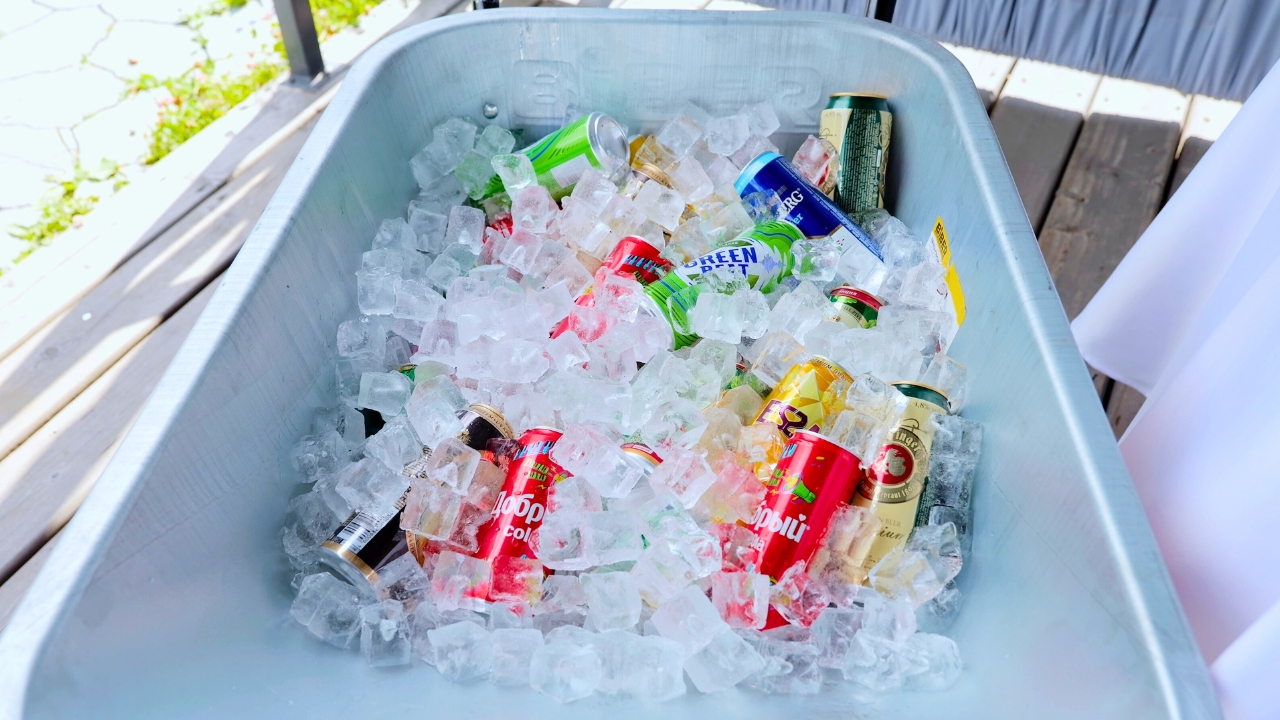
A high-quality cooler can keep food cold for days if you manage it right. Pack it full, limit how often you open it, and keep it out of direct sunlight. Ice blocks last longer than cubes, and frozen water bottles work well in a pinch.
If you have access to ice (like from a gas station or bulk delivery), keep it in rotation. Store meats at the bottom and perishables on top. Replace the ice every couple of days and keep the drain plug closed to hold in cold water.
Bury a Chest Freezer Like a Root Cellar

If you don’t have the means to dig a full root cellar, burying a non-powered chest freezer can work surprisingly well. The insulation holds cool temps, and the earth keeps it steady.
Dig a hole, drop in an old chest freezer (lid above ground), and fill the space around it with dirt. You can store food inside with ice or even without it, depending on your climate. It’s especially useful for canned goods, vegetables, and items that don’t need deep freezing.
Rotate Frozen Water Bottles or Jugs
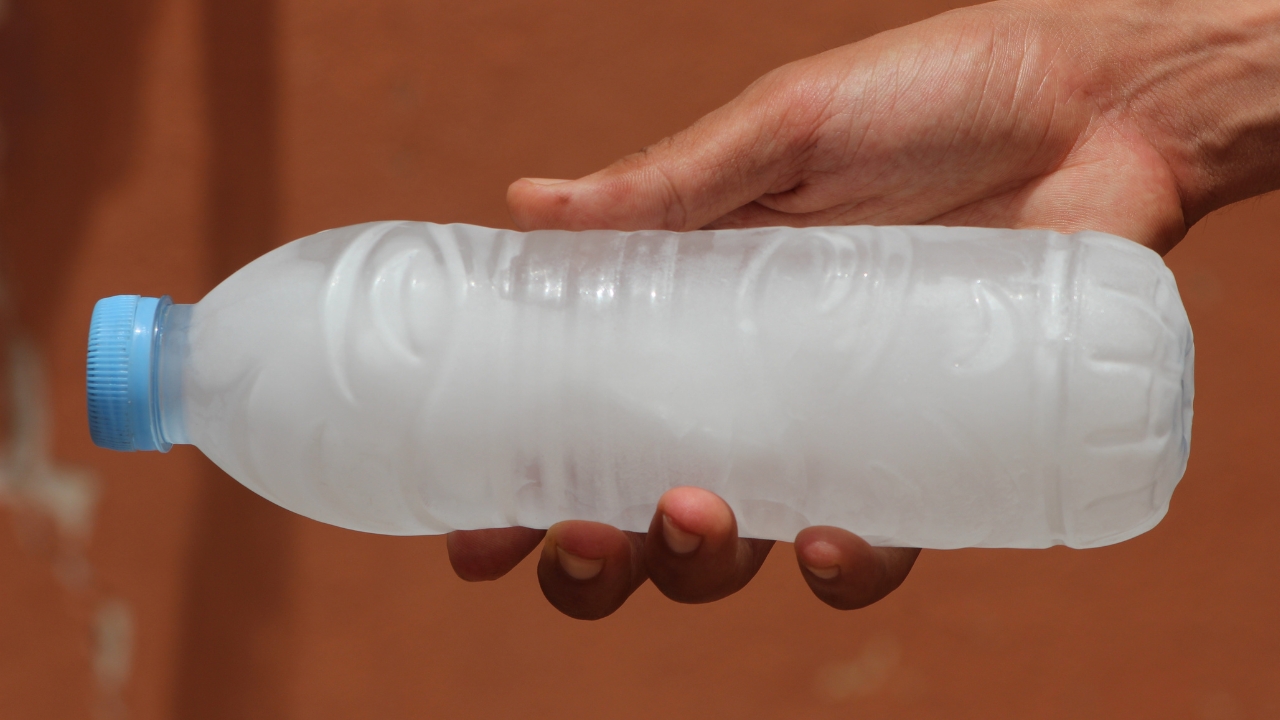
If you have limited access to a freezer—like at a friend’s house or town store—you can keep food cold by rotating frozen water bottles. They act like reusable ice blocks and don’t leave a mess when they thaw.
Swap them out every day or two and use them in coolers or insulated bins. It’s an easy way to stretch the cold window without relying on disposable ice bags.
Use an Evaporative Cooling Pot

An old clay pot fridge—also called a Zeer pot—uses water evaporation to keep food cool. It works best in dry climates. You’ll need two unglazed clay pots, one smaller than the other, with wet sand in between.
Cover the top with a damp towel and place it in the shade. As the water evaporates, it pulls heat away from the inner pot. It won’t keep meat safe, but it can extend the life of dairy, fruits, and vegetables.
Set Up a Shaded Food Storage Pit
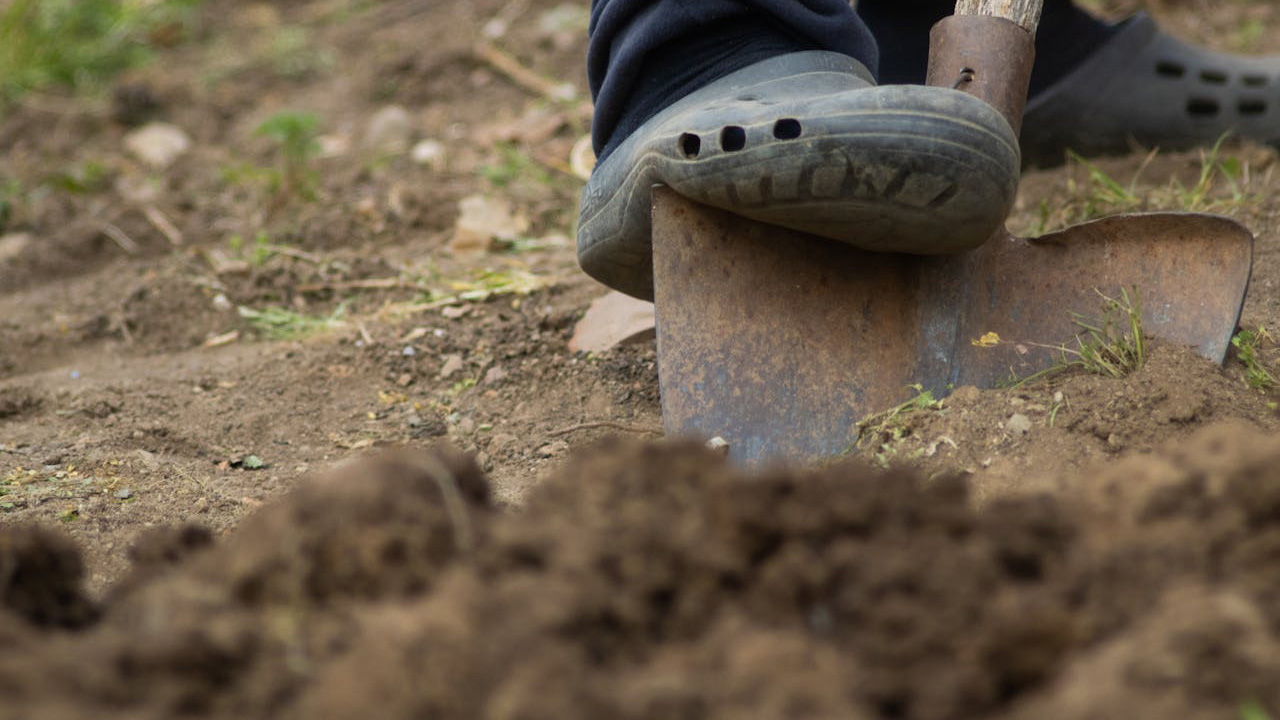
Digging a shallow pit and lining it with bricks or stone can give you a cool, shaded area to store food in sealed containers. Add a tight-fitting lid or a wooden cover to keep pests out.
It’s not refrigerated cold, but it’s cooler than sitting food in the sun. Pair it with coolers or frozen jugs to improve results. It’s a decent backup when other options run out.
Keep Food in a Spring or Creek

If you’ve got clean, flowing water nearby, you can use it to keep food cold. Submerge sealed containers in a shady part of the stream and weigh them down with rocks or tie them off so they don’t float away.
Stick to tightly sealed containers to avoid contamination. Water stays cooler than air, especially in shaded or fast-moving spots. This method can buy you time in the heat when your other cold storage is maxed out.
Wrap Food in Wet Cloth and Hang It

For short-term cooling, wrap food in a damp towel or cloth and hang it in a breezy, shaded area. The airflow and evaporation cool it down a few degrees, enough to keep certain foods from spoiling too fast.
This method is best for items like bread, butter, and vegetables. It won’t keep meat or dairy safe long-term, but it’s a useful stopgap on hot days when you’re juggling other storage setups.
Use a Solar-Powered Cooler or Mini Fridge

If you’re investing in off-grid storage, a solar-powered cooler or 12V fridge is worth considering. They’re efficient, don’t pull a ton of power, and can run off a small panel setup with a battery bank.
These aren’t cheap upfront, but they’re cheaper than installing full off-grid solar. They’re reliable, portable, and keep food cold without the stress of constant ice rotation.
Store Food in the Coldest Part of Your House

When power’s out and options are limited, use your home’s natural insulation to your advantage. Basements, crawlspaces, and shaded corners of the house can stay cooler than the rest.
Stack sealed containers together, cover with blankets or reflectix, and limit airflow. It won’t replace refrigeration, but it can help certain foods last longer until you get ice or power again.
Dehydrate or Can What You Don’t Need Cold

One of the best long-term strategies is reducing your reliance on cold storage altogether. Dehydrate fruits, vegetables, and even meats. Can soups, sauces, and cooked meals. Store shelf-stable food whenever possible.
The less food you have to keep cold, the easier it is to manage outages or live off-grid. It’s a mindset shift that pays off in emergencies and saves you stress when modern conveniences aren’t available.
*This article was developed with AI-powered tools and has been carefully reviewed by our editors.
Like Fix It Homestead’s content? Be sure to follow us.