10 Backup Power Options That Actually Work When the Grid Fails
Photo credit: MDV Edwards/Shutterstock.com
When the grid goes down, your options get real narrow, real fast. A flashlight or candle will only get you so far. If you want to keep the fridge running, charge your phone, or power a medical device, you need a backup plan that actually works. Not everything sold as “emergency power” is reliable.
Some setups cost a fortune but fall short when it counts. These options are worth considering because they work—and they keep working when the weather turns rough or the lights stay off for days.
Gas-Powered Generators
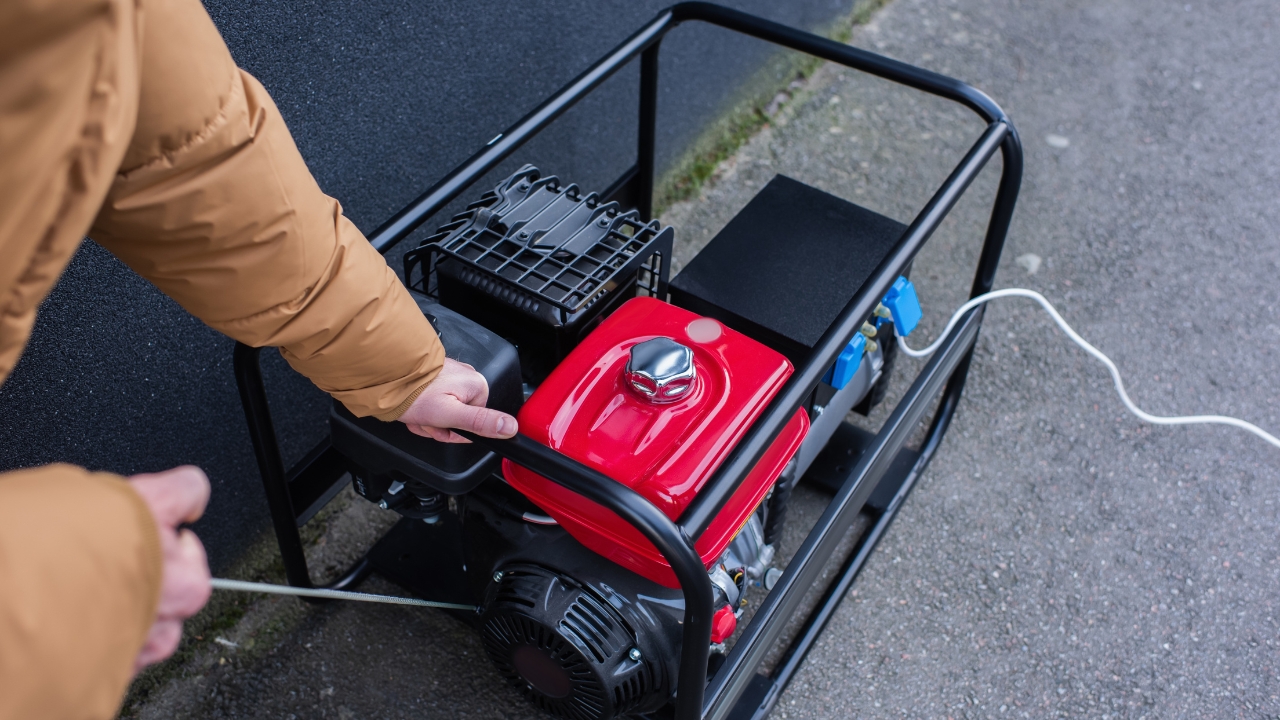
Gas generators are one of the most common backup power options for a reason. They’re reliable, relatively affordable, and strong enough to run large appliances like fridges or freezers. As long as you’ve got fuel, you’ve got power.
The downside is you need to store gasoline safely, and they’re noisy. You’ll also need to run them outdoors away from windows to avoid carbon monoxide. If you live in a rural area or don’t mind a little noise, they’re hard to beat for short-term outages.
Propane Generators
If you want cleaner fuel storage and a bit more flexibility, propane generators are a solid option. They run quieter than gas models and store better long-term, which is helpful when you’re planning ahead.
You can hook them up to large propane tanks or keep smaller canisters around for emergencies. They tend to be a little pricier upfront, but they’re safer to store indoors and don’t degrade like gasoline. You’ll still need ventilation, but they’re more manageable for off-grid setups.
Solar Generator Kits
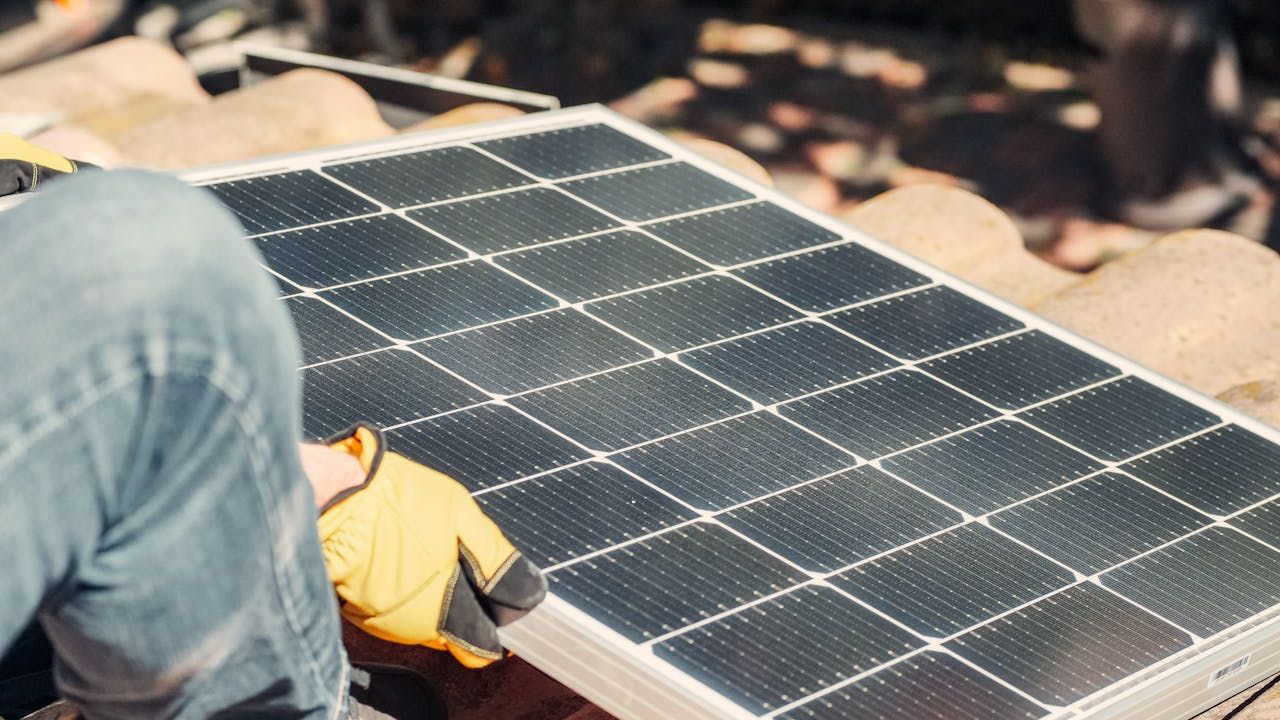
Solar generator kits are popular for a reason—they’re quiet, safe, and don’t rely on fuel. You can set them up to charge during the day and use that energy overnight. Great for phones, fans, lights, and even smaller appliances.
The tradeoff is power capacity. Unless you’ve invested in a big system, they won’t run your fridge long-term or power heavy equipment. Still, they’re a great low-maintenance backup for short outages or camping setups that don’t need heavy loads.
Portable Power Stations

Think of these like a big battery pack with outlets. You charge them up ahead of time, and they’re ready to go when the lights go out. No fumes, no noise, and no fuel needed.
They’re limited by how much charge they can hold, but they’re great for keeping phones, laptops, lights, and CPAP machines running. Some models recharge via solar panels, too. Not ideal for long-term blackouts, but very handy for the short-term chaos.
Inverter Generators
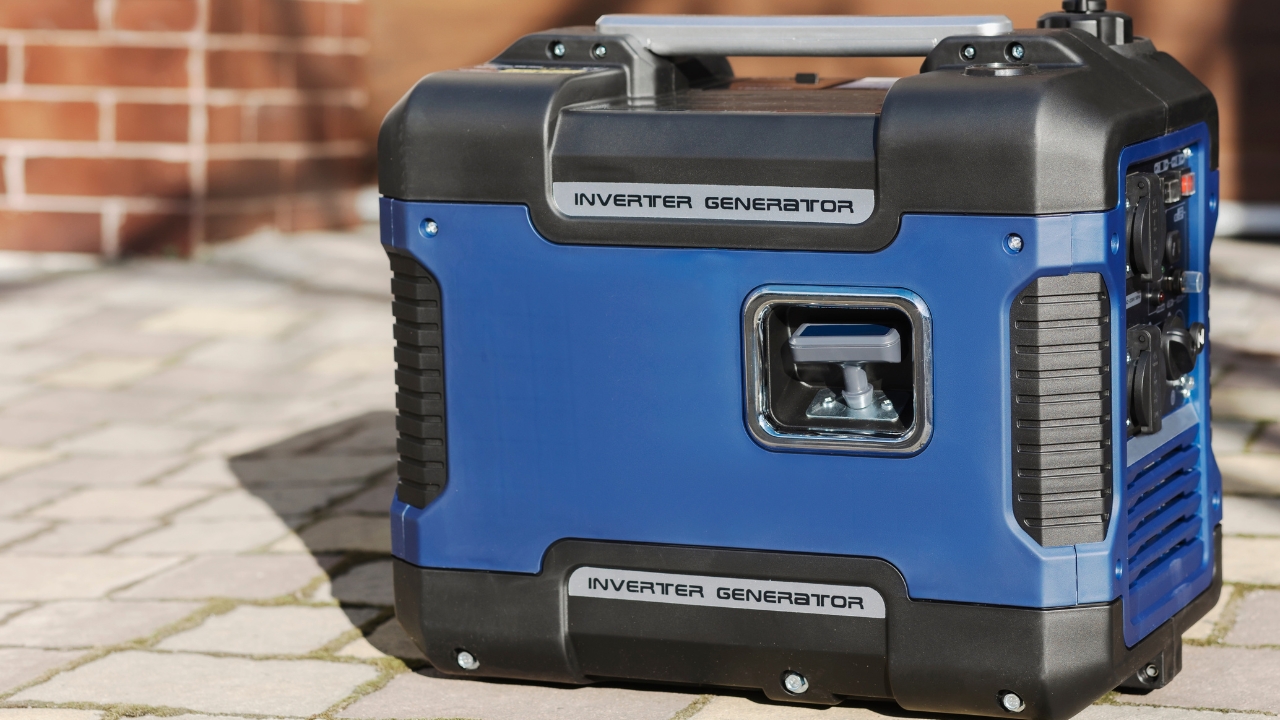
Inverter generators are a cleaner, more efficient version of standard gas generators. They’re quieter, more fuel-efficient, and produce safer power for electronics. That matters when you’re trying to keep a modem, phone, or laptop running safely.
They tend to cost more than standard models but are worth the upgrade if you want something quieter or more stable. These are a good middle ground for suburban homes that can’t tolerate loud engines all day.
Car Battery Inverters
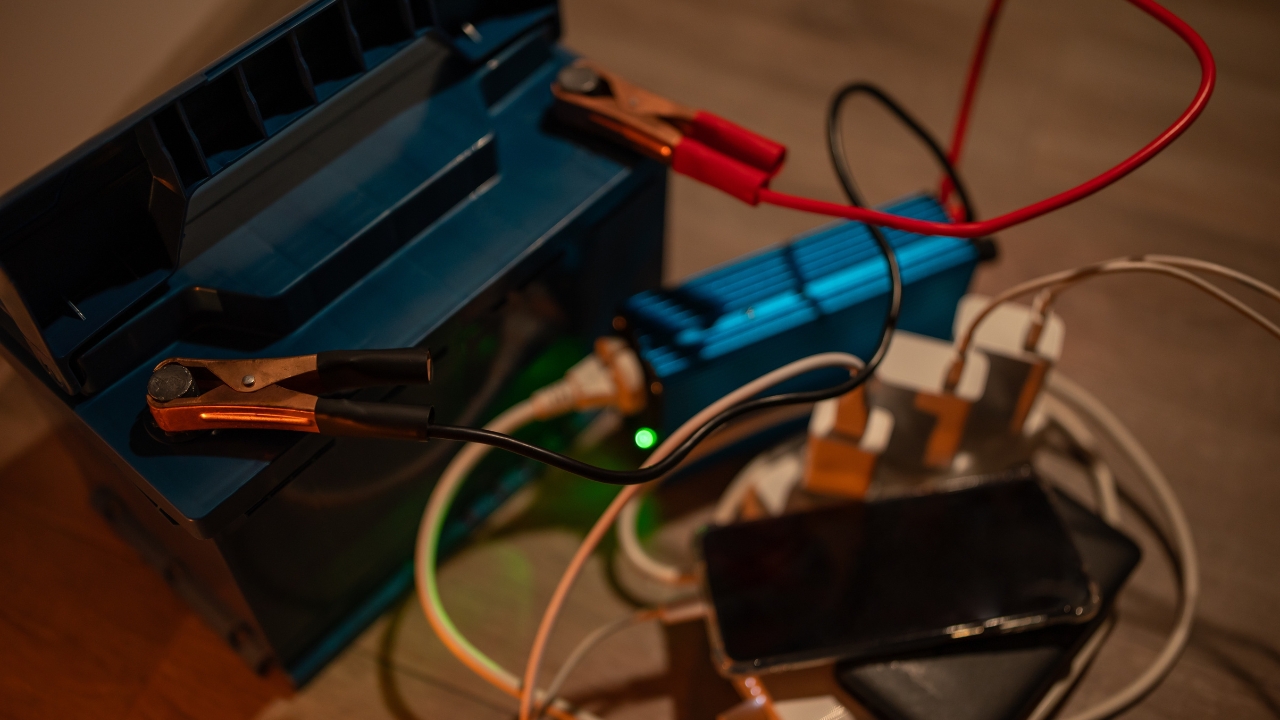
This is a quick fix, not a full solution. You can use a car battery and an inverter to power small items in a pinch. It’s enough to charge a phone, power a light, or maybe run a small fan for a bit.
It’s not a long-term option, and it’ll drain your car battery fast if you’re not careful. But if you’ve got no other option, it’s better than nothing—and easy to set up on the fly.
Deep-Cycle Battery Bank
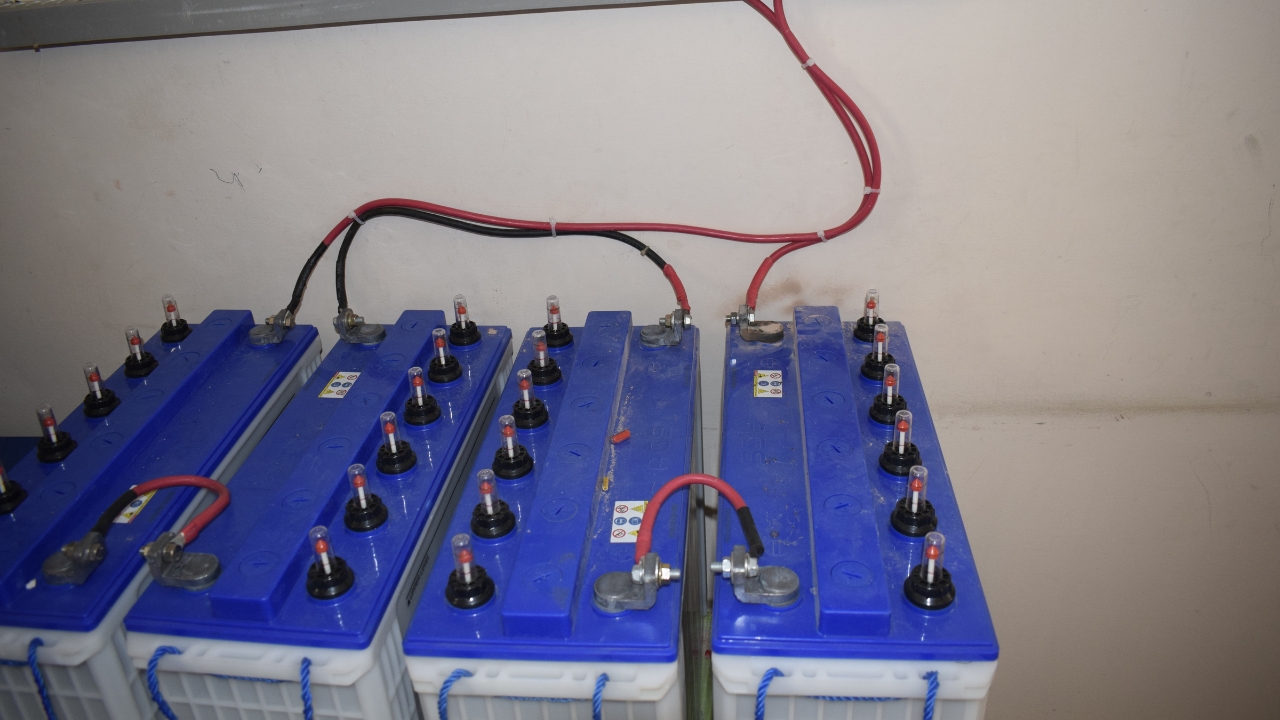
If you want to get serious about off-grid power, a deep-cycle battery bank gives you more storage and reliability than a portable station. These are the kind of setups people use with solar panels or wind power.
It takes more effort to build and maintain, but it gives you consistent backup without relying on gas or propane. If you’re on land and want a sustainable power plan, this setup deserves a closer look.
Whole-House Backup Systems
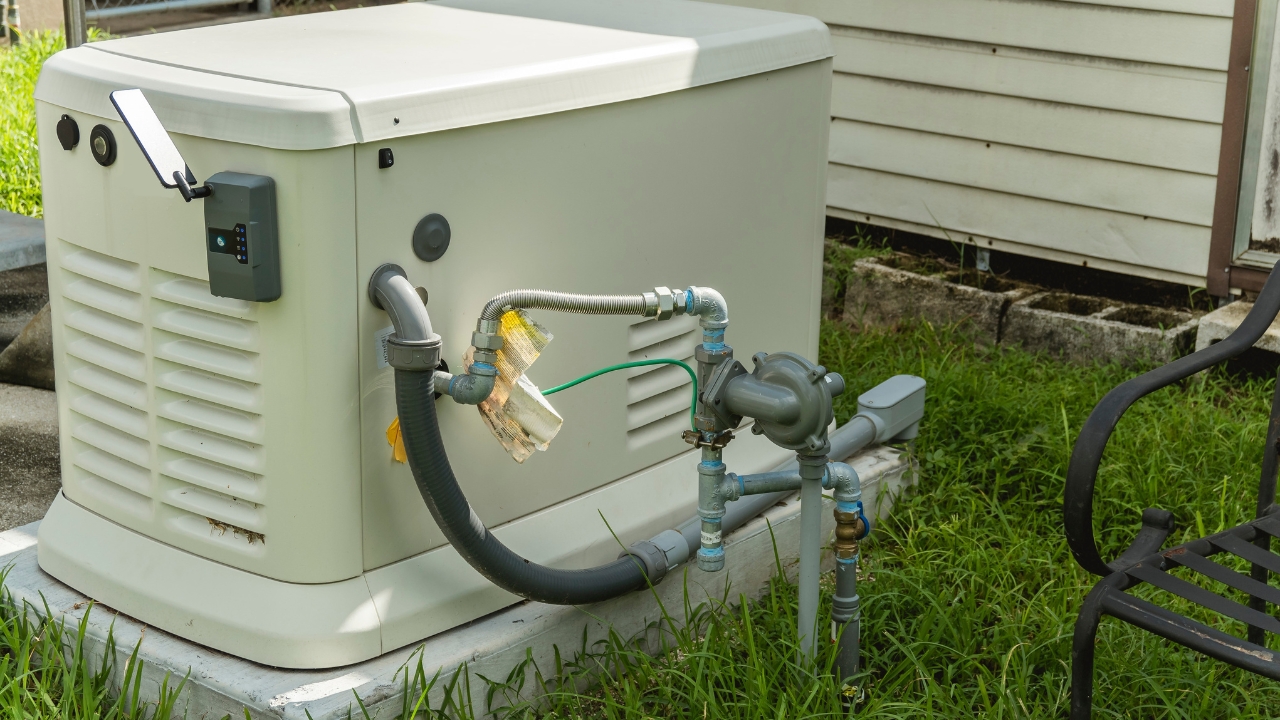
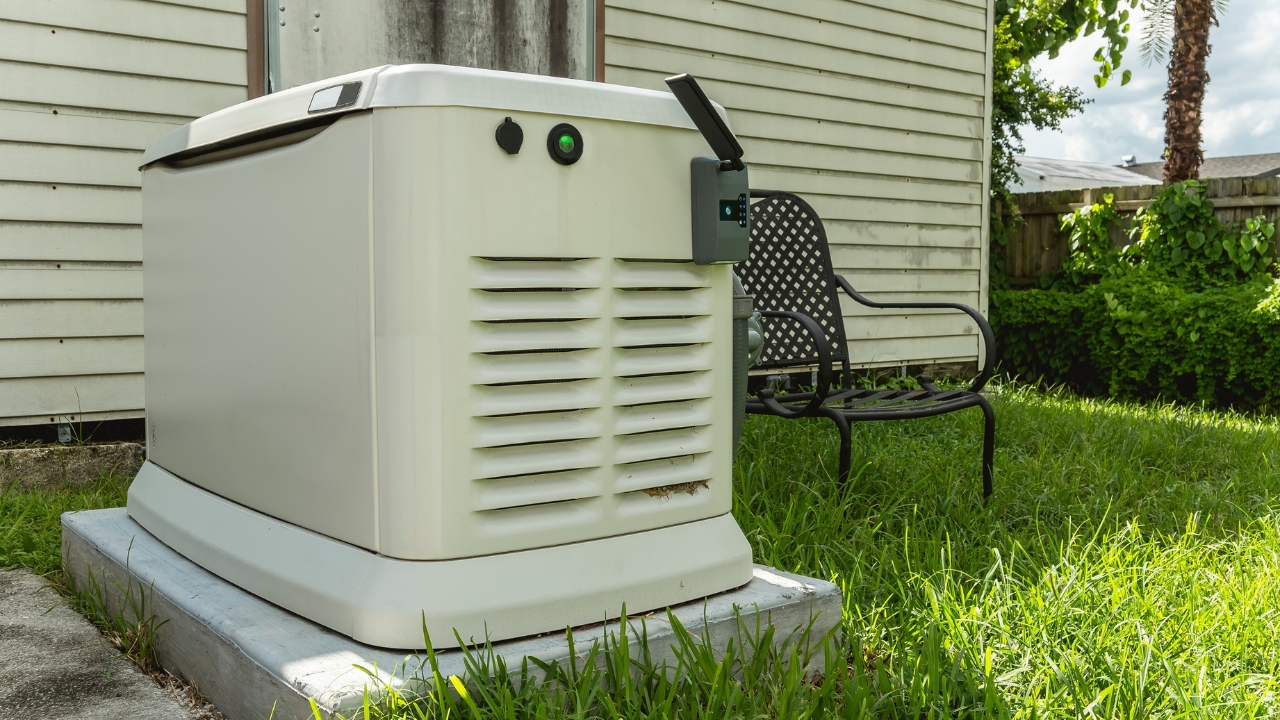
These systems are professionally installed and kick on automatically when the grid fails. They’re usually powered by natural gas or propane and sized to run your entire home—or at least the essentials.
They’re expensive, but they take the stress out of outages. If you live somewhere with frequent storms or unreliable grid service, it’s worth pricing one out. It’s set-and-forget backup power that handles itself.
Wind Turbines
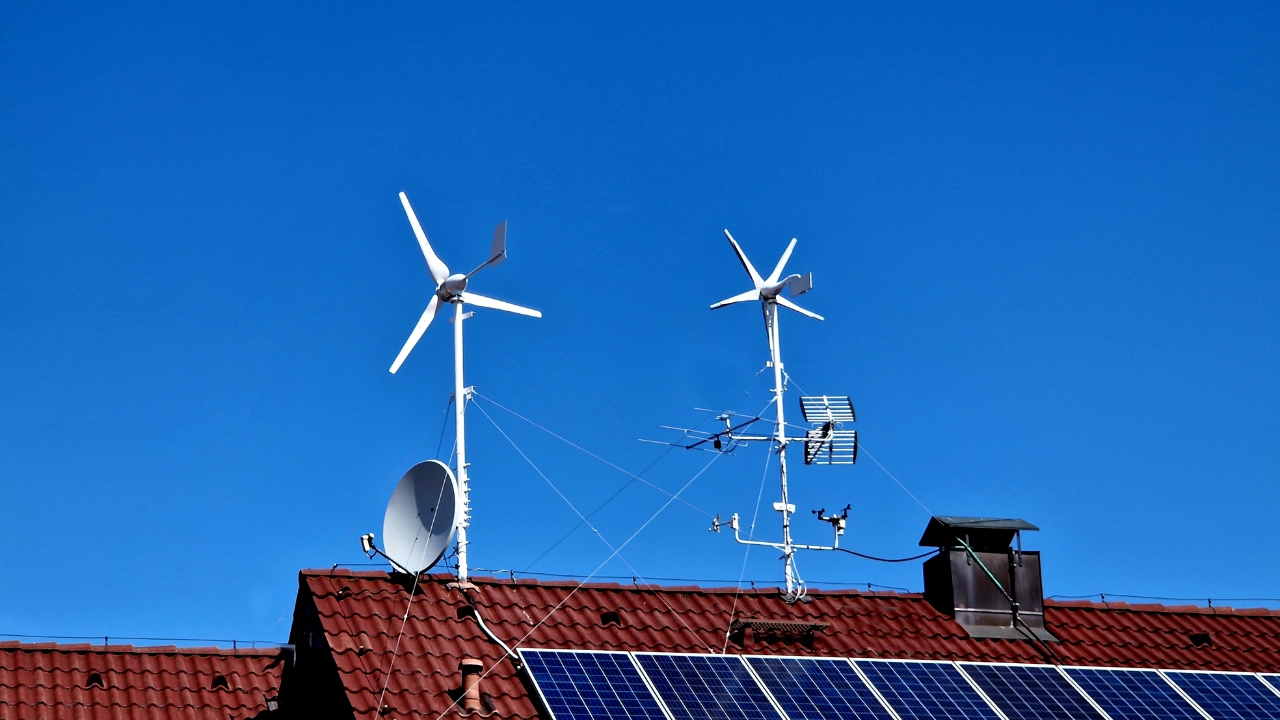
For folks living out in open rural areas, wind power can be a great supplement to solar. It’s not always consistent, but when paired with a battery bank, it can keep things running when the sun isn’t shining.
The setup is more involved, and zoning or permitting can be a factor. But if your area sees regular wind and you’re already building an off-grid system, it’s worth considering as part of your long-term plan.
Manual Options for the Basics

Don’t underestimate the value of non-electric backups. Oil lamps, hand-crank radios, and solar-powered lanterns don’t power your fridge—but they give you light, communication, and peace of mind.
Keeping these tools around means you’re not fully reliant on one system. In a long-term outage or grid failure, having layers of backup—both powered and manual—can make a big difference.
*This article was developed with AI-powered tools and has been carefully reviewed by our editors.