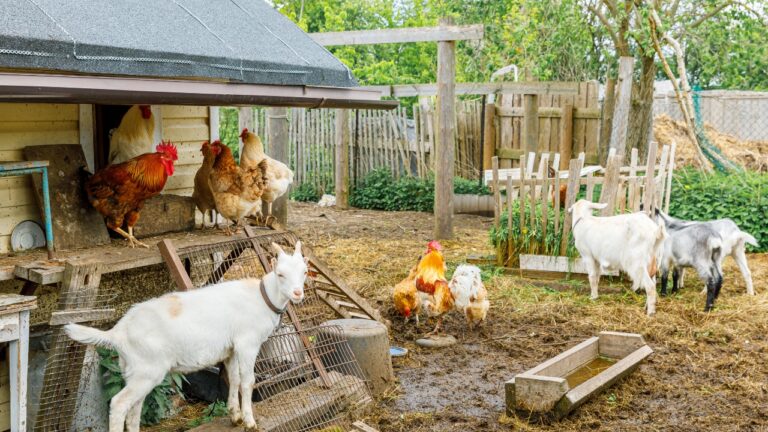
10 Things You Stop Buying Once You Start Raising Animals
Photo credit: PeopleImages.com – Yuri A/Shutterstock.com
Once you start keeping livestock, your habits change fast. It’s not about being frugal—it’s that you realize how many things you don’t actually need anymore. Here’s what typically goes first.
Store-Bought Eggs
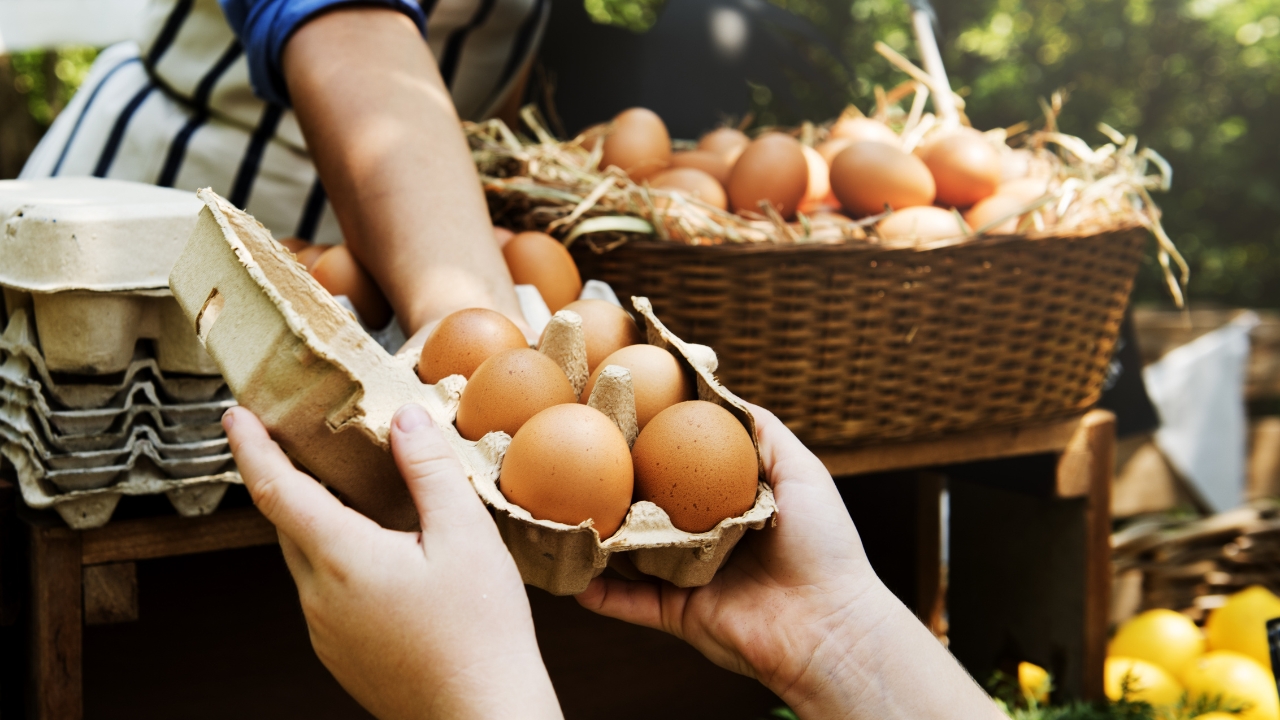
Those pale, watery eggs at the store don’t compare. Once your hens start laying, you’ll never want to go back. Bonus: You know what went into them.
Fertilizer

Chicken, rabbit, or goat manure works wonders in the garden. You’ll stop buying bags of chemical stuff once you’ve got your own organic supply.
Fancy Compost Bins

You start realizing food scraps + animal bedding = great compost. No fancy setup needed. A pile, a pitchfork, and time are all it takes.
Chemical Weed Killers

Goats and chickens are better than any spray bottle. They’ll eat your weeds, mow your grass, and fertilize the ground while they’re at it.
Specialty Pet Treats
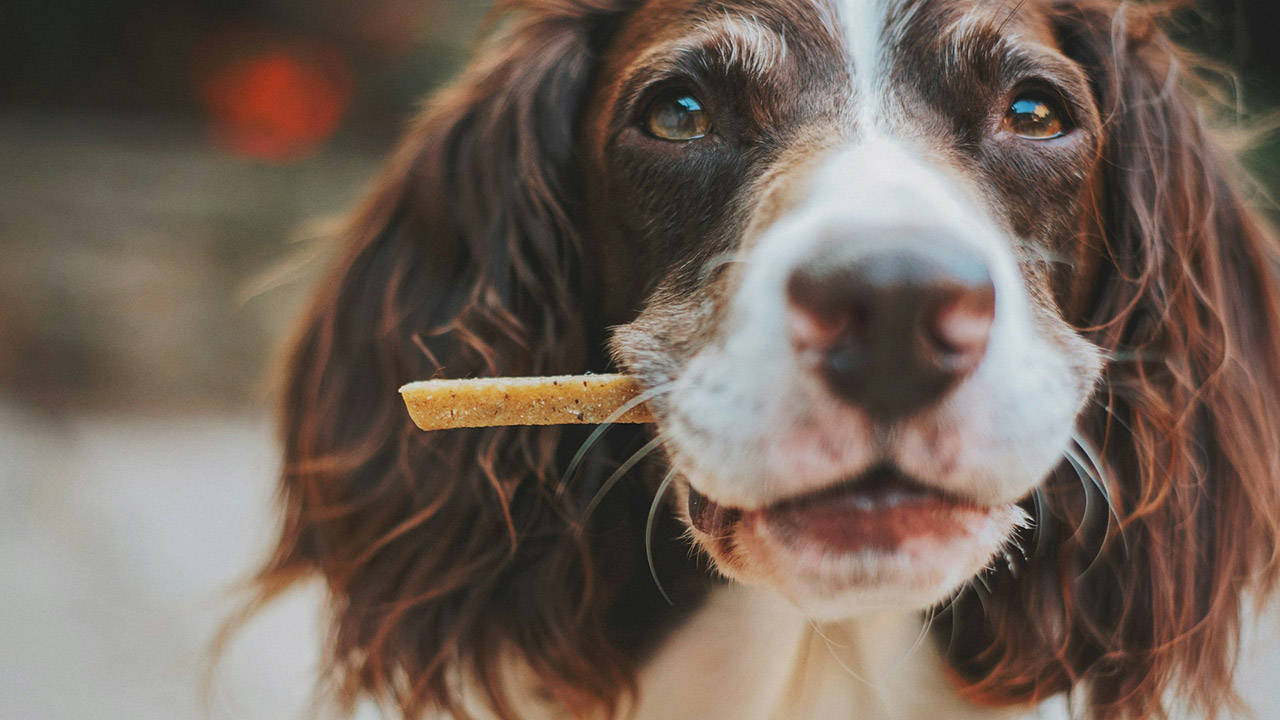
If you’re already making feed mix, scratch grains, or veggie scraps, you’ll stop buying overpriced pet snacks. The animals are fine without the extras.
Egg Cartons
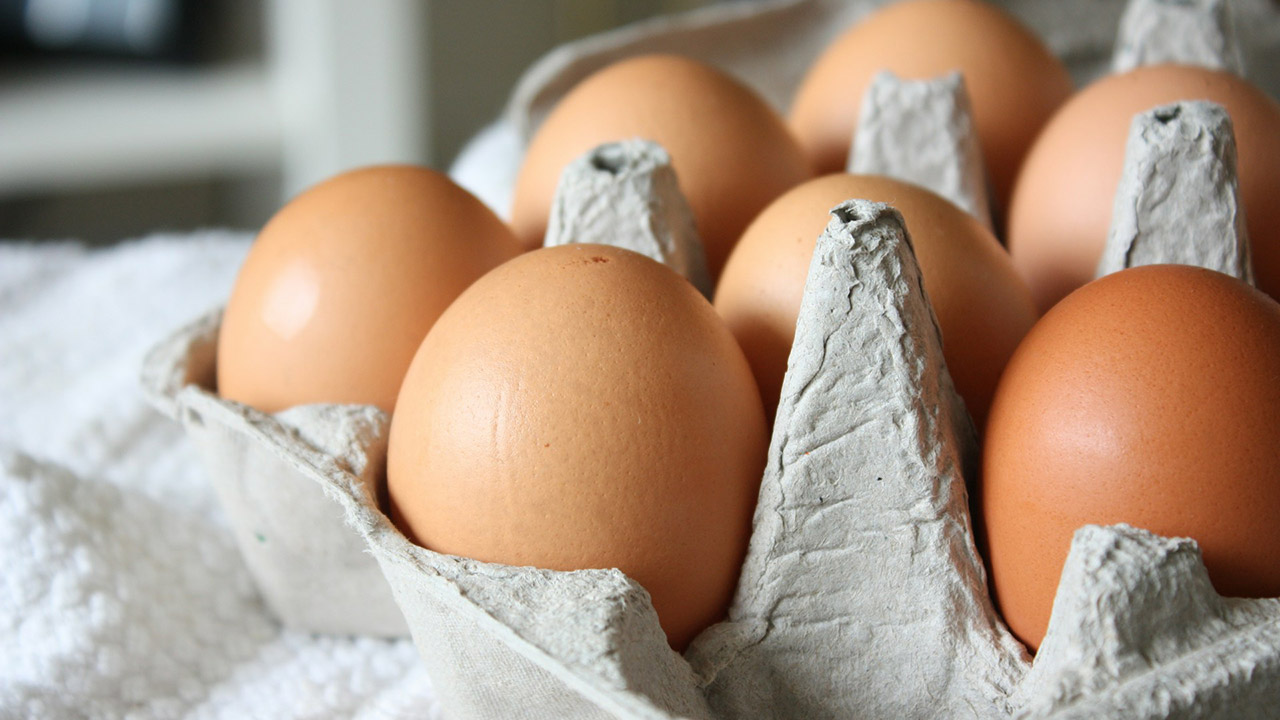
You’ll reuse the same ones over and over or switch to bulk trays. No reason to buy new ones when the cycle keeps going.
Canned Broth
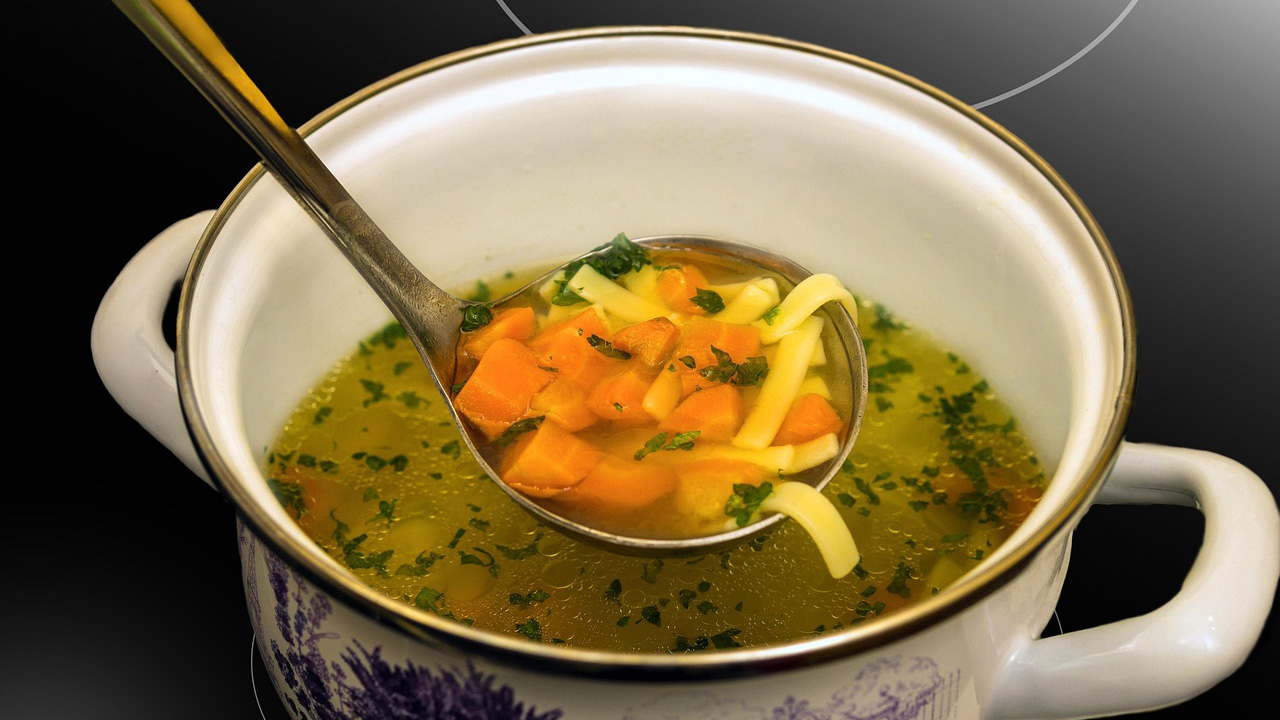
When you process your own meat birds or even cook down bones from your own meals, you end up with rich, homemade broth for free.
Bagged Compost
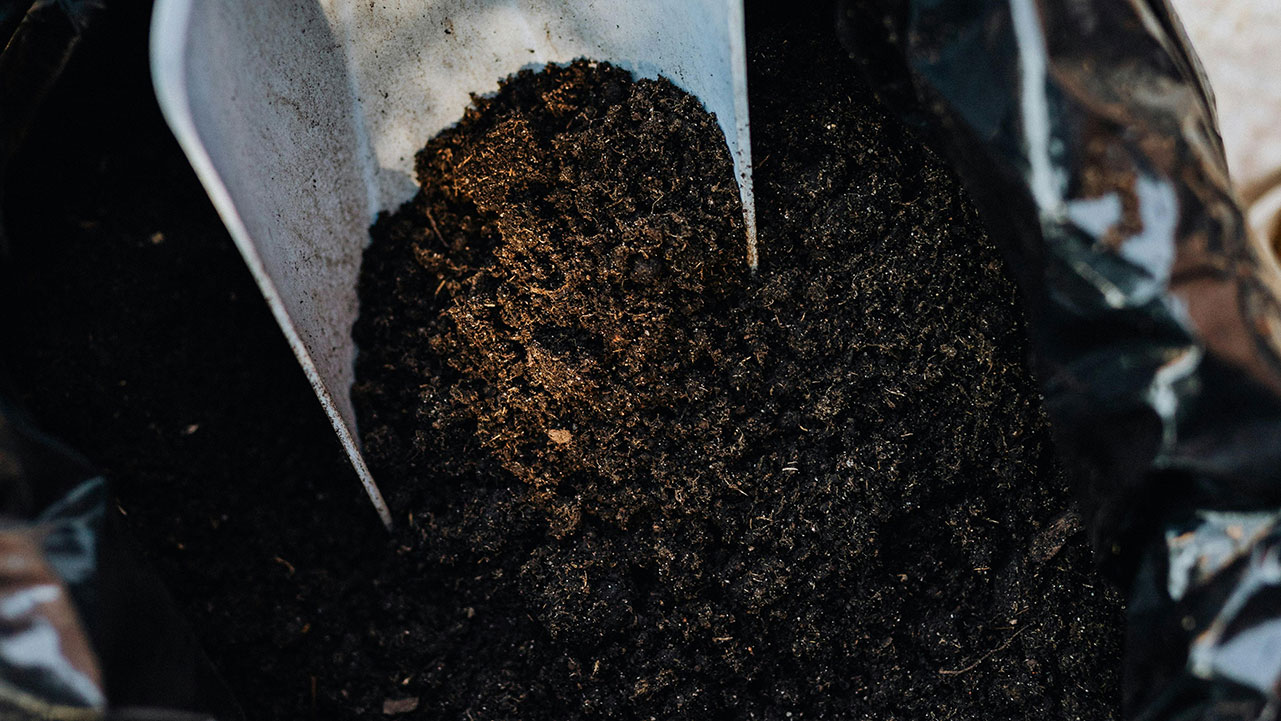
Between bedding, droppings, and leftover feed, you’re making more compost than you’ll know what to do with. And it’s better than anything in a bag.
Extra Trash Bags

Raising animals cuts way down on waste. Food scraps go to them, paper bedding gets composted, and you stop tossing as much overall.
Expensive Bug Control
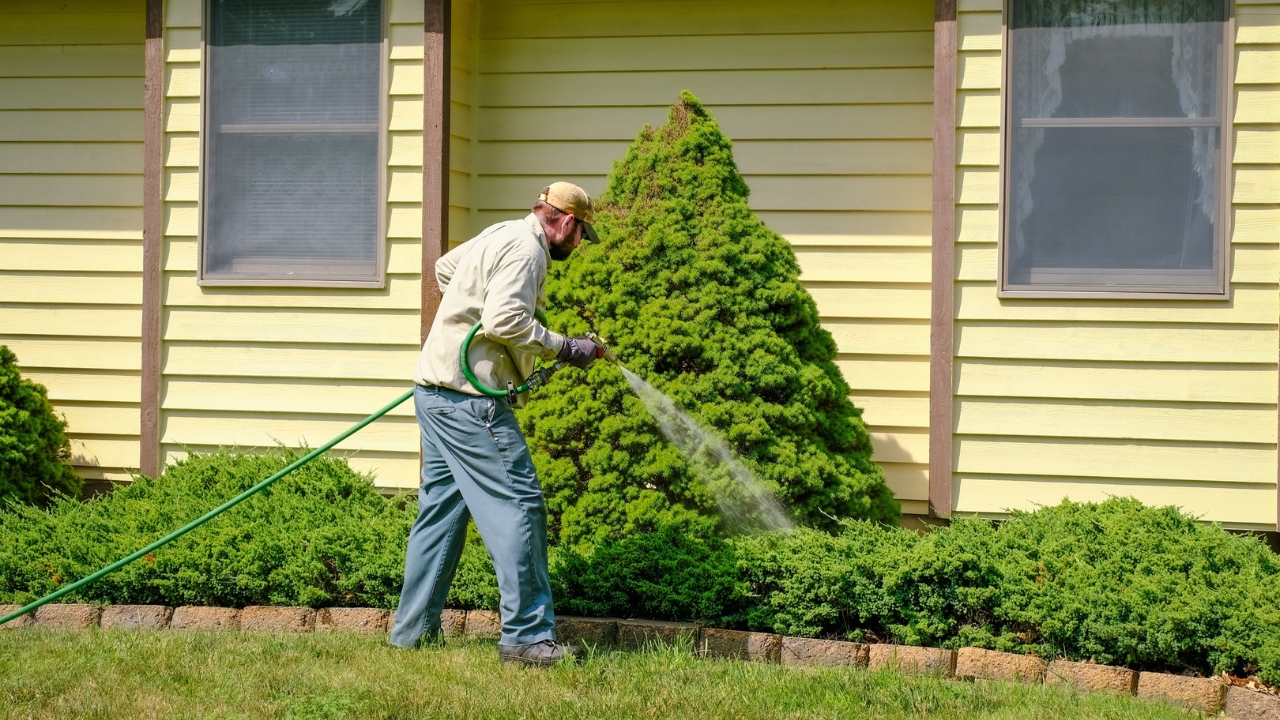
Flies and ticks hate guineas and chickens. Once you’ve got a few free-range birds pecking through the yard, you’ll need fewer sprays and traps.
*This article was developed with AI-powered tools and has been carefully reviewed by our editors.
Like Fix It Homestead’s content? Be sure to follow us.