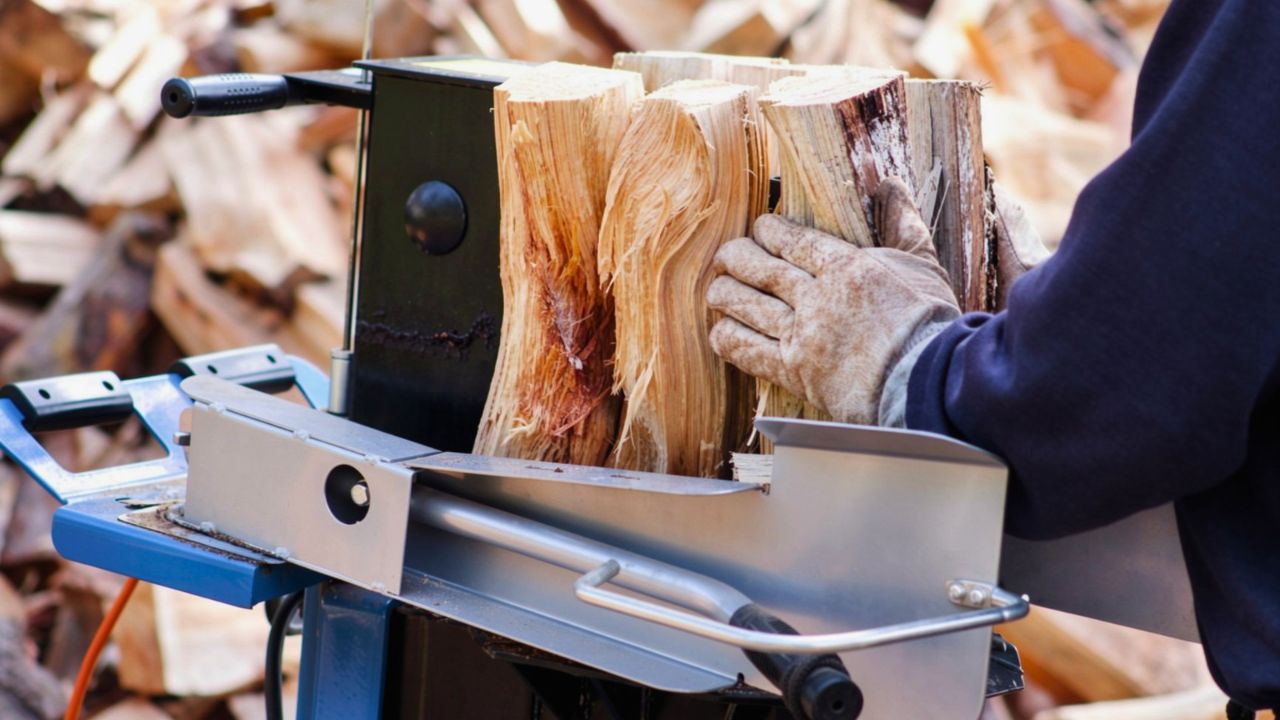
Best Log Splitters for People Who Heat With Wood
Photo credit: ZoranMilisavljevic83/istock.com
Heating with wood sounds simple until you’re staring at a pile of rounds that won’t fit the stove, won’t dry right, and won’t split by hand without wrecking your back. A good splitter turns that pile into tidy stacks fast, but the wrong one turns Saturday into an all day fight. Pick the machine that matches your wood, your space, and how you actually work.
1. Electric Splitters For Suburban Woodpiles
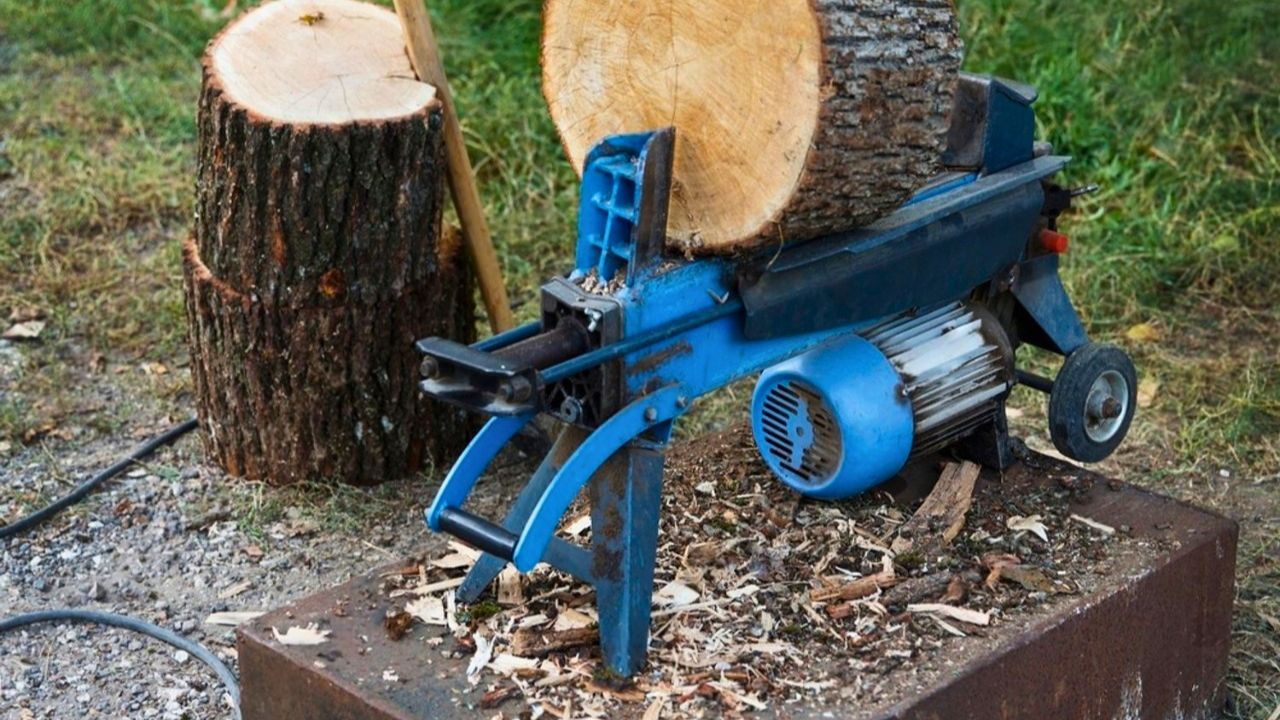
If your wood is already bucked short and you’re mostly splitting 10 to 16 inch rounds for a fireplace insert, an electric splitter is hard to beat. They’re quiet enough to use without starting a feud with the neighbors, and you can run one in a garage with the door open and decent light. Look for a solid push plate, a stable base, and controls that don’t feel like toy plastic.
The catch is speed and bite. Knotty elm, stringy sweetgum, and big crotches will make a small electric stall or twist the round sideways. If most of your pile is straight grained maple, ash, or pine, an electric unit is often the cheapest clean way to keep up.
2. Gas Splitter When Rounds Are Heavy
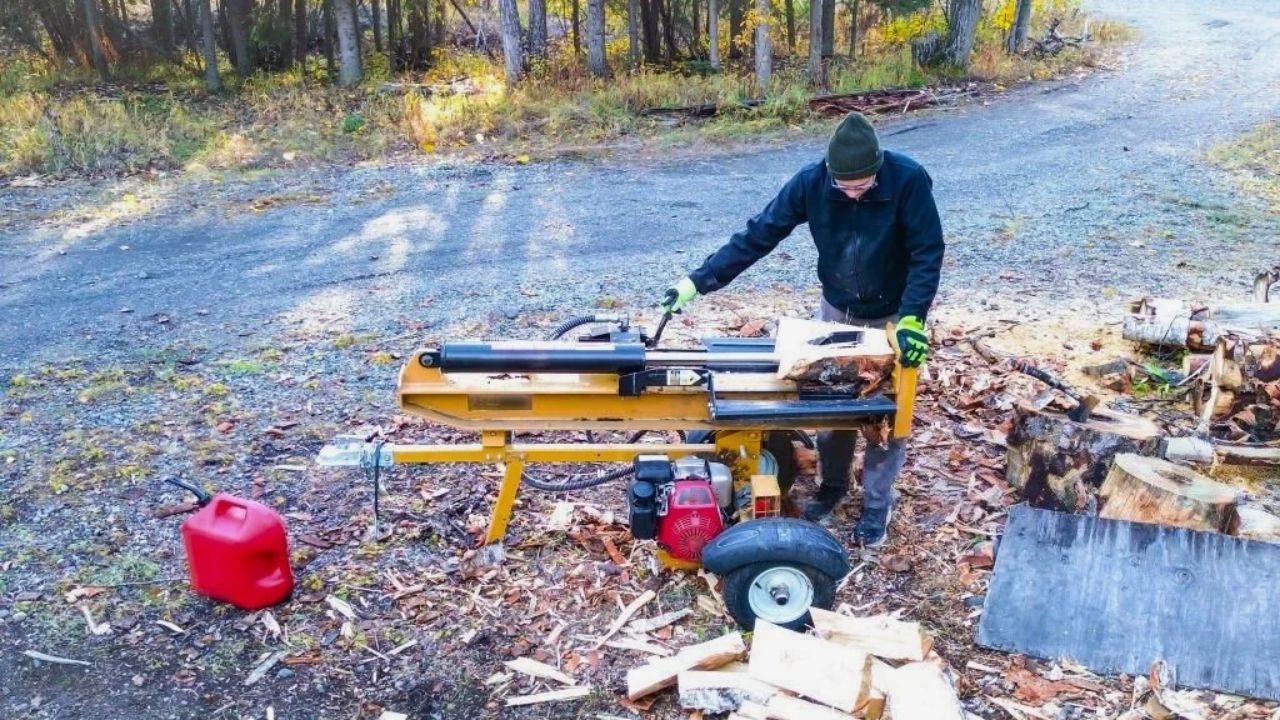
When your rounds need a cant hook just to roll them, gas power starts making sense. You get more force, faster cycle times, and no cord to trip over in snow and bark chips. This is the setup that keeps a wood stove fed on a real schedule, not “when you feel like it.”
Plan for upkeep. You’ll be dealing with fuel, oil changes, and a carb that hates old gas if you let it sit all summer. Store it with stabilized fuel or run it dry, and keep a spare spark plug around so you’re not dead in the water on the first cold weekend.
3. Horizontal Machines For Fast, Easy Work
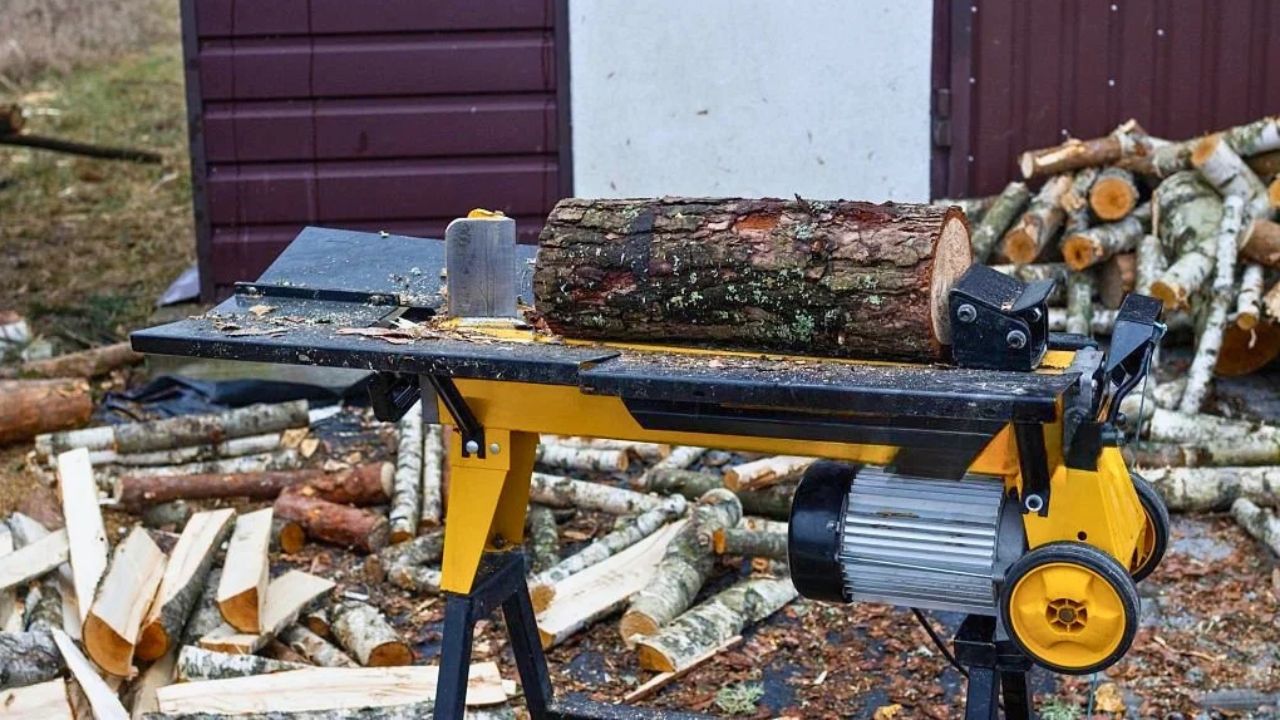
Horizontal splitters are the workhorses for people who want production. You set the round on the beam, hit the control, and keep the rhythm going. They shine when your rounds are manageable and your goal is to make a big stack without wrestling each piece.
They can wear you out if your rounds are too big to lift safely. If you’re loading 24 inch oak rounds alone, the splitter isn’t the bottleneck, your back is. In that case, either go vertical or plan a simple ramp and a log stand so you can roll rounds into place instead of deadlifting them.
4. Vertical Splitters For Big, Ugly Rounds
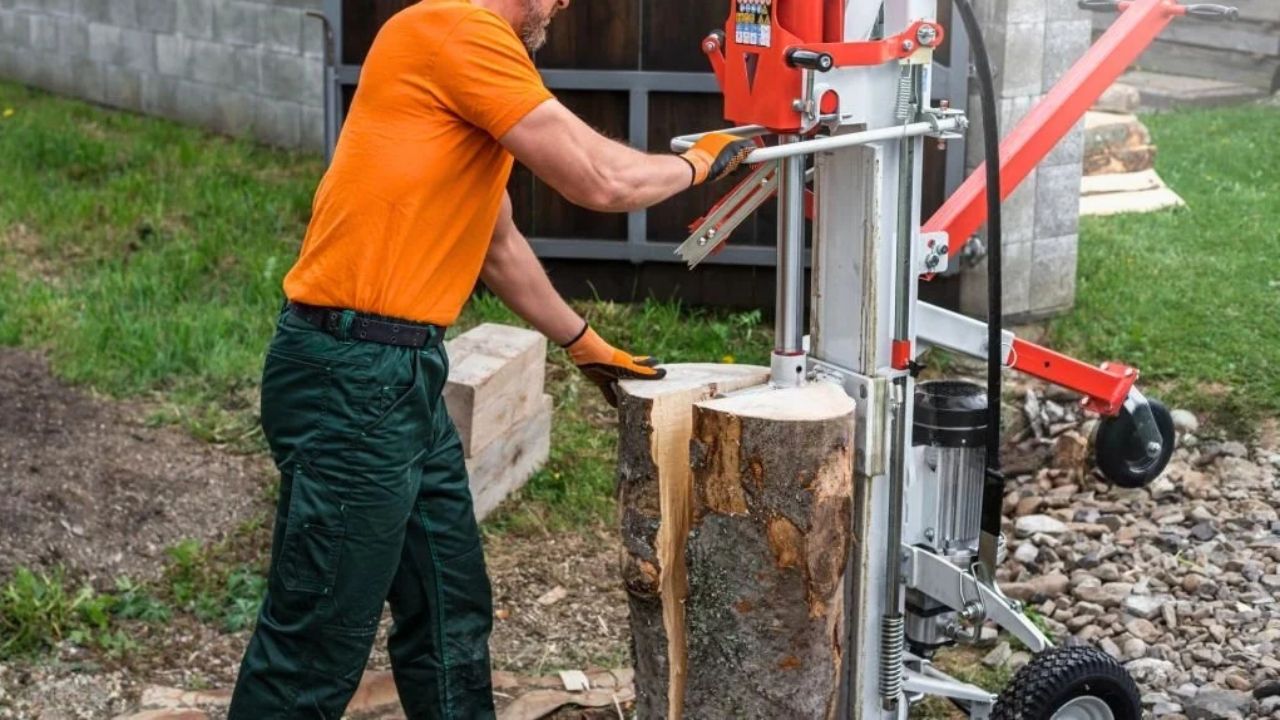
Vertical mode is what saves you when you’ve got oversize rounds, gnarly crotches, and stuff that laughs at a maul. You tip the machine up, roll the round to the foot plate, and split without lifting. That’s a big deal when you’re working alone or you’re splitting wood that was cut too thick.
The downside is pace. Working low to the ground means more bending, more repositioning, and more time per piece. If most of your wood is normal stove length and under about 16 inches across, you’ll move faster with a horizontal setup and only wish you had vertical once in a while.
5. Two-Way Wedges For Serious Volume
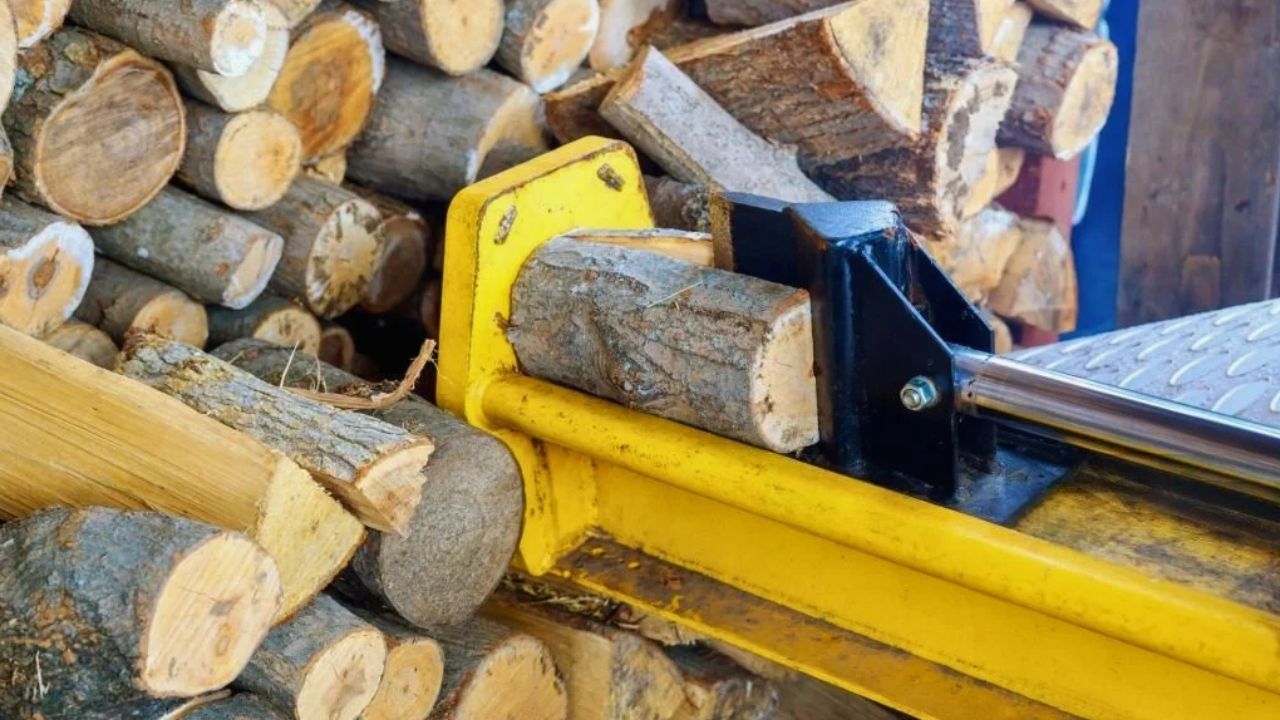
Some splitters push through the wedge in both directions, so you’re splitting on the out stroke and the return. If you burn a lot of wood and you’re trying to fill a shed before the first hard freeze, that time savings adds up. You spend less time watching the ram travel and more time handling wood.
It’s not the right choice for everyone. Two-way designs can be fussier about straight rounds and consistent placement, and they’re usually heavier and pricier. If your pile is mixed species with a lot of twist, a standard one-way wedge is simpler and plenty productive.
6. Kinetic Splitters For Dry, Straight Grain
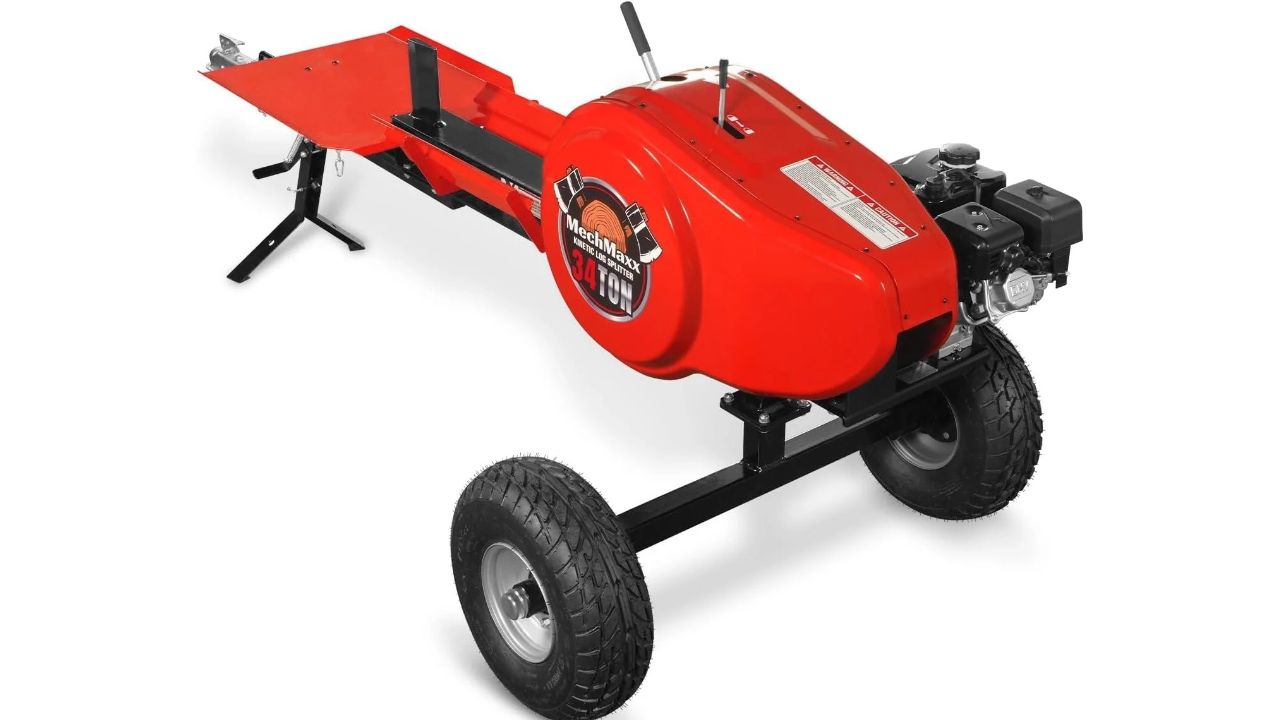
Kinetic splitters use flywheels instead of hydraulics, and they hit hard and fast. For dry hardwood that splits clean, the speed feels almost unfair. You can knock out a stack quickly, and you’re not waiting on a slow hydraulic cycle every time.
The honest exception is this, if your wood is green, stringy, or full of knots, kinetic units can be the wrong tool. They like wood that pops, not wood that stretches. If you mainly split standing dead ash, seasoned maple, or straight oak, a kinetic splitter can be a smart buy, but it’s not a universal answer.
7. Towable Splitters For Shared Woodlots
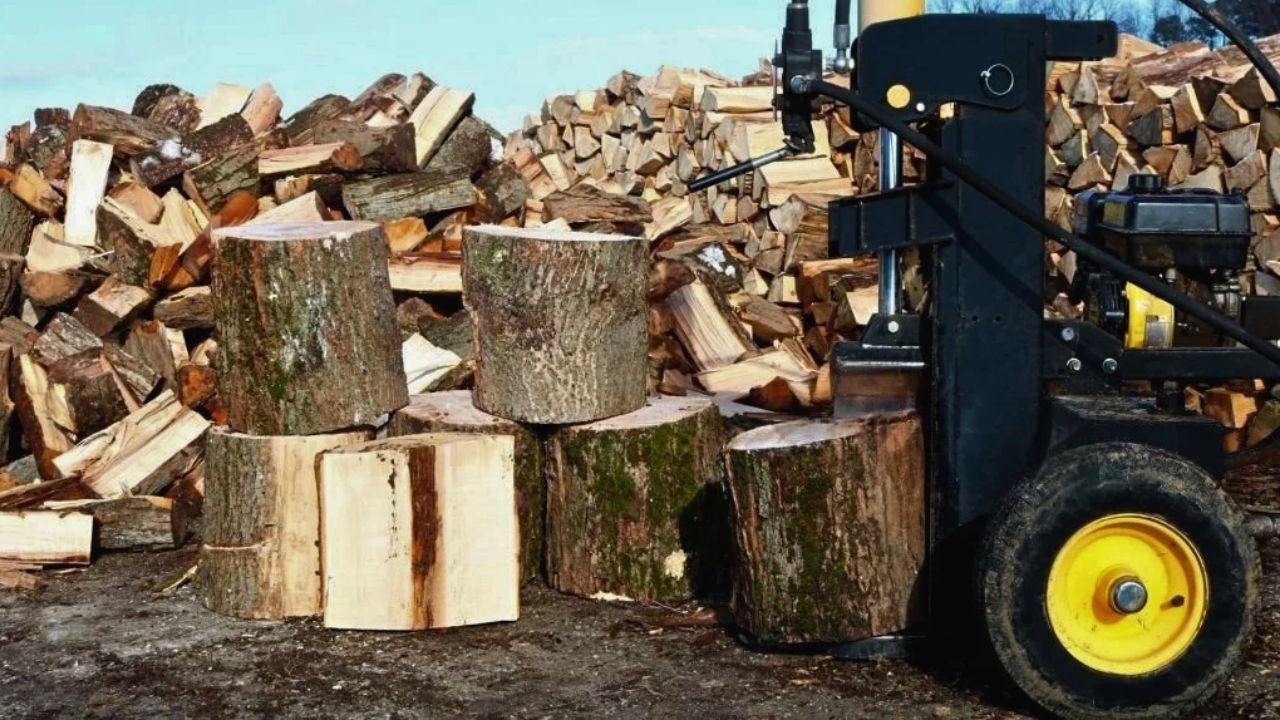
If you cut on a woodlot, help neighbors, or haul rounds home from different spots, a towable splitter keeps you from handling the same heavy pieces twice. Splitting at the site means you’re loading lighter splits instead of full rounds, and the mess stays out there. That matters when your driveway is already a mud pit in October.
Make sure your towing setup is legit. Correct ball size, working lights, safety chains, and tires that aren’t dry rotted are not optional. If you’re not confident towing equipment, buy a non tow model and split at home.
8. Cylinder And Valve Quality Over Ton Rating
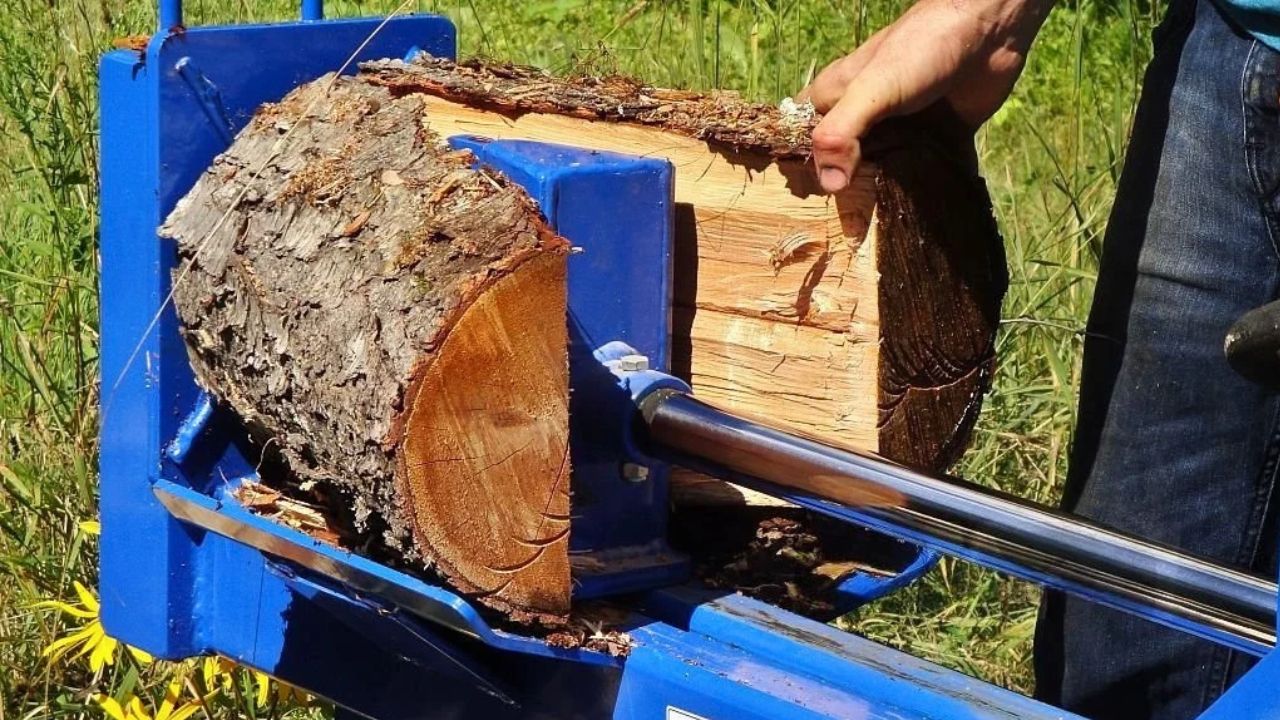
People shop by “tons” and end up with a splitter that feels tired after a season. The number on the sticker doesn’t tell you how well the cylinder seals, how smoothly the control valve holds, or how solid the beam and wedge really are. A leaky cylinder makes the ram creep, chatter, or stall right when the wedge bites.
Pay attention to build details you can see. Thick steel where the wedge mounts, tight pin fit at pivot points, and hose routing that won’t rub on the beam. A unit with readily available hydraulic parts and standard fittings is easier to keep running than a bargain model with oddball pieces.
9. Cycle Time That Matches Your Body
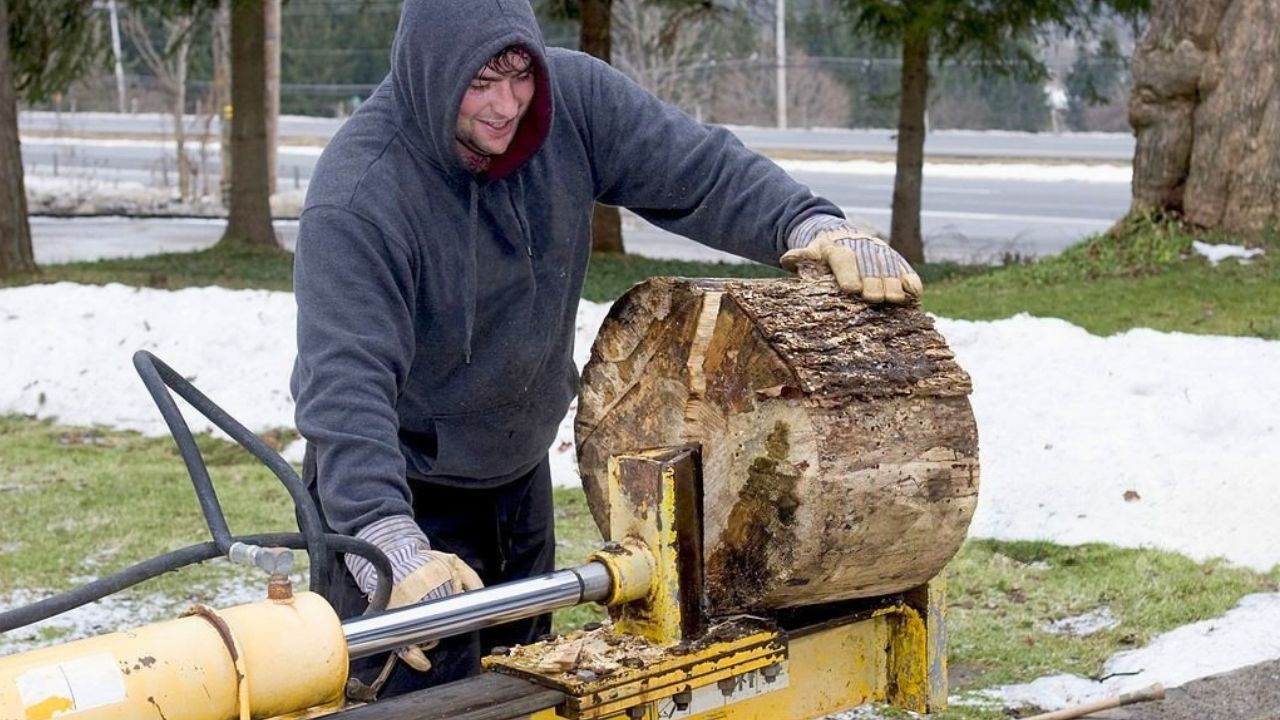
A slow splitter sounds fine until you’re standing there watching it travel back and forth all day. Then you start rushing, using bad hand placement, or trying to “help” the wood along. That’s how you end up with smashed fingers or a twisted round that shoots out sideways.
Faster isn’t always better either. If the cycle is too quick for your handling speed, you’ll feel flustered and sloppy. The best match is a machine that lets you set a steady pace, especially if you’re feeding it alone while also stacking.
10. Table And Catcher Setup Saves Your Back
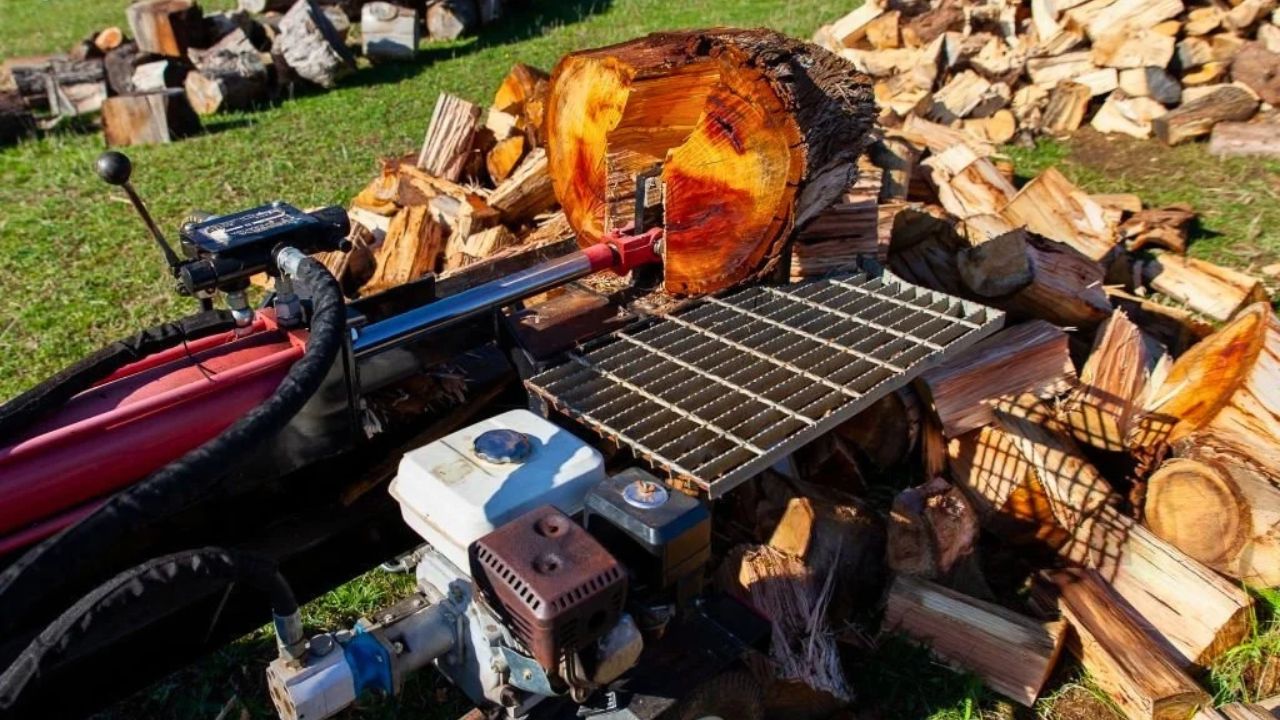
Most of the work is picking up splits, not pushing a lever. A simple log cradle, side tables, or a catcher keeps pieces from dropping into the dirt and snow. That means less bending, less grit in your bark, and less time chasing pieces downhill.
If your splitter doesn’t come with tables, you can still improve the setup. Park it next to a sturdy pallet, a low trailer, or a stacking rack so the splits land where you want them. Keep the work zone flat, because splitting on a slope is a good way to sprain an ankle while carrying a sharp chunk of oak.
11. Wedge Options For Stringy Wood
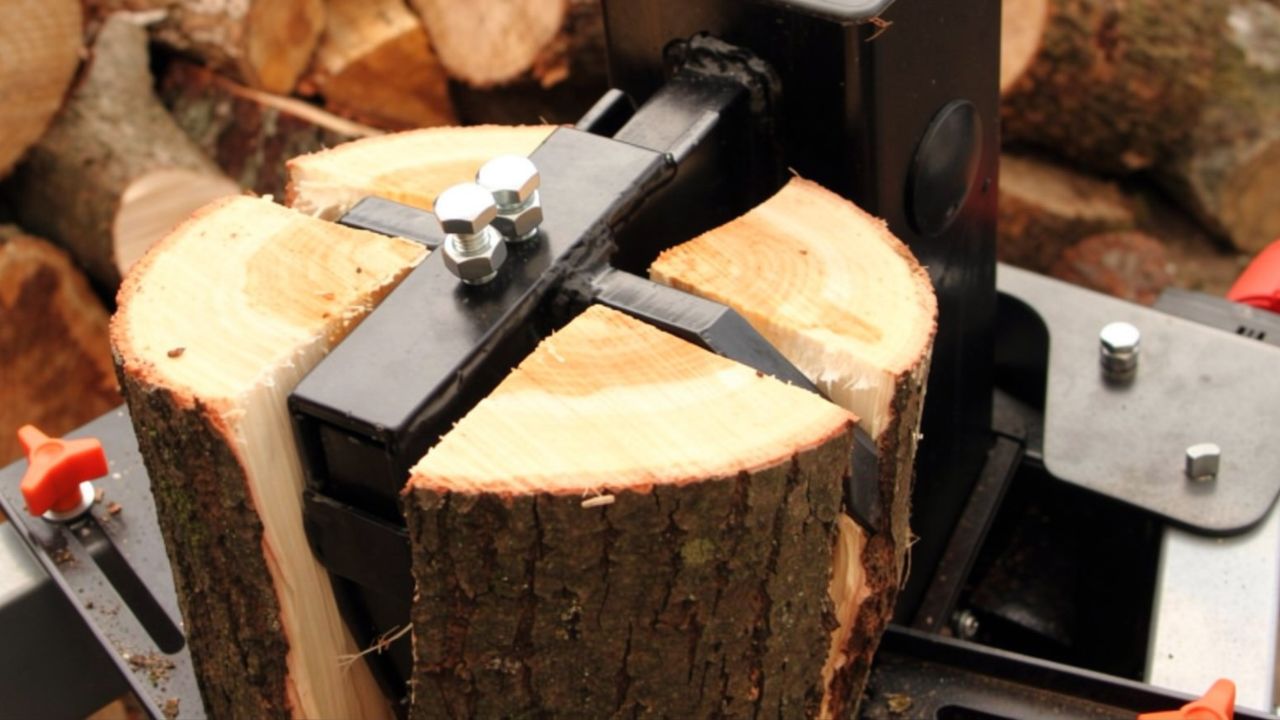
Some wood refuses to behave. Sweetgum, elm, and some pine can pull long strings that hang up on the wedge and make you fight every piece. A sharper wedge profile and a clean edge help, and a four way wedge can reduce handling if the rounds are straight.
Don’t force a four way wedge into ugly rounds just because it looks efficient. If the block is twisted or knotted, start with a single wedge, bust it into manageable chunks, then resplit. Keep the wedge face clean, because sap and grime make everything stick worse.
12. Cold-Weather Starting And Fluid Choices
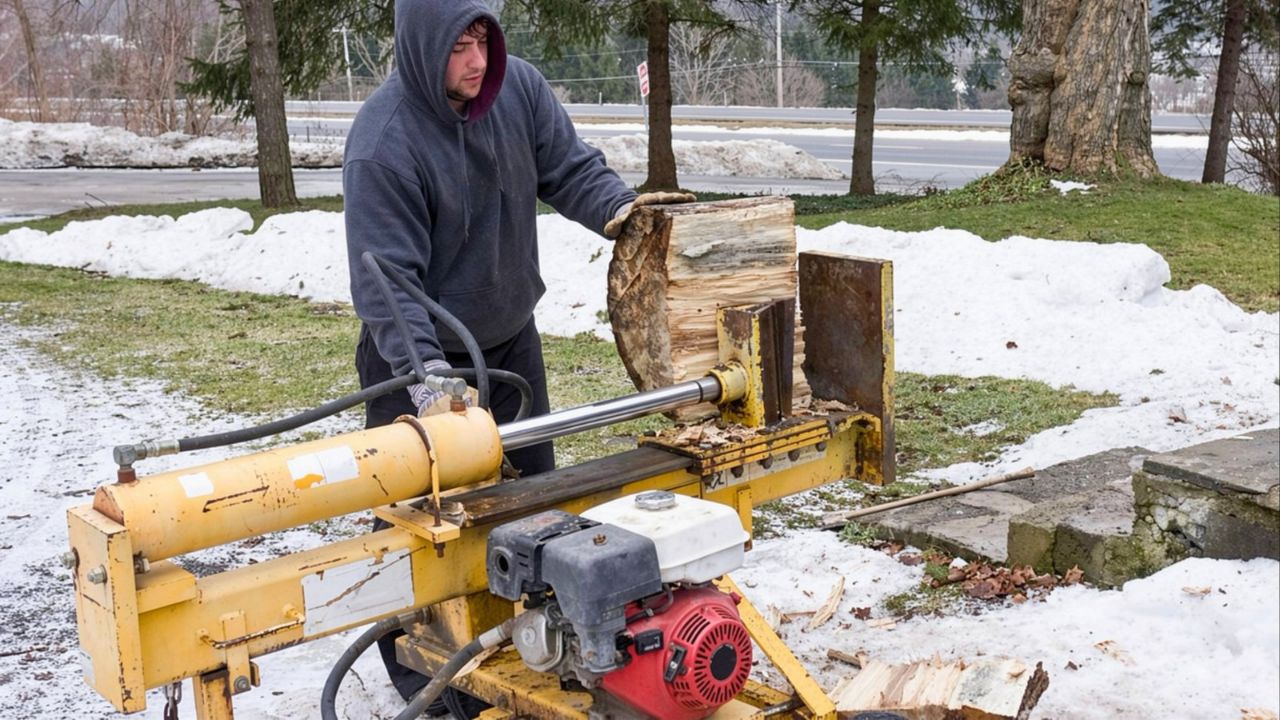
The first time it drops below freezing, cheap hydraulic fluid turns thick and the whole machine feels lazy. The pump whines, the ram crawls, and you end up idling the engine forever just to get moving. That’s a timing problem you only notice when the woodpile is urgent.
Use the fluid grade the manual calls for, and if you split in real cold, look for a cold-weather hydraulic oil option that matches the manufacturer’s spec. Store the splitter out of the wind if you can, even under a lean-to, and let it warm up at a calm idle before you start pushing hard knots.
13. Storage That Doesn’t Ruin Hoses
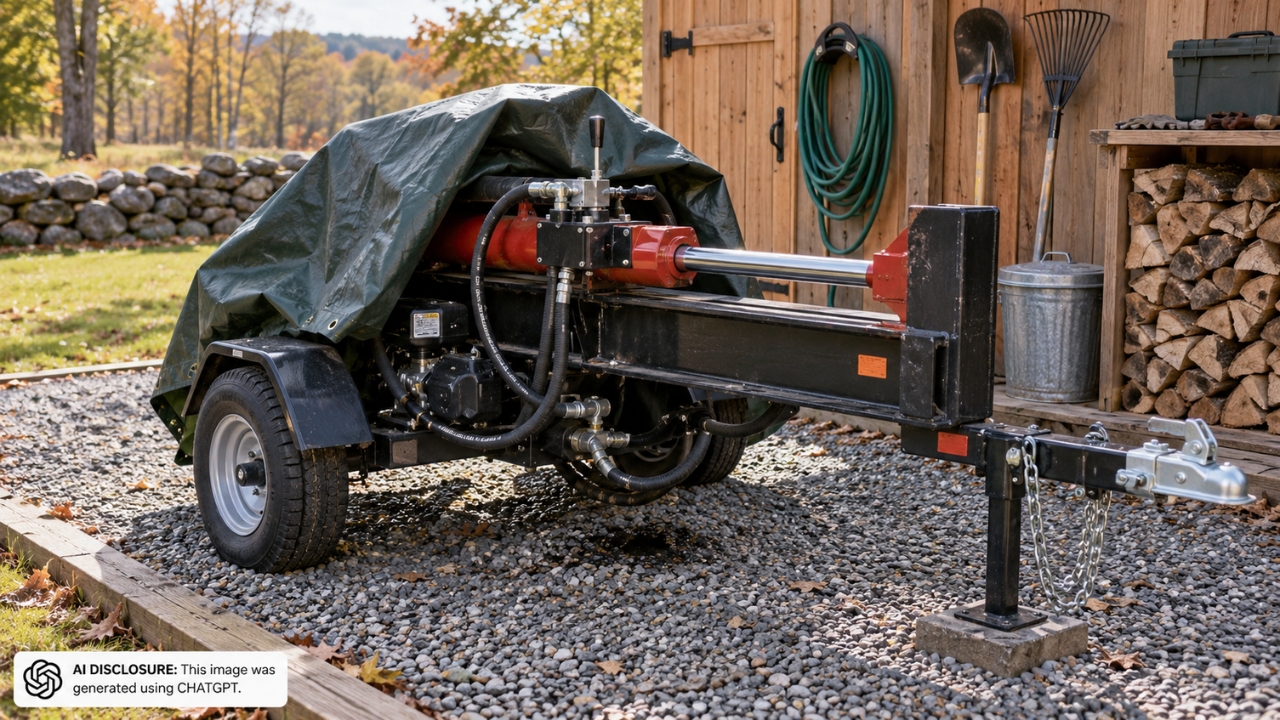
Leave a splitter sitting in tall grass behind the shed and you’ll find cracked hoses, sun baked tires, and a mouse condo under the engine cover. UV and weather take their cut, and a small hydraulic leak turns into a slick mess that attracts dirt. Then fittings start seeping and you’re chasing drips all season.
Park it on boards or gravel, cover it, and keep the beam clean. If you see wet spots at a fitting, fix it before it blows, because a hose failure mid-split turns the day into cleanup and parts runs.
14. Buying Used Without Buying Trouble
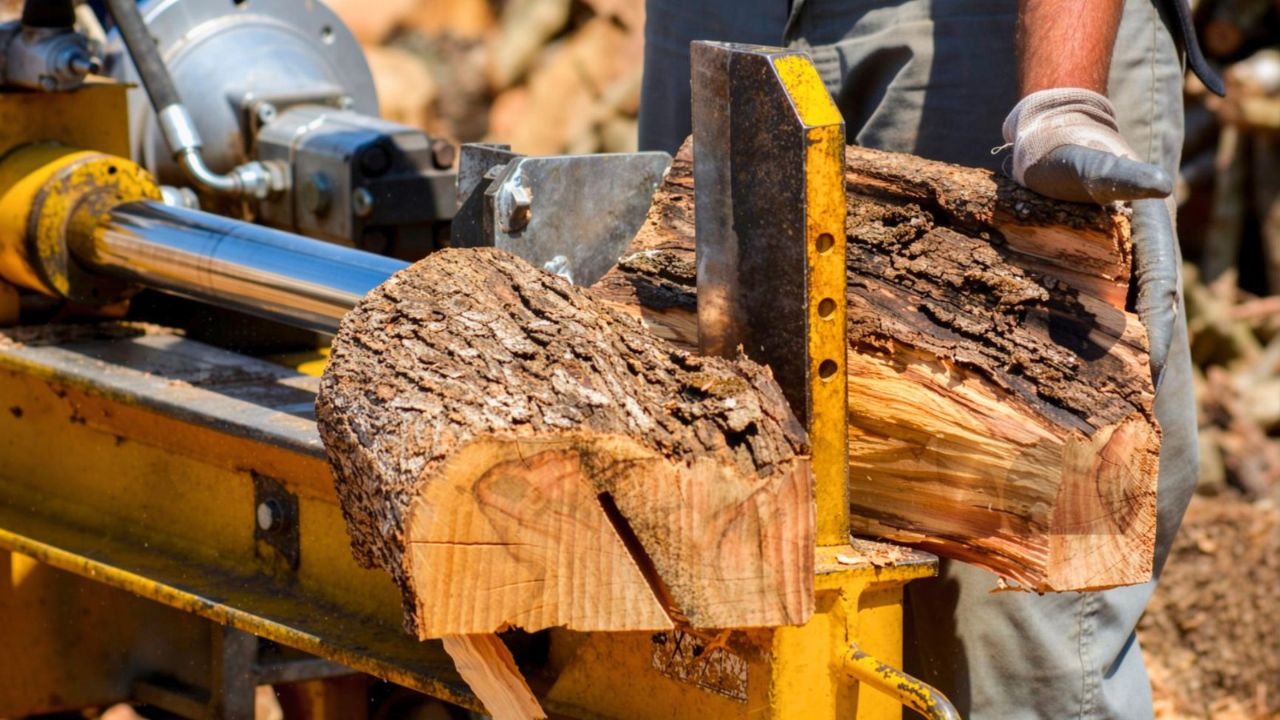
A used splitter can be a great deal because steel doesn’t wear out fast, but hidden problems are common. Bent beams, sloppy wedge guides, and pumps that whine under load can turn “cheap” into weeks of tinkering. You want to see it split a real round, not just extend and retract in the air.
Check for fresh paint that might be hiding welds, and look at the hydraulic oil, not just the engine. Milky fluid suggests water, burnt smell suggests heat and wear. If you’re not comfortable judging it, bring someone who is, or pay the extra money for new and keep your weekends for stacking.
A splitter that fits your wood and your routine makes heating with wood feel steady instead of desperate. Buy for the rounds you actually have, set up the work area so you’re not lifting more than you need to, and keep up with the small maintenance before it becomes a breakdown in January.
Like Fix It Homestead’s content? Be sure to follow us.