Buyer Closes on a Five-Acre Parcel and Finds the Neighbor’s Leach Lines Run Through a Corner of the Property — Then the Neighbor Says the State Approved the System and Demands a Formal Easement or an Offer to Buy Out the Strip
Photo credit: AI-generated image created using ChatGPT. Illustrative only.
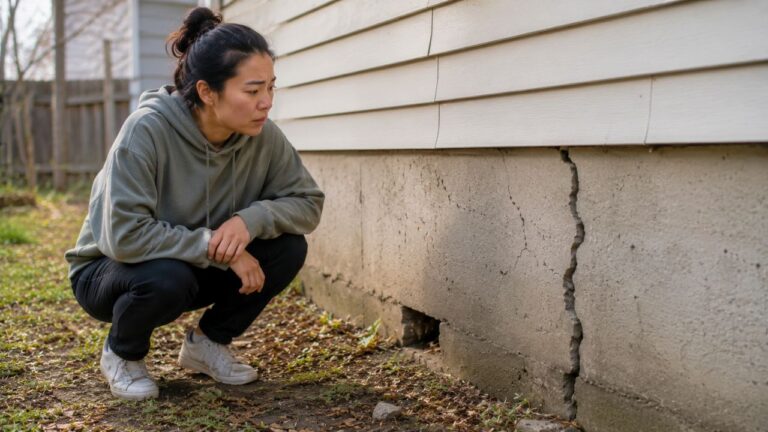
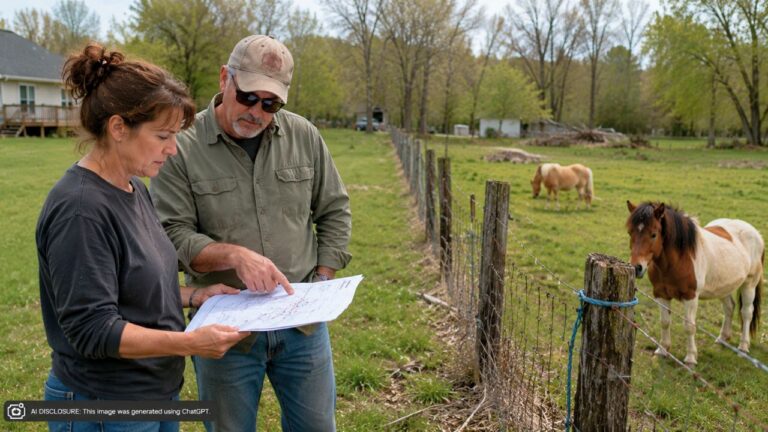
Buying acreage is supposed to feel like freedom: room to breathe, space to build, and fewer shared-wall headaches. But sometimes the first “welcome to the country” moment is a shovel-in-the-dirt surprise you didn’t budget for—like discovering a neighbor’s septic leach lines cutting through the corner of your newly purchased five acres.
That’s the kind of property-line gut punch running through the septic neighbor dispute stories collected in the discussion: sewage smells, failing drainfields, trenching that sends discharge downhill, and the brutal reality that “it’s been there for years” doesn’t automatically make it legal—or safe.
The closing day didn’t mention anything about sewage
In these disputes, the first phase is always the same. The buyer thinks they’re getting land, trees, and a clean slate. Then they find something that looks like a utility run: disturbed soil, a suspicious line of greener grass, a pipe stub, or an area nobody can explain.
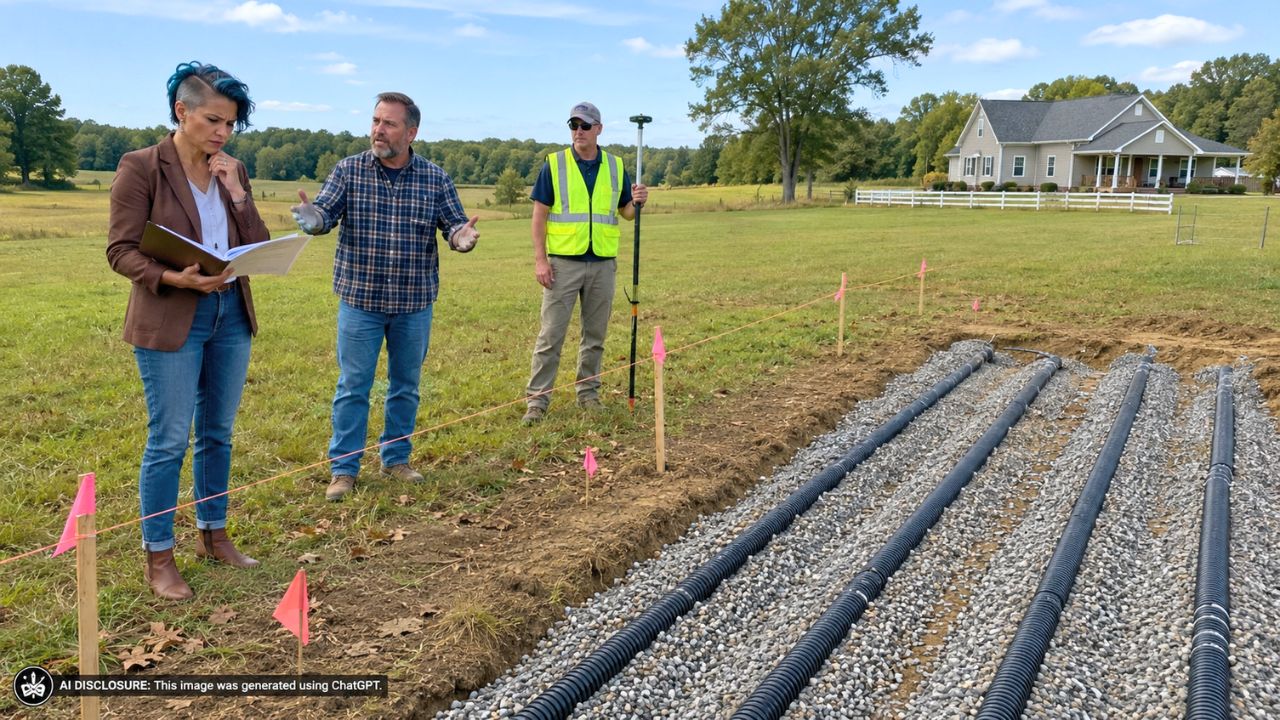
Leach lines don’t announce themselves with a sign. They sit quiet until you notice a pattern—especially if you’re clearing brush, putting in a fence, or planning a driveway. That’s when the sick feeling kicks in: if that’s a drainfield, it’s not just “some pipe.” It’s a system carrying wastewater, and it’s on the wrong side of the line.
And then comes the neighbor conversation. Sometimes it’s a shrug and an apology. Sometimes it’s a hard stance: the system was “approved,” it’s “grandfathered,” and now the new owner needs to sign an easement or sell off a strip of land to make it official.
“State approved” doesn’t stop the smell, the risk, or the paperwork
The source material is full of variations on the same theme: a septic problem becomes everyone’s problem fast. One neighbor described a powerful odor taking over the area and discovered sewage being siphoned onto the yard. Another described raw sewage seeping up for months while the system sat “slammed” (failing) and nobody would act.
In those cases, moderators didn’t dance around it. They called it what it is: a public health hazard when sewage reaches the ground surface, and something local health or environmental officials should address. They also pointed out a detail that surprises a lot of people—pumping a tank doesn’t fix a failed drainfield. If pipes are broken, blocked, or the field has failed, the problem persists no matter how many times a truck shows up.
Now, swap “surfacing sewage” for “leach lines over the line,” and you still end up in a similar place. Even if the neighbor insists the system was permitted at the time, a drainfield extending into a separate legal lot is treated in many jurisdictions as a serious compliance issue unless there’s a recorded, legally-binding easement.
The real leverage is boring: surveys, records, and the health department
Most people want this handled quietly. They worry about resale value, about creating a paper trail, about turning a neighbor into an enemy. That fear shows up directly in the source material: one homeowner felt torn between pursuing action and worrying a public dispute could haunt property values.
The response back was blunt in a way homeowners understand: which is worse—documenting a corrected hazard, or living next to it? If you’re trying to sell while sewage is involved, you don’t have a “value” problem later. You have a “can’t sell” problem now.
And if the neighbor is demanding an easement or a buyout, the boring documentation becomes the whole game. The line isn’t where someone says it is. It’s where the survey puts it. The system isn’t “approved” because someone remembers it that way. It’s approved if there’s a record that matches what’s installed, where it’s installed, and what today’s lot boundaries are.
What kept coming up in the source material was the same practical escalation path: contact the health department, be clear about what you’re seeing, document it, and keep pushing upward if you get brushed off. One commenter described getting a terrible response locally and planning to go to higher officials after gathering photos and information.
When equipment shows up, reality gets expensive fast
The most painful example in the source material involves a property split and new construction next door. A home built in 1970 had field lines crossing a boundary, and during the neighbor’s build a bulldozer tore up the septic field lines. Suddenly it wasn’t theoretical: the pipes were damaged, soil was disturbed, and the old “it’s been fine for decades” arrangement exploded into an immediate, expensive repair question.
The moderator’s reply cut straight to the point: if your drainfield is out of compliance and you don’t have a legally-binding easement, you may be the one paying to make your own system compliant—meaning abandoning the encroaching field and building a new one. They also added another detail that makes homeowners wince: heavy equipment on a drainfield can compact soil enough to cause failure, even if the pipes aren’t visibly destroyed.
That matters for the five-acre buyer staring at the corner of their parcel. If the neighbor’s lines are there and you decide to ignore it, the day you need that corner—for fencing, a driveway, a barn pad, a trench for power—becomes the day you’re negotiating with a septic system that isn’t yours.
What people in the comments kept circling back to
Even though the source reads like a long-running help desk, the reactions are consistent. People want an authority to step in, because neighbor-to-neighbor septic arguments get personal fast. The moderators repeatedly directed posters to health departments and environmental officials, framing surfacing discharge and cross-property discharge as violations and hazards, not lifestyle disagreements.
They also kept stressing the difference between a temporary band-aid and an actual fix. Pumping alone doesn’t cure a failing system. A cut or broken line can dump effluent into surrounding soil. A blocked outlet can back sewage up toward a building. And leakage can become a health hazard, including risk of illness.
Underneath all of it is a theme that hits hardest after closing: septic systems are not just plumbing. They’re regulated infrastructure tied to lot lines, permits, and minimum separation distances—like the homeowner who later learned their well needed a waiver because it was too close to a neighbor’s septic system, forcing ongoing water sampling.
The corner of land isn’t just land anymore
Once a neighbor’s leach lines are in the picture, that corner of your five acres stops being simple. It’s now a mix of liability, access, compliance, and future headaches. An easement might solve one problem while creating another: it can limit what you can build, where you can dig, and what happens when the system fails and repairs are needed.
And if the neighbor’s demand is “sign this or sell me that strip,” the pressure is real. But the source material points to the same grounding reality over and over: septic problems don’t stay private when they start impacting other properties, and officials can be the right lever—especially when there’s a health code issue or an illegal discharge pattern.
The hard part is that none of this feels like what you paid for when you bought acreage. But it’s exactly the kind of rural property drama that turns up once you start clearing, improving, and actually using your land. A fence line becomes a battlefield. A patch of grass becomes a clue. And a “state approved” claim becomes something you’ll want proved with records—because the dirt doesn’t care what anyone insists was true years ago.