Buyer Closes on Ten Acres and Finds a Neighbor’s Private Power Line Running Across the Middle of the Property — Then the Neighbor Says the Previous Owner Gave Verbal Permission and Claims a Formal Easement Was Never Needed
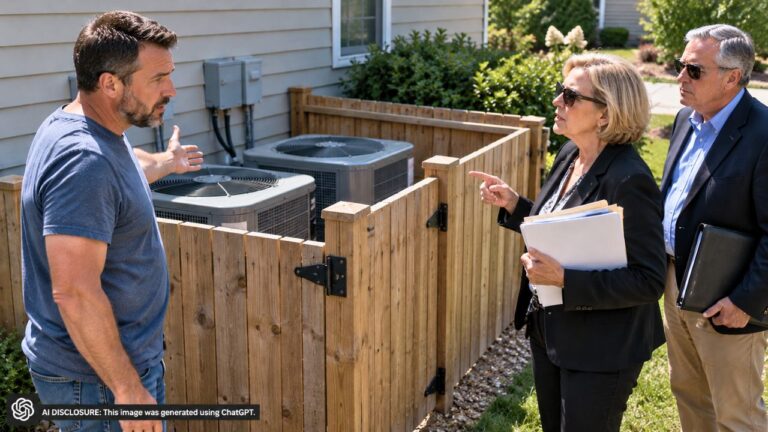
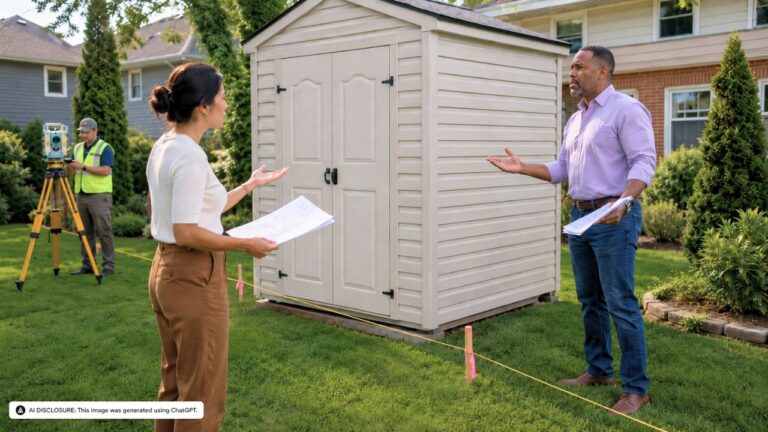
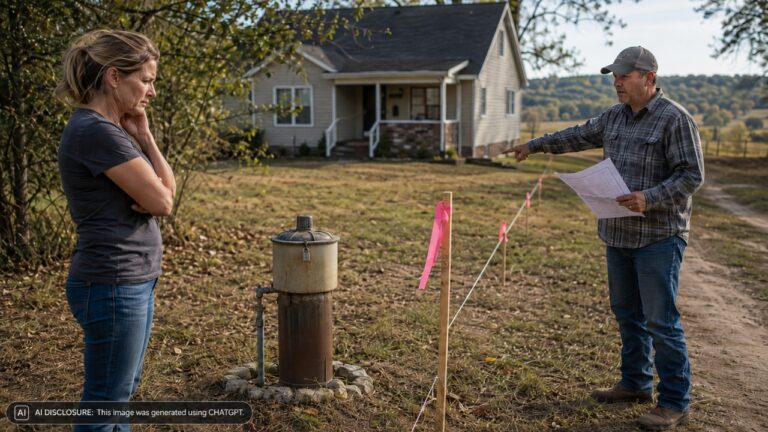
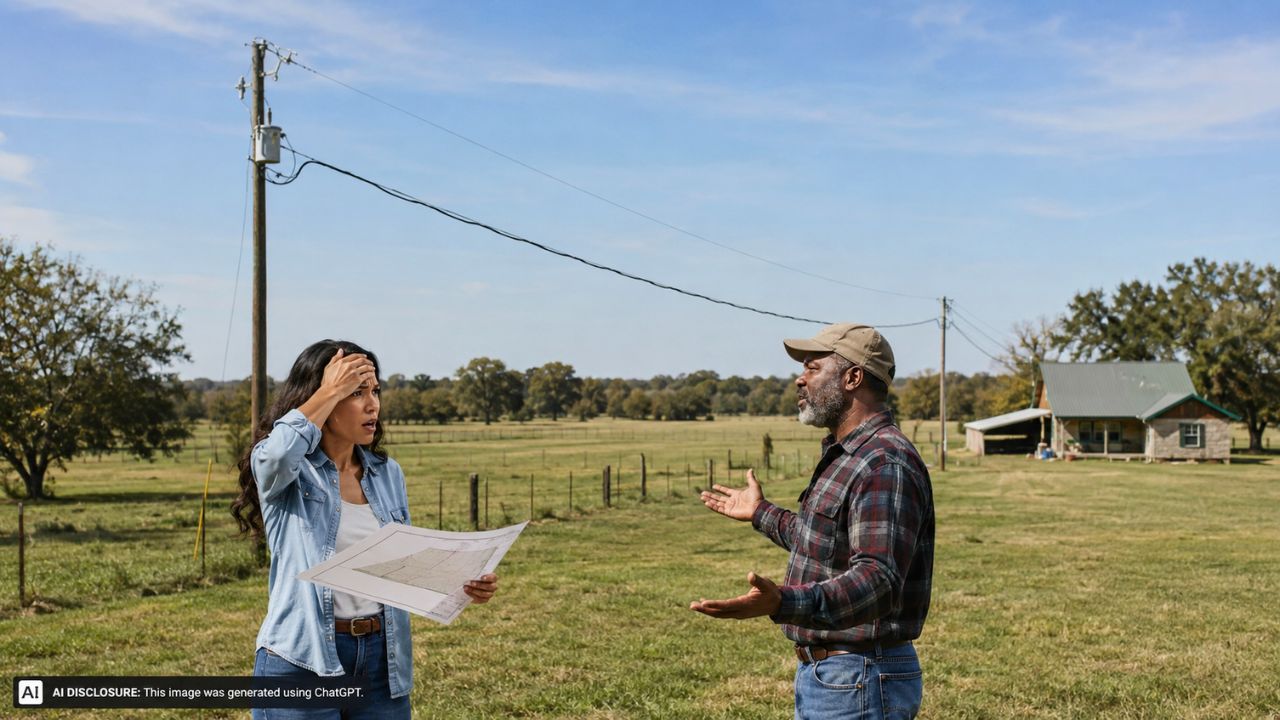
Photo credit: AI-generated image created using ChatGPT. Illustrative only.
Closing on acreage is supposed to feel like freedom. More space, fewer rules, finally room to build a barn or run a fence line without asking anyone’s permission.
But in one painfully common kind of “welcome home,” the new owner of about ten acres realized there was a private power line cutting straight across the middle of the property—serving a neighbor, not the new place. When the buyer asked what it was doing there, the neighbor’s answer was simple: the previous owner said it was fine, and nobody ever needed to “make it official.” That’s the moment the new owner stopped looking at their land like a blank canvas and started seeing it like a map full of traps.
In a similar discussion about unwanted power lines crossing property lines, the source post lays out an uncomfortable truth: in many places, cities don’t want utilities crossing adjacent properties at all unless it’s properly handled—and even then, there can be strict limits.
The first walkthrough felt normal… until it didn’t
Most rural buyers expect a few surprises. Old fence posts. A half-buried scrap pile. Maybe a beat-up deer stand tucked into the trees. A power line, though, is a different animal—because it comes with height, clearance, access, and a built-in argument about who’s allowed to be where.
On paper, the buyer owns the dirt. In real life, that line can function like a corridor the neighbor feels entitled to use. If a tree comes down, who cleans it up? If a pole needs work, who gets to drive equipment across the pasture? And if the buyer wants to put up a shop or run livestock fencing, how close is “too close” to someone else’s electricity?
The neighbor’s verbal-permission story might have sounded friendly in their mouth. But to the buyer it translated into: “You’re supposed to live with this because the last person did.”
“The utility will handle it” is not always how it works
One reason these fights get ugly is that everyone assumes the utility company has a standard playbook. Sometimes they do. Sometimes they don’t—especially if what’s on the ground isn’t a typical utility easement arrangement.
The Quora response notes a key point from U.S. experience: most cities do not allow water, sewer, or electrical lines to cross adjacent properties. That’s a huge deal because it reframes the question. It’s not just a neighbor-to-neighbor squabble. It can be a code and permitting issue that local government cares about.
And then there’s the detail that makes buyers go cold: “verbal permission.” Land records don’t run on handshakes. A verbal “sure, go ahead” from a prior owner isn’t the same thing as a recorded easement that shows up in the paperwork and binds future owners.
When the city gets involved, the fix can be disruptive
The Quora answer describes a real-world example from a Habitat for Humanity property that ended up in a similar mess. The power lines were already in place, but the City still demanded they be removed and redone.
Not tweaked. Not “trim that one limb.” Removed. New poles installed at property corners specifically to ensure no lines crossed onto other properties.
That’s the part that changes the mood from “annoying neighbor” to “this could turn into a construction project I didn’t budget for.” Because relocating a line isn’t like moving a garden hose. It means pole placement, right-of-way decisions, potential trenching if any portion is underground, and a long chain of approvals.
Even worse, that example highlights the difference between lines that exist because “someone allowed it” and lines that exist because a utility holds a real easement. Those are not the same category, and local rules may treat them very differently.
Even with an easement, there can be limits
Buyers often think easements are a magic stamp: if there’s an easement, the line stays; if there’s not, the line goes. Real life is messier.
The Quora post points out that even when the utility does have an easement, “in most cases” the line cannot cross more than one property. That kind of limitation matters when a neighbor’s service line is wandering across multiple parcels in the most convenient route possible—because it means somebody, somewhere, may have allowed a shortcut that doesn’t align with current rules.
For the new ten-acre owner, that creates a nasty fork in the road. If the line is truly private and informal, it may be easier to challenge—but also harder to resolve quickly. If it’s tied to a utility easement, the utility may have the right to keep it, but might also be forced to redesign it if it violates local standards.
Either way, the buyer is stuck living alongside equipment they didn’t agree to, supporting service they don’t benefit from, and taking on the daily risk of “what happens if something goes wrong out there?”
Commenters weren’t focused on arguing—they were focused on enforcement
In these disputes, people love to debate what’s “fair.” The practical voices usually skip that part and go straight to who has the authority to make it change.
The Quora response doesn’t suggest negotiating endlessly with the neighbor. It points to the city or county. If the utility refuses to resolve the issue, the advice is blunt: contact local government and ask them to look into it.
That’s not the same as calling in an army. It’s acknowledging that local rules about utility routing exist for reasons that have nothing to do with personalities—safety clearances, maintenance access, and preventing exactly this kind of landlocked argument where one property becomes another property’s lifeline.
It also reflects something homestead buyers learn fast: rural doesn’t mean unregulated. It just means the rules show up later, often after you’ve already written the check.
The land doesn’t feel like yours until the line issue is settled
The real sting in a private-line surprise isn’t just the view. It’s the way it freezes plans. Want to plant trees along the middle of the property? Now you’re wondering about clearance and future trimming. Want to run a fence? Now you’re planning gates and offsets around poles. Want to build? Now you’re measuring setbacks from something you never asked for.
Meanwhile, the neighbor can act like the buyer is being unreasonable—because, to them, the line “has always been there.” But the buyer didn’t purchase “always.” They purchased a parcel described in legal boundaries, and they expected any permanent third-party rights to be documented, not explained after closing in the driveway.
If the city or county steps in, the fix could be as simple as an order to reroute or as involved as moving poles to the corners so nothing crosses. If nobody steps in quickly, the buyer is left with the worst version of rural stress: a property you can’t fully use, and a neighbor who thinks your objections are optional.
Ten acres should feel like breathing room. When someone else’s power line slices through the middle, it turns into a tightrope—one that won’t feel stable until the paperwork and the wires match the property lines again.