Buyer Finds Termite Damage Hidden Behind New Trim — Then the “Move-In Ready” House Needs Thousands in Repairs
Photo credit: Fix it homestead
New trim can make an older house feel finished.
Fresh baseboards, clean door casing, crisp paint, and smooth corners can give buyers the impression that someone paid attention to the details. When a listing says a home is move-in ready, those little updates help sell the idea.
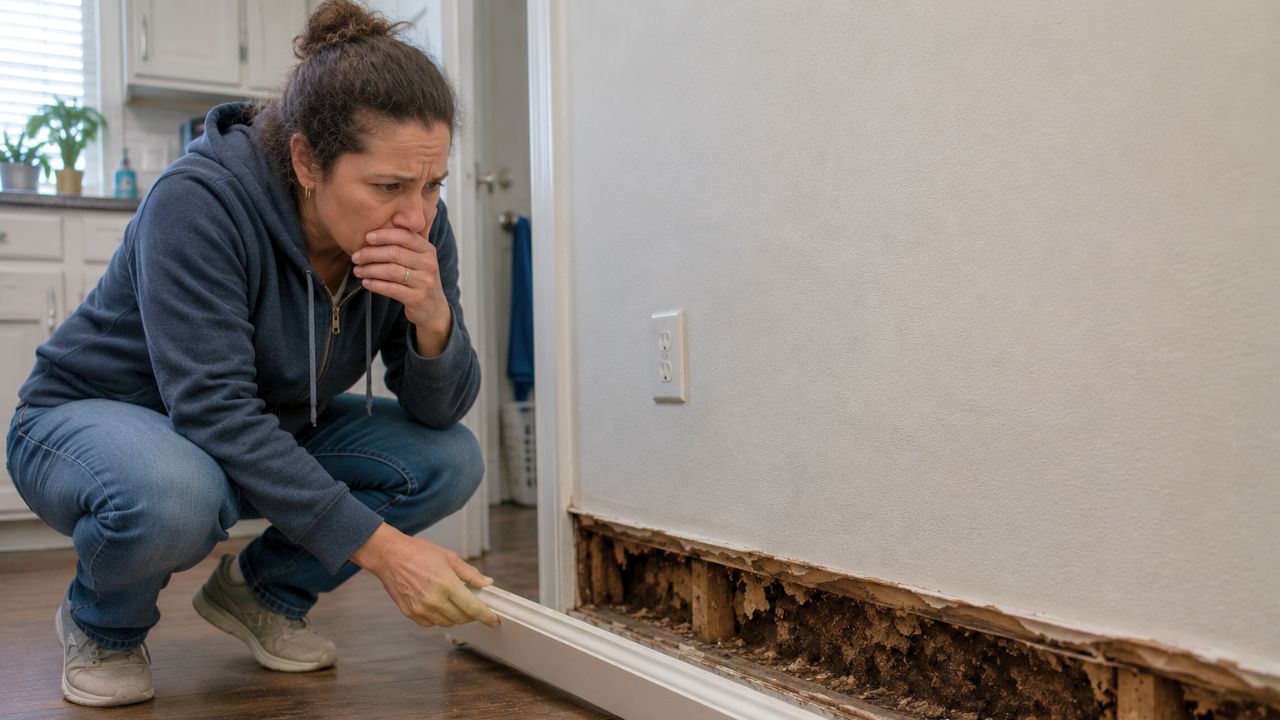
But one buyer’s confidence changed after they found termite damage hidden behind new trim.
What looked like a polished update suddenly felt like a warning sign.
The trim had made the house look cleaner, but once it came off, the buyer discovered damage that had been sitting behind it. Now the home was no longer just in need of small touch-ups.
It needed thousands of dollars in repairs.
The new trim made the damage harder to see
Termite damage can be sneaky on its own.
It may hide behind walls, under flooring, inside framing, or around windows and doors. A house can look perfectly normal from the outside while insects have been quietly eating through wood for years.
But fresh trim can make the problem even harder for a buyer to notice.
If damaged wood is covered with new boards, caulk, and paint, the area may look repaired even if the underlying issue was never actually fixed. During a walkthrough, a buyer may see a clean room and assume the update was cosmetic.
They may not think to pry off trim or inspect behind freshly painted edges.
That was what made this discovery so frustrating. The buyer did not just find termite damage. They found it behind work that made the house look better than it really was.
“Move-in ready” started to feel misleading
A move-in ready home does not have to be perfect.
Most buyers understand that houses come with small problems. There may be old appliances, dated fixtures, worn floors, or projects that eventually need attention.
But termite damage is different.
When wood-destroying insects are involved, the issue can affect the structure, the cost of repairs, future inspections, financing, and resale value. Even if the infestation is no longer active, the damage left behind may still need to be repaired.
So when a buyer finds that kind of damage shortly after closing, the words “move-in ready” can start to feel hollow.
The house may have been clean enough to show, but it was not truly ready if important damage was hidden under new trim.
The repair cost grew quickly
At first, the buyer may have hoped the problem was limited.
Maybe one damaged board. Maybe a small section near a door. Maybe an old issue that could be patched and painted.
But termite damage often spreads farther than people expect.
Once a contractor starts opening the area, the damage may extend into studs, sill plates, subflooring, window framing, door framing, or other hidden wood. Repairs may require removing more trim, cutting out damaged material, treating for termites, replacing wood, rebuilding sections, and repainting.
That is how the bill can climb from annoying to thousands of dollars.
And for a buyer who just paid closing costs, moving expenses, and first-month repairs, that kind of surprise can be brutal.
The buyer had to wonder who knew
The most uncomfortable question was whether the damage had been known before the sale.
Fresh trim does not automatically prove someone hid termite damage. Sellers often update trim because it looks better, and sometimes damage is not discovered until later.
But if the trim was installed directly over damaged wood, the buyer had every reason to ask harder questions.
Was there a previous termite treatment? Did the seller disclose any pest history? Did an inspector mention suspicious wood, moisture, or soft spots? Were there old repairs in the same area? Was the trim added right before listing?
Those details matter because the buyer may need to figure out whether they are dealing with an unfortunate discovery or a concealed problem.
After closing, that difference can be hard to prove.
Commenters focused on inspection reports and pest records
When hidden termite damage shows up after a sale, people usually tell buyers to gather every document they can.
The inspection report matters. The seller disclosure matters. The termite inspection, if there was one, matters too. Any repair receipts, treatment records, photos from the listing, contractor opinions, and pest-control reports could help build a timeline.
Commenters also tend to recommend getting a licensed pest professional to determine whether the infestation is active or old. That is a critical distinction.
Old damage still matters, but active termites can turn the situation into an urgent treatment issue.
People also warn buyers not to assume the visible damage is the full extent. Termites rarely stop exactly where the homeowner first notices them.
The pretty update became part of the problem
The most frustrating part for the buyer was that the trim had likely helped sell the house.
It made the rooms look cleaner. It helped the home photograph better. It may have supported the feeling that the previous owner had updated the property carefully.
Then the buyer learned that the clean finish was sitting over damage.
That changes how a homeowner sees every other update.
Fresh paint starts to look suspicious. New flooring becomes questionable. Updated trim around other doors and windows may need a closer look. The buyer may start wondering whether the house was improved or simply dressed up for sale.
The real issue was trust
Termite damage hidden behind new trim is not just a repair problem.
It is a trust problem.
The buyer thought they were purchasing a house that was ready to live in. Instead, they discovered that one of the clean-looking updates may have been covering damage that would cost real money to fix.
Now the buyer has to deal with pest inspections, contractor quotes, repair work, and the uneasy feeling that the house may have more hidden problems waiting behind the next finished surface.
That is what makes these discoveries so upsetting.
A new trim piece can make a room look complete.
But if it hides termite damage underneath, the update is no longer a selling point.
It becomes the first clue that the “move-in ready” house may have needed a much closer look before anyone signed the closing papers.
Like Fix It Homestead’s content? Be sure to follow us.