Buyer Orders a Land Survey and Finds the Neighbor’s Entire Driveway Sits Eight Feet Onto the Property — Then the Neighbor Refuses to Discuss Moving It
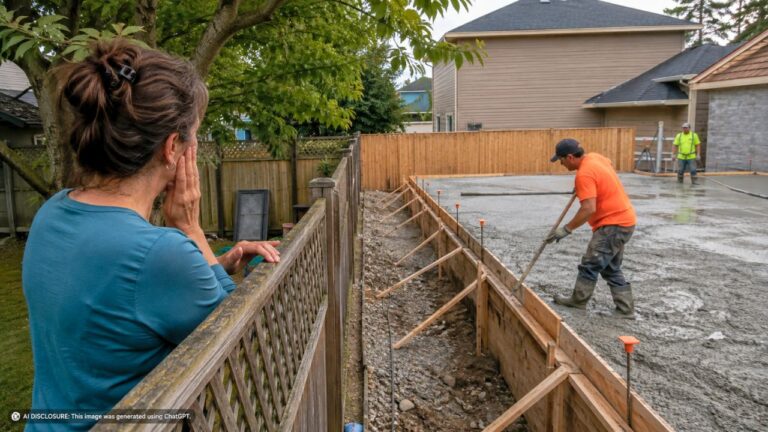
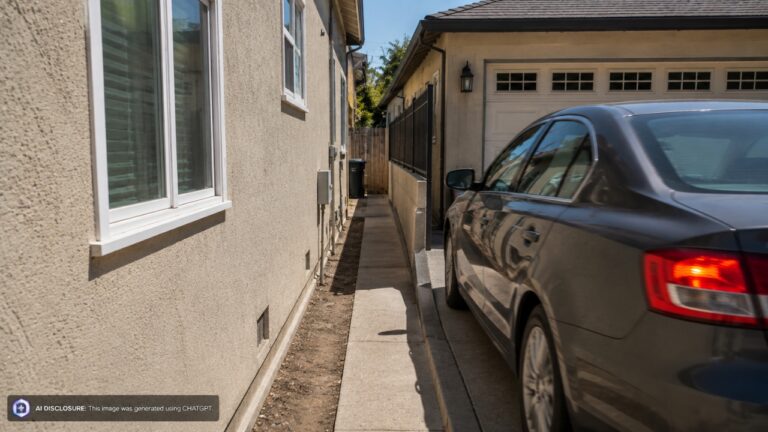
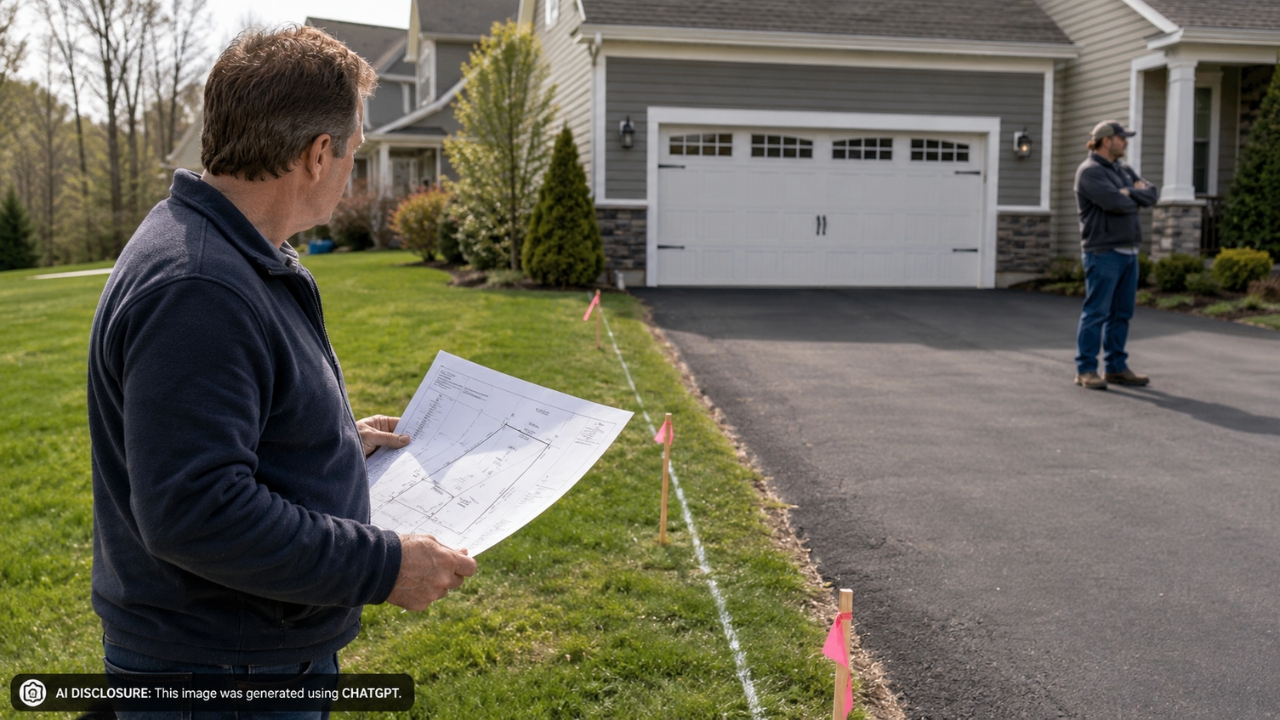
Photo credit: AI-generated image created using ChatGPT. Illustrative only.
It’s one thing to wonder where the property line really sits. It’s another thing to pay for a survey and learn your neighbor’s paved driveway is completely on your land—right where you actually need access.
That’s the bind one homeowner described in the original post, after surveyors flagged that the neighbor’s driveway didn’t just cross the line a little—it was fully over it. The house dates back to the 1980s, which means the pavement has likely been there long enough to feel “normal” to everyone on the block, even if the paperwork says otherwise.
A survey turned a vague worry into a hard line
Before the survey, this kind of problem can live in the background for years. People mow where they’ve always mowed. They drive where they’ve always driven. The edges blur, and nobody wants to be the person who kicks up a fuss.
But a survey doesn’t care what’s familiar. The homeowner said the surveyors disclosed the neighbor’s paved driveway is completely on the homeowner’s property. That changes the entire tone—from “maybe” to “here’s the line.”
And it didn’t land as a theoretical issue. The homeowner also said they “actually do need access to my property via the driveway in question,” which makes the driveway more than an eyesore or a technicality. It’s directly tied to how they can reach and use their own land.
The driveway isn’t just there—it affects daily access
Encroachments are weirdly intimate problems because they turn everyday routines into a standoff. A driveway isn’t like a fence post you can quietly shift. It’s a slab of decisions: grading, base rock, asphalt or concrete, drainage, and the way vehicles physically move in and out.
When someone else’s driveway sits on your property, it can quietly dictate what you can build, where you can park, how water flows, and what happens if you ever need to bring in a truck or equipment. Even if the neighbor is polite, you’re still living with a permanent improvement you didn’t approve.
The homeowner’s question went straight to practicality: if the driveway is on their land, can they claim equal usage rights? That question makes sense when the driveway is already functioning as the de facto access route, and you’re trying to work around reality without lighting the fuse on a neighbor war.
The age of the house makes it messier, not easier
The home was built in the 1980s, and that detail matters because time is what turns a bad boundary assumption into something people treat like a settled fact. A driveway poured decades ago can feel “grandfathered in” even when it isn’t.
Over that many years, ownership changes hands. Memory disappears. Prior neighbors may have had informal handshakes that never made it into deeds. Or nobody noticed because the driveway “looked right” with the way the lots sit.
But old pavement doesn’t magically become yours or theirs just because it’s old. What it does do is raise the emotional stakes. If a neighbor has been using that driveway for years, the suggestion that it should move can feel like you’re taking something away—even if, on paper, you’re only asking for your own land back.
Equal use sounds fair—until someone has to agree in writing
From a homeowner’s point of view, “equal usage rights” can sound like the reasonable middle path. Nobody jackhammers anything tomorrow. Nobody loses access overnight. You just both use what’s already there.
The catch is that shared use is still an arrangement, and arrangements are only as stable as the next disagreement. If you start using a neighbor’s driveway that’s actually on your land, you’re not just dealing with vehicles—you’re dealing with liability, maintenance, and the question of who decides what “use” is allowed.
And because the driveway is paved and established, the neighbor may treat any attempt to formalize sharing as an attack. The homeowner in the post framed it as a question about rights and access, but the underlying tension is obvious: once one person believes they “own” the driveway by habit, they may not want to discuss boundaries at all.
People focused on proof, paper trails, and not rushing the first conversation
Even from the short description, the core theme is familiar to anyone who’s dealt with property lines: the survey is your anchor. It’s the one thing in the whole mess that isn’t vibes, neighborhood lore, or “the previous owner said it was fine.”
In these disputes, the smartest early moves tend to be quiet ones. Keep copies of the survey. Understand exactly what it shows—where the pins are, what the measurements say, whether the driveway is fully encroaching or whether there’s any easement recorded somewhere that explains how it got that way.
Homeowners who’ve been through similar messes often urge the same basic order of operations: document first, then talk. Because once you confront a neighbor, the tone can change fast. People get defensive. They start doing their own “measurements.” And suddenly you’re trying to solve a geometry problem with emotions involved.
Why this doesn’t stay a “nice to know” detail
Driveways aren’t just about cars. They’re about property value, future projects, and what happens when someone needs to repair or replace the pavement. If the driveway is entirely on the homeowner’s land, then future maintenance becomes a question: who pays, who hires, and who gives permission?
Then there’s the lurking issue that makes buyers’ stomachs drop: when you go to sell, a clean survey can become a bargaining chip for the next person—or a red flag that slows everything down. Encroachments have a way of turning into last-minute closing chaos, because everyone wants the problem solved, but nobody wants to pay for it.
For the homeowner who needs access via that driveway, there’s also a day-to-day reality. If the neighbor decides to block it, park on it, or treat it like private space, it’s not just annoying. It can cut off the most practical route to parts of the property the homeowner is trying to use.
In the end, this kind of discovery forces a choice that feels unfair: live with an encroachment that affects how you use your own land, or push for a fix and risk a feud with the people next door. The survey line may be clear, but getting two households to accept what it means is the part that never comes with a neat set of stakes in the ground.