Carbon monoxide detectors miss the danger when they’re placed in this “common sense” spot
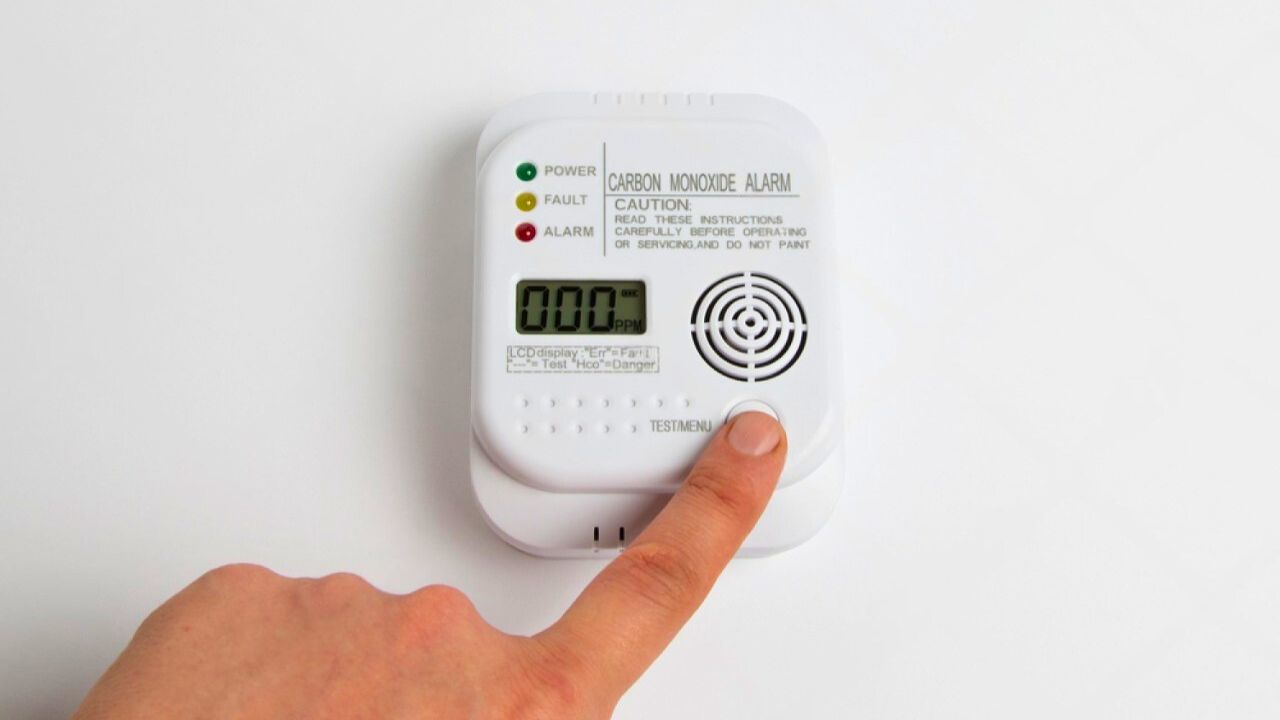
Carbon monoxide is quiet, colorless, and fast, which is why you rely on detectors to speak up before it is too late. Yet a “common sense” habit, putting the alarm right next to the suspected danger or a handy vent, can actually muffle that warning instead of sharpening it. If you place your carbon monoxide detector in the wrong spot, you are not just wasting a device, you are giving yourself false confidence in a room that may already be filling with gas.
The good news is that a few specific placement rules dramatically improve your odds of catching a leak early. By rethinking where you mount each alarm, especially the one you instinctively want closest to a furnace, fireplace, or garage door, you can turn a vulnerable layout into a protective system that works while you sleep, cook, or warm up the car.
The “common sense” mistake that silences your alarm
When you bring home a new carbon monoxide detector, your first instinct is often to put it right where you imagine the gas will appear, such as directly above a gas stove, on the wall beside a furnace, or next to a fireplace. It feels logical, even responsible, to park the alarm inches from the suspected threat. In practice, that instinct can backfire, because the air right next to a fuel burning appliance is turbulent, hot, and sometimes full of harmless byproducts that confuse the sensor long before any real emergency.
Several safety guides warn that the worst locations are often those closest to the equipment you worry about most. Advice on where NOT to put a detector highlights that placing it too close to fuel burning appliances, especially above or within 15 feet of a potential source, can expose it to heat and brief puffs of exhaust that do not represent the room’s true carbon monoxide level. Guidance on where not to install carbon monoxide detectors also singles out spots right by a stove, water heater, HVAC vent, or fan, because those locations can cause nuisance alarms or, worse, mask the gradual buildup of gas in the rest of the room.
Why vents, windows, and fans are the real problem
The more subtle mistake is not just proximity to an appliance, but proximity to moving air. You might be tempted to mount a detector near a window, a door, or a supply vent, reasoning that any leak will drift toward the nearest opening. In reality, drafts can dilute or redirect carbon monoxide before it reaches the sensor, so the alarm samples unusually clean air while the gas pools in a quieter corner of the room.
Placement advice that focuses on airflow warns you not to install detectors near vents or windows, because drafts and fans can push carbon monoxide away from the device and prevent it from sensing the true concentration. A separate guide on correct carbon monoxide detector placement reinforces that you should avoid mounting alarms next to an HVAC vent or fan for the same reason, since the moving air can either blow clean air across the sensor or carry contaminated air somewhere else before the detector ever samples it.
How carbon monoxide actually moves through your home
To place detectors intelligently, you need to understand how carbon monoxide behaves once it escapes a furnace, water heater, or car exhaust. Unlike smoke, which quickly rises and hugs the ceiling, carbon monoxide mixes more evenly with the air in a room. That means you do not need to chase it up to the highest point, and you also cannot assume it will linger only near the floor or right beside the appliance that produced it.
Technical guidance explains that carbon monoxide is slightly lighter than air and tends to diffuse evenly throughout a space, which is why a carbon monoxide detector should be installed at a height recommended by the manufacturer rather than pressed against the ceiling or floor. According to advice that cites the National Fire Protection Association, you should mount alarms on a wall or ceiling where they can sample the same air you breathe, not in a corner where circulation is poor. Another guide that asks why proper placement of CO detectors matters stresses that, unlike smoke, carbon monoxide does not race to the ceiling, so the best height is usually around breathing level in open plan areas where air is relatively still.
The right height and distance from appliances
Once you stop chasing carbon monoxide to the ceiling, the next question is how high on the wall to mount the alarm. You want it close enough to your typical breathing zone that it samples the same air you do, but not so low that furniture, pets, or dust block the vents. Many manufacturers design their devices to work best at about the height of a light switch or slightly higher, which keeps them accessible for testing and battery changes while still capturing the room’s average concentration.
One detailed guide on the correct mounting height for a carbon monoxide detector notes that the ideal position is at the level where you breathe while standing or sleeping, which usually means on a wall rather than at floor level. At the same time, recommendations on where NOT to put a detector emphasize keeping it out of the immediate heat plume above or within 15 feet of a fuel burning appliance, so the sensor is not overwhelmed by short bursts of exhaust that do not reflect the overall danger in the room.
Bedrooms, hallways, and the “every level” rule
Even if you never walk into your basement utility room, carbon monoxide from a boiler or furnace can drift upstairs and into your bedroom while you sleep. That is why safety standards focus less on where the gas originates and more on where you are most vulnerable. You need alarms close enough to wake you, especially in the middle of the night when you are least likely to notice a headache, dizziness, or confusion as early warning signs.
Guidance on where to place detectors stresses that you should have one outside of each bedroom or sleeping area and on every level of your home, including the basement and any finished attic space. A separate overview of carbon monoxide detector placement reinforces the “on every level” rule and notes that, according to the International Associ, you should treat each floor as its own risk zone rather than assuming one alarm near the stairs will protect the entire house. Local safety advice that covers where in the home alarms should be installed also calls for detectors outside of each bedroom door so that a single device in a distant hallway is not your only line of defense.
Basements, garages, and the temptation to “stick it right there”
Basements and attached garages are the places where you most want to put a detector directly on top of the hazard. A gas furnace, a tank style water heater, and a car idling in an attached garage all feel like obvious candidates for a detector mounted inches away. The safer approach is to treat these spaces as sources that feed the rest of the house, then position alarms where the gas is likely to collect and where you are likely to hear them.
Guidance that asks should you install carbon monoxide detectors in basements notes that these areas often house multiple fuel burning appliances, which makes coverage essential, but it also cautions that placing detectors too close to those appliances can interfere with their function. Another placement guide lists “inside an attached garage” as a key location for a detector, but the same advice on outside of each bedroom and on every level makes clear that you should not rely on a single alarm mounted directly above a car or furnace. Instead, you should position detectors on nearby walls in relatively still air, far enough from the exhaust stream that they measure the room’s overall concentration rather than a brief spike.
How your HVAC system can fool a poorly placed detector
Your heating and cooling system can either help spread carbon monoxide quickly through the house or hide it from a detector that is mounted in the wrong place. If a furnace or water heater develops a problem, the same ducts that keep your rooms comfortable can carry exhaust into bedrooms, living rooms, and home offices. At the same time, strong airflow from a vent can trick a nearby detector into reading lower levels than actually exist in the room.
One analysis of HVAC units and carbon monoxide detectors notes that systems can both create and distribute CO, especially when leaky HVAC air ducts allow exhaust to escape into living spaces instead of venting outdoors. Another overview of your HVAC system and carbon monoxide detectors points out that many carbon monoxide detectors can be triggered by humidity if your air conditioner is the wrong size, which can lead you to move the device closer to a vent in search of “fresher” air. That relocation, especially if it ends up right next to a supply register, can then fool the detector into thinking everything is fine because it is sampling air that has just been conditioned and diluted.
Cooking, humidity, and other sources of false alarms
False alarms are not just annoying, they are one of the main reasons people relocate detectors to bad spots. If your alarm chirps every time you sear a steak or boil water, you might be tempted to move it closer to a window, a range hood, or a ceiling fan. That quick fix can push the detector into a stream of moving air that keeps it quiet for the wrong reasons, leaving you unprotected when a real leak occurs.
Advice on the dos and donts of carbon monoxide detector placement recommends keeping alarms within 15 feet of cooking appliances but not directly above them, so normal cooking fumes do not create unnecessary fear or annoyance. A separate overview of your HVAC system notes that many carbon monoxide detectors can be triggered by humidity, which means steamy bathrooms and kitchens are poor locations. When you respond to those nuisance alarms by sliding the detector next to a fan, vent, or open window, you are effectively moving it into the very “common sense” spot that is most likely to miss a slow, dangerous buildup of gas.
A room by room checklist that avoids the trap
To keep your detectors out of the danger zone and still give them a clear view of the air you breathe, it helps to walk through your home with a simple checklist. In bedrooms, you should mount an alarm on the wall outside each door, at about breathing height, and at least several feet from any supply vent or window. In hallways, you should avoid corners where air is stagnant and instead choose a central spot that is easy to hear from multiple rooms.
Guidance that outlines the problem with incorrect placement warns that when detectors are installed in the wrong locations, your chances of being alerted in time are significantly reduced. A practical guide that explains where to mount carbon monoxide detectors recommends placing them in open plan areas at a height and position where air is relatively still, away from vents and fans. Another overview of carbon monoxide detector placement reinforces that you should have alarms on every level, including basements with fuel burning appliances, and that you should follow the manufacturer’s instructions for exact mounting height and distance from walls in stagnant indoor air.
Like Fix It Homestead’s content? Be sure to follow us.
Here’s more from us:
- I made Joanna Gaines’s Friendsgiving casserole and here is what I would keep
- Pump Shotguns That Jam the Moment You Actually Need Them
- The First 5 Things Guests Notice About Your Living Room at Christmas
- What Caliber Works Best for Groundhogs, Armadillos, and Other Digging Pests?
- Rifles worth keeping by the back door on any rural property
*This article was developed with AI-powered tools and has been carefully reviewed by our editors.