Celebrity homes keep cutting prices and it’s not just because of interest rates
Celebrity real estate used to be shorthand for untouchable prices and instant bidding wars. Now you are seeing a different pattern: marquee homes lingering on the market, then quietly shaving millions off their asking prices before finally finding a buyer. Interest rates matter, but the steady drip of price cuts at the top of the market is telling you something deeper about how luxury housing is changing.
If you are shopping in this rarefied tier, or simply watching it as a barometer for wealth and taste, you need to understand why the old rules are breaking down. From oversupply and shifting lifestyle priorities to the rise of smaller but more lavish spaces, the celebrity discount is becoming less of an anomaly and more of a signal about where high‑end property is headed next.
The new reality behind celebrity price cuts
When you see a famous name slash the price of a mansion, it is tempting to blame it on higher borrowing costs and move on. Yet many of the buyers who can afford eight‑figure homes are paying cash or using bespoke financing, which means interest rates are only part of the story. What you are really watching is a repricing of what counts as desirable at the top of the market, as buyers become more selective about how and where they live.
In practical terms, that means you are no longer guaranteed a premium just because a property is sprawling, gated, and once hosted a red‑carpet after‑party. The luxury segment in North America is evolving into a more rational market, where buyers scrutinize floor plans, operating costs, and long‑term livability instead of paying any price for a famous ZIP code. As that discipline filters into celebrity deals, you see more price reductions, longer listing times, and a growing gap between aspirational asking prices and what buyers will actually pay.
Oversupply at the top end is finally catching up
For more than a decade, developers and spec builders chased the same dream: ever larger, ever flashier trophy homes aimed at a small pool of ultra‑wealthy buyers. That pipeline has now produced a glut of high‑end inventory, especially in coastal markets where celebrities tend to cluster. When you have multiple nearly interchangeable mega‑mansions competing for the same handful of buyers, even a famous seller has to negotiate.
Analysts describe an oversupply of luxury properties that is putting downward pressure on prices until the market can find its balance again. You feel that imbalance most acutely in the celebrity segment, where homes are often custom built to a specific taste and harder to repurpose for the next owner. When there are more palatial listings than qualified buyers, price cuts stop being a sign of distress and start becoming a basic tool for clearing excess inventory.
Los Angeles mansions as a cautionary tale
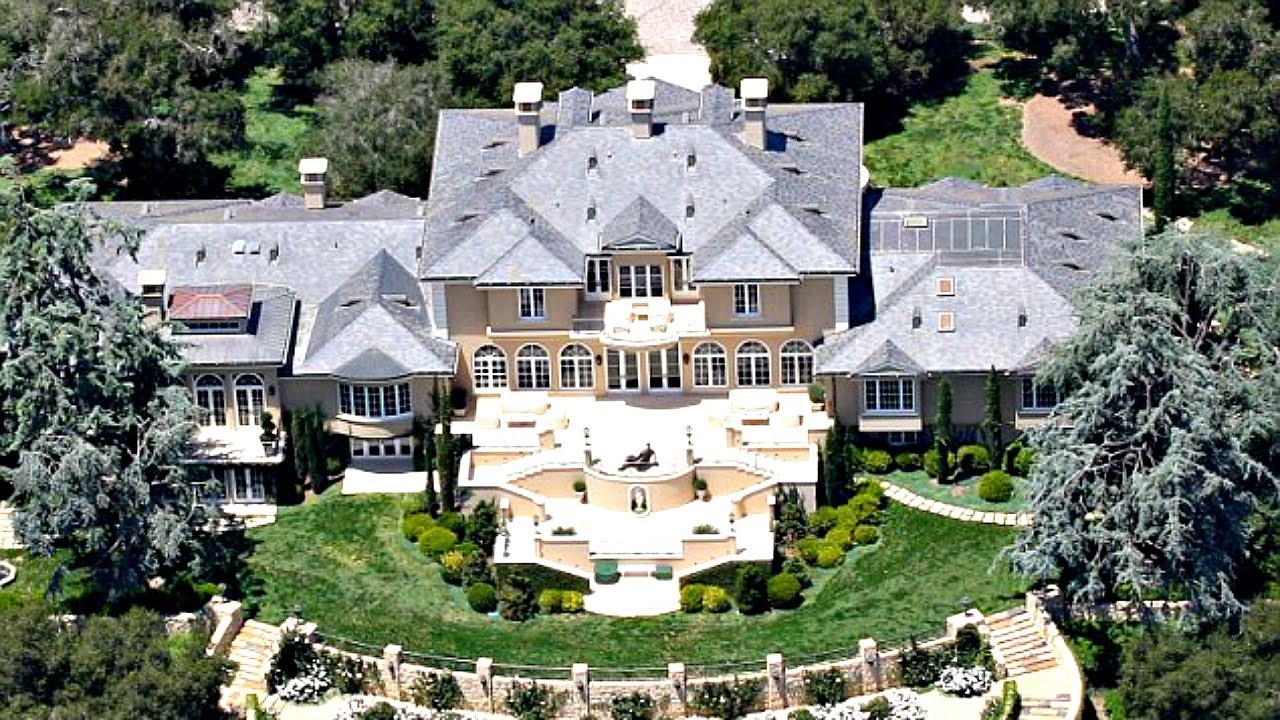
Nowhere is this dynamic more visible than in Los Angeles, where the modern celebrity mansion has become both a status symbol and a cautionary tale. In neighborhoods from Bel‑Air to Beverly Hills, properties that would have sparked bidding wars a few years ago are now trading for a fraction of their peak valuations. You see homes with 15 bathrooms, bowling alleys, and car galleries sitting on the market until sellers accept that the buyer pool for such extravagance is smaller than they imagined.
Reporting on why Los Angeles mansions are selling for a fraction of the price they might have commanded just two years earlier points to a mix of factors that go beyond financing costs. Buyers are pushing back on over‑the‑top square footage that feels more like a hotel than a home, and they are discounting properties that require armies of staff to run. When even marquee estates in Los Angeles need multiple price cuts to move, it signals that the old formula of “bigger plus flashier equals more valuable” is losing its grip.
Smaller homes are becoming more luxurious
As those mega‑mansions struggle, you are seeing a quiet pivot toward smaller, more thoughtfully designed luxury homes. Instead of chasing raw square footage, affluent buyers are prioritizing craftsmanship, technology, and flexible spaces that fit how they actually live. A well‑designed 4,000‑square‑foot house with a smart layout, integrated wellness features, and a strong indoor‑outdoor connection can now outshine a 12,000‑square‑foot showpiece that feels dated the moment you walk in.
Industry research notes that smaller homes continue to gain traction in the Luxury segment as buyers redirect money toward travel, leisure, and personal pursuits instead of sheer size. For you, that shift means a celebrity name attached to a sprawling estate is no longer enough to justify a premium if the property does not align with this new preference for efficient luxury. It also means that compact, high‑spec homes in prime locations can hold their value better, while oversized compounds are more vulnerable to aggressive discounting.
Economic crosswinds and a more cautious buyer
Even wealthy buyers are not immune to broader economic uncertainty, and that caution is reshaping how they approach high‑end real estate. Volatile markets, shifting tax policies, and questions about long‑term growth make you more likely to treat a luxury home as a serious investment decision rather than a trophy purchase. That mindset translates into tougher negotiations, closer scrutiny of pricing, and a willingness to walk away if a seller refuses to budge.
Analysts looking at economic factors, market stability, and inventory in The Future of Luxury Real Estate, What to Expect in 2025, describe a landscape where buyers in North America are using better data and professional advice to navigate transactions with greater confidence. For celebrity sellers, that means you are no longer dealing with star‑struck bidders willing to overpay just to own a piece of someone’s lifestyle. You are negotiating with financially sophisticated counterparts who expect the price to reflect real value, not just a famous past owner.
Lifestyle shifts are rewriting the wish list
Beyond economics, the way affluent people live and work has changed, and that is filtering directly into what you look for in a home. Remote and hybrid work have made dedicated offices, soundproof studios, and reliable connectivity more important than cavernous entertaining spaces that sit empty most of the year. Wellness has moved from a buzzword to a design principle, with buyers prioritizing natural light, outdoor access, and amenities like cold plunges or infrared saunas over yet another screening room.
These lifestyle shifts help explain why some celebrity properties, even with impressive amenities, are struggling to command their original asking prices. A house built around hosting 300‑person parties may feel out of step if you are more focused on privacy and day‑to‑day comfort. As your priorities tilt toward functional luxury, you are more likely to discount homes that read as monuments to a previous era of excess, which forces sellers to trim prices until the property aligns with contemporary expectations.
Design trends are aging faster than sellers expect
Design that looked cutting edge when a celebrity built or renovated a home can date quickly, especially in markets where trends move at high speed. All‑white interiors, glossy finishes, and open‑plan everything are giving way to warmer palettes, defined rooms, and more tactile materials. If you are walking into a property that still screams a specific decade of taste, you are mentally subtracting the cost and hassle of updating it from whatever the seller is asking.
That design lag is particularly punishing for large estates, where every change is multiplied across thousands of square feet. A celebrity who invested heavily in a particular aesthetic may be reluctant to acknowledge how much work a new owner will need to do, but buyers will bake that reality into their offers. The result is a widening gap between list prices anchored in past renovation budgets and sale prices grounded in what it will cost you to bring the property in line with current design standards.
What this means if you are buying or selling at the top
If you are a buyer in this segment, the wave of celebrity price cuts is an invitation to be patient and disciplined. You can afford to compare multiple properties, push for concessions, and walk away from homes that are mispriced relative to their condition, design, and operating costs. The key is to focus less on the name on the mailbox and more on fundamentals like layout, location, and long‑term livability, because those are the traits that will matter if you eventually decide to sell.
If you are a seller, especially one with a public profile, the message is equally clear. You need to price for the market you are in, not the one you remember from a few years ago, and you should be prepared to invest in updates that align with how affluent buyers live now. That might mean reconfiguring underused spaces, dialing back ostentatious finishes, or even subdividing land to create more manageable parcels. In a world where Why Luxury Real Estate Prices are Plummeting is no longer a theoretical headline but a lived reality, the most successful celebrity sellers will be the ones who treat their homes like any other asset: subject to supply, demand, and the evolving tastes of the people writing the checks.
Like Fix It Homestead’s content? Be sure to follow us.
Here’s more from us:
- I made Joanna Gaines’s Friendsgiving casserole and here is what I would keep
- Pump Shotguns That Jam the Moment You Actually Need Them
- The First 5 Things Guests Notice About Your Living Room at Christmas
- What Caliber Works Best for Groundhogs, Armadillos, and Other Digging Pests?
- Rifles worth keeping by the back door on any rural property
*This article was developed with AI-powered tools and has been carefully reviewed by our editors.