Chip Gaines’ best advice for taking on a fixer-upper
Chip Gaines isn’t just a TV personality—he’s living proof that common sense and solid planning work better than flashy shortcuts. Whether you’re jumping into your first fixer or mapping out a big project, his advice still applies today. Here’s a look at seven tips from Chip that work when you’re investing sweat equity in your home.
Check for the ‘Big Four’ Before You Commit
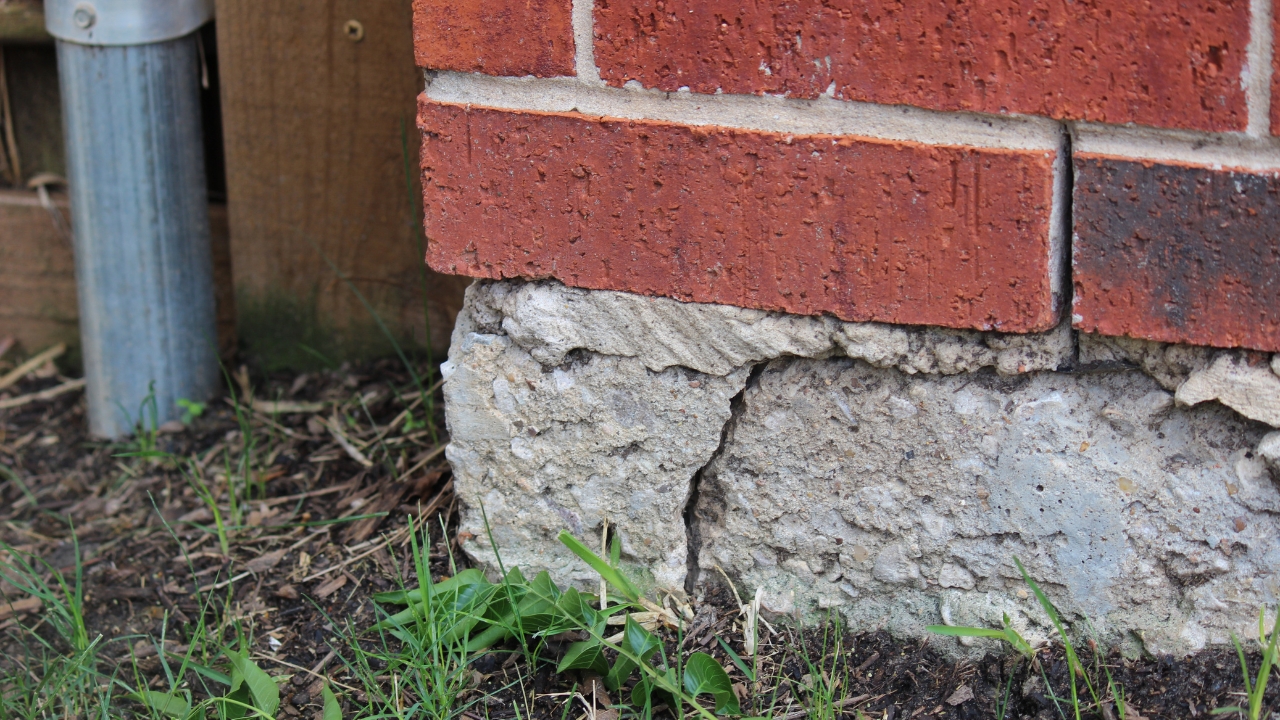
Chip always stresses steering clear of homes with major structural issues—he calls them the “big four.” Foundation, electrical, plumbing, and roof problems aren’t weekend fixes. Even seasoned DIYers should bring in pros when those become part of the equation. Buildings with serious red flags can drain your budget before your paintbrush even touches the wall.
Stick to places where those core systems are solid. Cosmetic quirks like dated wallpaper or overgrown yards are simple fixes—those big-ticket problems aren’t worth the risk. Protect your project plan by starting with a home that can take on fresh paint or new tile without needing a crane.
DIY the Fun Stuff, Hire Out the Last Leg
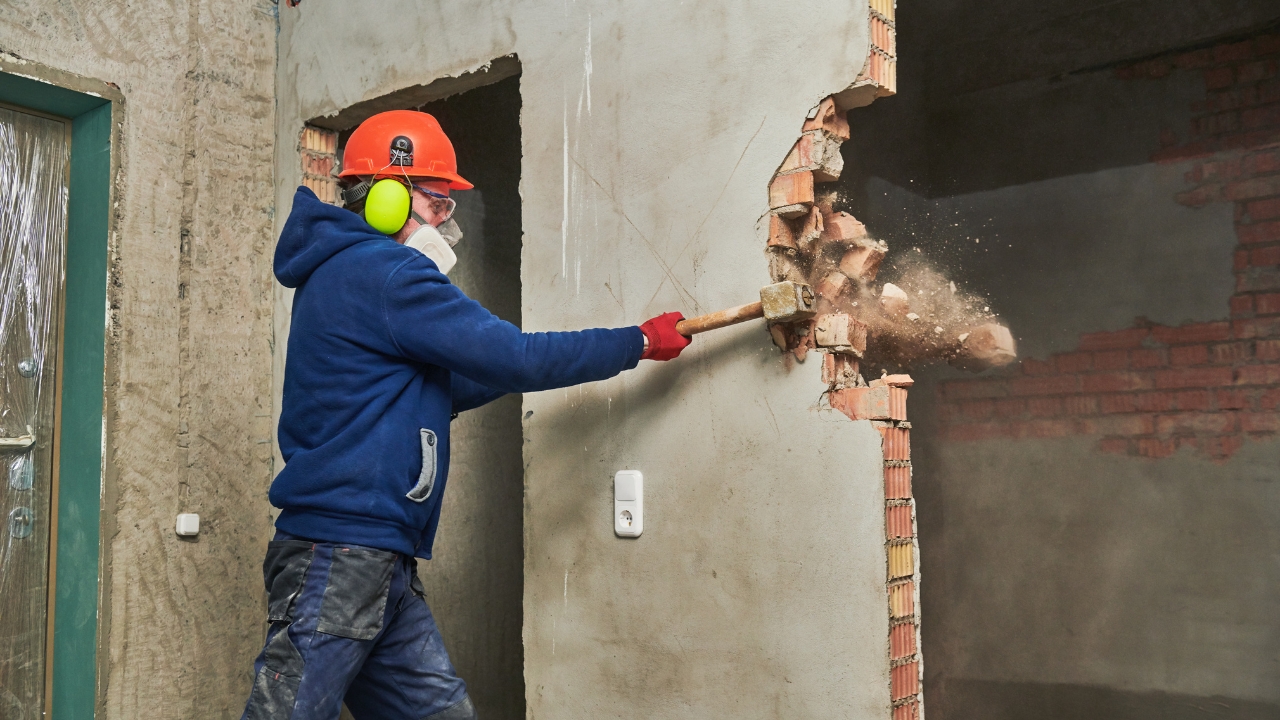
One of his sharpest tips: handle what you can yourself—but bring in pros to finish that last 10 percent. You’ll save big on labor costs and still get a professional polish when it counts. It’s satisfying to demo, paint, install—but certain finishes need classic skills better left to experienced hands.
That final stretch makes the difference between a look that feels homemade and one that readies your home for resale—or just makes it feel complete every day. You’re not losing control by hiring help. You’re mixing smart budgeting with craftsmanship for the best outcome.
Don’t Dismiss Fixer-Uppers With Bad Yard Appearance
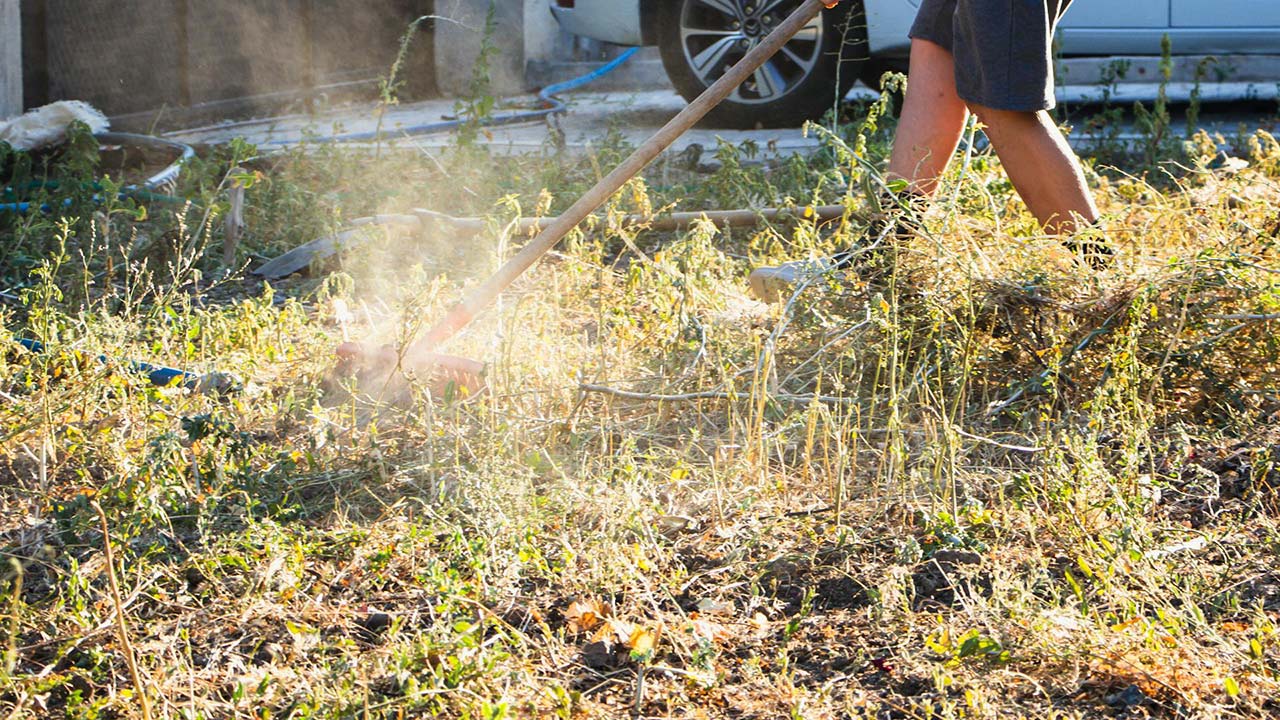
Chip says bad landscaping shouldn’t disqualify a place. An overgrown yard, rough lawn, or neglected curb appeal are often low-cost, high-return fixes. A few plants, fresh mulch, trimmed shrubs—that kind of upgrade can boost your home’s welcome look dramatically.
That makes your picker mindset a strategic edge. You’re seeing past surface-level neglect to potential. For a little elbow grease and imagination, a home that felt blah from the street can start feeling full of promise before you flip the front door open.
Focus on Cosmetic Fixes with Immediate Impact

Chip reminds first-time renovators (and old pros too) that small changes can make a big difference. A fresh coat of paint, updated hardware, new tile can elevate your home quickly—and often for less than you’d think. They tackled those early on to build confidence and transform their own spaces.
It’s smart strategy—get visible wins under your belt before tackling bigger jobs. That momentum keeps you motivated. Handy couples, dream teams of one—with the right little updates, you can lean into your home’s vision without overextending on cash or energy.
Preparation Is the Backbone of Every Renovation

Chip’s mantra? Preparation is everything. Rushing ahead without a plan leads to mistakes. Rookie renovators tend to skip steps—demo and chaos follow. Taking the time to plan, think through each stage, even foresee setbacks, gives you control.
He compares it to coaching an athlete—it’s technique, not brute force. Proper prep smooths the process and keeps surprises manageable. Whether painting or ripping out an entire room, slow down and think ahead. It’s not glamorous—but it’s what keeps your project on track.
Respect Materials, But Let Your Style Come Through
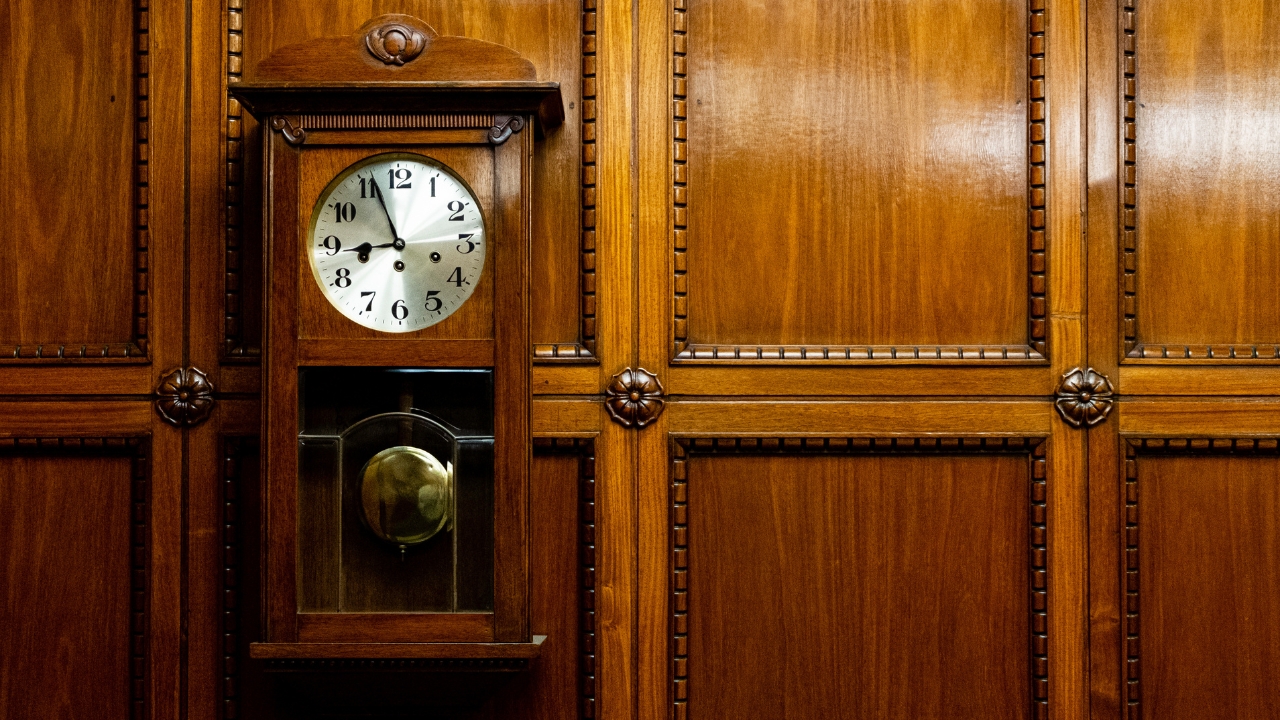
A quieter, timeless piece of wisdom: don’t let trends box you in. Chip encourages watching others for inspiration—but make your home reflect your story, not a show. Decor that’s meaningful stays with you; show‑style copycats lose warmth.
Your grandmother’s clock, that thrift‑store armoire, a family photograph—they ground your space. Those layered, lived‑in elements matter. Function may come first, but what makes a house feel like home is the personal touch. That kind of intentional layering never goes off‑trend.
First Impressions Don’t Determine Potential
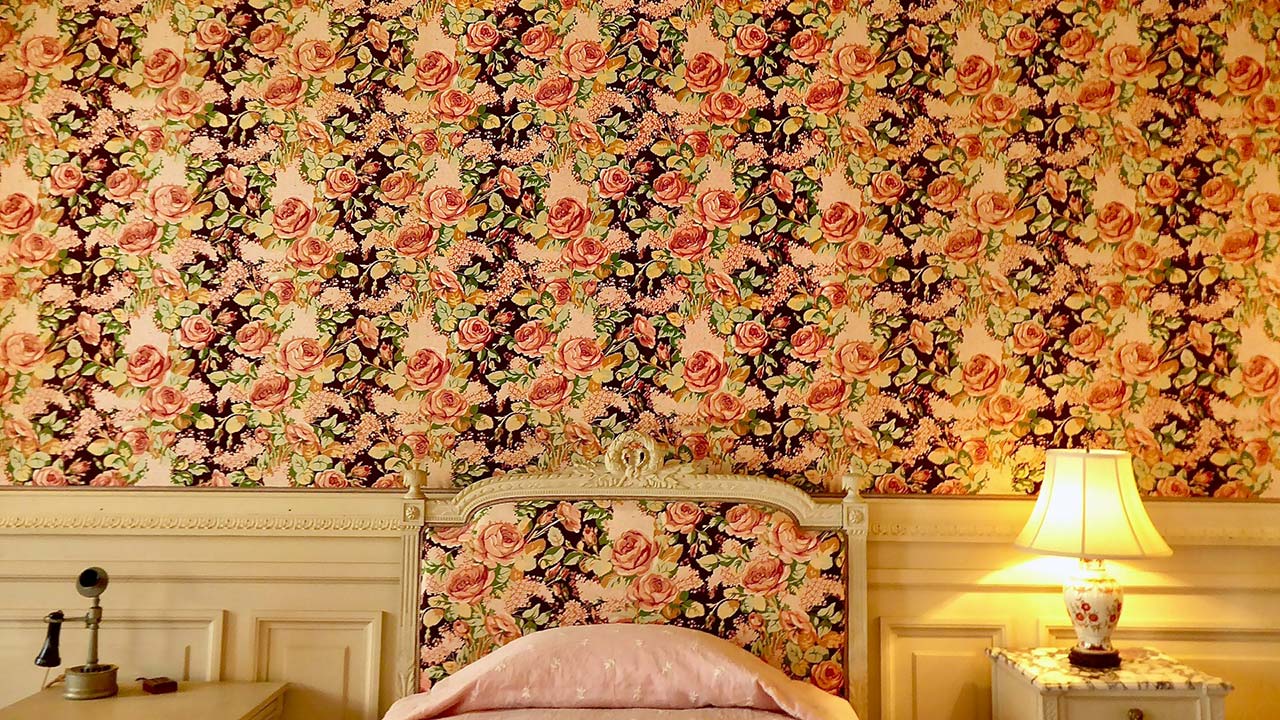
Chip says the first walkthrough doesn’t always tell the full story. A home that underwhelms at first sight may still hold value if its bones are good. Look past wallpaper or carpet—you’re after what’s below surface.
This calm confidence helps you stay open-minded—and sometimes messy curb or outdated paint masks exactly the home you could love once you peel back a layer or two.
*This article was developed with AI-powered tools and has been carefully reviewed by our editors.