CPSC winter-storm safety reminders are blunt for a reason, carbon monoxide deaths spike during outages
When winter storms knock out power, the danger inside your home often has nothing to do with snow or ice. It is the invisible buildup of exhaust from makeshift heating and power sources that turns a cold night into a medical emergency. That is why federal safety messages about carbon monoxide during outages sound harsh, even repetitive, and why officials keep repeating them as storms threaten millions of households each year.
The Consumer Product Safety Commission, or CPSC, has learned the hard way that polite suggestions do not compete with a freezing house and a dark kitchen. Carbon monoxide deaths spike when the grid goes down, and the agency’s blunt warnings are an attempt to cut through the chaos before someone wheels a generator into a garage or lights charcoal in a living room.
Why winter outages are a perfect storm for carbon monoxide
When the lights go out in a blizzard, you are suddenly managing two crises at once: the loss of electricity and the loss of safe heat. That is when people drag grills onto porches, idle cars in driveways for warmth, or run portable generators closer to the house than they ever would on a mild day. Federal safety officials have warned that winter power outages sharply increase the risk of carbon monoxide poisoning because desperate workarounds often happen in enclosed or partially enclosed spaces where ventilation is inadequate, turning a snowstorm into a toxic air event inside your own walls.
Carbon monoxide, also known as CO, is not just another household hazard, it is what the CPSC calls the “Invisible Killer,” a colorless, odorless, poisonous gas that can overwhelm you before you realize anything is wrong. The agency’s Carbon Monoxide Information Center notes that more than 2,000 people visit emergency rooms each year because of consumer product related CO exposure, and that number spikes when storms trigger widespread outages. In that context, the blunt tone of winter-storm advisories is less about theatrics and more about competing with the very real temptation to improvise heat in unsafe ways.
The “Invisible Killer” inside a closed-up winter home
In cold weather, you seal your house as tightly as you can, which is exactly what makes carbon monoxide so dangerous during a storm. When windows are shut, chimneys are rarely checked, and vents are blocked by snow, any exhaust that leaks indoors has nowhere to go. The CPSC stresses that carbon monoxide is called the “Invisible Killer” because it is a colorless, odorless, poisonous gas that can render you unconscious before you feel more than a headache or nausea, and that is why its guidance urges you to leave the home immediately and then call 911 if an alarm sounds or you suspect exposure.
That invisibility is what drives the agency’s stark language. In its detailed explanation of carbon monoxide, the CPSC notes that early symptoms can look like the flu, which means you might lie down to “sleep it off” in the very room where the gas is building. In a winter outage, when you are already exhausted from shoveling snow or managing kids in the dark, that misreading can be fatal within hours.
Why the CPSC’s winter messages sound so harsh
If you have ever heard a CPSC official talk about generators or grills during a storm, the wording is not gentle. You are told what to do and what to avoid in capital letters, with phrases that sound more like commands than suggestions. That tone is deliberate. The agency has seen that when temperatures plunge and power lines fail, people underestimate how quickly carbon monoxide can accumulate, so the guidance is written to cut through stress, fatigue, and wishful thinking with simple, non-negotiable rules.
In a recent winter advisory, the CPSC framed its outreach as a life saving campaign as storms and freezing temperatures threatened millions across the United States, warning that consumers need to be especially careful with portable generators, charcoal grills, and gas appliances because of lethal levels of CO. The release, issued from WASHINGTON, does not mince words, and that bluntness is meant to stick in your mind when you are standing in a freezing garage with a generator and an extension cord, debating how far from the door is “good enough.”
Generators: the convenience that can kill in minutes
Portable generators are the hero of every outage story, until they are not. When you lose power, a generator can keep your refrigerator running, your phone charged, and a space heater humming, but it also produces a concentrated stream of exhaust that can turn deadly in a matter of minutes if it is used in the wrong place. The CPSC’s own safety materials put it bluntly in a document titled “What to Know About Generators and Carbon Monoxide (CO),” where the word “DANGER” is printed in bold and you are told that using a generator indoors can kill you in minutes.
The agency’s generator guidance is not subtle for a reason. In its What to Know About brochure, the CPSC spells out that using a generator indoors, including in garages, basements, or crawlspaces, is never safe, even if doors and windows are open. The document emphasizes that carbon monoxide from a generator can seep into living spaces faster than you can ventilate it, which is why the only safe setup is outdoors, far from doors, windows, and vents, with the exhaust pointed away from the home.
Where and how to run a generator safely
Once you accept that a generator belongs outside, the next question is how far and how carefully you should set it up. Safety officials advise that you place a portable unit at least 20 feet from your home, with the exhaust directed away from any opening where fumes could drift back inside. That distance matters even more in winter, when snowdrifts and wind patterns can trap exhaust near basement windows or dryer vents, turning what looks like an open yard into a pocket of contaminated air.
Recent federal guidance on storm preparation urges you to look for portable generators that have a CO shut off safety feature, a built in sensor that automatically shuts off the generator when high levels of carbon monoxide are detected. The CPSC has highlighted that these advanced models can reduce the risk of CO poisoning by between 86 percent and 100 percent compared with older designs, and it encourages consumers to Look for that feature on the box or in the product description before buying.
“NEVER” means never: garages, basements, and breezeways are off limits
One of the most common and most dangerous myths about generators is that a partially open space is safe. You might think that a garage with the door cracked, a screened porch, or a breezeway offers enough airflow to dilute exhaust, especially if the wind is howling outside. The CPSC’s language is unambiguous on this point. In its winter storm tips, the agency states that you should NEVER operate a portable generator inside a home, garage, basement, crawlspace, shed, or any other enclosed or partially enclosed structure, because carbon monoxide can build up even when you think there is plenty of ventilation.
That same message is echoed in state level emergency guidance that warns you to keep generators outside and away from windows, doors, and vents, and to shut them off and let them cool before refueling. One long standing advisory on avoiding carbon monoxide poisoning during a power outage tells you plainly to NEVER operate a generator inside a building, including garages, and to follow manufacturer instructions when installing or servicing fuel burning appliances. The capital letters in that NEVER are not stylistic flair, they are a reflection of how often people try to make exceptions and how often those exceptions end in tragedy.
Other hidden CO sources when the heat goes out
Generators are not the only culprits when the power fails. When your furnace stops, you may be tempted to bring outdoor equipment inside, from charcoal grills to camp stoves and propane heaters. Federal safety officials have specifically warned that power failures often lead to risky behavior, including using charcoal indoors or running gas appliances in rooms where ventilation is inadequate, and that these improvisations can quickly fill a home with carbon monoxide even if you crack a window.
The CPSC’s broader storm safety guidance on loss of power and using a generator safely also reminds you to never use charcoal indoors and to make sure fireplaces and wood stoves are properly vented before lighting them. In its hurricane season tips, the agency groups these warnings under “Loss of Power” and “Using a Generator Safely,” urging you to avoid any open flame or combustion device inside the home that is not specifically designed and vented for indoor use. The advice to NEVER use charcoal indoors is paired with reminders to check that flues are open and clear before sleeping in a room with a fireplace, because even traditional heating sources can become dangerous if smoke and exhaust cannot escape.
Alarms, detectors, and the indoor air you cannot see
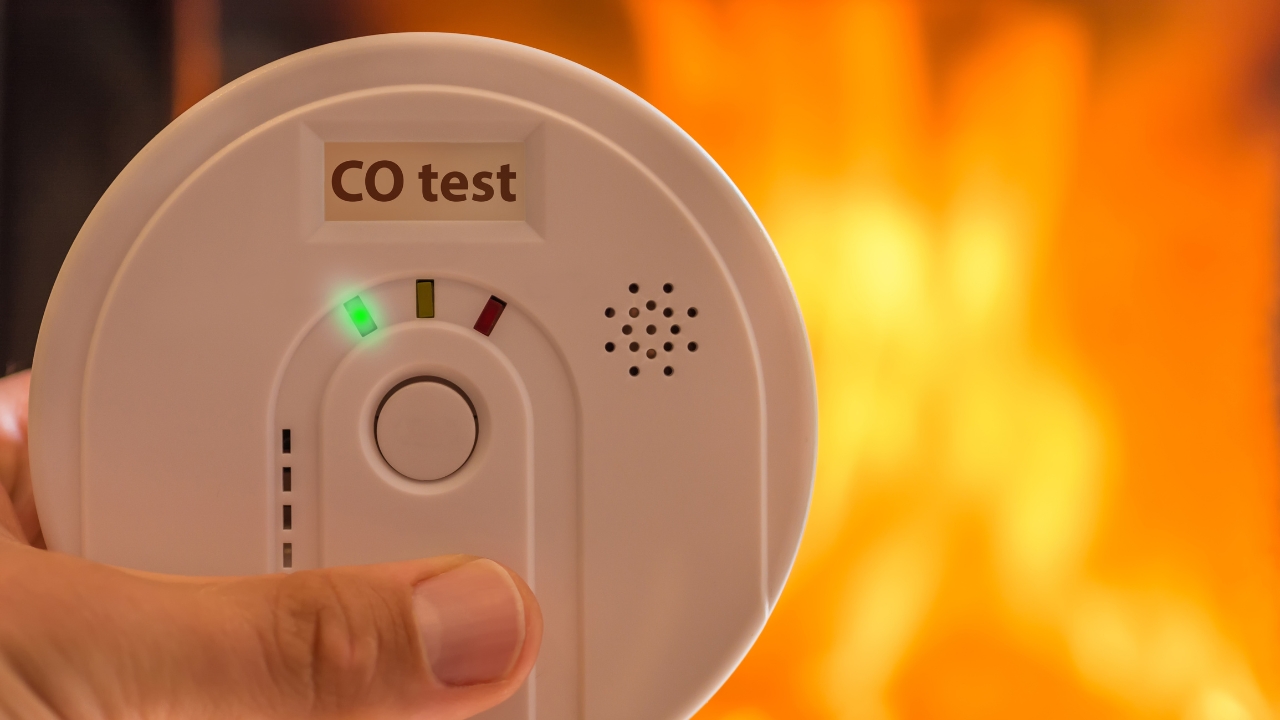
Because you cannot see or smell carbon monoxide, alarms are your only reliable early warning when something goes wrong during an outage. Indoor air experts recommend that you install carbon monoxide alarms on every level of your home and outside each sleeping area, and that you choose models with battery backup so they keep working when the power fails. The Environmental Protection Agency has framed this as part of a broader push to protect indoor air quality during power outages, urging households to install CO alarms to prevent poisoning and noting that these devices are widely available at most hardware stores.
The CPSC’s winter storm guidance goes further, telling you to install battery operated alarms or alarms with battery backup on each level and outside separate sleeping areas at home, and to test them regularly. The agency stresses that CO alarms save lives because they sound before carbon monoxide levels become lethal, giving you time to evacuate and call for help. Its detailed instructions to Install alarms are paired with reminders to replace batteries at least once a year and to replace the entire unit according to the manufacturer’s schedule, since sensors can degrade over time.
Planning ahead before the next storm hits
The safest time to think about carbon monoxide is before the forecast turns ugly. That means deciding now where a generator will sit, how long your extension cords need to be, and which circuits or appliances you will power so you are not improvising in the dark. Federal guidance urges consumers to be especially cautious with any fuel burning device and to keep them out of enclosed spaces and away from buildings where someone can enter, a reminder that sheds, detached garages, and even neighboring homes can be affected by exhaust if equipment is placed too close.
Indoor air and product safety experts also encourage you to treat CO prevention as part of your broader emergency kit. Alongside flashlights, nonperishable food, and bottled water, you should have fresh batteries for alarms, a written checklist of generator safety steps, and a plan for checking on neighbors who may be running equipment unsafely. The CPSC has repeatedly told consumers that they need to be especially careful with portable generators and other combustion devices during winter storms, because lethal levels of CO can build up in minutes. Its reminder that Consumers need to be especially cautious is not just aimed at people who own generators, but at anyone who might be tempted to borrow one or rely on a neighbor’s setup when the grid goes down.
What to do if you suspect carbon monoxide exposure
Even with alarms and careful planning, you still need to know how to respond if something goes wrong. If a CO alarm sounds, or if you and others in the home suddenly feel dizzy, nauseated, confused, or unusually tired, the CPSC’s guidance is clear: get outside into fresh air immediately and then call 911. Do not try to find the source of the leak or ventilate the house yourself before leaving, because every extra minute in a contaminated space increases the risk of permanent injury or death.
Once you are safe, emergency responders and qualified technicians can test the air, shut down equipment, and determine when it is safe to reenter. The CPSC’s Dec winter storm advisory underscores that CO alarms save lives precisely because they prompt this kind of immediate action, and it pairs that message with the same capital letter warning to NEVER operate a portable generator inside a home or other enclosed space. Taken together, those instructions explain why the CPSC’s winter storm safety reminders are so blunt: in the middle of a blackout, you do not need nuance, you need a rule you can remember and follow without hesitation.
Like Fix It Homestead’s content? Be sure to follow us.
Here’s more from us:
- I made Joanna Gaines’s Friendsgiving casserole and here is what I would keep
- Pump Shotguns That Jam the Moment You Actually Need Them
- The First 5 Things Guests Notice About Your Living Room at Christmas
- What Caliber Works Best for Groundhogs, Armadillos, and Other Digging Pests?
- Rifles worth keeping by the back door on any rural property
*This article was developed with AI-powered tools and has been carefully reviewed by our editors.